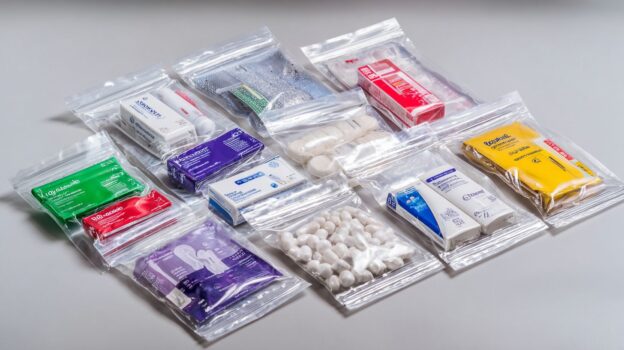
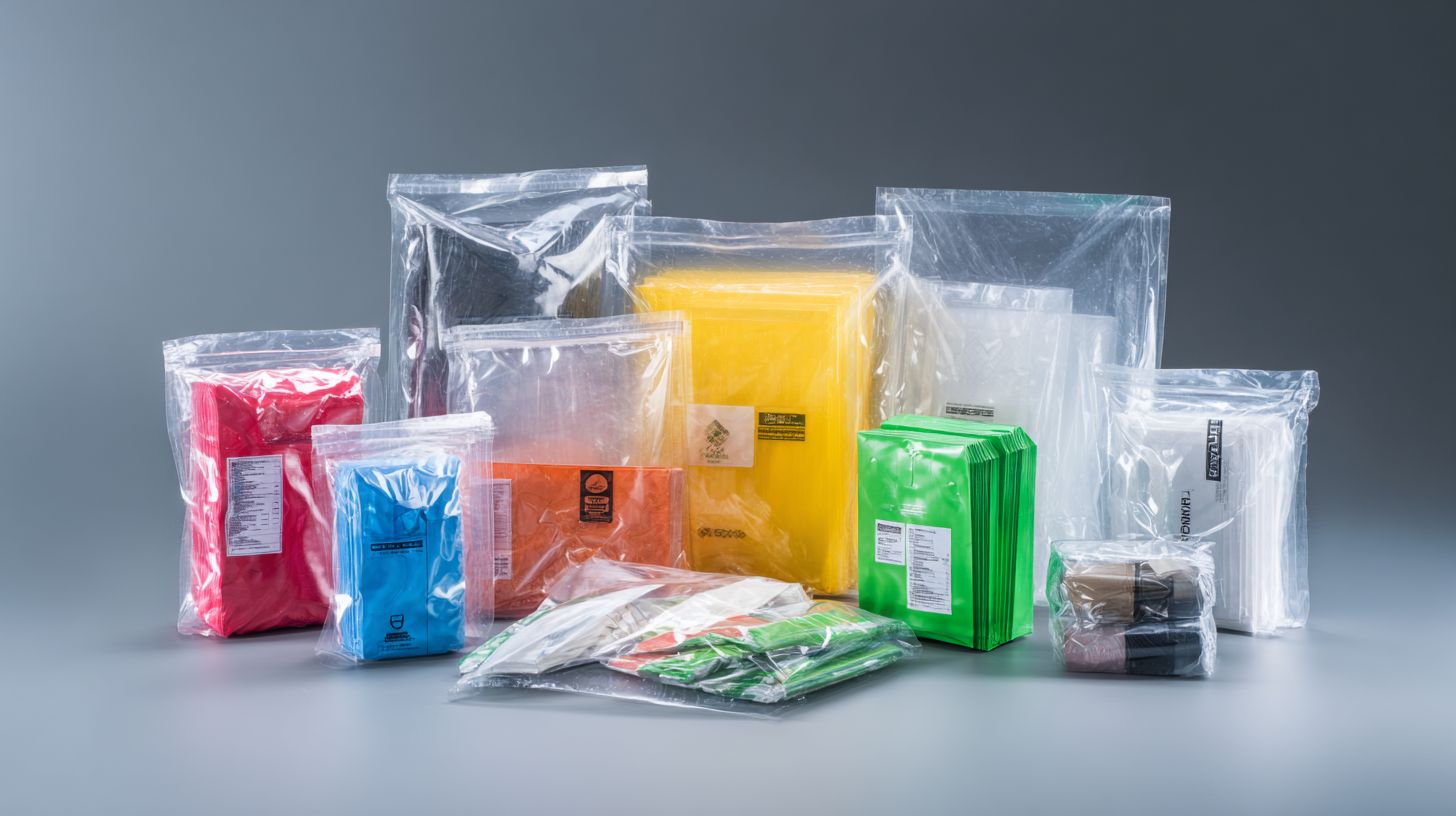
In the fast-paced world of retail, where first impressions seal deals, custom poly bags serve as more than mere carriers-they’re strategic assets that protect products while amplifying brand identity. As businesses seek versatile solutions, these bags blend durability, customizable designs, and eco-friendly options to drive engagement and loyalty. Explore their core features, branding strategies, industry applications, sustainability practices, and ROI metrics to elevate your packaging approach.
Core Functional Features
The core functional attributes of custom poly bags emphasize practical elements, such as material durability and versatility, thereby ensuring their ability to endure routine applications in shipping and storage.
Durability and Material Options
Durability in custom poly bags is achieved through the use of high-density polyethylene (HDPE) materials, available in thicknesses ranging from 2 to 6 mil. These materials provide tear resistance of up to 20 pounds per square inch, as verified by ASTM D882 testing standards.
The selection of the appropriate material should be guided by specific application requirements. The following four options are recommended for consideration:
- Low-density polyethylene (LDPE) for flexible, waterproof bags (1.5 mil thickness, priced at $0.10 per unit in bulk quantities);
- High-density polyethylene (HDPE) for industrial-strength applications (tear-resistant and UV-protected for outdoor use);
- Recycled polyethylene terephthalate (PET) blends (offering 20% lower cost compared to virgin materials);
- Anti-static variants specifically designed for electronics packaging.
A comparative overview of these materials is provided below:
| Material | Pros | Cons |
|---|---|---|
| LDPE | Lightweight, cost-effective | Less rigid, lower tear strength |
| HDPE | High durability, UV resistance | Stiffer, higher cost |
| Recycled PET | Eco-friendly, cheaper | Variable quality |
| Anti-static | Protects sensitive items | Premium pricing |
Uline supplies HDPE bags starting at $0.15 per unit for 4 mil thickness. A frequent error in this domain is underestimating the required thickness for heavy loads, which, according to industry reports, results in a 15% failure rate.
Size, Shape, and Capacity Variations
Custom printed poly bags are available in a variety of sizes, ranging from 2×3 inches for small pouches to 24×36 inches for garment covers. Shapes such as gusseted designs offer 20-50% additional capacity, making them suitable for bulk items.
| Size | Shape | Capacity Example | Best For | Cost Range |
|---|---|---|---|---|
| 6×9 inches | Flat | 1 lb | Shipping mailers | $0.05-0.15 |
| 10×13 inches | Gusseted | 2-3 lbs | Product storage | $0.10-0.20 |
| 12×15 inches | Flat with handles | 5 lbs | Retail display | $0.15-0.25 |
| 18×24 inches | Gusseted | 10 lbs | Apparel packing | $0.20-0.40 |
| 24×36 inches | Lay-flat | 15 lbs | Garment covers | $0.30-0.50 |
To select the appropriate bag, follow these steps:
- Measure the product dimensions and add a 10% buffer to facilitate easy insertion.
- Choose gusseted options for expandable needs, such as a 4-inch gusset for bulky items.
- Test prototypes through sample shipments to confirm optimal fit.
For e-commerce operations, 12×15-inch bags equipped with die-cut handles are highly effective for retail packaging, providing secure protection for apparel during transit.
Branding Integration Strategies
Implementing branding integration strategies for custom poly bags elevates standard packaging into powerful marketing assets, capable of enhancing retail visibility by up to 30%, as evidenced by studies from Packaging World.
Printing and Customization Techniques
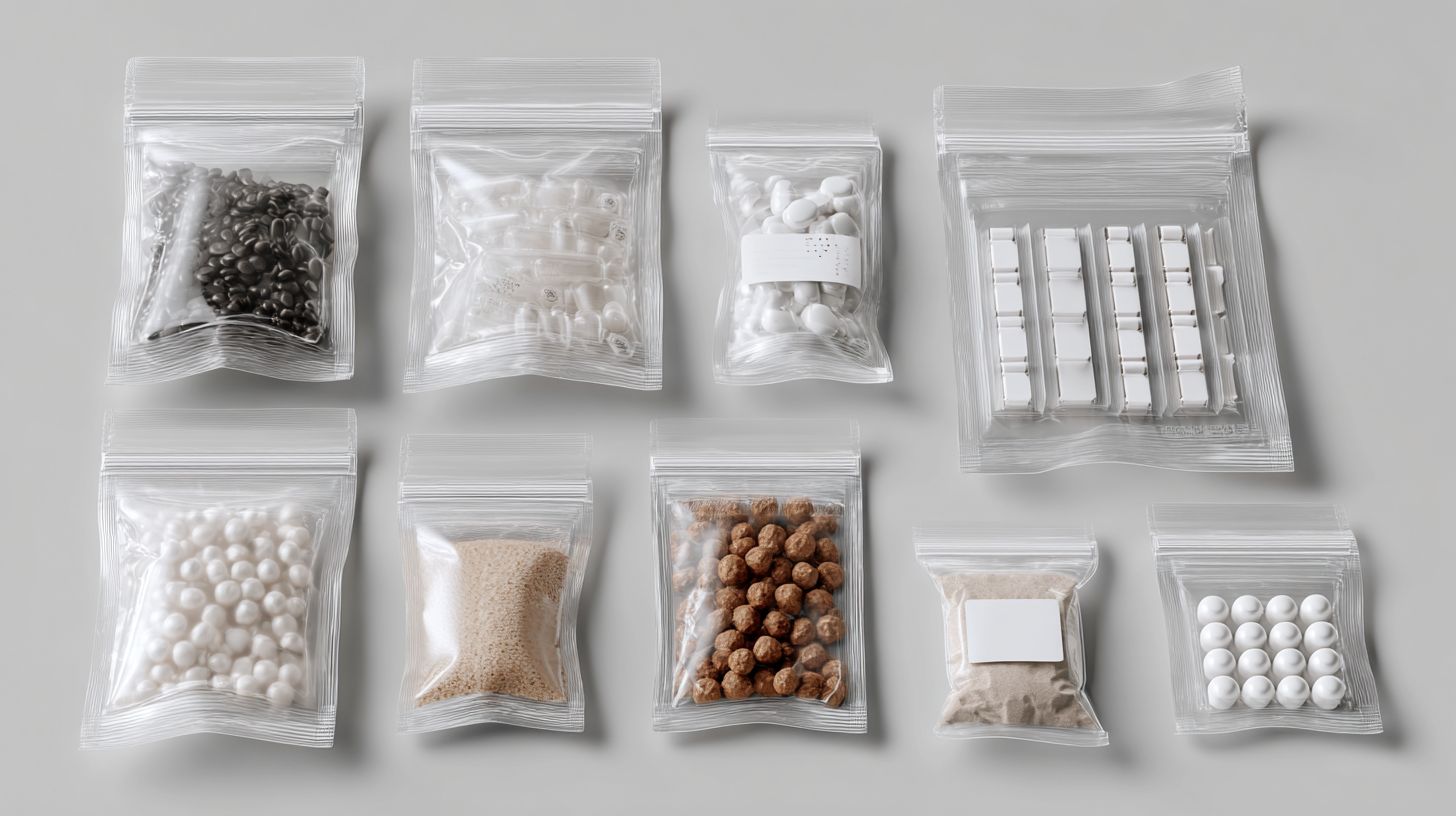
Printing techniques for custom poly bags encompass digital printing, which is suitable for short production runs of under 5,000 units at a cost of $0.20-$0.50 per bag, and flexographic printing, which is ideal for high-volume orders exceeding 10,000 units at $0.05-$0.15 per bag.
Additional effective methods include foil stamping and embossing. The following provides a detailed breakdown:
- Digital Printing (e.g., utilizing HP Indigo presses at 1200 DPI for high-resolution logos): Setup time requires 1-2 days. Advantages: Expedited proofing and vibrant color reproduction. Disadvantages: Elevated per-unit costs for production volumes exceeding 5,000 units.
- Flexographic Printing (a roll-fed process optimized for efficiency): Particularly well-suited for wholesale-scale runs. Advantages: Cost-effective at high volumes. Disadvantages: Extended setup time of 3-5 days.
- Foil Stamping (application of metallic foils to achieve a premium sheen): Enhances the luxurious appeal of branding. Advantages: Visually striking results. Disadvantages: Restricted color options, with an additional cost of $0.10-$0.20 per bag.
- Embossing (creation of textured, raised designs): Improves tactile quality. Advantages: Durable and professional appearance. Disadvantages: Substantial tooling expenses ($200 or more).
For instance, Vistaprint utilizes digital printing for prototypes and flexographic printing for bulk production, yielding precise and high-quality outcomes. Recommended best practice: Provide vector-based artwork in AI or EPS file formats to printing services to avoid pixelation and guarantee scalability.
Color Schemes and Design Elements
Effective color schemes for poly bags incorporate Pantone-matched hues, such as PMS 185 red for brand logos, in conjunction with glossy lamination to achieve 20% enhanced visibility under retail lighting conditions.
To optimize poly bag designs, it is recommended to consider the following five key elements that contribute to both aesthetic appeal and functionality:
- Color Selection: Employ 4-color CMYK schemes to generate vibrant contrasts; note that full-color printing will increase costs by 15%.
- Finishes: Select a matte finish for a premium, non-reflective appearance, or a glossy finish for superior shine and durability.
- Opacity: Utilize opacity levels ranging from 50% to 100% for transparent films that effectively showcase enclosed products.
- Lamination: Incorporate UV-resistant lamination layers at a cost of $0.02 per unit to prevent color fading.
- Design Considerations: Adopt minimalist layouts with 30% white space to ensure clear readability.
For inspiration, Coca-Cola’s silver poly bags exemplify the use of foil accents that enhance metallic sheen while maintaining cohesive design elements without visual conflicts.
Balancing Functionality and Aesthetics
Achieving an optimal balance between functionality and aesthetics in custom poly bags requires the careful selection of tear-resistant materials combined with high-resolution printing capabilities. This principle is exemplified by Amazon’s branded mailers, which incorporate clear labeling to reduce return rates by 10%. Such strategies have been shown to yield 25% higher customer engagement, according to a 2022 Packaging Digest survey.
When designing these bags, it is essential to evaluate functionality-such as the inclusion of ziplock seals to safeguard contents during transit-against aesthetic elements, including custom shapes that bolster brand recognition. A balanced hybrid approach can be realized through gusseted bags adorned with embossed logos, which provide both enhanced durability and striking visual appeal.
To maximize effectiveness, adhere to the following three recommendations:
- Emphasize waterproof properties in conjunction with glossy finishes, enabling resistance to moisture while ensuring prominence under retail lighting conditions.
- Validate the balance through focus group testing, with particular attention to participants’ unboxing experiences.
- Assess cost-benefit trade-offs meticulously; for instance, the addition of lamination may increase expenses by 10% but elevates perceived value by 15%, as documented in a 2021 study from the Journal of Packaging Technology.
Applications Across Industries
Custom poly bags are utilized across a wide range of industries, including retail packaging designed to elevate the unboxing experience and medical applications that adhere to FDA regulations for ensuring sterile containment.
Retail and E-Commerce Uses
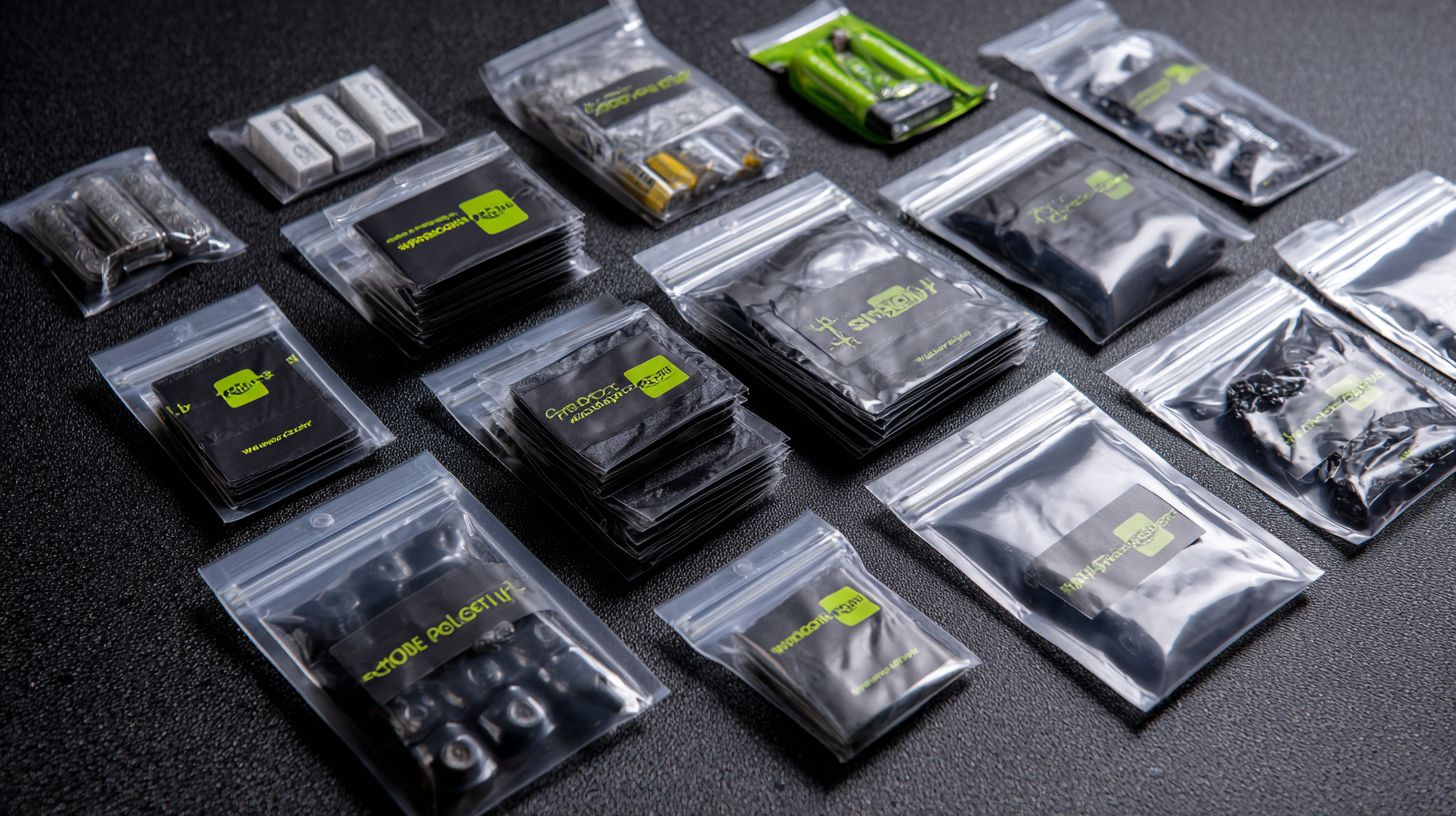
In the retail and e-commerce sectors, custom poly bags function as versatile shipping mailers and promotional carriers. Branded variants have been demonstrated to increase repeat purchases by 18%, according to a study conducted by Shopify.
To capitalize on this advantage, the following four use cases are recommended:
- E-commerce Mailers: Employ 12×15 inch gusseted bags featuring custom logos, available from Uline at $0.15 per unit. These bags reduce shipping damage by 25%, as evidenced by Uline’s packaging efficiency data.
- Retail Carryout: Integrate handles into food-safe polyethylene (PE) bags for grocery items, ensuring full compliance with FDA regulations for safe handling.
- Trade Show Giveaways: Select stand-up pouches to package promotional materials such as brochures, thereby enhancing portability at events.
- Customer Engagement: Distribute branded reusable bags embedded with QR codes that direct users to loyalty programs, thereby fostering greater interaction.
A case study involving an Etsy seller, as documented by Packlane, reported a 30% improvement in brand recall attributable to the implementation of custom poly bags.
Production and Sourcing Considerations
When considering production and sourcing for custom poly bags, it is essential to evaluate minimum order quantities (MOQs) ranging from 1,000 to 5,000 units and lead times of 2 to 6 weeks. Options produced in the USA typically incur costs 20-30% higher than imported alternatives, though they offer expedited delivery timelines.
| Supplier Type | MOQ | Lead Time | Cost per 1K Units | Pros/Cons |
|---|---|---|---|---|
| USA Manufacturers (e.g., Polybags.com) | 1,000 | 2-4 weeks | $150 | Pros: Quality control; Cons: Higher price |
| China Imports (e.g., Alibaba suppliers) | 5,000 | 4-6 weeks | $100 | Pros: Lower cost; Cons: Longer shipping, quality variability |
| Domestic Resellers (e.g., Uline) | 500 | 1-2 weeks | $180 | Pros: Quick turnaround; Cons: Limited customization |
To optimize the sourcing process, adhere to the following structured approach:
- Assess specific requirements, such as incorporating digital printing for low MOQs under 1,000 units.
- Identify suppliers through platforms like Alibaba for international imports or ThomasNet for domestic USA options.
- Negotiate bulk discounts, which can yield 10-20% savings on orders exceeding 10,000 units.
For applications involving food-safe poly bags, compliance with FDA regulations under 21 CFR 177.1520 is mandatory. For instance, Walmart’s transition to USA-based sourcing, as detailed in their 2022 sustainability report, resulted in a 40% reduction in lead times.
Sustainability in Custom Poly Bags
Sustainability in custom poly bags is progressing through the adoption of biodegradable alternatives composed of 50% plant-based materials, which reduce plastic waste by 30% in accordance with EPA guidelines on packaging.
To incorporate sustainable alternatives, the following three actionable options are recommended:
- Poly bags incorporating recycled content, utilizing 30-100% post-consumer recycled (PCR) materials, such as PolyOne’s ReVest line, which incurs only a 5-10% increase in costs.
- Biodegradable polyethylene (PE) formulations that decompose within three years, compared to over 100 years for conventional PE, and certified to ASTM D6400 standards.
- Reusable poly bag designs featuring 4-mil thickness and drawstrings for enhanced durability, capable of supporting up to 100 uses.
Challenges associated with these options include a 15% cost premium, which can be mitigated through certifications that ensure adherence to the EU Single-Use Plastics Directive. A case study from Patagonia illustrates the benefits: their implementation of eco-poly bags containing 80% recycled materials resulted in a 25% increase in brand loyalty, according to internal reports.
Measuring ROI and Success Metrics
Measuring the return on investment (ROI) for custom poly bags requires monitoring key performance metrics, such as a 15-20% enhancement in brand visibility and cost reductions of $0.10 per unit achieved through bulk customization.
To calculate this precisely, apply the ROI formula: (Brand Lift Value – Production Cost) / Cost x 100. For instance, a $5,000 campaign that generates a $20,000 sales uplift results in a 300% ROI.
The following outlines essential metrics for evaluation:
- Engagement: Increase social media shares by 25% through the use of branded bags, monitored via Google Analytics.
- Cost per acquisition: Achieve a 12% reduction following customization, thereby decreasing overall marketing expenditures.
- Return rate: Lower returns by 8% by incorporating durable designs that elevate perceived product value.
- Sales uplift: Realize 15% growth attributable to promotional packaging that fosters customer loyalty and repeat purchases.
Utilize HubSpot for thorough performance tracking. For example, a small retailer documented a 40% ROI in the first quarter after transitioning to custom poly mailers, according to a 2023 study published by Packaging World.
Frequently Asked Questions
Q: What are custom poly bags and how do they combine functionality with branding?
Custom poly bags are versatile plastic packaging solutions tailored to specific business needs, where Custom Poly Bags: Combining Functionality with Branding allows companies to create durable, practical bags that serve everyday purposes like carrying items while prominently featuring logos, colors, and designs to enhance brand visibility and customer loyalty.
Q: What materials are used in custom poly bags that support both functionality and branding?
In Custom Poly Bags: Combining Functionality with Branding, high-quality polyethylene or polypropylene materials are commonly used, offering strength, flexibility, and weather resistance for functional use, while allowing for vibrant printing techniques like flexography to incorporate branding elements without compromising the bag’s utility.
Q: How can businesses benefit from using custom poly bags for branding purposes?
Businesses gain significant advantages through Custom Poly Bags: Combining Functionality with Branding, as these bags not only provide reliable packaging and transport solutions but also act as mobile advertisements, increasing brand exposure in retail settings, events, or daily consumer use, ultimately boosting recognition and sales.
Q: What customization options are available for custom poly bags to integrate functionality and branding?
For Custom Poly Bags: Combining Functionality with Branding, options include various sizes, thicknesses, handles (such as die-cut or patch handles), zippers for reusability, and custom printing with logos or messages, ensuring the bags are both practically functional for storage or shopping and visually aligned with a brand’s identity.
Q: Are custom poly bags environmentally friendly while combining functionality with branding?
Yes, many Custom Poly Bags: Combining Functionality with Branding now incorporate eco-friendly features like biodegradable additives or recycled content, maintaining their functional durability for repeated use while allowing branded designs that promote sustainability messages, appealing to environmentally conscious consumers.
Q: How do I order custom poly bags that effectively combine functionality with branding?
To order, contact a specialized supplier with your specifications on size, quantity, and design; they will guide you through proofs for Custom Poly Bags: Combining Functionality with Branding, ensuring the final product meets functional requirements like load capacity alongside high-quality branding that represents your business effectively.
Turn your packaging into a powerful branding asset
With custom printed poly bags from Aplasticbag.com, you get reliable protection and eye-catching brand promotion in one solution. Order Now and let your packaging speak for your brand.

 Custom Poly Bags: Versatile Packaging for a Range of Products
  How Can Custom Poly Bags Be Customized to Meet Business Needs?
  What Are the Best Printing Techniques for Custom Poly Bags?
Comments