
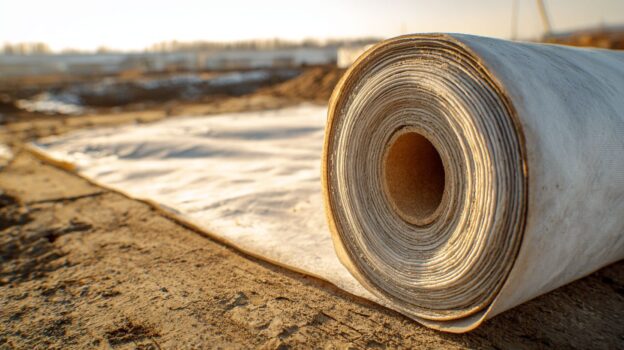
In the demanding worlds of construction, agriculture, and packaging, custom poly sheeting isn’t just a cover-it’s a critical shield against wear, weather, and waste. Choosing the wrong features can lead to costly failures, while the right ones deliver unmatched reliability and efficiency. Explore key considerations like polyethylene material types (LDPE vs. HDPE), optimal thickness for durability, customization flexibility, clarity options, environmental resistance, and aesthetic enhancements to find your perfect fit.
1. Understanding Custom Poly Sheeting Basics
Custom poly sheeting, derived primarily from polyethylene resins developed in the 1930s by Imperial Chemical Industries, functions as a highly versatile barrier material. Global production surpasses 100 million tons annually, as reported by the Plastics Industry Association (2023).
This material is defined as an extruded plastic film, typically ranging from 2 to 10 mil in thickness, making it particularly suitable for moisture barriers in packaging and construction applications. Its evolution traces back to protective coverings used during World War II, advancing to contemporary co-extruded films that significantly enhance durability.
Among its key properties are exceptional flexibility and recyclability. Tensile strength is evaluated according to ASTM D882 standards, with low-density variants often exceeding 2,000 psi.
Applications include agricultural greenhouses, which cover approximately 1.5 million acres in the United States based on USDA 2022 data, as well as vapor barriers in construction.
When selecting poly sheeting, it is advisable to allocate 1 to 2 hours for thorough research of supplier specifications. Common pitfalls, such as failing to account for thickness mismatches relative to specific end-uses, should be avoided, as these can result in performance failures, particularly in high-humidity environments.
2. Material Composition and Quality
The material composition of custom poly sheeting plays a critical role in determining its overall performance. Polyethylene variants account for more than 60% of global plastic film production (Statista, 2023), underscoring their prevalence in the industry.
Manufacturers such as Berry Global uphold stringent quality standards through rigorous testing protocols, including ISO 9001 certifications, to ensure reliability and excellence.
Polyethylene Types (LDPE, HDPE)
Low-Density Polyethylene (LDPE) exhibits excellent flexibility at densities ranging from 0.910 to 0.940 g/cm, rendering it particularly suitable for shrink films, whereas High-Density Polyethylene (HDPE) delivers enhanced rigidity at densities of 0.941 to 0.965 g/cm, ideal for robust construction sheeting, as documented in the 2022 DuPont material science report.
| Property | LDPE | HDPE |
|---|---|---|
| Key Traits | Flexible, puncture resistance 50-100 N | Stiff, tensile strength 20-30 MPa |
| Cost | $1.50/lb | $1.20/lb |
| Best Uses | Packaging film (e.g., FDA-compliant food bags) | Vapor barriers (e.g., pallet covers) |
| Pros | Conformable | Chemical resistance |
| Cons | Lower tear strength | Brittle in cold |
For applications necessitating a balance of characteristics, ExxonMobil’s Linear Low-Density Polyethylene (LLDPE) blends are recommended, as they provide superior tear resistance (up to 150 N) for hybrid films employed in agricultural covers, in accordance with their 2023 sustainability study. LDPE should be selected for flexible applications, while HDPE is preferable for those requiring load-bearing durability, thereby optimizing overall performance and regulatory compliance.
Virgin vs. Recycled Content
Virgin polyethylene sheeting is manufactured using 100% new resin, ensuring consistent quality and uniformity, with a cost ranging from $1.20 to $1.50 per pound. In contrast, polyethylene incorporating recycled content-up to 50% post-consumer resin-reduces environmental impact by 70%, according to the U.S. Environmental Protection Agency’s (EPA) lifecycle assessments from 2023.
However, this approach may result in a 10-15% reduction in tensile strength.
| Attribute | Virgin HDPE | Recycled HDPE (PCR) |
|---|---|---|
| Production | Pure ethylene polymerization, free of impurities | Derived from post-consumer PET bottles, compliant with ISO 14001 certification |
| Cost | $1.20-1.50/lb | $0.80-1.00/lb |
| Best Uses | Medical packaging (offering superior clarity) | Construction drop cloths |
| Pros | Consistent strength and high purity | Enhanced sustainability and reduced carbon footprint |
| Cons | Greater environmental impact | Potential color variations and minor strength reduction |
To preserve the quality of recycled materials, it is recommended to implement rigorous sorting protocols in accordance with ASTM D7611 standards, which can reduce impurities by 20%. For instance, The Home Depot employs recycled high-density polyethylene (HDPE) for pallet covers, thereby diverting an estimated 500 tons of plastic from landfills annually.
Although the EPA’s 2023 report indicates that the U.S. plastic recycling rate remains at only 9%, the adoption of recycled polyethylene options presents a meaningful opportunity to mitigate waste. Organizations are encouraged to begin by conducting supplier audits to verify post-consumer recycled (PCR) content certification, thereby optimizing the balance between cost efficiency and performance.
3. Thickness and Durability
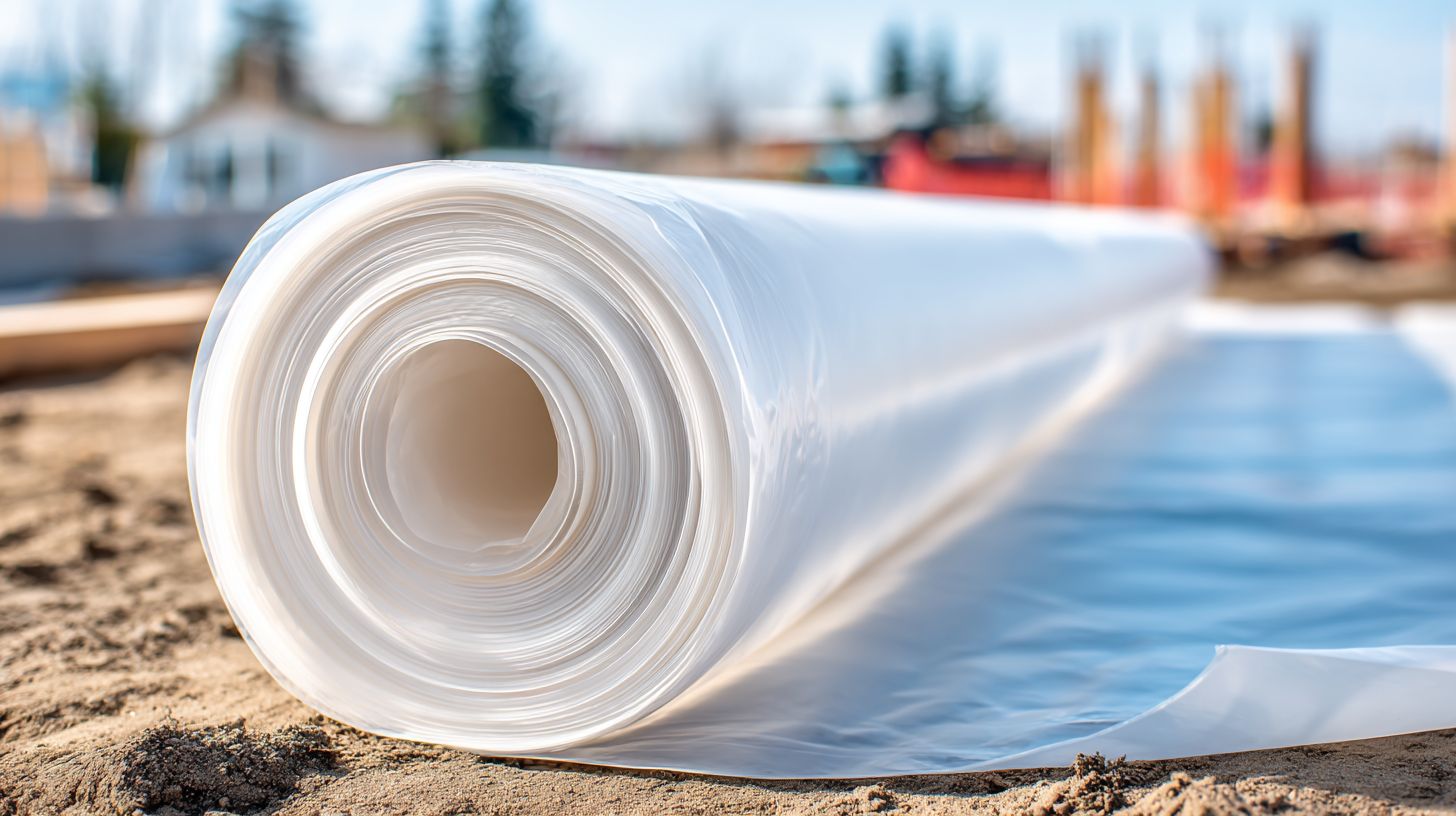
The thickness of custom poly sheeting, measured in mils (where 1 mil equals 0.001 inch), plays a critical role in determining its durability. Options ranging from 4 to 6 mils offer an effective balance between cost and strength for the majority of applications. According to benchmarks established by the Industrial Plastics Association, this thickness selection can reduce replacement frequency by up to 50%.
Gauge Options for Strength
Available gauge options for plastic sheeting range from 1 mil, suitable for lightweight packaging applications, to 10 mil for heavy-duty industrial purposes. Notably, 3-4 mil low-density polyethylene (LDPE) provides a tensile strength of 150-200 psi, rendering it particularly suitable for temporary wall installations, as substantiated by DuPont engineering data.
| Gauge | Application | Key Property | Cost/sq ft | Pros | Cons |
|---|---|---|---|---|---|
| 1 mil | Light packaging | Transparency high | $0.50 | Cost-effective | Low durability |
| 3 mil | Shrink film | Balanced strength | $0.80 | Flexible | Moderate tear resistance |
| 4 mil | Construction | High strength | $1.00 | Versatile | Less clear |
| 6 mil | Vapor barriers | Excellent durability | $1.20 | Durable | Stiffer to handle |
| 8 mil | Pallet covers | Superior puncture resistance | $1.50 | Puncture-proof | Expensive |
| 10 mil | Heavy industrial | Maximum toughness | $2.00 | Long-lasting | Hard to handle |
For those new to construction projects, a 4 mil gauge facilitates simpler installation than a 6 mil option, allowing for precise edge cutting with Stanley knives to create effective temporary barriers. Employing calipers to measure dimensions ensures an optimal fit, thereby minimizing waste by up to 20%, consistent with ASTM standards.
The associated learning curve is relatively brief; initial practice on scrap materials is recommended to proficiently master tensioning methods and avoid material tears.
Tear and Puncture Resistance
Tear resistance in polyethylene sheeting, as measured by the ASTM D1922 Elmendorf method, typically ranges from 100 to 300 grams for 4 mil low-density polyethylene (LDPE), while puncture resistance achieves 50 to 150 Newtons. These properties are particularly vital for applications such as scaffolding enclosures, where they help prevent accidents and ensure safety.
Despite these strengths, challenges remain. For instance, thinner gauges like 2 mil LDPE often fail under wind loads exceeding 50 grams, leading to construction delays.
To address this, incorporating cross-linking agents can increase tear strength by 25%.
Puncture risks posed by sharp tools impact LDPE (with a tolerance of 60 Newtons) more severely than high-density polyethylene (HDPE, at 80 Newtons for 4 mil thickness). Employing multi-layer co-extrusion techniques is recommended to improve overall durability.
Additionally, ultraviolet (UV) exposure can degrade resistance by 20% within six months; this can be mitigated through the use of stabilizers and routine dart impact testing in accordance with ASTM D1709.
A 2021 Occupational Safety and Health Administration (OSHA) report documented a $10,000 fine imposed on a construction site due to sheeting failure. The issue was resolved by transitioning to 6 mil reinforced film, which prevented further incidents.
4. Size and Customization Flexibility
Custom polyethylene sheeting provides significant flexibility in dimensions, ranging from standard 10 ft x 100 ft rolls to tailored specifications such as 5 ft x 50 ft slit widths. This adaptability can yield up to 30% savings in packaging materials, as outlined in a 2023 McKinsey supply chain study on plastic optimization.
Three primary customization techniques further enhance this versatility:
- Slitting employs rotary knives to produce widths between 1 ft and 20 ft, suitable for applications such as agricultural sheeting. This process requires moderate expertise and the use of CAD software like AutoCAD. For instance, a customized 12 ft width is ideal for greenhouse films.
- Perforation introduces tear lines to facilitate handling, incurring an additional cost of $0.10 per square foot. It is particularly well-suited for retail packaging wraps.
- Gusseting creates expandable tubing that increases storage capacity by 20%, making it effective for bulk applications such as silage bags.
To determine material requirements, utilize Microsoft Excel with the formula =Width * Length * Thickness to calculate volume. Customization premiums typically range from $0.05 to $0.20 per square foot, with lead times of 2 to 4 weeks for orders exceeding 10,000 square feet.
5. Clarity and Transparency Levels
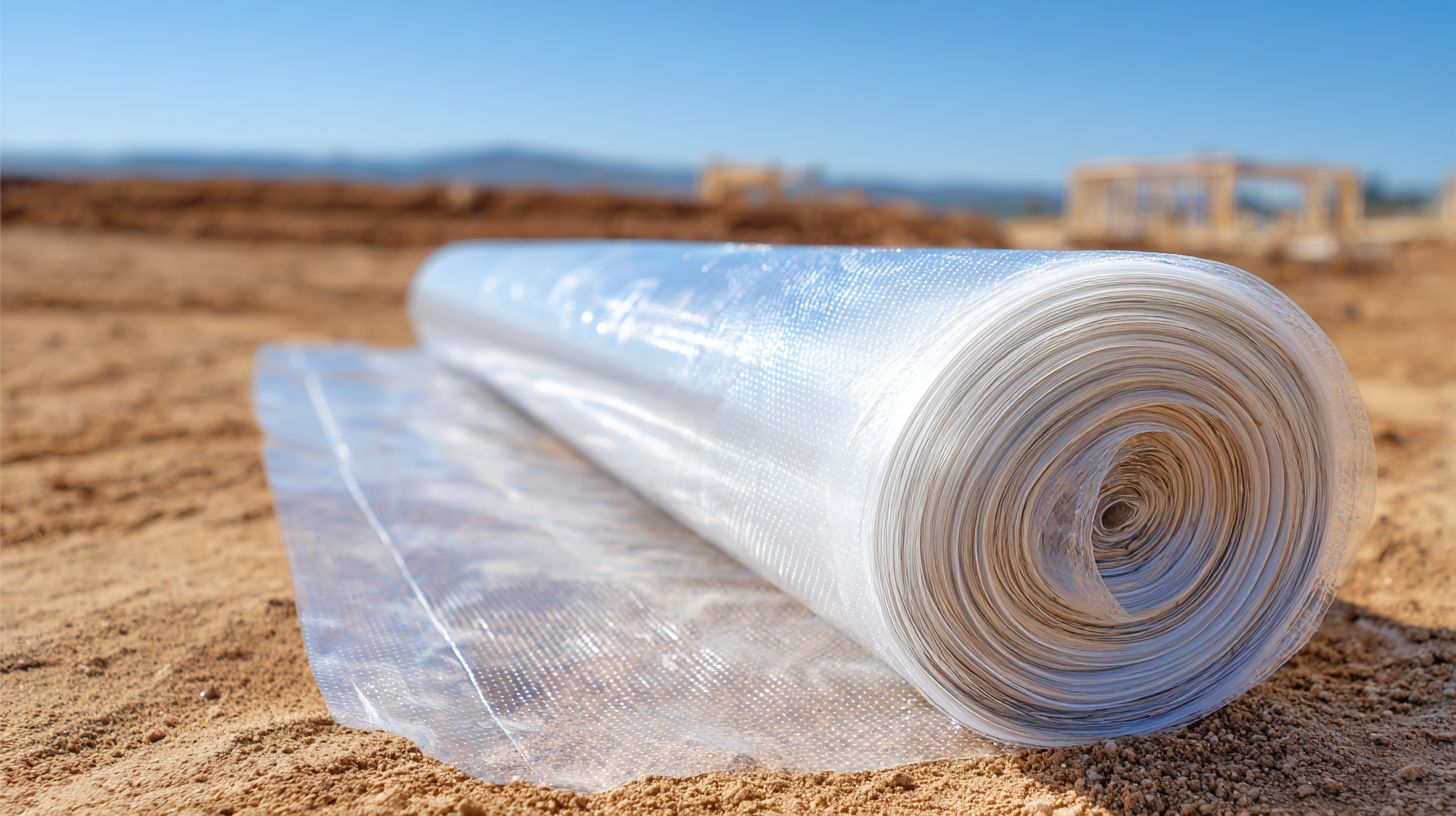
The clarity of poly sheeting, quantified by haze percentage according to ASTM D1003 standards (less than 5% for clear grades), significantly enhances visibility in various applications, including greenhouse films. In such contexts, a light transmission rate of 90% can increase plant growth by 15-20%, as demonstrated by USDA agricultural studies.
Opacity vs. Clear Finishes
Clear finishes in polyethylene sheeting provide 85-95% light transmission to enhance visibility, in contrast to opaque variants that incorporate 1-3% TiO2 additives for ultraviolet (UV) blocking, as stipulated in FDA guidelines for food packaging.
To determine the most suitable option, a side-by-side comparison is advisable:
| Attribute | Clear Finish | Opaque Finish |
|---|---|---|
| Transparency | High (85-95% light transmission) | Low (blocks 99% UV) |
| Cost | $1.00/sq ft | $1.10/sq ft |
| Additives | None | 1-3% TiO2 pigmented |
| Best Use | Shrink film for packaging | Dust protection in construction |
| Pros | Aesthetic appeal, easy inspection | Durability, long-term UV resistance |
| Cons | UV degradation in 6 months | Reduced visibility |
In greenhouse applications, clear sheeting delivers 90% light transmission, thereby increasing crop yields, according to a study published in Horticulture Research (2022). Opaque sheeting is particularly appropriate for temporary walls, offering effective shielding from sunlight.
For optimal versatility, a hybrid solution may be considered: Sealed Air’s co-extruded sheeting, which combines clear and opaque layers, effectively balances light control and protective qualities, rendering it suitable for diverse applications such as agricultural covers.
6. Environmental Resistance Features
Custom poly sheeting is equipped with critical environmental resistance features, including UV stabilizers that extend the material’s lifespan to 3-5 years, making it essential for outdoor applications. Moisture vapor transmission rates (MVTR) below 0.1 g/m/day, as determined by ASTM E96 standards, effectively prevent 90% of water ingress in construction settings.
To maximize these environmental resistance properties, it is advisable to adopt the following five targeted practices for producing durable custom plastic sheeting:
- UV Protection: Incorporate 2% hindered amine light stabilizers (HALS), which, based on Dow Chemical testing, inhibit 98% of degradation. This formulation is particularly well-suited for extended outdoor exposure.
- Moisture Barriers: Integrate EVOH layers to achieve a water vapor transmission rate (WVTR) of 0.05 g/m/day, thereby enhancing resistance to water in humid environments.
- Chemical Resistance: Refer to established charts demonstrating that high-density polyethylene (HDPE) can endure exposure to 50% acids, and select appropriate grades for applications involving industrial chemical contact.
- Temperature Ratings: Ensure the material retains flexibility across a temperature range of -40 degreesF to 160 degreesF, supporting versatile performance in both cold and hot conditions.
- Fire Retardancy: Select options that conform to ASTM E84 Class A standards to substantially reduce fire hazards.
A compelling illustration is Berry Global’s UV-treated agricultural sheeting, which achieves a 4-year lifespan and lowers replacement costs by 35%. Compliance with Environmental Protection Agency (EPA) regulations, which restrict volatile organic compound (VOC) emissions to less than 0.1%, is imperative for sustainable and eco-friendly manufacturing processes.
7. Printing and Aesthetic Enhancements
Custom poly sheeting is printed using flexographic techniques, enabling the application of up to eight colors to enhance branding on packaging films. Ink adhesion is facilitated by corona treatment, which elevates the surface energy to 38-42 dynes/cm, as outlined in a 2023 research paper published by Flexo & Gravure.
To achieve optimal results, adhere to the following numbered steps:
- Surface preparation: Apply corona treatment for 1 to 2 minutes to ensure proper ink adhesion.
- Selection of printing method: Opt for flexographic printing in high-volume runs at a cost of $0.05 per square foot, or digital printing for custom short runs.
- Ink selection: Utilize UV-curable inks for superior durability, ensuring compliance with FDA 21 CFR 176 regulations.
- Incorporation of enhancements: Add adhesive backing through extrusion coating, which increases costs by 10%.
- Quality assurance: Perform adhesion tests in accordance with the ASTM D3359 standard.
The setup process typically requires 4 to 6 hours. Common errors, such as inadequate ink curing leading to smudging, should be avoided by maintaining line speeds of 200-300 feet per minute.
For instance, Inteplast Group’s custom-printed pallet covers resulted in a 25% improvement in client recognition.
Your Packaging Needs. Your Custom Sheeting
Get the right combination of strength, flexibility, size, and customization. Reach out to Aplasticbag today for wholesale prices and bulk-order options.

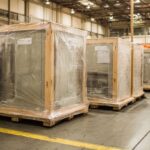 Why Should You Choose Custom Poly Sheeting for Heavy-Duty Packaging?
 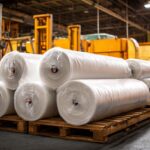 Custom Poly Sheeting: Versatile and Reliable for Industrial Packaging
 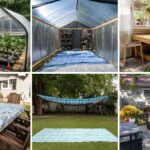 6 Creative Uses for Custom Poly Sheeting
Comments