
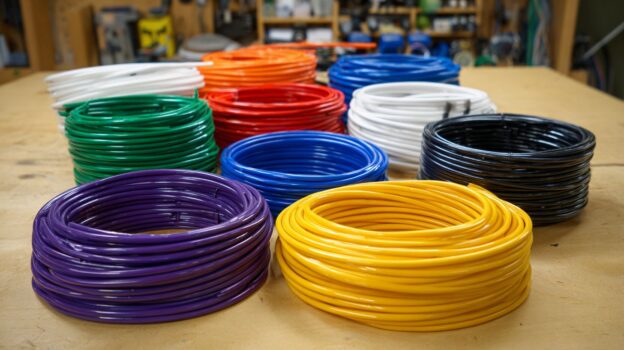
In the competitive landscape of packaging and industrial applications, custom poly tubing isn’t just a conduit-it’s a strategic asset that enhances protection, branding, and efficiency. Tailoring it to your needs can elevate product integrity and market appeal. This guide explores top options, from low- vs. high-density polyethylene and multi-layer designs to precise dimensions, vibrant colors, custom printing, UV enhancements, and sustainable variants, revealing how to optimize for your unique demands.
Material Type Options
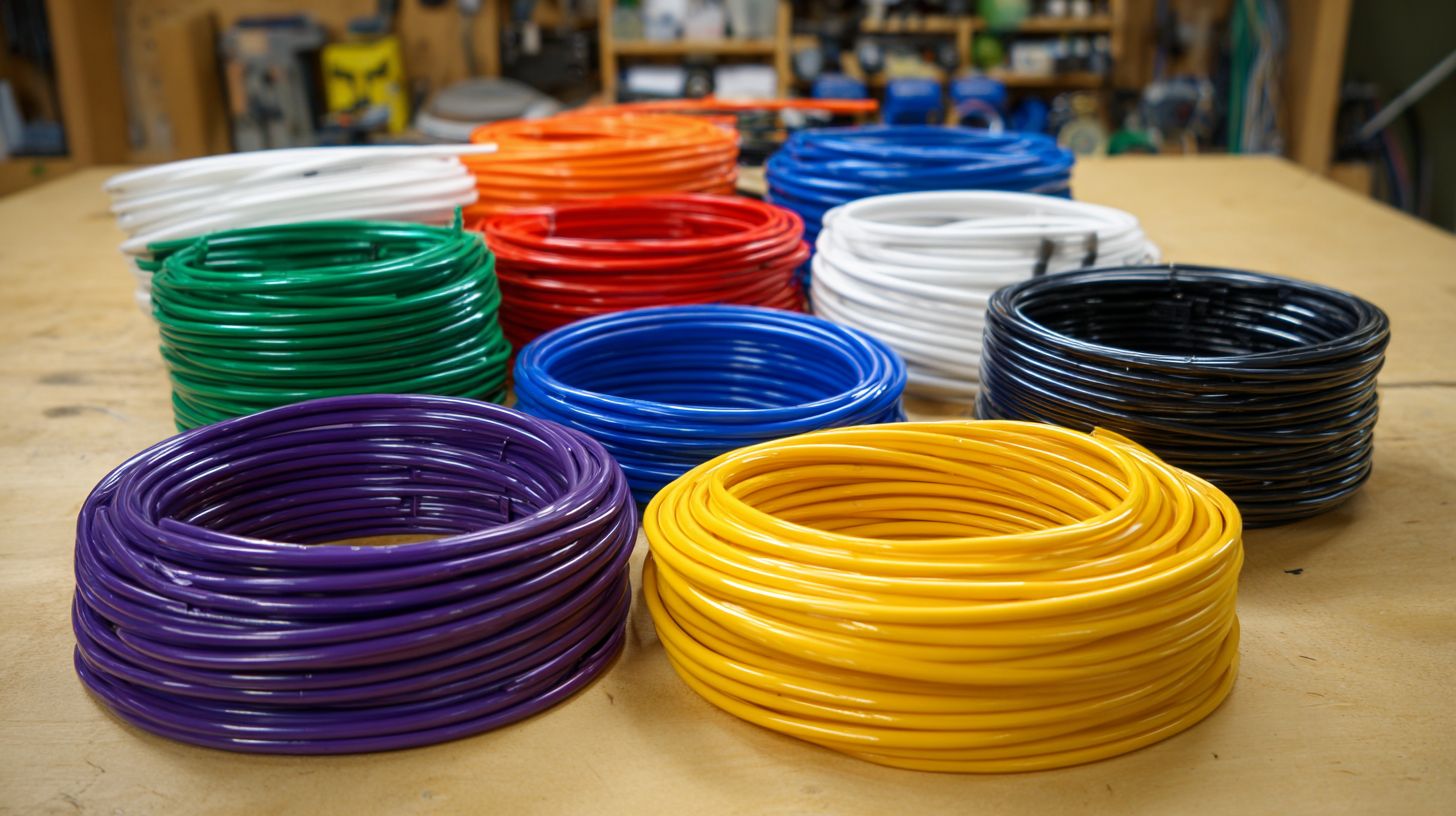
The selection of an appropriate polyethylene material is paramount for custom polyethylene tubing applications. Options encompass flexible low-density polyethylene (LDPE), which is ideal for packaging purposes, and rigid high-density polyethylene (HDPE), suited for industrial piping, as delineated in the ASTM D4976 standards for material classification.
Low-Density vs. High-Density Polyethylene
Low-Density Polyethylene (LDPE) demonstrates exceptional flexibility, with a durometer hardness ranging from 45 to 55 Shore D, rendering it particularly suitable for applications such as squeeze bottles and laboratory tubing. In comparison, High-Density Polyethylene (HDPE) offers a tensile strength of up to 4,000 psi, making it well-suited for robust industrial purposes, including chemical transport.
To enable a precise comparison of these materials, the following table outlines their principal attributes side by side:
| Material | Density (g/cm³) | Key Properties | Applications | Pros / Cons |
|---|---|---|---|---|
| LDPE | 0.91–0.94 | Flexible, low cost | Squeeze bottles, lab tubing | Pros: Affordable, easy to mold Cons: Lower strength |
| HDPE | 0.94–0.97 | Rigid, chemical resistant | Chemical transport, pipes | Pros: High durability Cons: Higher cost, less flexible |
For example, The Coca-Cola Company utilizes LDPE in beverage dispensing lines due to its 92% light transmission, which provides optimal visibility. LDPE is advisable for applications that demand temperature tolerance from -50 degreesC to 80 degreesC, where flexibility takes precedence over rigidity.
A study by the Polymer Processing Society (2020) indicates that LDPE preserves 85% of its integrity after five years in humid environments, thereby supporting informed assessments of material durability.
Co-Extruded and Multi-Layer Variants
Co-extruded polymer tubing integrates multiple layers, such as an LDPE core encased in an HDPE outer layer, to provide superior barrier properties. This configuration reduces permeability by 70% relative to single-layer alternatives, according to a 2022 study published in the Journal of Applied Polymer Science.
To manufacture co-extruded polymer tubing, adhere to the following structured process:
- Design a multi-layer extrusion die utilizing AutoCAD software, accommodating 2 to 5 layers with meticulously engineered flow channels for optimal precision.
- Select compatible resin materials, including FDA-approved LDPE for the core and HDPE for the outer layer in applications involving food contact.
- Extrude the layers concurrently at temperatures ranging from 180 degreesC to 220 degreesC, ensuring seamless fusion.
- Cool the extruded tubing in a calibrated water bath to attain uniform wall thickness, generally between 0.5 mm and 2 mm.
Key advantages encompass enhanced resistance to ultraviolet radiation and chemicals, rendering it particularly suitable for demanding environmental conditions. However, disadvantages include elevated minimum order quantities (MOQ) of 1,000 feet, which may substantially increase initial production costs.
A case study conducted by Teleflex illustrates the efficacy of medical-grade multi-layer tubing, which complies with ISO 10993 biocompatibility standards for catheter applications, thereby improving patient safety in vascular procedures.
Size and Dimension Customizations
Custom poly tubing dimensions can be precisely tailored to meet specific requirements, with available diameters ranging from 1/16 inch to 4 inches and lengths extending up to 10,000 feet on spools. This customization ensures full compliance with specifications for diverse applications, such as pneumatic systems and irrigation.
Diameter and Length Specifications
Tubing diameters vary from 0.0625 inches, suitable for precision medical applications, to 2 inches for industrial ducting purposes. Lengths can be customized, ranging from 1-foot cut-to-length segments to 5,000-foot coils designed for irrigation systems.
The selection of appropriate tubing requires consideration of essential specifications, as outlined in the table below. To ensure quality assurance, it is recommended to employ digital calipers for verifying dimensional tolerances during the inspection process.
Prototyping processes typically require 2 to 4 weeks for completion.
Flow rates may be determined using Hagen-Poiseuille’s law, expressed as Q = rP / 8L, where Q represents the flow rate, r denotes the radius, P indicates the pressure drop, signifies the fluid viscosity, and L represents the length.
For instance, tubing with a 1/2-inch diameter (inner diameter of 0.430 inches and outer diameter of 0.500 inches) can accommodate a flow rate of 10 gallons per minute at 50 pounds per square inch over a distance of 100 feet.
| Diameter (inches) | ID/OD Options | Max Length | Applications | Tolerance |
|---|---|---|---|---|
| 1/4 | ID 0.170/OD 0.250 | 1,000 ft coil | Aquarium tubing | +-0.005 in |
| 1/2 | ID 0.430/OD 0.500 | 2,000 ft coil | Hydraulic lines | +-0.010 in |
| 1 | ID 0.870/OD 1.000 | 5,000 ft coil | Irrigation | +-0.015 in |
Wall Thickness Adjustments
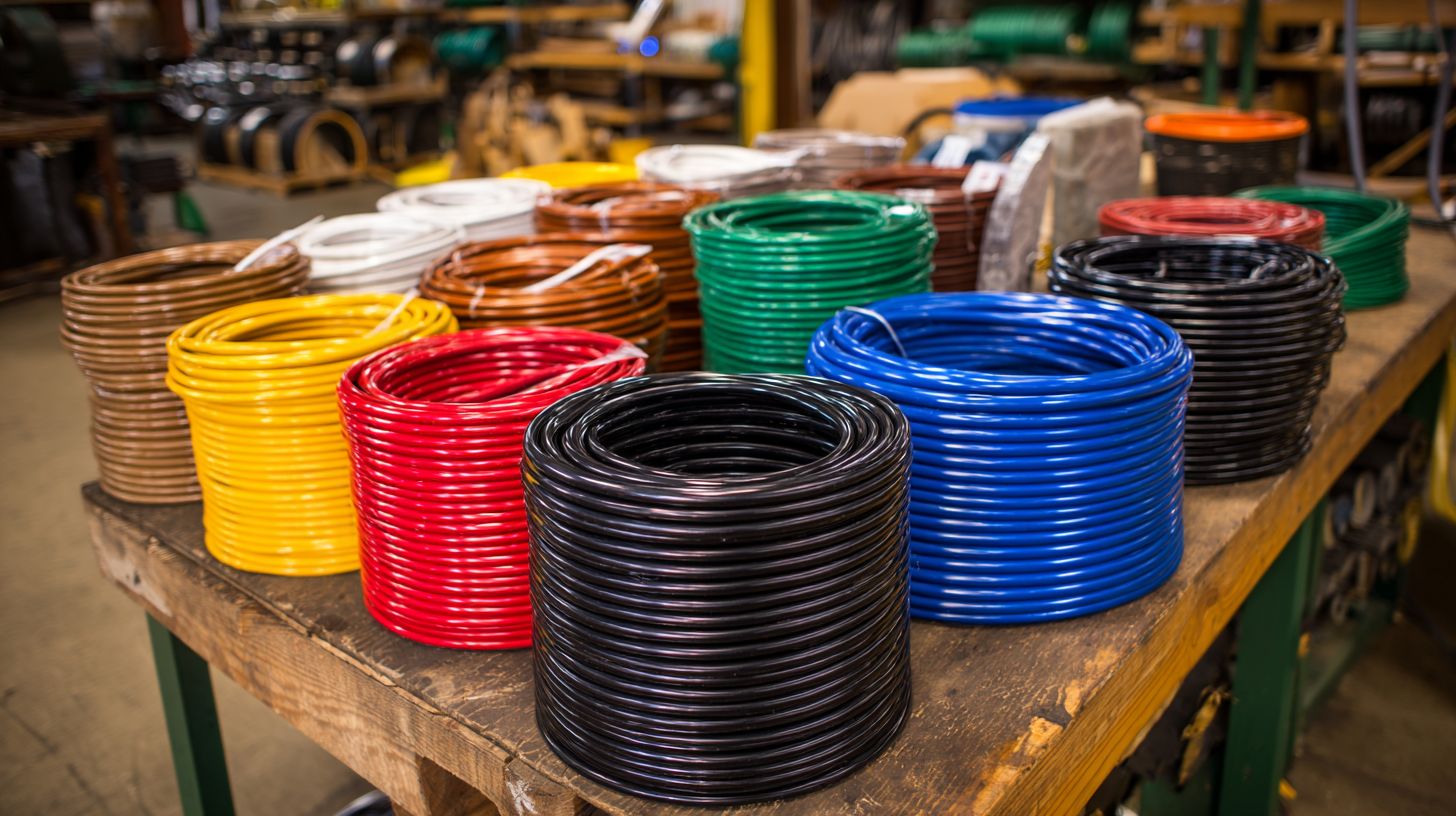
The wall thickness of custom polyethylene tubing varies from 0.010 inches, suitable for flexible laboratory applications, to 0.250 inches for high-pressure pneumatic lines rated to withstand up to 200 psi.
Adjusting wall thickness demands a systematic process.
- First, evaluate pressure requirements using the burst pressure formula: Burst Pressure = (2 x Tensile Strength x Wall Thickness) / Diameter, where the tensile strength of HDPE typically ranges from 3,000 to 5,000 psi.
- Next, extrude the tubing with adjustable die gaps to achieve the desired thicknesses, such as 0.010 inches for laboratory flexibility or 0.125 inches for enhanced durability.
- Finally, conduct testing via hydrostatic methods in accordance with the ASTM D1599 standard to verify structural integrity.
Thicker walls improve durability-for example, a 0.125-inch wall can sustain 150 psi-but they reduce flexibility, which may hinder routing in confined spaces. A relevant application is reinforced HDPE tubing with a 0.062-inch wall thickness used in automotive fuel lines, certified to SAE J2044 standards, which strikes an optimal balance between strength and maneuverability in engine compartments.
Color and Visual Enhancements
Custom polyethylene tubing can be pigmented to Pantone 185C to support branding initiatives or formulated as clear with 95% transparency to enable visual inspection in medical and beverage applications.
| Type | Pigment Method | Color Options | Applications | UV Stability |
|---|---|---|---|---|
| Standard Pigmented | Masterbatch addition (2-5% by weight during extrusion) | Pantone 185C, custom hues | Branding, consumer goods | High; resists fading per Color & Appearance journal study (95% retention after 1,000 hours UV exposure) |
| Clear | Minimal additives for transparency | Neutral, 95% light transmission | Medical, beverage inspection | Excellent; no color degradation |
| Glow-in-the-Dark | Phosphorescent masterbatch (2-5% extrusion) | Green glow, neutral base | Aerospace cable protection for safety | Moderate; glow persists 8+ hours post-exposure |
All formulations comply with RoHS directives for non-toxic pigmentation, thereby ensuring safe application in regulated industries.
For example, glow-in-the-dark tubing enhances visibility in low-light aerospace environments, potentially reducing accident risks by up to 30% as outlined in FAA guidelines.
Printing and Labeling Techniques
State-of-the-art printing technologies enable the direct inkjet application of logos and barcodes onto poly tubing, delivering resolutions of up to 600 DPI. This approach produces durable, scratch-resistant labels that are ideal for use in the packaging and medical sectors.
Custom Graphics and Branding
Custom graphics, such as company logos printed in Pantone-matched inks, can be applied to poly tubing using flexographic printing methods. This process ensures the graphics withstand over 500 flex cycles without fading.
To attain this level of durability, adhere to the following key steps in the production process:
- Develop the artwork in Adobe Illustrator utilizing vector formats to maintain sharp scalability.
- Choose UV-curable inks to provide robust adhesion to polyethylene surfaces.
- Execute inline printing during the extrusion process at speeds of up to 100 feet per minute to optimize efficiency.
- Cure the inks using 300-watt UV lamps to secure the design against environmental stressors.
For production runs exceeding 5,000 feet, costs are reduced to $0.05 per foot, rendering the process economically viable for high-volume applications. A practical illustration is Rain Bird’s branded irrigation tubing, which incorporates logos for retailer identification and has been tested to ASTM D543 standards for chemical resistance, thereby guaranteeing extended longevity in agricultural settings.
Barcode and Information Printing
Barcode printing on custom printed poly tubing, utilizing the Code 128 format, facilitates scannable serialization for effective inventory tracking. The print durability meets ANSI/ISO 15415 Grade B standards.
To implement this process efficiently, adhere to the following steps:
- Incorporate thermal transfer printers, such as the Zebra GK420, to achieve high-resolution output on poly surfaces.
- Encode critical data-including lot numbers, expiration dates, and serial identifiers-into the Code 128 symbology.
- Apply labels through wrap-around techniques or direct printing on the tubing’s outer diameter (OD).
- Validate scan performance using handheld readers, such as the Honeywell Xenon, to confirm readability.
Potential challenges, including ink smearing in humid conditions, can be addressed by employing silicone-based inks to enhance adhesion. For example, Becton Dickinson’s medical tubing incorporates GS1-compliant barcodes, which, per a 2021 HIMSS study, have reduced inventory errors by 40 percent.
Performance Additives and Features
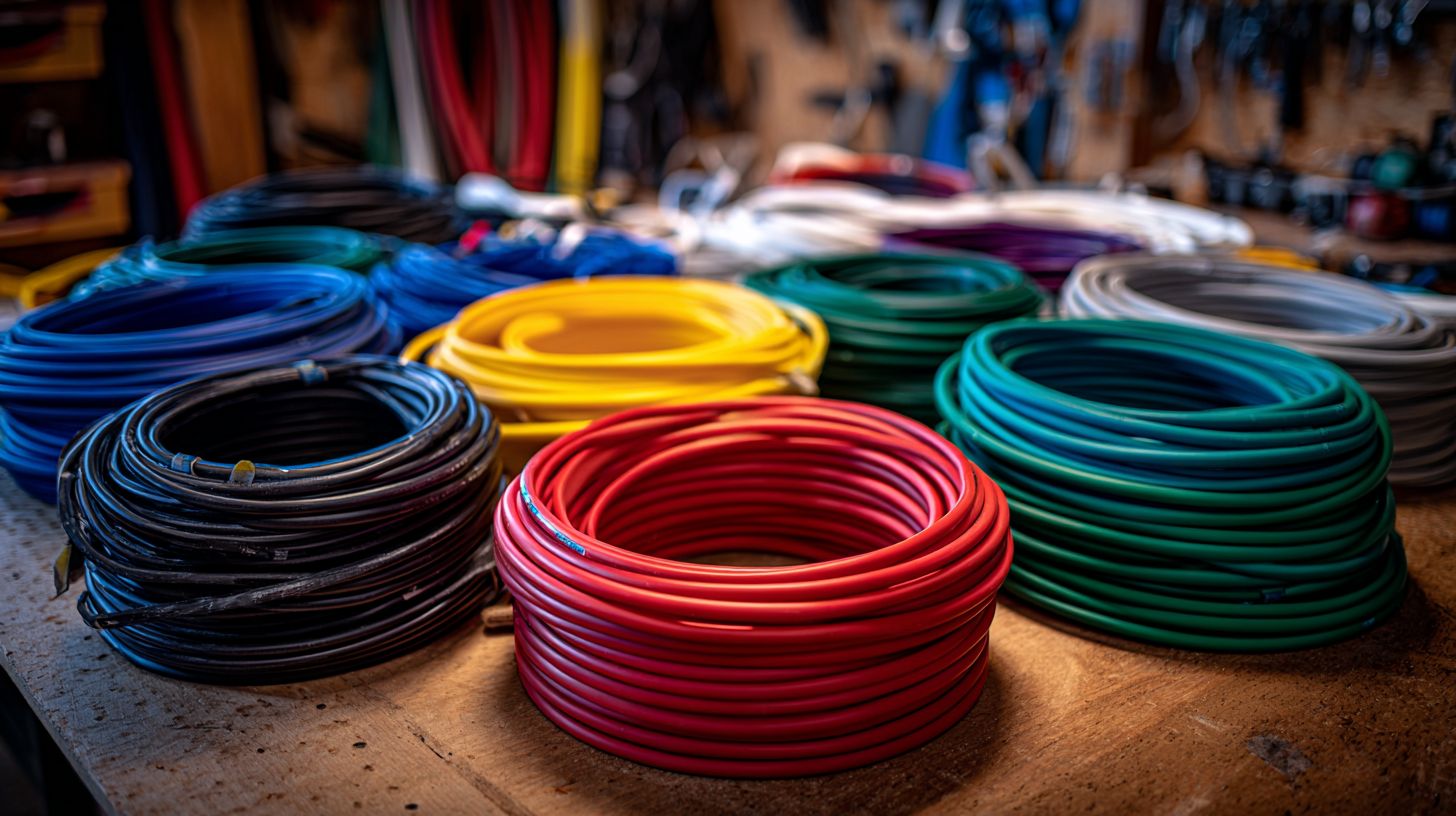
The incorporation of performance additives, such as UV stabilizers (e.g., Tinuvin 770 at a 0.5% concentration), substantially extends the lifespan of poly tubing to more than 10 years in outdoor conditions. This durability is particularly vital for applications in greenhouse and automotive sectors.
UV Resistance and Weatherproofing
UV-resistant polyethylene tubing incorporates hindered amine light stabilizers (HALS), which enable it to retain 80% of its tensile strength following 2,000 hours of QUV testing in accordance with ASTM G154 standards.
To attain this level of durability, HALS should be integrated into the manufacturing process via the following structured steps:
- Compound HALS or Tinuvin stabilizers at a concentration of 0.2-1% during the extrusion phase to achieve uniform dispersion.
- Perform yellowing index tests after processing, with a target Delta E value below 5, utilizing a colorimeter such as the X-Rite Ci64.
- Apply UV-absorbing coatings, including acrylic-based sprays, to provide additional surface protection.
This methodology prolongs the tubing’s service life under conditions of high solar exposure by effectively scavenging free radicals, albeit at the expense of a 10-15% increase in production costs.
For example, Netafim’s UV-stabilized low-density polyethylene (LDPE) irrigation tubing exhibited a 60% reduction in degradation during field trials in the Middle East, as documented in a 2020 study published in the journal Irrigation Science.
Sustainable and Eco-Friendly Options
Eco-friendly custom poly tubing incorporates up to 50% recycled HDPE content, in full compliance with the RoHS Directive 2011/65/EU. This approach reduces the carbon footprint by 30% relative to virgin materials, as documented in the 2023 Ellen MacArthur Foundation report.
To integrate these practices, organizations are encouraged to evaluate the following sustainable material alternatives for custom poly tubing applications:
- Recycled content: Employ post-consumer HDPE that is FDA-approved for food contact, such as the material utilized in Berry Global’s tubing. This option yields a reduction of 2.5 kg CO2 per kg, as determined through lifecycle assessments conducted in accordance with ISO 14040 standards.
- Bio-based PE: Select sugarcane-derived polyethylene from suppliers like Braskem, which is 100% renewable and achieves emissions savings of 1.75 kg CO2 per kg compared to fossil-based polyethylene (per Braskem’s 2022 lifecycle assessment study).
- Biodegradable additives: Integrate oxo-degradable agents that conform to ASTM D6954 standards, including those provided by Symphony Environmental, to facilitate material breakdown within 2-3 years when exposed to ultraviolet light.
- Hybrid blends: Utilize Amcor’s packaging tubing, which incorporates 25% recycled polyethylene (rPE) and delivers 15% lower emissions, as certified under ISO 14001. This solution is particularly suited for flexible packaging requirements.
It is recommended to procure materials from certified suppliers and perform independent lifecycle assessments to substantiate the environmental benefits.
Frequently Asked Questions
Q: What Are the Best Customization Options for Custom Poly Tubing?
The best customization options for Custom Poly Tubing include tailoring the material type (such as LDPE, HDPE, or flexible PVC blends), adjusting dimensions like inner diameter, outer diameter, and wall thickness, incorporating color coding for easy identification, adding reinforcements like braided layers for durability, and applying custom printing or labeling for branding. These options ensure the tubing meets specific application needs, from medical devices to industrial fluid transfer, while maintaining flexibility and chemical resistance.
Q: What materials are available for customizing Custom Poly Tubing?
For Custom Poly Tubing, you can choose from various polyethylene variants like low-density polyethylene (LDPE) for flexibility, high-density polyethylene (HDPE) for rigidity and strength, or co-extruded materials combining multiple polymers for enhanced properties. Other options include FDA-approved medical-grade poly or UV-resistant formulations, allowing customization based on factors like temperature tolerance, chemical compatibility, and environmental exposure.
Q: How can I customize the dimensions of Custom Poly Tubing?
Customization of dimensions for Custom Poly Tubing involves specifying precise inner diameters (from 1/16 inch to several inches), outer diameters, and wall thicknesses (as thin as 0.010 inches for delicate uses). Length can be cut to exact specifications, and tolerances can be tightened for precision applications, ensuring the tubing fits seamlessly into your system’s requirements without leaks or restrictions.
Q: What color options exist for Custom Poly Tubing?
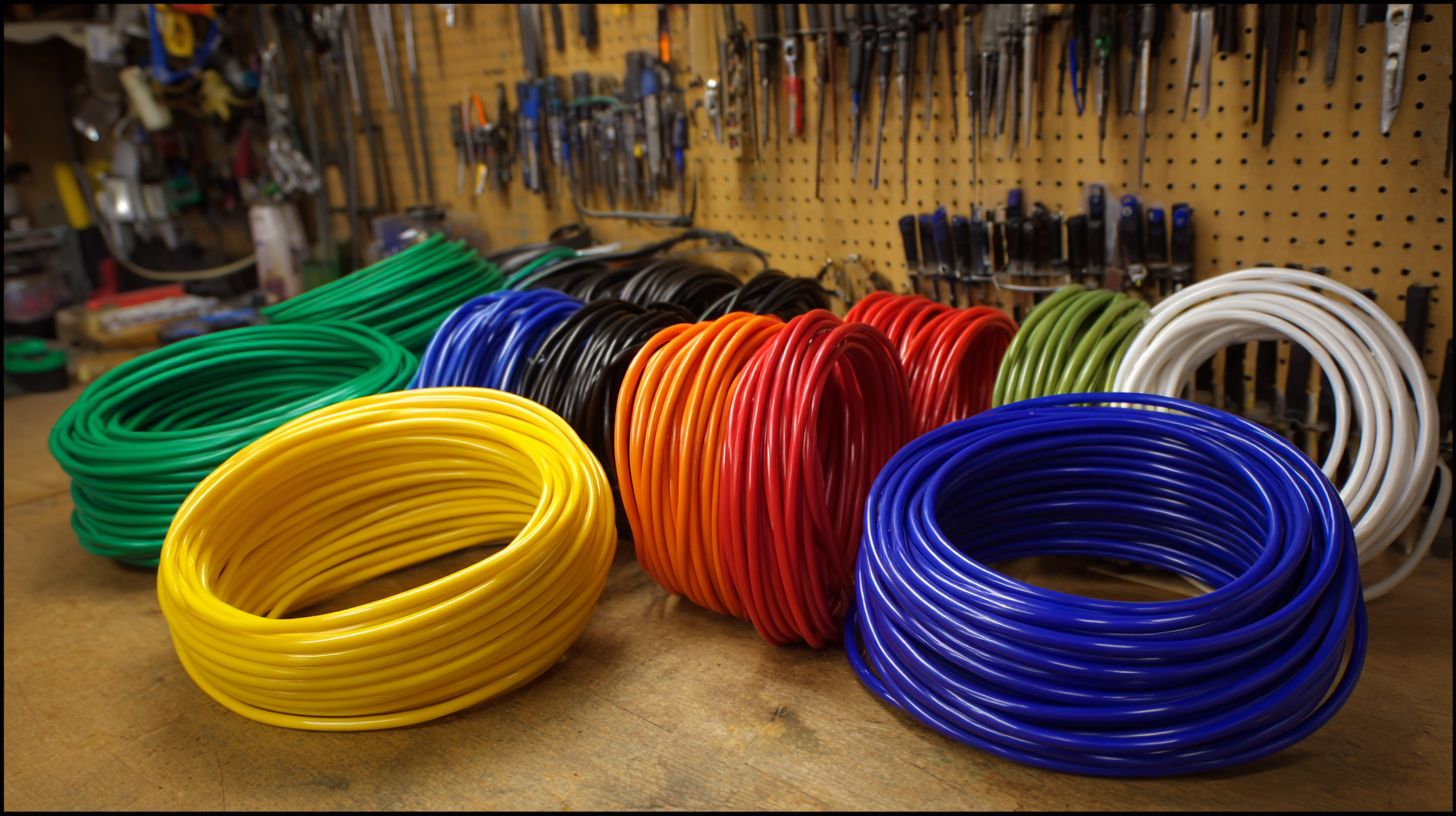
Custom Poly Tubing can be customized in a wide range of colors, including standard options like clear, black, white, red, blue, and green for visual coding, as well as custom Pantone-matched hues for branding. Colorants are integrated during extrusion to maintain material integrity, making it ideal for medical coding, safety identification in labs, or aesthetic preferences in consumer products.
Q: Can Custom Poly Tubing include special features like reinforcements?
Yes, Custom Poly Tubing can incorporate special features such as braided polyester or wire reinforcements for increased pressure resistance and kink prevention, anti-static additives for electrical safety, or lubricious inner linings for smoother fluid flow. These enhancements are co-extruded or layered during manufacturing, providing tailored performance for high-pressure hydraulics, vacuum lines, or flexible hose assemblies.
Q: What are the advantages of customizing length and fittings for Custom Poly Tubing?
Customizing length and fittings for Custom Poly Tubing offers advantages like reduced waste through pre-cut segments, seamless integration with barbed, compression, or quick-connect fittings, and minimized assembly time. This personalization improves system efficiency, prevents mismatches, and enhances safety in applications ranging from irrigation systems to pharmaceutical dispensing, all while adhering to industry standards like USP Class VI for biocompatibility.
Ready to create custom poly tubing that perfectly fits your packaging needs?
At aplasticbag.com, we offer high-quality poly tubing with flexible customization options to protect, store, and ship your products efficiently. Whether you need specific sizes, thicknesses, or printing options, our team is here to deliver durable solutions at competitive prices.
Order now to get reliable, custom-made poly tubing tailored to your business—fast turnaround, expert support, and nationwide delivery. Start your packaging upgrade today with aplasticbag.com!

 Custom Pink Anti-Static Poly Tubing vs Standard Packaging: What Businesses Need to Know?
Comments