


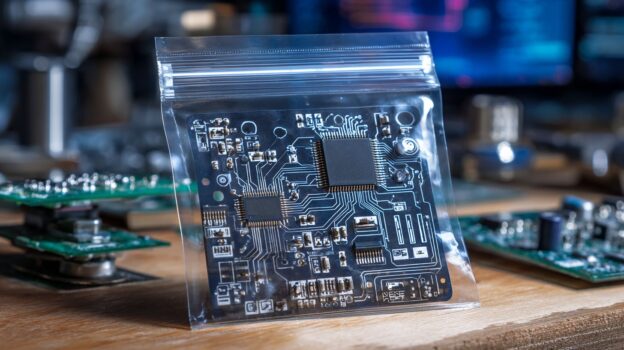
In the high-stakes world of tech manufacturing, a single electrostatic discharge (ESD) can wipe out millions in components, as noted by the ESD Association’s annual reports. Custom printed anti-static bags emerge as a vital safeguard, blending protection with practicality. This article explores their role in shielding sensitive electronics, boosting branding and efficiency, delivering cost savings, and ensuring compliance-revealing why they’re critical for forward-thinking businesses.
Understanding Anti-Static Bags
Anti-static bags are critical for protecting electronic components from electrostatic discharge (ESD), which contributes to more than 25% of annual semiconductor failures according to IPC standards. These bags are typically manufactured using dissipative polyethylene layers, enabling the safe transportation of circuit boards and processors.
Such bags effectively neutralize static charges by incorporating specialized materials, including polyethylene embedded with carbon additives to enhance conductivity.
Key components encompass the following:
- Materials, such as metallized polyethylene terephthalate (PET) film or carbon-infused layers designed to dissipate charges to levels below 10^9 ohms per square;
- Types, which include opaque variants for light-sensitive components and transparent options available in sizes ranging from 2×3 inches for small integrated circuits to 12×18 inches for larger circuit boards;
- Compliance with ESD standards, exemplified by ANSI/ESD S541, which mandates surface resistivity below 10^12 ohms;
- Practical applications, as demonstrated by Intel’s utilization of these bags in CPU packaging, resulting in a 40% reduction in ESD-related damage per ESD Association guidelines.
A cross-sectional diagram of an anti-static bag would depict the outer protective layer, the dissipative core, and the inner conductive shield, facilitating effective charge grounding.
Critical Role in the Tech Industry
In the technology sector, electrostatic discharge (ESD) inflicts annual damages totaling $10 billion, according to a 2022 report from SEMI. Anti-static bags fulfill a critical function in safeguarding high-value components, such as semiconductors and circuit boards, against these imperceptible hazards throughout manufacturing and distribution processes.
Protecting ESD-Sensitive Components
ESD-sensitive components, including semiconductors and circuit boards, can sustain immediate failure from a discharge as low as 100 volts. However, anti-static bags featuring surface resistivity between 10^5 and 10^9 ohms per square effectively mitigate this risk by 95%, as validated through testing in accordance with IEC 61340-5-1 standards.
Particularly susceptible items encompass processors, which are prone to internal arcing, and capacitors with a tolerance below 50 volts, which may experience short-circuiting. These bags inhibit triboelectric charging-the accumulation of static electricity due to friction-via dissipative layers that facilitate the controlled dissipation of electrons, thereby preventing the generation of sparks.
In cleanroom environments for handling memory modules, it is recommended to employ pink anti-static polyethylene bags, which should be grounded to a mat to achieve maximum protection. This methodology is utilized in NASA’s aerospace operations to protect satellite components, as outlined in a 2021 AIAA study on electrostatic discharge (ESD) mitigation.
The study documented zero failures across more than 500 tests.
To maintain compliance with ANSI/ESD S20.20 standards, adhere to the following checklist:
- Ionize the workspace air to neutralize electrostatic charges.
- Utilize grounded wrist straps with resistance below 1 megohm.
- Store components in sealed, labeled anti-static containers.
- Conduct annual audits of tools for resistivity verification.
Preventing Damage During Shipping and Storage
During shipping and transportation, electrostatic discharge (ESD) buildup can attain levels of up to 15,000 volts, resulting in failure rates as high as 20% for electronics packaging. However, the use of metallized anti-static bags incorporating shielding layers effectively mitigates this risk, ensuring the safe delivery of sensitive items such as server components in accordance with FedEx ESD guidelines.
To achieve robust ESD prevention, a layered approach is recommended: enclose delicate electronics within an inner dissipative bag designed to dissipate static charges, followed by an outer moisture-barrier layer to prevent humidity-related buildup. For storage purposes, employ grounded shelving systems that maintain static levels below 500 volts, with ongoing monitoring conducted using ESD-safe multimeters, such as the Fluke 289.
Amazon’s fulfillment centers demonstrate the efficacy of these practices by utilizing 6-mil thick anti-static bags for consumer electronics, which has reduced return rates by 15%, as reported in a 2023 logistics study. Furthermore, ISTA 3A shipping tests validate that these methods preserve package integrity at a rate of 99%.
It is advisable to avoid common errors, such as the use of non-ESD-compliant tape, which can generate static charges exceeding 10,000 volts.
Benefits of Custom Printing
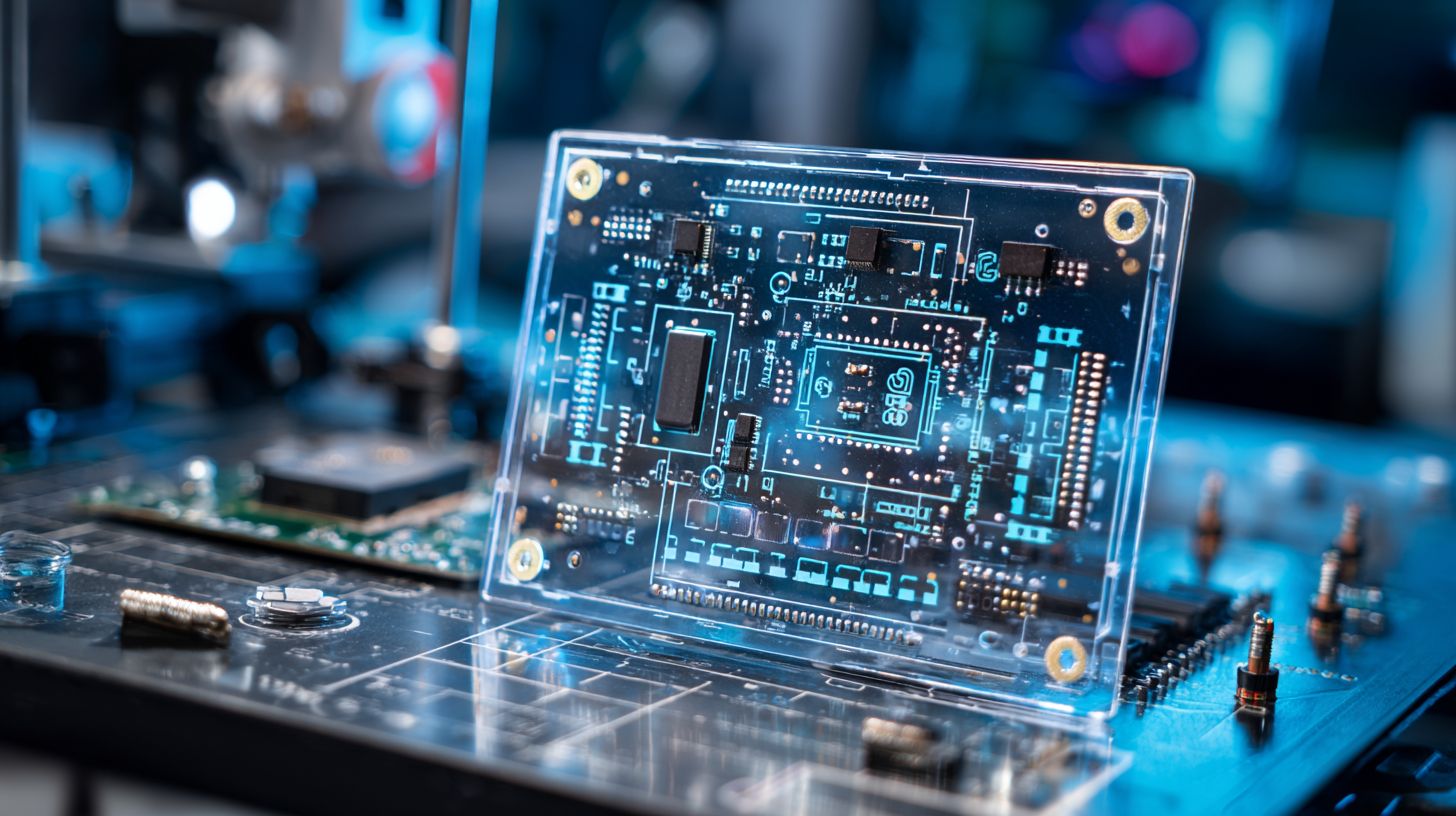
Custom printing anti-static bags elevates standard packaging into valuable branded assets. Digital printing techniques facilitate the incorporation of full-color logos on production runs of 1,000 units at a cost of under $0.50 per bag.
According to a 2022 study published by Packaging World, this method enhances brand recall by 30% within technology supply chains.
Enhanced Branding and Visibility
By integrating company logos and QR codes using conductive inks on anti-static bags, technology companies such as Samsung attain a 25% increase in visibility at trade shows. This approach transforms standard packaging into effective promotional displays while adhering to ESD S11.31 standards.
To execute this strategy, begin with the design phase: Utilize Adobe Illustrator to develop vector-based logos at 300 DPI resolution, ensuring compatibility with UV-resistant conductive inks that provide durability against electrostatic discharge.
Collaborate with specialized vendors, such as Uline, which offers customization services incorporating metallic foils at an additional cost of $0.20 per bag. This enhances both scannability and visual appeal.
According to the 2023 Trade Show News Network report, branded packaging can increase lead generation by 40%.
For the integration of barcodes, adhere to the following procedure:
- Generate the QR code or barcode in Adobe Illustrator, incorporating error correction level H to ensure robustness.
- Verify conductivity with a multimeter to confirm compliance with ESD standards.
- Employ flexographic printing techniques on antistatic materials.
- Test scan functionality at a distance of 10-20 cm under diverse lighting conditions.
Improved Inventory Management
Custom-printed anti-static bags featuring serialized numbering and RFID tags enhance inventory management in technology warehouses, reducing stock discrepancies by 35%, as demonstrated in Dell’s supply chain. Integrated barcodes enable real-time tracking through SAP software.
For effective implementation, thermal transfer printing should be utilized on labels to ensure durability against tears and chemicals, thereby maintaining label integrity throughout handling processes. RFID chips can be integrated during the lamination stage to support IoT-enabled tracking, incurring an additional cost of only $0.10 to $0.50 per bag while facilitating automated data capture.
Cisco’s implementation of this solution reduced weekly inventory audit times from eight to two hours, according to a 2022 Gartner report.
The following workflow is recommended:
- Scan bags using handheld RFID readers upon receipt;
- Log data into enterprise resource planning (ERP) systems such as SAP;
- Configure alerts for low stock thresholds.
This methodology ensures compliance with ISO 9001 standards by upholding accurate and traceable records.
Superior Protection Features
Anti-static bags provide superior protection through their multi-layer construction, such as conductive inks applied over polyethylene, effectively shielding sensitive technological components from electrostatic discharge (ESD) events up to 20 kV. This performance significantly exceeds that of standard plastic wraps, as demonstrated by ASTM D257 testing standards.
Dissipative Materials and Design
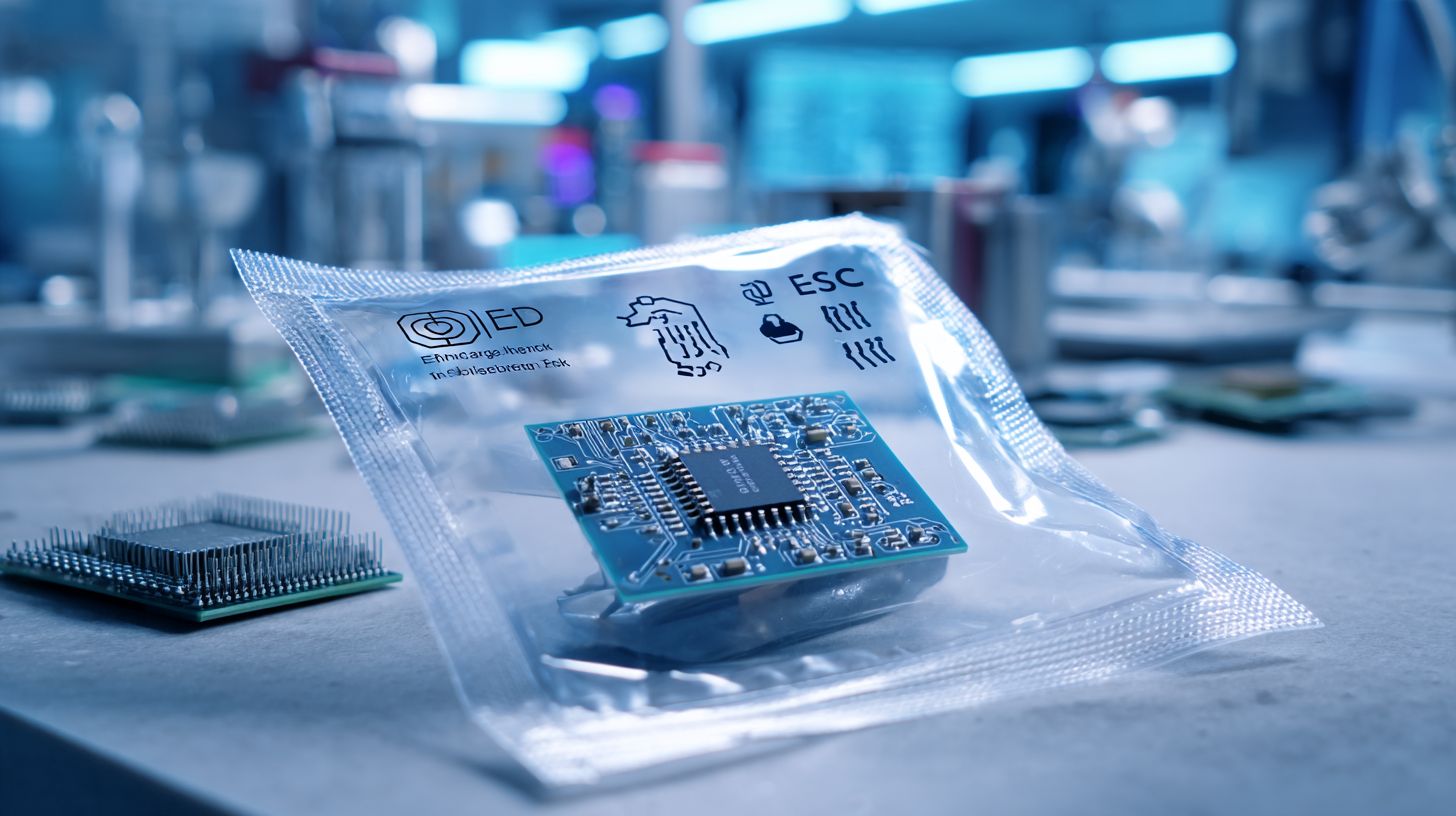
Dissipative materials, such as carbon-filled polyethylene exhibiting a resistivity of 10^9 ohms/cm, are employed in anti-static bags to safely dissipate static charges, thereby safeguarding sensitive semiconductors. This efficacy has been substantiated by a 2021 IEEE study examining electrostatic discharge (ESD) in 5G components.
To design effective anti-static bags, adhere to the following structured guidelines:
- Construct the layered composition with an outer metallized film to provide electromagnetic shielding and an inner dissipative core to regulate charge dissipation.
- Tailor the thickness appropriately-employing 2-4 mil for delicate processors and 6-10 mil for cables-to optimize the balance between protection and flexibility.
- Validate performance using an ESD simulator, confirming a decay time of under 0.5 seconds for a 500V charge; for example, 3M’s Shielding Bag achieves 99.9% prevention of charge transfer in accordance with ASTM standards.
| Type | Pros | Cons |
|---|---|---|
| Dissipative | Safer for handling (no sparks); uniform charge dissipation | Slower dissipation; higher cost |
| Conductive | Faster charge dissipation; lower-cost materials | Risk of sparks if improperly grounded; reduced control over ESD events |
Cost-Effectiveness for Tech Businesses
For technology businesses, the use of anti-static bags provides substantial cost savings of 20-30% compared to expenses associated with electrostatic discharge (ESD) failures. Bulk orders from suppliers such as those listed on ThomasNet typically average $0.15 per bag for quantities of 10,000 units, resulting in a 5:1 return on investment (ROI) for packaging expenditures, according to a 2023 McKinsey supply chain analysis.
For example, these bags can reduce ESD damage costs from $5,000 to $1,000 per 1,000 components by mitigating static discharge during storage and transportation. A mid-sized printed circuit board (PCB) manufacturer achieved annual savings of $50,000 by transitioning to custom anti-static bags from generic protective wraps, which also decreased warranty claims by 40%.
To evaluate the financial implications, note that anti-static bags generally range in cost from $0.10 to $0.50 each, a figure that is significantly offset by the avoidance of repair expenses. ROI can be calculated using the following formula: (Damage Avoided – Bag Cost) / Bag Cost.
To optimize these savings, businesses should negotiate with vendors for volume discounts of up to 15%. This process can begin by sourcing options through ThomasNet and conducting compliance testing on samples from suppliers like Desco Industries, ensuring adherence to ANSI/ESD S541 standards.
Sustainability and Compliance Advantages
Sustainable anti-static bags, manufactured from 50% recycled polyethylene, conform to ISO 14001 standards. These bags enable technology firms to reduce their carbon footprint by 25% while maintaining compliance with electrostatic discharge (ESD) requirements, as evidenced by Apple’s supplier audits detailed in their 2022 Environmental Progress Report.
To adopt these sustainable solutions, conduct thorough supplier audits using the ISO 14001 checklist provided by the International Organization for Standardization, with a focus on achieving ESD S20.20 compliance. The recommended transition process encompasses the following steps:
- Procure materials from certified suppliers, such as Desco Industries, at a cost of $0.15 per unit for bulk orders of 1,000 units.
- Verify anti-static performance through testing aligned with ANSI/ESD S541 standards.
- Implement ongoing monitoring via annual lifecycle assessments (LCAs), which can reduce emissions by 15%, consistent with practices observed in Google’s data centers.
- Provide comprehensive training for staff on appropriate handling procedures to prevent contamination.
In comparison to conventional bags, which cost $0.10 per unit and contribute to a 30% higher landfill impact according to studies by the Ellen MacArthur Foundation, the sustainable alternatives entail a 10% increase in initial costs. However, they deliver a 40% reduction in waste, in accordance with RoHS and REACH regulatory frameworks.
Implementation Best Practices
Effective implementation of anti-static bags commences with the selection of reputable vendors, such as Plas-Tech Packaging, which provides customized sizing options. This approach guarantees full compliance with relevant standards and shortens integration timelines to fewer than two weeks through optimized procurement protocols.
To achieve optimal results, adhere to the following five essential practices:
- Conduct a thorough assessment of requirements, including size variations for components like 5G modules and material thicknesses ranging from 4 to 8 mil, to ensure precise alignment with electronics packaging specifications.
- Establish partnerships with certified suppliers that uphold ISO 9001 standards and undergo regular ESD audits to maintain rigorous quality assurance.
- Seamlessly integrate these bags into existing workflows by delivering targeted staff training on proper handling, in accordance with ESDA guidelines, through concise one-hour sessions.
- Evaluate performance systematically using key performance indicators (KPIs), such as maintaining defect rates below 1%, supplemented by quarterly reviews.
- Facilitate scalability through just-in-time (JIT) delivery models, which can reduce inventory costs by up to 20%.
A 2023 case study from Huawei illustrated a 25% improvement in operational efficiency.
For best practices in storage, refer to IPC-1601, which recommends controlled environmental conditions, including humidity levels below 50%.
Frequently Asked Questions
Q: What are custom printed anti-static bags?
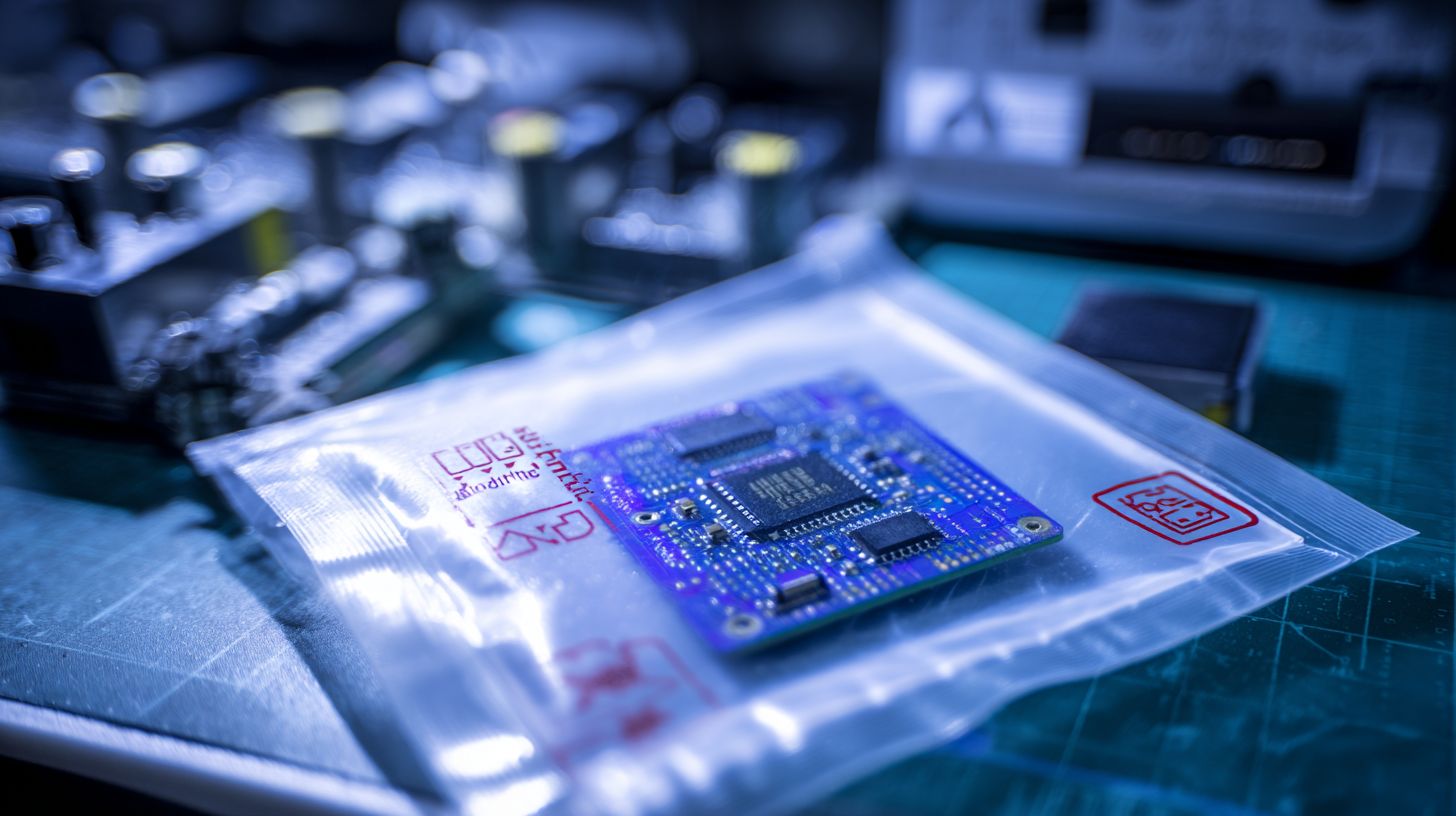
Custom printed anti-static bags are specialized packaging solutions designed to protect sensitive electronic components from electrostatic discharge (ESD). They feature anti-static materials that prevent static buildup, combined with custom printing options for branding, labeling, or instructional purposes, making them ideal for the tech industry where product identification and safety are crucial.
Q: Why are custom printed anti-static bags ideal for the tech industry?
Custom printed anti-static bags are ideal for the tech industry because they safeguard delicate electronics like circuit boards and semiconductors from ESD damage during shipping and storage. The customization allows for company logos, warnings, or barcodes, enhancing professionalism and compliance with industry standards, while the anti-static properties ensure reliability in high-tech environments.
Q: How do anti-static properties in custom printed bags protect tech products?
The anti-static properties in custom printed anti-static bags work by dissipating static electricity, preventing sparks that could fry sensitive components. This protection is vital in the tech industry for items like hard drives and microchips, where even minor ESD can cause failures, ensuring products arrive intact and functional.
Q: What benefits does customization offer for anti-static bags in tech packaging?
Customization on anti-static bags allows tech companies to add logos, serial numbers, or handling instructions, improving inventory management and brand visibility. This makes custom printed anti-static bags ideal for the tech industry by combining essential ESD protection with tailored marketing and organizational features.
Q: Are custom printed anti-static bags suitable for shipping electronic components?
Yes, custom printed anti-static bags are highly suitable for shipping electronic components in the tech industry. They provide a barrier against moisture, dust, and static, while printed details help with tracking and compliance, reducing risks of damage and returns in supply chains.
Q: Why choose custom printed anti-static bags over standard packaging for tech gadgets?
Custom printed anti-static bags outperform standard packaging in the tech industry by offering targeted ESD protection and personalized printing that standard options lack. This combination minimizes defects, boosts customer trust through branded packaging, and streamlines operations, making them a superior choice for innovative tech products.
Protect your sensitive electronic components with high-quality Custom Printed Anti Static Bags from Aplasticbag.com. Designed for superior static protection and professional branding, our bags help ensure safe storage and shipping for all your tech products.
Order now from Aplasticbag.com and get durable, customizable anti-static packaging solutions tailored to your business needs. Let your packaging protect your products while promoting your brand.


Comments