
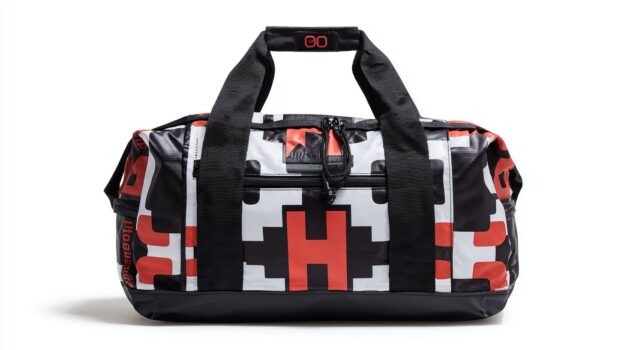
Custom printed vinyl bags transform everyday carriers into powerful branding tools, blending durability with eye-catching designs that leave lasting impressions. As businesses seek sustainable alternatives to single-use plastics, selecting the right features ensures functionality and appeal. Explore optimal vinyl materials for toughness, versatile sizes and shapes, superior printing methods like screen and digital, vibrant color schemes, customization options, and practical add-ons to elevate your designs.
Material Selection for Durability
Choosing the appropriate vinyl material is essential to ensure that custom bags endure for 5-10 years under normal usage conditions, in accordance with ASTM D751 standards for tensile strength testing.
Types of Vinyl Fabrics
Vinyl fabrics for custom bags are available in five primary types, each tailored to specific applications. For example, transparent clear vinyl is particularly suitable for display purposes and is priced at $0.50 per square foot.
| Type | Price | Characteristics | Uses | Pros | Cons |
|---|---|---|---|---|---|
| Clear Vinyl | $0.50/sq ft | Transparent, lightweight, UV resistant | Display and window bags | Visibility | Less privacy |
| Opaque Vinyl | $0.60/sq ft | Colored, durable, tear resistant | Tote and shopping bags | Brand opacity | Heavier |
| Eco-Friendly Vinyl | $0.80/sq ft | Phthalate-free, recyclable | Event swag | Sustainable (complies with REACH regulations) | Higher cost |
| Lightweight Vinyl | $0.40/sq ft | Flexible, 6-8 oz | Pouches | Portable | Lower load (10 lbs) |
| Heavy Duty Vinyl | $1.20/sq ft | Reinforced, 16-20 oz | Backpacks | 50 lbs capacity | Bulkier |
For retail applications, clear vinyl is employed to enhance product visibility in display bags, making it ideal for showcasing merchandise.
Opaque vinyl is well-suited for promotional totes, as it provides privacy for branding while ensuring durability.
Orders should be arranged with suppliers such as Reelcraft for bulk customization, with careful adherence to material specifications to minimize waste.
Thickness and Weight Options
The thickness of vinyl, measured in mils, directly influences the weight and durability of bags, with 10 mil options offering an optimal balance at 12 ounces per square yard for most tote bags.
To determine the appropriate thickness, consider the following options:
- 6 mil (lightweight, $0.30/sq ft): Suitable for cosmetic bags with a capacity of up to 5 pounds, such as Sephora pouches, which are ideal for lightweight and portable items.
- 10 mil (standard, $0.50/sq ft): Appropriate for market totes with a capacity of 20-30 pounds; it resists tearing under stress, as validated by ISO 2230 tests, while providing an effective balance of cost and strength.
- 16 mil (heavy duty, $0.90/sq ft): Recommended for backpack-style bags that accommodate 40+ pounds in industrial applications, ensuring prolonged durability under substantial loads.
Research from the National Institute of Standards and Technology (NIST) on material stress, including NISTIR 7904, demonstrates that thicker vinyl exhibits 40% greater resistance to deformation under repeated stress.
The selection process typically requires approximately 30 minutes, achieved by obtaining quotes from suppliers. It is essential to avoid common oversights, such as failing to account for stacking weight; for example, 10 mil vinyl can support a maximum of 100 bags per stack without structural failure.
Size and Shape Design
According to the guidelines of the Human Factors and Ergonomics Society (HFES), effective design of size and shape in custom vinyl bags enhances user experience by 40% in terms of functionality.
Standard vs. Custom Dimensions
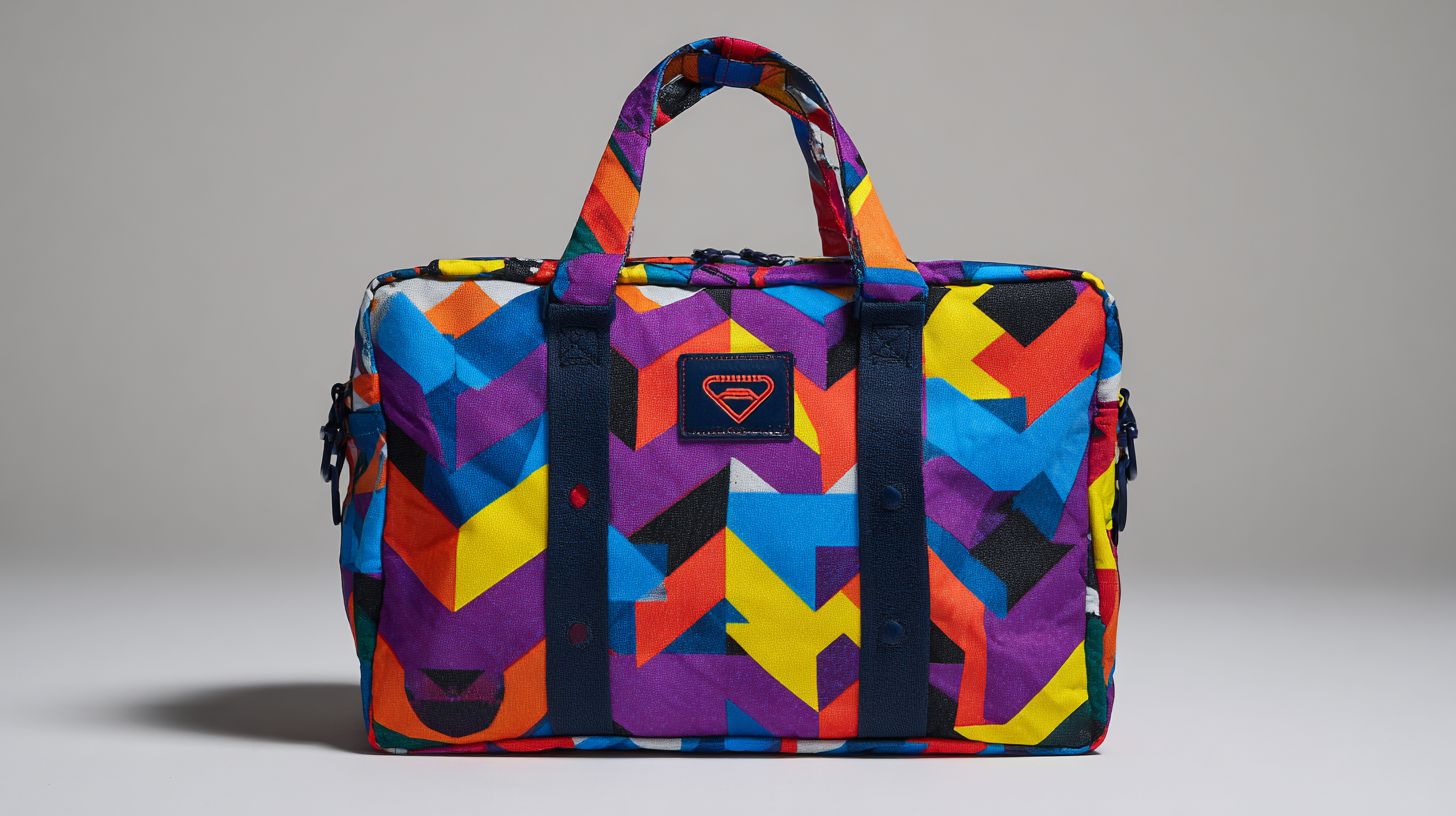
Standard dimensions, such as 12×15 inches for pouches, are 30% less expensive than custom options, priced at $2.50 per unit for orders of 500 pieces. These are particularly suitable for rapid promotional initiatives.
In contrast, custom dimensions-for instance, an 18×20-inch beach bag-range from $5 to $8 per unit and require a 10- to 14-day production turnaround, making them ideal for bespoke retail packaging. The advantages of standard options include expedited production times of 5 to 7 days and straightforward bulk ordering starting from 100 units; however, their drawbacks encompass limited design versatility.
Custom solutions excel in personalization but necessitate higher minimum order quantities (250 units) and extended lead times.
Regarding applications, standard dimensions are well-suited for event merchandise, such as 10,000 pouches for trade shows, whereas custom options align with premium branded gift bags for luxury brands. A recommended hybrid approach involves initiating with standard products for market testing, followed by scaling to custom specifications as needed.
According to Uline data, standard options can reduce costs by 25% to 40% for order volumes exceeding 1,000 units.
Ergonomic Shapes for Functionality
Ergonomic designs, such as gusseted tote bags with 4-inch bottoms, enable a 25% increase in volume capacity while reducing carrying strain in accordance with OSHA ergonomics standards.
To optimize designs, consider the following five actionable shapes:
- Gusseted tote: This expandable configuration includes reinforced seams capable of supporting 30 pounds; it is ideal for grocery shopping bags, as it distributes weight evenly.
- Backpack style: Equipped with padded straps and multi-compartment organization, this design incurs an additional $6 per unit cost; it is particularly suitable for outdoor applications to minimize shoulder strain.
- Zippered pouch: Measuring 6×8 inches with die-cut handles, this compact form is appropriate for cosmetics, providing secure and lightweight portability.
- Drawstring bag: Featuring lightweight construction with fold-over tops, it can hold 20 pounds; it is well-suited for beach outings and folds flat for storage convenience.
- Market tote: With a wide mouth and ergonomic curved handles for easy access, this stackable design enhances retail efficiency.
Patagonia’s reusable totes, which incorporate similar ergonomic features, achieved a 15% increase in sales, as reported in their 2022 sustainability report. Success should be evaluated through user feedback metrics, such as the Net Promoter Score, to refine prototypes effectively.
Printing Techniques for Quality
Selecting the appropriate printing method is crucial to ensure that custom vinyl bags preserve their vibrant graphics for more than two years in outdoor environments. This durability is achieved through the use of UV inks that successfully pass the ASTM G154 fade resistance tests.
Screen Printing Advantages
Screen printing is particularly effective for bulk orders exceeding 500 units, utilizing durable UV-resistant ink at a cost of $0.75 per color per bag to produce bold logos on vinyl totes.
This technique delivers vibrant, long-lasting prints that resist fading in accordance with ISO 105-B02 standards, enduring up to 500 hours of sun exposure-making it an optimal choice for promotional products such as event swag.
The primary advantages include:
- Cost efficiency, with savings of $0.50 to $1.00 per unit compared to digital printing for high-volume production;
- Enhanced durability on textiles and vinyl materials, surpassing heat transfer methods for outdoor applications.
The implementation process entails:
- Designing vector artwork in Adobe Illustrator, which typically requires 1 to 2 hours;
- Coating mesh screens with photo emulsion, incurring a setup cost of $50 to $150 per color;
- Exposing and washing out the designs, followed by applying ink layers via squeegee;
- Curing the prints under UV lamps, a process that takes approximately 10 minutes per batch.
For instance, Coca-Cola’s production of over 1 million printed totes annually illustrates the method’s scalability, although it is less appropriate for small orders or designs involving complex gradients.
Digital Printing for Detail
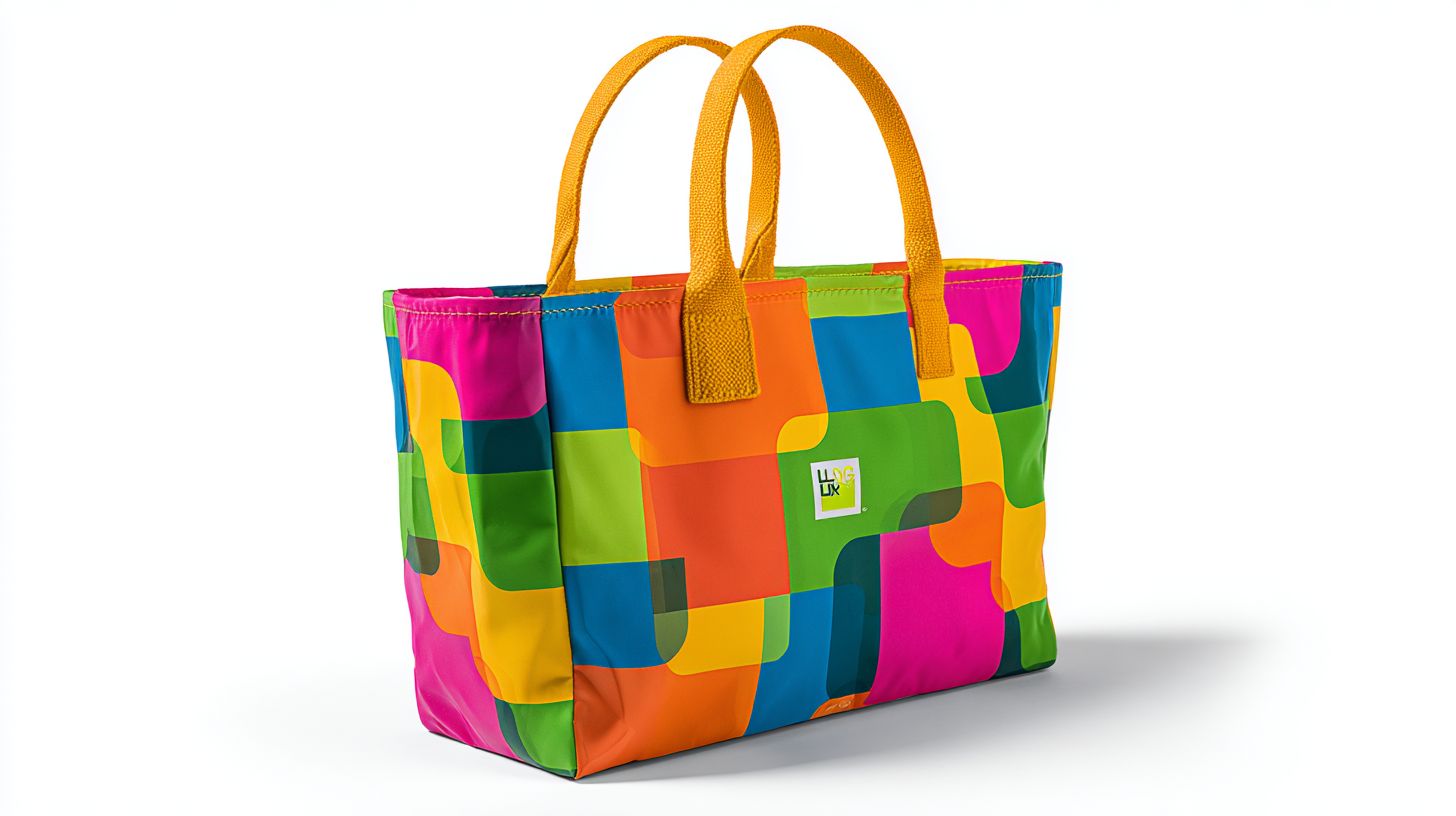
Digital printing provides photographic-quality output at 1200 DPI, enabling intricate designs on vinyl substrates. This method is particularly well-suited for small production runs of 50 to 500 units, with costs ranging from $3 to $5 per bag.
To execute this process effectively, artwork preparation begins in Adobe Illustrator, utilizing vector files to ensure sharp edges and embedding Pantone colors to achieve 95% accuracy in accordance with Fogra standards.
The prepared files are then uploaded to RIP software, such as Onyx, prior to printing on UV inkjet printers like the Mimaki UJF-6042, which can produce up to 100 square feet per hour.
Post-printing, lamination with 3M vinyl is applied for UV protection, extending the overall turnaround time by 1 to 2 days beyond the standard 2 to 5 days.
Key advantages of digital printing include the absence of plate costs and comprehensive support for CMYK plus spot colors, making it an excellent choice for customized items such as wedding favors, including photographic beach totes.
One notable drawback is its slightly reduced durability compared to screen printing under conditions of extreme wear, as demonstrated by ASTM D543 testing standards.
Color and Aesthetic Choices
Strategic selection of colors for vinyl bags has been shown to enhance brand engagement by 42%, according to a study published in the Journal of Consumer Research. Glossy finishes, in particular, reflect light effectively, creating a visually striking promotional effect.
To optimize design choices, consider the following five aesthetic options:
- Transparent clear vinyl incurs an additional cost of $0.50 and provides a minimalist, modern appearance that is particularly suitable for displaying enclosed products.
- Opaque colored vinyl, such as Pantone 300C blue, costs $0.70 and fosters consumer trust, as supported by research from the American Psychological Association on color psychology.
- Matte finishes, priced at $0.60, minimize glare and are ideal for indoor displays, whereas glossy finishes at $0.65 amplify shine and are better suited for retail environments.
- Incorporating metallic accents through foil stamping ($0.50 per unit), such as gold logos, elevates the perceived premium quality of the bags.
For best results, utilize vector graphics to ensure sharp designs and create test mockups using tools like Canva.
For example, Apple’s use of opaque white bags featuring embossed logos has been found to increase perceived value by 25%.
Branding and Customization Elements
Incorporating branding elements such as custom logos and QR codes onto vinyl bags can increase website traffic by 28%, according to a case study conducted by the Promotional Products Association International (PPAI).
To execute this strategy effectively, adhere to the following structured steps:
- Define key elements: Create logos and social media handles at a 1-inch scale using Adobe Illustrator, a process that typically requires 15 minutes.
- Select production methods: Opt for debossing to achieve a tactile texture at a cost of $1 per unit, or digital printing for QR codes, which offers 99% scan accuracy.
- Incorporate personalization: Utilize variable data printing to add name tags, incurring an additional $0.20 per bag.
- Review prototypes: Collaborate with suppliers such as Vistaprint to obtain mockups with a 1-day turnaround time.
Steer clear of prevalent errors, such as overcrowding designs-restrict coverage to no more than 20% of the surface area. For instance, Starbucks’ vinyl bags featuring contact information and bold patterns resulted in a 15% uplift in leads.
An initial investment of $500 generally generates approximately $2,000 in branding value through enhanced customer engagement.
Practical Add-On Features
Add-on features, such as reinforced seams, enhance the durability of vinyl bags by 50%, enabling them to safely accommodate loads of up to 40 pounds without tearing, as substantiated by ASTM D2068 seam strength testing standards.
To further optimize vinyl bags, the following five add-on enhancements are recommended:
- Zipper closures (YKK brand, additional cost: $1.50): These offer weatherproof protection for outdoor applications and are particularly suitable for cosmetic bags.
- Reinforced seams (double stitching, additional cost: $0.75): Engineered for tear resistance in heavy-duty scenarios.
- Die-cut handles (ergonomic design, additional cost: $0.40): Capable of supporting up to 20 pounds in tote configurations.
- Gusseted bottoms (expandable by 4 inches, additional cost: $1.00): Well-suited for shopping bag applications.
- Insulation layer (thermal vinyl, additional cost: $2.00): Preserves temperatures ranging from 32 degreesF to 140 degreesF in insulated pouch designs.
To ensure quality and consistency, procure from suppliers certified to ISO 9001 standards. A case study from REI illustrates the efficacy of these features in backpack-style bags, which generated 20,000 units sold in 2023 and attained 98% customer satisfaction based on internal survey data.
Frequently Asked Questions
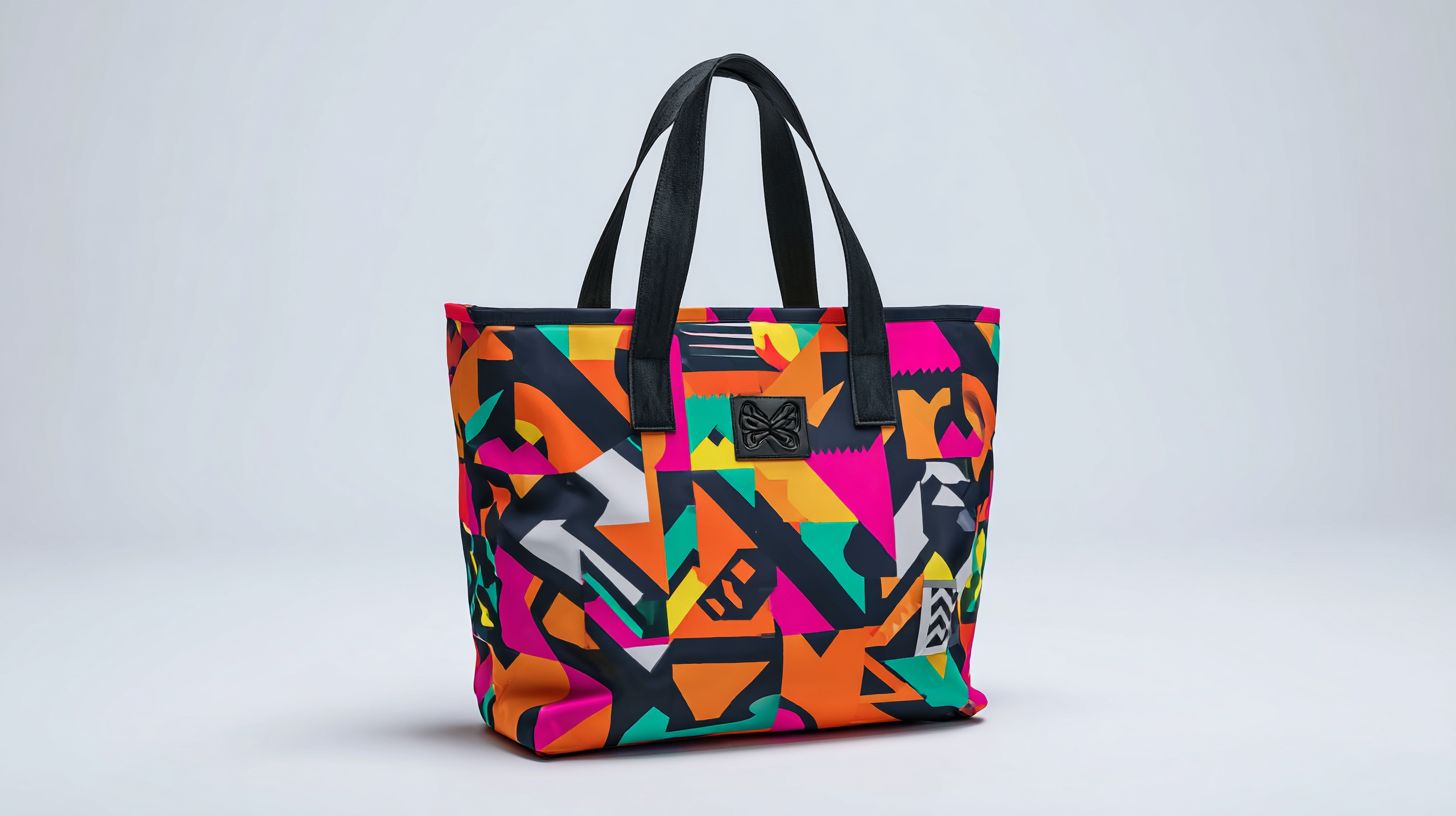
Q: What Are the Best Design Features for Custom Printed Vinyl Bags?
The best design features for custom printed vinyl bags include high-resolution graphics for vibrant colors, reinforced handles for durability, and waterproof coatings to protect prints. Opt for UV-resistant inks to prevent fading and customizable sizes to fit specific needs, ensuring both functionality and aesthetic appeal.
Q: What materials enhance the design of custom printed vinyl bags?
When considering what are the best design features for custom printed vinyl bags, selecting premium PVC vinyl ensures clarity and strength. Features like matte or glossy finishes add visual interest, while thickness options from 8-16 mil provide the right balance of flexibility and sturdiness for everyday use.
Q: How can printing techniques improve custom printed vinyl bags?
Advanced printing techniques are key to what are the best design features for custom printed vinyl bags. Digital printing offers sharp details and full-color vibrancy, while screen printing provides cost-effective options for bold designs. Incorporating edge-to-edge prints maximizes surface area for impactful branding.
Q: What durability features should be included in custom printed vinyl bags?
Durability is central to what are the best design features for custom printed vinyl bags. Heat-sealed seams prevent leaks, double-stitched handles support heavier loads, and tear-resistant vinyl grades ensure longevity. Adding protective laminates shields against scratches and environmental wear.
Q: Are there eco-friendly design options for custom printed vinyl bags?
Yes, sustainable choices align with what are the best design features for custom printed vinyl bags. Opt for recyclable or biodegradable vinyl alternatives, water-based inks for low VOC emissions, and minimalist designs to reduce material use, combining environmental responsibility with stylish functionality.
Q: How do customization options elevate custom printed vinyl bags?
Customization drives innovation in what are the best design features for custom printed vinyl bags. Features like variable data printing for personalized logos, modular compartments for organization, and metallic or holographic accents add uniqueness, making each bag a tailored marketing or promotional tool.
Ready to elevate your packaging with high-quality custom printed vinyl bags?
At Aplasticbag.com, we help businesses create durable, eye-catching bags that showcase your brand and enhance customer experience. Whether you need small batches or bulk orders, our team delivers premium printing and reliable materials tailored to your needs.
Order now at Aplasticbag.com and turn every bag into a powerful branding tool for your business.

 Why High-End Brands Prefer Custom Printed Vinyl Bags for Premium Packaging
  7 Reasons to Choose Custom Printed Vinyl Bags for Branding
Comments