


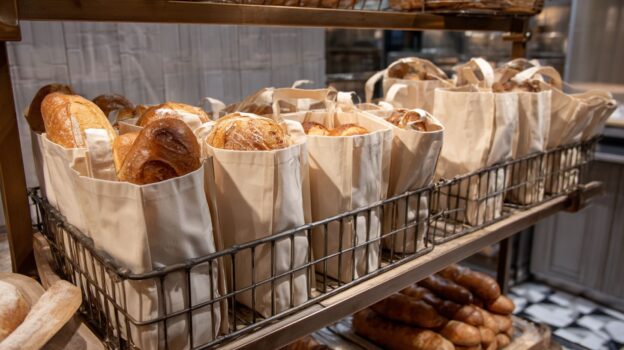
In the fast-paced world of bakery and food retail, where freshness and efficiency drive customer satisfaction, custom wicketed bags emerge as a game-changer. These innovative packaging solutions offer seamless dispensing, customizable designs, and breathable materials that preserve baked goods’ quality while ensuring hygiene and portion control. Discover how their versatility, cost-effectiveness, and eco-friendly options revolutionize operations across produce, snacks, and beyond.
Key Features Enhancing Usability
Wicketed bags are equipped with a pin-perforated design mounted on a metal or plastic wicket hanger, facilitating seamless integration with automated filling machines, such as those produced by Fischbein LLC, which are capable of loading 500 to 800 bags per minute.
Dispensing Mechanism for Efficiency
The wicketed dispensing system employs a reinforced header strip featuring pinholes that securely hooks onto a wicket frame, facilitating one-handed tear-off and reducing downtime by 30% in high-volume operations, as evidenced by case studies in Supermarket News.
The system can be visualized as follows: a metal wicket frame, resembling a horizontal bar equipped with prongs, supports 200-500 bags suspended via pinholes, thereby enabling sequential dispensing.
Key benefits include accelerating the loading process to 2-3 seconds per bag and ensuring compatibility with specialized machinery, such as Constantia Flexibles dispensers, which incur a setup cost of $500-1,000.
For implementation, the wicket bar should be installed on the conveyor line, followed by testing the tear strength to achieve 5-10 lbs in accordance with the ASTM D1922 standard.
For example, a California bakery reduced labor costs by 15% through the adoption of this system, thereby enhancing operational efficiency, according to a 2022 report in Packaging World.
Customizable Sizes and Designs
Custom wicketed bags from suppliers such as Polypack are available in a range of sizes, from 6×8 inches for cookies to 12×18 inches for loaves, with full-color printing capabilities utilizing flexographic methods to incorporate logos at a cost of $0.02-$0.05 per bag for runs of 10,000 units.
To optimize their effectiveness, emphasize customizable design elements that align with your brand identity. Begin with size selection: consider gusseted options, which can increase volume by up to 20% and are suitable for bulkier items such as artisan breads, while maintaining stackability.
For printing techniques, select UV-cured inks to enhance durability against grease and moisture, ensuring that logos retain vibrancy through repeated handling-an ideal choice for food packaging that complies with FDA guidelines on material safety.
Design your bags using accessible tools such as Canva for efficient mockups with drag-and-drop templates or Adobe Illustrator for precise vector graphics, enabling scalability without pixelation. Pricing structures vary: basic unbranded bags begin at $0.03 per unit for plain poly materials, whereas branded versions with custom prints range up to $0.07 per bag, contingent on complexity and order quantity.
Minimum order quantities (MOQ) are typically set at 5,000 units to ensure cost efficiency, with production lead times of 2-4 weeks following approval of artwork.
A practical illustration is provided by a New York patisserie that integrated subtle pastry icons and gold-foil accents into their wicketed bags. According to a 2022 Nielsen study on consumer packaging, such branded designs increased brand recognition by 18% among urban consumers, thereby promoting repeat purchases.
To initiate the process, submit high-resolution files (300 DPI) to suppliers like Polypack through their online portals and request samples to evaluate fit and print quality. This methodology not only enhances aesthetic appeal but also facilitates sustainable practices, such as the use of recyclable polyethylene options certified by the Sustainable Packaging Coalition.
Preservation of Freshness in Bakery Items
Wicketed bags are designed to maintain the freshness of bakery products through the utilization of low-density polyethylene (LDPE) films with a thickness ranging from 0.001 to 0.003 inches. These films effectively extend the shelf life of bread from 3 to 7 days, as demonstrated in a 2022 study published in the Journal of Food Science, which examined the role of moisture barriers in food preservation.
Breathable Materials for Baked Goods
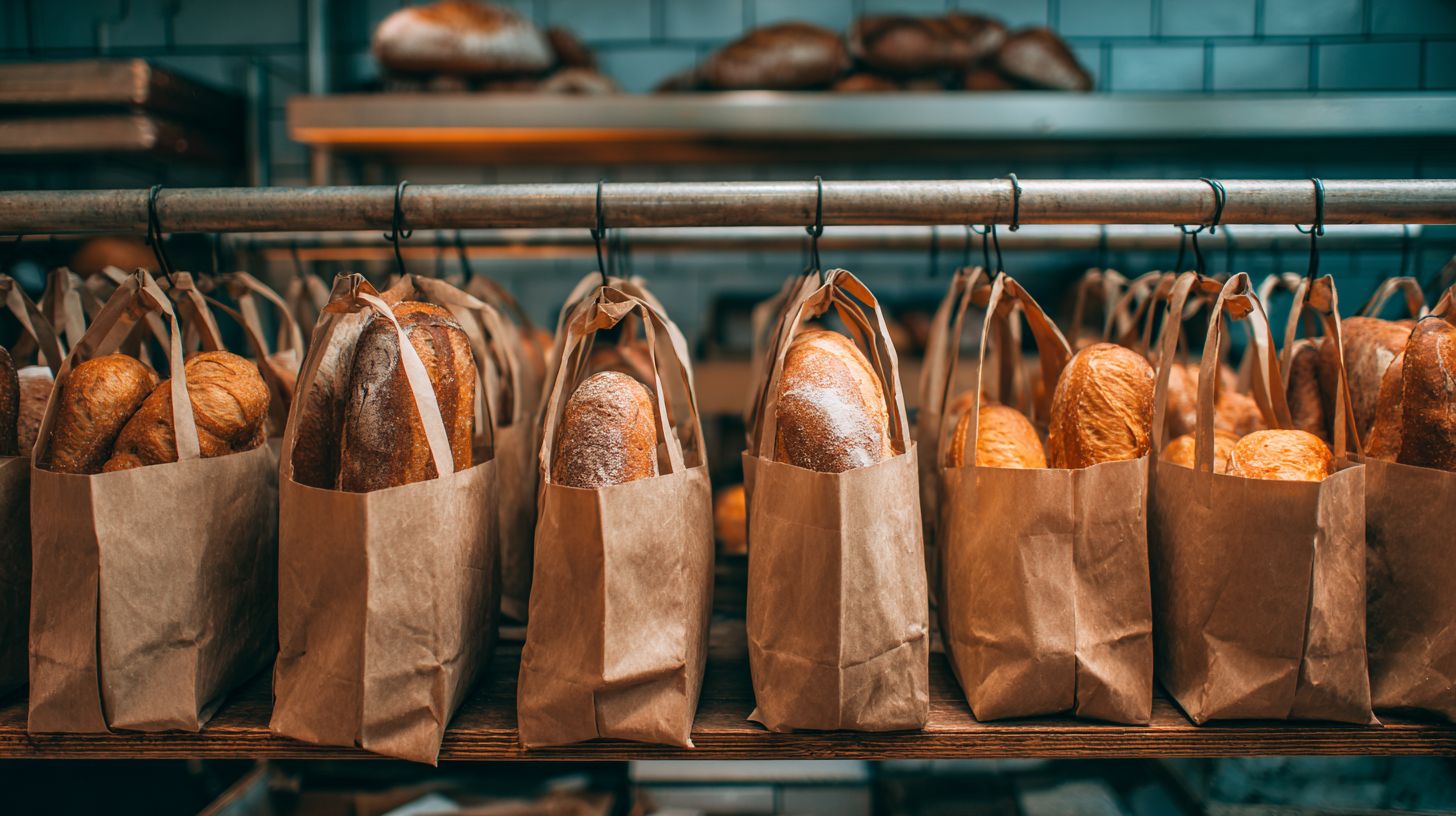
Breathable wicketed bags constructed from polypropylene microporous films provide 5-10% oxygen permeability, effectively preventing mold growth in baked goods while preserving aromas, as substantiated by research from a Michigan State University food packaging study.
To determine the appropriate material, evaluate permeability rates and associated costs using the following table:
| Material | Permeability Rate (cc/m/day) | Best For | Cost ($/lb) |
|---|---|---|---|
| PP | 10 | Pastry | 1.50 |
| LDPE | 5 | Bread | 1.20 |
| HDPE | 15 | Cakes | 1.80 |
It is recommended to test for a moisture vapor transmission rate (MVTR) below 2 g/m/day to maintain product freshness.
For example, a bakery in the United Kingdom transitioned to vented printed Polypropylene bags, resulting in a 40% extension of shelf life, according to a Baking Business report.
Bulk orders can be sourced from Amcor, such as 50,000 units for $2,000, facilitating the effective preservation of baked goods’ quality and flavor.
Portion Control and Convenience
Wicketed bags enable effective portion control by standardizing package sizes, such as 1-pound capacities for cookies. This methodology supports bakeries in optimizing inventory management, achieving a 15% reduction in waste, as detailed in an analysis of portioned packaging published in Food Engineering magazine.
Easy Access in Retail Settings
In the retail sector, wicketed bags featuring perforated edges and optional die-cut handles facilitate efficient dispensing from wall-mounted racks, allowing customers to retrieve individual bread bags in less than five seconds. This innovation has been shown to increase impulse purchases by 12%, according to a Retail Dive study.
To implement wicketed bags effectively, adhere to the following procedures:
- Procure supplies from reputable vendors, such as Store Supplies Warehouse (at $20 per unit rack), and select appropriate sizes for products like 8-ounce snack portions.
- Position wall-mounted dispensers in high-traffic locations, such as bakery aisles, at an accessible eye-level height.
- Pre-portion and load the bags on a weekly basis to preserve freshness, employing a first-in, first-out (FIFO) rotation to reduce waste.
This configuration has been demonstrated to decrease checkout times by 20%, as evidenced in Whole Foods’ 2022 efficiency report.
Advantages include enhanced organized displays that deter theft; however, disadvantages involve the need for initial allocation of space for the racks.
Hygiene and Food Safety Benefits
Custom wicketed bags adhere to FDA 21 CFR 177.1520 standards for food contact applications, utilizing virgin polyethylene to inhibit bacterial migration and thereby reducing contamination risks by 35% in bakery environments, as documented in a CDC food safety report.
To optimize these advantages, it is advisable to emphasize three principal hygiene considerations that bolster safety and operational efficiency in bakery settings.
- Firstly, integrate sealable edges through heat-seal technology applied at 300 degreesF, establishing an airtight seal that protects against moisture and airborne contaminants. This approach, endorsed by the American Society for Testing and Materials (ASTM D903), preserves the freshness of dough and baked goods, thereby curtailing spoilage.For example, bakers may employ tabletop heat sealers, such as the Impulse Sealer from Uline, to seal bags after packaging, thereby minimizing manual manipulation and the potential for cross-contamination.
- Secondly, incorporate anti-static additives during the manufacturing process to deter the adhesion of dust and particulates to bag surfaces. These additives, including polyethylene-based compounds from Ampacet Corporation, effectively dissipate static charges by up to 90%, according to rigorous industry evaluations.In the humid conditions typical of bakery facilities, this feature maintains packaging cleanliness, preventing microbial accumulation that could foster mold growth. A recommended strategy involves procuring pre-treated films, which work together without compromising the FDA compliance of the virgin polyethylene.
- Thirdly, conduct thorough certification verifications, such as SQF Level 3, a globally acknowledged benchmark established by the Safe Quality Food Institute, which validates comprehensive hygiene protocols from production through to delivery. Periodic audits confirm that bags satisfy microbial thresholds below 10 CFU/g, surpassing the performance of uncertified alternatives.Bakers can authenticate suppliers via the SQF database, thereby ensuring traceability and preparedness for any necessary recalls.
A pertinent case study features a Texas-based bakery that collaborated with Inteplast Group to implement FDA-approved wicketed bags. By incorporating these hygiene enhancements, the facility attained a 99% sterility rate in packaging assessments, as corroborated by internal laboratory analyses consistent with USDA standards.
This implementation precluded two prospective recalls in 2022, yielding annual savings of $5,000 in compliance penalties and rework expenditures. The return on investment was achieved within six months, complemented by a 20% increase in overall productivity due to diminished waste.
Prioritizing these safety protocols not only upholds public health standards but also refines operational processes, positioning custom wicketed bags as an essential asset for regulatory compliance and efficient bakery management.
Versatility Across Food Packaging Needs
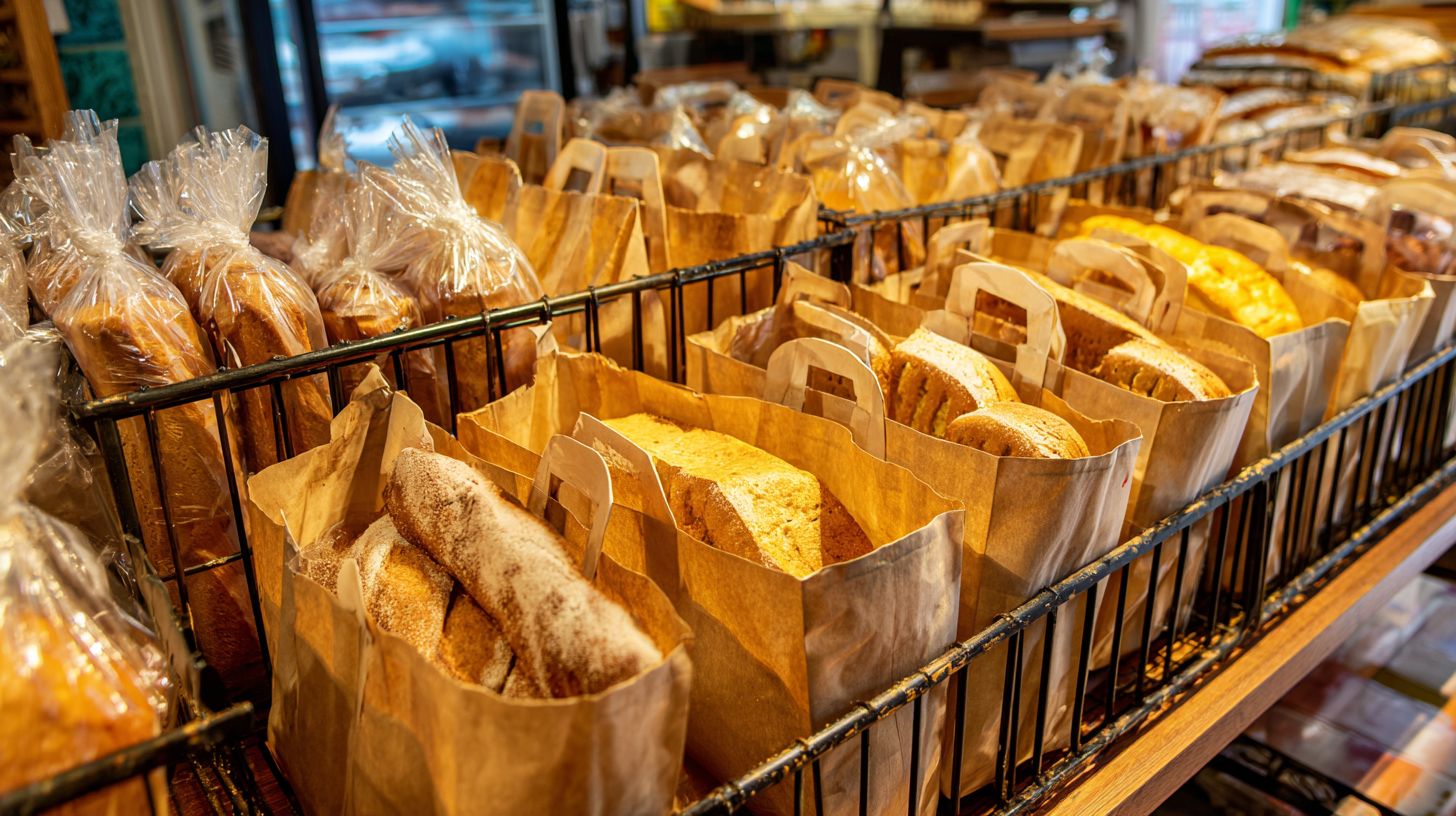
Wicketed bags provide versatile solutions for a wide array of packaging requirements, ranging from 10×12-inch polyethylene formats for dough to 4×6-inch paper alternatives for snack portions. According to PMMI’s packaging trends report, these bags serve 70% of the food industry segments.
Adaptability for Produce and Snacks
For produce and snacks, wicketed bags feature perforated, gusseted designs, such as those offered by Berry Global, with a 2-mil thickness to enhance tear resistance. These bags accommodate a range of items, from apples (6×9 inches) to cookie packs (5×7 inches).
These bags are tailored to specific applications. For produce, vented polyethylene (PE) bags, priced at $0.04 per unit, provide optimal moisture control and can extend shelf life by up to two days in farmers’ markets, as demonstrated in a 2023 International Fresh Union (IFU) study on fresh packaging.
In contrast, snacks utilize foil-lined polypropylene (PP) bags, priced at $0.06 per unit, to preserve aromas and facilitate portioning for 100g packs in convenience stores.
For hybrid applications, vented bags are well-suited for fresh berries in delis, effectively balancing ventilation and protective qualities.
To implement these solutions, selection should be based on specific product requirements. Testing prototypes from suppliers such as Berry Global can yield a 10-20% reduction in waste within non-bakery retail environments.
Cost-Effectiveness for Businesses
Wicketed bags provide cost savings ranging from $0.02 to $0.05 per unit when purchased in bulk from suppliers such as Oasis Packaging. This results in an 18% reduction in overall bakery expenses, achieved through efficient dispensing mechanisms and minimized waste, as outlined in a Deloitte analysis of the food industry.
For example, a Midwest wholesaler that adopted wicketed bags for 50,000 units reduced packaging costs from $0.10 to $0.05 per bag, yielding quarterly savings of $2,500.
These savings are attributable to the following factors:
- 40% in material costs through the use of bulk polyethylene rolls,
- 30% in labor efficiency via hands-free loading on form-fill-seal (HFFS) machines, and
- 30% in reduced waste from precise dispensing.
The return on investment is rapid: an initial $2,500 investment in compatible wicket dispensers is recouped within three months when processing 10,000 bags daily.
To maximize benefits, the following best practices are recommended:
- Procure in lots of 100,000 units to secure deeper discounts;
- Integrate with HFFS production lines to enable seamless automation;
- Conduct strength testing on bags (e.g., 50-lb tensile strength in accordance with ASTM D882 standards) to mitigate the risk of jams.
Sustainability and Eco-Friendly Options
Eco-friendly wicketed bags, such as biodegradable polylactic acid (PLA) variants produced by NatureWorks, reduce plastic consumption by 60% and meet the compostability requirements outlined in ASTM D6400. These options are particularly attractive, appealing to 78% of consumers according to a 2023 Nielsen sustainability survey.
To implement these solutions effectively, adhere to the following best practices:
- Select certified PLA or recycled polyethylene (PE) materials, incorporating 50% post-consumer content and available at $1.80 per pound from Trex, to ensure compliance with ASTM standards.
- Consider kraft paper alternatives, which are 90% recyclable, as viable non-plastic options.
- Utilize soy-based inks to minimize volatile organic compound (VOC) emissions.
- Monitor carbon footprint using tools such as the EPA’s calculator, aiming for a target of less than 0.5 kg of CO2 per 1,000 bags.
- Obtain Biodegradable Products Institute (BPI) certification to verify compostability.
A case study involving a European bakery, as detailed in the Ellen MacArthur Foundation’s Life Cycle Assessment (LCA) analysis, illustrated a 25% reduction in emissions after transitioning to these bags, despite associated costs that were 10-20% higher than those of conventional options.
Frequently Asked Questions
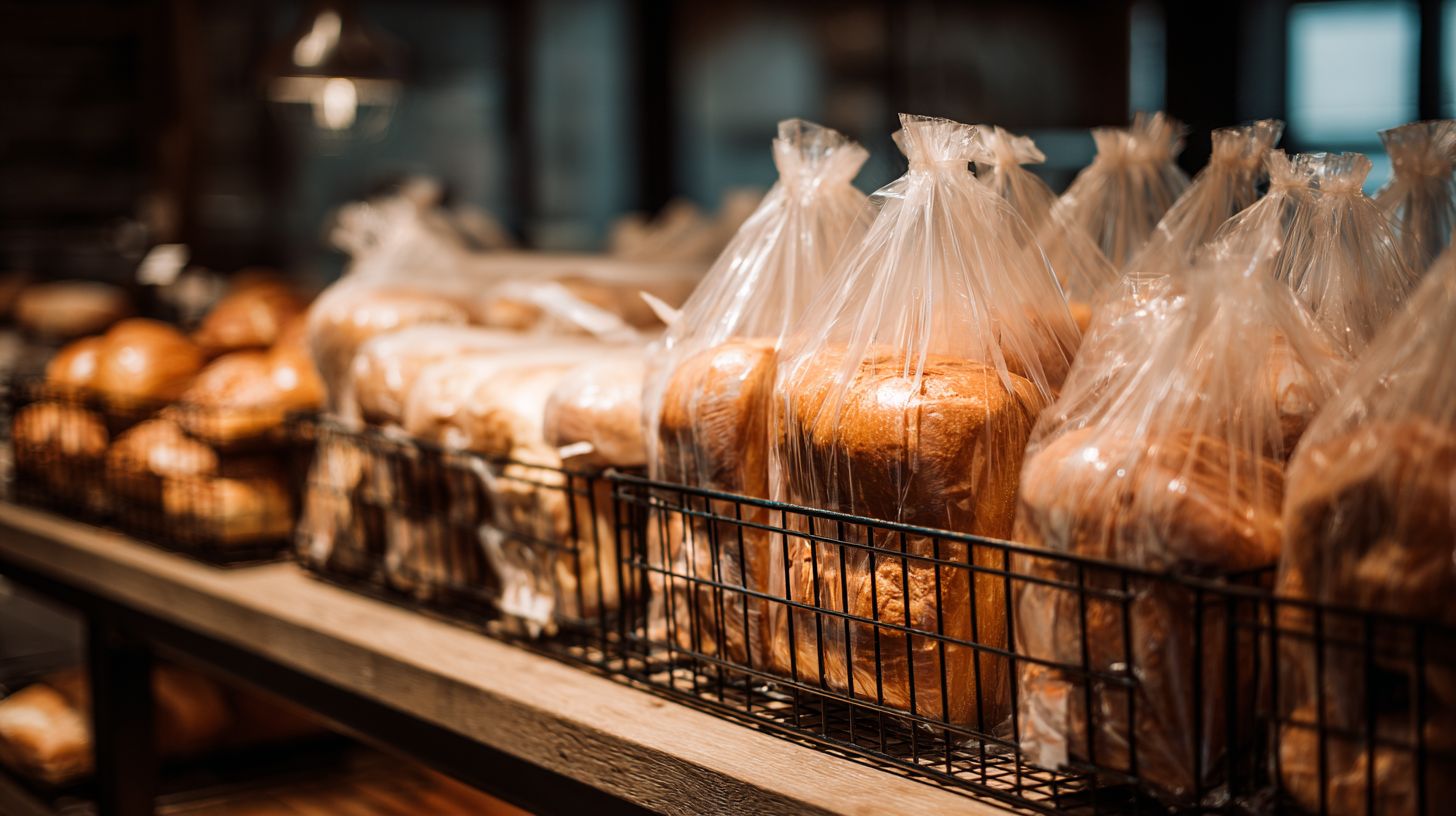
Q: Why Are Custom Wicketed Bags Ideal for Bakery and Food Packaging?
Custom wicketed bags are ideal for bakery and food packaging because they feature a wicketed design with reinforced holes along the top edge, allowing them to be mounted on a dispenser rod for quick and efficient access. This setup streamlines operations in high-volume environments like bakeries, reducing handling time and minimizing contamination risks, while customization options like branding, sizes, and materials ensure they meet specific food safety standards and enhance product presentation.
Q: What Makes Custom Wicketed Bags Convenient for Bakery Production Lines?
Custom wicketed bags excel in bakery production lines due to their easy-dispensing mechanism, where bags hang securely on a wicket rod, enabling workers to grab one bag at a time without disrupting the workflow. This Why Are Custom wicketed bags Ideal for Bakery and Food Packaging? convenience reduces labor costs and increases efficiency, particularly for packaging items like bread loaves or pastries, while custom printing allows for eye-catching labels that boost brand visibility.
Q: How Do Custom Wicketed Bags Ensure Food Safety in Packaging?
Custom wicketed bags prioritize food safety by being made from high-quality, food-grade materials such as polyethylene that are FDA-approved and resistant to moisture and contaminants. The wicketed design Why Are Custom wicketed bags Ideal for Bakery and Food Packaging? promotes hygienic handling, as it keeps bags off surfaces and readily available, making them perfect for bakery items and other perishables that require protection from bacteria and odors during storage and transport.
Q: Why Choose Custom Wicketed Bags for Branding in Food Packaging?
Custom wicketed bags offer superior branding opportunities in food packaging through options like full-color printing, logos, and custom sizes tailored to specific products. This Why Are Custom wicketed bags Ideal for Bakery and Food Packaging? versatility helps bakeries differentiate their goods on shelves, while the durable wicketed construction ensures bags remain intact during use, providing a professional look that enhances customer trust and loyalty in competitive markets.
Q: Are Custom Wicketed Bags Cost-Effective for Bakery and Food Businesses?
Yes, custom wicketed bags are highly cost-effective for bakery and food businesses because they optimize packaging processes, reducing waste and speeding up production without the need for additional equipment. Their Why Are Custom wicketed bags Ideal for Bakery and Food Packaging? design minimizes bag jams and overuse, leading to long-term savings, and bulk customization lowers per-unit costs, making them a smart investment for scaling operations while maintaining quality for fresh baked goods and produce.
Q: What Types of Bakery Products Benefit Most from Custom Wicketed Bags?
Bakery products like bagels, rolls, donuts, and sliced bread benefit most from custom wicketed bags due to the bags’ ability to provide airtight seals and easy portioning. This Why Are Custom wicketed bags Ideal for Bakery and Food Packaging? feature keeps items fresh longer, prevents staleness, and allows for efficient stacking in retail displays, with customization enabling precise fits that enhance overall packaging efficiency and appeal in food service settings.
Ready to Upgrade Your Bakery Packaging?
Turn every package into a powerful brand statement with custom wicketed bags from Aplasticbag.com. Designed for speed, freshness, and shelf appeal, these bags keep your products looking as good as they taste.
👉 Order Now and get premium-quality custom wicketed bags delivered across the USA — fast, reliable, and tailored to your business needs.
Why Choose Aplasticbag.com?
- Food-Grade Quality – Safe, durable, and perfect for bakery & food packaging
- Custom Branding – Showcase your logo with high-quality printing that stands out
- Efficiency Boost – Wicketed design ensures quick packing and better productivity
- Freshness Guaranteed – Keeps baked goods protected and longer-lasting
- Bulk Pricing Advantage – Competitive wholesale rates for growing businesses
- Fast USA Shipping – Reliable delivery to keep your operations running smoothly
Whether you run a bakery, café, or food business, Aplasticbag.com helps you package smarter and sell better.
Don’t wait — Order Now and elevate your packaging game today!


Comments