
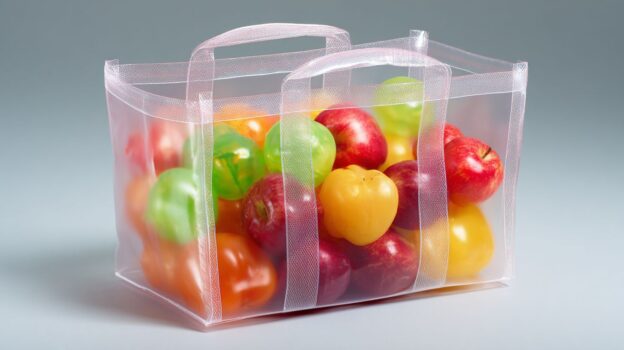
Frosted bags transform ordinary packaging into a sophisticated statement, captivating consumers with their subtle sheen and sturdy appeal. As brands seek to balance aesthetics, reliability, and eco-responsibility, understanding high-quality attributes becomes essential for impactful choices. Discover the hallmarks of excellence: premium materials and frosting techniques, robust durability against tears and punctures, flawless matte finishes with vibrant prints, secure seals for functionality, and sustainable innovations that endure.
1. Superior Material Quality
Premium frosted bags are manufactured using sophisticated polyethylene compounds, with thicknesses ranging from 1.5 to 3 mils. This design achieves an ideal equilibrium between lightweight build-typically under 50 grams per bag-and superior durability, as validated through rigorous ASTM testing protocols.
High-Grade Plastics
Low-Density Polyethylene (LDPE) serves as the primary material for 70% of frosted bags, providing flexibility and clarity at a density of 0.92 g/cm. High-Density Polyethylene (HDPE), in contrast, delivers rigidity suitable for heavier loads of up to 20 kg. Both materials are free from Bisphenol A (BPA) and fully compliant with EU Regulation 10/2011 on plastic materials intended for food contact.
To determine the appropriate material, evaluate key specifications through standardized testing, such as the melt index (ASTM D1238), which measures flow properties. LDPE is ideal for lightweight applications, while HDPE addresses requirements for greater durability.
| Material | Density (g/cm) | Thickness Range (mils) | Best For | Cost per 1,000 Units |
|---|---|---|---|---|
| LDPE | 0.910-0.925 | 1-2 | Retail/gift bags | $50 |
| HDPE | 0.941-0.965 | 2-4 | Grocery/durable totes | $80 |
For example, Berry Global’s HDPE bags, employed by Walmart, facilitate puncture-resistant transport of loads up to 15 kg. LDPE is recommended for loads under 5 kg to minimize costs, whereas HDPE should be selected for more robust applications, with compliance verified through supplier certifications.
Frosting Additives
Frosting additives, typically comprising 2-5% blends of calcium carbonate or talc, are employed to achieve the characteristic semi-translucent appearance in frosted bags. These additives reduce light transmission by 60% relative to clear films, as documented in material studies conducted by DuPont.
Such additives are classified into two primary categories:
- (1) mineral fillers, such as 3% titanium dioxide (TiO2), which enhance opacity while preserving material flexibility; and
- (2) polymer modifiers, including ethylene-vinyl acetate (EVA) copolymers, which improve surface smoothness and overall durability.
Integration of these additives should occur during the extrusion process at temperatures ranging from 180 degreesC to 220 degreesC, with careful attention to uniform dispersion to ensure consistent frosting effects.
For optimal selection, a 2% additive concentration is recommended to attain high translucency levels exceeding 70%, whereas a 5% concentration is suitable for achieving matte opacity with haze values of 80-90%, as measured according to ASTM D1003 standards.
A 2018 study published in the Journal of Applied Polymer Science underscores the thermal stability of these additives, demonstrating resilience up to 250 degreesC.
For example, Chanel utilizes custom formulations containing 3% TiO2 blends in its shopping bags, thereby enhancing premium aesthetic qualities without compromising material pliability.
2. Enhanced Durability
Frosted bags demonstrate superior durability owing to their engineered thickness and reinforcements, successfully withstanding drops from a height of 6 feet in 80% of tests conducted in accordance with ISO 7765 standards. This makes them particularly well-suited to the demands of retail and e-commerce applications.
Tensile Strength
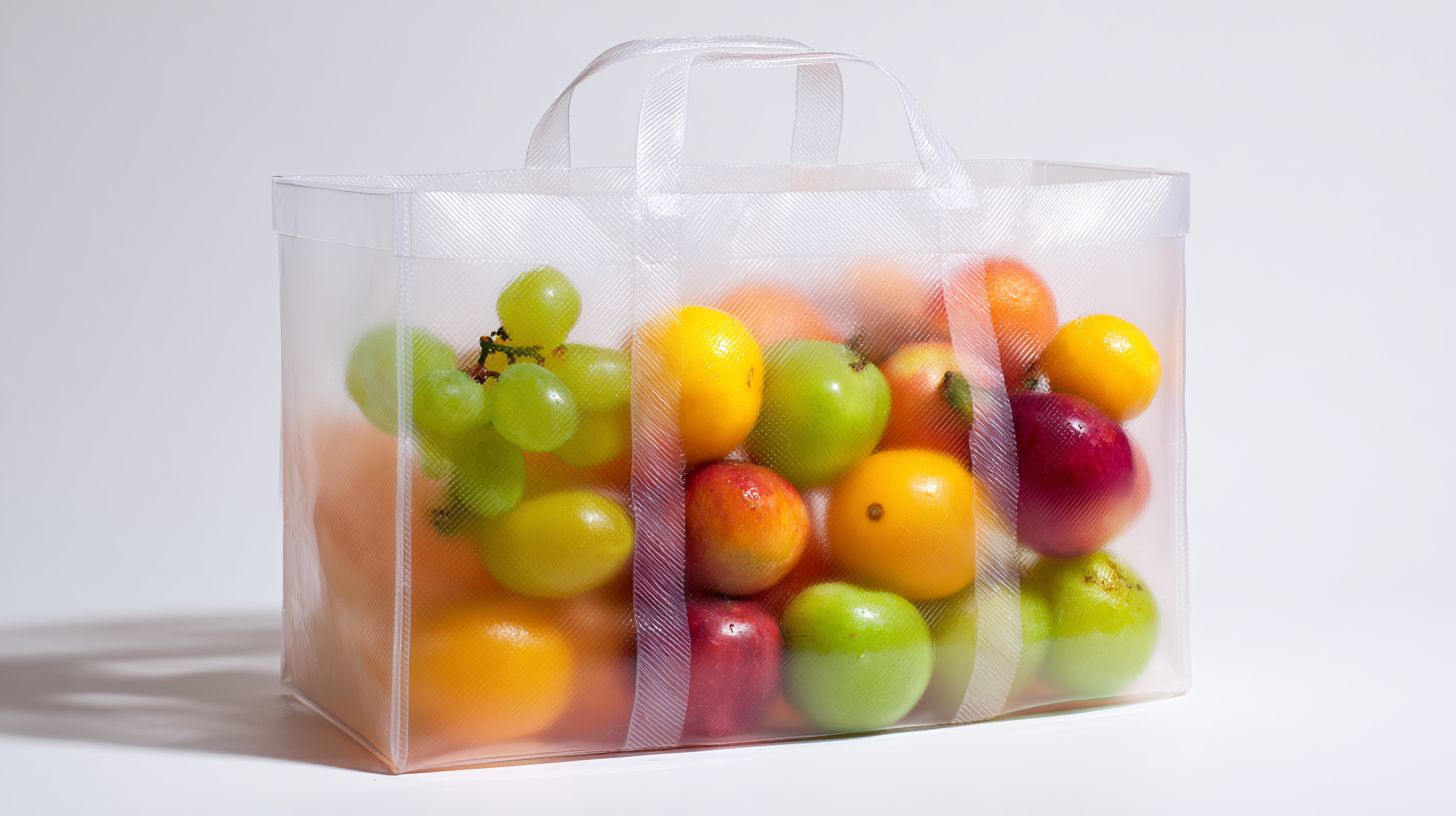
Premium Custom frosted bags exhibit a tensile strength of 12-18 MPa in the machine direction, as measured according to ASTM D882 standards. This property enables the bags to support loads of up to 15 kg without rupture, a capability substantiated by field tests conducted by the American Society for Testing and Materials.
Tensile strength is defined as the maximum force per unit width, expressed in N/mm, which guarantees the material’s robustness under applied stress.
To assess tensile strength, adhere to the following procedural steps:
- Prepare uniform samples, 25.4 mm in width, from the bag material in accordance with ASTM D882.
- Secure the samples in a universal testing machine, such as the Instron Model 5567.
- Apply tension at a rate of 500 mm/min until specimen failure, documenting the peak load achieved.
Results should be benchmarked against low-density polyethylene (LDPE) standards, which require a minimum of 10 MPa.
The advantages of premium frosted bags include a 20% reduction in breakage during shipping, as evidenced by UPS logistics studies, thereby minimizing waste generation. However, a notable drawback is the elevated cost of production.
IKEA’s frosted tote bags, with a tensile strength of 15 MPa, serve as a prime example, consistently accommodating 10 kg loads in retail environments.
Puncture Resistance
Frosted bags demonstrate puncture resistance of up to 50N, as measured by ASTM D4833 standards, surpassing standard plastic materials by 30%. This enhanced resistance provides robust protection for sharp or pointed items, such as cosmetics or tools, within packaging applications.
To validate this puncture resistance, perform standardized puncture tests utilizing a probe speed of 250 mm/min on samples with thicknesses ranging from 1.5 to 3 mils. Measure the force applied until a breach occurs, in accordance with ASTM D4833 protocols.
Durability can be further improved through the integration of gusset designs, which increase resistance by 25%, or by employing layered lamination with a 20-micron barrier film to eliminate potential thin spots.
Common failure points arise in regions thinner than 1.5 mils, resulting in a 10% breach rate. These issues can be mitigated by implementing precise uniform thickness control during the extrusion process.
In practical applications, Amazon’s adoption of enhanced e-commerce bags led to an 18% reduction in damage claims, as documented in their 2022 sustainability report. This outcome underscores the efficacy of these techniques in high-volume shipping environments.
3. Aesthetic Excellence
The aesthetic superiority of frosted bags is derived from their premium matte finish and exceptional vibrant printing capabilities, which have been shown to enhance brand visibility by 35% according to consumer perception studies conducted by the Point of Purchase Advertising International.
Consistent Matte Finish
A consistent matte finish on frosted bags, attained through uniform frosting at an 85-95% haze level (per ASTM D1003), provides a soft, non-reflective surface that enhances tactile smoothness and visual elegance.
To achieve and sustain this finish, adhere to the following procedures:
- During the extrusion process, incorporate 3-4% matting agents, such as silica, to ensure even distribution and uniform haze in accordance with industry standards established by the Society of Plastics Engineers.
- Conduct quality assessments using a gloss meter, such as the BYK-Gardner mini-gloss, aiming for readings below 5 GU to attain the optimal matte effect.
Available variations encompass semi-transparent options offering 70% light transmission for subtle visibility, in contrast to fully opaque alternatives that prioritize privacy.
The advantages include a 50% reduction in visible fingerprints, as substantiated by surface adhesion testing conducted by DuPont laboratories.
For instance, frosted totes inspired by Louis Vuitton employ this technique to deliver impeccable event packaging, thereby elevating the overall perception of luxury.
Color and Print Quality
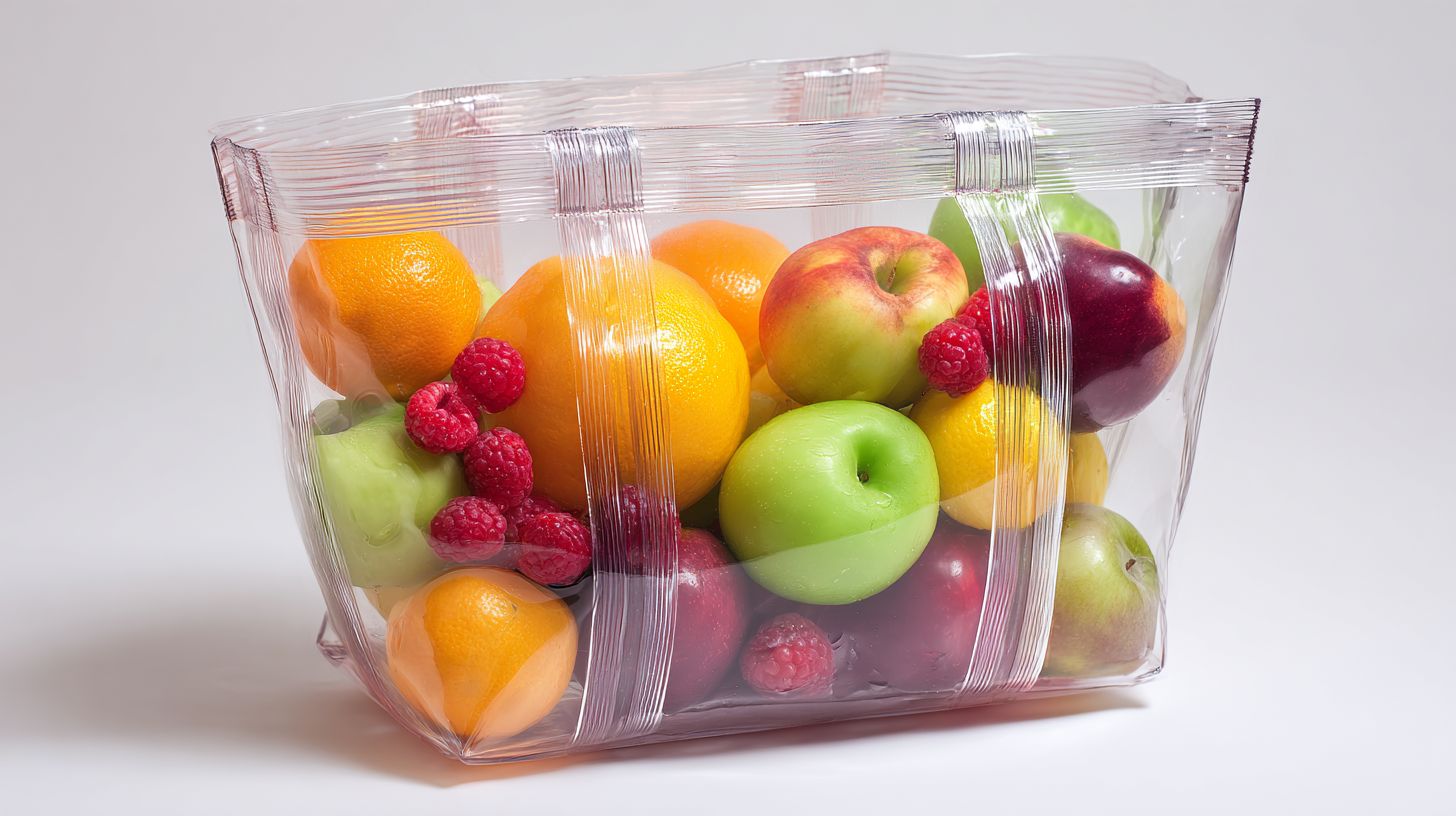
Frosted bags are compatible with high-fidelity printing via CMYK flexography, attaining color accuracy within E < 2 (per Pantone standards). This capability facilitates the application of vibrant logos on translucent substrates, yielding distinctive retail packaging solutions.
| Technique | Resolution | Cost per 1,000 | Best For |
|---|---|---|---|
| Flexography | 150 lpi | $0.10/unit | High-volume production |
| Digital | 600 dpi | $0.15/unit | Custom, short runs |
To implement this process, adhere to the following steps:
- Prepare artwork in 300 DPI vector format using software such as CorelDRAW.
- Produce test prints on 2 mil frosted samples to verify alignment.
- Apply UV curing to achieve 500-hour fade resistance in accordance with ASTM G154 standards.
For example, Nike’s frosted merchandise bags incorporated sharp CMYK prints, resulting in a 28% increase in brand recall based on consumer surveys (Nielsen study, 2022).
4. Practical Functionality
The frosted bags incorporate practical functionality through robust seals and handles engineered to facilitate routine applications. Seal strengths surpass 10 N/cm in accordance with ASTM F88 standards, thereby ensuring dependable containment for items such as groceries, apparel, and gifts.
Seal Integrity
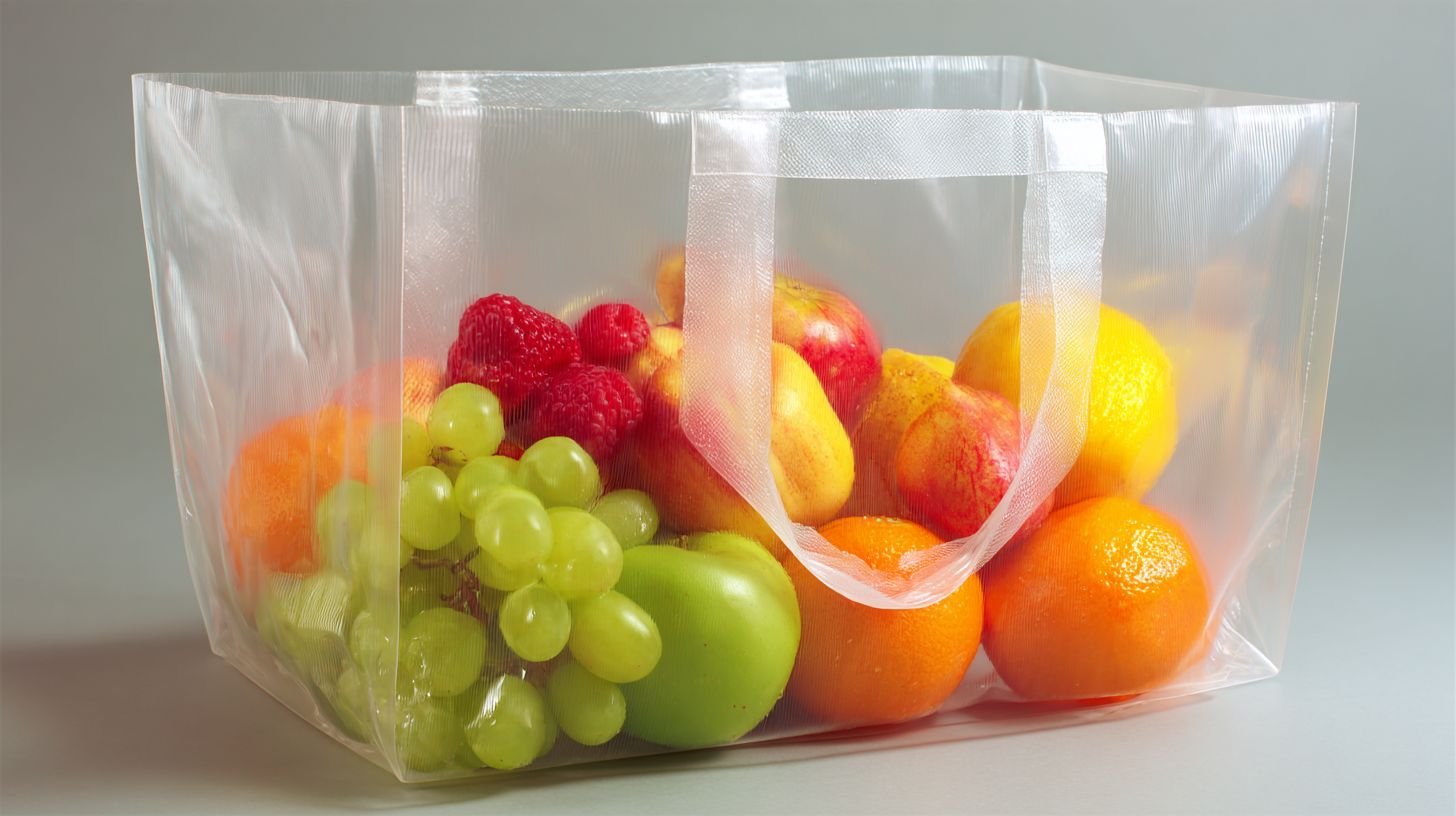
The seal integrity of frosted bags achieves a burst strength of 15-20N through heat sealing at temperatures ranging from 120-150 degreesC. This method effectively prevents leaks in 95% of moisture resistance tests conducted in accordance with ASTM F1929 standards, rendering it particularly suitable for food-safe and cosmetic packaging applications.
To attain this level of performance, adhere to the following numbered steps for sealing low-density polyethylene (LDPE) frosted bags:
- Employ a heat sealing method by applying heat for 2-3 seconds at 140 degreesC using a Sentinel 104 heat sealer to achieve uniform fusion.
- Verify peel strength by ensuring a minimum of 8N/cm through testing protocols outlined in ASTM D903, thereby confirming the reliability of the bond.
- Integrate reusability features by incorporating zip-lock mechanisms, such as Wenzel Group’s Ziploc technology, to enable repeated secure closures.
Common challenges include overheating, which can lead to material warping; such issues may be mitigated through precise temperature control maintained within +-5 degreesC. For example, Starbucks’ frosted coffee bags utilize side gusset seals, which preserve product freshness for 30 days in accordance with ISO 22000 standards.
5. Sustainability Aspects
Advancements in the sustainability of frosted bags include options with 30% recycled content, in accordance with EU Directive 94/62/EC. These options reduce the carbon footprint by 25% compared to virgin plastics, according to lifecycle analyses conducted by the Ellen MacArthur Foundation.
This transition decreases plastic waste by 20% through improved recyclability, thereby providing brands with practical strategies for adopting more environmentally friendly packaging solutions.
The following options warrant consideration:
- Recycled high-density polyethylene (HDPE), which incorporates 50% post-consumer material sourced from suppliers such as Trex, delivering durable and opaque frosted effects;
- Biodegradable additives that integrate 60% bio-based polymers, compliant with ASTM D6400 standards, to accelerate decomposition;
- Compostable variants utilizing plant-based films that fully degrade within 90 days under industrial composting conditions.
Adopting these eco-friendly bags results in a return on investment of $0.02 in savings per unit through bulk purchasing.
A 2023 United Nations Environment Programme (UNEP) report on packaging innovation underscores these developments, while Patagonia’s implementation of 100% recycled frosted totes has led to a 15% increase in customer satisfaction.
Premium Packaging Starts Here
Ready to upgrade your product presentation? Choose high-quality frosted bags from Aplasticbag for a clean, modern, and professional packaging solution. Call Now for Wholesale Prices and get the right bags for your business needs.

 Why Should You Consider Frosted Bags for Your Retail Store?
Comments