
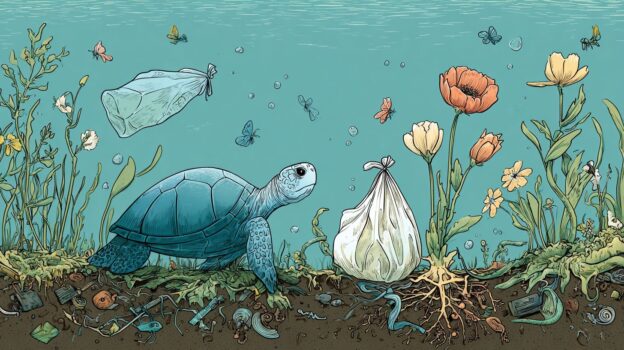
Billions of plastic bags suffocate marine ecosystems and persist in landfills for centuries, per EPA data. With global waste mounting, rethinking their lifecycle is urgent. Explore strategies like harnessing recycled plastics, blending biodegradable plant-based polymers, enhancing degradability, and promoting reusable designs-supported by innovative policies-to turn ubiquitous convenience into environmental ally.
Understanding the Environmental Impact of Plastic Bags
Plastic bags, predominantly manufactured from petroleum-derived high-density polyethylene (HDPE) and low-density polyethylene (LDPE), result in the production of more than 300 billion units annually. This contributes to approximately 8 million metric tons entering the oceans each year, as reported by the United Nations Environment Programme (UNEP) in 2020, thereby intensifying marine pollution and posing risks of entanglement to wildlife.
This form of pollution is responsible for the deaths of approximately 100,000 marine animals annually, according to a study by the World Wildlife Fund (WWF). The principal environmental impacts are outlined below:
- Marine Pollution: Entanglement and ingestion often lead to starvation among marine species. The Great Pacific Garbage Patch, which covers 1.6 million square kilometers, has been associated with a 50% reduction in biodiversity in affected regions, per a 2018 report from the International Union for Conservation of Nature (IUCN).
- Microplastics in the Food Chain: Research by the National Oceanic and Atmospheric Administration (NOAA) indicates that microplastics are present in 80% of seafood samples, facilitating their entry into human diets and resulting in bioaccumulation.
- High Carbon Footprint: The production of 1 kilogram of plastic bags generates 6 kilograms of carbon dioxide emissions, based on the life cycle assessment conducted by the Ellen MacArthur Foundation.
- Landfill Persistence: Plastic bags require more than 500 years to degrade, according to data from the U.S. Environmental Protection Agency (EPA), thereby occupying landfill space and releasing toxins over extended periods.
To address these issues, it is advisable to transition to reusable alternatives and support legislative measures advocating for bans on single-use printed plastic bags.
Switching to Recycled Plastics
The adoption of recycled plastics in manufacturing processes has the potential to divert up to 70% of post-consumer waste from landfills. This is exemplified by Unilever’s sustainability initiative, which successfully integrated 25% recycled content into its packaging by 2022, thereby diminishing dependence on non-renewable fossil fuels.
Sourcing Post-Consumer Waste
Sourcing post-consumer waste requires establishing partnerships with municipal sorting facilities, such as those operated by Waste Management Inc., which processes 20 million tons annually in the United States, thereby ensuring a reliable supply of HDPE flakes derived from used grocery bags.
To optimize this process, adhere to the following enumerated steps:
- Identify certified suppliers through the ISRI directory, which catalogs over 1,700 recyclers nationwide.
- Verify quality in accordance with ASTM D7611 standards for post-consumer resin, confirming contaminant levels below 2% impurities.
- Negotiate contracts for 10- to 50-ton batches at rates of $0.50-$1.00 per pound, thereby securing volume discounts.
- Arrange transportation through logistics providers such as UPS Freight (approximately $200 per ton).
The initial setup typically requires 4-6 weeks. To avoid challenges such as contamination, implement NIR spectroscopy sorting, as recommended in the EPA guidelines on sustainable waste management (EPA/600/R-12/102).
Improving Recycling Efficiency
Enhancing recycling efficiency has the potential to increase recovery rates from 9% to 50% through the adoption of advanced technologies, such as TOMRA’s optical sorters, which deliver 95% purity in HDPE separation and are employed in Europe’s closed-loop systems.
To realize these improvements, the following four actionable strategies are recommended.
- Implement AI-driven sorting systems, such as those offered by AMP Robotics, which require an initial investment of approximately $500,000 and yield a 30% increase in throughput, as demonstrated in their case studies on municipal facilities.
- Launch consumer education campaigns modeled on the Plastic Bank initiative, which has successfully collected over 2 billion kilograms of waste worldwide by providing incentives for returns.
- Upgrade to advanced mechanical recycling processes, which can reduce energy consumption by 50% compared to virgin material production, according to the Life Cycle Assessment conducted by Franklin Associates.
- Utilize tracking software, such as the free tier of RecycleNation, to monitor key metrics through real-time data analytics.
A notable example is Coca-Cola’s World Without Waste initiative, which targets 100% recycling of bottles by 2030 and has already achieved a 25% efficiency improvement in partner facilities.
Incorporating Biodegradable Materials
Biodegradable materials, including those derived from corn starch and sugarcane, are capable of decomposing within 90 days under industrial composting conditions. This stands in stark contrast to the 500-year degradation period typically associated with traditional plastics, a distinction corroborated by the ASTM D6400 standards.
Plant-Based Polymers
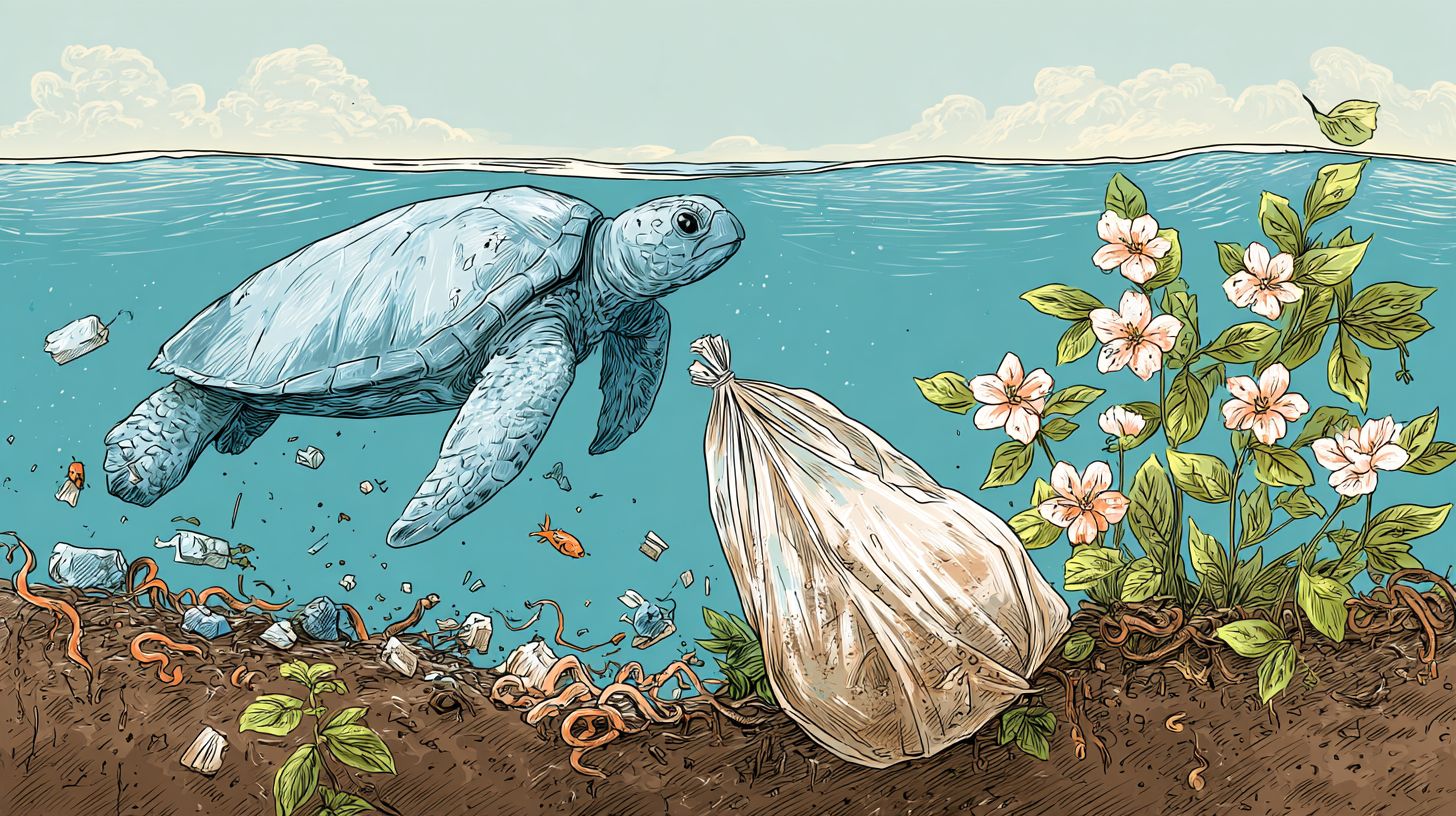
Plant-based polymers, such as polylactic acid (PLA) derived from fermented corn starch, present a sustainable alternative to traditional materials. For instance, Novamont produces 100,000 tons annually, with PLA demonstrating 70% biodegradation in soil according to ISO 14855 standards.
To implement PLA effectively, the following steps are recommended:
- Procure raw materials, such as NatureWorks PLA, at a cost of $1.50-$2.00 per pound to ensure economical sourcing.
- Employ extrusion processes with melt temperatures ranging from 180-220 degreesC, utilizing equipment like Cincinnati extruders (priced at $100,000 or more).
- Incorporate blend ratios of 20-50% plant-based content, suitable for applications such as plastic shopping bags.
- Conduct durability testing, aiming for a tensile strength of 50 MPa in accordance with ASTM D882 standards.
The advantages of PLA include its renewability and reduced environmental footprint, while the primary drawback is a 30% higher cost compared to petroleum-based plastics.
A study published in the Journal of Cleaner Production, focusing on the life cycle assessment of PLA, indicates a 50% reduction in greenhouse gas emissions relative to conventional polymers.
Starch-Blended Plastics
Starch-blended plastics, which integrate potato or cassava starch with polyethylene, achieve 40-60% biodegradability. This is demonstrated by BioBag products, which decompose in 3-6 months in home composters, as verified by Vincotte OK Compost certification.
To formulate these blends, adhere to the following steps:
- Select thermoplastic starch, such as potato-based starch from Tate & Lyle at $0.80 per pound, to ensure optimal compatibility.
- Blend with polyethylene using a twin-screw extruder at 120 degreesC, while maintaining a 20% starch ratio.
- Incorporate plasticizers, such as glycerol (5-10%), to enhance flexibility.
- Extrude into films via film blowing, targeting a thickness of 20-50 microns for bags.
These materials attain an 80% degradation rate within 180 days, as measured by OECD 301B testing. Rodenburg Biopolymers has scaled production to 1 million kilograms, achieving 25% cost savings relative to pure bioplastics.
Adding Degradable Additives
Degradable additives, such as Symphony Environmental’s d2w oxo-biodegradable technology, facilitate the fragmentation of plastics into microplastics within 18 months under UV exposure. According to a 2019 study published in *Polymer Degradation and Stability*, this approach reduces litter persistence by 90% compared to untreated bags.
To implement these additives, three primary types warrant consideration:
- Oxo-degradable additives promote photo-oxidation and are incorporated at 1-2% by weight into resins, as evidenced by their use in Kenya’s compliance with plastic bag regulations via d2w technology (at a cost of $0.05 per bag).
- Microbial additives utilize enzymatic breakdown, exemplified by Novozymes enzymes, which require laboratory testing to confirm soil degradation within 6 months (in compliance with EU EN 13432 standards).
- Hydrolytic additives induce water-based hydrolysis, such as Reverte applied in packaging, with degradation rates assessed per ASTM D6954.
A fundamental formulation entails incorporating 1% manganese-based pro-oxidant into low-density polyethylene (LDPE) during the compounding phase. These additives yield cost savings of 10-20% relative to fully biodegradable plastics, as outlined in the 2022 Ellen MacArthur Foundation report.
Designing for Durability and Reuse
By designing bags with enhanced durability, such as incorporating recycled PET material of 100-150 microns in thickness, their lifespan can be extended to more than 100 uses. This methodology reduces waste by 95%, as evidenced by a Life Cycle Assessment conducted by the University of Plymouth, which further indicates 80% lower emissions relative to single-use alternatives.
Thicker, Multi-Use Bags
Multi-use bags constructed from thicker woven polypropylene (80-120 gsm) are designed to support loads of 20-30 kg and endure more than 200 reuses. This is exemplified by IKEA’s blue bags, which have prevented the consumption of 1 billion single-use plastic bags since 2009.
To optimize bag design, adhere to the following best practices:
- Material Selection: Opt for polypropylene (PP) over cotton, as PP bags weigh only 50g each with a production cost of $0.20, in contrast to cotton’s 100g weight and $0.50 cost, thereby providing superior lightness and affordability.
- Construction: Incorporate reinforced seams and heat-sealed edges to ensure water resistance and enhance durability against everyday wear and tear.
- Testing: Conduct drop tests in accordance with the ISO 13934-1 standard, targeting a seam strength exceeding 50N to validate load capacity.
- User Guidelines: Recommend washing at 40 degreesC and drying flat to maximize the bag’s longevity.
Return on investment (ROI) metrics demonstrate that a production cost of $0.10 per bag generates a lifetime value of $5 at $0.05 per use. A study in the Journal of Industrial Ecology indicates that custom reusable bags, when enhanced for durability, can substitute for up to 7,000 single-use equivalents per bag.
Enhancing End-of-Life Options
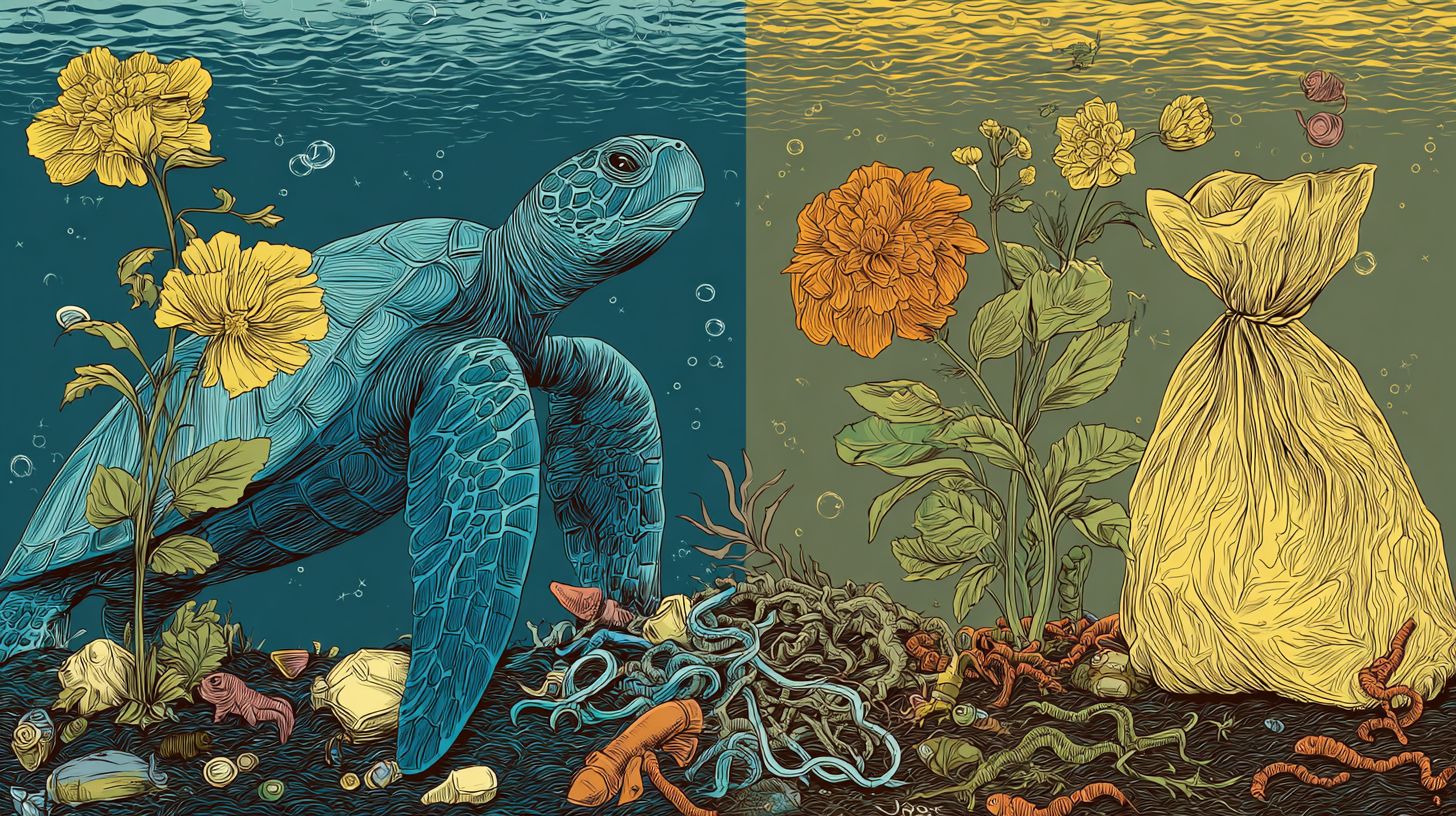
The adoption of compostable designs to improve end-of-life waste management options can achieve up to 90% diversion from landfills. This efficacy is supported by a 2021 report from the U.S. Environmental Protection Agency (EPA), which found that biobased bags contributed to a 40% reduction in waste across municipal programs.
Composting Compatibility
Composting-compatible bags certified under BPI standards, such as those offered by EcoSafe, fully degrade within 180 days at 58 degreesC, yielding nutrient-rich humus free of toxins. This performance has been validated through testing in industrial facilities that process 500 tons of material daily.
To achieve effective composting, adhere to the following structured steps:
- Select certified materials, including Mater-Bi from Novamont (priced at $0.15 per square foot), verified by BPI or Seedling certification to ensure dependable decomposition.
- Establish your facility utilizing aerated static piles and temperature monitoring equipment, such as Therm-O-Web sensors ($50), to sustain 58 degreesC for optimal microbial activity.
- Adhere to a defined process timeline: Pre-treat by shredding the bags, followed by a 12-week cycle incorporating regular turning to promote aeration.
- Validate outcomes through laboratory testing, such as Seedling certification ($1,000 per test), to confirm the absence of residues.
A frequent challenge involves incomplete decomposition due to non-certified material blends; the recommended resolution is to exclusively utilize verified sources. According to a USDA study, these bags increase soil organic matter by 15%, thereby improving fertility.
Policy and Innovation Support
Policies such as California’s 10-cent custom plastic bag fee, implemented since 2016, have achieved an 85% reduction in usage while generating $150 million for environmental funds. Concurrently, innovations like those from MIT’s self-degrading plastics are advancing in support of Sustainable Development Goal (SDG) 12, which promotes responsible consumption and production.
To further these initiatives, individuals and businesses are encouraged to adopt the following targeted strategies:
- Transition to reusable bags; research from the Environmental Protection Agency (EPA) indicates that this practice reduces personal plastic consumption by 90% annually.
- Support corporate commitments, such as Unilever’s pledge to attain 100% recyclable packaging by 2025, as detailed in their sustainability report.
- Participate in buy-back programs, including TerraCycle’s, which recycled 2.5 billion items in 2022.
- Advocate for the expansion of fee-based models, informed by Ireland’s 2002 levy, which resulted in a 90% decline in bag usage according to EPA data.
- Invest in alternative solutions, such as Ecovative’s mushroom-based packaging, which has demonstrated an 80% reduction in waste based on their trials.
These measures align with the United Nations Environment Programme (UNEP) guidelines for SDG 12.
Frequently Asked Questions
Q: How Can Plastic Bags Be Made More Eco-Friendly?
Plastic bags can be made more eco-friendly through several methods, such as incorporating biodegradable additives that help them break down faster in the environment, using recycled materials to reduce the demand for virgin plastic, and designing thinner bags that use less material overall while maintaining durability. Additionally, opting for oxo-biodegradable plastics or those certified by standards like ASTM D6400 can enhance their environmental profile by promoting quicker decomposition without releasing harmful microplastics.
Q: What Materials Can Be Added to Plastic Bags to Improve Their Eco-Friendliness?
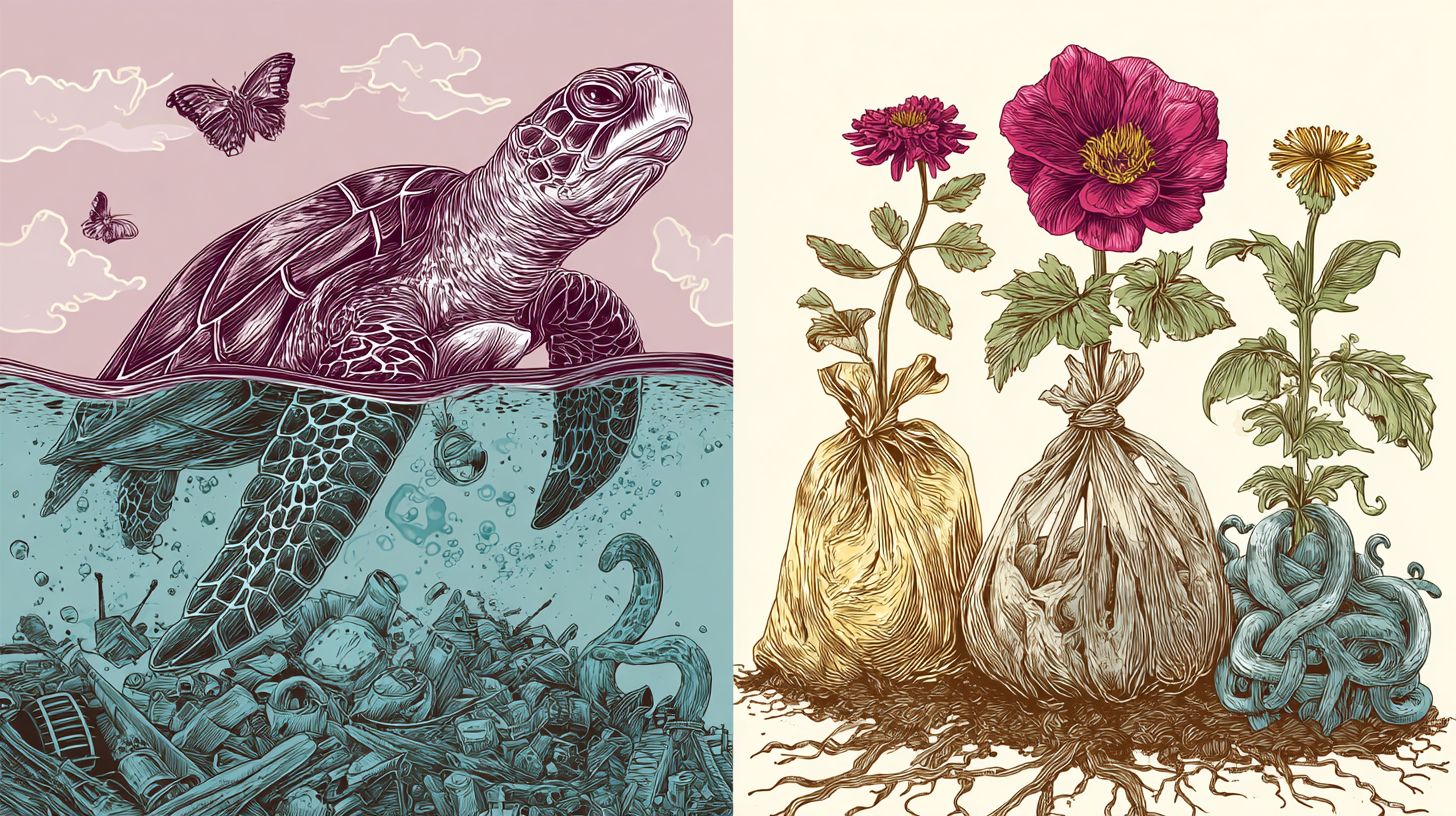
To improve eco-friendliness, plastic bags can incorporate bio-based materials like starch from corn or sugarcane, which make them partially compostable. Additives such as pro-oxidants can also be used to accelerate degradation under sunlight and oxygen exposure. How Can Plastic Bags Be Made More Eco-Friendly? By blending these with traditional polyethylene, bags become less persistent in landfills and oceans, reducing long-term pollution.
Q: How Does Recycling Contribute to Making Plastic Bags More Eco-Friendly?
Recycling turns used plastic bags into new ones, conserving resources and cutting down on fossil fuel extraction for new plastic production. Programs that collect and process post-consumer bags ensure higher recycled content, sometimes up to 100%. How Can Plastic Bags Be Made More Eco-Friendly? By prioritizing recycled inputs, manufacturers lower the carbon footprint and waste, making the entire lifecycle more sustainable.
Q: Can Thinner Plastic Bags Be a Step Towards Eco-Friendliness?
Yes, thinner plastic bags use less raw material per bag, reducing overall plastic consumption and energy in production. Modern thin films can be just 25 microns thick yet strong enough for use. How Can Plastic Bags Be Made More Eco-Friendly? This approach minimizes waste at the source and encourages consumers to reuse or recycle them more efficiently, contributing to lower environmental impact.
Q: What Role Do Certifications Play in Eco-Friendly Plastic Bags?
Certifications like those from the Biodegradable Products Institute (BPI) verify that plastic bags meet standards for compostability or degradability. They ensure additives work without toxic residues. How Can Plastic Bags Be Made More Eco-Friendly? Seeking certified products guarantees real environmental benefits, helping consumers and businesses choose bags that truly reduce pollution and support circular economies.
Q: How Can Design Innovations Make Plastic Bags More Eco-Friendly?
Design innovations include creating reusable plastic bags with reinforced handles for longevity or integrating QR codes for recycling instructions. Modular designs allow parts to be repurposed. How Can Plastic Bags Be Made More Eco-Friendly? These changes promote reuse over single-use disposal, extend product life, and educate users on proper end-of-life management, significantly cutting down on environmental harm.
Make the Switch to Smarter, Sustainable Packaging Today
Looking to reduce your environmental impact without compromising on quality or branding? Aplasticbag.com brings you innovative, eco-friendly plastic bag solutions designed for modern businesses across the USA. From recyclable materials to reusable designs, we help your brand stay responsible—and memorable.
Why Choose Aplasticbag?
✔ Premium-quality eco-conscious materials
✔ Custom printing that elevates your brand identity
✔ Competitive wholesale pricing across the USA
✔ Fast production and reliable nationwide delivery
✔ Trusted by businesses committed to sustainability
Don’t settle for ordinary packaging—upgrade to eco-friendly solutions that make a lasting impression. Shop now at Aplasticbag.com and lead your brand toward a greener future.

 Plastic Bag Thickness Guide: What Mil Should You Choose?
  Plastic Bags vs. Paper Bags: Which Is Better for Your Business in 2027?
  Custom Plastic Shopping Bags vs Paper Packaging: Cost, Branding & Convenience
Comments