
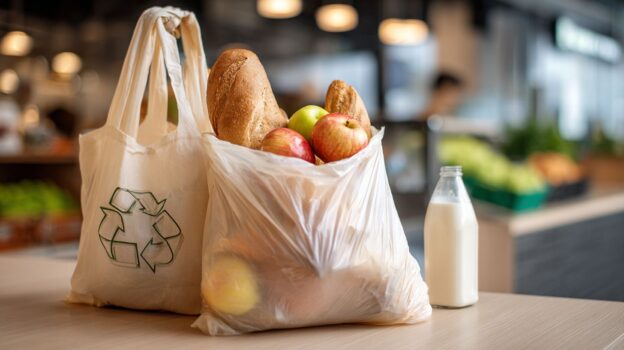
Every year, billions of plastic bags swirl through retail checkouts, yet they ensnare marine life and linger as pollutants for centuries, according to UN Environment Programme data. As sustainability demands intensify, retailers grapple with balancing cost-efficiency against eco-harm. This exploration weighs their environmental toll, economic perks, regulatory hurdles, shifting consumer views, and promising alternatives-revealing if plastic’s convenience endures.
Environmental Impacts
Plastic bags represent a significant contributor to global pollution. According to a 2018 study by the Organisation for Economic Co-operation and Development (OECD), only 1% of plastic bags are recycled worldwide, resulting in extensive environmental degradation across oceans and landfills.
Marine and Wildlife Harm
Plastic bags pose significant direct threats to marine life, as sea turtles often mistake them for jellyfish, leading to over 1,000 reported deaths annually according to NOAA Fisheries data.
Along with turtles, plastic bags contribute to widespread issues of ingestion and entanglement among various species. For instance, albatross chicks consume floating debris mistaken for food, resulting in starvation; a 2022 study by the Plastic Pollution Coalition found plastics present in 90% of examined necropsied chicks.
Entanglement in plastic bags and associated lines frequently causes drowning or amputation in seals and whales. In coral reef ecosystems, these bags smother habitats, thereby disrupting biodiversity and ecological balance.
Research by Rochman et al. (2013), published in Nature, demonstrates that plastics bioaccumulate toxins such as PCBs, thereby amplifying health risks throughout the food chain.
To address these impacts, mitigation efforts should include participation in beach cleanups through organizations like the Ocean Conservancy and advocacy for bans on single-use plastics. For example, initiatives at Australia’s Great Barrier Reef have achieved a 30% reduction in pollution through targeted cleanups and regulatory measures, effectively supporting habitat restoration.
Long-Term Pollution Effects
Beyond their immediate environmental impacts, plastic bags wholesale endure for centuries, gradually degrading into microplastics that pollute soil and water sources. This is underscored by a 2021 report from the U.S. Environmental Protection Agency (EPA), which estimates the presence of approximately 5.5 trillion microplastic particles in the world’s oceans.
The decomposition process for plastic bags can take between 500 and 1,000 years, as documented in research by the Commonwealth Scientific and Industrial Research Organisation (CSIRO), thereby perpetuating long-term pollution.
Furthermore, the production of plastic bags alone contributes an estimated 3.4 million tons of carbon dioxide equivalent emissions annually, according to World Bank data.
Microplastics infiltrating soil have been shown to diminish agricultural yields by as much as 20% and to integrate into food chains, based on studies conducted by Cornell University.
A life cycle assessment by the Ellen MacArthur Foundation reveals that the total environmental costs associated with plastics-from raw material extraction to final disposal-exceed $100 billion per year.
Absent substantive policy interventions, such as bans on single-use plastics or the promotion of reusable alternatives, United Nations projections suggest that the mass of microplastics in the oceans could surpass that of fish populations by 2050.
Economic Advantages
Although plastic bags pose notable environmental challenges, they deliver considerable economic advantages to retailers. According to a 2019 analysis by the Retail Industry Leaders Association, the production cost of plastic bags ranges from 1 to 2 cents per unit, significantly lower than the 5 to 10 cents required for paper alternatives.
Low Production Costs
The production of plastic bags from polyethylene resin incurs a cost of less than $0.02 per unit at scale, benefiting from inexpensive fossil fuel feedstocks that support substantial retail margins. This is evidenced by the 2023 ICIS market report, which indicates resin prices at $1,200 per ton.
A detailed cost analysis demonstrates that raw materials constitute 70% of the total ($0.01 per bag, derived from oil-based polyethylene), while the manufacturing process-utilizing high-speed extrusion-requires only 1-2 minutes to produce 1,000 bags, thereby optimizing labor and energy expenditures. This operational efficiency stands in stark contrast to paper bags, which are approximately four times more expensive owing to elevated material and processing requirements.
As reported by the American Chemistry Council, the production of plastic bags consumes 70% less energy than that of comparable paper bags. On a global scale, supply chains generate 400 million tons of polyethylene annually, facilitating scalable operations that maintain low production costs and enable high-volume distribution to retailers.
Efficiency in Distribution
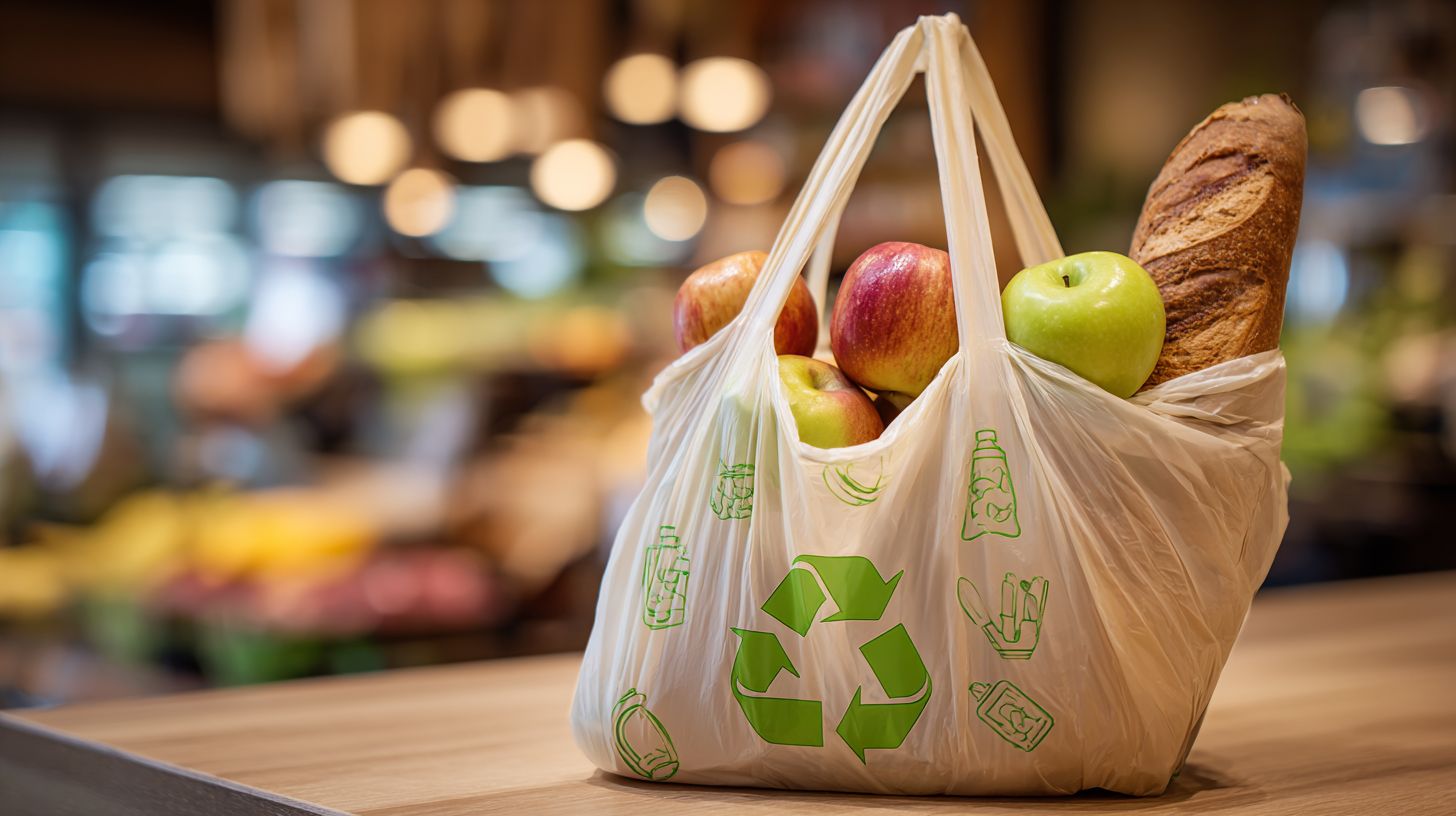
The lightweight design of plastic bags, each weighing less than 5 grams, facilitates efficient stacking and shipping, thereby reducing logistics costs by 25% compared to bulkier alternatives, as reported in a 2020 McKinsey supply chain study.
This benefit is particularly evident in storage applications, where 10,000 plastic bags can be accommodated within 1 cubic meter-compared to only 2,000 paper bags-thereby optimizing warehouse space utilization and lowering rental expenses. In transportation, the minimal weight of plastic bags decreases truck fuel consumption by up to 20%, resulting in a savings of 1 ton of CO2 emissions per 10,000 miles driven.
Amazon illustrates this advantage through its adoption of plastic liners, which reduced e-commerce shipping weights by 15% and correspondingly lowered emissions.
From a production perspective, plastic bags require 90% less water than cotton reusable bags, according to a life-cycle assessment study by Franklin Associates, positioning them as a viable option for sustainable supply chain management.
Regulatory Challenges
The escalation of global regulations, exemplified by the European Union’s 2021 ban on single-use plastics-which affects approximately 70 million bags annually-presents substantial challenges for retailers that depend on traditional packaging methods.
Bans and Plastic Taxes
Since 2002, more than 100 countries have enacted bans or taxes on plastic bags. For instance, Bangladesh’s prohibition in 2002 has averted approximately 20 million tons of waste, according to a 2022 World Bank policy review.
Prominent examples include New York’s 2020 legislation, which prohibits bags measuring 12 inches or larger and imposes a $100 fine for violations. Similarly, the United Kingdom’s 5-pence charge, introduced in 2015, has reduced plastic bag usage by 85%, as reported in official government data.
A peer-reviewed study by Dikgang et al. (2012), published in the Journal of Environmental Economics and Management, substantiates that such taxes decrease consumption by 30 to 50 percent in developing regions. On the international front, United Nations negotiations for a 2022 global plastics treaty seek to establish uniform standards for reductions worldwide.
Retailers can mitigate these changes by transitioning to reusable alternatives, which may involve an initial 10 percent increase in costs. However, this investment is typically recovered within six months through enhanced customer loyalty and increased sales.
Compliance Burdens for Retailers
Retailers encounter substantial compliance costs, averaging $50,000 annually for training and audits, in adherence to regulations such as the U.S. Federal Trade Commission’s (FTC) Green Guides. These requirements pose significant operational challenges for large retail chains, including Target.
The primary burdens encompass the following:
- Quarterly waste logging mandated by Environmental Protection Agency (EPA) regulations, which necessitates precise tracking to prevent non-compliance penalties;
- Annual supply chain audits involving third-party verification, with associated costs of approximately $5,000 per year;
- Revisions to product labels to substantiate recyclability claims under FTC guidelines, wherein inaccurate statements may incur fines of up to $11,000 per violation.
To address these challenges, organizations may adopt specialized software solutions, such as Enviance, for automated tracking and reporting. Industry benchmarks indicate that such tools can reduce manual errors by up to 40%.
A pertinent case study involves Tesco’s 2019 compliance initiative, which entailed an investment of GBP2 million but successfully mitigated potential penalties amounting to GBP10 million, as detailed in their sustainability report.
Consumer and Market Perspectives
The demand among consumers for sustainable products has risen substantially, with 78% of shoppers expressing a preference for eco-friendly packaging according to a 2023 Nielsen survey. This shift is profoundly influencing retail strategies in light of evolving market dynamics.
Shifting Preferences
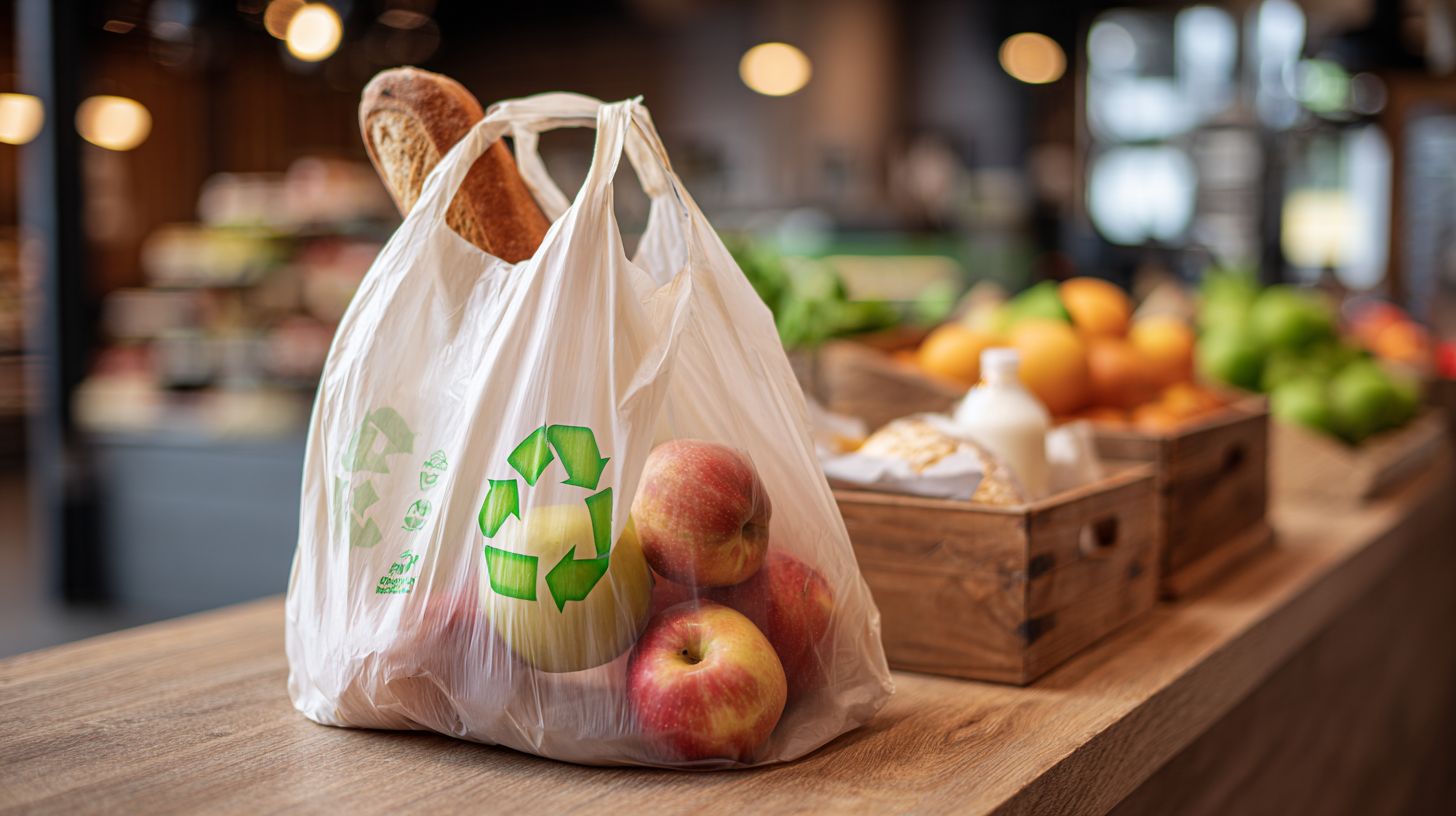
Millennial and Gen Z consumers are leading the shift toward sustainability, with 65% actively avoiding single-use plastics, as reported by Mintel in 2022. This trend is compelling retailers to revise their checkout processes to align with evolving consumer preferences.
To address this demand, retailers should emphasize reusable alternatives, which have experienced a 50% sales increase since 2018 according to Euromonitor data. Effective strategies include prominent in-store displays and incentives, such as discounts for customers who bring their own bags.
Initiatives like Plastic Free July have demonstrated measurable success, reducing global adoption of single-use bags by 20%.
For tangible results, retailers are encouraged to adopt opt-out systems for printed plastic bags, a measure implemented by Aldi that achieved a 25% reduction in usage.
Research, including the 2017 review by Xanthos and Walker, underscores robust consumer backing for such policies, with 70% supporting regulations that promote sustainable practices through gentle encouragement rather than strict mandates.
Viable Alternatives
Sustainable alternatives, including paper and biodegradable bags, present viable replacements for traditional packaging materials. According to Grand View Research, the global eco-packaging market is projected to expand at an annual rate of 6.5%, attaining a value of $250 billion by 2025.
Paper and Reusable Bags
Paper bags, which are recyclable and capable of supporting loads of 10-20 pounds, are priced at 5-7 cents per unit. In comparison, reusable cloth totes made from hemp or cotton offer durability exceeding 100 uses and cost between $1 and $2 per unit.
From an environmental perspective, paper bags sourced from FSC-certified sustainable forests demand 40% more energy for production, as determined by a lifecycle assessment conducted by the Swedish Environmental Research Institute. Conversely, reusable bags reduce waste by 80%, according to a study by IFEU on alternatives to plastic.
Economically, printed reusable bags achieve cost parity after approximately 10 uses, rendering them a practical choice for frequent shoppers. For businesses, IKEA’s initiative-having sold more than 1 billion reusable bags since 2013-illustrates the potential for scalability, resulting in a 90% reduction in long-term bag expenses.
To facilitate implementation, assess the frequency of weekly grocery shopping: select hemp totes for enhanced durability in humid conditions, and procure them from environmentally responsible suppliers such as Baggu, where bulk purchases yield discounts below $1 per unit.
Biodegradable Innovations
Innovations in biodegradable packaging include starch-based bags derived from corn or potatoes, which decompose within 90 days under composting conditions. Companies such as Novamont produce 50,000 tons annually at a cost of $0.10 to $0.15 per bag.
Other advancements encompass polylactic acid (PLA), produced from plant starches, which composts in three months in accordance with ASTM D6400 standards. This material facilitates efficient industrial-scale processing.
Additionally, seaweed-based films provide fully ocean-safe alternatives, as demonstrated by Notpla’s 2023 pilot programs for food packaging that dissolve harmlessly in water.
Mushroom mycelium-based packaging biodegrades in as little as 30 days, making it suitable for protective cushioning applications.
For practical implementation, businesses may procure PLA from suppliers like NatureWorks and initiate pilot testing to minimize plastic usage. Unilever’s transition to biodegradable wrappers, as detailed in their 2022 report, resulted in a 25% reduction in waste.
Research conducted by Narancic et al. (2018), published in Frontiers in Microbiology, validates these rapid biodegradation rates under controlled conditions.
Frequently Asked Questions
Q: Are Plastic Bags Still a Viable Option for Retail Packaging?
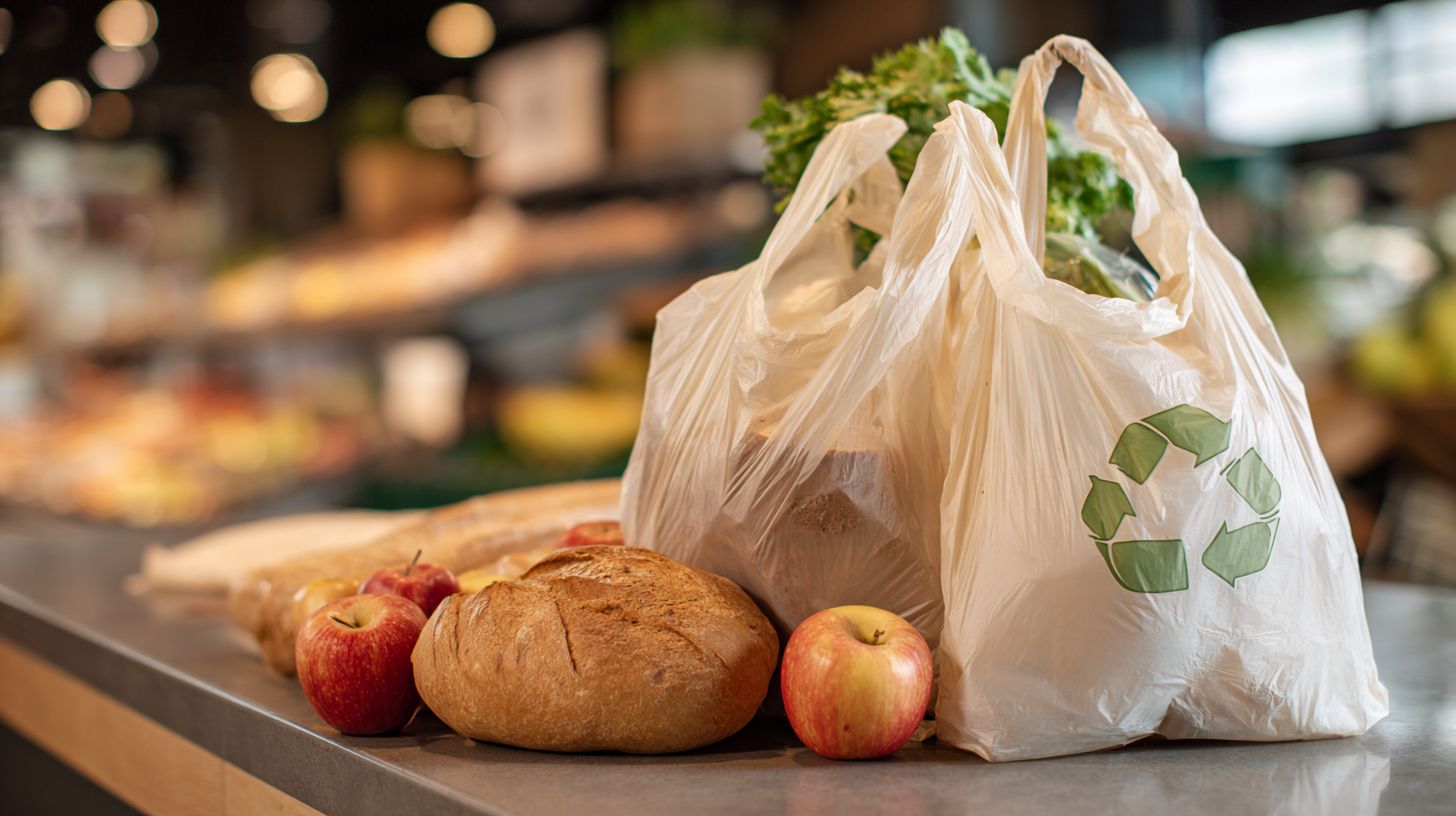
Plastic bags remain a viable option for retail packaging in many contexts due to their low cost, durability, and convenience, but their viability is increasingly questioned amid growing environmental concerns and regulatory restrictions. While they are lightweight and efficient for carrying goods, the accumulation of plastic waste in oceans and landfills has led to bans in several regions, pushing retailers toward more sustainable alternatives like paper or reusable bags.
Q: What Environmental Factors Make Plastic Bags Less Viable for Retail Packaging?
Environmental concerns, such as the non-biodegradable nature of plastic bags, contribute to pollution and harm wildlife. They take hundreds of years to break down, releasing microplastics into ecosystems. With global awareness rising, many consumers and governments view plastic bags as less viable for retail packaging, favoring eco-friendly options to reduce carbon footprints and waste.
Q: Are There Legal Restrictions Affecting the Viability of Plastic Bags in Retail Packaging?
Yes, numerous countries and cities have implemented bans or fees on single-use plastic bags to discourage their use in retail packaging. For instance, the European Union and parts of the US have phased out thin plastic bags, making them less viable in those markets. Retailers must adapt to these regulations to avoid penalties, often switching to biodegradable materials.
Q: How Do Costs Compare When Evaluating Plastic Bags as a Viable Retail Packaging Option?
Plastic bags are typically the most cost-effective choice for retail packaging, often costing pennies per unit, which makes them highly viable for high-volume operations. However, emerging fees, taxes, and the need for compliant alternatives can increase expenses over time, prompting businesses to weigh short-term savings against long-term sustainability investments.
Q: What Alternatives Exist to Plastic Bags for Viable Retail Packaging Solutions?
Viable alternatives to plastic bags include paper bags, which are biodegradable; reusable cloth totes, promoting customer loyalty; and compostable options made from plant-based materials. These choices are gaining traction in retail packaging as they align with eco-conscious trends, though they may cost more upfront but offer branding opportunities and compliance with green policies.
Q: Can Innovations Make Plastic Bags a More Viable Option for Future Retail Packaging?
Innovations like oxo-biodegradable plastics or recycled-content bags are enhancing the viability of plastic bags in retail packaging by reducing environmental impact. These advancements address some criticisms, allowing retailers to continue using them while meeting sustainability goals, though full adoption depends on scalability and consumer acceptance.
Why Choose Aplasticbag for Retail Packaging in the USA?
Make your brand stand out with durable, affordable, and fully customizable retail packaging solutions from Aplasticbag. Whether you run a boutique, grocery store, eCommerce shop, or retail chain, our plastic bags are designed to boost convenience, branding, and customer satisfaction.
Order Now & Upgrade Your Retail Packaging Today
✔ High-Quality Custom Printed Plastic Bags
✔ Fast USA-Wide Shipping & Bulk Order Discounts
✔ Eco-Friendly & Recyclable Packaging Options
✔ Strong, Stylish & Cost-Effective Retail Solutions
✔ Custom Sizes, Colors & Logo Printing Available
✔ Trusted Packaging Partner for USA Businesses
Ready to Elevate Your Retail Packaging?
Turn every purchase into a branding opportunity with premium custom plastic bags from Aplasticbag.com. Affordable pricing, superior quality, and fast delivery across the USA make us the smart choice for growing businesses.
Order Now & Give Your Customers Packaging They’ll Remember!
- Custom Retail Bags Made for Your Brand
- Wholesale Prices for USA Businesses
- Reliable Quality with Eye-Catching Designs
- Perfect for Stores, Events & eCommerce Packaging
Choose Aplasticbag — Where Quality Packaging Meets Powerful Branding!

 Poly Bags vs Plastic Shopping Bags: What’s the Difference?
  Plastic Bags: Understanding Their Role in Modern Retail
  Plastic vs Paper Bags: Which Packaging Drives More Customer Attention?
Comments