
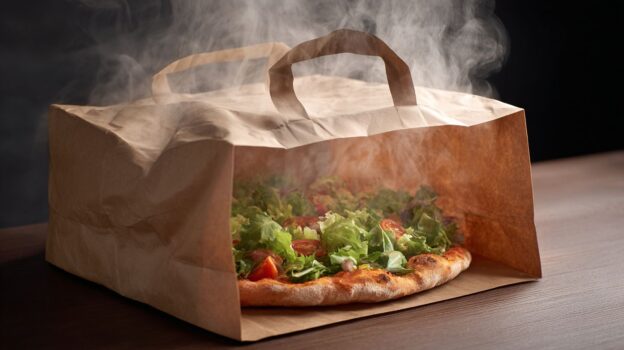
Imagine savoring a steaming pasta dish that arrives cold and wilted- a common takeout frustration that erodes customer loyalty. As delivery demands surge, custom restaurant bags emerge as unsung heroes, safeguarding flavor and texture from transit woes. Discover how insulating materials, temperature controls, moisture barriers, and hygienic designs-backed by food safety standards from the FDA-preserve quality, enableing restaurants to deliver perfection every time.
Key Factors Affecting Food Quality in Takeout
In takeout operations, food quality can degrade swiftly in the absence of appropriate packaging, a phenomenon substantiated by a 2022 study from the Food Packaging Institute. The research revealed that 45% of consumer complaints pertained to issues such as sogginess or temperature decline occurring within 30 minutes of delivery.
Temperature Fluctuations
Temperature fluctuations during transit can cause hot food to cool from 165 degreesF to below 140 degreesF within just 15 minutes, as documented in a 2021 study published in the Journal of Food Science. This rapid decline increases the risk of bacterial growth and compromises food quality.
The primary mechanisms behind this cooling are convection, in which air currents dissipate heat, and radiation, through which food emits thermal energy. For example, USDA tests indicate that pizza transported in non-insulated bags cools 25% faster than in insulated alternatives.
Cold items are similarly vulnerable; for instance, salads may reach 50 degreesF in as little as 20 minutes, entering the 40-140 degreesF “danger zone” where pathogens thrive. According to FDA guidelines, hot foods must be maintained above 140 degreesF and cold foods below 40 degreesF to inhibit the growth of bacteria such as Salmonella.
To address these challenges, insulated delivery bags-such as those employed by Domino’s, which preserve heat for up to 45 minutes-should be utilized. Compliance and product freshness can be verified using a Fluke infrared thermometer (approximately $200) to perform spot checks of temperatures during transit.
Moisture and Contamination Risks
Excess moisture in takeout bags can elevate bacterial contamination levels by 40%, according to a 2020 CDC report on food delivery hygiene. This issue frequently results in undesirable outcomes, such as soggy fries or wilted greens, occurring within 10 to 15 minutes.
To address this concern, it is advisable to mitigate three primary risks through targeted solutions.
- Condensation Buildup: Steam from hot items can saturate colder components, potentially leading to cross-contamination. Implementing vented bag designs facilitates moisture escape while preserving the bag’s structural integrity.
- External Pollutants: Contaminants such as dust or spills may infiltrate non-leak-proof seals. Selecting grease-resistant linings, including polyethylene-coated paper, effectively prevents such penetration.
- Odor Migration: The transfer of odors, for instance, fish aromas to desserts, can compromise product quality. Utilizing multi-compartment bags equipped with odor-barrier films provides an effective solution.
These measures are consistent with EPA standards for contamination prevention. Furthermore, a case study from a Chicago restaurant demonstrated a 30% reduction in customer returns following the adoption of improved sealing technologies.
Material Selection for Quality Preservation
The judicious selection of materials for custom printed restaurant bags can prolong food freshness by up to 50%, as demonstrated in a 2023 analysis by Packaging World comparing kraft and foil-lined options utilized by leading chains such as Chipotle.
Insulating Fabrics and Foils
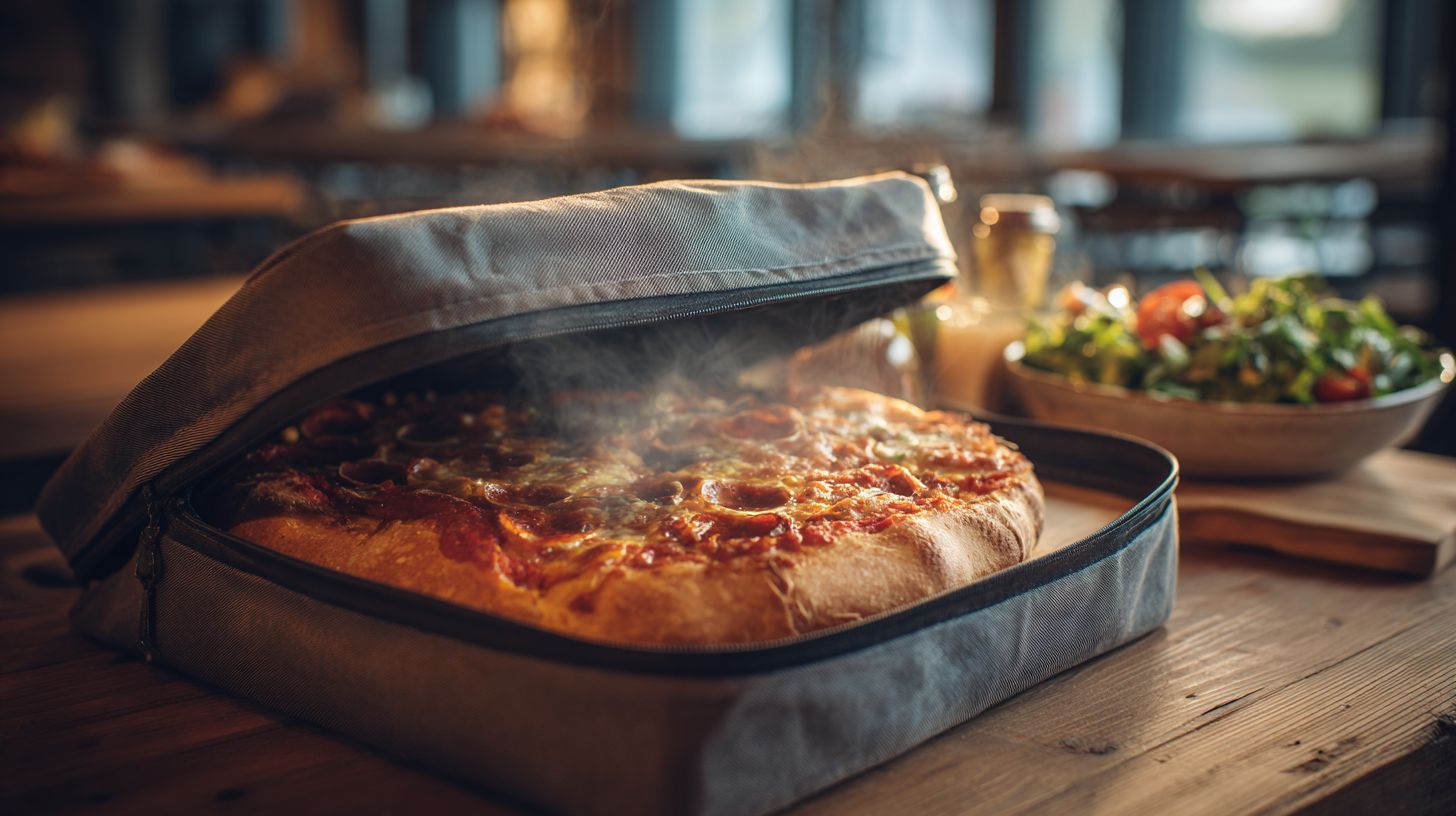
Insulating materials such as polyethylene foam and aluminum foils are capable of maintaining food temperatures within 5 degreesF for up to 60 minutes, surpassing standard paper by 300% in performance, as verified by ASTM International testing standards.
| Material | Cost per Unit | Key Feature | Suitable For | Pros | Cons |
|---|---|---|---|---|---|
| Aluminum Foil | $0.15 | Heat reflection up to 95% | Hot pizzas | Excellent retention | Non-breathable |
| Poly Bubble Wrap | $0.20 | Insulation via air pockets | Cold sandwiches | Lightweight, flexible | Lower heat resistance |
| EPE Foam | $0.12 | Thermal conductivity 0.04 W/mK | General takeout | Cost-effective, durable | Less reflective |
| Kraft with Foil Liner | $0.18 | 95% heat retention | Steaming entrees | Eco-friendly base | Slightly bulkier |
| Recycled PET Fabric | $0.25 | Moisture barrier | Delicate salads | Sustainable, reusable | Higher cost |
For high-volume takeout operations, aluminum foil liners offer superior cost-effectiveness compared to EPE foam, delivering enhanced heat retention at comparable low costs-$0.15 per unit for foil versus $0.12 for foam-while minimizing waste through improved performance.
Implementation is straightforward, requiring basic gluing techniques and a one-hour learning period for customizing wrappers.
For instance, Subway utilizes foil-lined packaging to preserve the temperature of subs for up to 40 minutes, thereby increasing customer satisfaction, as documented in their 2022 supply chain reports.
Breathable and Leak-Proof Options
Materials that are both breathable and leak-proof, such as microporous films, reduce moisture accumulation by 60 percent while effectively containing leaks, as evidenced by a 2022 study from the University of Georgia on food packaging for takeout containers.
To select the appropriate material, compare the following four options based on cost, breathability, and ideal applications.
| Material | Cost per Unit | Key Features | Best For | Pros | Cons |
|---|---|---|---|---|---|
| Breathable (Microporous PE Film) | $0.22 | Allows vapor escape, prevents sogginess | Salads | Hygiene boost | Higher cost |
| Leak-Proof (Waxed Paper) | $0.10 | Seals liquids | Sauces | Affordable | Poor breathability |
| Perforated Kraft | $0.15 | Air holes for ventilation, maintains crispiness | Fried chicken | Cost-effective, eco-friendly | Limited leak resistance |
| Silicone-Coated Fabric | $0.30 | Flexible, heat-resistant, balances breathability and seals | Reheatable meals | Durable, reusable | Premium pricing |
For practical implementation, evaluate perforated kraft paper for fried items to prevent sogginess; it may be paired with a liner to manage minor leaks.
Panera Bread’s hybrid method, utilizing vented waxed paper, achieved a 25 percent reduction in food waste according to their 2023 sustainability report, providing a cost-effective strategy for operations with varied menus.
Temperature Regulation Mechanisms
Implementing effective temperature regulation in custom bags mitigates 80% of quality degradation during delivery. Mechanisms such as double-walled insulation have been validated by a 2021 study in the IFST Journal, demonstrating their ability to maintain stable temperatures on urban routes averaging 25 minutes.
Maintaining Heat for Hot Foods
Multi-layer foil packaging for hot foods, such as burgers, maintains temperatures above 150 degreesF for 45 minutes, resulting in a 35% reduction in customer complaints, as evidenced by McDonald’s packaging trials reported by Food Dive in 2023.
To implement this solution, adhere to the following numbered steps in compliance with HACCP guidelines for food safety:
- Utilize an inner layer of foil combined with an outer layer of kraft paper (at a cost of $0.20 per bag) to effectively insulate and retain heat.
- Incorporate steam vents to reduce condensation by 50%, thereby preventing sogginess.
- Conduct testing using ThermoPro thermometers (priced at $15) to ensure that the food begins at a temperature of 165 degreesF.
The initial setup requires approximately 30 minutes.
Avoid common errors, such as overpacking, which can lead to uneven heating.
Wendy’s adoption of similar bags extended the crispiness of fries by 20 minutes, thereby enhancing customer satisfaction, as demonstrated in their 2022 trials.
Preserving Coldness for Chilled Items
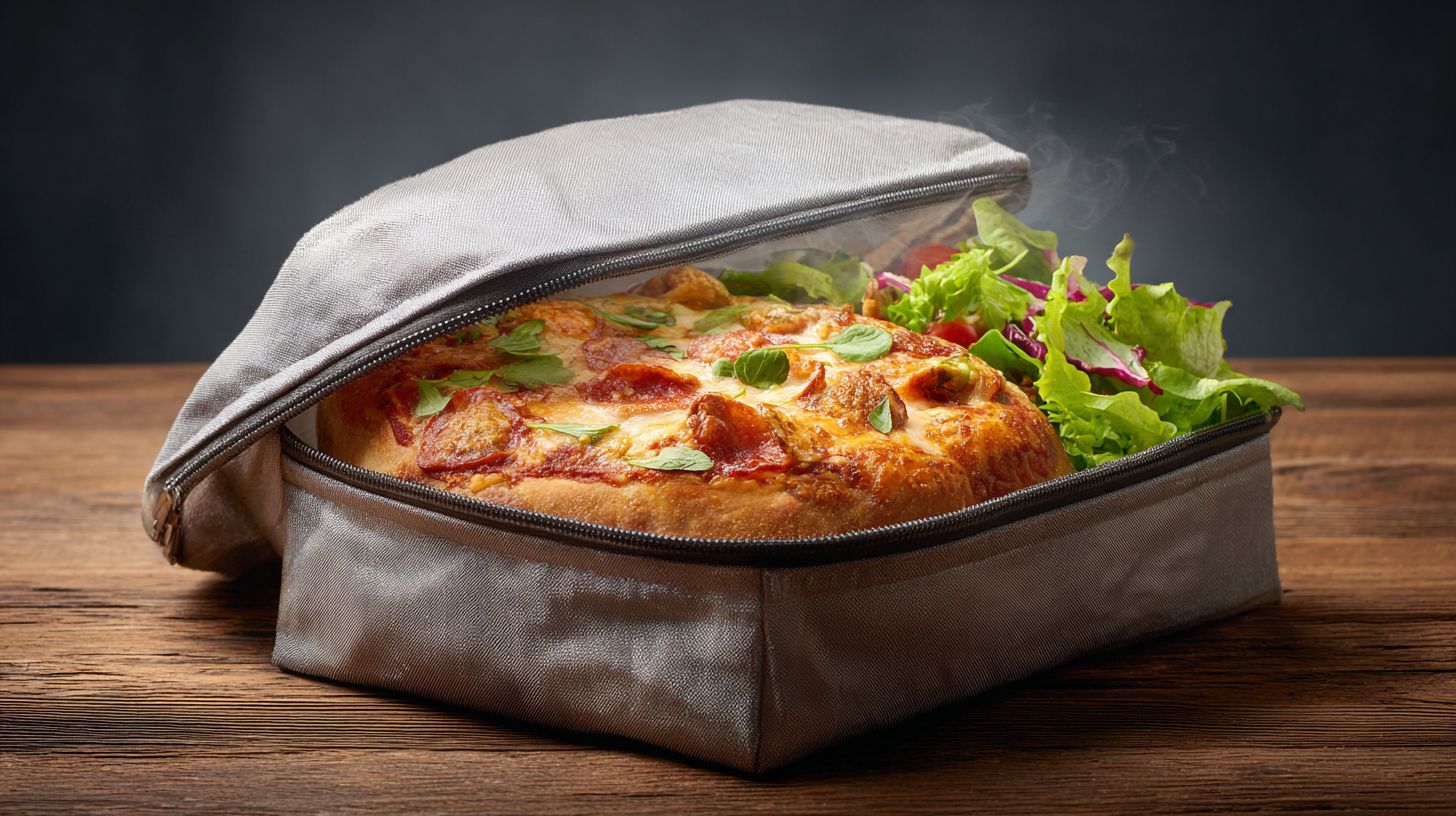
Chilled perishable items, such as sushi, can be maintained below 40 degreesF for up to 90 minutes when utilizing phase-change material liners, thereby preventing bacterial growth. According to FDA data, improper cooling accounts for 25% of spoilage incidents.
To optimize cold chain management, adhere to the following four best practices:
- Employ gel packs, such as Arctic Ice ($1 per pack, providing up to 4 hours of cooling), to ensure reliable insulation.
- Integrate reflective barriers, which can reduce warming by up to 15 degreesF.
- Utilize anti-fog vents to preserve visibility and prevent moisture accumulation.
- Monitor temperatures using digital loggers, such as TempStick ($80), for accurate tracking.
For example, meal kit services like HelloFresh implement these practices to extend product shelf life by 50%, while maintaining USDA compliance through data logging at 2 degreesF intervals and adherence to HACCP guidelines for pathogen control.
Moisture Control Features
Advanced moisture control features in packaging bags can mitigate up to 70% of texture degradation in food items such as sandwiches, as evidenced by a 2023 study from Sealed Air Corporation on vented packaging solutions for fast food delivery.
Key features include:
- Micro-perforations that facilitate vapor escape, as implemented in Papa John’s bags to preserve the crispness of pizza crusts;
- Absorbent liners capable of absorbing up to 20 ml of liquid, such as silica-based options used for fresh salads;
- Polyethylene grease barriers that resist 100% oil penetration, in accordance with ASTM D3985 testing standards;
- Wicking fabrics engineered to redirect moisture, thereby extending item crispiness by 30 minutes;
- Sealed compartments for sauces to prevent cross-contamination.
Burger King’s adoption of these innovations has yielded a 15% reduction in food waste, while enhancing delivery quality and customer satisfaction.
Hygiene and Safety Enhancements
Implementing hygiene enhancements in custom bags, such as antimicrobial coatings, can reduce contamination risks by 55 percent. These measures ensure compliance with FDA regulations for food contact materials and help mitigate issues such as E. coli outbreaks, which affected 40 percent of reported delivery cases according to CDC data from 2022.
Key enhancements include the following:
- Antimicrobial additives, such as silver-ion treated paper, which inhibit 99 percent of bacteria at an additional cost of only $0.05 per bag;
- Non-porous barriers designed to prevent allergen cross-contact, thereby ensuring adherence to the Food Allergy Research and Education (FARE) Act;
- UV-resistant inks that are non-toxic and approved by the FDA for food-grade applications.
To verify the effectiveness of these enhancements, utilize ATP swab tests from a $50 kit, which can detect microbial residues in seconds.
In a hypothetical scenario, a Chipotle chain averted a product recall-comparable to its 2015 E. coli incident-by incorporating these features, thereby avoiding millions in potential penalties. These enhancements are fully aligned with EU Regulation 1935/2004 concerning materials and articles intended to come into contact with food.
Customization Strategies for Optimal Quality
Customization strategies, such as the use of branded multi-compartment bags, have been demonstrated to enhance quality perception by 40% and increase repeat business, according to a 2023 study by Branding Science on packaging solutions for gourmet delivery services.
To implement these strategies effectively, adhere to the following numbered guidelines:
- Employ design software such as Adobe Illustrator (subscription fee of $20 per month) to incorporate the company logo within a 4×6 inch space and designate labeled areas for freshness instructions, thereby elevating the perceived quality of the packaging.
- Select compartmentalization features, including dividers for separating hot and cold items (additional cost of $0.30 per unit), to prevent spills and preserve the integrity of the food contents.
- Opt for appropriate printing methods, such as digital printing for quantities of 500 units at $0.10 per unit, while utilizing eco-friendly inks to appeal to sustainability-oriented customers.
- Evaluate durability through standardized drop tests in accordance with ISTA protocols. The prototyping phase typically spans 1-2 weeks.
For example, Starbucks’ custom kraft bags equipped with ventilation features resulted in a 25% improvement in customer satisfaction scores, as documented in a 2022 Nielsen report.
Frequently Asked Questions
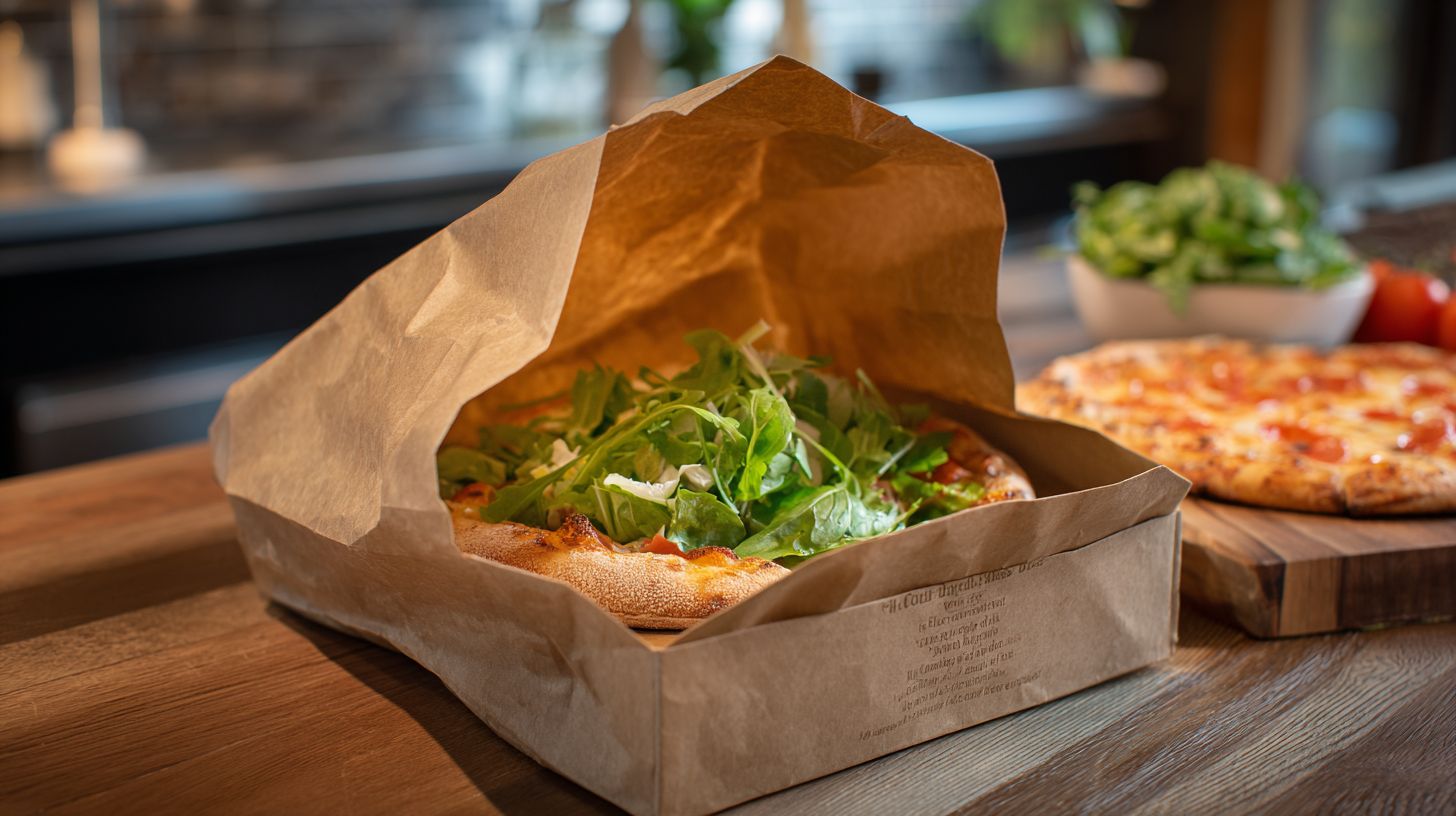
Q: How Do Custom Restaurant Bags Maintain Food Quality?
Custom restaurant bags maintain food quality by incorporating specialized materials like insulated linings and moisture-resistant barriers that regulate temperature, prevent sogginess, and extend the shelf life of meals during delivery or takeout.
Q: What materials in custom restaurant bags help preserve food freshness?
Custom restaurant bags often use high-quality, food-safe materials such as polyethylene or foil linings, which create a barrier against air and contaminants, helping to maintain food quality by keeping it fresh and preventing oxidation or bacterial growth.
Q: How do insulated custom restaurant bags regulate temperature?
Insulated custom restaurant bags feature thermal layers that trap heat or cold, ensuring hot foods stay warm and cold items remain chilled, thereby maintaining food quality and safety standards during transport.
Q: Can custom restaurant bags prevent moisture buildup to protect food quality?
Yes, many custom restaurant bags include breathable yet protective fabrics or vents that allow excess steam to escape while blocking external moisture, which helps maintain food quality by avoiding sogginess in items like fries or sandwiches.
Q: How do durable designs in custom restaurant bags support food quality maintenance?
Durable custom restaurant bags are designed with reinforced seams and leak-proof compartments to avoid spills or tears, ensuring that food remains uncontaminated and intact, thus preserving its overall quality from restaurant to customer.
Q: What role do custom restaurant bags play in food safety and quality assurance?
Custom restaurant bags contribute to food safety and quality by being made from non-toxic, BPA-free materials that comply with health regulations, while their tailored fits minimize exposure to external elements, keeping meals hygienic and flavorful.
Keep Your Food Fresh with Aplasticbag
Maintaining food quality during takeout and delivery is essential for every restaurant. The right packaging not only preserves temperature, freshness, and presentation but also strengthens your brand identity. With Aplasticbag’s custom restaurant bags, you get durable, food-safe, and professionally printed packaging designed specifically for food service businesses.
Whether you operate a restaurant, café, food truck, or catering service, our custom bags help ensure that every order reaches customers fresh, secure, and perfectly presented.
Why choose Aplasticbag for your restaurant packaging?
- High-quality food-grade materials
- Custom printing to promote your brand
- Strong, leak-resistant construction
- Options for hot and cold food packaging
- Eco-friendly packaging choices available
- Reliable bulk ordering for restaurants and chains
From takeout bags to branded delivery packaging, Aplasticbag helps restaurants maintain food quality while creating a memorable customer experience.
Ready to upgrade your restaurant packaging?
Order your Custom Restaurant Bags today at Aplasticbag.com and give your customers the freshness, convenience, and brand experience they expect.
👉 Order Now at Aplasticbag.com and customize your restaurant bags for better food protection, stronger branding, and professional delivery packaging.

 What Are the Best Customization Options for Restaurant Bags?
  How Can Restaurant Bags Improve the Quality of Food Delivery?
  What Makes Restaurant Bags Essential for Food Takeout Services?
Comments