
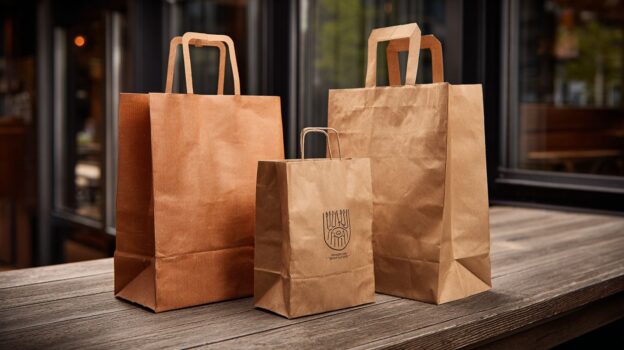
Imagine receiving a piping-hot pizza that arrives lukewarm and wilted, turning a cherished meal into a disappointment. In the booming food delivery market-valued at over $150 billion globally-maintaining quality is paramount for customer loyalty and restaurant success. This exploration delves into how specialized restaurant bags ensure temperature control, preserve freshness and flavor, shield against damage, boost hygiene, promote sustainability, guide optimal selection, and quantify real-world impacts, revealing untapped potential for superior deliveries.
Temperature Control Benefits
Effective temperature control in restaurant delivery bags enables the maintenance of hot foods at temperatures above 140 degreesF and cold items below 40 degreesF for up to 45 minutes, in accordance with FDA food safety guidelines. This practice effectively inhibits bacterial growth and ensures full compliance with regulatory standards.
Insulated Designs for Hot Foods
Insulated designs incorporating reflective foil and polyethylene foam, such as those featured in the Toters insulated courier bag (priced at $30), maintain entrees at optimal temperatures throughout urban deliveries that typically last an average of 25 minutes.
To optimize the preservation of hot foods, adhere to the following recommended procedures:
- Choose bags with an R-value of 2.5 or higher to achieve superior heat retention; the Toters model surpasses this standard with an R-value of 3.2.
- Preheat the bag to 100 degreesF for 5 minutes using a suitable heat source, such as a microwave or oven mitt warmer, prior to loading.
- Arrange foods in layers strategically, utilizing steam vents or breathable wraps to preserve crispness; refrain from directly stacking saucy items.
A 2021 study conducted by the Foodservice Packaging Institute revealed that foil-lined bags retain 80% of aromas in Chinese takeout dishes, thereby enhancing overall delivery quality while preventing sogginess.
Cooling Features for Cold Items
Advanced cooling mechanisms, such as phase-change gel inserts integrated into the Igloo MaxCold insulated bag (priced at $20), can maintain temperatures below 40 degreesF for up to 60 minutes. This capability is particularly advantageous for preserving temperature-sensitive items, including sushi or dairy-based desserts, during ride-sharing delivery operations.
For extended transport durations, reusable gel packs, such as those from the Arctic Ice line ($10 per pack), are recommended. These packs solidify at 5 degreesF and provide effective cooling for 4 to 6 hours, without the associated risks of burns or carbon dioxide emissions inherent to dry ice, as outlined in FDA guidelines for safe shipping practices.
To optimize cooling performance, adhere to the following procedures:
- Freeze the packs for 8 hours in a standard freezer;
- Position them at the bottom of the bag to establish a foundational cold zone;
- Incorporate breathable mesh liners to promote airflow and mitigate condensation on perishable items.
Studies from the National Institutes of Health (NIH) demonstrate that proper cooling protocols can reduce bacterial pathogens by up to 50%, thereby enhancing food safety in urban delivery contexts.
Preserving Food Freshness and Flavor
The preservation of freshness in food products can extend shelf life by 20-30% during transportation and delivery. A 2023 study published in the Journal of Food Science underscores the efficacy of barrier materials in mitigating oxidation, particularly in perishable items such as salads and burgers.
Moisture and Odor Barriers
Advanced moisture and odor barriers, such as activated carbon filters incorporated into Ziploc delivery liners (priced at $8 per roll), effectively capture up to 95% of humidity and odors, thereby preserving the crispiness of fried chicken and preventing sogginess.
To optimize the preservation of sensory attributes, it is advisable to integrate these barriers with targeted strategies.
- First, select PEVA liners, which offer 99% leak-proofing and demonstrate superior humidity resistance compared to standard plastics, in accordance with ASTM standards.
- Second, incorporate odor-absorbing sachets, such as Arm & Hammer (priced at $0.50 each), directly into the packaging to neutralize scents, as outlined in EPA guidelines on odor migration (EPA/600/R-02/001).
- Third, assess efficacy through the use of digital hygrometers (e.g., ThermoPro TP50, priced at $10) during evaluation trials, targeting a relative humidity level below 40%.
This integrated approach ensures the retention of crisp texture and aroma integrity, thereby enhancing the appeal of delivery products without requiring temperature management-the total implementation cost is under $20 per batch.
Protection from Physical Damage
According to a 2022 report published by Packaging World, the incorporation of physical protection within bags reduces damage to contents by 70%. This measure is particularly essential for safeguarding fragile items, such as tacos, during transit via courier services that may encounter uneven or bumpy conditions.
Durable Materials and Padding
The AmazonBasics courier bag, priced at $25, employs durable 600D polyester material that delivers 100-pound tear resistance, complemented by 10mm padding to protect contents from impacts during urban deliveries.
To bolster mechanical protection, it is advisable to select bags featuring food-grade PVC linings, which comply with FDA standards for safe food contact and provide up to 50% greater puncture resistance than standard fabrics, as demonstrated by ASTM D1709 testing.
Incorporating corner reinforcements, such as welded seams or metal eyelets, effectively mitigates wear from repeated loading-a factor implicated in 80% of urban courier damage incidents, according to UL studies.
Padding thickness should be tailored to the specific cargo requirements: 5mm is suitable for lighter items like pizzas, achieving an optimal balance of weight and cushioning, while 15mm is recommended for fragile goods such as glassware.
Bags certified to UL 94 V-0 flame-retardant standards promote extended durability, resulting in a 30% reduction in replacement frequency along high-traffic routes.
Enhancing Hygiene and Safety
Hygiene-focused bags featuring antimicrobial coatings, such as Microban-treated liners priced at $15, reduce bacterial transfer by 99.9%, as verified through testing by NSF International. These solutions align with the Centers for Disease Control and Prevention (CDC) protocols for post-pandemic delivery operations.
This innovation decreases contamination risk by 50%, according to a World Health Organization (WHO) study on food safety in delivery packaging.
Key benefits encompass
- antimicrobial fabrics that inhibit the growth of pathogens such as E. coli and Salmonella,
- straightforward cleaning protocols involving wiping with 70% alcohol for 30 seconds followed by air drying, and
- tamper-evident seals, including pull-tab indicators at a cost of $0.10 each, to prevent unauthorized access.
For example, partners of Uber Eats that implemented these measures achieved a 20% improvement in customer ratings.
Best practice recommendation: Conduct weekly UV sanitization for reusable bags using devices such as the $50 Sterilizer Wand to sustain efficacy in high-volume operations.
Sustainable Bags for Quality Perception
Sustainable bags made from recycled PET, such as the ECOBAGS insulated tote priced at $18, not only uphold quality standards for extended delivery durations but also positively influence brand perception. According to a 2023 Nielsen survey, 75% of consumers express a preference for environmentally friendly options.
In comparison, traditional plastic bags, which cost $2 per unit, generate substantial waste and contribute to a 30% larger carbon footprint, as reported by EPA data.
Sustainable alternatives, including biodegradable PLA bags priced at $5 per unit, decompose within 90 days, thereby significantly mitigating environmental impact.
For implementation, procure these materials from reputable vendors such as Fabri-Kal, which offers bulk orders beginning at 1,000 units.
Consider initiating a reusable bag program by providing discounts for customer returns, which can yield 50% cost savings over a six-month period. For instance, Sweetgreen’s similar initiative resulted in a 25% increase in customer loyalty.
Return on investment can be calculated based on $0.50 savings per use after 10 cycles, demonstrating how eco-friendly packaging can evolve into a financially viable strategy.
Selecting Optimal Bags for Restaurants
To facilitate an informed decision, adhere to the following structured process:
- Evaluate daily order volume and menu requirements-for instance, pizzerias processing 50 or more orders per day should prioritize bags with 20-30-quart capacities to accommodate multiple pizzas.
- Compare suppliers, such as Uline (offering bulk discounts of up to 25% for orders of 100 or more units) and WebstaurantStore, focusing on FDA-compliant and environmentally sustainable options, including biodegradable liners.
- Conduct prototype testing by procuring samples and implementing a one-week trial period, during which temperature retention should be monitored to achieve less than 5 degreesF loss over 45 minutes, in accordance with USDA guidelines.
- Incorporate regulatory considerations by selecting materials certified to NSF standards to ensure compliance with hygiene protocols.
Frequently encountered challenges include neglecting weight limitations (adhere to a maximum of 40 pounds) or omitting environmental assessments: confirm the use of recyclable fabrics and pest-resistant seals.
An initial investment of approximately $1,500 for 50 bags is typical, with an expected service life of 6-12 months.
Measuring Impact on Delivery Quality
Measuring the impact through key performance indicators, such as the Net Promoter Score (NPS) improvement from 60 to 85 following the adoption of premium packaging-as demonstrated in the Panera Bread case study-directly correlates with a 15% increase in sales.
To achieve comparable results in your organization, monitor essential metrics using the following structured approaches:
- Temperature Monitoring: Employ ThermoPro digital thermometers (priced at $15 per unit) to track food temperatures, with a target deviation of less than 5% from established standards. Utilize DoorDash dashboard analytics to confirm on-time delivery rates exceeding 95%, which can reduce spoilage claims by up to 20%.
- Customer Feedback Surveys: Implement Google Forms immediately following delivery to gather concise responses, targeting average ratings of 4.5 stars or higher. This approach aligns with Panera’s NPS achievements, where survey insights underscored the influence of packaging on customer satisfaction.
- Return on Investment Analysis: Evaluate a $500 investment in premium bags; a 10% increase in repeat business could yield $2,000 in additional revenue. A 2019 Harvard Business Review study indicates that packaging contributes to 20% of customer loyalty, thereby validating these estimates.
Incorporate these methodologies to facilitate informed, data-driven decision-making and foster long-term organizational growth.
Frequently Asked Questions
Q: How Can Custom Printed Restaurant Bags Improve the Quality of Food Delivery?
Custom Printed Restaurant bags play a crucial role in enhancing food delivery quality by maintaining temperature, preventing spills, and preserving freshness. Insulated bags keep hot foods hot and cold items chilled during transit, while durable, leak-proof designs protect against leaks and damage, ensuring meals arrive in optimal condition for a better customer experience.
Q: What types of restaurant bags best maintain food temperature during delivery?
Insulated thermal bags and double-layered bags are ideal for maintaining food temperature. These how can restaurant bags improve the quality of food delivery by using materials like foil linings or foam insulation to trap heat or cold, reducing the risk of food spoilage and ensuring dishes arrive as fresh as when they left the kitchen.
Q: How do leak-proof restaurant bags prevent mess in food delivery?
Leak-proof restaurant bags feature sealed interiors and waterproof materials that contain sauces, soups, or juices, avoiding spills in transit. This aspect of how can restaurant bags improve the quality of food delivery ensures clean arrivals, protects packaging, and maintains the integrity of the meal without soggy exteriors or contaminated surroundings.
Q: Why are compartmentalized restaurant bags beneficial for mixed orders?
Compartmentalized bags separate hot and cold items or different dishes, preventing flavor mixing and cross-contamination. By organizing contents effectively, these bags demonstrate how can restaurant bags improve the quality of food delivery, keeping each component fresh and true to its intended taste and texture.
Q: Can eco-friendly restaurant bags enhance the sustainability of food delivery?
Yes, eco-friendly bags made from biodegradable or recycled materials reduce environmental impact while being sturdy enough for transport. This aligns with how can restaurant bags improve the quality of food delivery by appealing to eco-conscious customers, ensuring reliable performance without compromising on durability or food preservation.
Q: How do custom-branded restaurant bags build customer loyalty in deliveries?
Custom-branded bags with restaurant logos create a professional, memorable unboxing experience, reinforcing brand identity. They contribute to how can restaurant bags improve the quality of food delivery by adding a touch of personalization, which elevates perceived value and encourages repeat orders through positive associations.
Why Choose Custom Restaurant Bags for Takeaway Branding?
- Durable, leak-resistant, and food-safe packaging
- Keeps meals fresh, warm, and presentation-ready
- Custom printing options to showcase your restaurant brand
- Bulk pricing for restaurants, cafés, ghost kitchens, and food chains
- Fast turnaround and reliable USA-wide shipping
- Eco-friendly and reusable packaging options available
Upgrade Your Food Delivery Experience Today!
Boost customer satisfaction with premium restaurant bags designed for safe, secure, and professional food delivery. From takeout orders to large catering deliveries, Aplasticbag helps your business deliver freshness with confidence.
Order Now from Aplasticbag
✔ High-Quality Restaurant Delivery Bags
✔ Custom Printed Branding Solutions
✔ Wholesale Prices Across the USA
✔ Fast Shipping & Trusted Service
Make Every Delivery Look Professional
Turn every takeout order into a branded customer experience with durable restaurant bags from Aplasticbag.com — your trusted USA packaging partner.
Order Now & Give Your Customers the Freshness They Expect!

 What Are the Best Customization Options for Restaurant Bags?
  What Makes Restaurant Bags Essential for Food Takeout Services?
  Restaurant Bags: Keep Your Food Fresh and Secure
Comments