


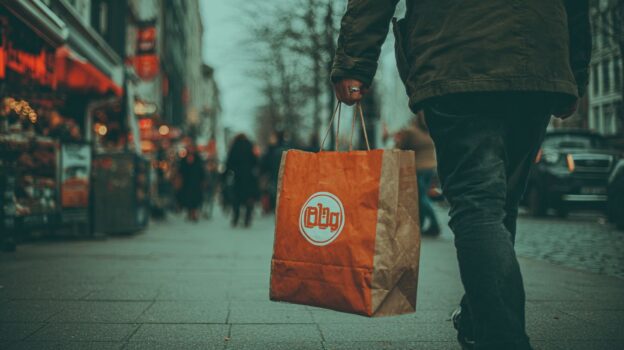
Every customer leaves a restaurant carrying more than just leftovers-they carry your brand. In the competitive food industry, Restaurant bags serve as silent ambassadors, amplifying visibility and fostering loyalty. This article explores how restaurant bags enhance mobile advertising, boost social media reach, enable customization for differentiation, align with sustainability goals, deliver strong ROI, and measure branding success. Discover why overlooking them could mean missing a marketing edge.
The Role of Restaurant Bags in Packaging
Restaurant bags fulfill a critical function within the packaging framework of the food service industry, accommodating more than 60% of takeout orders as reported by the National Restaurant Association in 2023. These bags not only guarantee the secure transportation of food items but also strategically enhance brand identity through thoughtful design features, such as logos and color schemes.
Types of Bags Used
Common types of takeout bags include kraft paper bags, which are eco-friendly and cost $0.05 to $0.10 each when purchased in bulk from suppliers such as Uline, and are ideal for sandwiches; glossy plastic bags, priced at $0.08 to $0.15, suitable for greasy items such as pizza; and reusable totes, costing $1 to $2, appropriate for loyalty programs. These options are selected based on a 2022 study by the International Food Packaging Society (IFPS), which indicates that 85% of consumers prefer durable, grease-resistant alternatives.
| Type | Material | Price Range | Best For | Pros/Cons |
|---|---|---|---|---|
| Kraft Paper | Recycled paper | $0.05-0.10 | Light sandwiches | Pros: Biodegradable; Cons: Less durable for grease |
| Glossy Plastic | Polyethylene | $0.08-0.15 | Pizza, fries | Pros: Leak-proof; Cons: Non-recyclable |
| Reusable Tote | Canvas/polyester | $1-2 | Loyalty programs | Pros: Long-lasting; Cons: Higher upfront cost |
| Foil-Lined | Paper/foil laminate | $0.10-0.20 | Hot foods | Pros: Heat-retaining; Cons: Not compostable |
| Biodegradable Plastic | PLA-based | $0.12-0.18 | Eco-conscious menus | Pros: Breaks down in 6 months; Cons: Needs industrial composting |
Paper bags exhibit superior sustainability compared to plastic options, as they reduce plastic waste by 50% according to 2023 data from the Environmental Protection Agency (EPA), and they degrade more rapidly without contributing to ocean pollution. The durability of plastic bags, however, makes them particularly suitable for high-grease applications, as exemplified by the grease-resistant bags employed by Domino’s.
It is imperative that all bag options comply with FDA food-safe standards (21 CFR 176.170) for direct food contact, with priority given to migration-tested inks to prevent any risk of contamination.
Enhancing Brand Visibility
Branded custom restaurant bags enhance brand visibility by transforming customers into mobile advertisements. According to a 2021 study published in the Journal of Marketing, such packaging increases unaided brand recall by 25% compared to unbranded alternatives.
Mobile Advertising Effect
When customers carry branded bags through urban streets, they create a form of no-cost mobile advertising, generating between 500 and 1,000 impressions per 100 bags. This estimate is derived from a 2020 analysis by the Outdoor Advertising Association, which examined pedestrian traffic in densely populated areas such as New York City.
To optimize the effectiveness of this approach, implement the following strategies:
- Street-level exposure: Develop visually striking bags, such as Chipotle’s distinctive red designs, which were observed by 20% more passersby according to a 2019 Tobii eye-tracking study.
- Delivery driver amplification: Collaborate with services like DoorDash to achieve a threefold increase in visibility, as demonstrated in partnerships with Uber Eats.
- Event catering: Deploy branded bags at festivals to engage over 5,000 attendees, based on reports from Event Marketer.
This method delivers a return on investment of $0.20 per impression, in contrast to $5 for conventional advertising. For instance, Shake Shack’s black branded bags resulted in a 15% increase in foot traffic, as documented in a 2022 Nielsen case study.
Social Media Amplification
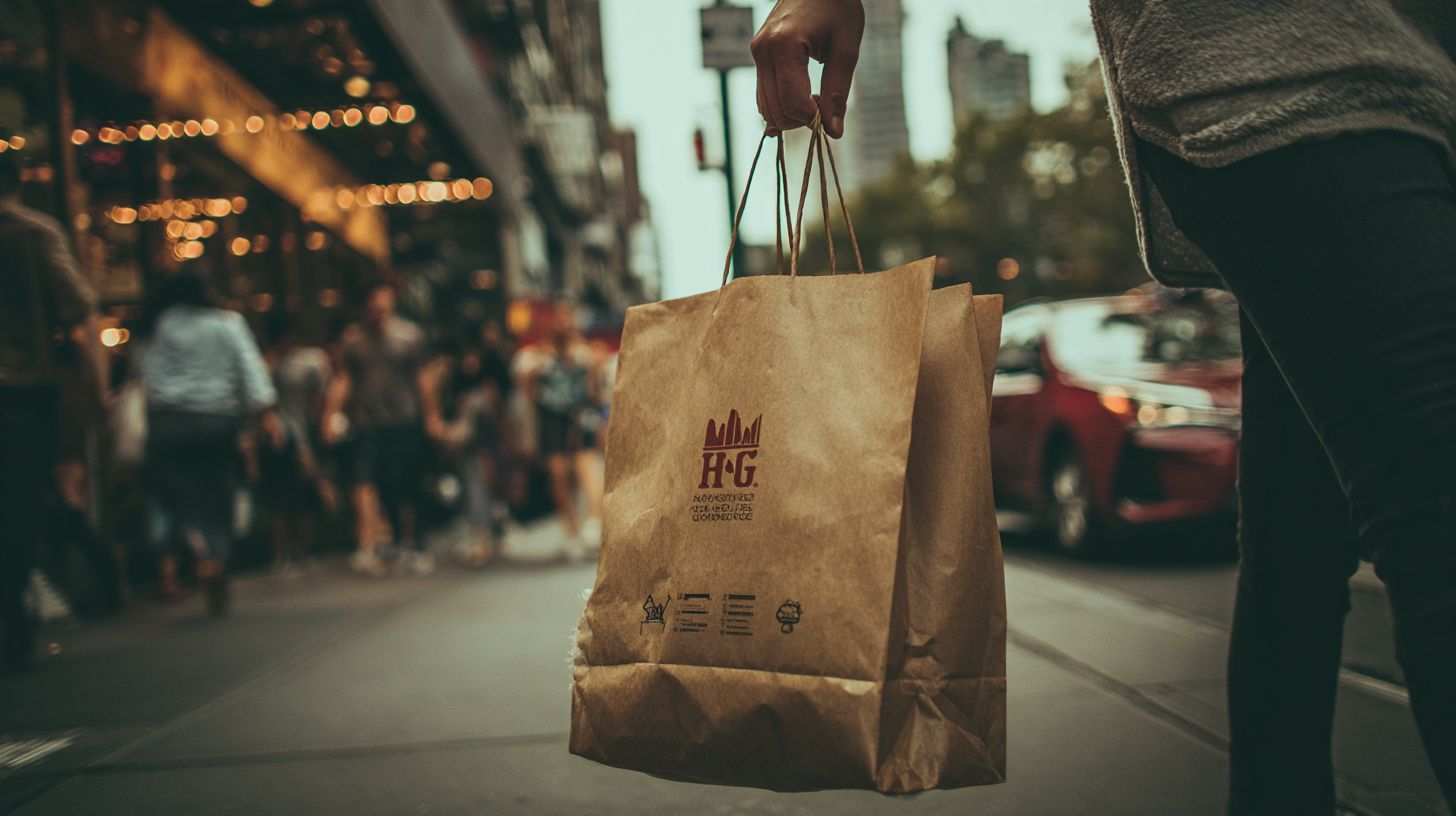
Branded bags effectively encourage social media engagement, as evidenced by a 2022 Hootsuite report indicating that 35% of users share photos of takeout items. This transforms ordinary packaging into viral content, amplifying brand reach by up to 10 times on platforms such as Instagram.
To capitalize on this potential, brands should implement targeted strategies.
- First, incorporate branded hashtags, such as Taco Bell’s #TacoBellBagChallenge, which in 2021 generated 50,000 user posts and resulted in over 2 million impressions.
- Second, include QR codes on packaging that direct users to social media profiles; according to Sprout Social data, this approach increases follower growth by 18%.
- Third, promote user-generated content through incentives, such as offering a complimentary item for shares, which fosters organic dissemination.
- Fourth, track engagement metrics, noting that branded posts typically achieve an average reach of 1,200 compared to 200 for non-branded equivalents.
These strategies elevate packaging from a mere functional element to an interactive marketing asset, ultimately enhancing customer loyalty and driving sales growth.
Building Customer Loyalty
Implementing consistent branding on restaurant bags promotes customer loyalty. According to a 2023 study by Bain & Company, robust packaging cues can increase repeat visits by 23% among millennials, who particularly value memorable brand interactions.
Memorable Take-Home Experiences
A well-designed takeout bag with logo can elevate the customer experience into something truly memorable, as demonstrated by Panera Bread’s incorporation of personalized thank-you notes, which increased customer satisfaction scores by 15% according to internal surveys and stimulated word-of-mouth referrals.
To achieve similar outcomes, organizations may implement the following four strategies to enhance customer recall and foster long-term loyalty:
- Incorporate personalized messages, such as “Thank you, Sarah!” derived from loyalty program data, to establish a meaningful and direct connection with the customer.
- Include supplementary items, such as recipe cards, which have been shown to boost upsell opportunities by 10% based on restaurant industry analytics.
- Utilize scent-infused packaging with subtle fragrances, like fresh herbs, to stimulate sensory associations and enhance recall during the dining experience.
- Integrate narrative elements, such as a printed account of the brand’s origin story, to cultivate emotional connections with consumers.
Research from Qualtrics indicates that 68% of consumers retain memories of branded packaging after purchase, while Subway’s initiative with slogan-embossed bags resulted in a 12% rise in loyalty program enrollments. These approaches, which incur costs of less than $0.50 per bag, deliver quantifiable improvements in customer engagement.
Customization Opportunities for Differentiation
Customization enables restaurants to differentiate themselves within a competitive landscape. According to a 2022 Mintel report, 82% of consumers express a preference for personalized packaging, which facilitates the development of distinctive designs aligned with targeted demographics, such as Generation Z’s affinity for bold and vibrant colors.
Design and Personalization Strategies
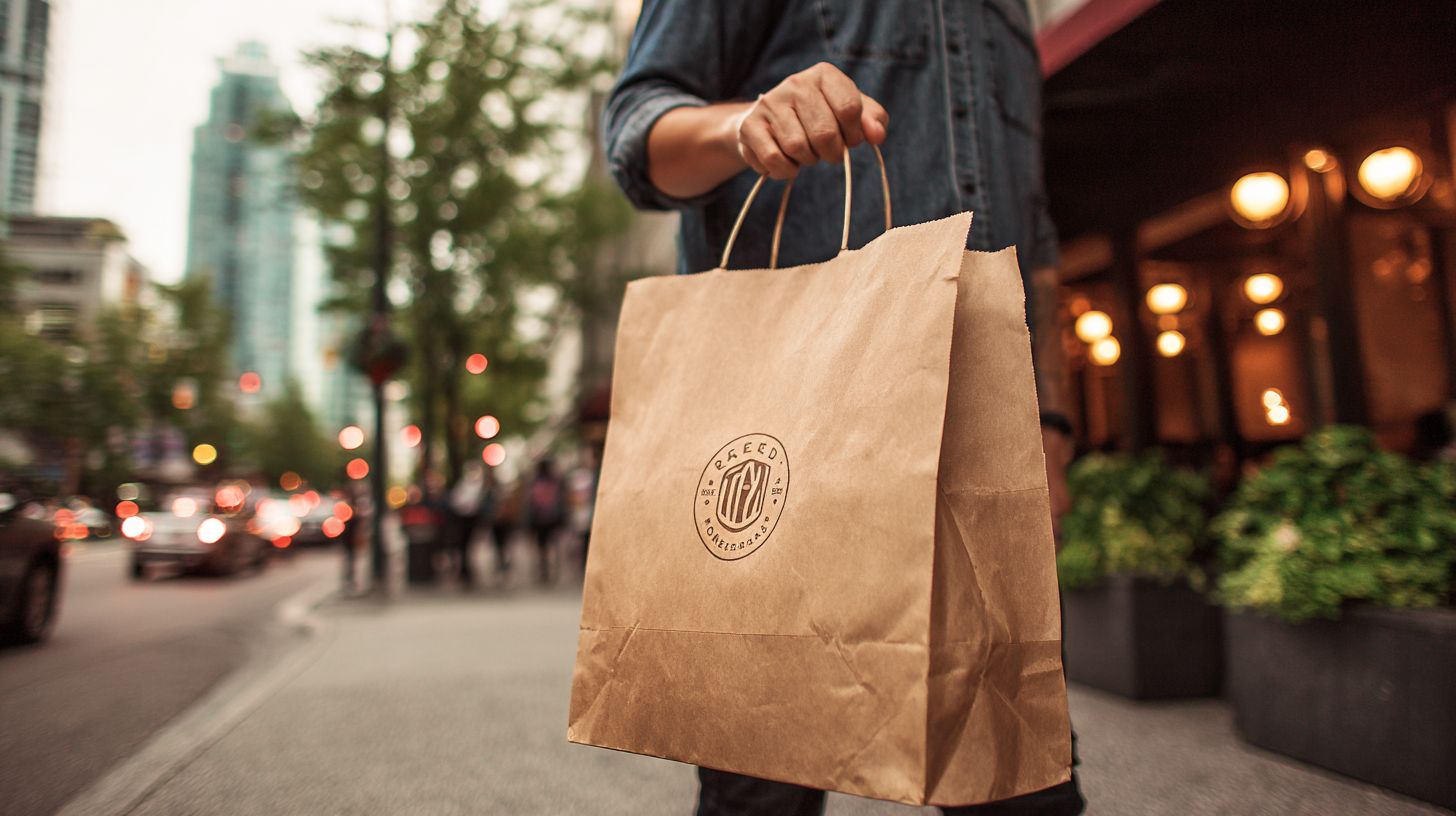
Effective strategies for enhancing branding include the utilization of Pantone-matched colors to maintain logo consistency and variable data printing to enable seasonal personalization. For instance, Starbucks’ holiday red cups, which employed these techniques, resulted in an 8% increase in sales during promotional periods.
To implement these strategies, follow the outlined steps below:
- Perform audience research utilizing Google Analytics to delineate key demographics, such as targeting millennials who prefer eco-friendly designs.
- Select appropriate branding elements, including sans-serif fonts to convey a modern aesthetic or tactile finishes to evoke a premium quality.
- Identify suitable vendor tools, such as Vistaprint for custom bags priced at $0.15 per unit or Printful for on-demand variable printing beginning at $5 per item.
- Conduct testing through A/B trials involving 500 units, evaluating metrics such as engagement levels, as demonstrated by Wendy’s use of witty slogans on bags, which generated a 20% increase in social media interactions.
Refer to Adobe’s 2021 Food Branding Principles, which highlight the role of color psychology in achieving 15% higher brand recall rates.
Alignment with Sustainability Values
Aligning packaging solutions with sustainability initiatives appeals to 73% of millennials, who are prepared to pay a premium for environmentally friendly options, according to a 2023 NielsenIQ study. This alignment is exemplified by Sweetgreen’s adoption of compostable bags, which have reduced plastic usage by 90%.
The global food packaging waste issue, amounting to 40 million tons annually as reported by the Food and Agriculture Organization (FAO), necessitates practical measures such as the implementation of biodegradable polylactic acid (PLA) bags.
Priced at $0.12 per unit, these corn-based bags decompose compostably within 90 days. In comparison, recycled paper alternatives, at $0.08 per unit, offer enhanced recyclability but require greater water consumption during production.
Adherence to the European Union’s Single-Use Plastics Directive requires a minimum of 25% recycled content in packaging by 2025, thereby mitigating potential fines of up to EUR100,000.
Chipotle’s shift to compostable materials, as outlined in its 2022 sustainability report, resulted in a 20% increase in brand favorability among consumers, based on survey data.
To incorporate these practices into corporate social responsibility (CSR) frameworks, organizations should collaborate with specialized suppliers such as NatureWorks for PLA materials. Ensuring the authenticity of environmental claims is critical and can be achieved through independent third-party certifications, including those from the Biodegradable Products Institute (BPI).
Cost-Effectiveness and ROI
Branded bags provide a substantial return on investment, with unit costs ranging from $0.10 to $0.20 when purchased in bulk from suppliers such as PakFactory. These bags generate $5 to $10 in advertising value through enhanced visibility, as outlined in a 2022 report by Packaging Strategies.
To initiate a branding campaign, allocate costs strategically: design fees for custom logos typically range from $200 to $500 on platforms like Fiverr, while printing 1,000 units costs approximately $150. By implementing bulk purchasing strategies from resources such as ThomasNet-such as negotiating minimum order quantities below 5,000-the per-unit cost can be maintained under $0.20.
In terms of return on investment, anticipate a fivefold return driven by a 10% increase in customer loyalty. For instance, a local diner that invested $1,000 in branded bags experienced a 15% growth in sales.
The calculation illustrates the potential: (50,000 impressions x $0.10 value per impression) – $1,000 investment = $4,000 profit. This demonstrates how sustained visibility fosters repeat business without the need for substantial advertising expenditures.
Measuring Branding Impact
To assess the impact of branding initiatives, utilize tools such as Google Analytics to monitor referral traffic generated from QR codes on bags. Additionally, Net Promoter Score surveys can reveal a 25% increase in customer loyalty following rebranding, as illustrated in a 2021 Harvard Business Review case study on packaging metrics.
To evaluate the effectiveness of branding on custom bags, implement the following four key methods, as outlined in the Marketing Metrics Handbook (Ambler, 2006):
- QR Code Scans: Monitor redemption rates-for instance, 15% as measured via Bitly analytics-to gauge direct customer engagement.
- Social Mentions: Track the volume and sentiment of mentions using tools like Brandwatch (approximately $500 per month), which can identify a 30% increase in buzz following a campaign.
- Sales Correlation: Analyze point-of-sale (POS) data before and after rebranding to establish links between bag branding and improvements in repeat business, such as the 18% uplift observed by Five Guys.
- Customer Surveys: Collect feedback through platforms like SurveyMonkey, targeting at least 200 responses, to quantify gains in customer satisfaction.
These key performance indicators (KPIs) deliver actionable insights and typically generate return on investment (ROI) data within 3 to 6 months.
Frequently Asked Questions
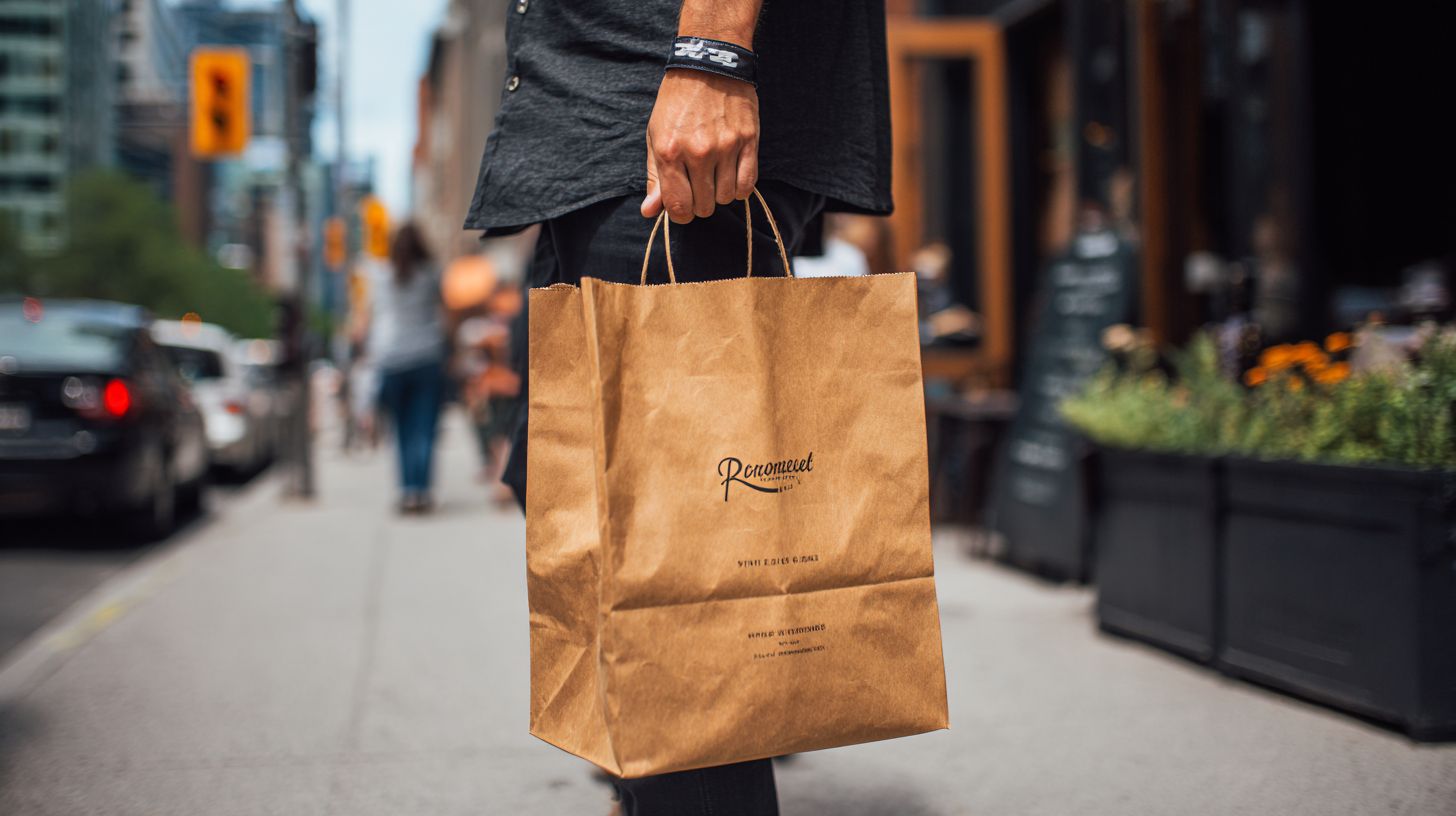
Q: Why Are Restaurant Bags Important for Branding in the Food Industry?
Restaurant bags are crucial for branding in the food industry because they serve as portable advertisements that extend a restaurant’s visibility beyond its physical location. Every time a customer carries a branded bag, it exposes the restaurant’s logo, colors, and messaging to a wider audience, fostering brand recall and potentially attracting new customers through word-of-mouth exposure.
Q: How Do Custom Restaurant Bags Enhance Brand Visibility?
Custom restaurant bags enhance brand visibility by turning everyday takeout into a marketing opportunity. Featuring unique designs, logos, and taglines, these bags act as mobile billboards in public spaces, increasing recognition and reinforcing the restaurant’s identity among passersby in the competitive food industry.
Q: What Role Do Restaurant Bags Play in Customer Loyalty for Branding?
Restaurant bags play a significant role in customer loyalty for branding by creating a memorable takeaway experience. When bags are thoughtfully designed with the brand’s aesthetic, they make customers feel valued, encouraging repeat visits and turning patrons into informal brand ambassadors who showcase the restaurant wherever they go.
Q: Why Are Eco-Friendly Restaurant Bags Beneficial for Food Industry Branding?
Eco-friendly restaurant bags are beneficial for food industry branding as they align with growing consumer preferences for sustainability, enhancing a restaurant’s reputation as a responsible business. This positive association strengthens brand loyalty and differentiates the establishment in a market where environmental consciousness is a key branding factor.
Q: How Can Restaurant Bags Differentiate a Brand in the Food Sector?
Restaurant bags can differentiate a brand in the food sector by allowing for creative customization, such as incorporating fun graphics, slogans, or even QR codes linking to menus or promotions. This uniqueness helps the brand stand out from competitors, making it more memorable and appealing in a crowded industry landscape.
Q: What Are the Cost-Effective Ways Restaurant Bags Support Long-Term Branding?
Restaurant bags support long-term branding in a cost-effective way by providing repeated exposure at a low per-unit cost compared to traditional advertising. Durable, high-quality bags ensure prolonged use by customers, maximizing return on investment and building sustained brand equity in the food industry over time.
Ready to turn every takeaway order into a powerful branding opportunity?
Elevate your packaging with premium, customizable restaurant bags from aplasticbag.com. From durable materials to vibrant logo printing, we help your brand stand out with every customer carry-out.
Order now and give your restaurant packaging the professional touch it deserves while boosting brand visibility wherever your customers go.

 Restaurant Bags: Keep Your Food Fresh and Secure
  How Do Custom Restaurant Bags Maintain Food Quality?
  Restaurant Takeout Bags: How to Choose, Compare, and Design the Right Packaging for Your Food Business
Comments