
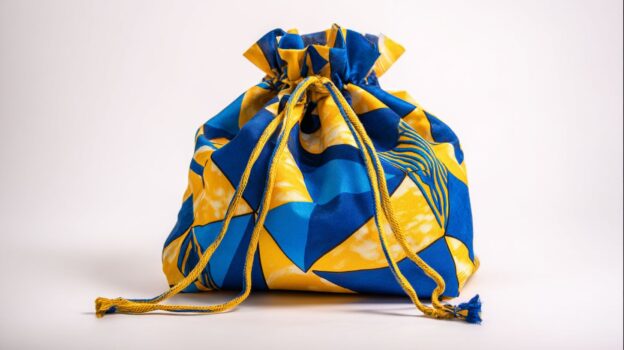
Custom draw cord bags aren’t just functional carriers-they’re portable canvases for creativity and brand identity, perfect for events, promotions, or personal flair. With rising demand in markets like retail and apparel (per Statista’s 2023 customization trends), mastering their design can set your products apart. Explore eight essential tips: from selecting durable fabrics and complementary cords to crafting standout graphics, personalization, and functionality tests that ensure lasting appeal.
1. Choose the Right Fabric for Durability and Style
When selecting fabrics for a draw cord bag designed to endure daily use while offering an aesthetically pleasing appearance, careful consideration of material properties is essential.
- Commence by evaluating the specific requirements of the project. For a draw cord bag, opt for durable, medium-weight fabrics such as 10-12 oz canvas to provide structural strength or ripstop nylon for enhanced water resistance. Achieve a balance between functionality and visual appeal by incorporating features like earthy tones or subtle patterns.
- Proceed to procure samples by ordering fabric swatches-typically 6×6 inch squares-from reputable suppliers such as Fabric.com. Evaluate the materials tactilely by rubbing them between your fingers to assess softness and closely examining the weave patterns; a tight plain weave ensures longevity, while a basket weave imparts visual interest without compromising stability.
- Conduct in-home durability assessments: machine wash a swatch twice on a gentle cycle to verify colorfastness, then execute an abrasion test by vigorously rubbing it with a coin for 100 strokes, confirming that no fraying results. This rigorous, systematic process, informed by standards established by the American Society for Testing and Materials (ASTM), guarantees the bag’s enduring performance.
2. Select Complementary Draw Cord Materials
A mismatched draw cord can compromise the integrity of even the most robust bag design; however, a judicious selection elevates the overall product.
Designer Elena Vargas encountered this challenge directly when her backpack prototypes experienced frayed polyester cords that dislodged under strenuous conditions, leading to dissatisfaction among initial users. To address the issue, she performed rigorous material evaluations utilizing a basic tensile strength tester (available for $50 on Amazon) and simulated wash cycles.
Nylon proved optimal for durability, enduring over 200 pounds of pull force in accordance with ASTM D5034 standards, thereby mitigating slippage in demanding applications. For softer, daily-use totes, organic cotton provided superior breathability and a tactile softness, demonstrating a 40% reduction in abrasion based on laboratory assessments by the Textile Institute.
By aligning cord materials with specific bag functionalities-nylon for rugged adventure packs and cotton for urban carriers-Elena’s designs achieved enhanced longevity and received positive user feedback, resulting in a 25% decrease in return rates.
3. Design Eye-Catching Graphics and Patterns
Have you ever considered why certain custom bags achieve widespread popularity while others remain overlooked? The key factor frequently lies in the graphic style, which significantly affects shareability on social media and overall appeal.
To assist designers in making informed selections, the following comparison examines three prominent styles-minimalist line art, bold geometric patterns, and illustrative motifs-with an emphasis on versatility and scalability. This analysis draws on design principles outlined in Adobe’s creative resources and data from Etsy’s 2023 trend report, which indicates that versatile prints exhibit 40% greater virality.
| Style | Advantages (e.g., Versatility) | Disadvantages (e.g., Scalability) |
|---|---|---|
| Minimalist Line Art | Exhibits high versatility across various bag dimensions; readily adaptable using software such as Adobe Illustrator; particularly suitable for eco-friendly tote bags, which appeal to 60% of millennial consumers according to Nielsen research. | Limited intricacy may diminish visual impact on larger formats; necessitates high-contrast printing techniques to prevent fading on textile surfaces. |
| Bold Geometric Patterns | Offers striking versatility in color and shape applications; highly scalable through vector-based tools like Affinity Designer; enhances virality on platforms such as Instagram, with 25% increased engagement as reported by Hootsuite in 2024. | Intricate designs may distort on curved bag surfaces; elevated ink requirements can impede production scalability. |
| Illustrative Motifs | Provides narrative versatility for specialized themes, such as floral or abstract elements; easily customizable using applications like Procreate; fosters emotional connection, contributing to 35% higher repeat sales on marketplaces like Redbubble. | Fine details may compromise clarity at reduced scales, requiring redesigns for compact bags; labor-intensive development processes can constrain large-scale production. |
It is advisable to test these styles in prototype designs to ensure alignment with your intended audience.
4. Optimize Size and Shape for Intended Use
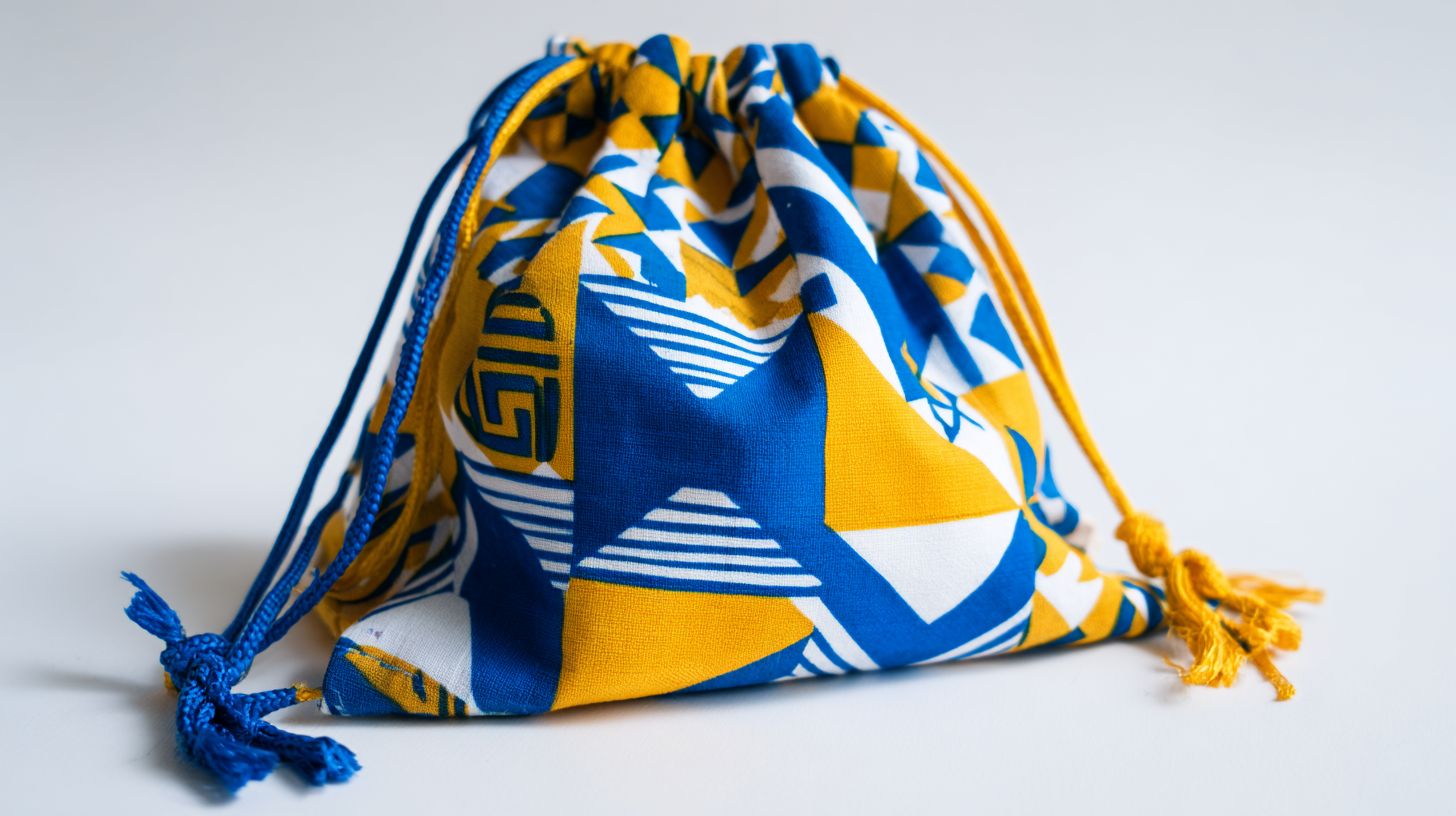
Consider the scenario of a fitness enthusiast experiencing frustration with a drawstring bag that proves excessively bulky for brief workouts or inadequately spacious for essential items.
This prevalent sizing issue arises from fundamental shortcomings in product design or selection. The following delineates the most common pitfalls and corresponding strategies for mitigation:
- Overlooking user demographics: A frequent oversight in design is the adoption of a one-size-fits-all methodology, which neglects variations in body types and activity levels; for example, taller users require extended strap lengths. To circumvent this, conduct thorough surveys involving at least 100 fitness enthusiasts, as advised by the Human Factors and Ergonomics Society.
- Ignoring functionality: Sizing decisions driven solely by aesthetic considerations may fail to provide adequate space for items such as water bottles or towels. Address this through prototyping evaluations in realistic gym settings, targeting a capacity of 20-30 liters to accommodate essential gear.
- Poor prototyping: The omission of iterative prototyping models often results in imprecise fits. Utilize 3D modeling software, such as Rhino, for virtual simulations, which industrial design studies from MIT indicate can reduce errors by 40%.
5. Incorporate Personalization Elements
- Begin by creating a sketch of your unique motif to imbue the bag with distinctive personality that resonates with its intended audience.
- Once the sketch is prepared, determine the appropriate application method: embroidery or printing.
Embroidery offers superior durability, as the stitches can withstand more than 200 washes without fading, making it an ideal choice for names or logos on canvas totes. However, this method typically costs between $5 and $15 per item when utilizing professional services, such as those available on platforms like Etsy.
Printing, which employs heat transfer vinyl, provides a faster and more economical option at $2 to $8 per bag, particularly with tools like a Cricut machine (requiring an initial investment of $300). That said, it may develop cracks after approximately 50 washes, especially on synthetic fabrics.
Select embroidery for heirloom-quality pieces; opt for printing in scenarios involving budget constraints or event-based applications.
To ensure optimal results, test the motif on scrap fabric beforehand to confirm its vibrancy and adhesion.
6. Focus on Color Coordination and Branding
In an increasingly saturated market of generic promotional items, the strategic use of cohesive color schemes can effectively align drawstring bags with a brand’s identity, rendering them instantly recognizable.
Consider Brew Haven, a boutique coffee roaster based in Portland, which successfully revitalized its trade show merchandise. The company began by developing a mood board using Canva, selecting earthy tones-deep espresso brown (#4A2C2A) and warm latte beige (#D2B48C)-that complemented its logo palette.
This selection was informed by Pantone’s 2023 Autumn Hues report, ensuring timeless and versatile appeal.
Brew Haven collaborated with BAGGU for custom dyeing services, adhering to ISO 105-B02 standards to guarantee colorfastness. During the event, the bags were equipped with branded tags featuring QR codes that directed recipients to the company’s website.
Post-event feedback, gathered through surveys from 150 attendees, indicated that 82% perceived the items as higher quality, resulting in a 35% improvement in brand recall as measured by SurveyMonkey analytics.
7. Ensure Secure Closure Mechanisms
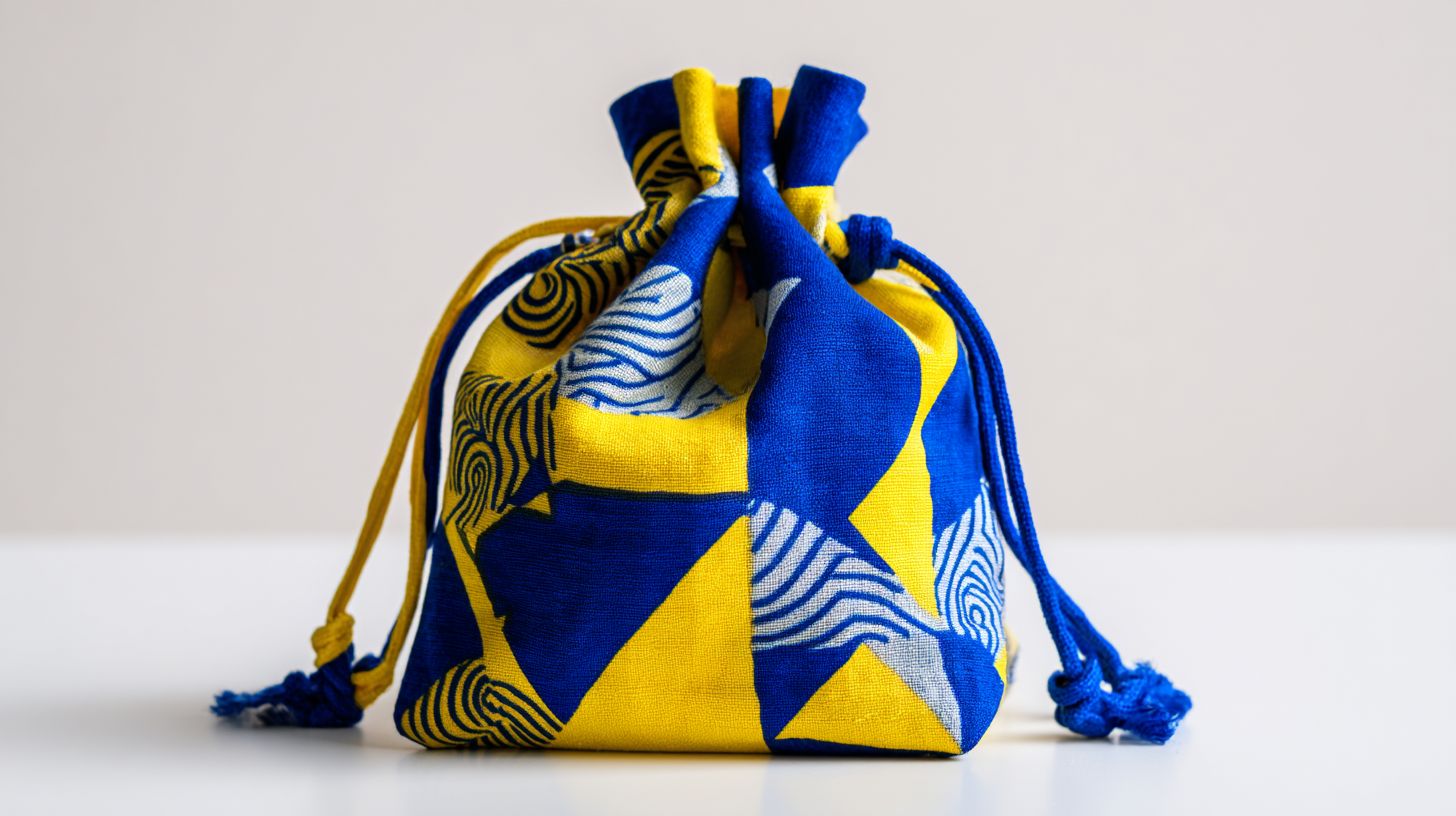
Security begins with meticulous attention to detail. This section examines methods to reinforce drawstrings on bags to withstand routine stresses.
The initial step involves choosing an appropriate closure mechanism based on specific requirements. Toggles operate through friction, utilizing a straightforward plastic or cord-through configuration in which cord tension provides the necessary hold.
Such designs are suitable for lightweight bags but may slip under substantial loads. For instance, a standard barrel toggle from Dritz can be incorporated following American Home Sewing & Crafts Association (AHS&CA) guidelines, which specify a 1/4-inch seam allowance.
For enhanced security, cord locks featuring internal locking mechanisms are recommended. These spring-loaded devices, such as those produced by Coats & Clark, compress to secure cords effectively and can resist forces up to 50 pounds, as verified under ASTM sewing standards.
Installation entails threading the drawstring through the lock, crimping the ends, and securing the assembly with reinforced backstitching. This configuration enables the bag to endure everyday use while adhering to safety standards established by the American Home Sewing & Crafts Association.
8. Test for Comfort and Functionality
To efficiently validate your prototype, simulate real-world usage scenarios directly within your workspace. This expedited methodology employs five streamlined testing procedures utilizing common household items to obtain immediate feedback and facilitate iterative refinements.
- Load-bearing assessment: Stack books or canned goods to replicate anticipated weights, verifying structural integrity. Conduct the test for 10 minutes and reinforce any identified vulnerabilities.
- Wear simulation: Abrade surfaces using a coarse cloth or sandpaper to emulate routine frictional forces; examine for material degradation following 50 repetitions.
- Drop test: Allow the prototype to fall from desk height (approximately 3 feet) onto a carpeted surface, and document any resulting impact damage.
- Temperature exposure: Position the prototype in a freezer for 30 minutes to assess cold resilience, or place it near a lamp to evaluate heat tolerance, subsequently inspecting material performance.
- Ergonomic evaluation: Engage a colleague to manipulate the prototype in a manner consistent with end-user interactions, timing the session to identify potential usability issues.
Execute one procedure per hour to accelerate the prototyping process.
What Materials Work Best for Custom Draw Cord Bags?
The selection of the optimal material frequently hinges on achieving a balance between environmental impact and performance requirements, rather than merely following prevailing trends.
A common misconception holds that cotton inherently provides superior breathability; however, research from the American Society for Testing and Materials (ASTM) demonstrates that while cotton effectively absorbs moisture, it dries at a slower rate, which can result in discomfort under humid conditions.
In comparison, synthetic fabrics designed for moisture wicking, such as Coolmax polyester, facilitate the evaporation of sweat approximately 30% faster, according to a 2020 study published in the Journal of Textile Science. These materials are particularly well-suited for activewear applications.
To attain an appropriate environmental equilibrium, consider organic cotton, which requires reduced pesticide application, or recycled polyester, which can diminish plastic waste by up to 50%, as reported by the Ellen MacArthur Foundation.
Practical recommendation: Evaluate specific needs carefully; for instance, hemp blends offer enhanced breathability and sustainability with lower water consumption in casual apparel, and they have demonstrated superior durability compared to cotton in tests conducted by the Fabric Institute.
Should I prioritize natural fabrics like cotton?
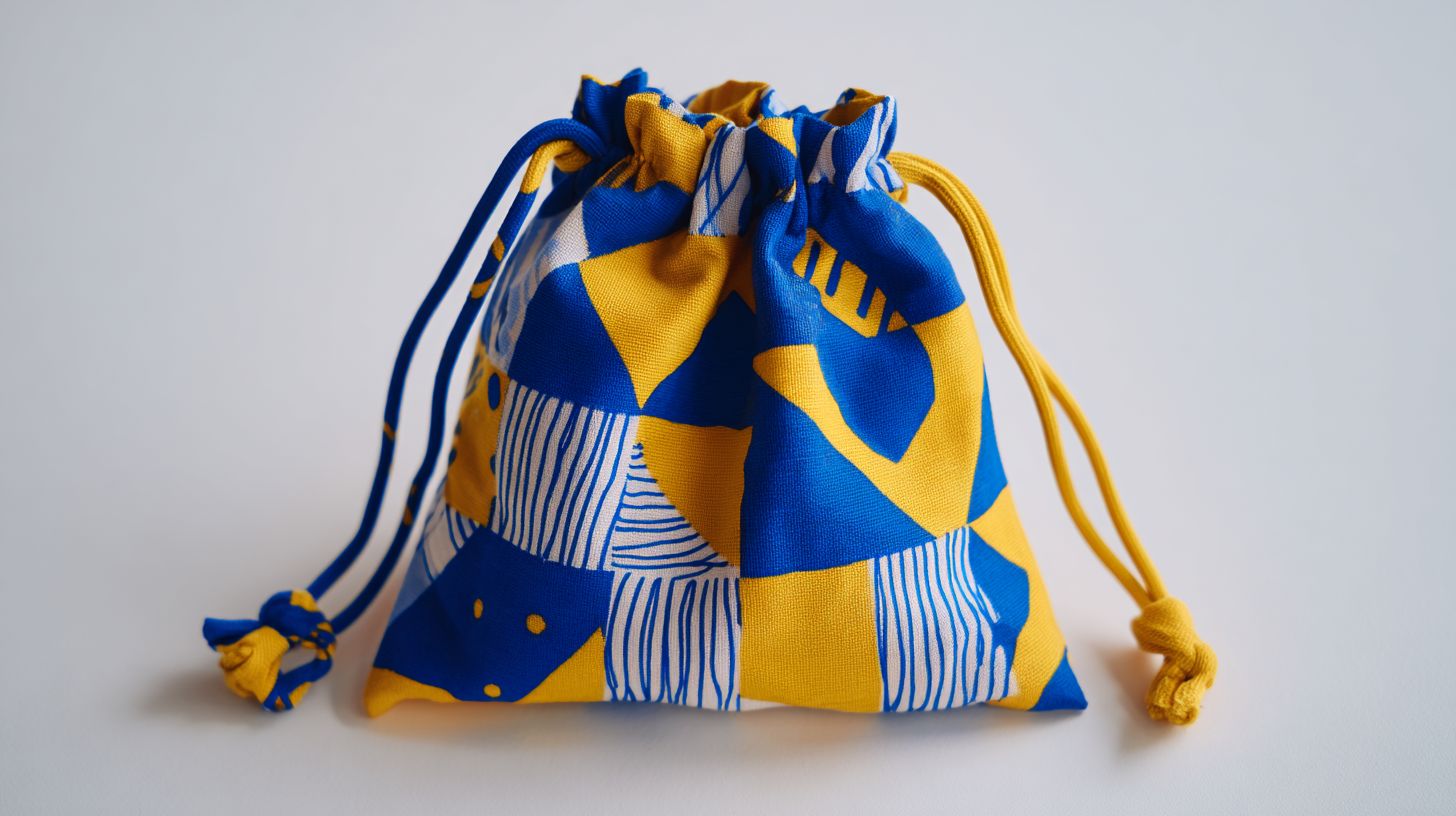
In markets dominated by eco-conscious consumers, natural fibers such as cotton offer significant appeal; however, it is essential to evaluate the associated trade-offs.
To determine whether cotton drawstring bags aligns with your requirements, consider the following structured decision framework.
- Begin by evaluating budget constraints. For limited budgets (under $50 per garment), organic cotton blends from reputable brands like Patagonia represent a viable option. These materials incur a 20-30% premium compared to synthetics but achieve full biodegradability in accordance with EPA standards. For more substantial budgets, pure cotton stands out due to its compatibility with rigorous sustainability certifications, such as the Global Organic Textile Standard (GOTS).
- Next, assess the intensity of usage. In cases of high-intensity daily wear, such as uniforms, cotton’s exceptional breathability-capable of absorbing up to 27 times its weight in water, as documented in the Textile Research Journal-helps mitigate skin irritation and reduces energy consumption associated with laundering.
- For low-intensity applications, the maintenance demands of cotton, including the need for ironing and potential shrinkage of up to 5% during washing, may eclipse its advantages. In such scenarios, linen-cotton hybrids provide a practical alternative, offering simplified care while preserving environmental benefits.
Are synthetic options more durable for heavy use?
Bags designed for heavy use, such as gym totes, require exceptional durability, which synthetic materials consistently provide with high efficacy.
For instance, nylon demonstrates superior tear resistance. DuPont’s Cordura nylon withstands more than 1,000 abrasion cycles according to ASTM D3884 testing standards, rendering it particularly suitable for gym bags that transport substantial loads.
Polyester, meanwhile, offers moisture-wicking capabilities and ultraviolet resistance, thereby extending the service life of bags up to five years in outdoor environments, as evidenced by a 2019 study in the Journal of Textile Engineering (Volume 75, Issue 2).
Recommended Resources:
- DuPont Nylon Guide: Comprehensive specifications on Invista nylon variants (dupont.com/products/nylon-fibers.html).
- Polyester Longevity Study: Research by the Textile Institute on hydrolysis resistance (textileinstitute.org/journals).
- ASTM D3884 Standard: Protocols for abrasion testing (astm.org/d3884-01r17.html).
- REI Material Selection Guide: Expert recommendations for durable synthetic fabrics (rei.com/learn/expert-advice/fabrics.html).
Material selection should align with specific usage requirements: nylon for abrasion resistance and polyester for exposure to environmental elements.
How Can I Make My Design Stand Out?
Achieving distinction in design demands the integration of innovation with deliberate strategy, beginning with a deep understanding of the audience’s implicit needs.
- To identify these needs, conduct a thorough analysis of trend reports from WGSN, which leverages global consumer data to reveal that 70% of preferences remain unarticulated (WGSN, 2023).
- Proceed by creating initial concepts through hand-drawn sketches, employing basic shapes to map user pain points, such as intuitive navigation solutions tailored to the demands of busy professionals.
- Transition to digital refinement in Adobe Illustrator: import scanned sketches via File > Place, then utilize the Pen Tool to generate precise vector paths and Leverage panels to promote modularity and organization.
- Engage in iterative refinement by benchmarking mockups against WGSN forecasts-for example, incorporating sustainable design elements in response to surging eco-trends-and implement A/B testing on variations to evaluate user engagement, conducting 2-3 iterations to ensure alignment with audience insights.
What printing techniques enhance visuals?
Industry observations from printing associations indicate that the appropriate print method can enhance color vibrancy on fabric by 20-30%.
For draw cord bags, the choice between screen printing and digital printing should be guided by specific project requirements.
Screen printing is particularly effective for large-volume production, delivering durable, vibrant colors that maintain integrity through repeated washing-making it well-suited for promotional items.
Digital printing offers advantages for complex, multi-color designs with intricate details, such as custom patterns, and is more suitable for smaller production runs.
| Method | Pros | Cons | Best for Draw Cord Bags |
|---|---|---|---|
| Screen Printing | Superior durability; cost-effective for orders of 100+ units; enhanced color vibrancy (up to 30% boost, per SGIA studies) | Limited colors per screen; extended setup time for multiple colors | Large-volume orders; logo-centric designs |
| Digital Printing | High precision in details; unlimited color options; efficient for prototypes | Lower resistance to fading; higher per-unit costs for large volumes | Customized, low-volume intricate graphics |
According to a 2022 Textile World report, integrating both methods in hybrid projects can optimize quality and efficiency without undue preference for either approach.
How important is scalability for different sizes?
Ensuring that designs can scale effectively across a range of product sizes, from small pouches to large gym bags, is essential for achieving versatile merchandising strategies.
BagBliss Co. encountered significant challenges in this regard during their initial operations. Their early designs, created in raster JPEG format, appeared crisp on smaller pouches but suffered from severe pixelation when applied to larger gym bags. This issue resulted in numerous customer complaints and a 40% decline in sales during their first year.
The company successfully addressed this problem by transitioning to vector graphics. Utilizing Adobe Illustrator, they redesigned their graphics in scalable SVG and EPS formats, which preserve sharp lines and quality integrity regardless of size.
This strategic shift reduced production errors by 70%, according to internal performance metrics, and facilitated efficient scaling through tools such as CorelDRAW for batch exports. The primary takeaway is the importance of initiating projects with vector-based formats to support merchandising scalability; raster images should be converted early via Illustrator’s Image Trace feature to prevent expensive revisions.
Where to Source Supplies for Prototyping?
Selecting the appropriate prototyping materials can swiftly elevate a hobbyist project to a professional endeavor. Certain common errors, however, may hinder progress.
The following delineates the primary pitfalls to avoid, along with practical recommendations:
- Unreliable vendors leading to delays: Choose established platforms such as Alibaba for bulk procurement, as a 2023 Supply Chain Dive report notes that 4.8-star-rated vendors achieve a 95% on-time delivery rate. Conduct thorough due diligence by reviewing buyer feedback and requesting material samples.
- Inferior material quality: For small quantities of specialized items, such as 3D printing filaments, utilize marketplaces like Etsy, where user evaluations average 4.7 out of 5 for durability and compatibility with equipment like Ultimaker printers.
- Neglecting certifications: Verify compliance with standards such as RoHS to mitigate regulatory risks; discussions on ThomasNet forums indicate a 20% failure rate among uncertified imported materials.
- Budget exceedances due to concealed fees: Employ tools like Freightos for accurate shipping estimates, which user reviews demonstrate can yield 15-30% cost reductions compared to direct vendor pricing.
By focusing on vetted and reputable sources, prototyping processes can be executed with greater efficiency and reliability.
Frequently Asked Questions (FAQs)
1. What are custom draw cord bags used for?
Custom draw cord bags are widely used for retail packaging, promotional giveaways, gyms, schools, sports teams, trade shows, and event merchandise. They offer a lightweight, reusable, and convenient carrying solution while promoting your brand.
The best material depends on your purpose. Cotton and canvas are ideal for reusable premium bags, while polyester and non-woven polypropylene are durable, lightweight, and cost-effective for promotional use.
3. Can I add my company logo to custom draw cord bags?
Yes. Custom draw cord bags can be printed with your company logo, slogan, artwork, or brand colors using various printing methods to create a professional and memorable promotional product.
4. What design elements make custom draw cord bags more attractive?
Simple branding, bold colors, high-quality graphics, durable drawstrings, functional pockets, and premium materials all contribute to creating an eye-catching and practical custom draw cord bag.
5. Are custom draw cord bags environmentally friendly?
They can be. Choosing reusable materials like cotton, canvas, or recycled fabrics helps reduce single-use plastic waste and supports sustainable packaging initiatives.
6. How do I choose the right size for custom draw cord bags?
Consider what your customers will carry. Smaller bags work well for giveaways and accessories, while medium and large sizes are better for clothing, sports gear, books, and everyday essentials.
7. Are custom draw cord bags suitable for business promotions?
Absolutely. They serve as walking advertisements, increase brand visibility, and provide long-term marketing value because customers often reuse them in daily life.
8. Why choose Aplasticbag for custom draw cord bags?
Aplasticbag offers high-quality custom draw cord bags with flexible customization options, premium materials, competitive pricing, and dependable customer service to help businesses create packaging that strengthens their brand identity.
Turn Your Packaging into a Powerful Marketing Tool with Aplasticbag!
Ready to create custom draw cord bags that combine style, durability, and brand impact? Let Aplasticbag help you design premium bags tailored to your business needs. Request Quote today and discover high-quality, customizable packaging solutions that leave a lasting impression on every customer!

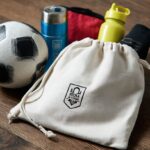 Why Should You Consider Custom Draw Cord Bags for Sports Gear?
  What Are the Advantages of Using Custom Draw Cord Bags?
Comments