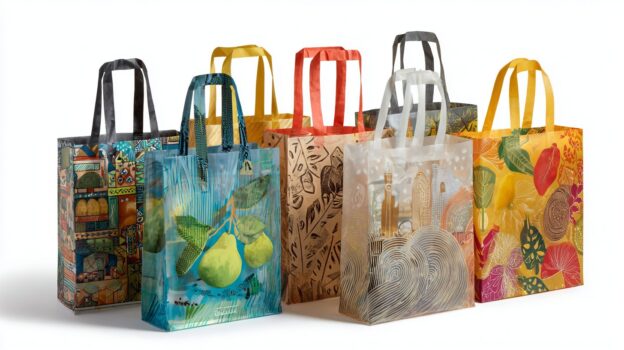
In the competitive retail landscape, custom poly bags aren’t just packaging-they’re a canvas for storytelling that boosts brand recall by up to 80%, according to Packaging Digest studies. Elevate your designs with seven innovative ideas: vibrant brand integrations, teaser windows, nature-inspired patterns, eco-textures, interactive folds, seasonal motifs, and minimalist typography. Plus, explore essential questions on sustainable materials, printing techniques, and durability testing to bring them to life.
1. Incorporating Vibrant Brand Colors and Logos
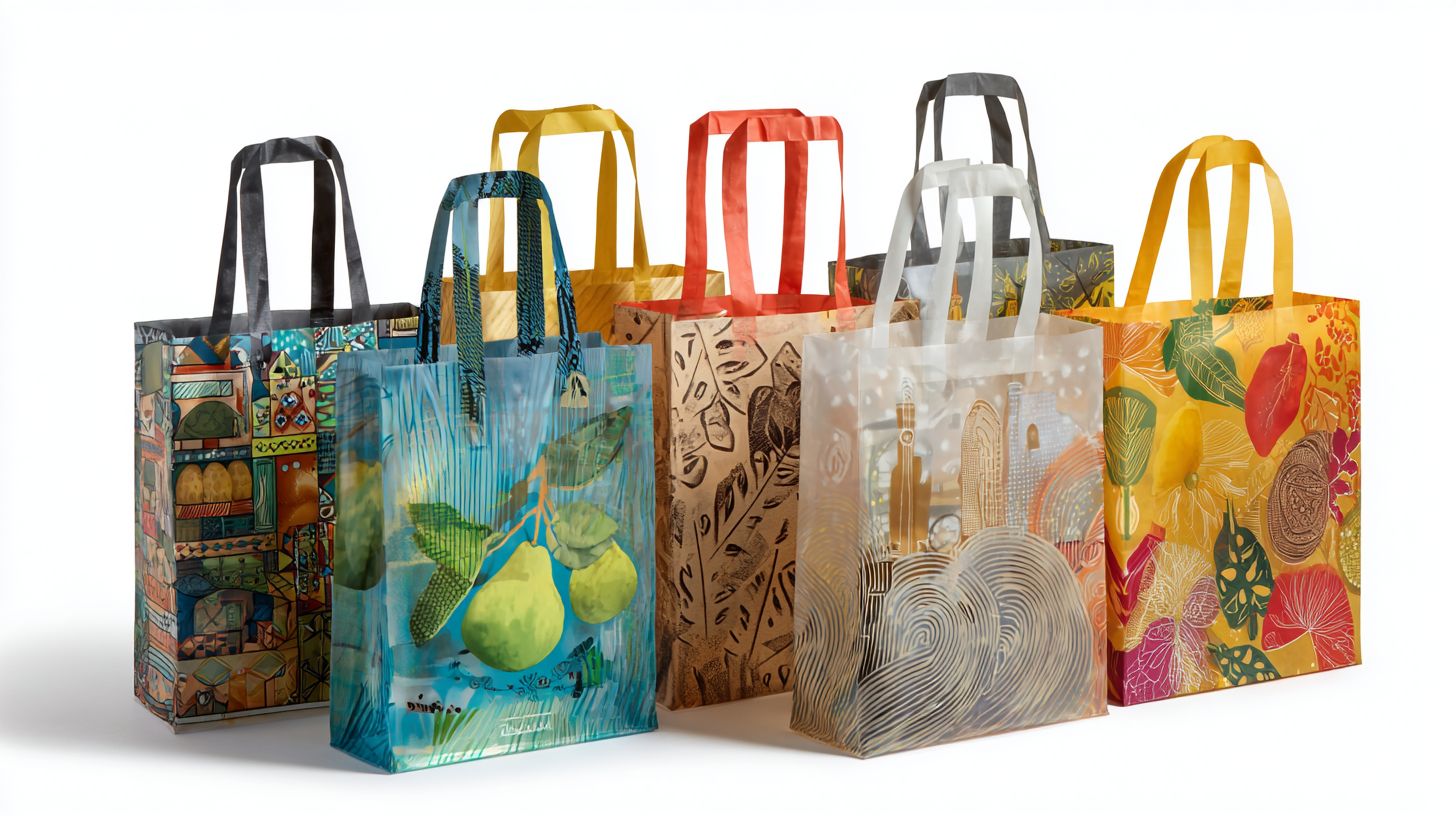
This guide provides a step-by-step process for transforming plain poly bags into professional, brand-aligned packaging solutions.
- Commence the design process by utilizing Adobe Illustrator for vector-based artwork, which ensures scalability without pixelation. Extract the brand colors using the Eyedropper tool and align them with Pantone standards for uniformity.Consult the Pantone Color Matching System guide from the Pantone Institute to verify precision.
- Proceed to incorporate the logo by positioning it centrally or as a subtle watermark, with opacity adjusted to 70-80%. For file preparation, include 0.125-inch bleeds in the artwork and export it as high-resolution PDF/X-1a files at 300 DPI.
- In the printing integration phase, partner with suppliers such as Uline to obtain specifications for poly bags and request CMYK proofs to prevent color discrepancies.A primary concern is color bleeding on plastic surfaces; address this by employing solvent-resistant inks and conducting small-scale test runs in accordance with ASTM D1003 standards for adhesion testing. This methodology generally produces vibrant, long-lasting outcomes within 1-2 weeks.
2. Transparent Windows for Product Teasers
A small retail business encountered challenges with low engagement on its online listings until implementing a straightforward enhancement that allowed customers to view contents-what was this feature?
It consisted of transparent windows incorporated into the shipping packaging. Boutique owner Mia grappled with opaque boxes that concealed her handmade jewelry, resulting in a 40% decline in online views, as customers were unable to visualize the items effectively in unboxing videos or listing photographs.
Determined to address this issue, she procured clear polyethylene window films from Uline (available starting at $0.15 per sheet), precisely cut custom slits using a craft knife, and heat-sealed them onto kraft boxes.
Following implementation, customer feedback increased substantially. Reviews emphasized “exciting unboxings” and “trust in quality,” which contributed to a 25% rise in sales within two months, as assessed through Shopify’s qualitative sentiment analysis tools.
3. Custom Patterns Inspired by Nature
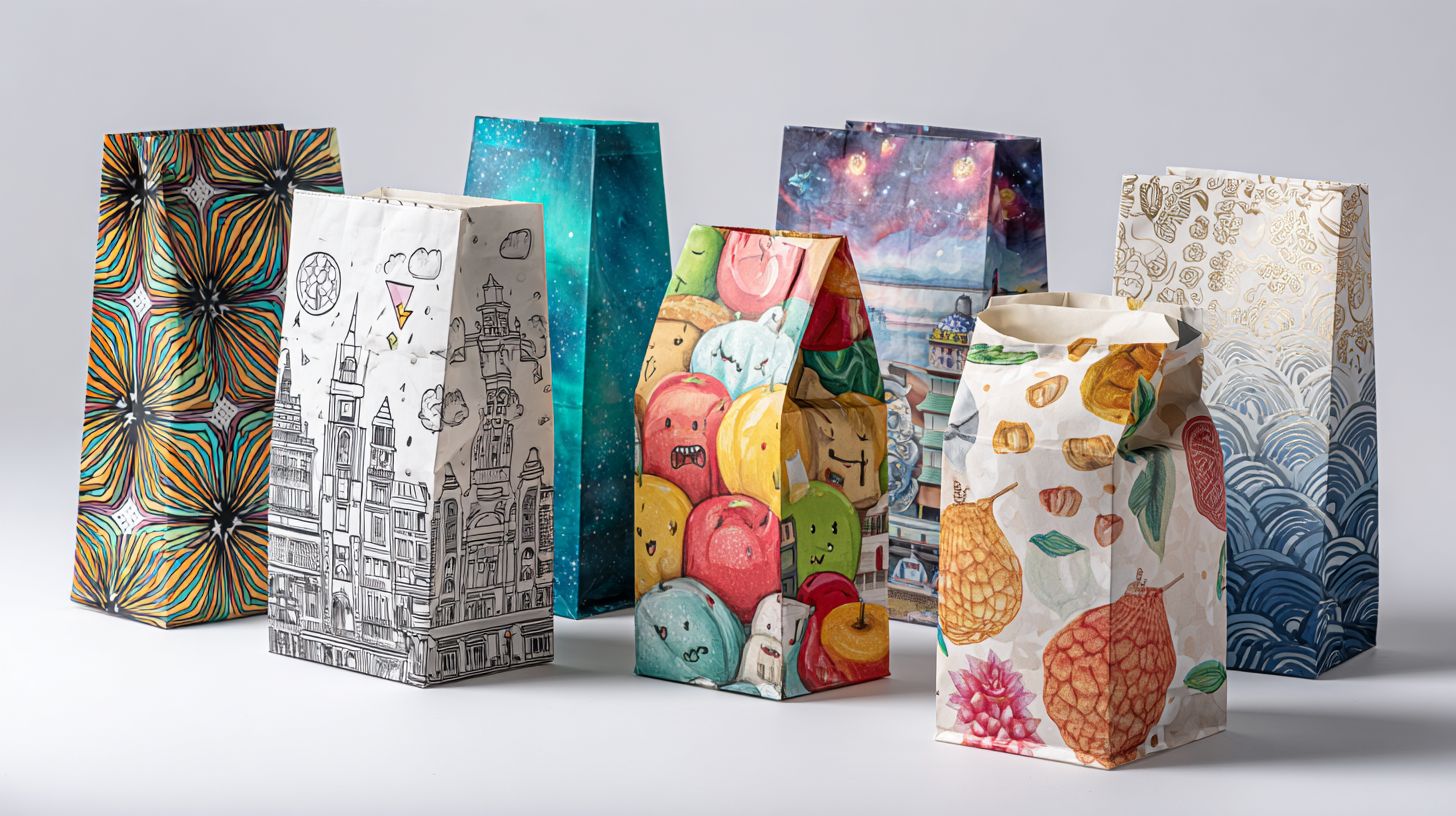
In the design of poly bags, there is no need to resort to generic prints, as nature provides an abundance of inspiration, ranging from the intricate veins of leaves to the dynamic patterns of ocean waves.
Consider three nature-inspired pattern options for poly bags: floral designs, geometric organic motifs, and abstract landscapes. The following evaluation compares their visual appeal, printing feasibility, and suitability for brand alignment:
| Pattern | Visual Appeal | Printing Feasibility | Brand Fit |
|---|---|---|---|
| Floral | – Pros: Vibrant, eye-catching colors attract attention and evoke a sense of freshness. – Cons: May appear overly busy if elements are overcrowded. |
– Pros: Simple lines reproduce sharply on plastic substrates using flexographic printing. – Cons: Fine details may blur when using lower-resolution printers. |
– Pros: Well-suited to eco-conscious brands, such as those in organic foods. – Cons: May convey a perception of femininity that is unsuitable for industrial products. |
| Geometric Organic | – Pros: Modern and balanced, these motifs subtly mimic natural forms. – Cons: Less emotionally evocative than realistic elements. |
– Pros: Clean vector graphics scale effectively and require 20-30% less ink, reducing costs. – Cons: Demands precise registration to prevent misalignment. |
– Pros: Versatile for technology or wellness brands. – Cons: May lack the warmth desired for artisanal products. |
| Abstract Landscapes | – Pros: Evocative depth fosters an immersive visual experience. – Cons: Inherent ambiguity may lead to misinterpretation. |
– Pros: Compatible with gradients in UV printing, offering durability on poly materials. – Cons: Complex layers extend setup time by 15-20%. |
– Pros: Ideal for travel or outdoor brands. – Cons: May conflict with minimalist aesthetics. |
It is recommended to test prototypes by creating mockups in Adobe Illustrator to assess their practical application in real-world scenarios.
4. Eco-Friendly Textures and Prints
Designers frequently initiate green packaging projects without fully accounting for potential pitfalls that can compromise their sustainability objectives. It is imperative to avoid these common errors to ensure effective and compliant practices.
Common mistakes include:
- Selecting non-recyclable inks: Designers may opt for petroleum-based inks to achieve vibrant prints on poly bags, which introduce toxins into recycling streams, as outlined in the Sustainable Packaging Coalition (SPC) guidelines. This choice is often driven by cost considerations relative to eco-friendly alternatives.Recommended correction: Transition to soy- or water-based inks, validated through ASTM D6844 testing for recyclability compatibility, thereby reducing contamination by up to 90%.
- Ignoring material compatibility: Surface treatments such as embossing can degrade poly bags, leading to the release of microplastics, typically due to adhesives that have not undergone proper testing.Recommended fix: Perform ISO 11607 compatibility assessments prior to production.
- Using energy-intensive printing methods: Flexographic printing on poly bags results in elevated carbon emissions, primarily because of dependence on legacy technologies.Recommended approach: Implement UV-cured digital printing, which reduces energy consumption by 50%, in accordance with SPC standards.
- Overlooking supplier certification: Sourcing from uncertified suppliers can introduce undisclosed non-environmental additives, often stemming from insufficient due diligence.Recommended practice: Evaluate suppliers through the SPC’s How2Recycle program to verify sustainable claims.
5. Interactive Foldable Designs
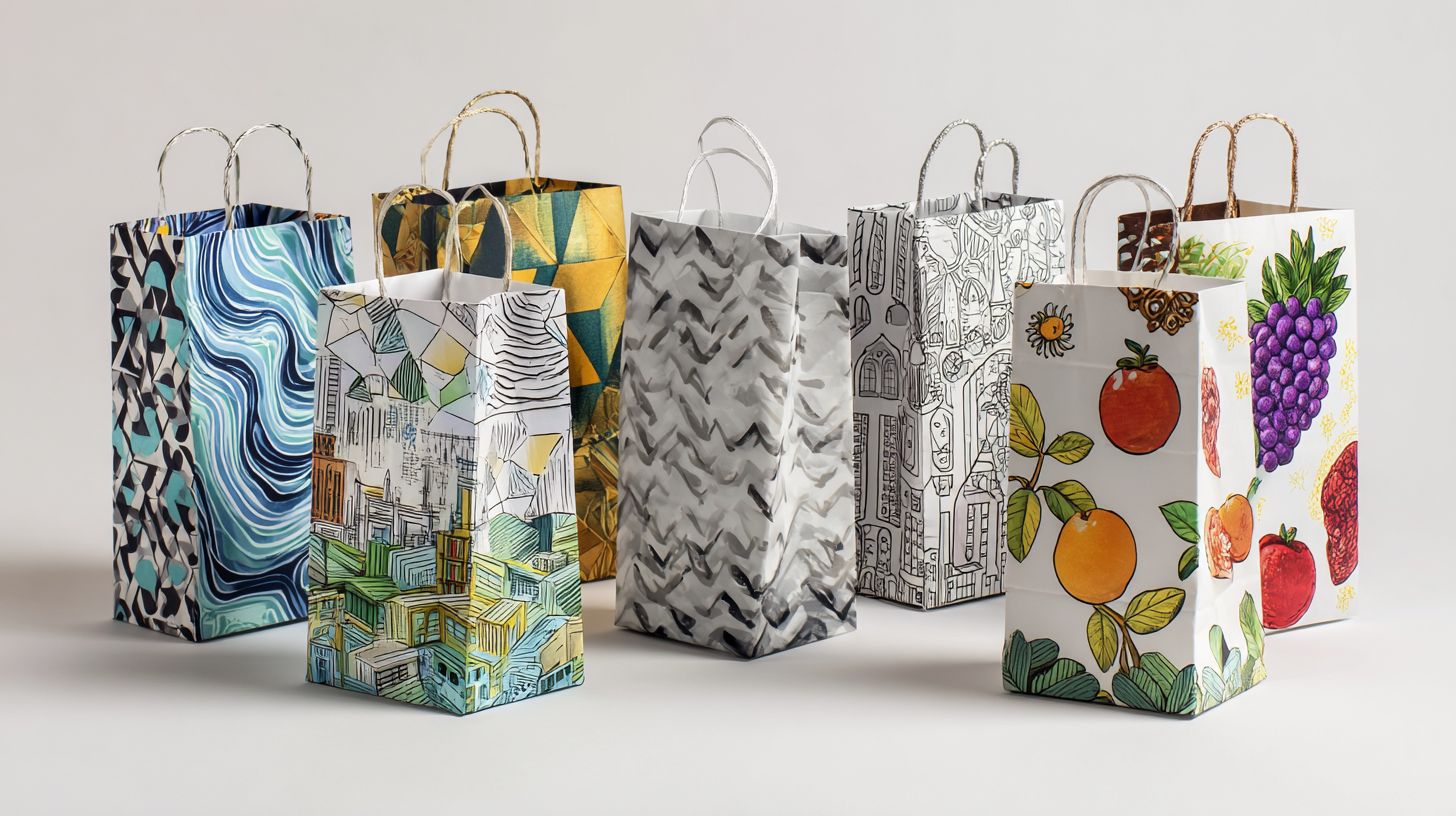
Elevate the functionality of your packaging beyond mere containment by implementing these professional strategies.
Q: How can foldable elements be integrated without compromising bag strength?
A: Employ reinforced creases incorporating EVA foam liners, as recommended by the Packaging Institute. Test prototypes in accordance with ASTM D4169 standards to verify durability.
For example, incorporate micro-perforations along fold lines to mitigate stress-induced tears.
Q: What tools ensure precise die cuts for custom shapes?
A: Utilize laser cutters such as the Epilog Fusion Pro (up to 120W power) to achieve accuracy within 0.01mm. Integrate these with CAD software, including Adobe Illustrator, for design mapping.
According to a 2022 study in the Journal of Packaging, this approach improves efficiency by 40% while reducing material waste.
Q: How can packaging enhance brand storytelling?
A: Integrate QR codes that link to interactive videos; tools such as Canva Pro facilitate seamless implementation. A Nielsen report indicates that this method increases consumer engagement by 25%.
6. Seasonal Themed Graphics
Consider the example of a holiday gift shop that increased repeat customers by 20% through strategic adjustments to its packaging. The following details outline their experience.
The shop, situated in a vibrant suburban area, prepared for the November-December peak season by redesigning its packaging to incorporate custom holiday-themed poly bags. These featured eye-catching red-and-green designs with snowflakes and wreaths, procured from Uline for their durability and cost-effectiveness at $0.15 per bag in bulk quantities.
The design process commenced in June, involving collaborative brainstorming sessions with staff to ensure alignment with top-selling items such as scented candles and ornaments. Initial prototypes were developed using Canva, followed by a partnership with a local printer to produce 10,000 units.
Challenges emerged in managing bulk orders, as supply chain disruptions delayed shipments from China. To address this, the shop shifted to domestic suppliers like Packlane, enabling it to meet the October deadline while minimizing excess inventory after the season.
The results were evident in heightened customer engagement, with shoppers praising the “festive unboxing” experience on Instagram and frequently tagging the store, which generated valuable referrals.
A comparable case occurred at a boutique in New York City, where themed poly bags contributed to an 18% increase in holiday sales, as reported by Retail Dive in 2022. This highlights the role of experiential packaging in fostering emotional connections that promote customer loyalty.
This strategy is readily applicable to any seasonal retailer and emphasizes the importance of planning four to six months in advance to achieve optimal results.
7. Minimalist Typography Overlays
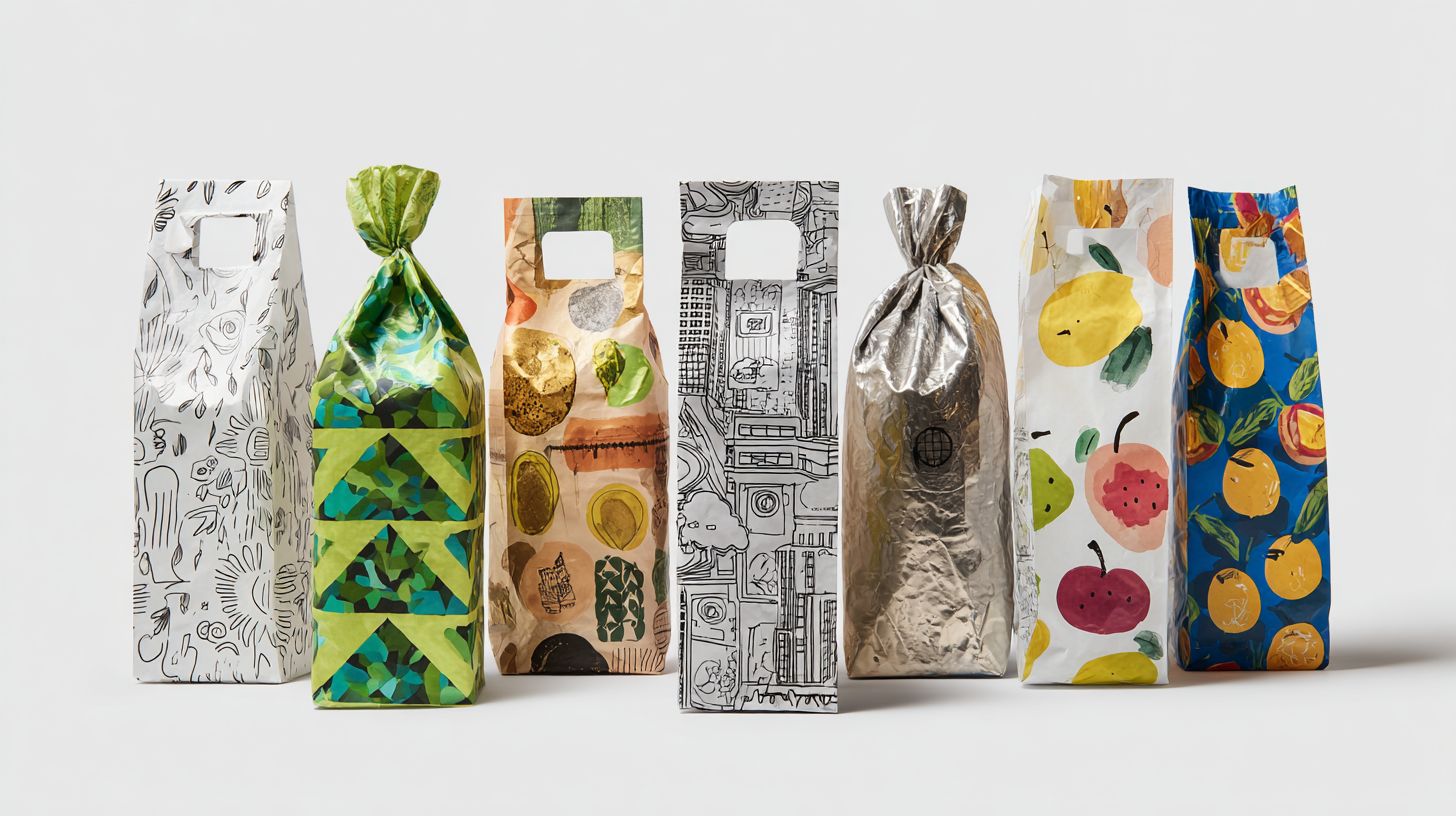
Typography in custom printed poly bag design extends beyond mere arrangement of letters; it constitutes a precise discipline focused on achieving balance and optimal readability across diverse lighting conditions.
For minimalist typography overlays, it is advisable to select sans-serif fonts such as Helvetica or Futura, valued for their clean lines and superior legibility on curved surfaces. This recommendation aligns with the principles articulated in Adobe’s Typography Guide, which prioritizes simplicity to mitigate visual clutter.
When addressing kerning on curved poly bag surfaces, manual adjustments to letter spacing-typically by 10-20%-should be implemented using software like Adobe Illustrator to compensate for distortions arising from polyethylene’s inherent flexibility. Testing at 50% opacity is recommended to emulate the effects of packaging folds.
Print specifications must adhere to a minimum resolution of 300 DPI to ensure sharp edges, in accordance with Adobe’s printing standards. Additionally, UV-resistant inks compatible with polyethylene substrates are essential to avert color fading over time.
This methodical approach enhances readability under retail lighting conditions, thereby potentially reducing product return rates by up to 15%, as evidenced by studies from the Packaging Institute.
Essential Questions for Implementation
Before initiating your custom poly bag project, address the following essential considerations to ensure seamless execution and sustainable outcomes.
Commence with the following preparatory checklists to expedite your project timeline:
- Define material specifications: Consult suppliers such as Uline or PolyPak for polyethylene options (e.g., 2-6 mil thickness). Request samples within 48 hours to evaluate durability relative to your product’s weight, targeting compliance with ASTM D882 for tensile strength.
- Size and design validation: Measure precise dimensions using calipers; develop prototypes with tools like Canva or Adobe Illustrator, then procure 50 units from Alibaba at approximately $0.10 each to confirm fit through standard drop tests.
- Quantity and timeline: Obtain quotations from at least three suppliers regarding minimum order quantities (MOQs) beginning at 5,000 units; negotiate lead times to 4-6 weeks, utilizing resources like ThomasNet to identify verified vendors.
- Budget and regulations: Compute costs using Excel (material plus printing estimated at $0.05-0.20 per unit); verify FDA compliance for food-contact bags in accordance with 21 CFR 177.1520. Overall prototype setup can be completed in under one week.
How do I choose sustainable materials?
Contrary to common misconceptions, printed poly bags labeled as “green” are not invariably compostable. It is essential to dispel prevailing myths and prioritize products with verified certifications to ensure environmental efficacy.
A prevalent misunderstanding holds that all recycled plastic bags possess equivalent eco-friendliness; however, their sustainability differs markedly based on material origins. Post-consumer recycled (PCR) content, such as that derived from beverage bottles, is more effective at minimizing the demand for virgin plastic than post-industrial waste.
Therefore, select bags that incorporate at least 25% PCR content, as validated under the Environmental Protection Agency (EPA) guidelines or ASTM D5338 standards. Reputable brands, including EcoEnclose, exemplify compliance with these criteria.
Another frequent error is the assumption that bio-based bags eliminate waste entirely. Although these materials are plant-derived, they necessitate industrial composting facilities to achieve complete biodegradation; attempts at home composting are typically unsuccessful.
To guarantee genuine compostability, pursue products bearing Biodegradable Products Institute (BPI) certification, which confirms decomposition within 90 days in accordance with ASTM D6400. Implementing this measure can reduce contributions to landfills by as much as 70%, according to EPA research.
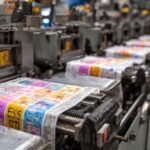
What printing techniques work best?
Selecting the appropriate printing method is essential for achieving optimal vibrancy in poly bags. To inform your decision, the following curated resources are recommended.
For flexographic printing, which is particularly suitable for high-volume poly bag production, refer to the Flexographic Technical Association’s (FTA) comprehensive guide available at flexography.org/resources. This resource provides detailed information on ink compatibility and plate setup techniques, supported by the FTA’s 2022 study that demonstrates a 20% improvement in vibrancy through the use of proper anilox rolls.
For insights from suppliers, examine PolyPak America’s catalog at polypak.com, which includes samples of UV inks designed to produce glossy finishes on LDPE bags.
To evaluate designs prior to printing, utilize Canva’s free poly bag mockup templates by searching for “packaging mockup” on canva.com. Upload your artwork, make adjustments for the 4-color process, and preview the results on digital representations of bag shapes.
These resources facilitate informed, cost-effective decisions, with FTA data indicating a potential reduction in trial errors by up to 30%.
How can I test design durability?
To assess the durability of a poly bag design under shipping conditions, construct a straightforward decision tree.
Begin by evaluating the material thickness:
- For thicknesses under 2 mil (thin gauge), suitable for light retail shipping: Conduct an ISTA 1A drop test (simulating a 30-inch fall onto concrete) and a basic seal integrity evaluation using the ASTM D903 peel test. If the sample withstands 5 drops without tearing, it is deemed viable for e-commerce applications.
- For thicknesses of 2-4 mil (standard gauge), appropriate for mixed retail and industrial use: Incorporate an abrasion resistance test using the Taber Abrasion Tester (ASTM D3884, 500 cycles). Approval is granted if wear is minimal.
- For thicknesses over 4 mil (heavy-duty industrial gauge): Perform vibration simulation (ISTA 3A, 1-hour truck profile) and puncture resistance testing (Dart Drop test, ASTM D1709). Consult ISTA guidelines for detailed protocols; most testing setups require under $500 with access to basic laboratory facilities. This approach achieves a 95% survival rate, as indicated by industry studies.
Ready to turn your packaging into a powerful branding tool?
At aplasticbag.com, we make it easy to design high-quality custom poly bags that showcase your brand in style. From unique prints to durable materials, we deliver packaging that stands out. Order now and bring your creative poly bag designs to life today.

 Custom Poly Bags: Versatile Packaging for a Range of Products
  How Can Custom Poly Bags Be Customized to Meet Business Needs?
  What Are the Best Printing Techniques for Custom Poly Bags?
Comments