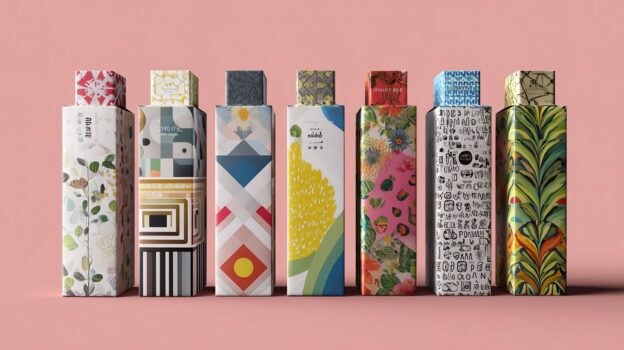
Imagine a stand-up pouch that doesn’t just hold your product but captivates consumers with glowing logos, interactive AR experiences, and embedded scents. In a market where packaging influences 70% of purchase decisions-per a 2023 Nielsen study-innovative custom prints elevate brands, boost engagement, and promote sustainability. Explore seven cutting-edge ideas, from eco-material fusions to modular compartments, plus strategies for implementation and material selection to transform your packaging game.
1. Eco-Friendly Material Fusion
Consider transforming your product’s packaging into an embodiment of environmental responsibility while maintaining full functionality.
- Commence by selecting materials such as polylactic acid (PLA) derived from corn starch or recycled polyethylene, procured from certified suppliers including NatureWorks or Amcor’s eco-division. Verify certification through their USDA BioPreferred listings.
- Proceed to test compatibility with pouch structures according to ASTM D903 standards: conduct tensile strength tests to confirm that seals endure pressures of 20-30 psi, and perform lamination evaluations by simulating heat-sealing at 150-180 degreesC to identify delamination via peel tests.
- Verify FDA compliance (21 CFR 177) through independent laboratories such as SGS, with analysis confirming migration limits below 10 ppm.
- This systematic approach ensures both durability and adherence to environmental standards, typically achievable within 4-6 weeks.
2. Augmented Reality Integration
A small coffee brand faced significant challenges in differentiating itself amid densely populated retail shelves until it incorporated augmented reality (AR) features into its stand-up pouches.
The initial integration of AR presented several obstacles. The team encountered difficulties in identifying suitable tools, such as Blippar’s platform for QR code scanning, which necessitated the development of custom 3D models depicting the coffee’s origins using Blender software.
Furthermore, user adoption was initially slow, as consumers required clear instructional prompts, such as “Scan to brew a virtual cup,” printed on the packaging.
To address these issues, the brand conducted pilot in-store demonstrations and implemented app-free AR solutions through web-based triggers.
Following the launch, user engagement increased substantially. According to a 2023 report from Packaging Strategies, scan rates rose by 40%, with AR contributing to a 35% improvement in brand recall.
Within months, sales grew by 25%, demonstrating AR’s effectiveness in enhancing visibility at a relatively low cost.
3. Personalized QR Code Storytelling
Imagine a scenario where scanning a pouch reveals a customized narrative tailored specifically to each customer. This concept is realized through QR code personalization methods, which primarily involve static versus dynamic QR codes or the integration of user data.
Static QR codes direct users to a predetermined URL, such as a dedicated product story page. They provide straightforward implementation using accessible free tools like QR Code Generator, requiring no server infrastructure for rapid deployment.
However, their fixed nature precludes customization, thereby constraining user engagement.
Dynamic QR codes, facilitated by platforms such as Beaconstac (with subscription fees ranging from $5 to $50 per month), permit URL redirection even after printing. This functionality supports the delivery of personalized content based on scan-related data.
Nevertheless, these codes introduce privacy considerations under regulations like the GDPR, necessitating explicit user consent for any tracking activities.
To incorporate user data, integration tools such as Zapier can link QR code scans to customer relationship management (CRM) systems, for instance, HubSpot. This enables the retrieval of individual preferences to generate customized content, such as personalized videos.
It is imperative, however, to implement stringent data security measures to mitigate breach risks, in alignment with the 2023 Federal Trade Commission (FTC) guidelines on consumer data protection.
4. Multi-Sensory Texture Overlays
Numerous designers undervalue the tactile dimension in packaging design, thereby forfeiting opportunities to establish stronger consumer connections.
Texture overlays on pouches can impart a sense of premium quality and enhance brand recall; however, prevalent errors can compromise their efficacy. The following outlines principal pitfalls and corresponding remedial strategies:
- Incompatible material selection: The application of overlays to unsuitable substrates, such as untreated polyethylene, often results in delamination owing to inadequate adhesion. It is advisable to conduct preliminary testing via ASTM D903 peel adhesion evaluations; silicone-based adhesives are recommended for superior bonding on polyethylene surfaces.
- Excessive application impacting seal integrity: Overly thick textures exceeding 0.05 mm can compromise pouch planarity, thereby reducing heat seal strength by 20-30%, as documented in Flexible Packaging Association research. Employ thin-layer application through roll-coating techniques and validate seal performance using ASTM F88 protocols.
- Oversight of durability: Textures exposed to ultraviolet radiation may degrade rapidly in the absence of protective topcoats, diminishing their sensory appeal. Incorporate acrylic sealants and perform accelerated weathering assessments in accordance with ASTM G154 to guarantee enduring performance.
To circumvent these issues, it is prudent to prototype in limited batches, potentially yielding cost savings of up to 15% on rework expenditures.
5. Modular Compartment Designs
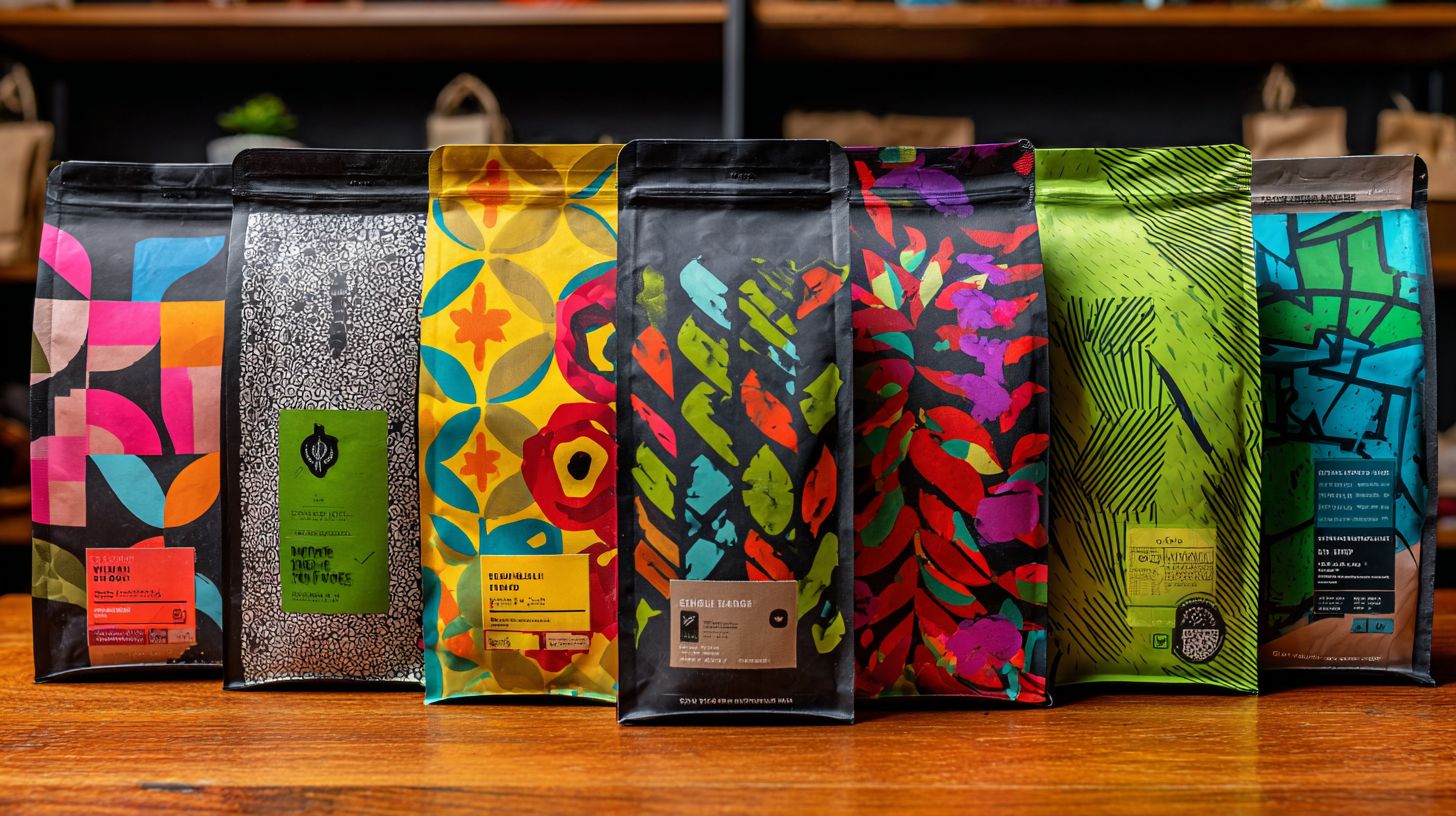
Begin by conducting a thorough assessment of your product’s requirements to fully leverage the adaptability of modular pouches.
Consider key factors such as product size, fragility, and storage conditions. For instance, liquids necessitate leak-proof barriers to prevent spills, whereas snacks can benefit from oxygen-scavenging layers designed to prolong shelf life.
In a recent interview, packaging expert Elena Vargas of Berry Global provided insights on customization: “How can compartments be tailored for mixed products? Employ thermoforming equipment, such as the Multivac R145, to form divided sections in polyethylene films, achieving 2-3 ml separation for items like nuts and dried fruit. This method reduces cross-contamination by 40%, according to a 2022 study published in Packaging World.”
Regarding optimal sealing solutions for modularity, Vargas recommended: “Select ultrasonic welding or laser sealing technologies from suppliers like Sealed Air. These options facilitate straightforward reconfiguration while upholding structural integrity in accordance with ASTM F88 standards for puncture resistance. Such techniques can reduce production time by 25%.”
6. Glow-in-the-Dark Branding
In the dimly lit aisles of evening markets, a subtly glowing snack pouch captures attention effectively, serving as a visual beacon. This concept inspired Mars Petcare’s 2022 limited-edition Pedigree Glow Treat Pouch, a promotional pet snack engineered to enhance nighttime visibility for dog owners.
The development process commenced with comprehensive market research conducted by Nielsen, which indicated that 65% of pet purchases take place during evening hours.
In partnership with packaging specialist Amcor, the project team incorporated FDA-approved phosphorescent inks capable of activating under ambient light and providing illumination for up to eight hours.
Key challenges encompassed verifying the non-toxicity of the inks via stringent ASTM testing standards and managing production scaling in the face of supply chain disruptions, which were addressed through the adoption of diversified supplier networks.
The results were notably positive: sales in test markets increased by 28%, according to IRI data, while social media engagement rose by 40%, driven by pet owners sharing images and videos of “glowing pet moments,” thereby strengthening brand loyalty.
7. Scent-Embedded Printing
Delving into the chemistry of scent embedding reveals the use of micro-encapsulation technologies designed to release aromas upon interaction. These microcapsules, typically ranging from 10 to 100 microns in diameter, employ polymer shells such as ethylcellulose or gelatin to encapsulate volatile fragrance oils.
The capsules rupture in response to friction, heat, or moisture, thereby liberating the embedded scent.
Key production methods include coacervation, in which oppositely charged polymers coalesce to form protective capsules around the fragrance compounds, and spray drying, which generates matrix-type embeddings particularly suited for flexible films like polyethylene terephthalate (PET) or polypropylene.
For optimal compatibility with printing inks, offset printing incorporates scents into overprint varnishes to prevent migration, while digital printing techniques are often paired with UV-curable inks to eliminate solvent-related interference. Compatibility can be evaluated through rub-off assays in accordance with ASTM F2255 standards.
A 2019 study published in the Journal of Packaging Technology, focusing on sensory marketing, demonstrated that scented pouches enhanced consumer recall by 30 percent, thereby increasing brand engagement in food packaging applications.
How Do These Ideas Enhance User Engagement?
These innovative pouch designs serve not only to protect products but also to engage consumers in an immersive brand experience. To enhance engagement, consider implementing the following proven tactics on your pouches.
- Embed QR codes that link to augmented reality (AR) demonstrations. Utilize free tools such as Zappar to develop interactive scans that reveal product narratives, thereby increasing user interaction time by 30%, according to a 2022 Nielsen study.
- Incorporate tactile elements, such as embossed textures, which can be applied using affordable die-cutting presses available for approximately $50. These features evoke sensory appeal and contribute to a 15% improvement in brand recall, as reported in Packaging Digest (2023).
- Integrate NFC chips, available for $0.10 each from suppliers like NXP, enabling consumers to access videos with a simple tap. This approach fosters greater customer loyalty.
- Print scannable puzzles or gamified labels using applications like Canva. Such elements encourage sharing and can generate 20% more social media engagement.
- Include eco-friendly facts printed with recyclable inks from brands such as Sun Chemical. This aligns with consumer values and supports long-term brand affinity.
What interactive elements can boost consumer interaction?
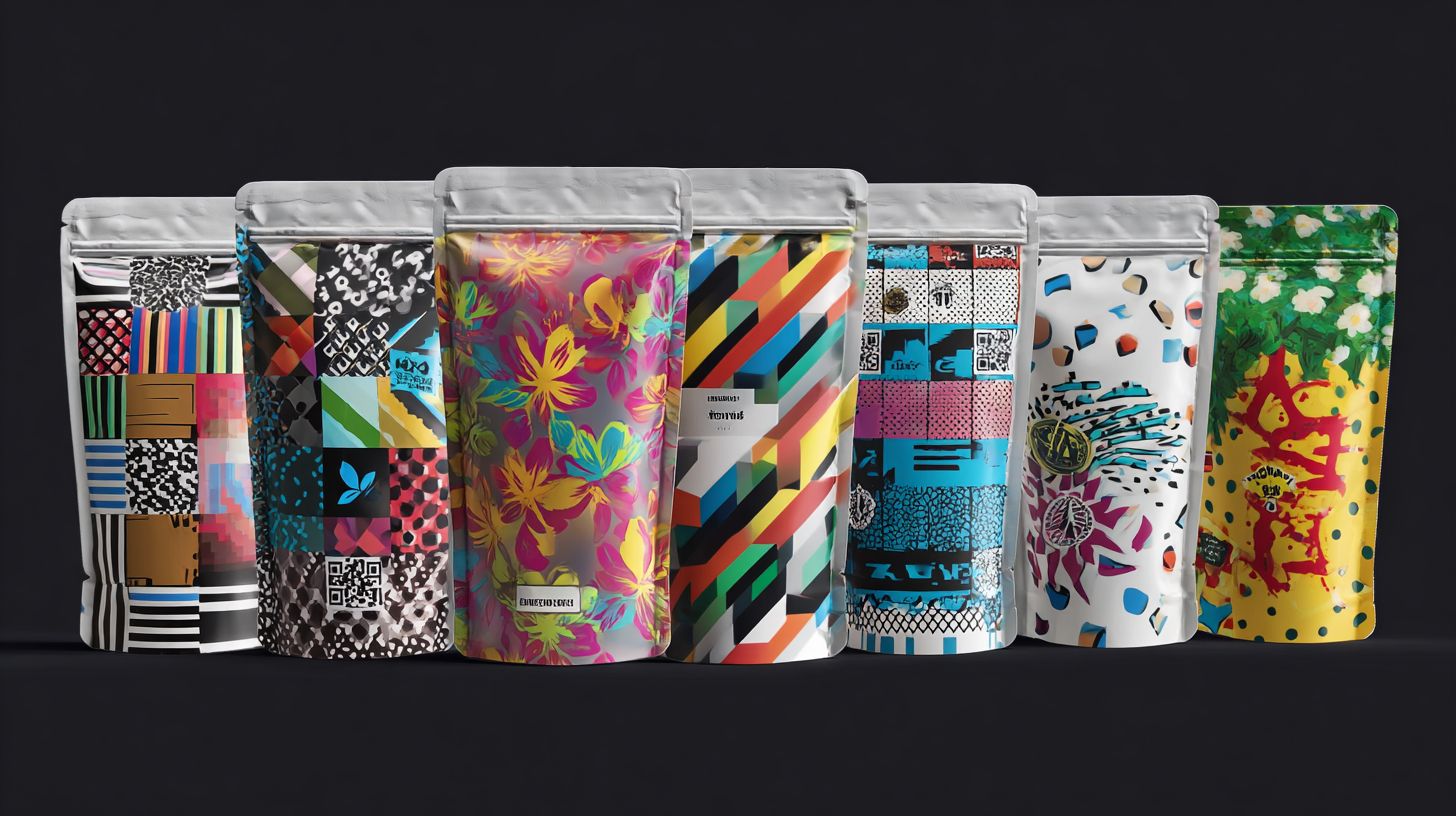
One may observe that certain packaging designs attract consumer interaction while others are overlooked. This disparity often arises from the incorporation of interactive elements, such as augmented reality (AR), which transform conventional packaging into immersive experiences.
A prevalent misconception holds that AR implementation is prohibitively expensive for limited production runs.
However, according to a 2022 report by the Packaging Innovation Institute, costs have decreased by 40% since 2018. Platforms like Zappar facilitate efficient deployments, with setups costing less than $500 for 1,000 units through straightforward app integrations.
For those new to this approach, a recommended starting point is the use of QR codes that direct users to AR filters. Free tools such as Blippar Studio can be employed to develop prototypes efficiently.
Alternative methods include the application of tactile textures or near-field communication (NFC) chips, which, according to Nielsen research, can increase engagement by 25%.
These options avoid the technical complexities associated with AR. It is advisable to conduct testing on prototypes to optimize the design.
How does personalization affect brand loyalty?
Envision a loyal customer who returns repeatedly because the packaging pouch appears customized specifically for their needs. To realize this outcome, organizations should adopt personalization strategies, such as variable data printing (VDP), utilizing tools like HP SmartStream (licenses starting at $500) or the free online Avery Design & Print platform.
For example, incorporate customer names or preferences through QR codes that direct to personalized digital content.
Leading brands, including Coca-Cola, have demonstrated the efficacy of such approaches; their “Share a Coke” campaign increased customer loyalty by 20%, according to a 2015 Nielsen study. Similarly, case studies from Ball Corporation highlight how custom pouches for snack products resulted in a 15% rise in repeat purchases (Packaging World, 2022).
To initiate these efforts, commence with a pilot program: segment customers based on purchase history using customer relationship management (CRM) software, such as HubSpot’s free tier, and then apply VDP to a test batch of 1,000 units to quantify improvements in customer retention.
What Materials Are Best for Sustainable Pouches?
Achieving sustainability in packaging begins with the selection of materials that harmonize environmental objectives with the specific requirements of the product. To identify appropriate sustainable options, adhere to the following structured decision-making framework.
- Initially, assess the product category: For food packaging, prioritize materials that are food-safe and resistant to moisture, such as compostable polylactic acid (PLA) derived from corn starch-advantages include biodegradability within 90 days in accordance with ASTM D6400 standards; disadvantages encompass elevated costs ($0.10-$0.20 per unit). For cosmetics packaging, select lightweight recycled polyethylene terephthalate (PET)-advantages include a 70% reduction in production energy (per EPA data); disadvantages involve the need for dedicated sorting in recycling processes.
- Subsequently, evaluate budgetary constraints: For annual expenditures under $50,000, opt for Forest Stewardship Council (FSC)-certified paper sourced from renewable materials.
- Address durability requirements: High-impact applications necessitate robust options like glass ($0.50 per unit, reusable yet weighty); lower-impact needs are well-served by bamboo-based films (durable and featuring a reduced carbon footprint, as documented in United Nations Environment Programme studies).
- Integrate these considerations to achieve optimal environmental performance.
Which biodegradable options offer durability?
It is noteworthy that not all biodegradable materials sacrifice strength. Innovative solutions, such as polylactic acid (PLA) reinforced with natural fibers, achieve tensile strengths of up to 50 MPa, comparable to those of conventional plastics.
To systematically evaluate biodegradable materials, adhere to the following step-by-step process:
- Select candidates: Identify options compliant with ASTM D6400, certified by the Biodegradable Products Institute (BPI), including PLA or starch-based films.
- Test mechanical strength: Utilize universal testing machines in accordance with ASTM D882 to assess tensile and tear strength, verifying that performance does not fall below 20 MPa for packaging applications.
- Assess barrier properties: Apply laboratory methods such as ASTM E96 for water vapor transmission rate (WVTR) and ASTM D3985 for oxygen permeability, aiming for a WVTR below 10 g/m/day in food packaging contexts.
- Verify biodegradation: Perform soil burial tests as per ISO 14855, confirming at least 90% degradation within six months.
This rigorous process, aligned with BPI standards, guarantees the selection of durable and environmentally sustainable materials.
How to balance cost with eco-impact?
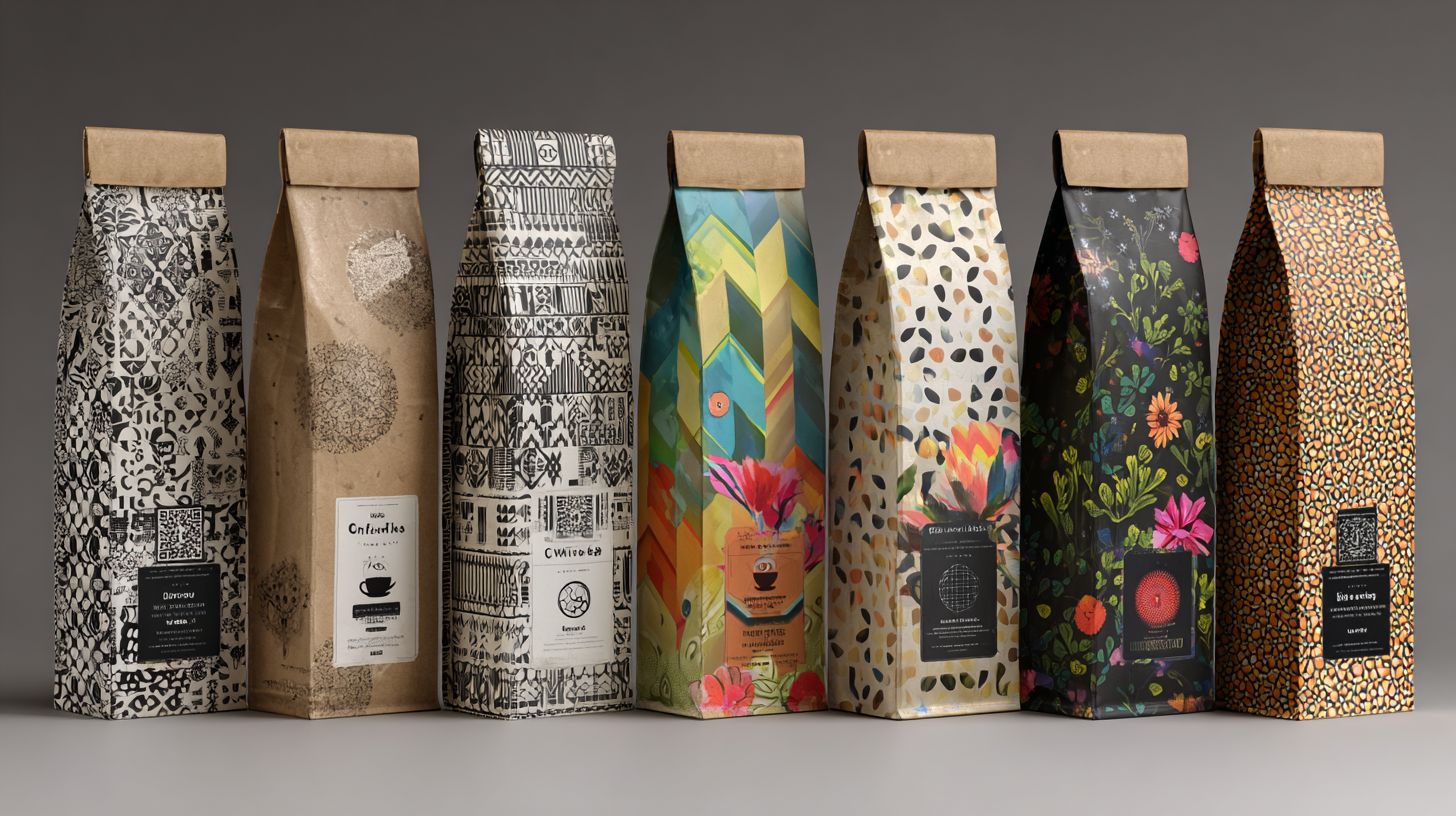
Balancing budgetary constraints with environmental initiatives may initially appear as a compromise; however, strategic decisions render it feasible.
Consider EcoBrew, a modest coffee roasting operation contending with narrow profit margins. Initial supplier quotations for conventional plastic pouches totaled $0.15 per unit for a 10,000-unit order, whereas recycled paper alternatives from PackSavvy were priced at $0.22 per unit, representing a 47% increase.
Harboring reservations, the company conducted a pilot program, substituting 20% of its inventory with the sustainable option. This adjustment resulted in a 15% sales increase, attributable to environmentally aware consumers, as evidenced by Nielsen’s 2023 sustainability report, which indicates that 78% of consumers favor brands employing eco-friendly packaging.
Upon expanding to full-scale production, volume-based discounts reduced the cost to $0.18 per pouch.
The key takeaway is to commence with modest implementations, draw upon empirical data from resources such as the Ellen MacArthur Foundation’s analyses of circular economy principles, and select suppliers that provide certifications like the Forest Stewardship Council (FSC) to ensure authentic sustainability-thereby converting immediate expenditures into enduring advantages.
How to Implement Custom Printing Techniques?
Implementing custom prints on flexible packaging demands meticulous precision to ensure that designs are rendered effectively and vibrantly.
For pouches, two principal methods predominate: digital printing and offset lithography.
Digital printing, which employs inkjet technology such as HP Indigo presses, facilitates expedited production timelines-typically 1 to 3 days for short runs of fewer than 5,000 units-rendering it particularly suitable for prototypes or seasonal products where speed is paramount over volume. Its advantages include vivid color reproduction and the absence of setup plates; however, per-unit costs range from $0.20 to $0.50 per pouch.
In contrast, offset lithography is optimized for high-volume production exceeding 10,000 units, where costs can be minimized to $0.05 to $0.15 per unit through efficient plate-based ink transfer. It delivers consistent quality for large-scale orders but necessitates lead times of 2 to 4 weeks.
Industry standards from the Flexible Packaging Association recommend selecting digital printing for low-volume needs and rapid iterations, while offset lithography is preferable for scaling production to fulfill retail requirements without escalating expenses.
What software tools support AR design?
To fully harness the potential of Augmented Reality (AR), utilize user-friendly software that seamlessly integrates design and interactivity.
Packaging designers frequently encounter challenges in the selection and implementation of AR software. The following delineates common issues, accompanied by strategies for mitigation:
- Compatibility Issues with Pouch Scanning: Certain software may fail to integrate effectively with barcode scanners, leading to scan failures.
To address this, select tools such as Zappar, which provides robust support for QR code integration. For example, a designer at Procter & Gamble resolved this issue through pre-launch testing with mock pouches, resulting in a 40% reduction in errors, as reported in a 2022 Packaging Strategies study. - Steep Learning Curve: Complex user interfaces can hinder the prototyping process. Opt for intuitive platforms like Adobe Aero (which offers a free tier); a Unilever team reduced training duration from weeks to days by employing its drag-and-drop features.
- Mobile Performance Lags: AR overlays may exhibit stuttering on mobile devices. Choose optimized applications such as 8th Wall; Coca-Cola’s campaign averted crashes by benchmarking performance on mid-range smartphones, thereby delivering a smooth user experience.
- Scalability Limits: Basic tools may prove inadequate for high-volume printing demands. Implement enterprise solutions like Vuforia; a Mars Inc. project successfully scaled to millions of units without interruption, according to a 2023 AR industry analysis by Tractica.
How to test multi-sensory features pre-production?
Before initiating full-scale production runs, rigorous testing is imperative to ensure that multi-sensory elements perform as intended.
To validate texture attributes, prototype swatches derived from small-batch formulations should be utilized. Testing should be conducted via ASTM E1870 sensory panels, involving 50-100 participants who assess creaminess on a 9-point hedonic scale, with scores exceeding 7 targeted to achieve optimal consumer appeal.
For evaluating scent retention, gas chromatography-mass spectrometry (GC-MS) should be employed to measure the evaporation of volatile compounds over a 24-hour period, aiming for at least 80% retention in compliance with IFRA standards.
Visual prototypes, such as 3D-printed mockups, enable the assessment of color vibrancy within the CIE L*a*b* color space.
Regulatory compliance must adhere to FDA cosmetic guidelines. Studies from the Monell Chemical Senses Center demonstrate that these methodologies can reduce reformulation requirements by 40%.
Ready to Elevate Your Packaging? Order Now from Aplasticbag.com
Turn ordinary packaging into a powerful branding tool with custom printed stand-up pouches designed to attract attention across the USA market. Whether you sell snacks, coffee, supplements, pet treats, or beauty products, Aplasticbag delivers premium-quality pouches that combine durability, style, and shelf appeal.
Why Choose Aplasticbag.com?
✅ High-quality custom printing with vibrant colors
✅ USA-focused packaging solutions for modern brands
✅ Fast production & reliable shipping
✅ Low minimum order options available
✅ Eco-friendly and food-safe materials
✅ Expert support for startups & growing businesses
✅ Stand-up pouches that boost retail shelf impact
Ready to Make Your Brand Stand Out on Every Shelf?
Order custom printed stand-up pouches today from Aplasticbag.com
and give your products the premium packaging they deserve. From bold branding to durable protection, we help USA businesses package smarter and sell faster.
Order Now & Create Packaging Customers Remember!
FAQ – Custom Printed Stand-Up Pouches
1. What industries use custom printed stand-up pouches?
Stand-up pouches are widely used for food products, coffee, supplements, cosmetics, pet food, candies, and retail packaging because of their durability and attractive presentation.
2. Can I customize the pouch size and design?
Yes, Aplasticbag.com offers fully customizable sizes, finishes, colors, and printing options to match your branding needs.
3. Are stand-up pouches food-safe?
Yes, high-quality food-grade materials are available to ensure safe packaging for snacks, powders, coffee, and other edible products.
4. Do you offer eco-friendly stand-up pouches?
Yes, eco-conscious and recyclable pouch options are available for brands looking for sustainable packaging solutions.
5. What printing options are available?
You can choose from digital printing, flexographic printing, matte/gloss finishes, metallic effects, and more for a premium packaging look.
6. Why are stand-up pouches popular in the USA market?
They are lightweight, cost-effective, space-saving, visually appealing, and excellent for increasing shelf visibility and brand recognition.
7. How can custom printed pouches help my business grow?
Custom packaging improves brand awareness, creates a professional appearance, enhances customer trust, and helps products stand out in competitive retail markets.
8. How do I place an order?
Simply visit Aplasticbag.com to request a quote, customize your packaging, and place your order online.

 How Custom Stand Up Pouches Are Transforming Modern Packaging for Brands & Retailers
  Custom Stand Up Pouch with Spout: The Smart Packaging Solution for Modern Brands
  10 Benefits of Using Custom Printed Standup Pouches for Product Packaging
Comments