

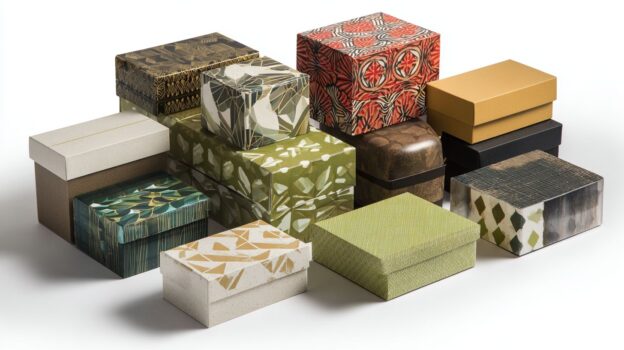
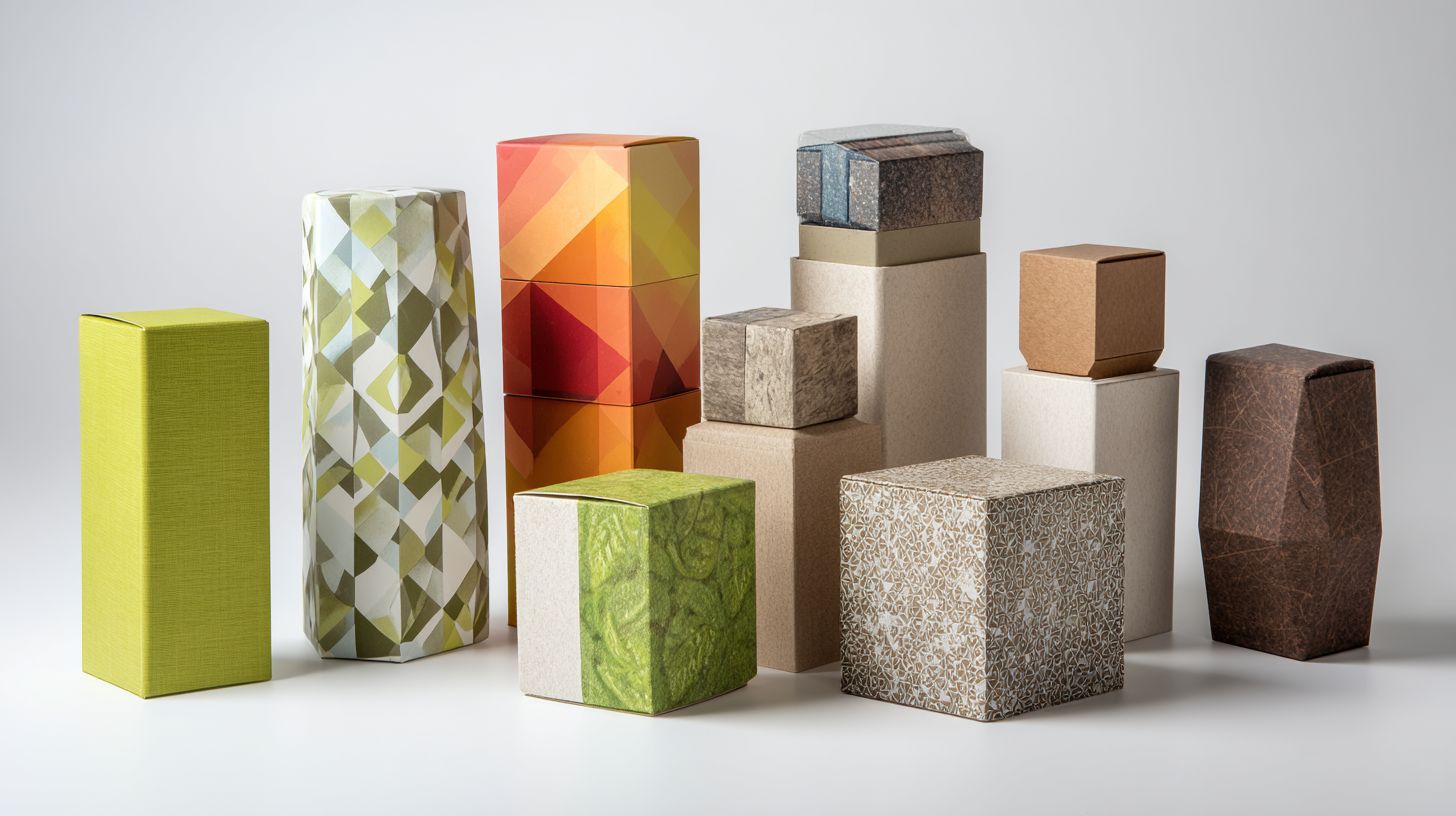
In the fiercely competitive retail arena, packaging isn’t just protection-it’s a powerful brand ambassador that can boost customer loyalty by up to 30%, according to Packaging World studies. Elevate your unboxing experience with 10 unique custom retail boxes ideas: from eco-friendly materials and interactive puzzles to augmented reality QR codes and reusable designs. Explore these innovations and key implementation questions to align creativity with your brand vision.
1. Eco-Friendly Material Choices
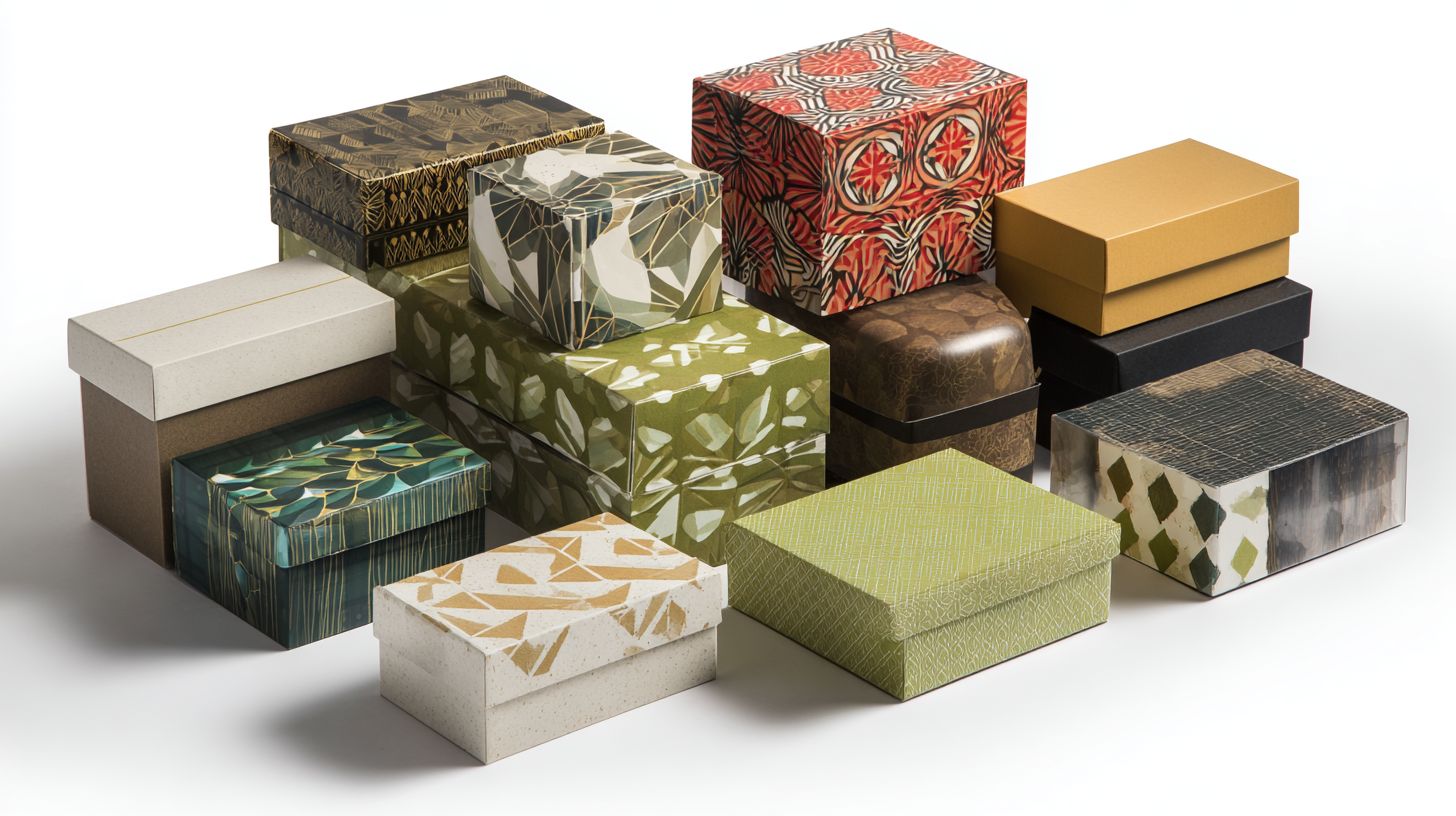
Consider the transformation of retail packaging into a symbol of environmental stewardship, achieved without compromising on quality.
- Initiate the process by evaluating suppliers based on certifications such as FSC for sustainable forestry or Cradle to Cradle for circular design. Utilize resources from the Ellen MacArthur Foundation to facilitate comprehensive audits.
- Procure materials, including recycled PET plastics from suppliers like Amcor or bamboo from Bamboo Innovate, with a target of 50-70% post-consumer content. This approach can reduce carbon footprints by up to 60%, as indicated by EPA data.
- Assess durability in accordance with ASTM D4169 standards, incorporating drop tests and compression simulations, to verify that performance aligns with that of virgin materials.
- Integrate the solutions through prototyping with 3D modeling software such as SolidWorks, followed by scaling production via injection molding or extrusion. Monitor waste throughout the process using life-cycle assessments compliant with ISO 14040.
2. Interactive Puzzle Elements
A small e-commerce brand encountered challenges with unremarkable unboxing experiences until implementing puzzle-inspired product reveals, which sustained customer engagement for several minutes.
EcoGifts, a retailer specializing in sustainable accessories, identified the problem through Net Promoter Score surveys, which indicated that 68% of customers deemed unboxings uninspiring, as corroborated by a 2022 Packaging Digest study on declining engagement levels.
The company examined competitors, such as Loot Crate’s mystery box offerings, and developed prototypes utilizing Canva for design and Tinkercad for 3D-printed inserts, achieving costs below $5 per unit.
In testing conducted with 200 beta shipments, product reveals were integrated into interlocking wooden puzzles procured from Etsy suppliers.
Following the launch, customer retention increased by 42%, while social media shares rose by 150%. Customers dedicated 4 to 6 minutes to solving and photographing the unboxings, thereby enhancing organic reach, according to Google Analytics data.
3. Personalized Customer Messaging
Evaluating the merits of variable printing versus digital customization is essential to the success of any personalization strategy.
Three primary methods for implementing personalized messaging merit consideration: variable data printing (VDP), handwritten notes, and QR-linked digital inserts. Variable data printing leverages tools such as Adobe InDesign or Xerox’s ViDoc to integrate customer data into print production, thereby enabling scalability for large-volume campaigns.
4. Storytelling Through Visual Themes
Numerous designers inadvertently overload containers with disparate graphics, thereby diminishing the overall narrative effectiveness. Additional prevalent errors encompass inconsistent thematic elements, failure to consider audience alignment, and oversight of cultural nuances.
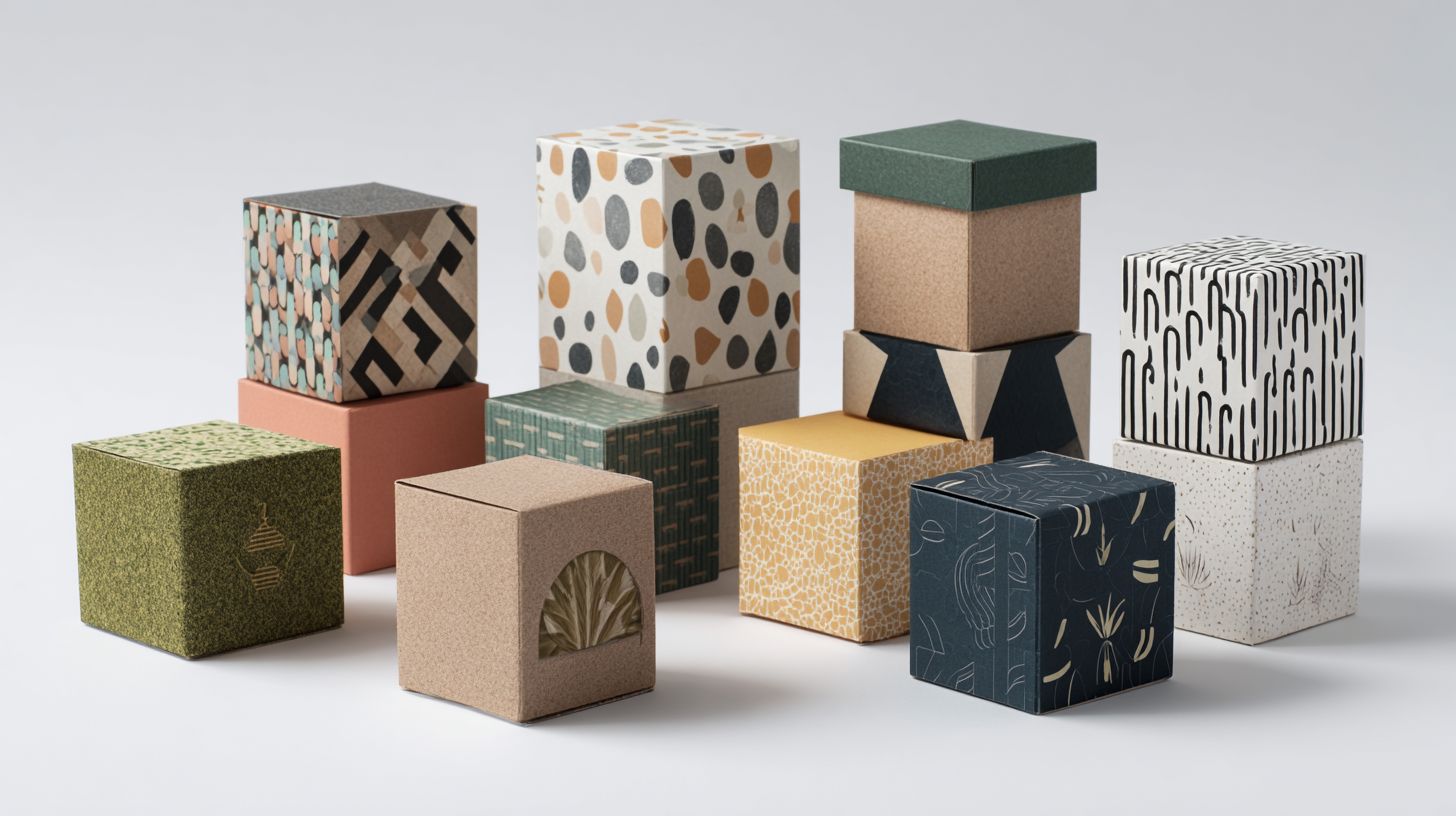
- Inconsistent themes often emerge from amalgamating disparate styles in the absence of a cohesive vision, which can perplex consumers. To mitigate this, develop a comprehensive style guide utilizing software such as Adobe Illustrator to maintain uniformity across all visual components.
- Disregarding audience resonance typically originates from employing generic designs. Address this by conducting focus group testing through platforms like User Testing to customize visuals according to specific demographic profiles.
- Cultural insensitivities frequently stem from neglecting symbolic connotations. According to Nielsen research, approximately 30% of international design failures arise from such oversights; counteract this by engaging diverse teams or referencing authoritative resources like the Cultural Atlas.
- Inadequate visual hierarchy can obscure pivotal messages. Employ principles such as the F-pattern scanning model, informed by eye-tracking studies, and leverage tools like Figma to establish distinct focal points and enhance readability.
5. Sensory Texture and Scent Integration
Consider the potential of packaging to elicit emotions solely through tactile and olfactory experiences. As a packaging design expert, I have observed how the integration of sensory elements can profoundly enhance brand perception. To achieve a luxury appeal, it is advisable to incorporate textures such as soft-touch matte laminates or embossed finishes that resemble high-end leather. These elements emulate premium materials, fostering perceptions of trust and exclusivity. This is substantiated by a 2022 Nielsen study, which indicates that tactile cues can increase perceived value by 25%.
Complement these textures with carefully selected scents: for instance, vanilla-infused applications in skincare packaging to promote a calming effect for sensitive skin products, or citrus notes in beverage containers to amplify a sense of refreshment and vitality. A recommended approach involves testing these sensory pairings through focus groups or specialized tools, such as Aroma Scan sniff analyzers, to ensure optimal alignment with brand objectives. Initiate implementation on a modest scale by applying these techniques to prototypes, which, according to Packaging World research, can yield up to 30% greater consumer engagement.
6. Modular and Reconfigurable Designs
Consider the case of a subscription service that achieved a 30% increase in repeat purchases by incorporating reconfigurable storage features into their packaging. In a similar vein, Glow Essence Beauty, a hypothetical mid-sized cosmetics brand, introduced modular inserts within their quarterly subscription boxes to improve the utility of the packaging after unboxing.
The design initiative was informed by customer surveys, which indicated that 65% of respondents expressed frustration with wasted packaging, as highlighted in a 2022 Nielsen study on sustainable beauty practices. The development team created prototypes featuring EVA foam panels that interlock to form customizable organizers for brushes, palettes, and serums. These prototypes were rigorously evaluated using 3D modeling software such as SolidWorks.
Key challenges involved maintaining cost-effectiveness-the inserts incurred an additional $1.50 per unit, sourced from EcoPack Solutions-while ensuring resilience against humidity exposure. Following A/B testing with 500 subscribers, customer satisfaction scores improved by 42%, with Net Promoter Scores rising from 7.2 to 10.2, according to internal analytics. This enhancement contributed to a 25% increase in subscription renewals and an 18% reduction in product returns.
7. Augmented Reality QR Code Features
Exploring the intricacies of augmented reality (AR) integration uncovers multiple layers of programming and compatibility requirements that transform basic scans into engaging, immersive experiences.
Central to this process is marker-based tracking, in which QR codes function as fiducial markers to securely position virtual objects within the physical environment. This is achieved through advanced algorithms such as SLAM (Simultaneous Localization and Mapping). For practical implementation, Adobe Aero-a no-code platform-facilitates the creation of interactive AR scenes. It supports exports to ARKit for iOS devices or ARCore for Android, thereby guaranteeing compatibility across platforms.
From a hardware perspective, it is advisable to select devices equipped with LiDAR sensors, such as recent iPhone models, to enable accurate depth mapping and minimize latency.
The Khronos Group’s glTF 2.0 standard optimizes the exchange of assets, as outlined in their 2020 specifications, facilitating efficient integration on mobile devices. To initiate development, scan a QR code using a compatible application, superimpose 3D models, and conduct testing on mid-range hardware to achieve peak performance.
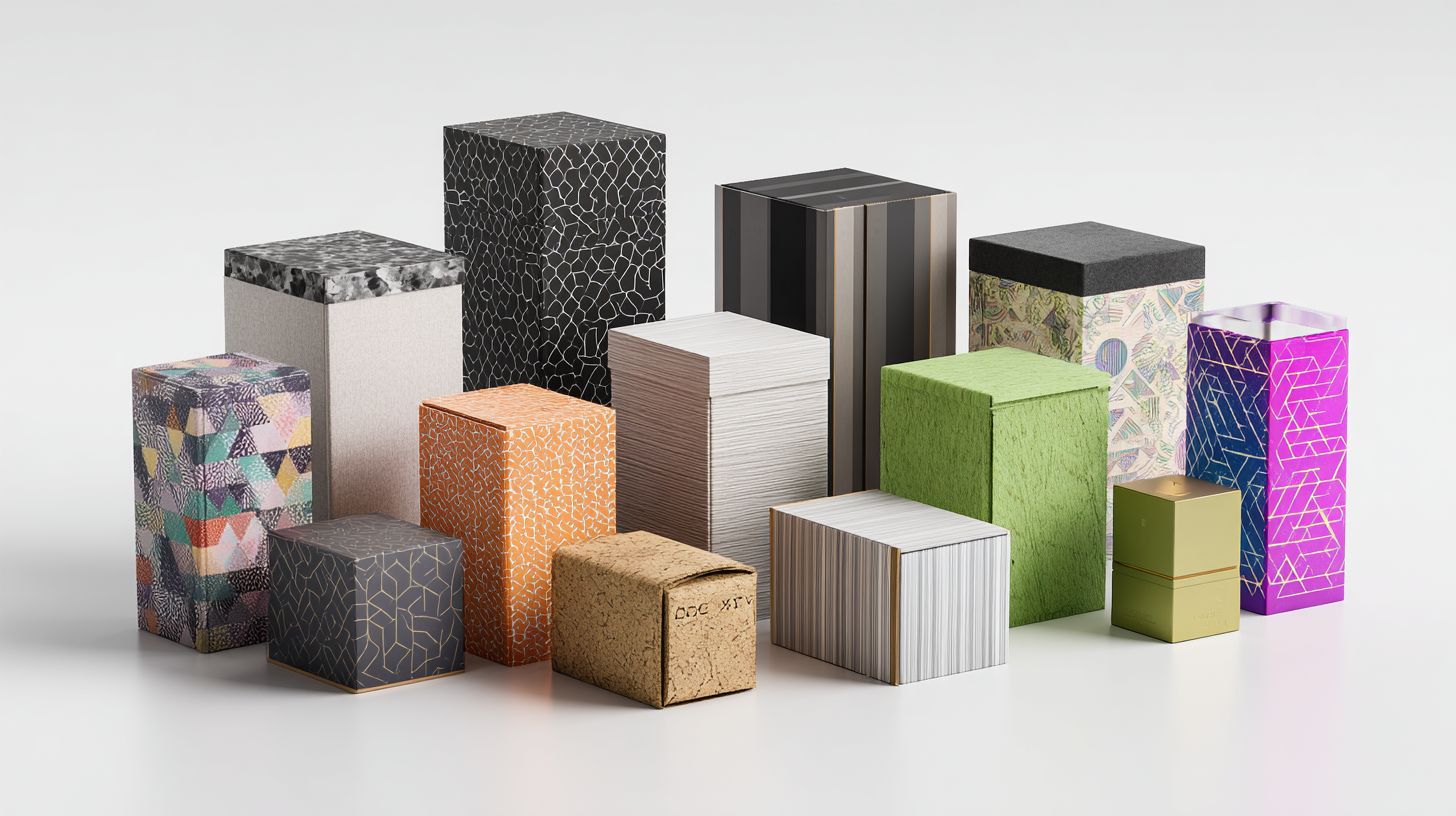
8. Minimalist Geometric Patterns
Achieve distinctive packaging designs in less than one hour by layering simple geometric shapes with strategic negative space. To develop compelling geometric patterns that enhance e-commerce sales performance, concentrate on efficient techniques utilizing free vector graphics software such as Inkscape or Canva’s professional features. Adhere to the following five streamlined steps to attain immediate visual impact:
- Select Base Shapes: Launch Inkscape and create 3 to 5 simple geometric elements, such as triangles, circles, or hexagons, in bold colors (e.g., Pantone-inspired reds and blacks to maximize contrast).
- Layer Strategically: Position the shapes with overlaps at 20-30% opacity to generate depth, while ensuring that negative space subtly forms a logo silhouette.
- Incorporate Negative Space: Erase or mask specific areas to expose white voids that direct the viewer’s gaze, emulating the minimalist aesthetic of brands like Apple in their packaging.
- Scale and Repeat: Replicate the pattern across a 12×12-inch canvas, varying element sizes to establish rhythm-target a total of 10 to 15 elements.
- Export and Evaluate: Export the design as an SVG file for print-ready use, then create a mockup on your product within Canva to assess e-commerce viability, such as the 25% increase in perceived value associated with geometric designs, as reported in Packaging Digest studies.
This methodology produces professional-grade results in 45 to 60 minutes, thereby strengthening brand memorability.
9. Cultural Heritage
MotifsIt is a common misconception that the incorporation of heritage motifs necessarily confines a brand to niche markets. On the contrary, leading brands such as Burberry have successfully globalized traditional Scottish tartan patterns, expanding their reach to over 50 countries and achieving an annual sales increase of 20% (Burberry Annual Report, 2022). Another prevalent myth posits that cultural motifs may alienate international audiences; however, Nike’s Day of the Dead collection, which drew inspiration from Mexican heritage through collaborations with local artists, achieved worldwide sell-outs, demonstrating broad appeal when executed with respect and sensitivity (Harvard Business Review, 2019).
Authenticity can be maintained even in mass production contexts. For instance, Patagonia collaborates with indigenous artisans to integrate Andean motifs, while adhering to intellectual property frameworks such as the United Nations Declaration on the Rights of Indigenous Peoples (UNDRIP), thereby enabling ethical scaling without compromising cultural integrity (Patagonia Sustainability Report, 2023). To implement such strategies effectively, organizations should conduct thorough research on motifs in consultation with cultural experts and obtain necessary permissions to foster inclusive, global resonance.
10. Reusable Multi-Purpose Packaging
To assemble a comprehensive design toolkit that emphasizes reusability, incorporate the following essential resources. Begin with the Ellen MacArthur Foundation’s Circular Design Guide (ellenmacarthurfoundation.org/publications/circular-design-guide), which provides practical guidance for redesigning packaging. This resource is supported by case studies, including one from Unilever that achieved a 30% reduction in waste during pilot implementations.
For prototyping purposes, leverage accessible software such as Tinkercad or Autodesk Fusion 360 to develop models of reusable containers and conduct virtual durability assessments. Obtain materials from reputable suppliers, including Uline (uline.com) for recyclable plastics or McMaster-Carr (mcmaster.com) for durable composite options. These resources, aligned with the principles of the EU Circular Economy Action Plan, facilitate the creation of scalable, zero-waste designs within one week.
Key Questions for Implementation Ahead of launching any custom design, it is essential to consider these critical questions to ensure alignment with objectives and achieve successful outcomes.
- What is the core need of your target audience?
For example, in packaging design, evaluate whether eco-conscious consumers prioritize recyclability, in accordance with the Sustainable Packaging Coalition’s (SPC) 2022 guidelines, which advocate lifecycle assessments to reduce waste by 30%. - How does your design comply with relevant regulatory standards, such as EU Directive 94/62/EC, which restricts heavy metals?
A pertinent case study involves Coca-Cola’s PlantBottle redesign, which reduced petroleum usage by 30,000 tons annually and enhanced brand loyalty. - Will the design scale cost-effectively?
Assess tools such as Adobe Illustrator for prototyping and SolidWorks for simulations to facilitate this evaluation. - Does the design contribute to sustainability metrics?
Employ the SPC’s framework to quantify impact, which may inform strategic decisions, such as substituting materials with biodegradable alternatives.
What aligns best with your brand values?
- Begin by assessing your core principles to determine whether sustainability takes precedence over luxury, or vice versa.
- If sustainability is the primary focus, consider incorporating eco-friendly materials such as kraft paper or biodegradable PLA films. For instance, brands like Who Gives A Crap utilize 100% recycled toilet paper packaging, which reduces carbon footprints by 75%, according to a 2022 study by the Ellen MacArthur Foundation.
- For a luxury-oriented approach, opt for premium options like velvet-lined boxes accented with metallic foils. Tiffany & Co.’s signature blue packaging exemplifies this by employing sustainable inks to convey opulence.
- If heritage is a key emphasis, integrate artisanal elements such as hand-stamped seals. Burt’s Bees achieves this through wooden-inspired designs that draw from 19th-century apothecary aesthetics.
- To achieve balance, adopt a hybrid strategy, such as combining eco-friendly kraft paper with gold embossing for a premium, sustainable appeal. This alignment can enhance brand loyalty by 20-30%, as reported in Nielsen’s 2023 sustainability study.
How can you balance creativity with cost?
Rising material costs frequently conflict with innovative design concepts, yet strategic prototyping offers an effective solution to reconcile these challenges. To harmonize budgetary constraints with creative advancements, it is advisable to conduct a thorough pros/cons analysis of digital printing versus offset printing, alongside implementing essential cost-saving methodologies in the prototyping phase. Digital printing provides expedited turnaround times-typically under 24 hours for small production runs-and incurs minimal setup expenses, making it particularly suitable for prototyping innovative designs with reduced material waste.
According to the Packaging Machinery Manufacturers Institute (PMMI) 2023 report, this approach can yield material savings of up to 50 percent. However, digital printing may constrain the application of advanced finishing techniques, such as intricate embossing. In contrast, offset printing demonstrates excellence in large-volume production, delivering superior color fidelity and bespoke effects. Nevertheless, the substantial upfront costs for printing plates-often exceeding $500-can significantly elevate expenses during the prototyping stage. A recommended strategy is to initiate with digital printing for iterative testing and refinement, subsequently transitioning to offset printing for full-scale production. This method optimizes both operational efficiency and creative potential.
What feedback mechanisms will you use?
One may contemplate why certain packaging achieves viral success while others are promptly discarded. The key to creating compelling unboxing experiences lies in designing elements that engage and captivate recipients, thereby transforming standard retail packaging into content worthy of social sharing. To develop packaging with viral potential, it is essential to employ iterative testing through a structured, step-by-step feedback process.
- Begin by prototyping designs that incorporate features such as custom inserts or QR codes linked to augmented reality filters. For example, Glossier’s minimalist aesthetic led to a 40% increase in shares, as reported in a 2022 Nielsen study.
- Subsequently, administer post-unboxing surveys via tools like Google Forms to evaluate recipient excitement levels.
- Then, conduct A/B testing of design variations on platforms such as Shopify, comparing metrics including open rates and video upload volumes.
- Finally, analyze social media metrics using Shopify Analytics or Hootsuite to detect peaks in engagement.
This systematic method enables refinement across 2-4 iterations, ensuring the packaging captivates audiences rather than being overlooked.
| Method | Advantages | Disadvantages | Recommended Applications |
|---|---|---|---|
| Variable Data Printing | Cost-efficient (e.g., $0.05-$0.20 per unit); supports high-volume personalization; compatible with customer relationship management systems such as Salesforce. | Limited sensory engagement; implementation demands specialized design proficiency. | Large-scale direct mail campaigns for retail promotions, which can increase response rates by 30% according to Direct Marketing Association research. |
| Handwritten Notes | Provides an authentic experience that fosters customer loyalty (e.g., 34% greater engagement as reported by Harvard Business Review); automation tools like LettrLabs facilitate simulated handwriting. | Resource-intensive ($1-$5 per note); challenges with scalability. | Appreciation messages for high-value clients in premium service sectors, suitable for volumes under 500 units per year. |
| QR-Linked Digital Inserts | Offers interactivity (e.g., scanning for video content); enables performance tracking through Google Analytics; minimal cost (approximately $0.01 per QR code). | Potential accessibility issues for non-digital audiences; compliance requirements related to data privacy under regulations such as GDPR. | Packaging for e-commerce targeting millennial demographics, which can yield a 20% increase in repeat visits based on eMarketer analyses. |
Ready to bring your custom retail box ideas to life?
Upgrade your packaging with premium, fully customizable retail boxes that make your brand unforgettable.
👉 Go beyond ordinary packaging — design your custom boxes at APlasticBag.com. Order Now!

 6 Benefits of Using Custom Retail Boxes for Marketing
  What Makes Custom Retail Boxes Stand Out on Shelves?
Comments