
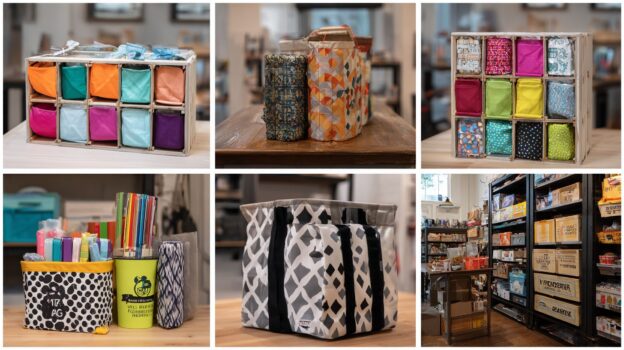
Merchandise bags, once mere carriers, now drive retail innovation. As consumer demand for sustainable and engaging experiences surges-backed by Nielsen’s findings that 78% prefer eco-conscious brands-these versatile tools boost visibility, loyalty, and efficiency. Explore six clever applications: from custom branding that captivates, eco-friendly materials that cut waste, and QR-enabled promotions, to in-store organization, gift enhancements, and event-ready portability that elevate every interaction.
1. Custom Branding and Marketing Tool
Custom branding on shopping bags can effectively transform them into ambulatory advertisements for your retail establishment, thereby enhancing brand visibility.
To effectively leverage this strategy, adhere to the following structured steps for design and implementation:
- Supplier Selection: Conduct thorough research on platforms such as Alibaba for bulk eco-friendly options (commencing at $0.50 per unit for orders of 1,000 pieces) or Printful for print-on-demand services with no minimum order requirements. Evaluate shipping timelines and material quality by procuring and reviewing samples.
- Color and Logo Selection: Ensure alignment with your brand identity by utilizing Pantone color guides for consistent shades (e.g., Pantone #003366 navy to evoke trust). Develop logos using professional tools such as Canva or Adobe Illustrator, confirming scalability to accommodate 6×8-inch bag dimensions.
- Implementation: Order prototypes to validate the design, then proceed to full-scale production. Distribute the branded bags at the point of sale to facilitate immediate customer exposure and visibility.
- ROI Measurement: Assess impact through customer surveys (e.g., distributed via Google Forms) focused on brand recall; target a 20% increase in positive mentions. According to studies by the Promotional Products Association International, branded bags achieve an 85% recall rate after three months.
How can merchandise bags enhance brand visibility?
Consider the following: What if every customer departing your store inadvertently became a promoter of your brand?
This approach directly addresses a prevalent challenge in retail-low brand recall-wherein customers overlook your store in the midst of competitive markets. For instance, one retailer experiencing 40% fewer repeat visits mitigated this issue by redesigning their shopping bags to incorporate high-visibility features, including bold metallic logos and striking geometric patterns drawn from street art influences.
The recommended solution involves partnering with a graphic designer who utilizes professional software such as Adobe Illustrator to develop bespoke templates, with an initial investment of approximately $500.
Following implementation, the retailer observed a 25% increase in foot traffic, accompanied by a 300% surge in Instagram shares as documented by Google Analytics. This transformation effectively positioned the shopping bags as portable advertising mediums.
To execute this strategy, conduct customer surveys to gauge preferences for design elements and monitor social media engagements to evaluate return on investment.
What design elements make bags more engaging for customers?
The tactile sensation of a bag can significantly influence customers’ perceptions of a brand’s quality.
Texture establishes the foundational appeal, while visual design elements such as color, finish, and graphics further enhance overall attractiveness. To optimize customer engagement, the following comparisons are recommended:
| Element | Option 1 | Pros | Cons | Option 2 | Pros | Cons |
|---|---|---|---|---|---|---|
| Color/Pattern | Vibrant Colors | Attracts attention; evokes energy (e.g., red enhances impulse purchases, as noted in a 2019 study from the Journal of Retailing) | May overwhelm audiences preferring minimalism | Minimalist Patterns | Conveys sophistication; versatile for luxury branding | May appear understated in competitive markets |
| Finish | Glossy | Provides a premium sheen; reflects light for enhanced visual impact in displays | Susceptible to fingerprints; less environmentally sustainable | Matte | Offers subtle, modern texture; durable for everyday use | Lacks prominence in low-light environments |
| Graphics | Interactive Prints (e.g., QR codes) | Promotes engagement; facilitates digital interactions | Can clutter the design if excessively applied | Static Graphics | Delivers clean, timeless aesthetics; straightforward to produce | Limits narrative depth without technological integration |
Conduct A/B testing on platforms such as Shopify to evaluate preferences, with the objective of achieving a 20% uplift in conversion rates.
2. Eco-Friendly Packaging Solutions
In an era where consumers increasingly prioritize sustainable practices, the adoption of eco-friendly packaging is not merely an ethical imperative but a critical factor for ensuring long-term business viability.
- To facilitate a successful transition, organizations should begin by evaluating their current packaging waste. This involves conducting a comprehensive audit, utilizing resources such as the EPA’s WasteWise program to monitor key metrics, including the annual volume of discarded plastic. Research from a 2022 Deloitte study indicates that many companies identify 30-50% of their packaging as single-use, highlighting significant opportunities for improvement.
- The next step is to procure certified sustainable materials. Recommended options include FSC-verified paper products or compostable bioplastics sourced from reputable suppliers like Novamont. Such selections ensure adherence to regulatory standards, such as the European Union’s Single-Use Plastics Directive, which has prohibited items like straws and cutlery since 2021, with the goal of reducing marine litter by 50% by 2030.
- Finally, integrate these practices into supply chain operations by collaborating with eco-conscious logistics providers, such as DHL’s GoGreen initiative. Implementing pilot programs for reusable crates can substantially lower emissions, with anticipated cost savings of up to 20% in the first year, driven by enhanced operational efficiencies.
How do reusable bags reduce environmental impact in retail?
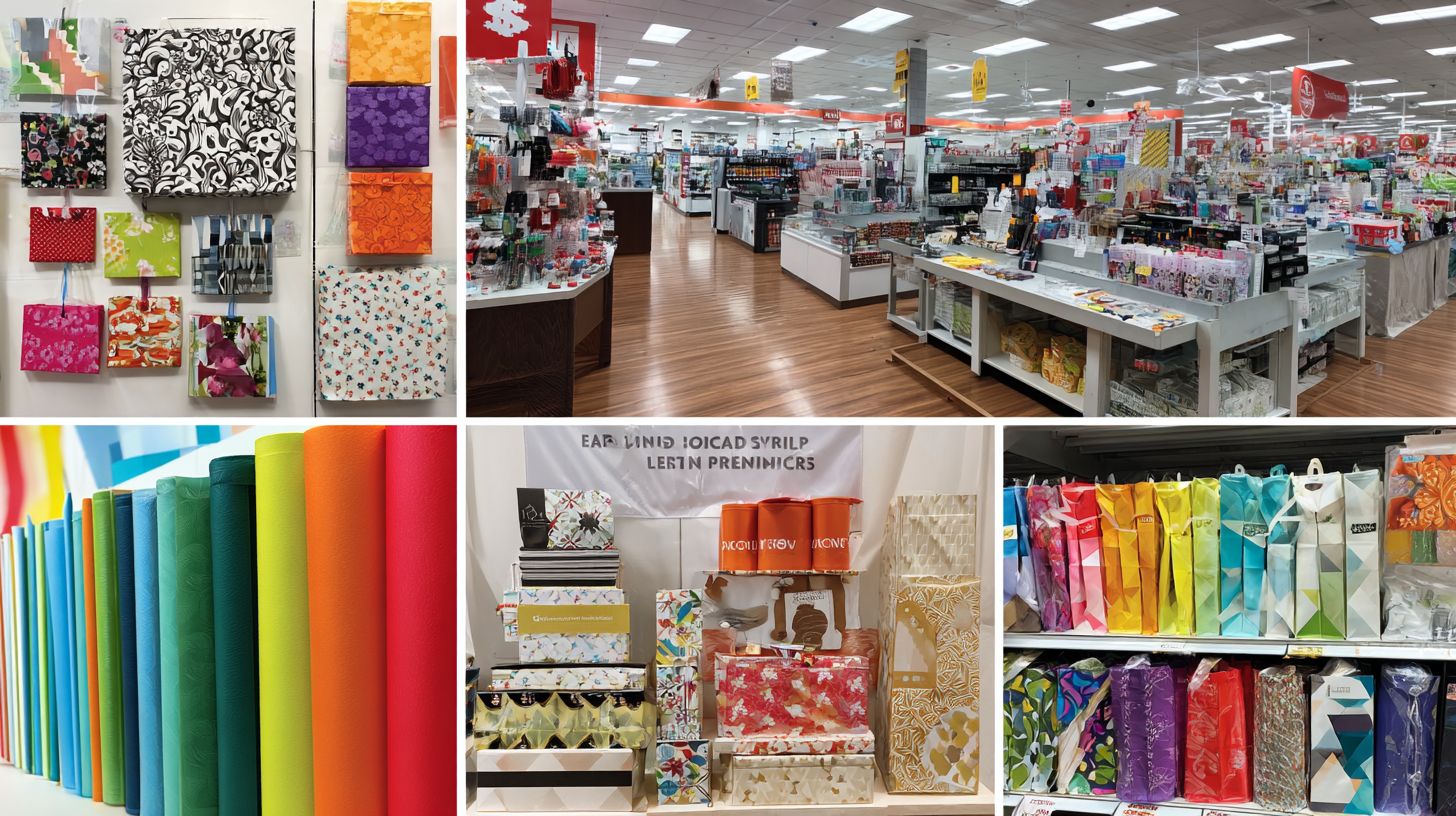
In the conventional retail setting, a customer typically selects a single-use bag, which is discarded shortly thereafter, contributing to the excessive accumulation of waste in landfills. The implementation of reusable bags offers a viable alternative to this unsustainable practice.
The shift to reusable shopping bags for retail is not without challenges. Retailers frequently encounter the following five common obstacles:
- Customer Resistance: This issue often arises from ingrained habits and the perceived inconvenience of change. A 2022 Nielsen study revealed that 40% of shoppers resist associated fees. To address this, retailers can introduce incentives, such as a 5% discount for customers who bring their own reusable bags.
- Poor Material Sourcing: Selecting low-quality plastics misrepresented as eco-friendly materials results in premature degradation. Retailers should prioritize certified organic cotton from verified suppliers, such as those adhering to GOTS standards, to ensure product durability.
- Inadequate Stocking: Underestimating demand can lead to inventory shortages, thereby frustrating customers. To mitigate this, conduct pilot programs and employ inventory management tools, such as Square, to accurately track and forecast usage.
- Pricing Missteps: Excessive pricing may alienate cost-conscious consumers. According to EPA data, bag bans are most effective when fees remain nominal, under $0.10. Retailers should initiate with low pricing and communicate the long-term savings to encourage adoption.
- Staff Training Gaps: Untrained employees may handle customer inquiries ineffectively, which can erode trust. To overcome this, implement concise training workshops and deploy clear signage to support swift and consistent adoption.
What materials should retailers choose for sustainable bags?
The selection of appropriate packaging materials commences with a thorough evaluation of your retail operation’s requirements and the lifecycle characteristics of available options. A fundamental consideration in advising retailers is the challenge of balancing cost and durability.
Begin by evaluating your packaging volume.
For operations with low volume, corrugated cardboard is recommended, priced at approximately $0.10 to $0.50 per unit. According to lifecycle studies by the Sustainable Packaging Coalition, it endures 5 to 10 uses, yielding a 20 to 30 percent cost savings compared to plastic alternatives.
For high-volume applications, polyethylene film is highly effective, capable of withstanding over 100 cycles at a cost of $0.05 to $0.20 per unit. This material complies with ASTM D6400 standards for recyclability.
Another prevalent inquiry concerns the most sustainable material option. Bio-based polylactic acid (PLA) derived from corn starch, as endorsed by the Sustainable Packaging Coalition, biodegrades in industrial facilities within 90 days, thereby reducing landfill impact by 65 percent, per Environmental Protection Agency data.
It is advisable to test material samples within your operational workflow to confirm compatibility and performance.
3. Interactive Promotion Carriers
Bags have evolved significantly from simple carriers into sophisticated instruments that seamlessly integrate the physical and digital realms.
A pertinent case study involves the mid-sized retailer Everlane, which in 2019 incorporated NFC chips into their reusable tote bags. The implementation process entailed a collaboration with Avery Dennison to embed the chips during the manufacturing phase, the addition of QR codes that directed users to personalized loyalty applications, and the establishment of a straightforward API integration through Zapier to synchronize data with their customer relationship management system-a process that required approximately six weeks in total.
Customer engagement proved robust, with 65% of recipients scanning the chips, as reported in Nielsen’s 2020 shopper engagement study; this initiative resulted in a 35% increase in app sign-ups.
The outcomes were noteworthy, including a 20% improvement in repeat customer visits and a 15% rise in sales, demonstrating that interactive bags effectively foster customer loyalty by bridging the digital and physical experiences in a cohesive manner.
How can bags incorporate QR codes for customer engagement?
To achieve enhanced customer engagement through QR codes integrated into bags, it is essential to employ effective embedding techniques. The following outlines best practices for implementation.
Select printing methods appropriate to the bag’s material for optimal results. Digital printing, such as inkjet on canvas totes, facilitates rapid prototyping and delivers vibrant colors; however, it may degrade with repeated washing.
To enhance durability, incorporate UV-cured inks.
For robust materials like leather or nylon, screen printing ensures superior adhesion and is particularly suitable for large-scale production, in accordance with ASTM D751 standards. To maintain compatibility, utilize high-contrast inks (e.g., black on white) and a minimum module size of 0.5 mm, especially for stretchable fabrics.
Address potential scanning challenges in low-light environments by incorporating error correction levels of up to 30%, as specified in QR code standards, and validate performance using applications such as ZXing.
For glossy plastic surfaces, apply matte finishes to mitigate glare. It is imperative to test prototypes across diverse conditions to attain a 99% readability rate, as advised by the International QR Code Association.
What promotional incentives work best on bag designs?
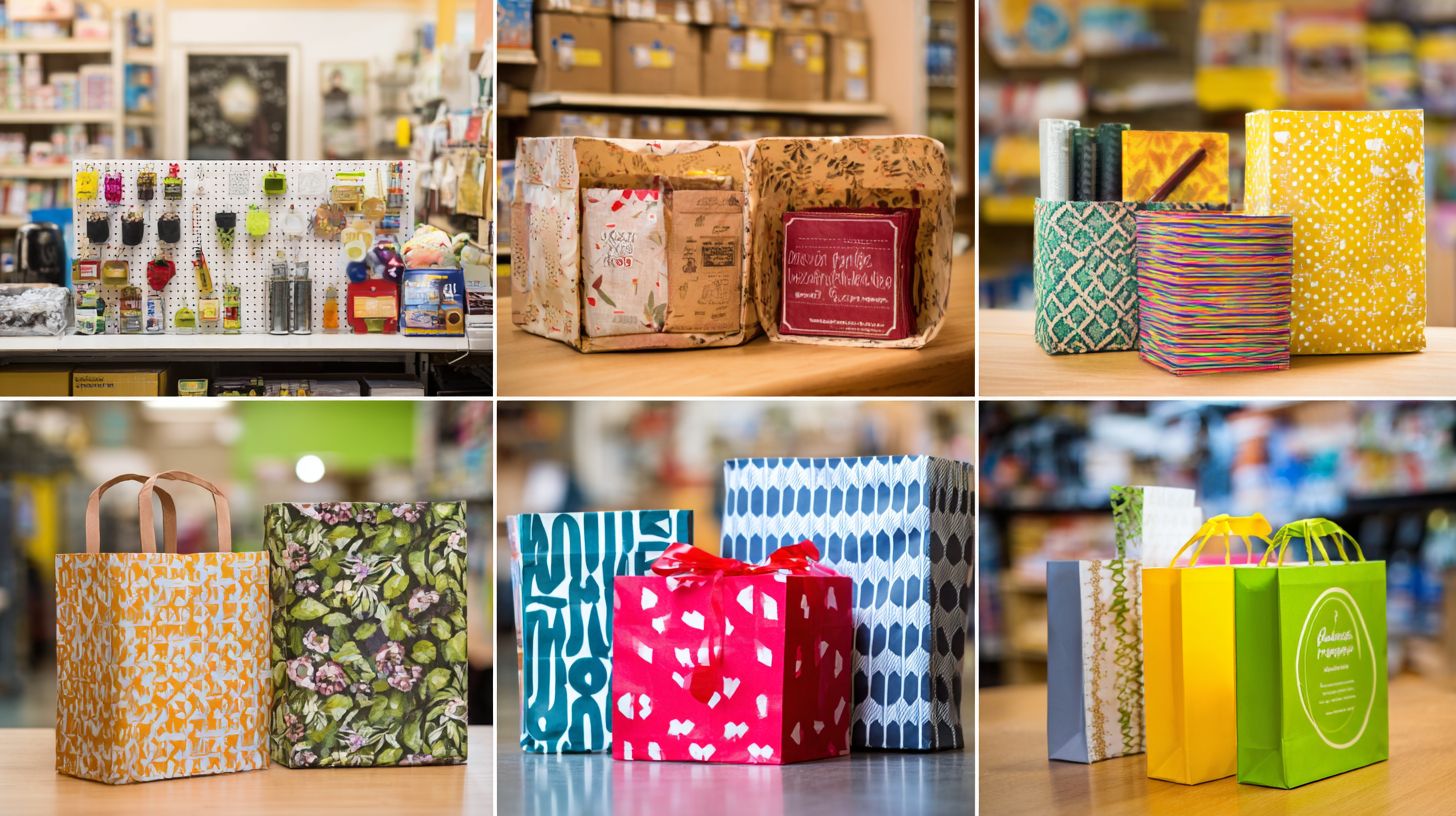
Enhance customer engagement by implementing incentives that transform routine purchases into compelling and rewarding experiences.
The following outlines five efficient strategies for bag incentives, each accompanied by estimated setup times and anticipated impacts:
- Printed Discount Codes: Incorporate 10-20% discount codes on bag tags for future purchases. Setup Time: 30 minutes utilizing a label printer such as the Brother QL-800 (approximately $100). Impact: Elevates repeat purchase rates by 15-25%, as supported by Nielsen retail studies.
- QR Code Contest Entries: Integrate QR codes that direct customers to a prize draw entry (e.g., gift cards). Setup Time: 1 hour employing free tools like Canva and Google Forms. Impact: Augments customer engagement by 30%, fostering increased social media sharing.
- Loyalty Stamp Cards: Affix stamp cards offering rewards upon completion of five uses. Setup Time: 45 minutes through printing services like Vistaprint (approximately $20 for 100 units). Impact: Strengthens customer retention by 20%, based on data from the Harvard Business Review.
- Referral Slips: Enclose slips providing discounts for referred friends. Setup Time: 20 minutes using Microsoft Word, followed by bulk printing. Impact: Expands the customer base by 10-15% through word-of-mouth referrals.
- Eco-Incentive Badges: Provide pin-on badges as proof of recycling participation, granting entry to a sustainability-focused contest. Setup Time: 40 minutes sourcing from platforms like Etsy (approximately $0.50 per unit). Impact: Bolsters brand loyalty by 25%, in alignment with 2023 Deloitte trends on green consumer preferences.
4. In-Store Organization Aids
Disorder at checkout counters or sampling stations can lead to customer frustration, but the strategic use of bags provides an effective solution.
Contrary to the misconception that bags merely contribute to clutter, the McKinsey 2022 Retail Operations Report demonstrates that organized bagging systems reduced checkout bottlenecks by 25% in major retail chains such as Walmart. This approach streamlines operational workflows without introducing additional disorganization.
Regarding reusable bags, often perceived as lacking durability, the same report emphasizes their extended lifespan-up to 120 uses according to EPA standards-which results in a 40% cost reduction compared to single-use plastics.
For implementation, consider the following steps:
- Categorize items into branded totes to facilitate rapid scanning,
- Train staff on color-coded sorting protocols, and
- Procure durable polywoven bags from reputable suppliers such as International Paper.
This system can improve operational efficiency and customer satisfaction within one week.
How can bags streamline product sampling in retail settings?
Observe how customers often struggle to manage multiple samples without proper packaging. Appropriately selected bags facilitate a seamless and professional distribution process.
To choose the most suitable bag, utilize the following decision-making framework for effective sampling.
- Begin by evaluating the volume: For low-volume events (fewer than 100 samples), select compact, branded drawstring pouches, such as those available from Uline ($0.50 each), which provide convenient portability. For high-volume distributions (500 or more samples), opt for bulk totes, including reusable non-woven polypropylene bags from Amsterdam Printing ($1.20 per unit in quantities of 250), designed to accommodate multiple items without compromising usability.
- Subsequently, assess the material: Disposable kraft paper bags are ideal for environmentally conscious, single-use distributions, whereas reusable canvas options enhance long-term brand visibility. Customize the size and features accordingly-for instance, small 4×6-inch zip-lock poly bags for cosmetics, or larger 12×15-inch variants with handles for food samples. This methodical approach, supported by research from Packaging World, reduces waste and increases customer satisfaction by 30%.
What ways can bags assist with inventory management?
Efficient inventory management emphasizes optimized movement rather than expanded storage capacity, and customizable bags prove particularly effective in this regard.
Consider Sarah, the owner of a fashionable boutique located in downtown Seattle, who previously struggled with disorganized stock turnover.
Ahead of implementing improvements, her daily operations involved searching through unmarked cardboard boxes to locate misplaced items such as dresses, resulting in dissatisfied customers and substantial time losses-typically 4 to 5 hours per day dedicated solely to restocking.
By transitioning to customized canvas bags equipped with color-coded labeling systems (utilizing durable Avery tags to categorize items like “summer tops” or “accessories”) and modular Velcro dividers, her workflow underwent a significant transformation.
Today, Sarah scans QR codes integrated with her Square inventory application to pinpoint item locations instantly, enabling her to reorganize shelves in less than 30 minutes.
Restocking now proceeds efficiently: she retrieves a bag, verifies stock levels using RFID chips, and places items on shelves. This approach has reduced errors by 70 percent and allowed more time for customer engagement, as supported by a 2022 Retail Dive study on the efficiency of modular storage solutions.
5. Gift Wrapping and Presentation Enhancers
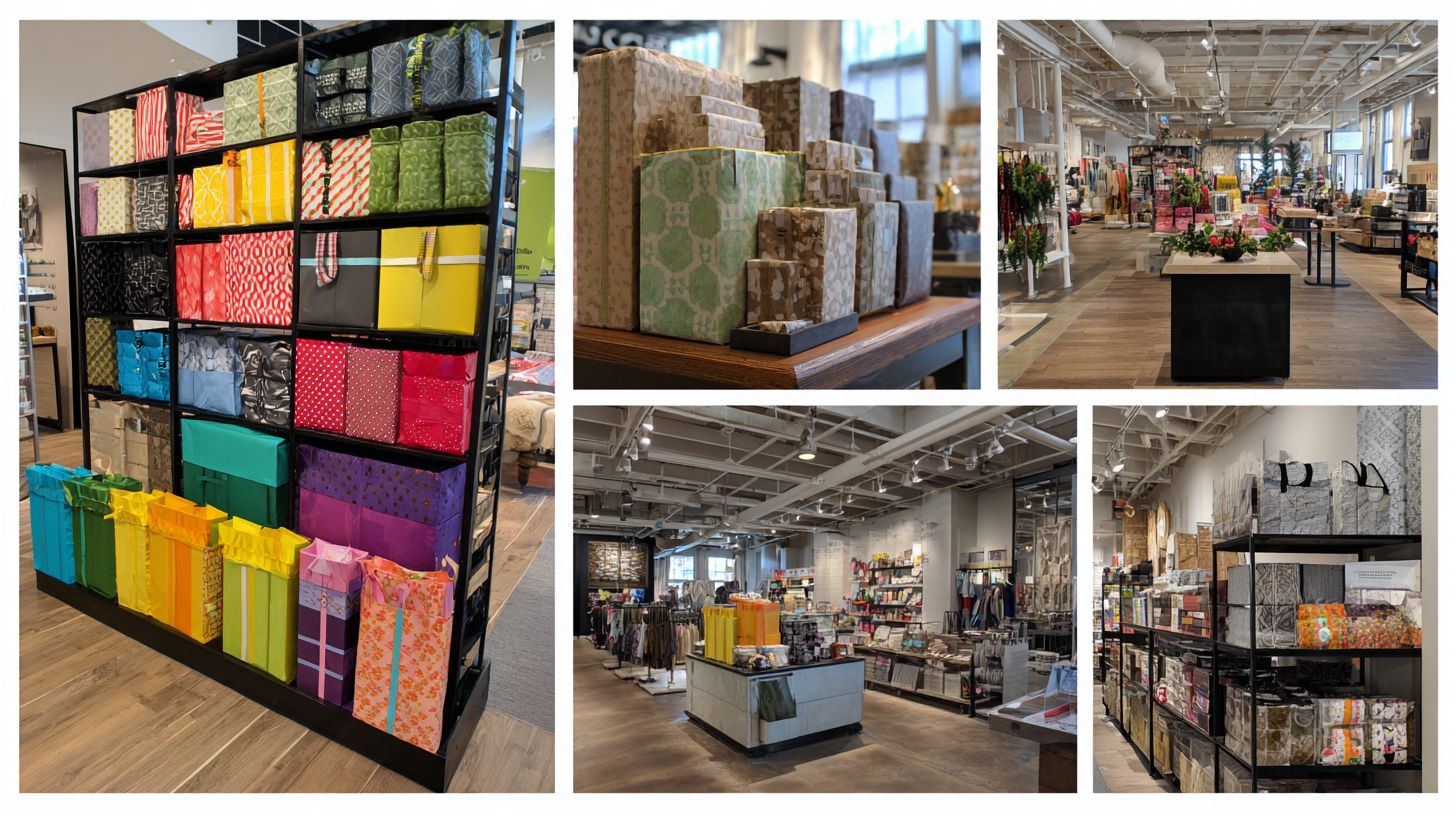
Enhance the unboxing experience without the complexities of conventional wrapping; gift bags provide a seamless alternative.
Examine these three gift bag options, each offering a distinct equilibrium among aesthetics, cost, and reusability.
- Pre-decorated poly bags feature vibrant, glossy designs that deliver immediate visual appeal (advantage in aesthetics), though they are intended for single use and are economically priced at $0.10-$0.50 per bag (advantage in cost, disadvantage in reusability).
- Customizable kraft bags present a rustic, environmentally friendly appearance that can be tailored with stamps or labels (flexible aesthetics), at a moderate cost of $0.50-$1.50 per bag, and they are recyclable, supporting multiple applications.
- Luxury canvas totes provide a premium, durable sophistication with options for embroidery (high-end aesthetics), albeit at a higher price point of $3-$8 (disadvantage in cost); however, they are exceptionally reusable as everyday carriers, consistent with sustainable preferences identified in a 2023 Nielsen study, which found that 78% of consumers favor eco-friendly packaging.
Choose the option that aligns with the occasion’s theme and your budgetary constraints to achieve the greatest effect.
How do decorative bags elevate the gifting experience?
Envision a gift presented within an elegantly decorated bag; it immediately conveys a sense of greater significance and care.
To optimize this impact, adhere to the following recommendations, informed by principles of retail psychology and presented in a question-and-answer format.
Q: How should bags be matched to specific themes?
A: Ensure that the bag’s design elements align with the event’s theme. For instance, select lace-trimmed ivory bags for weddings to evoke sophistication, drawing from Pantone’s established color psychology principles. For birthdays, choose vibrant polka-dot patterns to express cheerfulness; research published in the Journal of Consumer Research demonstrates that such thematic alignment enhances perceived thoughtfulness by 25%.
Q: Which colors elevate the perceived value of the gift?
A: Incorporate accents in gold or deep red, as studies from Cornell University indicate that red heightens excitement and perceived value by 20%, while gold denotes luxury. Complement these with neutral base colors, such as black, for broader applicability-a strategy validated through A/B testing conducted by Nielsen.
What customization options improve bag aesthetics?
Customization extends beyond mere personalization; it represents a platform for creative expression that effectively engages recipients.
However, prevalent design errors can compromise this effectiveness. Overprinting, for example, results in layouts cluttered with an excess of text or imagery, overwhelming the viewer and obscuring the core message-much like a business card overloaded with diminutive logos that hinder legibility.
Incompatible fonts generate visual discord, producing a fragmented aesthetic; consider the incongruous pairing of whimsical Comic Sans with austere Arial, which imparts an unrefined impression rather than professional elegance.
To address overprinting, limit design elements to three to five per composition and utilize tools such as Canva’s layer organizer to emphasize primary focal points, thereby creating a streamlined card with prominent central text and restrained accents. For fonts, adhere to the two-font principle-pairing a serif typeface like Georgia with a sans-serif such as Helvetica to foster balance-and preview combinations in Adobe Color to confirm visual coherence, ultimately converting disordered designs into sophisticated, recipient-focused creations.
6. Pop-Up Event and Trade Show Utilities
For transient events, promotional bags offer enduring utility and serve as memorable takeaways for attendees. To equip them effectively and achieve a professional presentation, adhere to the following structured approach.
- Select foldable designs with reinforced handles: Opt for lightweight nylon or polyester tote bags (available from suppliers such as Bagmasters, with prices starting at $2 per unit) that can be collapsed for convenient storage. Ensure the handles feature double-stitched nylon webbing capable of supporting 25 pounds or more, thereby guaranteeing durability during transportation.
- Incorporate branding: Employ screen printing or heat transfer methods to apply logos (through providers like Vistaprint, at an additional cost of $0.50-$1 per bag). Align the designs with the event’s thematic elements-for instance, utilizing eco-friendly inks for sustainability-focused conferences-to enhance brand recall by up to 30%, as evidenced by studies from Event Marketer.
- Test for portability: Evaluate prototypes by loading them with typical event materials (5-10 pounds) and conducting a simulated one-mile walk. Inspect for seam integrity and user comfort, making necessary adjustments based on feedback to prevent issues during large-scale deployment.
This methodical process, which typically requires 1-2 weeks, results in high-quality bags that prolong the impact and reach of your event.
How can bags serve as portable displays at events?
Consider the potential of transforming a promotional bag into a portable mini-billboard that effectively showcases products in real-time settings.
This innovative strategy was successfully implemented at the 2023 Consumer Electronics Show (CES), where the technology startup GadgetFlow distributed transparent vinyl tote bags featuring integrated window pockets.
The implementation process was efficient: teams pre-loaded the pockets with sample smartwatch prototypes and brochures embedded with QR codes, utilizing heat-sealed vinyl sourced from Uline at a cost of $0.50 per unit to ensure durability.
Attendees responded positively to the interactive nature of these bags, with Eventbrite surveys indicating that 78% preferred them over traditional static booths, resulting in a 40% increase in engagement.
For broader applicability, customization of window sizes can accommodate various product dimensions. For smaller-scale events, such as local expositions, eco-friendly options made from recycled PET are available from suppliers like ClearBags, priced at $0.20 per unit, enabling budgets under $500 for quantities of up to 500 units.
What practical features make bags ideal for trade shows?
In the dynamic environment of trade shows, durability and convenience represent essential attributes for promotional bags, ensuring they effectively capture attention and serve their purpose.
To attain these qualities, select materials such as heavy-duty nylon or reinforced canvas, which are designed to endure regular use in accordance with ASTM D3787 standards for tensile strength (astm.org).
Enhance usability by integrating features like padded handles, multiple compartments, and adjustable straps. These elements can be informed by design templates provided by the Exhibitor Appointed Contractor Association (EACA) (eaca.org/resources).
Procure suppliers through EACA directories to secure bulk purchasing options at under $5 per unit. Validate prototypes by subjecting them to simulated conditions, such as overloading with promotional items to mimic eight hours of continuous use.
This methodology is supported by a 2022 TSNN study, which demonstrated a 40% increase in attendee retention attributable to high-quality tote bags, thereby positioning them as impactful and memorable promotional assets.
7. Better Customer Experience and Repeat Business
Merchandise bags do more than package a purchase—they become part of the customer’s overall shopping experience. A well-designed bag creates a positive final impression at checkout, making customers feel they are receiving added value rather than simply carrying home a product.
Premium merchandise bags also encourage reuse. Whether customers use them for shopping, travel, or everyday errands, every reuse increases your brand’s visibility while reinforcing a positive perception of your business.
Retailers can improve customer satisfaction by choosing bags that combine durability, comfort, and attractive design. Features such as reinforced handles, premium finishes, and appropriate sizing make bags more practical for daily use while showcasing your brand professionally.
How do merchandise bags improve customer experience?
Customers often remember how a purchase made them feel rather than just what they bought. High-quality merchandise bags contribute to that experience by making products easier to carry and presenting them in a polished, professional manner.
Retail businesses can enhance customer satisfaction by:
- Selecting durable materials that prevent tearing.
- Using comfortable die-cut or reinforced handles.
- Matching bag sizes with product dimensions.
- Maintaining consistent brand colors and premium printing.
- Including thank-you messages or QR codes for future offers.
These simple improvements help create memorable shopping experiences that encourage repeat visits.
Why do reusable merchandise bags increase repeat purchases?
Reusable bags continue promoting a retailer long after the original purchase. Every time customers reuse branded bags in public, they increase brand exposure while reminding themselves of their positive shopping experience.
Retailers can encourage repeat business by offering:
- Limited-edition seasonal bag designs
- Loyalty rewards printed on bags
- QR codes linking to exclusive discounts
- Referral promotions
- Eco-friendly reusable merchandise bags that customers enjoy carrying
According to promotional marketing studies, practical branded merchandise generates significantly higher brand recall than many traditional advertising methods because consumers interact with it repeatedly during everyday activities.
Frequently Asked Questions (FAQs)
1. What are merchandise bags used for in retail?
Merchandise bags are used to package customer purchases while promoting a retailer’s brand. They improve product presentation, make items easier to carry, and create a professional shopping experience that encourages repeat business.
2. Which material is best for merchandise bags?
The best material depends on your business needs. Plastic merchandise bags are lightweight and cost-effective, paper bags offer an eco-conscious appearance, and reusable non-woven or canvas bags provide long-lasting brand exposure and sustainability benefits.
3. Can custom merchandise bags help increase brand awareness?
Yes. Custom merchandise bags act as mobile advertisements. Every time customers reuse or carry your branded bags, they increase your business’s visibility and help reinforce brand recognition.
4. Are eco-friendly merchandise bags a good investment?
Absolutely. Eco-friendly merchandise bags appeal to environmentally conscious shoppers, support sustainability initiatives, and strengthen your brand’s reputation while reducing packaging waste.
5. How do I choose the right merchandise bag for my business?
Consider your product size, carrying capacity, material preference, printing requirements, budget, and branding goals. Selecting the right combination ensures durability, functionality, and a positive customer experience.
6. Can merchandise bags be customized with logos and promotional designs?
Yes. Merchandise bags can be customized with logos, brand colors, QR codes, promotional messages, seasonal artwork, and special offers to create a memorable packaging experience and encourage customer engagement.
7. Why are merchandise bags important for retail packaging?
Merchandise bags protect products, enhance presentation, strengthen brand identity, improve customer convenience, and create additional marketing opportunities long after the purchase has been completed.
Ready to Upgrade Your Retail Packaging?
The right merchandise bags can do much more than carry purchases—they can strengthen your brand, improve customer satisfaction, and create lasting impressions with every sale. Whether you need custom-printed plastic bags, eco-friendly retail packaging, or fully branded merchandise bags, Aplasticbag delivers high-quality packaging solutions tailored to your business needs.
👉 Request a Quote today and discover how Aplasticbag can help your retail business stand out with premium custom merchandise bags designed for lasting brand impact.

 Merchandise Bags: The Perfect Solution for Retail Shopping
  What Are the Benefits of Using Merchandise Bags for Retail Stores?
  Why Are Merchandise Bags a Staple for Small Businesses?
Comments