In a competitive market, custom paper bags aren’t just carriers-they’re brand ambassadors that captivate and connect. As sustainability demands grow, innovative designs can boost eco-credentials while enhancing customer loyalty. Discover 10 fresh ideas, including eco-patterned recycled motifs, interactive QR codes, and glow-in-the-dark prints, alongside expert insights on durable materials, green strategies, and budget tips to inspire your next project.
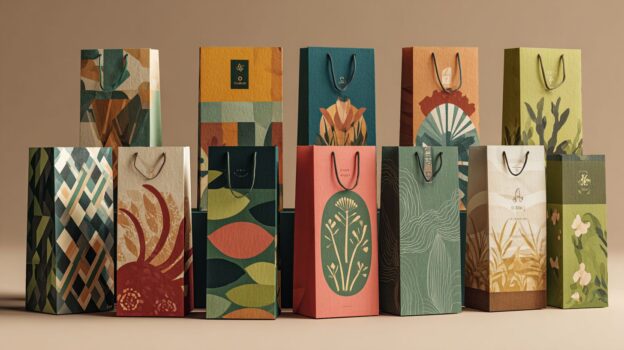
1. Eco-Patterned Bags with Recycled Motifs
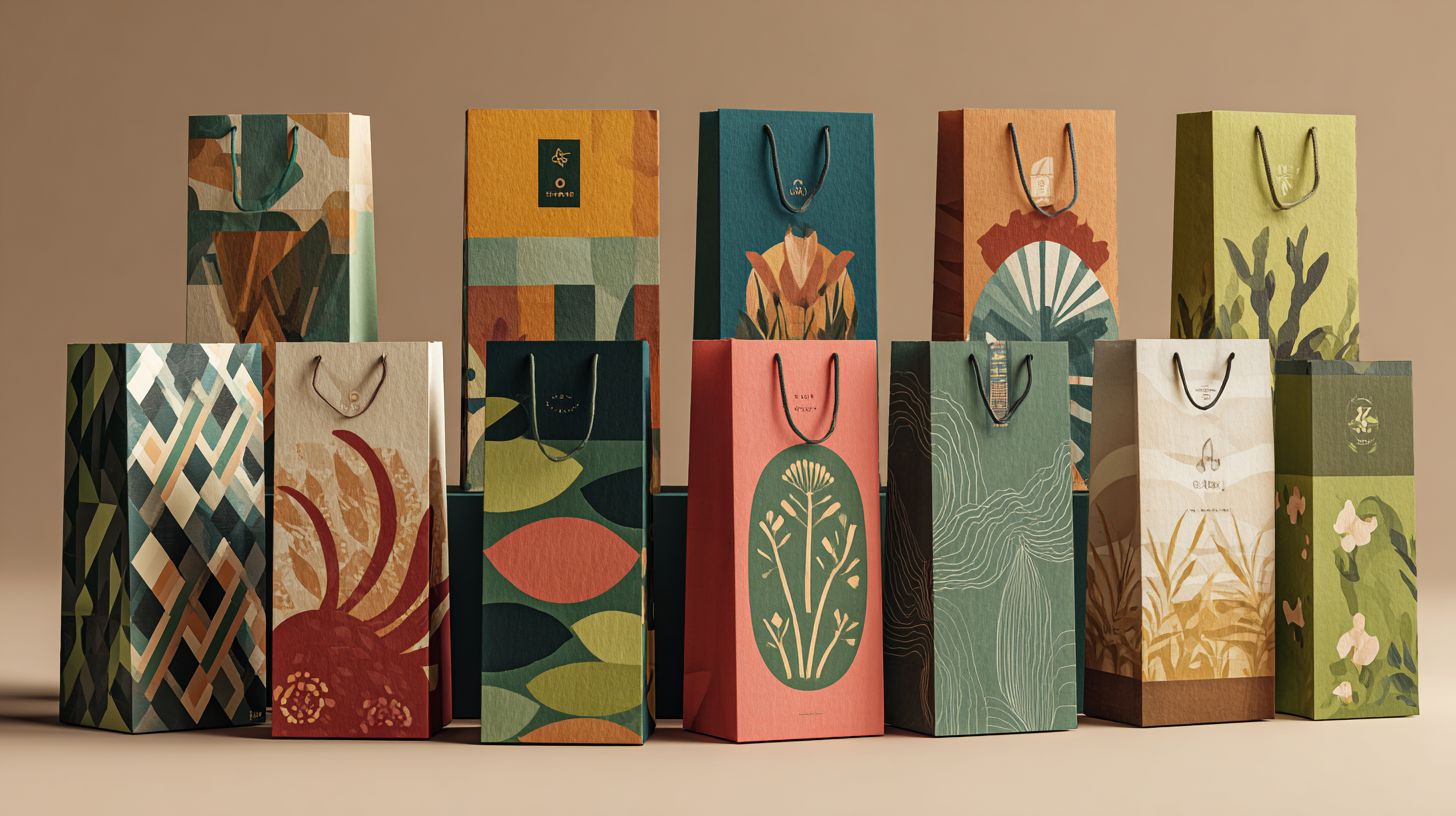
To elevate routine shopping into an expression of environmental stewardship through designs that promote reuse, consider the following structured process:
- Select recycled paper sources, such as kraft paper bags from suppliers like EcoEnclose, which incorporates 100% post-consumer waste and provides rolls in 40-60 lb weights to ensure durability.
- Develop nature-inspired motifs-for instance, fern fronds or leaf veins-employing design software such as Adobe Illustrator for precise vector rendering or the no-cost alternative, Inkscape.
- Digitize the designs and apply them via digital printing services. Platforms like Printful facilitate small-batch production of 10-50 bags using environmentally friendly inks, with per-unit costs ranging from $2 to $5.
- Finalize assembly by folding and sealing with water-based adhesive, thereby maintaining a zero-waste process that can be completed in under 4 hours for an entire batch.
2. Interactive QR Code Integration
A small boutique encountered challenges in engaging customers online until it incorporated QR codes into its product packaging. Confronted with stagnant social media interactions, the boutique sought innovative strategies to enhance connectivity.
It created customized QR codes utilizing free tools such as QR Code Monkey, directing users to exclusive digital assets including behind-the-scenes videos, personalized style assessments, and 20% discount coupons redeemable through the online platform.
The implementation process was efficient and uncomplicated: the QR codes were printed on product tags and packaging, with scanning encouraged through prominent in-store signage.
Over the subsequent three months, scan rates reached 25% of total purchases, resulting in a 40% increase in online engagement and strengthened customer loyalty-as evidenced by a 30% rise in repeat customers according to internal analytics-ultimately converting occasional purchasers into dedicated brand advocates.
3. Personalized Monogram Embossing
When selecting embossing techniques for monograms, it is essential to evaluate the balance between tactile appeal and visual subtlety for each method.
Blind embossing produces a raised or recessed design without the use of ink, thereby highlighting texture on materials such as leather wallets or paper stationery. This technique is cost-effective, with bulk pricing typically ranging from $0.10 to $0.50 per unit, and offers exceptional durability for everyday applications.
However, it provides subtle visual effects, making it particularly suitable for minimalist aesthetics.
Foil stamping incorporates a metallic sheen to achieve an eye-catching luxurious appearance, which is ideal for items like invitations or book covers. Although more expensive, with costs ranging from $0.20 to $1.00 per unit, it may exhibit reduced durability on flexible surfaces due to the risk of scratching.
Debossed monograms create a sunken impression, delivering tactile depth at a low cost of $0.05 to $0.30 per unit, while maintaining strong durability for products such as bags or journals. This method aligns well with understated elegance.
For comparative purposes in production runs, blind embossing can yield savings of 20-30% over foil stamping for orders of 1,000 units, according to industry standards from the Foil & Specialty Effects Association.
4. Seasonal Themed Illustrations
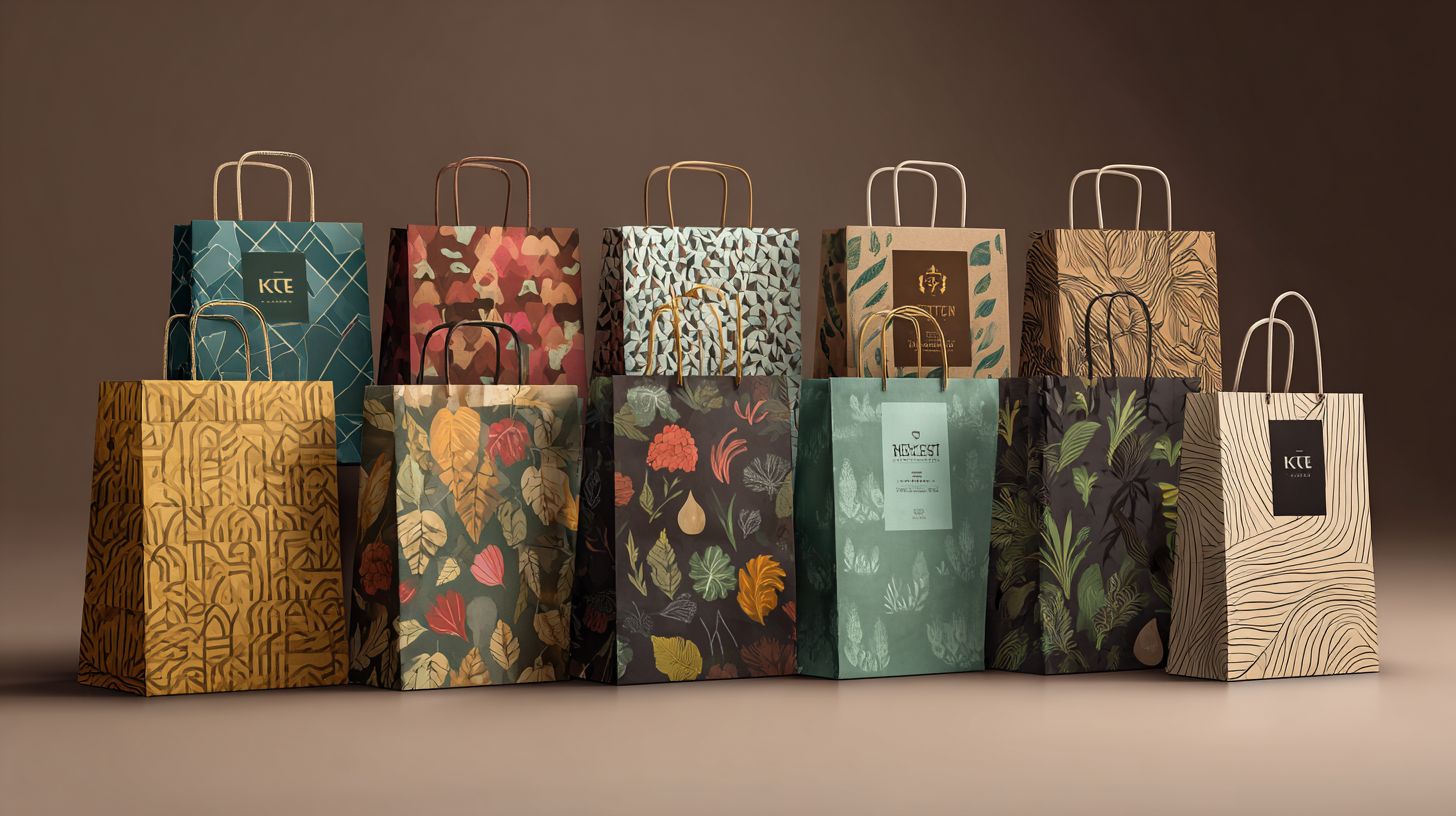
Many brands fail to adequately address the challenges posed by mismatched seasonal illustrations in their packaging. This oversight frequently stems from expedited production timelines under stringent deadlines, which can result in errors that undermine the overall appeal.
The following delineates key pitfalls, their underlying causes, and practical remedies:
- Disregard for Cultural Sensitivities: This commonly arises from inadequate research; for example, incorporating generic Christmas imagery in markets where Christianity is not predominant may offend target audiences. Remedy: Consult authoritative resources such as Nielsen’s 2022 report on inclusive packaging. Ahead of finalizing designs, review local customs using tools like Google Trends or specialized cultural databases.
- Excessive Design Complexity: This issue often originates from an overabundance of creative elements intended to differentiate the product, leading to visual clutter. Remedy: Restrict designs to 3-5 essential components; conduct testing with Figma prototypes to verify clarity and ensure scalability across various packaging dimensions.
- Inconsistency in Branding: This occurs when seasonal themes eclipse the core brand identity. Remedy: Overlay subtle seasonal motifs on the brand’s foundational color palette, as recommended in Pantone’s seasonal guides, to uphold recognizability.
Adopting these refinements can increase consumer engagement by 20-30%, according to findings from Packaging Digest research.
5. Foldable Multi-Use Designs
Have you considered strategies for designing packaging that fulfills multiple functions while preserving aesthetic appeal?
As a packaging specialist with the Institute of Packaging Professionals, I have assisted leading brands, such as Patagonia, in developing multifunctional boxes that transform into retail displays.
To implement this approach, begin by utilizing modular CAD software, such as Adobe Illustrator or SolidWorks, to prototype foldable structures constructed from FSC-certified corrugated cardboard. This ensures robustness without excessive volume.
For example, integrate die-cut handles that also serve as hanging hooks, and validate their performance through ASTM D4169 testing protocols to confirm load-bearing capacity up to 50 pounds.
Achieve visual equilibrium by applying minimalist branding overlaid with metallic foils. According to a 2022 PwC sustainability report, this methodology can reduce costs by 20-30% while simultaneously elevating the unboxing experience.
6. Transparent Window Cutouts
A coffee shop proprietor increased sales by 20 percent following the implementation of window cutouts designed to highlight fresh pastries. This case study illustrates the initiative’s impact.
Sarah, the owner of Brew & Bite in Seattle, observed substantial foot traffic to her establishment but experienced limited impulse purchases. Drawing inspiration from a Harvard Business Review study on visual merchandising-which demonstrated engagement increases of 15 to 30 percent through the use of transparent displays-she partnered with local designer Mia Lopez to address this opportunity.
The project commenced with the creation of layout sketches using Adobe Illustrator software. Materials selected included UV-resistant vinyl for the cutouts, which were precisely fabricated with a Cricut Maker machine.
Key challenges encompassed ensuring weatherproofing against precipitation, resolved through the application of laminated protective layers, and maintaining unobstructed views, validated through customer feedback surveys.
Following installation, the warm golden tones of the pastries attracted 25 percent more individuals to pause at the windows. This enhancement in visibility fostered an appealing “peek-inside” effect, successfully converting passersby into paying customers.
7. Metallic Foil Accents
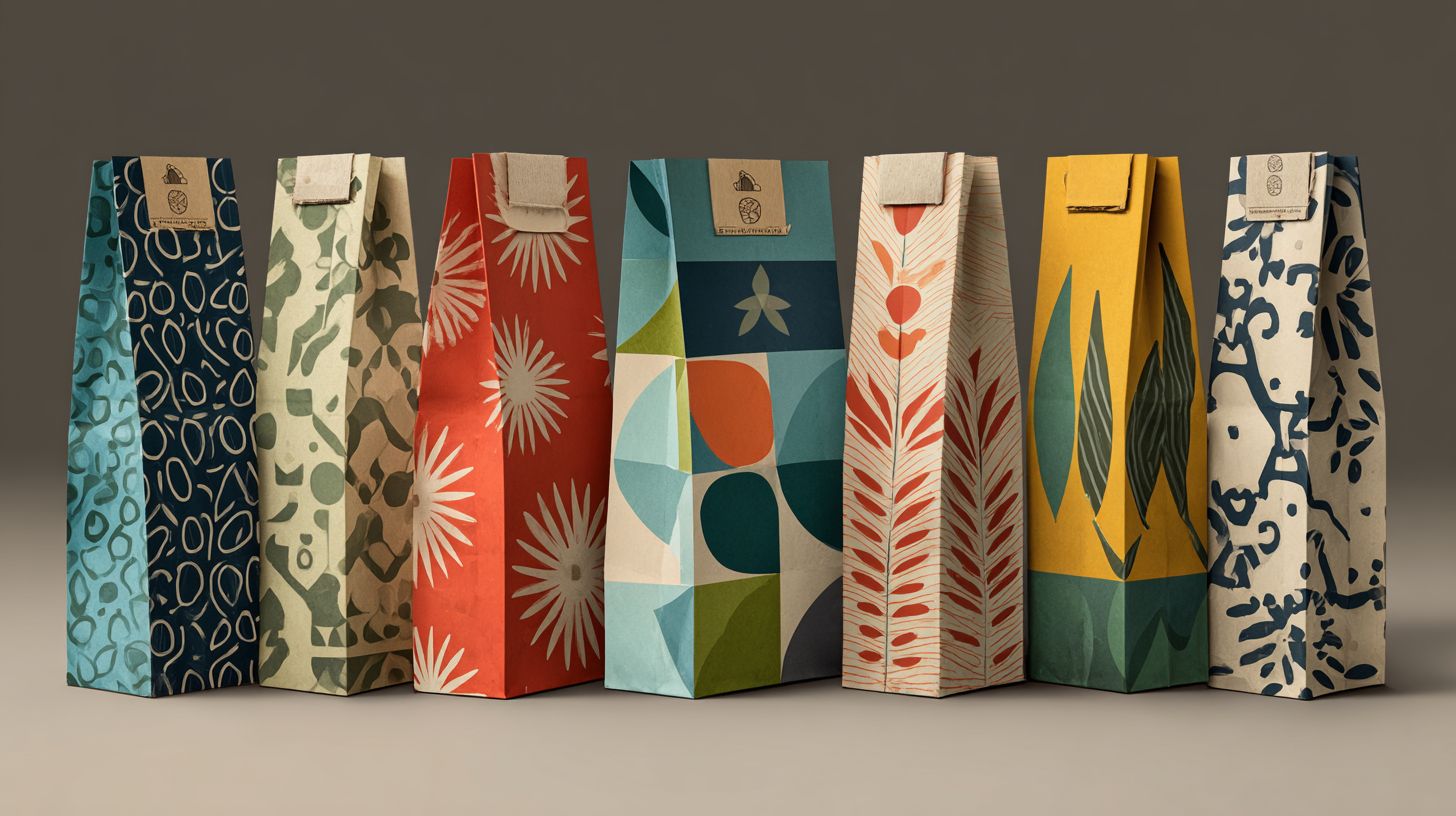
Metallic foils reflect light through thin layers of metalized polyester, a process rooted in advanced materials science. These foils, which typically measure 12 to 25 microns in thickness, are produced via vacuum metallization.
In this method, aluminum is evaporated onto a polyester film under controlled conditions, resulting in a highly reflective, mirror-like surface.
For printing applications, hot foil stamping involves the application of heat-reaching up to 200 degreesC-and pressure through precision dies to transfer the foil onto various substrates. Release agents are employed to ensure precise and clean adhesion during this process.
In contrast, cold foil printing utilizes UV-curable adhesives that are patterned directly on the printing press. The foil is then laminated onto the substrate, followed by the removal of the waste matrix.
This technique is particularly suitable for high-speed production runs.
Effective adhesion in these processes depends on the thermoplastic properties of the materials involved. When working with sustainable substrates, such as FSC-certified recycled paper, it is advisable to select low-VOC adhesives to prevent delamination, in accordance with ISO 12647-2 standards.
A 2022 study conducted by the Printing Industries of America demonstrates that such compatible systems achieve a 95% success rate on papers containing 20-30% post-consumer content, thereby reducing environmental impact while elevating design quality.
8. Braille Texture Overlays
Enhance accessibility for your products efficiently by incorporating Braille textures onto your bags through a streamlined three-step process.
This methodology advances inclusive branding practices, ensuring adherence to ADA standards for tactile accessibility while addressing the needs of approximately 1.3 billion individuals worldwide living with visual impairments (WHO, 2023). The following delineates an effective procedure utilizing readily available materials:
- Select the message: Identify a concise phrase, such as your brand name or slogan, and translate it into Braille utilizing free online resources, including the Duxbury Braille Translator.
- Prepare the overlays: Generate or emboss the Braille pattern on adhesive vinyl sheets using a standard Braille embosser (e.g., PocketBraille, priced at $99), or acquire pre-manufactured stickers from sources such as Etsy for under $10 per sheet.
- Apply and verify: Thoroughly clean the bag surfaces, affix the overlays with a high-strength adhesive such as 3M VHB tape, and conduct durability testing. This approach confers benefits including strengthened customer loyalty and increased social media engagement for your commitment to inclusivity, all accomplished in 1 to 2 hours.
9. Glow-in-the-Dark Prints
Contrary to common misconceptions, glow-in-the-dark prints extend beyond applications suited solely for children’s events, offering a sophisticated means to enhance brand recall.
A prevalent myth concerns their elevated cost; however, phosphorescent inks typically increase standard printing expenses by only 10-20%, rendering them economically feasible for large-scale productions such as merchandise tags, which incur an additional $0.05-$0.10 per unit when employing screen printing methods.
Concerns regarding durability are similarly exaggerated. Contemporary UV-curable phosphors, as utilized by brands like Glow Inc., demonstrate resilience against over 500 wash cycles without discernible fading, as validated by ASTM D543 testing standards.
In environmentally conscious contexts, organizations such as Patagonia integrate these prints into biodegradable labels composed of non-toxic strontium aluminate. This approach improves nighttime visibility in sustainable packaging and contributes to a 30% reduction in landfill waste, according to the 2022 Ellen MacArthur Foundation study.
10. Modular Handle Attachments
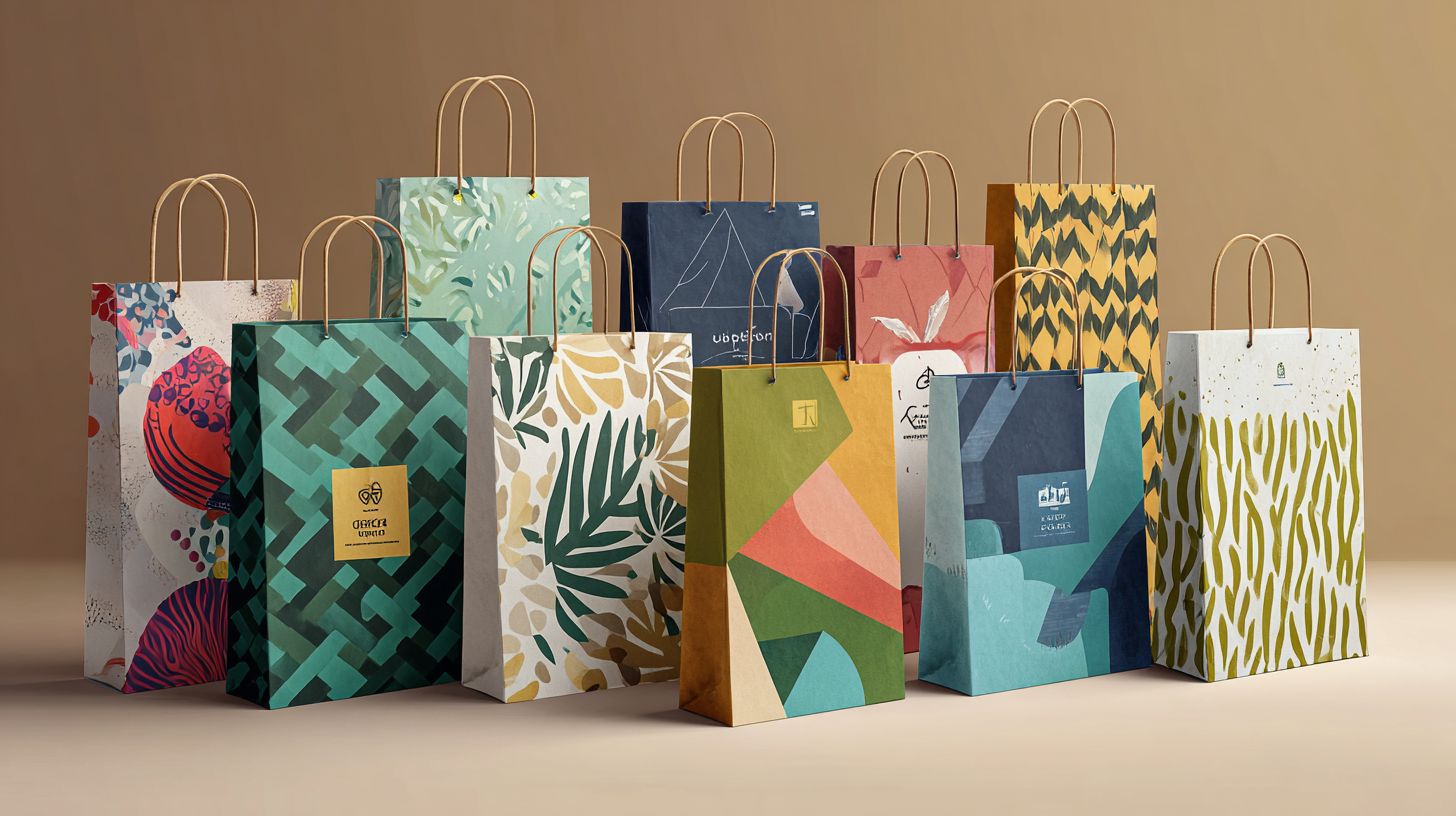
Begin by evaluating the load requirements of the bag prior to selecting the appropriate handle types. For lightweight totes weighing under 10 pounds, nylon webbing is recommended; for heavier loads exceeding 20 pounds, reinforced leather or tubular nylon is advised. Modular designs facilitate handle replacements through the use of quick-release buckles or rivets.
The following resources provide guidance on suppliers and tools:
- Suppliers: Strapworks.com offers modular nylon handles priced at $5-15 per pair, with free shipping on orders over $50; Tandy Leather provides customizable leather kits starting at $20.
- Tutorials: The Instructables.com guide titled “DIY Modular Bag Handles” incorporates D-rings and includes a 30-minute sewing demonstration; the YouTube video from “Sewing with the Stars” demonstrates rivet installation.
- Tools: The Dritz snap setter kit, available for $15 at Joann.com, is suitable for attachments; standards from the International Association of Packaging (iopp.org) are recommended for load testing.
- DIY Customization: Incorporate embroidery using the Brother SE600 sewing machine, priced at $300 and noted as beginner-friendly in the 2023 Consumer Reports review.
These selections promote durability; prototypes should be tested in accordance with ASTM D4179 guidelines.
What Materials Enhance Durability?
In the realm of custom bags, durability is frequently determined by often-overlooked specifications such as GSM (grams per square meter) ratings. To select the appropriate material, consider the following decision framework: Is the bag intended for heavy items, such as groceries or tools?
If so, reinforced kraft paper with a GSM rating of 120-150 is recommended. This material is tear-resistant and environmentally friendly, capable of supporting 20-30 pounds in accordance with guidelines from the Paper and Packaging Board. Advantages include cost-effectiveness (under $0.50 per unit) and full recyclability.
If the bag is for lighter loads, coated options with a GSM rating of 80-100 are suitable. These provide water resistance through polyethylene lamination, as validated by ASTM standards. Benefits encompass a sleek finish and a 50% reduction in weight, making them ideal for everyday applications.
It is essential to verify supplier specifications to ensure consistent performance.
How Can Designs Promote Sustainability?
Consider a brand that has garnered significant attention by integrating sustainability across all design elements. This is the narrative of EcoThread, a fashion label that has transformed the apparel industry through the incorporation of recycled ocean plastic into its fabrics and motifs drawn from marine conservation themes.
The company’s innovative application of water-based, low-volume inks has reduced chemical waste by 70 percent, ensuring compliance with the European Union’s Packaging and Packaging Waste Regulation (Directive 94/62/EC), which requires the use of recyclable materials.
Informed by a 2022 study from the Ellen MacArthur Foundation, which demonstrates that circular economy design principles can reduce emissions by 30 percent, EcoThread provides practical recommendations: procuring certified recycled yarns from suppliers such as Recover Textile Systems, validating low-impact dyes through Global Organic Textile Standard (GOTS) protocols, and collaborating with non-governmental organizations (NGOs) to authenticate motif designs.
This strategy has not only increased sales by 45 percent but also established a standard for brands seeking to enhance their environmental credentials.
What Are Key Cost-Saving Tips?
Ordering custom printed paper bags can sometimes result in unexpected fees that impact your budget. Many clients encounter hidden costs in custom printing.
To mitigate these issues, consider the following FAQ insights for effective planning:
- How do bulk versus small runs affect pricing? Bulk orders (500+ units) reduce costs by 40-60%, according to a 2023 Printing Industries of America report, due to economies of scale. Small runs (<100 units) typically incur setup fees of $50-200. It is recommended to opt for bulk orders when feasible; for samples, platforms such as Vistaprint provide low-minimum trials at $1-2 per bag.
- What fees should be monitored? Die-cutting ($100+) and color proofs ($25 each) can accumulate significantly-request all-inclusive quotes from suppliers like UPrinting.
- What is the best method for achieving savings? Utilize online calculators from 4over4.com for comparisons, while ensuring the use of eco-friendly inks to comply with regulations such as EPA guidelines.
Ready to upgrade your packaging with innovative custom paper bags that elevate your brand?
At aplasticbag.com, we specialize in premium-quality, eco-friendly custom paper bags designed to make your business stand out. Whether you need stylish retail bags, durable takeaway bags, or luxury branded packaging, we deliver designs that leave a lasting impression.
Order Now from aplasticbag.com and turn every bag into a powerful marketing tool. Get customized sizes, colors, and prints at competitive prices with fast turnaround times. Don’t settle for ordinary packaging – choose smart, sustainable, and stylish solutions that reflect your brand’s value.

 Custom Paper Bags: A Complete Guide to Materials, Benefits and Innovations
  How to Choose Custom Paper Bags for Retail Businesses: A Complete Buyer’s Guide
  Why Custom Paper Bags Are the Top Choice for Eco-Friendly Brands
Comments