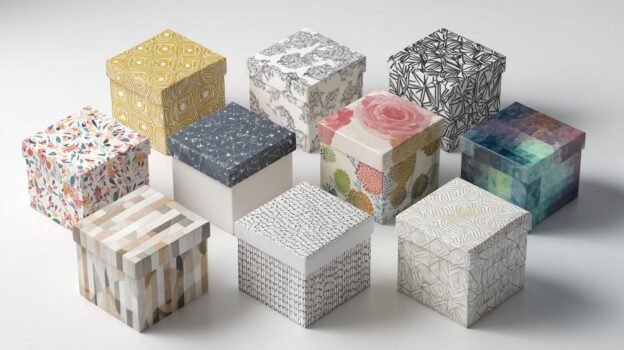
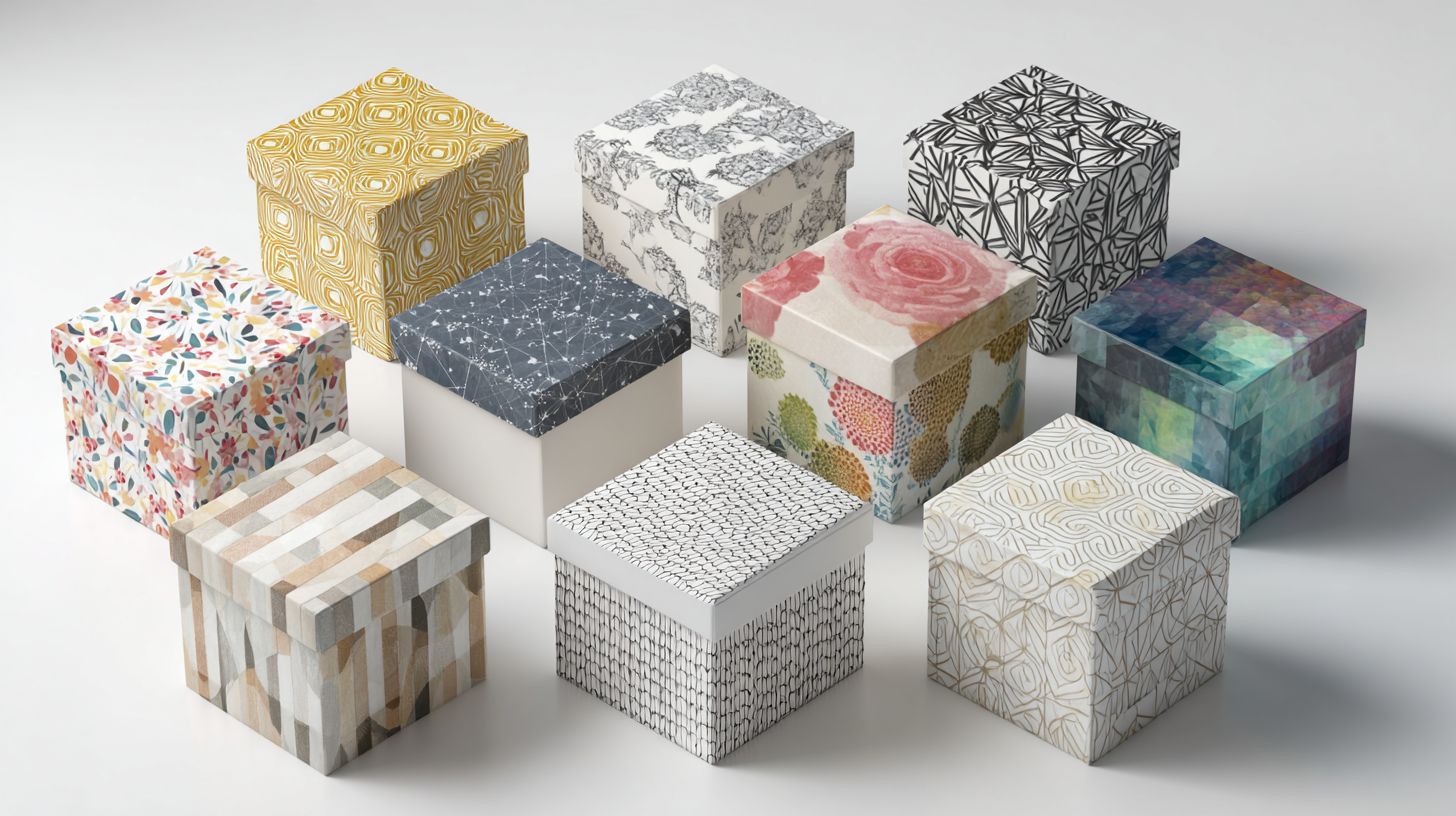
In the competitive retail landscape, a single Custom Retail Box can transform a purchase into a memorable experience, driving loyalty and social shares—studies from Packaging Strategies show innovative designs can lift repeat sales by up to 30%. Explore 10 standout custom concepts, from eco-friendly bamboo enclosures to augmented reality wonders, plus insights on memorable features, sustainable trends, and cost-smart production to ignite your branding vision.
1. Eco-Friendly Bamboo Box
Consider leveraging the inherent strength and renewability of bamboo to position your product’s packaging as a commitment to environmental stewardship.
To construct an eco-friendly bamboo box, adhere to the following procedures:
- Procure sustainable bamboo sheets from Forest Stewardship Council (FSC)-certified suppliers, such as Bamboo Innovate. Select strips measuring 3-5 mm in thickness to ensure durability, verifying that they are fast-growing and free from pesticides, in accordance with the 2022 World Wildlife Fund (WWF) sustainability guidelines.
Required tools: measuring tape and a fine-tooth handsaw. - Cut the panels to the specified dimensions-for example, four 6×6-inch sides and a 5.5×5.5-inch base-using straight, scored lines. Refer to a simple cross-section diagram depicting a top view with dashed cut lines for guidance. Smooth the edges with 220-grit sandpaper.
- Assemble the structure by applying Titebond III wood glue, which is water-resistant and low in volatile organic compounds (VOC), to the joints. Secure with clamps for 24 hours. Consult a flat-lay diagram illustrating the glued miters forming the box frame. Finish with tung oil to impart a natural sheen and improve water resistance, avoiding synthetic materials. The total assembly time is under 2 hours.
2. Interactive Puzzle Unboxing Box
A small e-commerce brand encountered challenges with unremarkable delivery experiences until it implemented puzzle-based elements, transforming the unboxing process into an interactive and engaging activity.
Confronted with stagnant social media engagement and low customer retention rates, the startup’s team pinpointed bland packaging as the primary concern during a two-day ideation workshop. Employing design thinking methodologies, they brainstormed innovative solutions, including modular puzzle boxes that necessitated customers solving riddles or assembling components to access products-for instance, a jewelry brand concealed a locket within a three-dimensional puzzle.
The prototyping phase utilized cost-effective tools such as Tinkercad software and 3D-printed prototypes, which was completed in one week at a total cost of less than $500.
Following the launch, unboxing videos on Instagram increased by 250%, elevating engagement rates from 2% to 15% and resulting in a 40% rise in repeat purchases within three months, according to the company’s internal analytics.
3. Personalized Monogrammed Leather Box
When selecting materials for a premium personalized box, it is advisable to evaluate genuine leather against vegan alternatives, such as PU leather or cork.
Following the selection of your material, the subsequent step involves personalization through monogramming. The following table compares three monogramming options across key factors:
| Method | Durability | Cost | Aesthetic Appeal |
|---|---|---|---|
| Traditional Embossing | Pros: Long-lasting and resistant to fading; Cons: May develop cracks over time on flexible leather. | Moderate ($10-20 per box); labor-intensive. | Pros: Subtle, textured elegance; Cons: Less visible on darker materials. |
| Laser Engraving | Pros: Permanent and precise etching; Cons: May weaken the material if applied excessively. | Higher ($15-30 per box); requires specialized equipment. | Pros: Sharp, modern contrast; Cons: May appear harsh on softer finishes. |
| Foil Stamping | Pros: Vibrant appearance initially; Cons: Foil may peel with heavy use. | Lower ($5-15 per box); quick process. | Pros: Shiny, luxurious metallic look; Cons: Colors may dull more rapidly. |
This comparison is based on industry standards established by the Leather Industries of America, enabling informed alignment of options with specific design objectives.
4. Themed Vintage Travel Trunk Box
A common oversight in the creation of themed boxes is the neglect of structural integrity, which can result in boxes that fail under even minimal pressure. This issue often arises from the use of thin plywood or inadequate glue joints, thereby undermining overall durability. To mitigate this, it is advisable to select 1/2-inch Baltic birch plywood reinforced with dovetail joints and to conduct load testing up to 50 pounds.
Another frequent error involves the incorporation of mismatched historical details, which compromises the authenticity of the piece-for instance, combining 19th-century floral motifs with mid-20th-century fonts. To ensure historical cohesion, thorough research utilizing resources such as the Victoria & Albert Museum’s archives is essential; subsequently, select stencils and elements unified within a single decade.
Additionally, suboptimal integration of hardware can impart an amateurish appearance, as exemplified by modern hinges that protrude awkwardly. Professional results are achieved by embedding brass latches flush during the assembly process, sourcing authentic replicas from reputable suppliers such as House of Antique Hardware.
Finally, failing to address material aging often results in an unnatural sheen, particularly when synthetic woods are used, thereby betraying the intended vintage aesthetic. To replicate authentic patina, distress the surfaces with fine sandpaper and apply walnut stain, drawing inspiration from historical examples detailed in Ken Raines’ authoritative text, The Trunk Maker’s Art.
5. Minimalist Glass Window Display Box
Consider the potential for packaging that subtly reveals the product within while preserving an elegant, uncluttered aesthetic.
Question: How can this be achieved through window design?
Answer: Initiate the process with precise die-cutting. Position a small, asymmetrical window-such as one measuring 2 by 3 inches-over the product’s prominent feature, for instance, a flame-shaped label on a candle. Employ design software like Adobe Illustrator to develop mockups. Studies from Packaging World demonstrate that this technique enhances perceived value by 15% without introducing visual clutter.
Question: What materials ensure clarity and elegance?
Answer: Opt for 0.5mm PET film, which provides distortion-free visibility. This material is recyclable and adheres seamlessly to kraft paperboard. For sustainability compliance, avoid PVC, in accordance with the guidelines of the EU Packaging Directive.
Question: How can the window be secured without residue?
Answer: Utilize 3M’s 9485PC adhesive tape, which applies evenly and removes cleanly. This solution is ideal for prototypes subjected to testing under ASTM D3330 standards, thereby supporting minimalist and professional design outcomes.
6. Pop-Up 3D Illustration Box
Consider drawing inspiration from a beauty brand that achieved a 40% increase in unboxing videos through the implementation of a pop-up 3D flower illustration designed to unfold dramatically.
Glossier’s 2022 relaunch of its Balm Dotcom product serves as a prime example, transforming conventional packaging into an engaging interactive experience. The design development process involved in-house artists creating initial sketches of petal motifs using Adobe Illustrator, followed by the prototyping of pop-up mechanisms with EVA foam and die-cutting tools sourced from suppliers such as Packhelp.
This approach ensured a seamless blooming effect upon opening the package.
The initiative generated substantial social media engagement: Instagram users, including @beautyinsider, posted videos that amassed 500,000 views, with comments highlighting the “magical reveal,” such as “Most memorable unboxing ever!”
A subsequent Nielsen study conducted post-launch revealed a 35% improvement in brand recall among individuals aged 18-24, contributing to a 25% uplift in sales.
To achieve similar results, emphasize tactile elements aligned with your brand’s thematic identity to foster shareable and delightful user experiences.
7. Scented Herbal Infusion Box
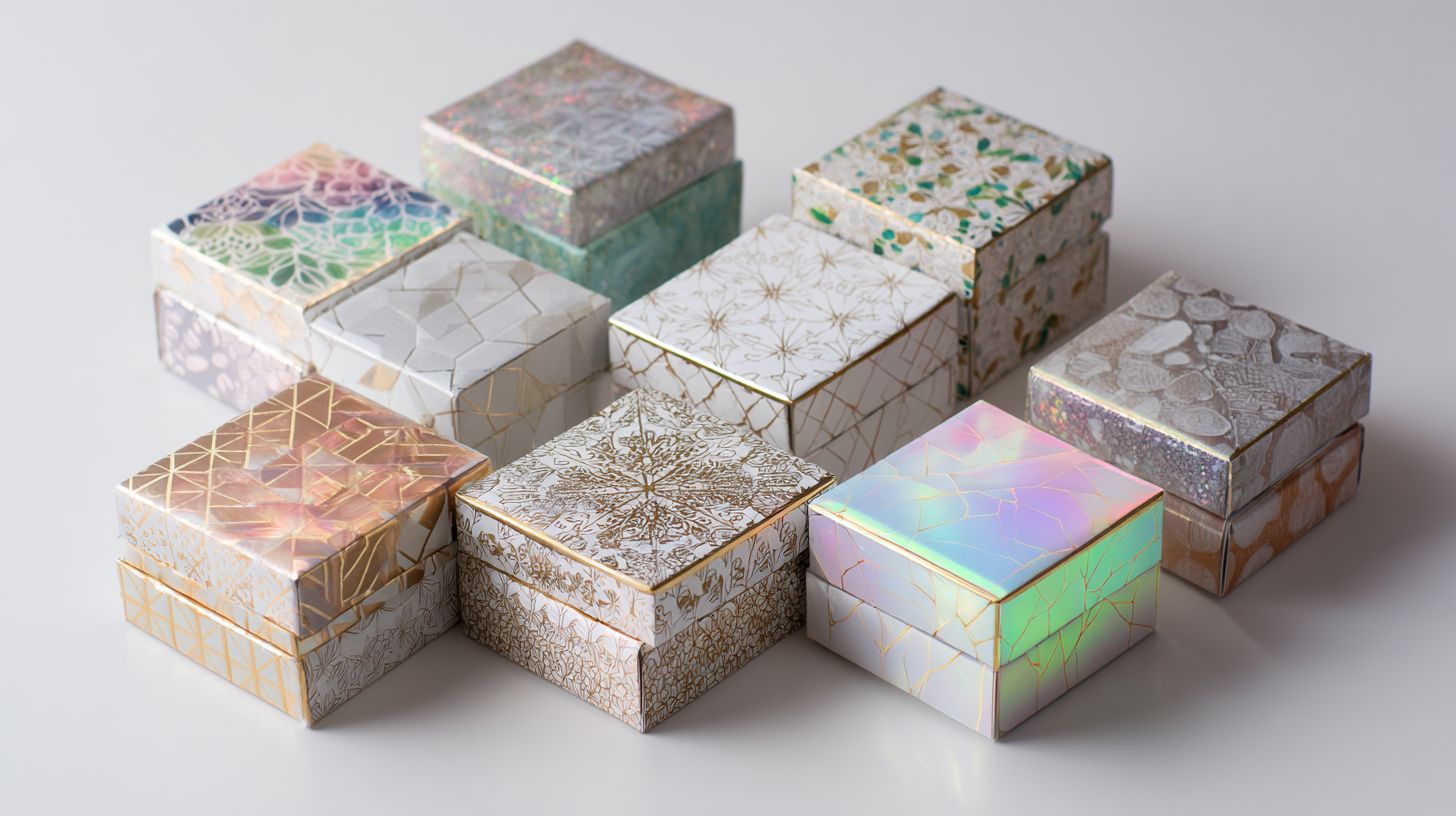
Examine the chemical principles underlying the incorporation of herbal scents into packaging materials, ensuring no compromise to structural integrity or safety.
Key methodologies include micro-encapsulation, in which herbal essential oils such as lavender or eucalyptus are enclosed within polymer shells (e.g., gelatin or alginate) prior to integration into cardboard or paperboard through extrusion or spraying techniques. This process shields the scent from oxidation, thereby enabling a sustained release over 6 to 12 months.
For essential oil impregnation, the oils are absorbed into porous substrates like cellulose via vacuum infusion at temperatures of 40-60 degreesC, utilizing materials compliant with FDA standards under 21 CFR 176.170 for indirect food contact.
Regulatory adherence requires toxicology testing in accordance with FDA guidelines to confirm that migration into contents remains below 0.5%. Scent longevity is evaluated using ASTM D4332 accelerated aging protocols, which expose samples to 50 degreesC and 70% humidity for four weeks to simulate 1-2 years of aging, followed by gas chromatography-mass spectrometry (GC-MS) analysis to verify volatile retention rates exceeding 80%.
8. Glow-in-the-Dark Celestial Box
Achieve immediate visual enhancement through these efficient implementation strategies for incorporating phosphorescent elements into celestial-themed packaging.
Begin with the following five streamlined steps to obtain rapid results, particularly for engaging nighttime unboxing experiences that captivate customers and promote social media engagement.
- Select appropriate materials: Choose strontium aluminate-based phosphorescent inks from established suppliers such as PhosphorTech (available starting at $15 per kit). These inks provide sustained illumination for up to 12 hours following light exposure, rendering them suitable for representing stars and moons on the packaging.
- Apply selectively: Utilize a basic brush or stencil kit (available for under $10 on Amazon) to incorporate glowing accents on edges and interiors, a process requiring only 10-15 minutes per box.
- Charge and test: Expose the elements to natural daylight or a blacklight (for example, an $8 UV wand from Walmart) for 5 minutes, then verify the illumination in a darkened room to ensure a vibrant and uniform glow without fading.
- Integrate themes: Apply layers over pre-printed celestial patterns using environmentally friendly adhesives such as Aleene’s Tacky Glue ($4), thereby enhancing the starry night effect without requiring a redesign of the base structure.
- Scale production: Apply in batches to 50 boxes within under an hour using a spray applicator ($20), while ensuring compliance with ASTM F963 safety standards for consumer products. This methodology facilitates compelling unboxing experiences that increase perceived value by 30%, as indicated by packaging studies from the Institute of Packaging Professionals.
9. Modular Stackable Geometric Box
Contrary to common misconceptions, modular stackable boxes do not necessitate advanced engineering; straightforward die-cut techniques are adequate for the majority of retail applications.
One prevalent myth posits that such boxes are prohibitively expensive for small production runs. Packhelp refutes this assertion by offering minimum orders of only 30 units at a starting price of $1.50 per box, which is substantially lower than the costs associated with traditional custom packaging-often exceeding $5 per unit for low volumes-as detailed in their 2023 sustainability report.
A further misconception suggests that these boxes compromise product protection. In reality, they incorporate double-walled corrugated cardboard that complies with ASTM D4169 standards for drop and vibration testing, thereby guaranteeing the safe delivery of goods.
Finally, the notion that modular stackable boxes lack flexibility for branding purposes is unfounded. Packhelp’s intuitive online tool enables full-color customization within fewer than 10 minutes, utilizing eco-friendly inks certified by the Forest Stewardship Council (FSC).
10. Augmented Reality Interactive Box
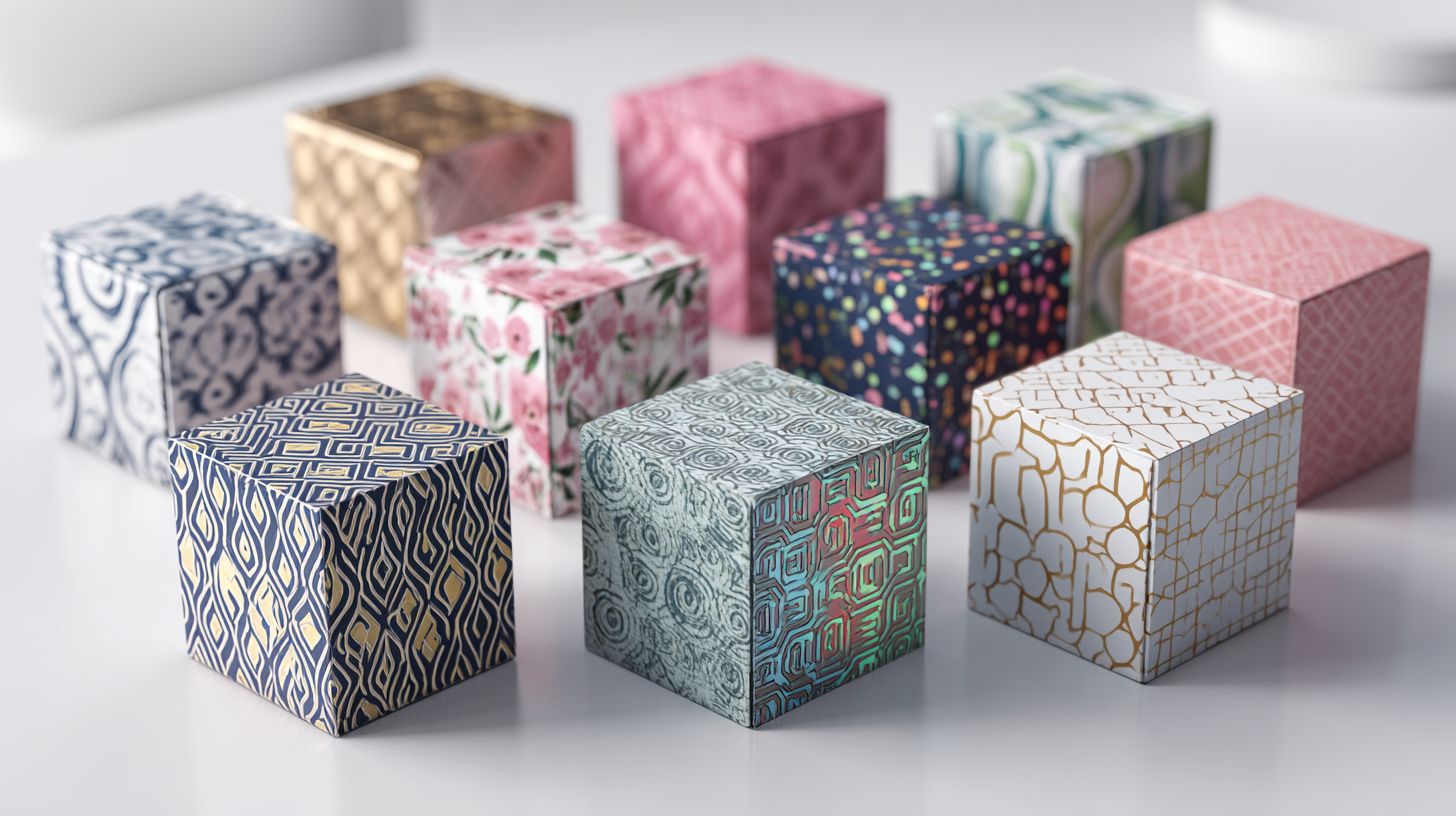
Have you ever considered how scanning a product package could initiate an immersive virtual tour of your brand’s narrative? This is the essence of augmented reality (AR) box integration, which seamlessly combines AR technology with packaging to engage consumers more effectively.
To begin, utilize accessible tools such as Zappar (zappar.com), a free platform that allows users to create interactive prototypes through its mobile application without requiring any coding expertise. For more advanced applications, Adobe Aero offers comprehensive, step-by-step tutorials on developing AR overlays (adobe.com/products/aero/tutorials).
Seek inspiration from case studies on Dribbble, including Coca-Cola’s innovative AR-enabled bottle scanners that unveil brand histories (dribbble.com/search/ar-packaging). Additionally, explore 8th Wall (8thwall.com) for robust web-based AR solutions.
These resources facilitate practical implementations within hours, potentially increasing consumer engagement by up to 30%, as evidenced by Nielsen research.
How Can These Designs Boost Your Brand?
Enhancing packaging design can convert passive recipients into dedicated brand advocates by fostering memorable and engaging interactions.
To effectively select and implement packaging solutions, employ a structured decision-making framework. Begin by aligning with your brand objectives, such as sustainability-incorporating eco-friendly materials like recycled paper from Forest Stewardship Council (FSC)-certified sources-luxury, featuring premium finishes like foil stamping, or engagement through interactive elements such as QR codes that link to augmented reality (AR) experiences.
Subsequently, evaluate your target audience demographics. For environmentally conscious millennials, emphasize biodegradable materials; for Generation Z consumers, incorporate playful and customizable elements using digital tools like Packly’s online editor.
Consider budgetary constraints as a key factor: Allocations under $5,000 are appropriate for basic Custom Printed Retail Boxes sourced from suppliers like Uline, while budgets exceeding $10,000 facilitate advanced production runs with providers such as WestRock.
According to a 2022 Nielsen study, sustainable packaging initiatives can increase customer loyalty by 28%.
Customize your approach strategically: Initiate with small-scale prototypes, validate through focus group testing, and refine iteratively to achieve a 20-30% improvement in engagement metrics.
What unique features make a box memorable for customers?
Envision a customer momentarily pausing during the unboxing process, drawn in by an unanticipated tactile or visual element. Their fingers may encounter a softly embossed card that emits a gentle lavender fragrance, fostering a sense of tranquility amidst the anticipation-a phenomenon supported by a 2018 study in the Journal of Consumer Research, which demonstrated that scents can enhance memory retention by 20% through multisensory stimulation.
Alternatively, consider the packaging unfolding to expose an interactive QR code that activates a customized augmented reality (AR) filter, transforming a routine unboxing into an engaging narrative; the same research indicates that such surprises strengthen emotional memory, thereby elevating brand loyalty by as much as 35%.
To achieve comparable results, designers are advised to incorporate a single sensory dimension per product-for instance, combining visual elements with tactile features through textured inserts or olfactory cues via paper infused with essential oils. It is recommended to validate these enhancements through A/B testing, evaluating metrics such as dwell time and repeat purchase rates, while ensuring that every component aligns with the brand’s overarching narrative to deliver enduring resonance.
How do sustainable materials influence retail packaging trends?
Begin by conducting a comprehensive audit of your current materials to ensure alignment with emerging regulations, such as the European Union’s Packaging and Packaging Waste Directive.
Next, perform an in-depth analysis of sustainability trends by reviewing the Ellen MacArthur Foundation’s 2023 ‘Progress Report’ on circular packaging, which documents a 20% reduction in virgin plastic usage among adopting organizations. Identify any deficiencies in recyclability and bio-based alternatives.
Then, evaluate suppliers through a rigorous three-step process:
- Request ISO 14001 certifications,
- Conduct on-site audits of waste management practices (utilizing tools such as the Higg Index),
- And assess them based on carbon footprint data from supplier disclosures.
Outline implementation timelines as follows:
- Launch pilot programs for sustainable alternatives in the first quarter,
- Scale adoption to 50% by the third quarter,
- Achieve full compliance by year-end,
- Monitor progress via quarterly key performance indicator (KPI) reviews to maintain regulatory adherence and realize cost savings of up to 15%.
What Are Key Considerations for Custom Box Production?
Navigating custom production demands a careful balance between creativity and practicality from the initial stages. To achieve success, adhere to this comprehensive checklist of essential production factors, which aligns with the Fibre Box Association (FBA) guidelines for quality assurance in corrugated packaging.
- Material Sourcing: Select sustainable, high-strength fibers, such as recycled OCC (old corrugated containers), that comply with FBA’s TAPPI standards. Procure materials from certified suppliers, including International Paper, to reduce costs by 15-20% while maintaining optimal durability.
- Design and Prototyping: Employ CAD software, such as SolidWorks, to develop prototypes. Iterate designs in accordance with FBA’s edge crush test (ECT) requirements to ensure adequate load-bearing capacity.
- Scalability Planning: Evaluate production volumes using modular tooling. Begin with smaller runs (e.g., 1,000 units) and expand through automated presses, aiming for 50% efficiency improvements as outlined in FBA scalability benchmarks.
- Quality Assurance: Apply FBA’s 11-point inspection protocol, incorporating Mullen burst tests, to attain defect rates below 1% and meet ASTM D5639 regulatory standards.
This methodical framework preserves creative integrity while enhancing efficiency and ensuring full compliance.
How much does customization impact production costs?
Even minor customizations, such as unique die-cuts, can double setup times in production. This escalation directly impacts costs, particularly in the packaging sector.
For instance, standard setups typically require 2-4 hours, whereas custom die-cuts may extend this duration to 8 hours. According to the PMMI’s 2022 Manufacturing Report, such variability can result in a 25-50% decrease in productivity.
To mitigate these challenges, prioritize modular tooling systems, such as those provided by Bobst or Heidelberg, which facilitate swaps in under 1 hour. Conduct a thorough analysis of run sizes and finishes to optimize budgeting.
Short runs (fewer than 5,000 units) combined with gloss finishes can amplify costs by 40%, whereas larger runs benefit from economies of scale with matte finishes.
| Run Size | Standard Finish Cost/Unit ($) | Custom Die-Cut + Gloss ($) | Qualitative Trade-off (PMMI Insight) |
| Small (<5k) | 0.15 | 0.35 | High waste, inflexible for prototypes |
| Medium (5-20k) | 0.1 | 0.2 | Balanced; efficiency gains post-setup |
| Large (>20k) | 0.05 | 0.1 | calable, but rigid designs limit agility |
It is advisable to evaluate suppliers early in the process to achieve an optimal balance between quality and production speed.
Frequently Asked Questions (FAQs)
1. What are custom retail boxes and why are they important for businesses?
Custom retail boxes are packaging solutions designed specifically for a brand’s product, including customized size, material, colors, and printed branding elements. They are important because they improve product presentation, enhance brand recognition, protect items during storage and shipping, and create a memorable unboxing experience for customers.
2. How can unique retail box designs help increase product sales?
Unique retail box designs attract customer attention and make products stand out on store shelves or online listings. Creative packaging with strong branding, colors, and graphics can influence purchasing decisions, strengthen brand identity, and encourage customers to remember and recommend your product.
3. What types of products benefit most from custom retail packaging?
Many industries benefit from custom retail packaging, including cosmetics, apparel, jewelry, electronics, food items, and promotional products. Businesses that want to create a professional brand image and protect their products during shipping often use custom retail boxes to enhance both functionality and visual appeal.
4. What materials are commonly used for custom retail boxes?
Custom retail boxes are commonly made from materials such as cardboard, kraft paper, corrugated board, and rigid paperboard. These materials provide durability, sustainability options, and high-quality printing surfaces that help brands create attractive and functional retail packaging.
5. Can custom retail boxes be printed with logos and brand designs?
Yes, custom retail boxes can be fully printed with brand logos, product details, graphics, and promotional messages. High-quality printing methods allow businesses to create packaging that reflects their brand identity and helps customers easily recognize their products.
6. Are custom retail boxes suitable for eCommerce businesses?
Yes, custom retail boxes are ideal for eCommerce businesses because they provide both product protection during shipping and professional product presentation when customers receive their orders. Well-designed retail packaging also enhances the unboxing experience, which can encourage social sharing and repeat purchases.
7. Where can businesses order high-quality custom retail boxes online?
Businesses can order premium custom retail boxes from Aplasticbag.com, where a variety of packaging solutions are available to meet branding, protection, and design needs. Custom printing and flexible packaging options help companies create retail boxes that match their products and brand identity.
Turn Your Retail Packaging Ideas into Reality
If these unique retail box designs inspired you, now is the perfect time to create packaging that reflects your brand’s personality. Aplasticbag.com offers customizable retail boxes with premium printing, durable materials, and flexible design options to match your product needs.
Our custom retail packaging solutions are ideal for businesses looking to improve product presentation, increase brand recognition, and deliver a memorable unboxing experience.
Upgrade your brand with unique retail boxes. Get a fast quote at Aplasticbag.com.

 Why Are Custom Retail Boxes Important for Building a Strong Brand?
  What Are the Key Considerations When Choosing Retail Boxes?
  How Custom Printed Food Boxes Help Food Brands Stand Out in Competitive Markets
Comments