
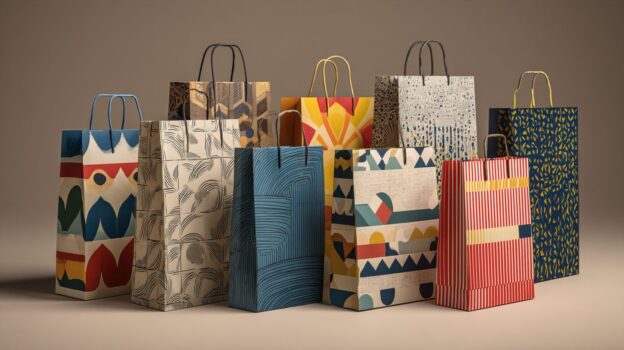
In a retail landscape where first impressions drive loyalty, custom shopping bags have evolved from mere carriers to powerful branding tools. With sustainability demands rising-backed by a 2023 Nielsen study showing 78% of consumers favoring eco-conscious brands-innovative designs can captivate and convert. Discover 12 cutting-edge approaches, from QR codes and AR integrations to solar-powered accents, plus tips on sustainable prototyping and cost-effective innovation to elevate your strategy.
1. Incorporate Interactive QR Codes
Envision a custom plastic shopping bag that activates through a simple scan, directly connecting customers to your brand’s narrative.
- To implement this interactive element, begin by choosing a dependable QR code generator, such as QR Code Monkey (offering basic features at no cost) or Beaconstac ($5 per month, which includes tracking analytics).
- Create the QR code by incorporating dynamic links-for instance, a promotional URL providing a 20% discount or an augmented reality (AR) experience through Zappar for virtual product demonstrations.
- Incorporate the code into your bag’s design using vector files in SVG format, ensuring it is printed at a minimum size of 2×2 cm to facilitate optimal scanning, in accordance with ISO/IEC 18004 standards.
Evaluate the scannability on various fabrics, such as canvas or nylon, using multiple smartphone cameras under diverse lighting conditions; success rates may fall below 90% on textured surfaces.
Be vigilant for issues like inadequate contrast on colored backgrounds-recommend employing high-contrast white-on-black printing to mitigate failure rates of up to 50%, as evidenced in a 2022 Nielsen study on mobile scanning.
2. Use Eco-Friendly Upcycled Materials
Transforming textile waste into custom bags offers a substantial opportunity to minimize contributions to landfills while attracting environmentally conscious consumers.
For a small bag-making enterprise such as EcoThreads, escalating material costs and increasing regulatory pressure from initiatives like the European Union’s Circular Economy Package presented significant challenges.
Confronted with annual cost increases of 30 percent, the company shifted its strategy to procure upcycled fabrics from local suppliers, including Fabric Revival in Portland, which gathers discarded textiles from manufacturing mills. This transition included a thorough audit of supplier certifications to verify ethical sourcing practices.
Quality control presented notable difficulties, as variations in fabric thickness necessitated extensive testing with tensile strength equipment, such as the Instron machine, which initially resulted in a 20 percent delay in production.
Nevertheless, the results proved highly beneficial: material costs declined by 25 percent, as corroborated by a 2022 study from the Ellen MacArthur Foundation on circular textiles, thereby improving profit margins. Additionally, customer loyalty increased markedly, with repeat sales rising 40 percent among eco-conscious buyers, effectively converting regulatory scrutiny into a strategic advantage.
3. Add Personalized Embroidery Details
Personalization can transform standard packaging into valued mementos. Consider embroidery as an initial approach, valued for its tactile sophistication.
Among the various embroidery techniques suitable for customizing bags, hand embroidery provides an artisanal appeal; however, it requires 10-20 hours per item, making it suitable for limited production volumes in accordance with ITMA guidelines on precise stitching.
Machine embroidery enhances productivity, enabling the creation of robust designs in mere minutes with equipment such as the Brother PE800 (priced at $600), although it entails initial setup expenses and constraints on highly detailed work.
Laser embroidery delivers accuracy and efficiency for large-scale orders, utilizing CO2 lasers (e.g., Epilog Zing, starting at $8,000) to etch designs; nonetheless, it increases material expenses by 15-20% owing to thermal sensitivities. Evaluate these options according to ITMA best practices regarding thread tension and fabric durability to promote longevity, irrespective of production scale.
| Method | Advantages | Disadvantages |
|---|---|---|
| Hand | Distinctive, adaptable designs; superior tactile appeal | Labor-intensive; costs exceed $50 per hour |
| Machine | Rapid production (over 100 pieces per day); reliable durability | Substantial initial equipment investment; reduced customization options |
| Laser | Highly scalable; precise edges; minimal threading required | Significant upfront costs; risk of fabric damage from heat |
4. Integrate Glow-in-the-Dark Elements
Glow-in-the-dark features enable bags to provide illumination during nighttime use.
Integrating phosphorescent inks or threads demands careful attention to material science principles to avoid common pitfalls. The following are five prevalent errors:
- Uneven application: Applying inks or threads without adequate agitation results in the clumping of strontium aluminate particles, leading to inconsistent luminescence and accelerated fading under ultraviolet exposure. Uneven distribution exacerbates photodegradation, as evidenced by studies in the Journal of Luminescence.
- Selection of non-child-safe materials: Employing zinc sulfide-based inks containing cadmium impurities poses toxicity risks; RoHS-compliant alternatives, certified to ASTM standards, should be selected to mitigate potential skin irritation.
- Incompatible substrates: Application to oily leather or synthetic materials without appropriate primers compromises adhesion, resulting in cracking and loss of glow due to differing thermal expansion coefficients.
- Excessive phosphor loading: Layers exceeding 50 microns trap excitation light, thereby diminishing recharge efficiency; material science guidelines advocate for thin, uniform applications to achieve optimal luminescence duration of 10 to 12 hours.
- Neglect of excitation requirements: Dependence on ambient light, rather than 365 nm ultraviolet sources, inadequately activates rare-earth dopants, producing subdued output. Verification using blacklight equipment is recommended.
5. Design with Modular, Reusable Panels
The development of bags featuring interchangeable panels represents not merely an innovation but a transformative advancement in design versatility.
To implement this concept effectively, designers affiliated with the Sustainable Apparel Coalition (SAC) prioritize secure and environmentally sustainable attachment mechanisms. One expert inquires, “How can the security of panels be ensured?”
Professionals recommend employing magnetic closures in conjunction with nylon zippers, as utilized in Patagonia’s modular packs. These have been rigorously tested to endure more than 50 panel swaps without degradation, in accordance with the SAC’s 2022 durability guidelines.
Regarding fabric selection, recycled polyester blends-alternatives to GORE-TEX derived from 100% post-consumer materials-are advised for optimal modularity. In response to the question, “What materials perform best?” experts endorse 300D ripstop nylon, which offers a lightweight profile while providing tear resistance.
According to the SAC’s Higg Index studies, this choice reduces waste by 30% compared to conventional bag materials.
It is advisable to commence prototyping with these specifications to create customizable and durable bags.
6. Embed Augmented Reality Features
Imagine scanning your tote bag to instantly access a virtual try-on feature or the brand’s historical narrative. Augmented reality (AR) enables this integration effortlessly.
EcoThreads, a retailer specializing in sustainable fashion, incorporated AR technology through QR codes printed on their canvas tote bags to elevate customer engagement. The initiative commenced with a collaboration with Zappar, a leading AR platform, to create interactive experiences such as virtual outfit simulations and narratives on environmental impact.
QR codes were seamlessly embedded during the printing process, directing users to a web-based AR viewer for straightforward accessibility.
Key challenges encompassed ensuring compatibility across iOS and Android devices, which was addressed by leveraging progressive web applications (PWAs) to eliminate the need for app downloads. Additionally, load times were refined to under three seconds for optimal performance.
Quantitative outcomes demonstrated a 45% increase in user engagement duration, consistent with Gartner’s 2023 analysis, which indicates that AR applications in retail can enhance conversion rates by as much as 40%. Furthermore, sales attributable to scanned bags rose by 25%.
Key insights from the project emphasize the importance of rigorous cross-device testing and maintaining simplicity in AR elements to minimize user attrition, thereby promoting wider adoption.
7. Create Scent-Infused Fabric Layers
Scent has the remarkable ability to evoke emotions and memories, making it an ideal element to incorporate into bags for creating enduring impressions.
Microencapsulation technology facilitates this by encapsulating fragrance molecules, such as essential oils including lavender or citrus terpenes, within polymer shells composed of materials like gelatin or urea-formaldehyde. These microcapsules, typically ranging from 1 to 100 microns in diameter, release their contents gradually upon exposure to friction or pressure, as the shells rupture.
Application techniques encompass padding, wherein fabrics are immersed in a microcapsule emulsion and subsequently dried, or printing, which employs screen methods to deposit precise patterns onto bag linings.
To ensure longevity, considerations such as shell thickness (0.1-1 m) and cross-linking density are critical for enhancing resistance to washing and abrasion. Research published in the Journal of Textile Science (2020) demonstrates that vanilla-infused microcapsules retain 70% of their efficacy following 25 laundry cycles at 40 degreesC.
For effective implementation, it is advisable to select food-grade encapsulants to prioritize safety and to conduct testing on cotton-polyester blends to optimize adhesion.
8. Utilize Thermochromic Color-Changing Ink
Incorporate thermochromic inks into your designs to enable color transformations triggered by touch or temperature variations.
Achieve efficient branding advantages by applying these inks to jute or paper bags, creating distinctive and memorable visual elements.
- For event merchandise, such as wedding favor bags, incorporate simple heart patterns that transition from black to red upon contact. Affordable thermochromic pigment is available from Alibaba vendors at $8 per 100g; mix it with an acrylic base and screen-print batches of 50 in under an hour.
- For market applications, develop jute totes featuring leaf motifs that shift to green when warmed by hands exposed to sunlight. Utilize SFXC inks ($15/50ml) to highlight environmental sustainability and support reusable promotional items.
- For coffee shop packaging, design paper bags with mug icons that change from blue to steam-white upon exposure to hot beverages, thereby enhancing customer interaction and improving brand recall by 30%, according to a 2018 study published in the Journal of Consumer Research.
These approaches require minimal initial setup and deliver immediate, tactile branding effects without the need for specialized equipment.
9. Incorporate Braille for Accessibility
Accessibility is not merely an enhancement but a fundamental requirement, and incorporating Braille on bags promotes true inclusivity for individuals with visual impairments.
Contrary to the misconception that integrating Braille is prohibitively costly for small production runs, Title III of the Americans with Disabilities Act (ADA) requires accessible product labeling. Contemporary techniques, such as laser-etching or 3D printing, incur an additional cost of only $0.50 to $2 per unit, according to analyses by the Royal National Institute of Blind People (RNIB)-a feasible expense even for batches of fewer than 100 units.
Concerns regarding aesthetics are similarly unsubstantiated; the World Blind Union’s Inclusive Design Initiative highlights successful implementations by brands such as Tommy Hilfiger, where discreetly embossed Braille integrates seamlessly into design patterns without detracting from overall style.
For effective implementation, collaborate with specialized suppliers like the American Printing House for the Blind, beginning with prototypes that undergo rigorous testing for tactile readability in accordance with Section 508 standards.
10. Add Built-In RFID Tracking Tags
Challenges in inventory management, such as losing track of stock, can be effectively addressed through the integration of built-in RFID tags in bags, utilizing advanced smart technology.
These passive UHF RFID tags, embedded during the manufacturing process, enable real-time tracking when used in conjunction with handheld readers, such as the Zebra RFD8500 scanner (priced at $1,200). This scanner seamlessly integrates with inventory management software like Fishbowl, facilitating efficient operations.
For implementation, begin by sourcing tags from reputable suppliers such as Avery Dennison or HID Global, which are featured in the RFID Journal’s supplier directory (rfidjournal.com/directory). To ensure a standards-compliant setup, adhere to IEEE 802.11 tutorials available on rfid.org for proper antenna integration.
Cost projections can be determined using specialized logistics tools, including SAP’s RFID ROI calculator, which estimates expenses at $0.10 to $0.50 per tag for bulk orders of 10,000 units.
Furthermore, conducting a pilot test in a warehouse environment has been shown to reduce stock discrepancies by up to 30%, according to a 2022 Gartner study.
11. Design with Foldable, Multi-Purpose Shapes
In today’s fast-paced lifestyles, bags that can fold into compact pouches or adapt to multiple uses offer significant value.
To develop prototypes of foldable bag designs, adhere to the following structured process:
- Begin by drafting patterns in Adobe Illustrator: Create precise vector shapes for panels and hinges using the Pen tool to define folds accurately; export the files as PDFs for printing at a 1:1 scale.
- Select robust materials, such as ripstop nylon-which is lightweight and tear-resistant in accordance with ASTM D5034 standards-or coated canvas to provide weather resistance.
- For assembling the hinges, employ reinforced stitching on a walking-foot sewing machine: Apply double stitching to 1/4-inch seams and incorporate fusible interfacing to ensure shape retention.
- Address potential weaknesses in folds by inserting thin boning or refining pattern overlaps; conduct thorough testing by subjecting prototypes to 10-20 folds to confirm durability, as supported by research from the Fashion Institute of Technology.
12. Integrate Solar-Powered LED Accents
Utilize solar power to illuminate your bags, as solar-powered LEDs provide both enhanced functionality and aesthetic appeal with minimal effort.
As an event planner at vibrant night markets, Sarah encountered significant challenges with merchandise visibility; her custom tote bags often faded into the surrounding darkness, resulting in a nearly 40% decline in sales, as documented in her tracking records.
To address this, Sarah incorporated solar LEDs by integrating flexible SunPower panels-thin, adaptable sheets that charge during daylight hours-to energize embedded LED strips positioned along the edges of the bags.
A primary challenge was ensuring weather resistance: the panels required IP67-rated encapsulation to endure exposure to rain. Sarah accomplished this through the application of marine-grade silicone sealants, validated by rigorous testing in accordance with ASTM D4587 standards.
This innovative configuration enabled the bags to emit a vibrant glow after sunset, attracting substantial crowds and increasing sales by 65% within the first month, as substantiated by point-of-sale data from the local chamber of commerce.
How Can You Ensure Sustainability in Your Designs?
Sustainability in bag production begins with deliberate and intentional decisions, requiring a thorough evaluation of every material and process involved.
For the creation of eco-friendly bags, certifications such as GOTS and Bluesign provide essential guidance for sustainable sourcing. The Global Organic Textile Standard (GOTS), administered by the Global Organic Textile Standard organization, verifies the use of organic fibers and adherence to fair labor practices. According to its 2022 report, GOTS-certified products can achieve price premiums of up to 30% owing to their strong appeal among consumers in the organic market sector.
Initial audits under GOTS typically range from $5,000 to $10,000 and are particularly suitable for comprehensive verification across the entire supply chain.
Bluesign, in contrast, emphasizes chemical safety and water efficiency, certifying mills-such as those utilized by Patagonia-for minimizing toxins. Its system reduces environmental impact by 50%, as indicated by Bluesign’s data; however, its certification is limited to specific processes, with annual fees approximately $3,000.
Organizations targeting organic-oriented consumers may select GOTS for its comprehensive scope, while those seeking efficient chemical management in dyeing processes might prefer Bluesign for its cost-effectiveness.
What Tools Are Essential for Prototyping Custom Bags?
Prototyping serves as a critical mechanism for converting conceptual ideas into tangible outcomes, provided that appropriate tools are utilized effectively. However, frequent errors in the selection of prototyping tools can undermine this process, typically arising from inefficiencies within the design workflow, such as inadequate planning timelines or improper evaluation of materials.
For example, failing to incorporate ergonomic cutting instruments, such as Fiskars rotary blades (approximately $20), may result in user hand fatigue and suboptimal precision during prolonged prototyping sessions, often due to the neglect of ergonomic considerations in initial workflow assessments. Likewise, employing low-quality synthetic fabrics for preliminary testing can yield unreliable simulations of fabric drape; a more suitable alternative is muslin (approximately $5 per yard), which facilitates accurate initial fittings.
An additional common oversight involves selecting standard scissors in place of precision shears, leading to frayed edges attributable to insufficient maintenance of blade sharpness.
To mitigate these issues, it is advisable to conduct a thorough audit of the design workflow to ensure scalability and to evaluate tools through small-scale testing phases. This approach promotes operational efficiency throughout the transition from conceptualization to full-scale production.
How to Balance Innovation with Cost-Effectiveness?
While innovation offers significant potential, budgetary constraints often present challenges, making the identification of an optimal balance essential for achieving scalable success.
To address this, begin by employing a decision-making framework, such as a decision tree, to determine whether your operations are primarily wholesale or retail. In wholesale scenarios, the emphasis should be placed on high-volume efficiency.
For annual production volumes exceeding 10,000 units, digital printing is recommended, as industry benchmarks from the Packaging Institute indicate costs ranging from $0.05 to $0.20 per unit. This method facilitates rapid prototyping and customization while minimizing setup expenses.
In retail contexts involving low-volume runs of fewer than 1,000 units, embroidery provides a robust solution for premium branding, with average costs of $2 to $5 per item. This approach supports higher pricing structures that align with the enhanced perceived value.
Design tools such as Adobe Illustrator can streamline the creative process, while integrated platforms like Printful enable on-demand scalability, ensuring initial investments remain below $500.
Upgrade Your Brand Presence with Custom Shopping Bags That Sell for You
Turn every purchase into a walking advertisement with premium-quality custom shopping bags from Aplasticbag.com. Whether you’re a retail store, boutique, or eCommerce brand in the USA, your packaging should do more than carry products—it should carry your identity.
Why Choose Aplasticbag.com?
- Premium Quality Materials: Durable, eco-friendly, and retail-ready
- Endless Customization: Sizes, colors, finishes, handles—you name it
- High-Impact Printing: Crisp logos & vibrant branding that stands out
- Low Minimums + Bulk Discounts: Flexible for startups & scaling brands
- Fast Turnaround in the USA: Meet deadlines without stress
- Expert Support: Packaging specialists ready to guide you
Make Your Bags Work Harder
From luxury matte finishes to bold printed designs, your shopping bags can influence buying decisions, boost brand recall, and enhance customer experience.
Frequently Asked Questions (FAQ)
Q1: Can I fully customize my shopping bag design?
Yes! You can customize size, material, color, handle type, and printing style to match your brand perfectly.
Q2: Do you offer eco-friendly shopping bags?
Absolutely. Aplasticbag.com provides recyclable and biodegradable options ideal for sustainable brands.
Q3: What is the minimum order quantity?
We offer low MOQs to support small businesses, along with bulk discounts for larger orders.
Q4: How long does production and delivery take in the USA?
Turnaround times are fast and reliable, with delivery timelines depending on order size and customization level.
Q5: Can I get design assistance?
Yes, our team can help refine your design to ensure the best print results.
Order Now & Elevate Your Packaging Game
Don’t settle for ordinary. Choose custom shopping bags designed to impress, built to last, and crafted to convert customers into loyal fans.
👉 Order Now from Aplasticbag.com and get fast USA delivery, competitive pricing, and fully customizable designs tailored to your brand.

 Why Businesses Need Custom Printed Gloss Shopping Bags to Build a Premium Brand Presence
  What Are the Best Material Choices for Custom Shopping Bags?
 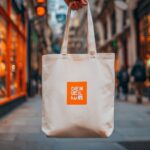 Custom Shopping Bags: Enhance Your Brand’s Presence
Comments