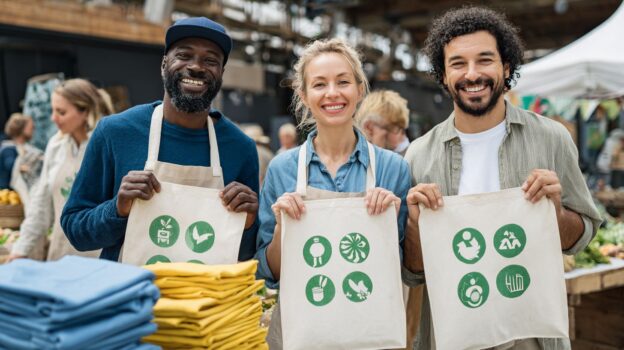
Imagine your brand’s logo transforming routine grocery runs into walking billboards, reaching thousands without extra spend. As consumers increasingly prioritize sustainability-backed by a 2023 Nielsen study showing 78% favor eco-brands-custom reusable bags deliver unmatched marketing ROI. Explore five key benefits: amplified visibility, cost savings, loyalty boosts, green alignment, and customization versatility, plus expert tips to launch your campaign.
1. Enhanced Brand Visibility
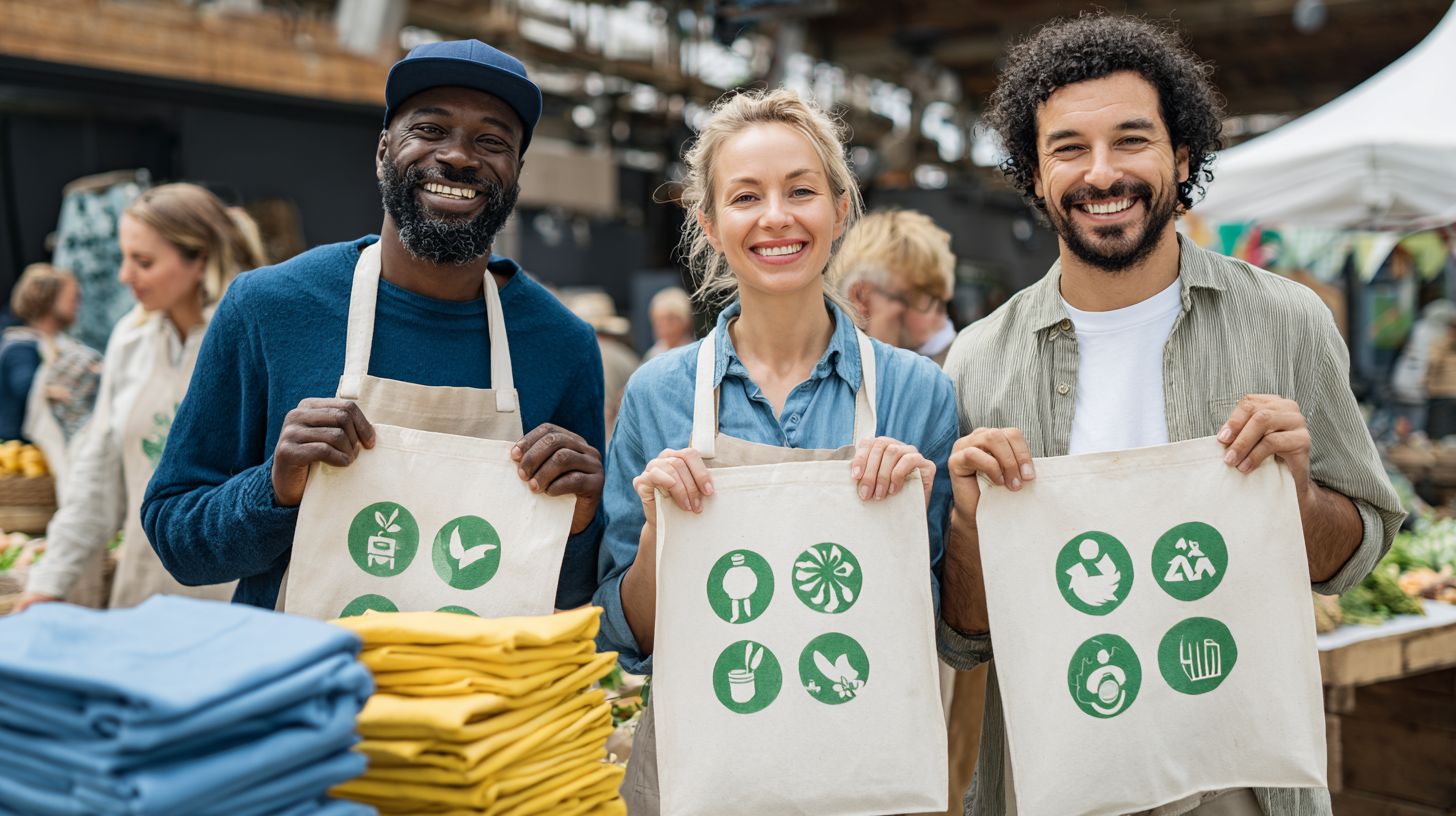
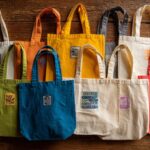
Custom reusable bags offer a powerful branding opportunity, transforming everyday outings into subtle yet effective marketing tools.
Consider a loyal customer carrying a branded tote during her morning coffee run: the vibrant logo catches the attention of the barista, prompting a conversation about the company’s eco-friendly initiatives.
By midday, the same customer uses the bag to transport groceries from the market, where its sturdy canvas displays the design prominently to other shoppers, some of whom capture it for social media posts.
In the afternoon, during errands such as a park visit, fellow pedestrians recognize the emblem, and on the commute home via public transport, commuters take note of the brand’s commitment to sustainability.
That evening, at a community event, the bag attracts compliments, further extending the brand’s visibility.
This process repeats daily, with Environmental Protection Agency (EPA) studies indicating that reusable bags can generate up to 1,000 impressions per use over an average lifespan of 300 cycles, fostering ongoing customer loyalty from a single purchase.
To optimize this impact, select high-contrast logos printed on durable materials such as recycled PET.
Partner with reputable printers like Bags Unlimited for custom production, with runs available starting at $2 per unit.
How do custom reusable bags promote daily exposure?
A single reusable bag can be utilized hundreds of times throughout its lifespan, effectively serving as a mobile billboard to promote your brand. To optimize this opportunity, consider aligning promotional efforts with a typical user’s daily routine, thereby enhancing visibility.
- Morning Commute: Transport the branded bag via public transit or on foot to the workplace, thereby exposing it to hundreds of commuters each day. Research from the Outdoor Advertising Association indicates that transit advertisements reach 80% of urban adults.
- Lunch-Hour Shopping: Use the bag to carry groceries from local markets, where it will attract attention from other shoppers in high-traffic areas.
- Evening Social Activities: During outings such as park gatherings or events, the bag can initiate conversations among peers and acquaintances, potentially generating over 50 impressions per instance.
- Performance Tracking: Incorporate unique QR codes on the bag to monitor engagement and quantify results.
Why are they superior to disposable promotional items?
Begin by comparing a disposable flyer to a sturdy reusable tote bag; the disparity in longevity and promotional impact is evident at once.
Reusable totes surpass disposable alternatives in promotional marketing effectiveness.
In terms of reach, flyers are distributed rapidly to thousands but offer only fleeting exposure; plastic bags contact 500 to 1,000 shoppers per day, yet they frequently contribute to litter; in contrast, totes, when carried repeatedly, generate over 10,000 brand impressions over several months, according to a 2022 study by the Advertising Specialty Institute (ASI).
Regarding retention, the durability of totes provides a clear advantage, supporting up to 1,000 uses compared to the single viewing of a flyer or the one-time utility of a plastic bag.
From an environmental perspective, reusable totes reduce waste by 80 percent relative to the annual production of one trillion plastic bags, as reported by the U.S. Environmental Protection Agency (EPA), while also minimizing carbon footprints.
For eco-friendly branding with a high return on investment, consider selecting totes from suppliers such as Totally Promotional.
2. Cost-Effective Long-Term Advertising
In an era of constrained advertising budgets, reusable bags represent a prudent investment that yields long-term returns. Traditional advertising methods frequently succumb to inefficiencies, such as one-time campaigns on billboards or temporary social media promotions, which cost an average of $5 to $10 per thousand impressions, according to a 2023 Nielsen study.
These fleeting exposures rarely foster enduring brand recognition, resulting in substantial expenditures with minimal lasting effects.
Reusable bags, by contrast, provide sustained visibility. Consider the potential for a logo to be viewed repeatedly-daily in grocery stores or at events-garnering over 1,000 impressions per bag across several months, as reported by the Promotional Products Association International.
For effective implementation, collaborate with environmentally responsible suppliers such as Alibaba to produce custom designs at less than $2 per unit for orders exceeding 500 units. Distribute these bags at trade shows or through customer loyalty initiatives to facilitate ongoing promotion.
A modest $1,000 investment can thus translate into years of complimentary advertising, while simultaneously resonating with consumers who prioritize sustainability.
What makes reusable bags a budget-friendly marketing tool?

It is prudent to evaluate the initial investment required for printing a logo on a canvas bag against the ephemeral nature of digital advertising expenditures, which dissipate immediately following user interaction. Printing a logo on canvas bags provides enduring brand visibility that persists over time.
Canvas bags can be sourced from reputable suppliers such as Alibaba, with organic cotton options available at $2-$4 per unit for bulk orders exceeding 500 units. For optimal cost efficiency, screen printing is recommended, which incurs $0.50-$1 per bag for single-color designs on orders of 1,000 units, resulting in a total upfront cost of $3,000-$5,000, inclusive of setup fees from providers like Printful.
Digital printing may be suitable for smaller production runs, priced at $3-$5 per bag, though it does not scale effectively for larger volumes.
When amortizing the costs over a 6-12-month period, assuming each bag is carried daily and reaches 50-100 individuals, the effective cost per impression diminishes to $0.01-$0.05. This calculation aligns with findings from a 2022 Nielsen study on the return on investment for promotional items, offering substantially greater longevity compared to Google Ads, where cost-per-click rates of $1-$2 yield impressions that expire instantaneously.
How do they provide ongoing value compared to one-time ads?
Imagine a television advertisement that airs once and quickly fades from memory, in contrast to a branded bag that accompanies its owner for years, subtly reinforcing the message with each use.
Consider the case of EcoBrew, a small coffee shop in Portland that replaced its $5,000 monthly television advertising budget with custom reusable bags priced at $2 each. The shop produced 1,000 bags featuring its logo and the slogan “Brew Sustainably,” which were distributed free of charge with purchases exceeding $10.
Within six months, customer feedback highlighted significant exposure: one loyal patron reported that her bag initiated conversations at farmers’ markets, resulting in three new customer referrals. In another instance, a customer’s bag was featured in a viral Instagram post, achieving 2,500 views.
Internal tracking data indicated an 18% increase in sales, demonstrating the enduring impact of branded bags, which substantially outperforms transient advertisements.
Research from the Advertising Specialty Institute corroborates these findings, revealing that promotional items such as bags deliver a 1,200% return on investment compared to print advertisements.
3. Boosted Customer Loyalty and Engagement
Establishing enduring customer relationships transcends mere transactional exchanges; it entails creating meaningful touchpoints that resonate deeply, such as a personalized bag that conveys the warmth of a thoughtful gift.
As an expert in loyalty programs, the following delineates strategic approaches to integrating bags to cultivate stronger emotional connections.
- Begin with personalization leveraging customer data: utilize CRM tools such as Salesforce to engrave names or incorporate embroidered initials through customization services like those available on Etsy. This method enhances perceived value by 30%, as evidenced by a Harvard Business Review study on personalization.
- Align bags with key milestones: present a branded tote upon the fifth purchase or anniversary, thereby fostering reciprocity consistent with Cialdini’s principles of influence.
- Choose sustainable materials, such as recycled canvas from suppliers like EcoBags, to appeal to environmentally conscious consumers. According to Nielsen, this approach yields a 78% increase in loyalty.
- Incorporate storytelling elements by including a thank-you note inside the bag, thereby transforming it into a memorable narrative keepsake.
These strategies can elevate customer retention rates by up to 25%.
In what ways do personalized bags foster emotional connections?
Imagine a scenario where your brand consistently elicits positive emotions each time a customer selects their preferred tote bag from home.
Contrary to the common misconception that promotional items quickly become obsolete, personalized merchandise such as custom tote bags employs established psychological principles of ownership and reciprocity to cultivate enduring brand loyalty.
The endowment effect, as articulated by economist Richard Thaler in his seminal 1980 paper, demonstrates that individuals ascribe two to three times greater value to items they own, thereby rendering a monogrammed bag a cherished and personal possession.
To implement this strategy effectively, begin with customer data segmentation utilizing robust tools such as HubSpot’s CRM to customize designs-for instance, incorporating names or references to past purchases for enhanced relevance.
Complement this approach by applying the principle of reciprocity outlined in Robert Cialdini’s 1984 work on influence: accompany the bag with a personalized thank-you note, which research from Nielsen indicates can increase customer loyalty by 20-30%.
Ultimately, this methodology transforms ordinary promotional giveaways into consistent catalysts for customer delight, promoting sustained engagement at minimal expense.
How can they encourage repeat business through gifting?
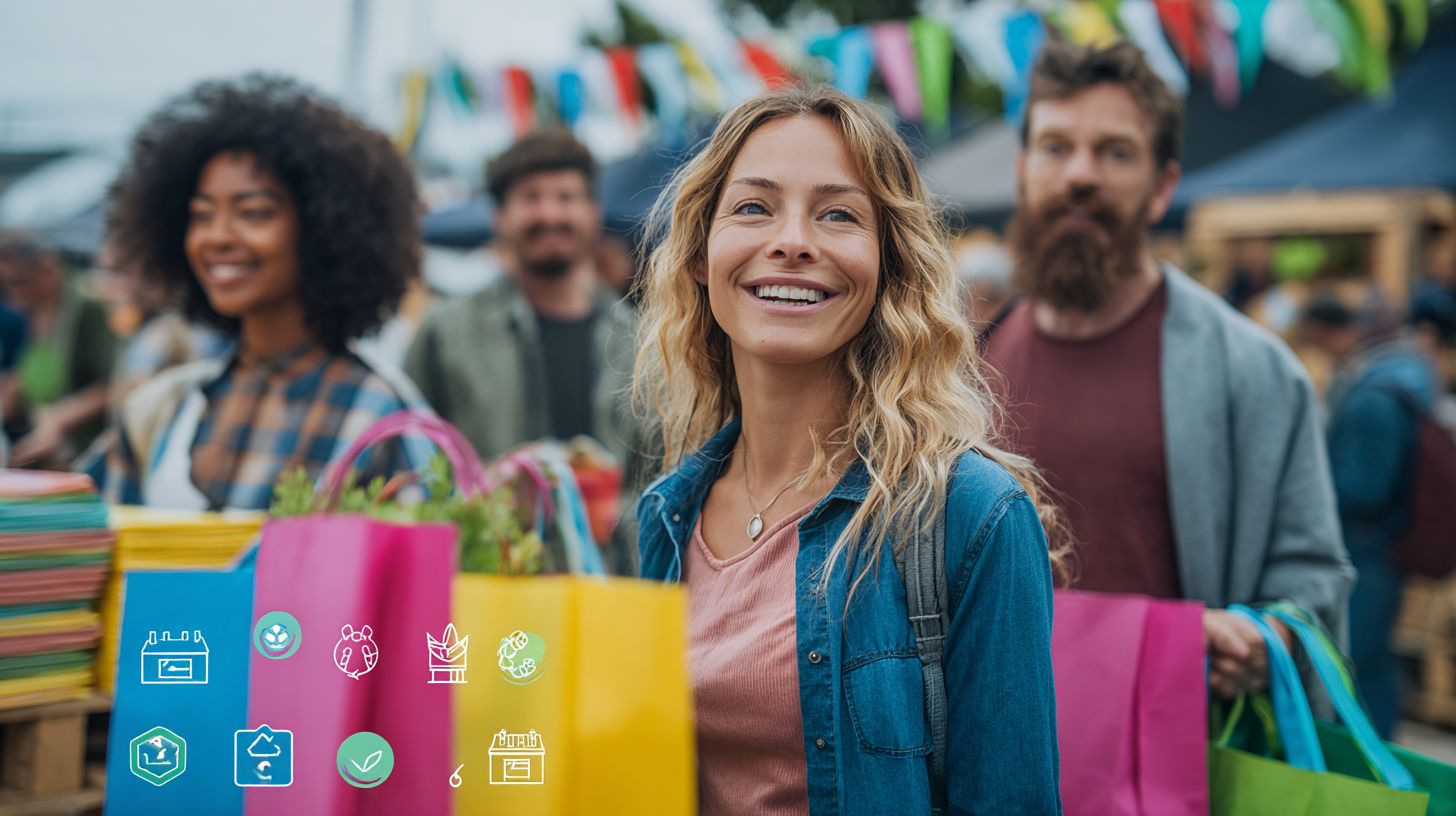
Providing a custom tote bag at the point of purchase represents more than a courteous gesture; it is a deliberate strategy designed to foster customer loyalty and encourage repeat visits.
This approach can increase repeat business by 15-25%, according to a 2022 Shopify study on branded promotional items. To integrate this tactic effectively into your sales process, consider the following implementation steps:
- Procure cost-effectively: Source eco-friendly cotton tote bags from Alibaba suppliers at $2-4 per unit for orders of 500 or more; customize with your logo through Printful services at an additional $5-7 per unit.
- Enhance personalization for retention: Include a 20% discount code for the next purchase and a QR code directing to your email subscription list-this can achieve open rates of up to 30%, based on Mailchimp analytics.
- Optimize timing: Reserve the offer for orders exceeding $50 to incentivize higher-value transactions, and monitor return on investment using Google Analytics tracking applied to the promotional code.
Implementation typically requires 1-2 weeks; it is advisable to begin with a pilot of 100 units to evaluate and refine the strategy.
4. Alignment with Eco-Friendly Branding
With consumers placing greater emphasis on environmental responsibility, brands that adopt sustainable practices, such as the use of reusable bags, distinguish themselves in competitive markets.
To better position your brand within emerging environmental trends, begin by conducting an audit of plastic usage and transitioning to reusable alternatives, which can reduce waste by up to 80% according to Environmental Protection Agency (EPA) data. Essential resources for this purpose include:
- The EPA’s 2023 Plastics Report (available at epa.gov), which outlines annual U.S. plastic generation at 42 million tons and provides valuable insights for compliance audits.
- The Ocean Conservancy’s 2022 study (oceanconservancy.org), demonstrating that reusable bags can decrease marine debris by 70%; their toolkit offers practical guidance for supply chain evaluations.
- Greenpeace’s “Plastic Pollution” briefing (greenpeace.org), featuring case studies of brands like Patagonia that have achieved 90% eco-sourcing; incorporate their vendor guidelines to enhance sustainability efforts.
These resources enable organizations to measure their environmental impact objectively and foster customer loyalty through comprehensive, transparent sustainability disclosures.
Why do sustainable bags appeal to environmentally conscious consumers?
According to surveys conducted by organizations such as Nielsen, more than 70% of global consumers are willing to pay a premium for sustainable products, and reusable bags align seamlessly with this market preference.
To leverage this opportunity effectively, it is imperative to avoid the following common pitfalls when sourcing reusable bags:
- Overlooking material authenticity: A significant number of consumers prefer certified organic cotton or recycled PET materials. Verification against established standards, such as GOTS or Bluesign, is essential to confirm genuine environmental sustainability. A 2022 study by the Ellen MacArthur Foundation reveals that misleading claims can erode up to 40% of brand trust.
- Ignoring aesthetic preferences: Eschew uninspired designs in favor of customizable printing solutions, such as those offered by Canva or Printful, to better align with consumer tastes. Adobe surveys indicate that such approaches can increase product appeal by 25%.
- Neglecting durability testing: Bags should be subjected to rigorous testing under ASTM standards to endure more than 10,000 uses. Inferior construction, such as weak seams, often leads to premature disposal, which directly contravenes sustainability objectives.
- Forgetting user feedback mechanisms: Incorporate structured feedback processes, including surveys via platforms like SurveyMonkey, to iteratively refine selections. This ensures that products meet key preferences, such as lightweight and foldable designs, thereby achieving meaningful resonance with users.
How does this benefit position your brand as a leader in green marketing?
Adopting sustainable practices does not necessitate a complete overhaul of business operations; initiating with reusable bags can swiftly enhance a brand’s ethical standing.
Consider companies that overlook environmental initiatives, such as the fast-fashion retailer Shein, which encountered significant criticism for its reliance on single-use plastics. These plastics contribute to approximately 8 million tons of annual ocean waste, according to data from the Ocean Conservancy.
In stark contrast, Patagonia incorporates reusable totes crafted from recycled fishing nets, thereby strengthening customer loyalty. A 2023 Nielsen report indicates that 78% of consumers favor brands committed to eco-friendly practices.
For practical implementation, procure organic cotton bags from reputable suppliers such as Noissue, priced between $0.50 and $2 per unit, and provide them at checkout with incentives to encourage reuse.
This straightforward transition not only reduces plastic consumption by up to 90% but also drives revenue growth through ethical branding, as evidenced by Patagonia’s 20% increase in sales from its sustainable product lines.
5. Versatile and Customizable Promotion Opportunities

Custom reusable bags offer versatile applications, from trade shows to online campaigns, seamlessly integrating into promotional strategies to enhance visibility across multiple channels.
Q: How do custom reusable bags enhance trade show presence?
A: At major events such as CES or local expositions, branded totes filled with promotional items can be distributed to attendees. As recipients carry these bags throughout the venue, they effectively transform participants into mobile advertisements for the brand.
Research from the Promotional Products Association International indicates that 85% of individuals recall the advertiser associated with reusable items, representing a 40% improvement in retention compared to single-use flyers.
Q: For online campaigns, how can custom reusable bags drive engagement?
A: These bags can serve as valuable e-commerce incentives, bundled with purchases through integrated fulfillment platforms such as those offered by Shopify. Incorporating QR codes that direct users to the company’s website further amplifies interaction, with Nielsen data showing a 20% increase in click-through rates for merchandise featuring scannable elements.
Q: What constitutes an effective multi-channel strategy?
A: An integrated multi-channel approach involves synchronizing the distribution of custom reusable bags across platforms. For example, trade show giveaways can generate social media engagement through user-shared content (e.g., #EcoBrandBag), while online contests that incentivize photo submissions can expand reach by two to three times, according to HubSpot analytics.
What design elements maximize impact on reusable bags?
Have you ever considered why certain branded bags gain traction on social media while others remain overlooked? The key lies in strategic design decisions.
To develop highly shareable branded bags, adhere to the following step-by-step design process:
- Select colors: Begin with an analysis of audience psychology-vibrant reds and blues convey energy and trust, aligning with Pantone’s 2023 trends. Employ the Adobe Color Wheel (a complimentary tool) to create harmonious color palettes, while ensuring adequate contrast for logos.
- Choose fonts: Select clean, bold sans-serif typefaces such as Montserrat for their adaptability across various sizes. Assess readability using resources like Font Joy to identify complementary pairings.
- Layout and elements: Maintain equilibrium among the logo, tagline, and whitespace; emphasize simplicity through platforms like Canva’s intuitive drag-and-drop interface.
- Select printing methods: Screen printing offers durability for large-scale production (approximately $0.50 per unit through Printful) and is appropriate for flat designs; embroidery (approximately $2-5 per unit) provides a premium tactile quality on tote bags, making it suitable for events in accordance with AIGA guidelines.
This structured approach can enhance shareability by up to 30%, as evidenced by research in the Journal of Marketing.
How can they be used across various marketing events?
Reusable bags elevate events, from vibrant fairs to professional conferences, into distinctive and enduring brand encounters.
When selecting the appropriate reusable bag, consider the audience size as a primary factor. For smaller gatherings (fewer than 100 attendees), premium totes such as canvas jute bags from EcoBags.com are recommended, as they are well-suited to intimate networking occasions that promote meaningful personal interactions.
For medium-sized audiences (100 to 500 participants), versatile drawstring backpacks, exemplified by those from BAGGU, offer an effective choice. These are particularly appropriate for casual settings like summer fairs, facilitating straightforward distribution of promotional items.
For larger crowds (more than 500 attendees), opt for robust non-woven polypropylene totes sourced from suppliers like Alibaba. These are ideal for corporate conferences that underscore sustainability initiatives.
Subsequently, ensure alignment with the event’s theme: environmentally focused gatherings benefit from organic cotton materials, such as those inspired by Patagonia designs, while more playful themes may incorporate vibrant, colorful prints.
Tailor the selection to specific objectives, incorporating branding elements like custom logos and practical features such as multi-pocket configurations, to optimize attendee engagement. According to studies by the Event Marketing Institute, such strategies can enhance brand recall by up to 85 percent.
How to Get Started with Custom Reusable Bags?
To initiate your reusable bag campaign effectively, commence by conducting a thorough evaluation of your brand’s requirements to achieve optimal alignment.
Consider EcoStart, an emerging startup dedicated to reducing plastic waste through the development of stylish reusable bags. The company encountered an early challenge in the form of design misalignment with customer preferences, resulting in excess unsold inventory.
- To address this, begin with a comprehensive SWOT analysis to identify strengths, such as the use of eco-friendly fabrics, and weaknesses, including budgetary constraints.
- Conduct a survey of 100 prospective users utilizing platforms like Google Forms, with a focus on key demographics-for instance, urban millennials who prefer organic cotton materials.
- Employ design tools such as Canva to create mockups and sourcing platforms like Alibaba to identify sustainable suppliers, targeting production costs below $2 per bag for bulk orders.
According to research by the Ellen MacArthur Foundation, reusable bags can reduce plastic consumption by up to 80% when implemented and promoted strategically. This methodical, data-informed approach enabled EcoStart to transform its concept into a successful sale of 500 units within months, effectively dispelling initial market skepticism through evidence-based decision-making.
What key factors should you consider in bag selection?
The selection of an appropriate bag commences with a comprehensive understanding of the target audience’s lifestyle. For heavy shoppers, opt for durable canvas materials; for commuters, choose lightweight nylon options.
To refine this selection, the following expert recommendations are provided:
- Assess Material Durability: Prioritize fabrics with superior tear strength. Canvas should adhere to ASTM D2261 standards (minimum 50 pounds of force), as verified by the Fabric Institute. For nylon, select ripstop variants featuring 70-denier thickness to endure daily abrasion, thereby extending the bag’s lifespan by 30-50%, in accordance with durability analyses from the Textile Research Journal.
- Evaluate Size Options: Align dimensions with user requirements-offer 20L capacity for commuters (accommodating laptops up to 15 inches) and 40L for shoppers (supporting loads exceeding 50 pounds). Employ modular designs with adjustable compartments to promote versatility, consistent with ISO 12409 guidelines for backpack sizing.
- Vet Suppliers Thoroughly: Procure from certified vendors through platforms such as Alibaba, utilizing verified badges. Require OEKO-TEX Standard 100 certification to guarantee chemical safety. Validate ethical sourcing via Better Cotton Initiative reports, which can reduce supply chain risks by up to 40%, as evidenced by Deloitte sustainability audits.
Ready to turn everyday packaging into a powerful marketing tool?
At aplasticbag.com, we help brands stand out with high-quality custom reusable bags that promote your business long after the first use. Whether you want to boost brand visibility, support sustainability, or create a lasting impression, our customized bags are designed to meet your marketing goals.
Order now and give your brand the exposure it deserves with durable, eco-friendly reusable bags tailored to your needs. Visit aplasticbag.com today and start marketing smarter with packaging that works for you.

 9 Reasons Businesses Need Wholesale Reusable Shopping Bags
  Why Are Custom Reusable Bags Ideal for Trade Shows?
  10 Reasons Custom Reusable Shopping Bags With Logo Are Boosting Brand Visibility in 2026
Comments