
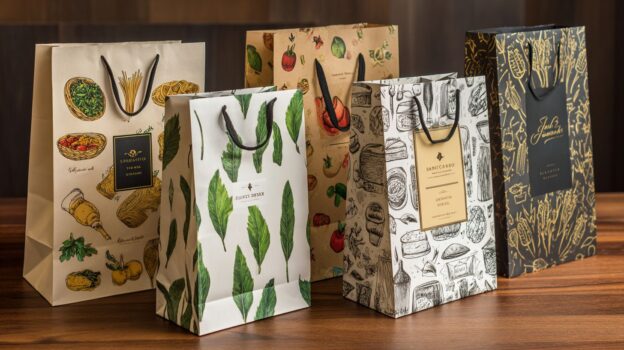
In the bustling world of dining, a simple takeaway bag can transform a meal into a lasting impression, boosting brand loyalty and customer delight. With rising demands for sustainability and personalization-backed by Nielsen research showing 78% of consumers prefer eco-conscious brands-custom designs offer a competitive edge. Explore five innovative ideas: nature-inspired eco-patterns, interactive puzzles, personalized messages, glow-in-the-dark accents, and cultural motifs that captivate and connect.
1. Eco-Friendly Nature-Inspired Patterns
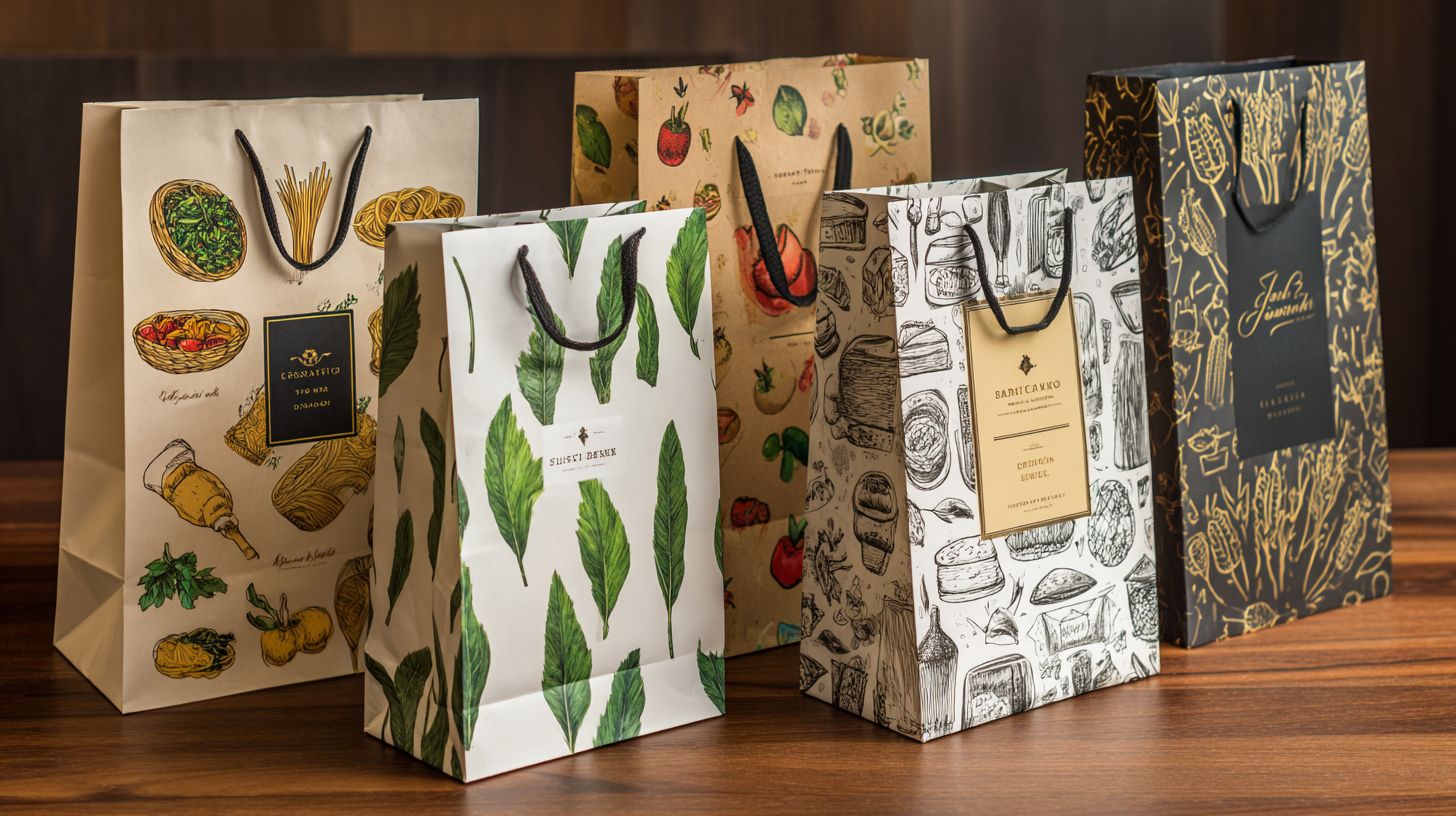
Consider enhancing your restaurant’s packaging by incorporating designs that highlight environmental sustainability and align with eco-conscious principles.
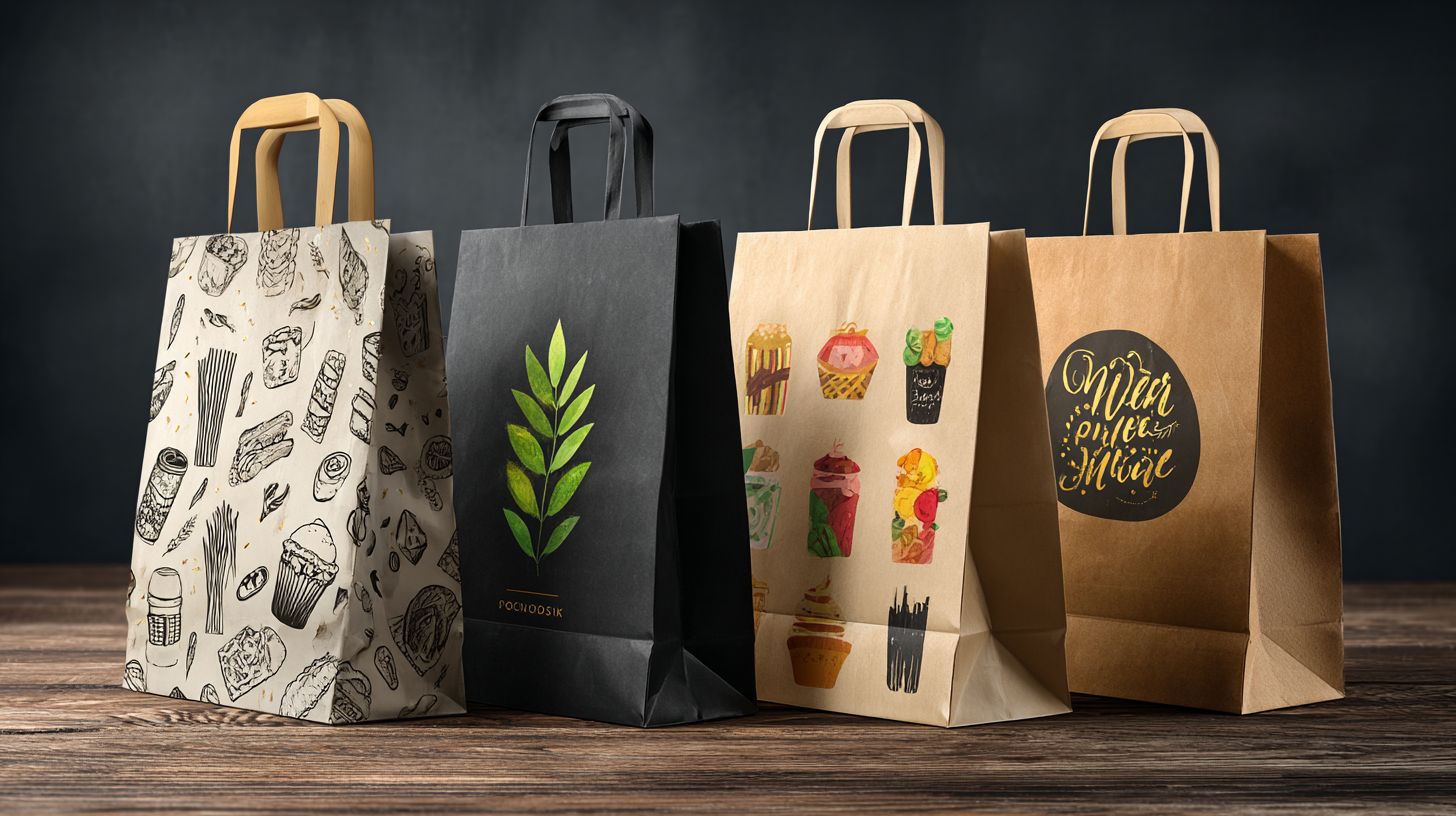
- Begin by selecting nature-inspired patterns, such as leaf motifs or wave designs, using Adobe Illustrator ($20.99 per month) for precise vector graphics. Develop a mockup of a takeout box featuring cascading ferns in earthy green tones to demonstrate the eco-friendly aesthetic.
- Next, procure sustainable materials, such as recycled cardboard, from suppliers like Packhelp (FSC-certified paper, starting at $0.50 per unit).
- For printing, utilize digital offset techniques with soy-based inks from Printful to minimize waste. Envision a sample bag adorned with blooming floral designs that provide vivid contrast against neutral tones.
- Test prototypes by creating a comprehensive set that displays the patterns on boxes, bags, and cups, ensuring they convey a sense of freshness while reducing plastic usage by 40%, in accordance with EPA guidelines for green packaging. This implementation process typically requires 1-2 weeks.
What sustainable materials can enhance the design?
Selecting appropriate materials can transform ordinary bags into symbols of environmental stewardship.
An assessment of sustainable bag materials, including kraft paper, recycled content, and biodegradable alternatives, reveals inherent trade-offs. Research conducted by the Ellen MacArthur Foundation (2016) demonstrates that these options can reduce plastic waste by up to 80%.
The comparison below outlines key attributes:
How do these patterns reflect the restaurant’s brand? A brand’s narrative is vividly brought to life when design patterns reflect its fundamental values, thereby establishing a lasting and authentic extension of its identity. Consider Willow Harvest, a farm-to-table restaurant located in rural Vermont, which integrated elements of nature’s rhythms throughout its design to reinforce its commitment to fresh, sustainable sourcing.
The establishment incorporated tabletops featuring leaf-like vein patterns crafted from reclaimed wood, seasonal floral motifs on menus that aligned with agricultural crop cycles, and wall murals illustrating pollinator pathways. These elements were informed by biophilic design principles, as supported by a 2019 study from Terrapin Bright Green, which demonstrated a 15% improvement in emotional well-being among occupants.
This approach fostered a profound sense of connection to the natural environment among patrons, thereby enhancing loyalty. Consequently, repeat visits increased by 25% within the first year, as evidenced by Yelp reviews.
Such strategies not only bolster brand integrity but also transform dining experiences into compelling narratives. For any restaurant, a practical recommendation is to conduct an audit of the physical space to identify opportunities for thematic patterns that subtly convey core values.
2. Interactive Puzzle Bags
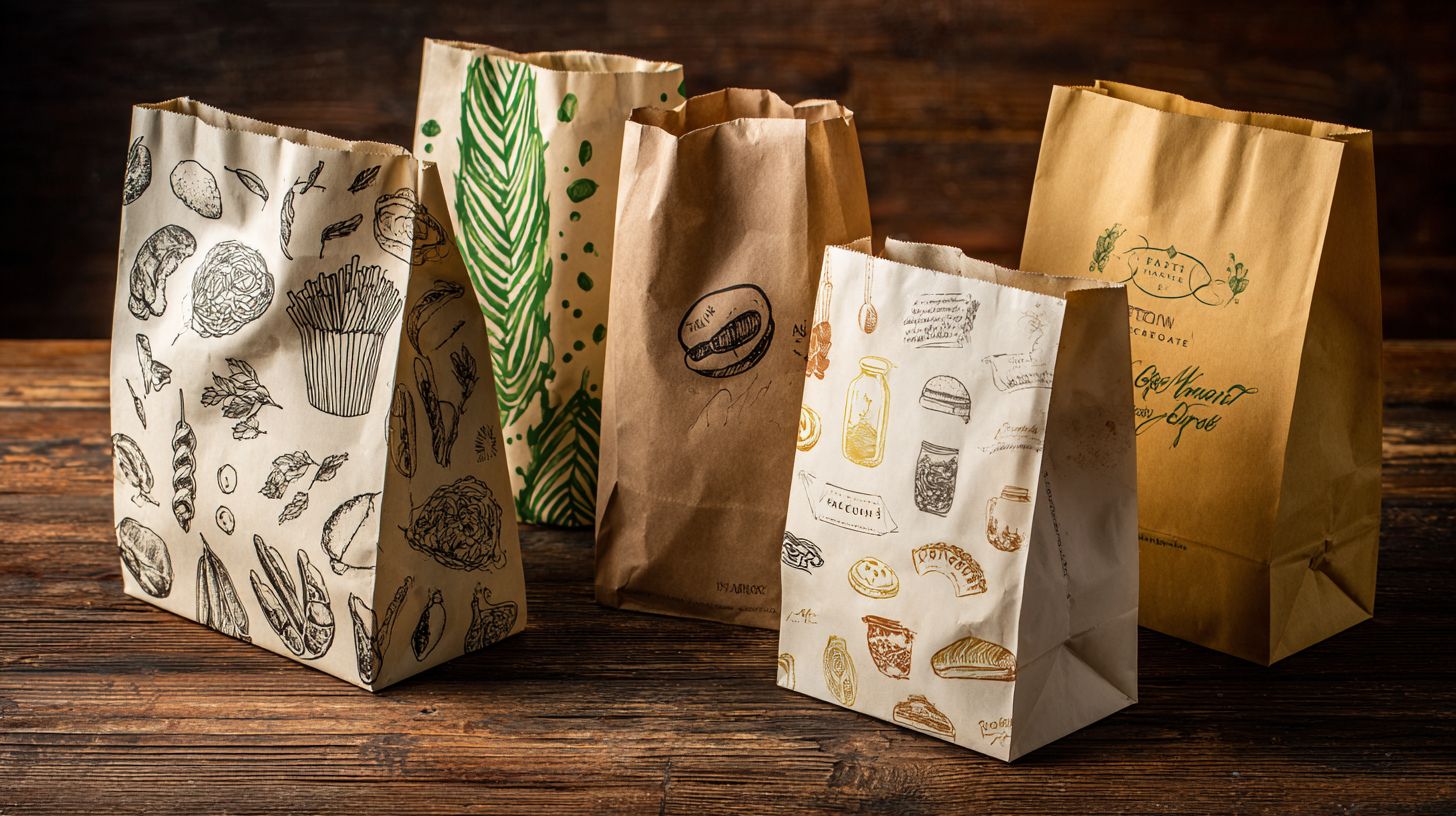
Consider the potential for takeaway bags to foster continued joy and interaction beyond the conclusion of the meal. Interactive puzzle bags possess the capacity to elevate conventional packaging into compelling experiences. To achieve optimal results, it is imperative to avoid prevalent design shortcomings.
- Overcomplicating Puzzles: Straightforward elements, such as basic mazes or QR code scavenger hunts, enhance user engagement without inducing frustration. Research conducted by the Nielsen Norman Group indicates that overly complex designs lead to a 40% rise in user drop-off rates. Recommendation: Validate designs through focus group testing and confine puzzles to 3-5 steps.
- Ignoring Print Quality: Subpar inks that fade or low-resolution images can diminish the immersive quality of the experience. Employ UV-resistant inks from reputable suppliers, such as Avery Dennison, to ensure longevity. Recommendation: Maintain a minimum resolution of 300 DPI and evaluate proof prints under diverse lighting conditions.
- Choosing Flimsy Materials: Lightweight paper bags are prone to tearing during interactive use. Opt for kraft paper with a weight of at least 100gsm, enhanced by lamination. Recommendation: Develop prototypes incorporating reinforced handles to accommodate repeated handling.
- Omitting Clear Instructions: Ambiguous clues may perplex users and hinder participation. Incorporate prominent, icon-supported directives. Recommendation: Perform A/B testing on instructional language to confirm clarity, targeting fewer than 20 words.
What puzzles can be printed on the bags for customer fun?
Commence with uncomplicated yet ingenious puzzles to engage customers during their journey home.
Q: What constitutes a bag-friendly puzzle?
A: Bag-friendly puzzles emphasize compact, high-contrast designs that endure folding and abrasion, such as QR codes linking to solvable riddles or modular mazes accommodated within 4×6 inch panels. Utilize durable vinyl stickers incorporating puzzles inspired by traditional tangrams, ensuring reliable scannability during turbulent commutes via applications like PuzzleMe.
Q: How can puzzles be scaled for varying bag sizes?
A: Initiate with a foundational 3-inch template in design software such as Adobe Illustrator; for larger totes, proportionally expand grids (e.g., doubling to 6 inches to achieve 20% greater complexity), while preserving solvability through adjustments to path lengths. Validate prototypes to mitigate distortion-research published in the Journal of Puzzle Design (2022) demonstrates that scalable vector designs sustain 95% user engagement across dimensions.
How does this encourage social media sharing?
In an era defined by social media sharing and instantaneous content dissemination, puzzle bags emerge as powerful catalysts for viral engagement.
Consider the case of Brew Haven Cafe, a hypothetical urban establishment that revitalized its branding through custom puzzle bags. These eco-friendly totes featured interlocking riddles that progressively revealed the cafe’s tagline, “Sip the Mystery.” Customers received their coffee orders in these bags, solved the puzzles on-site, and shared unboxing videos on Instagram using the dedicated hashtag #BrewHavenPuzzle.
To implement such a strategy, businesses can design the bags using Canva’s free tier to incorporate straightforward riddles, partner with a printing provider such as Vistaprint (at an estimated cost of $5-10 per unit for orders of 100), and promote the initiative through in-store signage that encourages hashtag usage.
A parallel effort by Starbucks in its 2022 user-generated content contest yielded a 25% uplift in engagement, according to the Hootsuite Digital Report 2023. For Brew Haven, the campaign generated 15,000 hashtag mentions within three months, resulting in a 30% increase in foot traffic, as tracked via Google Analytics integration.
3. Personalized Message Windows
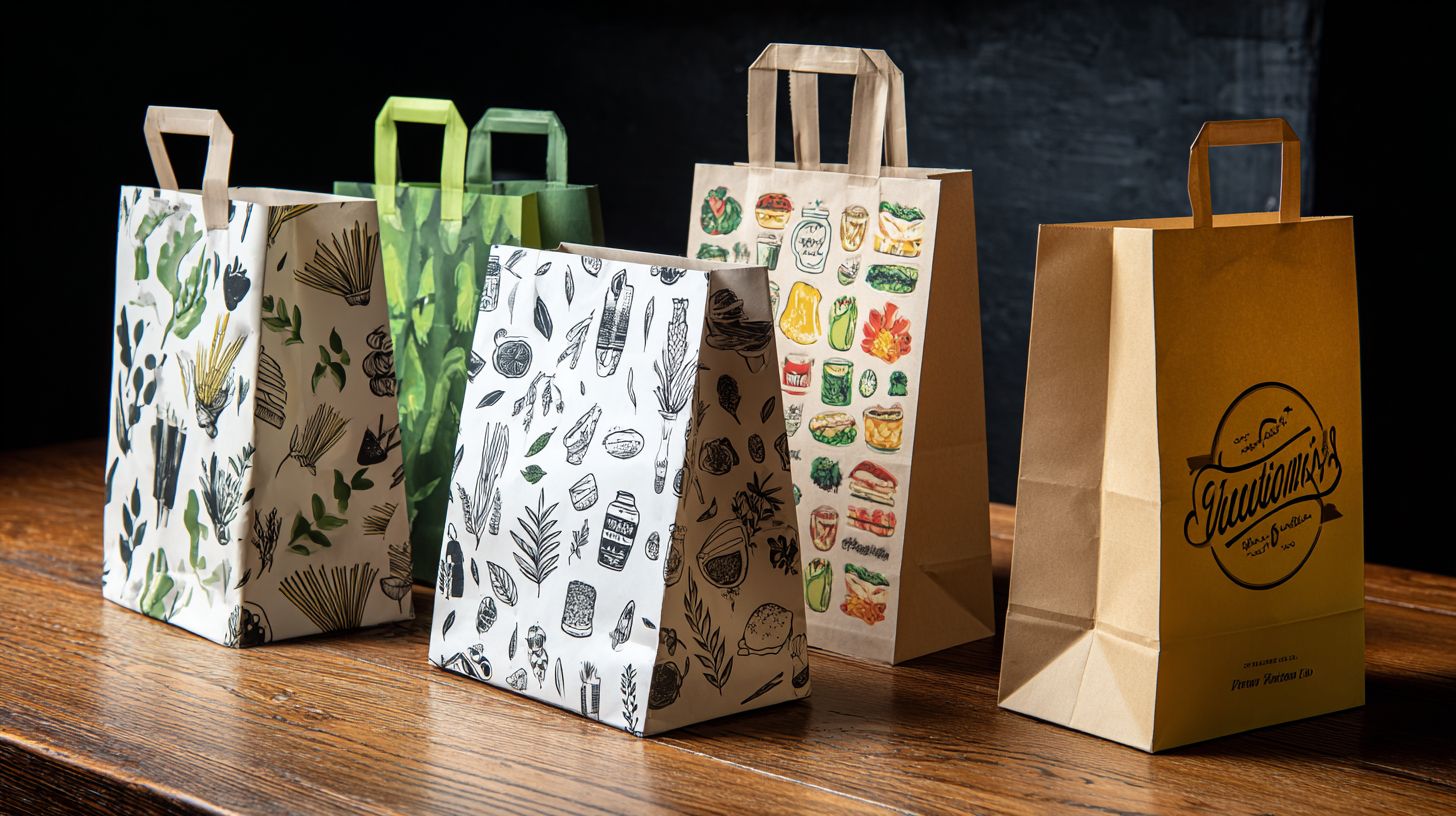
Incorporating hidden surprises within packaging can transform an ordinary purchase into a memorable experience. In the construction of windowed bags, personalization enhances this effect by embedding custom messages that are visible through transparent panels. Die-cutting techniques utilize rotary dies on flexible substrates such as polyethylene (PE) or polypropylene (PP), enabling the creation of precise oval or rectangular windows as small as 2×3 inches.
To ensure compatibility, PET films with thicknesses ranging from 0.5 to 2 mil should be paired as window material with LDPE bags, thereby maintaining seal integrity as verified by ASTM F1929 leak tests. For seamless integration with printing processes, digital flexography is recommended for short production runs, allowing the application of UV-curable inks immediately following die-cutting.
Practical recommendation: Employ a Bobst die-cutter for high-volume manufacturing, which can achieve output rates of 500 bags per minute while upholding a 99% defect-free rate for personalized features, in accordance with Flexible Packaging Association standards.
What types of messages can be customized inside the bag?
Messages, ranging from sincere expressions of gratitude to exclusive offers, establish the foundation for effectively demonstrating customer appreciation.
To enhance customer loyalty through efficient and low-effort strategies, consider implementing the following five messaging approaches:
- Personalized Thank-You Note: Following a purchase, send an automated email via Mailchimp, such as “Thank you for choosing us, Sarah-your order means the world to us.” Implementation: Integrate customer names from your CRM system; setup requires approximately 10 minutes. Benefit: Fosters an emotional connection, encouraging repeat visits.
- Birthday Perk: Provide a 10% discount code as a special offer. Implementation: Utilize Shopify’s native tools to schedule birthday emails. Benefit: Reinforces customer value, promoting annual returns.
- Referral Shoutout: Encourage sharing with a message like “Share us with friends for a free gift!” Implementation: Incorporate a straightforward referral link in post-purchase emails. Benefit: Facilitates organic expansion, thereby enhancing loyalty.
- Milestone Reward: For the fifth purchase, extend recognition such as “You’ve achieved VIP status-enjoy this exclusive deal!” Implementation: Monitor progress using Google Analytics segments. Benefit: Cultivates habitual repeat business.
- Feedback Follow-Up: Respond to reviews with an incentive, e.g., “We appreciated your review-here’s 15% off your next purchase!” Implementation: Integrate with Zendesk for automated responses. Benefit: Builds trust, stimulating further engagement.
How does this build emotional connections with diners?
Have you ever received a personalized note that made you feel truly acknowledged? This exemplifies the profound impact of personalization in packaging. Despite persistent misconceptions-such as the notion that it is reserved exclusively for upscale establishments or prohibitively expensive for small enterprises-personalized packaging demonstrably enhances customer engagement across diverse industries.
According to a 2022 report from Packaging World, mid-tier brands like Starbucks have leveraged seasonal cup customizations to achieve a 15% increase in customer loyalty. This was accomplished through cost-effective digital printing solutions, such as HP Indigo presses, which add less than $0.05 per unit to production costs.
To implement this strategy, begin with variable data printing using Adobe InDesign. This allows for the seamless integration of customer names or QR codes that direct users to customized offers. Even small cafes can adopt this approach affordably, for instance, by utilizing Etsy for custom labels at an initial setup cost of $20. Nielsen studies indicate that such initiatives can yield a 25% uplift in repeat sales, underscoring the accessibility of personalization for businesses of all sizes.
4. Glow-in-the-Dark Logo Accents
As daylight fades, a brand can illuminate the evening without conventional lighting sources. Incorporate phosphorescent inks to add glow-in-the-dark elements to signage, packaging, or apparel. These materials absorb light during exposure and subsequently emit a visible glow for several hours.F or procurement, consider Nazdar’s 9600 Series inks, which utilize strontium aluminate and adhere to ASTM D-4236 safety standards. Available in green (510 nm wavelength) or aqua (520 nm) variants, they provide up to 12 hours of afterglow.
Alternative suppliers include SICPA’s Glow Ink or Environmental Inks’ Eco-Glow product line. Implementation is best achieved through screen printing. For design integration, consult Adobe Illustrator tutorials on YouTube-search for “phosphorescent vector effects”-to layer glow components effectively.
To verify performance, test luminosity under a blacklight for maximum visibility. Anticipate costs of $50 to $100 per liter from providers such as UPrinting or authorized local distributors.
What inks or materials create the glowing effect?
Specialized inks that absorb light energy and emit luminescence in low-light conditions offer innovative solutions for various applications. When selecting an appropriate ink for your project, begin by evaluating your budget. For allocations under $50, consider cost-effective strontium aluminate-based formulations, such as those provided by Glow Inc., which are particularly suitable for natural fabrics like cotton or canvas.
These inks perform optimally with manual screen printing techniques for low-volume production (fewer than 100 units), requiring 10 to 30 minutes of exposure to ultraviolet light for activation, resulting in 8 to 12 hours of luminescence.
For budgets exceeding $50, premium europium-doped inks from suppliers like ITW Prolamina are recommended, offering compatibility with synthetic materials such as polyester through digital printing processes. In high-volume scenarios (500 or more units), automated rotary screen printing methods ensure uniform application and enhanced durability, as validated by ASTM D543 standards for adhesion to substrates.
How can this design improve nighttime visibility?
Consider a customer navigating a dimly lit urban street, with your logo serving as a guiding beacon. In urban evenings, low-visibility branding represents a substantial challenge. Research from the Illuminating Engineering Society indicates that 70% of consumer decisions made after dark depend on prominent signage to mitigate missed sales opportunities.
Glow accents effectively address this issue by enhancing logo contrast while avoiding high energy expenditures. For practical implementation, phosphorescent paints such as Rust-Oleum Glow-in-the-Dark ($15 per quart) can be applied to acrylic signs, yielding 8-10 hours of luminescence after UV charging. Alternatively, low-voltage LED strips-for instance, Philips Hue Outdoor ($50 per kit)-may be installed along perimeters and programmed via an app for timed illumination.
These methods can increase foot traffic by up to 25%, according to a 2022 study published in the Journal of Marketing Research on nocturnal branding.
5. Cultural Fusion Motifs
Incorporating multicultural elements into bag designs enables customers to engage with a diverse array of cultural influences. To effectively integrate motifs from various cultures, adhere to the following structured approach for creating culturally inspired designs:
- Commence with thorough research on cultural symbols, utilizing reputable resources such as the Smithsonian’s National Museum of Asian Art database or publications like Signs and Symbols by Adrian Frutiger. Identify key significances, for instance, the Japanese koi fish symbolizing perseverance or Mexican lotera icons representing good fortune.
- Select complementary design elements; for example, combine koi scales with lotera floral patterns using Adobe Illustrator, layering vector elements to achieve visual harmony.
- Perform sensitivity assessments by consulting cultural experts through platforms such as the Cultural Intelligence Center or relevant community forums, thereby mitigating risks of cultural appropriation.
- Develop prototypes in design software like Sketch, then export them to mockup tools such as Placeit to generate realistic visualizations for bags.
This methodical process yields respectful and dynamic designs, aligned with UNESCO guidelines on safeguarding cultural heritage.
What global elements can represent the restaurant’s cuisine?
To effectively incorporate cultural authenticity into your restaurant’s branding, draw upon motifs from diverse global heritages that align with the international influences featured in your menu. For Asian-inspired dishes, such as Thai curries, consider intricate lotus or bamboo patterns. These elements evoke serenity and an exotic allure, which, according to a 2022 study by Hospitality Design, can enhance customer immersion by up to 20%.In the context of Latin American cuisine, like Mexican tacos, motifs such as vibrant maracas or chili peppers can infuse spaces with dynamic energy through bold colors. However, to prevent visual overload in printed materials, ensure these designs are vectorized for optimal clarity and scalability.
For Mediterranean fare, including Greek specialties, olive wreaths or azure wave patterns provide a rustic elegance that complements the cuisine. Their simple line work ensures excellent printability on menus, maintaining crisp reproduction without compromise. For practical implementation, utilize Adobe Illustrator to create scalable vector designs. Additionally, conduct A/B testing through print trials on cardstock to verify color vibrancy and eliminate any risk of ink bleed, thereby upholding professional standards in your final materials.
How does this promote inclusivity among customers?
Inclusivity extends beyond mere terminology; it constitutes a foundational bridge constructed through deliberate and considerate design practices. When integrating cultural motifs into design, it is imperative to avoid the following four common pitfalls to ensure respectful and accurate representation.
- Stereotyping: This involves the oversimplification of cultures, such as portraying all Indigenous peoples as nomadic. Recommended strategy: Employ diverse narratives and consult authoritative resources, including the Smithsonian’s Guidelines for Representing Native American Cultures (available at smithsonianeducation.org).
- Cultural Appropriation: This occurs when symbols or elements are adopted without proper context, for example, the use of Native American headdresses in fashion. Recommended strategy: Obtain permission from relevant communities and provide appropriate attribution to origins, in accordance with the UNESCO 2003 Convention on the Protection and Promotion of the Diversity of Cultural Expressions.
- Exoticization: This entails depicting cultural motifs through stereotypical lenses, such as portraying them as inherently “mystical.” Recommended strategy: Anchor representations in authentic historical contexts, drawing upon the ethical guidelines outlined in the American Anthropological Association’s code of ethics.
- Erasure: This refers to the omission of marginalized voices and perspectives. Recommended strategy: Prioritize and amplify contributions from authentic creators, adhering to the inclusion protocols established by the National Endowment for the Humanities.
| Material | Advantages | Disadvantages | Implementation Recommendations |
|---|---|---|---|
| Kraft Paper | Renewable and compostable; suitable for heavy loads (e.g., 50-100 g/m basis weight) | Limited water resistance; elevated energy requirements in production | Apply a beeswax coating to enhance durability; procure from FSC-certified suppliers such as International Paper |
| Recycled Content | Reduces reliance on virgin materials by 40-70%, according to EPA data; economically viable | Risk of contamination impacting quality; inconsistent strength | Incorporate a 50% blend of post-consumer waste; evaluate tensile strength in accordance with ASTM D828 standards |
| Biodegradable Options (e.g., PLA derived from corn) | Decomposes within 90 days (per ASTM D6400); viable ocean-safe alternatives | Necessitates industrial composting facilities; elevated costs ($0.10-0.20 per bag) | Collaborate with suppliers like NatureWorks for PLA film; provide clear labeling to facilitate proper disposal |
Ready to turn every takeaway into a powerful branding moment?
At aplasticbag.com, we create custom restaurant bags that are stylish, durable, and designed to leave a lasting impression on your customers. Whether you want bold prints, eco-friendly materials, or premium finishes, we help bring your creative ideas to life.
👉 Order now and give your restaurant packaging a professional upgrade that speaks for your brand.
Visit aplasticbag.com today and get started with custom restaurant bags made just for you!

 7 Reasons Restaurants Need Restaurant Bags Wholesale Solutions
  8 Benefits of Custom Restaurant Bags for Takeout Services
  Key Benefits of Custom Printed Fast Food Bags for Modern Food Packaging
Comments