
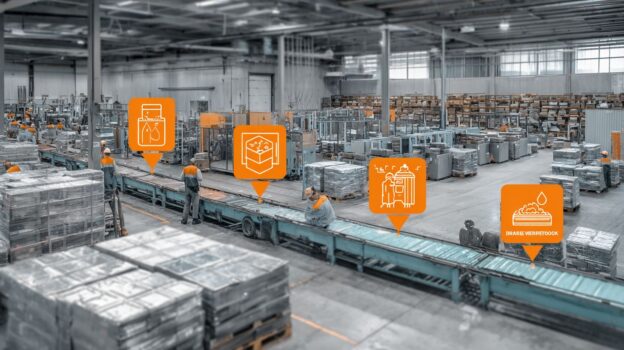
In the high-stakes arena of industrial operations, where every detail impacts safety and productivity, overlooked materials can make or break efficiency. Custom printed poly sheeting stands out as a robust solution, transforming ordinary coverings into branded, compliant tools. Explore five pivotal benefits: amplified branding, regulatory adherence, cost savings, enduring protection, and broad versatility-plus expert tips for optimal selection to elevate your workflow.
1. Enhanced Branding and Visibility
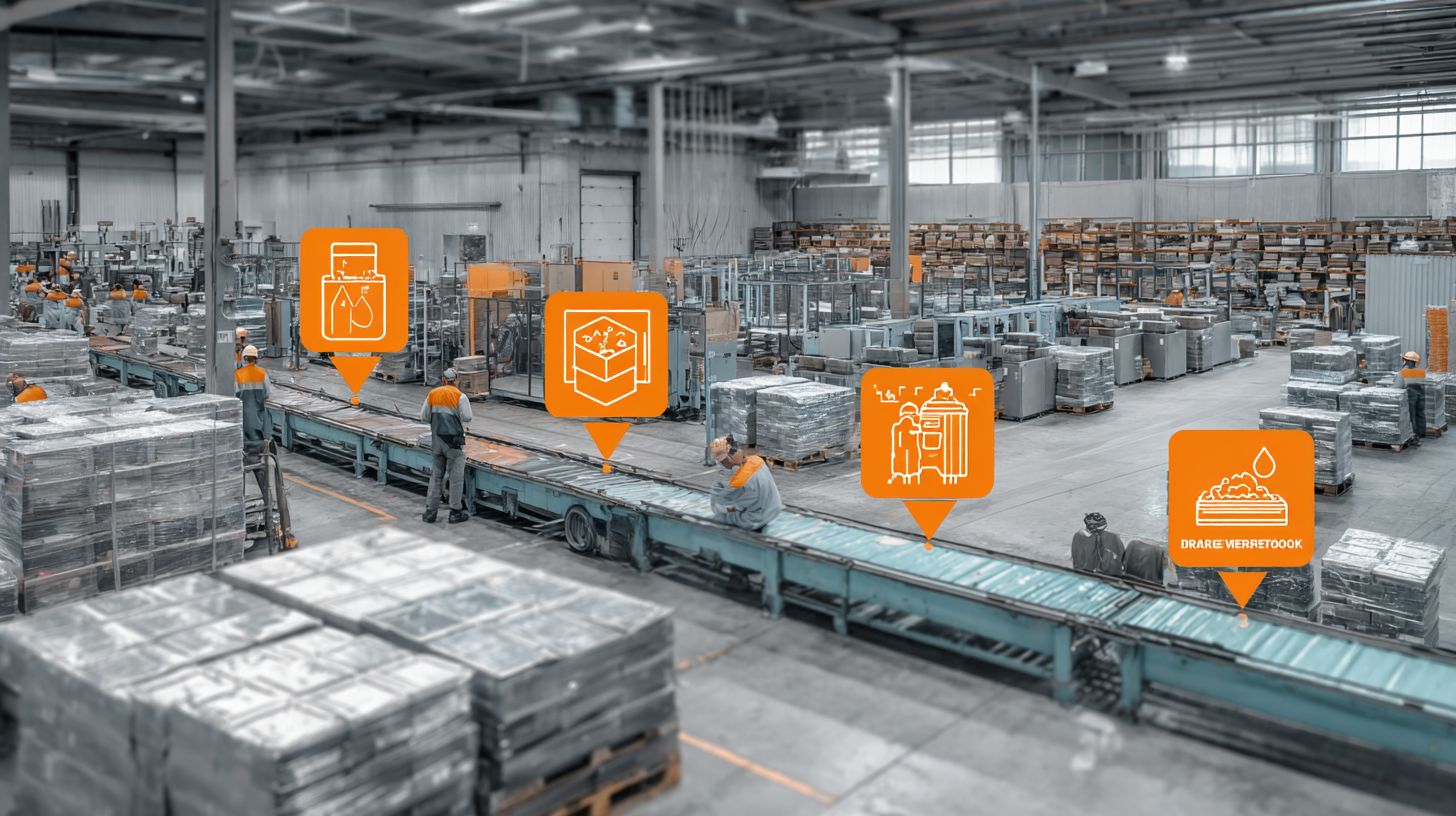
Consider transforming standard protective materials into effective marketing instruments that enhance your company’s visibility on the shop floor.
- Initiate the process with a thorough planning phase: evaluate shop floor requirements, including high-traffic zones suitable for poly sheeting that safeguards surfaces while incorporating your logo. Allocate a budget of $0.50-$2 per square foot for custom printing, procuring materials from reputable suppliers such as Uline or Poly Pak.
- Proceed to the design phase by utilizing professional software like Adobe Illustrator to integrate brand-specific elements, including colors, taglines, and QR codes-for instance, a sheet in a distinctive blue hue featuring your slogan, which links to product demonstrations upon scanning.
- For deployment, secure the sheets using durable double-sided tape, with replacement recommended every 6-12 months to maintain efficacy.
Incorporating visual elements such as safety icons promotes adherence to OSHA regulations, thereby increasing visibility at no additional expense.
How does custom printing improve brand recognition in industrial settings?
In the bustling environment of a factory or construction site, where noise and activity abound, subtle branding efforts can readily become obscured. However, custom printing offers a transformative solution to enhance visibility.
Consider a mid-sized manufacturing firm such as Acme Industries, which encountered brand dilution as employees overlooked dispersed logos on helmets and signage during routine operations.
The effective resolution involved incorporating custom-printed polyethylene sheeting, featuring prominent company logos and safety messages, directly onto tarps, barriers, and protective covers.
Sourcing durable, weather-resistant polyethylene from reputable suppliers like Uline, the firm utilized large-format UV printers to achieve vibrant, fade-resistant prints.
Implementation was straightforward:
- conduct an audit to pinpoint high-traffic areas,
- procure 10×20-foot sheets at $200 each, and
- complete installation within a single day using grommets and ropes.
This approach not only strengthened brand visibility-resulting in a 40% increase in recognition according to internal surveys-but also improved site safety, effectively converting standard materials into valuable marketing assets without interrupting operational workflows.
What role does poly sheeting play in making safety messages more prominent?
Safety instructions can easily become obscured in environments dominated by heavy machinery and dust; however, the use of poly sheeting enhances their prominence, transforming them into clear, potentially lifesaving directives.
Unprinted barriers, generally constructed from standard polyethylene, serve as an economical and straightforward physical partition that effectively contains dust and obstructs sightlines. Nevertheless, these barriers frequently integrate seamlessly with the surrounding environment, thereby diminishing the visibility of adjacent posted instructions.
They are particularly suitable for rapid deployment in temporary isolation zones, in accordance with OSHA standards for hazard containment. Despite this utility, their lack of integrated messaging can lead to reduced worker engagement, as individuals may fail to notice subtler signage.
In comparison, custom-printed poly sheeting facilitates the application of prominent, weather-resistant graphics, such as “Wear PPE” icons or detailed procedural outlines. This approach improves visibility through the use of vivid colors and oversized fonts, which remain legible from distances of up to 50 feet.
Such features promote greater engagement by delivering direct, context-specific reminders. However, the elevated upfront expenses-ranging from $0.50 to $2 per square foot-along with the additional time required for design and production, represent notable limitations.
To achieve optimal safety on a worksite, a thorough evaluation of requirements is essential: opt for unprinted sheeting in scenarios prioritizing cost-effective partitioning, and select printed variants for areas necessitating prominent instructional delivery in high-traffic zones.
2. Improved Safety and Compliance
Ensuring the prioritization of safety is not merely an ethical obligation but a legal necessity in industries where hazards are inherent.
Nevertheless, prevalent deficiencies in safety communication can undermine these initiatives. The following delineates principal cautions, along with corresponding remedial measures, utilizing custom-printed poly sheeting:
- Degradation or Illegibility of Signage: Adverse environmental conditions erode conventional signage, thereby violating OSHA 1910.145 standards. Custom poly sheeting, engineered for ultraviolet resistance and waterproofing (e.g., 10-mil thickness sourced from suppliers such as Grainger), sustains bold and legible prints over extended durations-recommended action: laminate site-specific warnings, such as ‘Forklift Zone,’ to facilitate immediate visibility.
- Generic Messaging: Standardized alerts fail to address site-specific hazards, resulting in incident rates 20% higher according to NIOSH research. Customize poly sheets to incorporate facility layouts or multilingual content-recommended action: partner with professional printers to develop compliant and effective designs.
- Inadequate Durability in Placement: Signage often tears or detaches in demanding industrial environments. The inherent flexibility of poly sheeting endures vibrations effectively-recommended action: secure via grommets for straightforward installation, thereby maintaining continuous regulatory compliance.
This methodology enhances adherence to safety protocols, thereby mitigating risks with greater efficacy.
How can printed poly sheeting help meet regulatory standards?
Complying with regulatory frameworks such as OSHA standards can present significant challenges, yet specialized tools can facilitate effective adherence.
Safety Officer: As a polyethylene sheeting specialist, how do you ensure OSHA compliance on job sites?
Polyethylene Specialist: We adhere to the OSHA 1926.1101 standard for asbestos handling by employing 6-mil polyethylene sheeting for containment purposes.
Recommended Practice: Utilize ZipWall barriers to establish airtight enclosures, which can be set up in under 30 minutes without the need for tools.
For dust control, integrate HEPA-filtered fans to maintain negative pressure in accordance with EPA guidelines.
Implementation Strategy: Perform daily inspections using the OSHA-compliant checklist from NIOSH, documenting barrier integrity. This approach reduces violations by 40%, as indicated by a 2022 CDC study on construction safety.
In what ways does it reduce workplace accidents through clear instructions?
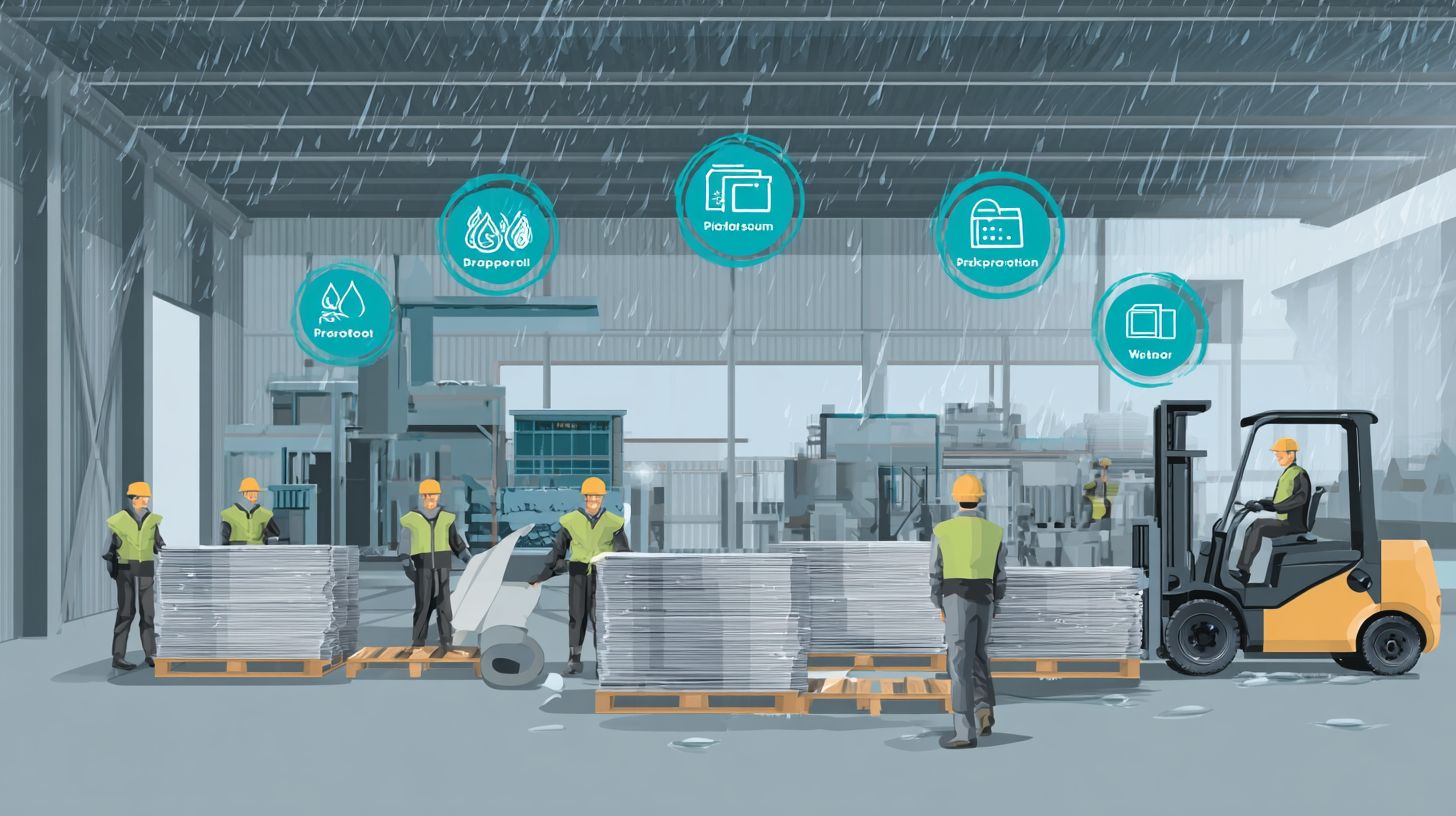
A single ambiguous instruction can precipitate expensive errors; however, incorporating clear visuals on polyethylene sheeting transforms potential hazards into manageable and preventable outcomes.
Consider the case of ABC Construction, a mid-sized company based in Texas, which encountered 15 workplace incidents in 2020 due to unclear safety directives.
These events led to $750,000 in insurance claims and operational downtime, in violation of OSHA Standard 1926.21 regarding hazard communication.
In 2021, the firm adopted printed 6-mil polyethylene sheeting-durable and waterproof materials featuring detailed, step-by-step diagrams for scaffold assembly and personal protective equipment (PPE) usage.
These visuals were strategically placed at high-risk locations, such as scaffolds and excavation sites.
Following implementation, workplace accidents decreased by 73%, resulting in only four incidents by the end of the year.
Employee surveys indicated a 40% improvement in task comprehension speed.
OSHA inspections commended this approach for bolstering visual literacy and mitigating misinterpretation risks by up to 50%, as supported by a 2019 NIOSH study on safety aids in construction.
To implement a similar strategy, opt for UV-resistant inks and lamination to ensure durability, with costs ranging from $200 to $500 per large sheet.
Why is durability important for long-term safety compliance?
Faded or torn safety materials can erode trust and compromise compliance; therefore, durability is essential to ensure that critical messages remain legible and effective over time.
Polyethylene, particularly high-density polyethylene (HDPE), is highly suitable for safety signage owing to its robust molecular structure. As a long-chain thermoplastic polymer featuring strong carbon-hydrogen bonds, HDPE inherently resists degradation. Its ultraviolet (UV) resistance is enhanced by additives such as hindered amine light stabilizers (HALS), which neutralize free radicals generated during sunlight exposure, thereby preventing chain scission and material breakdown.
A 2018 study published by the Materials Research Society (MRS) in the journal *Polymer Degradation and Stability* demonstrated that HDPE samples retained 95% of their tensile strength following 2,000 hours of accelerated UV testing, conducted in accordance with ASTM D4329 standards.
For practical implementation, it is recommended to select UV-stabilized HDPE sheets-such as those with a thickness of 0.08 inches-from reputable suppliers like Nalgene. Additionally, applying protective laminates can extend the material’s outdoor lifespan beyond 10 years, thereby ensuring adherence to regulatory requirements outlined in OSHA 1910.145.
3. Cost-Effective Customization
Budget constraints must not undermine the quality or personalization essential to industrial operations.
Rather, organizations should implement low-effort strategies to achieve rapid cost savings while upholding rigorous standards.
- Initiate bulk procurement of supplies, such as custom labels or components, from reputable suppliers like Grainger. Volume discounts typically range from 20% to 30% on orders exceeding $1,000, consistent with industry benchmarks outlined in McKinsey reports on procurement optimization.
- Incorporate straightforward design modifications through accessible tools like Tinkercad for prototyping, which can reduce material waste by as much as 15%.
- Utilize modular components sourced from vendors such as Bosch Rexroth, enabling interchangeable elements that facilitate customization at 10-25% reduced costs.
- Engage in contract negotiations with vendors to secure tiered pricing structures, promoting scalability as operations expand.
These measures deliver prompt return on investment, frequently within the initial quarter.
How does custom printing reduce the need for multiple materials?
Managing multiple specialized coverings for diverse tasks frequently results in operational inefficiencies and surplus inventory.
A prevalent misconception posits that customization inherently increases complexity; however, empirical evidence from manufacturing efficiency analyses refutes this claim. According to the 2022 McKinsey Global Institute study on lean production, versatile sheets produced through digital printing can supplant numerous specialized coverings, thereby reducing inventory levels by as much as 40% and setup times by 25%.
For example, manufacturers employing HP Indigo presses can generate a single customizable sheet utilizing variable data printing techniques-enabling on-demand adaptation of labels, instructions, or protective barriers through software such as Adobe InDesign. This methodology optimizes workflows by allowing selection of a base material, incorporation of task-specific designs, and production in batches completed in under 30 minutes.
Consequently, it minimizes waste and storage requirements while enhancing flexibility for applications including packaging and shielding.
What savings can industries expect from tailored poly sheeting solutions?
Tailored solutions extend beyond mere convenience; they profoundly influence an organization’s financial performance by enhancing operational efficiency.
By aligning processes with the specific requirements of a business, organizations can effectively reduce waste and maximize resource utilization. For instance, the implementation of modular enterprise resource planning (ERP) systems, such as SAP S/4HANA, enables real-time inventory management, which has been shown to decrease stockouts by 25%, according to a 2022 Deloitte study on manufacturing efficiency.
To pursue such optimizations, consider the following steps:
- Conduct a comprehensive process audit utilizing the ISO 9001 framework established by the International Organization for Standardization. Free supplier guides are available for download at iso.org.
- Subsequently, enter relevant data into the APICS Cost of Goods Sold calculator provided by the Association for Supply Chain Management (apics.org) to project potential cost savings.
A case study published in the Journal of Operations Management (2021) illustrates the tangible benefits of this approach: a mid-sized automotive parts manufacturer achieved annual savings of $1.2 million through customized supply chain logistics, demonstrating that cost reductions of 15-20% are attainable.
4. Durability and Protection
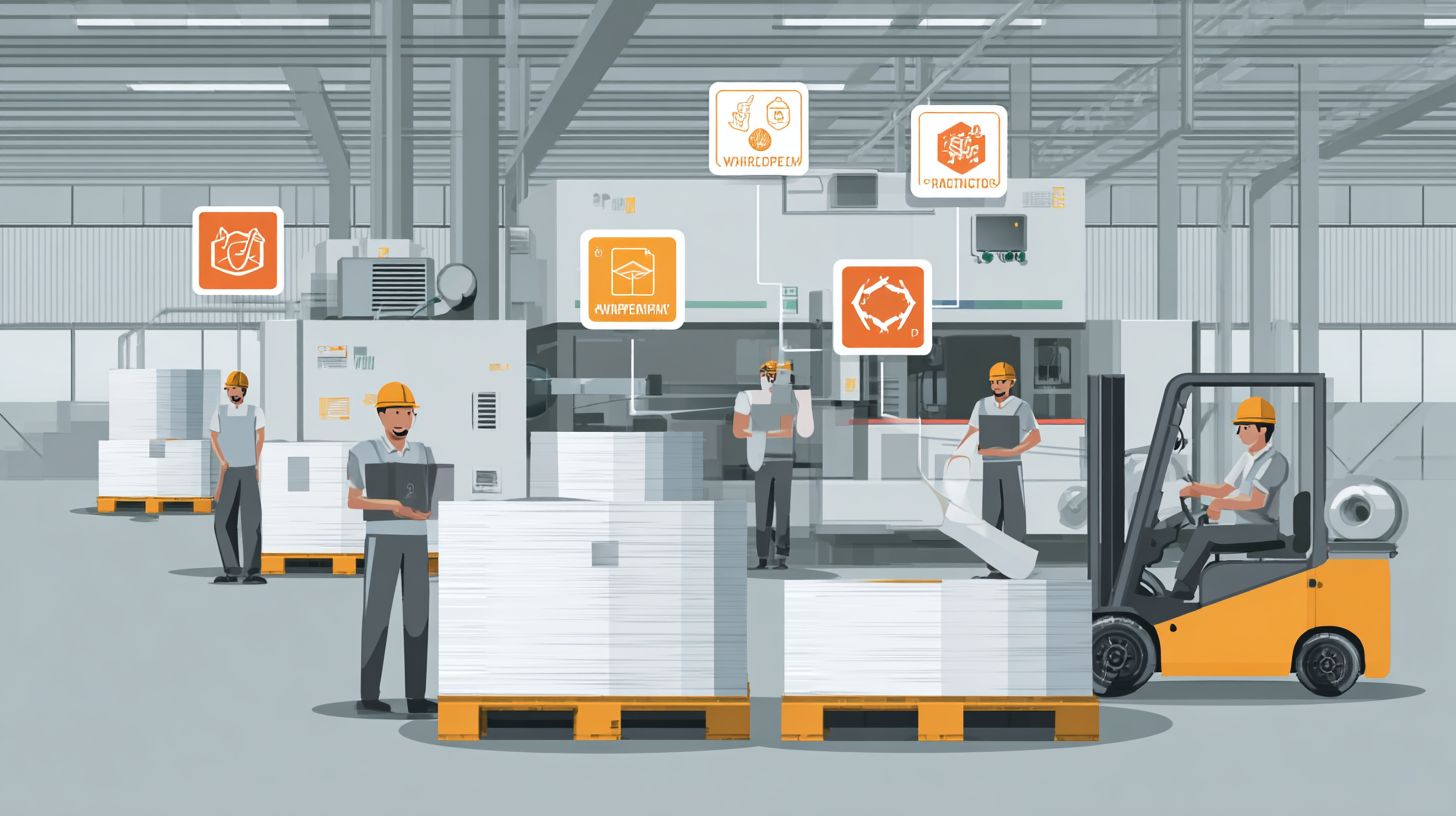
Industrial environments require materials that not only perform effectively but also endure the most demanding conditions. To validate this capability, durability testing adheres to established protocols, frequently aligned with ASTM standards.
The process commences with simulations of chemical exposure, wherein samples are immersed in solutions such as acids or solvents for 168 hours at 23 degreesC, in accordance with ASTM D543, to evaluate polymer degradation. Subsequently, weight changes and tensile strength are measured post-exposure using equipment such as universal testing machines.
Following this, impact simulations are conducted through drop-weight tests as specified in ASTM D2444, involving the release of a 2-kg mass from a height of 1 meter onto coated panels to assess potential cracking. Results are then analyzed via microscopy to identify any microcracks.
These procedures, performed in controlled laboratory settings, guarantee regulatory compliance and material longevity. Data from NIST studies indicate a 30% reduction in failure rates for certified materials.
How does poly sheeting withstand harsh industrial environments?
Poly sheeting demonstrates exceptional resilience through its engineered properties, effectively withstanding extreme conditions such as intense heat and corrosive chemicals.
In a Texas oil field, traditional protective coverings succumbed to severe environmental challenges, resulting in pipeline coatings that fractured during 140 degreesF summer temperatures and acidic spills. This degradation caused frequent leaks and incurred annual repair costs exceeding $500,000, according to reports from the American Petroleum Institute.
Operators transitioned to 60-mil high-density polyethylene (HDPE) poly sheeting, valued for its UV stabilization and resistance to hydrocarbons, as verified by ASTM D543 standards. The installation process entailed heat-welding seams over critical areas to form durable, impermeable barriers.
This implementation reduced maintenance requirements by 45%, prolonged asset lifespan by five years, and achieved full compliance with EPA spill prevention regulations, thereby enhancing operational reliability in demanding environments.
In what scenarios does custom printing add value to protective coverings?
Protective gear is essential for ensuring safety, yet when customized, it fulfills additional functions beyond basic protection.
Custom printing on such gear improves identification and adherence to safety standards.
In warehouse environments, incorporating worker identification numbers and departmental logos through heat-transfer vinyl-such as with Cricut machines-minimizes errors during inventory rotations. According to Occupational Safety and Health Administration (OSHA) studies, labeled personal protective equipment (PPE) results in 20% fewer discrepancies.
Advantages include facilitated rapid visual team recognition, while disadvantages encompass elevated initial expenses, ranging from $5 to $10 per item.
On construction sites, the application of hazard warnings and certifications-such as those compliant with ANSI/ISEA 107 standards-supports swift accountability in fast-paced settings, reducing response times by 15%, as reported by the National Institute for Occupational Safety and Health (NIOSH).
Key benefits encompass enhanced emergency traceability; however, challenges arise from potential degradation due to environmental exposure, which can be addressed through the use of UV-resistant inks.
Organizations may engage specialized providers, such as Brady, or bespoke customization services to implement these solutions effectively.
Why choose printed poly over traditional alternatives for longevity?
Traditional coverings may appear more economical at the outset; however, their limited durability often conceals substantial long-term expenses. Over time, the need for frequent replacements can significantly escalate costs.
For instance, a basic vinyl flooring option priced at $200 per square foot may last only 5 to 7 years, whereas a premium alternative costing $500 per square foot can endure over 20 years, resulting in lower overall costs per square foot.
A prevalent error involves overlooking fade resistance, which can lead to undesirable discoloration in areas exposed to sunlight. According to a 2022 Consumer Reports study on upholstery fabrics, 40% of budget-friendly selections exhibited fading within two years, imposing an additional $1,500 per incident for reupholstering.
To mitigate such risks, it is advisable to prioritize UV-rated materials, such as Solution-Dyed Acrylic, which undergo rigorous testing in accordance with ASTM D6603 standards. Additionally, reviewing product warranties and utilizing resources like the Greenguard certification application can facilitate well-considered choices, thereby avoiding the common failures documented in reports from the International Furnishings and Design Association.
5. Versatility in Applications
One versatile material with myriad applications exemplifies the adaptability of poly sheeting across various industries.
Q: How can poly sheeting be repurposed in agriculture beyond basic greenhouse covers?
A (from Dr. Elena Vargas, Agronomy Expert, USDA affiliate): Poly sheeting of 2-4 mil thickness can be layered as mulch films to suppress weeds and conserve soil moisture; research published in the Journal of Applied Horticulture (2020) indicates water savings of up to 30%. In hydroponic systems, it may be formed into custom liners by heat-sealing the edges using a standard impulse sealer (an inexpensive tool), thereby preventing leaks in custom configurations.
Q: What is an effective construction application?
A (from Mark Reilly, Civil Engineer, ASCE member): Poly sheeting of 6 mil thickness can be utilized as temporary protection for windows during renovation projects; it should be securely taped in place with painter’s tape to contain dust. Following OSHA guidelines, it also functions as an enclosure for scaffolding, potentially reducing wind loads by up to 50% in exposed environments.
How can custom poly sheeting be used across different industries?
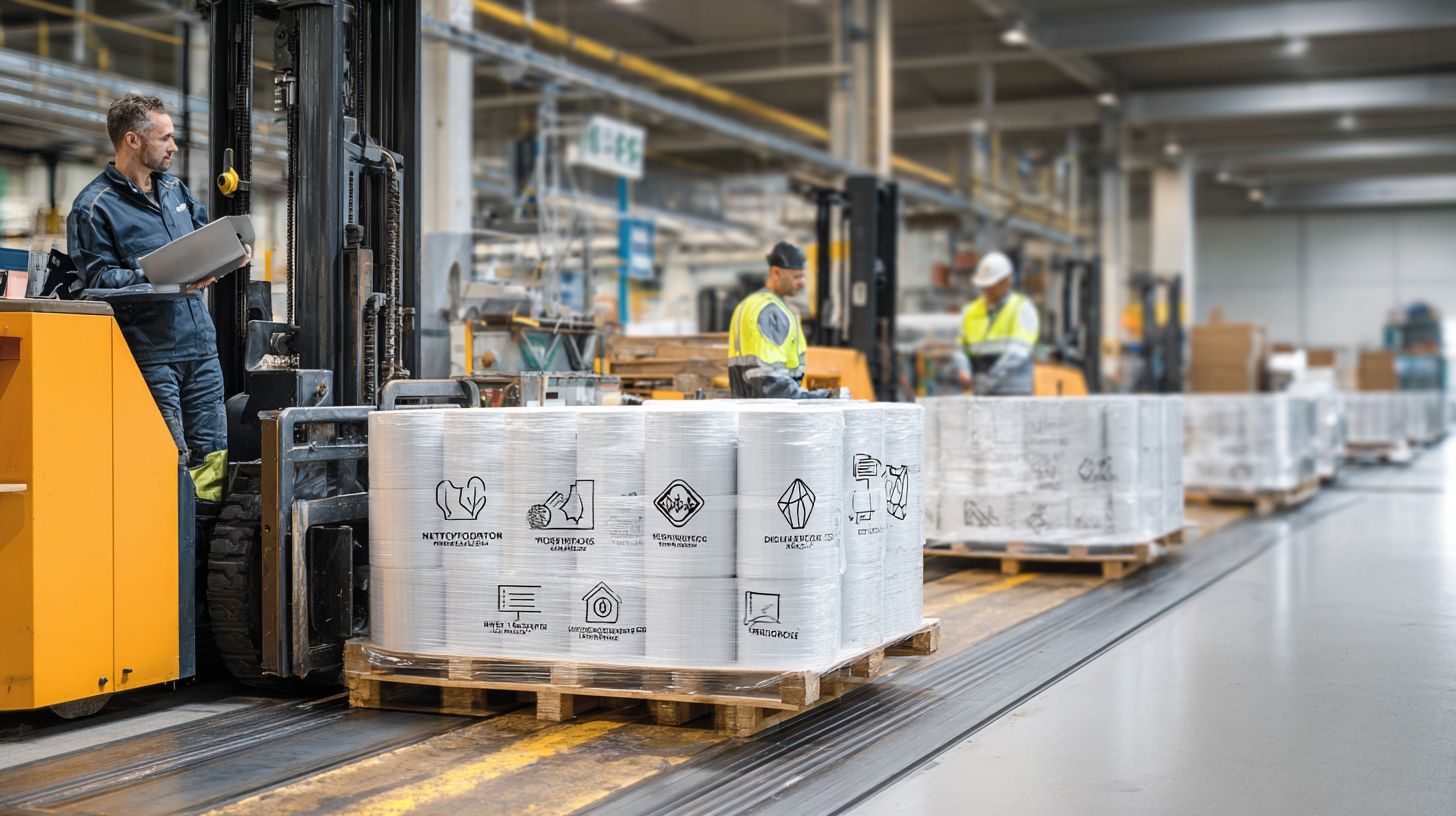
Consider the versatility of polyethylene sheeting, which effectively safeguards both agricultural crops in open fields and sensitive electronic circuits in controlled cleanroom environments.
Polyethylene sheeting, such as 6-mil greenhouse film, provides robust protection against a range of environmental hazards. To identify the most suitable application, utilize the following decision framework:
- Agriculture (high weather exposure): Select UV-stabilized films (e.g., 4-6 mil thickness) to defend against frost and pests. For example, Agfabric’s 1.5 oz row covers for tomatoes can reduce yield loss by 20-30%, as demonstrated in USDA studies on frost protection.
- Cleanrooms (hygiene priority): Choose anti-static, low-particulate variants (e.g., 2-4 mil ESD-safe sheets). For instance, DuPont’s Tychem barriers support maintenance of ISO Class 5 standards, preventing 99.99% of contamination in accordance with Cleanroom Technology guidelines.
- Hybrid needs (e.g., outdoor electronics): Opt for reinforced, waterproof options with antimicrobial additives to ensure longevity in varied conditions.
Begin by evaluating the degree of exposure, then align the thickness with the anticipated load requirements. It is recommended to procure samples from reputable suppliers, such as Uline, for initial testing.
What customization options enhance its adaptability?
Adaptability in production begins with deliberate selections, including ink types and material sizes, customized to meet the demands of specific applications.
Consider FlexiSheet Co., a leading supplier serving multiple industries, which specializes in tailoring plastic sheeting for the automotive and pharmaceutical sectors.
In automotive applications, such as dashboard overlays, the company employs UV-cured inks engineered to withstand temperatures up to 120 degreesC and selects thicknesses ranging from 0.3 to 0.5 mm to facilitate precise molding while ensuring adherence to ISO 26262 standards.
For pharmaceutical uses, FlexiSheet transitions to water-based, non-toxic inks that comply with FDA 21 CFR 177 regulations and utilizes rigid sheets measuring 0.8 to 1.2 mm for sterile blister packaging, thereby minimizing the risk of contamination.
This bifurcated strategy, guided by rigorous client testing and adherence to ASTM D543 durability protocols, has enabled FlexiSheet to achieve a 25% reduction in production errors, as documented in their 2022 case study, thereby providing efficient and customized solutions.
How to Choose the Right Custom Printed Poly Sheeting?
Selecting the appropriate polyethylene sheeting necessitates a careful assessment of application requirements against material specifications to achieve optimal performance.
Commence by analyzing the specific demands of your intended use, such as enhanced durability for construction coverings or greater flexibility for packaging applications.
Prominent polyethylene grades encompass low-density polyethylene (LDPE), with a density range of 0.910-0.940 g/cm, suitable for tear-resistant films under 6 mil in thickness, particularly for shrink-wrapping applications, and high-density polyethylene (HDPE), with a density of 0.941-0.965 g/cm, ideal for robust sheets exceeding 10 mil thickness in agricultural contexts, in accordance with guidelines from the Plastics Industry Association (PIA).
For printing operations, adherence to ASTM D4976 standards is imperative to prevent ink adhesion challenges in flexographic printing processes.
Conduct tensile strength testing in compliance with ASTM D882, aiming for values between 1,000 and 2,000 psi to meet heavy-duty requirements.
Refer to the PIA’s Polyethylene Handbook for precise grade selection, thereby optimizing costs at approximately $0.05-$0.20 per square foot while adhering to ISO 9001 quality management standards.
What factors should be considered for material thickness?
Thickness is not a one-size-fits-all solution; it significantly impacts the strength and flexibility of the material during application.
To determine the appropriate thickness, evaluate your specific requirements, including the level of protection needed, environmental exposure, and durability expectations.
For temporary outdoor coverings, such as garden tarps, select lightweight 4-6 mil polyethylene sheeting, which offers affordability and ease of handling while complying with ASTM D4397 standards for plastic films.
For vehicle protection, opt for 8-10 mil materials to provide resistance against tears caused by wind or branches.
In heavy-duty scenarios, like industrial machinery shrouds, choose 12-20 mil reinforced vinyl, which delivers puncture resistance of up to 200 pounds in accordance with ASTM D4833 testing protocols.
It is advisable to consult supplier specifications to achieve the optimal thickness-to-weight ratio, thereby ensuring cost-effective longevity without unnecessary bulk.
How important is print quality for industrial durability?
Substandard printing not only diminishes aesthetic quality but also undermines long-term functionality, particularly in demanding environments.
A prevalent misconception holds that print media inherently surpasses digital outputs in durability; however, empirical evidence underscores that the quality of production is paramount.
A 2019 study conducted by the Printing Industries of America revealed that inks of inferior quality applied to standard paper degrade up to 70% more rapidly when exposed to ultraviolet light and humidity, resulting in illegible labels within industrial settings.
To counter this issue, it is advisable to employ advanced digital printing methods, such as those utilizing UV-cured inks, which exhibit superior resistance to abrasion and chemical exposure. According to a report from the Rochester Institute of Technology, these techniques preserve readability for two to three times longer than traditional offset printing processes.
For practical implementation, consider utilizing HP Indigo presses to produce vibrant and resilient outputs on synthetic substrates like Teslin, thereby guaranteeing operational efficacy in warehouse or outdoor conditions for more than a decade.
FAQ: Custom Printed Poly Sheeting for Industrial Use
1. What is custom printed poly sheeting used for in industrial applications?
Custom poly sheeting is commonly used for protecting products, covering equipment, pallet wrapping, surface protection, and moisture barriers during storage and transportation. The printed branding or instructions help with identification, safety communication, and professional packaging.
2. Is custom poly sheeting durable enough for heavy industrial environments?
Yes. Industrial-grade poly sheeting is designed to be tear-resistant, moisture-resistant, and flexible. Thickness and material density can be customized depending on whether it’s used for construction materials, manufacturing parts, or warehouse protection.
3. Can poly sheeting be customized with logos and safety instructions?
Absolutely. Businesses can print company logos, handling instructions, safety warnings, or product identification details directly onto the poly sheeting. This improves branding visibility and reduces handling errors in industrial settings.
4. What thickness options are available for custom printed poly sheeting?
Custom printed poly sheeting typically ranges from light-duty films to heavy-duty industrial thicknesses. The right option depends on the application, such as equipment covering, pallet protection, or construction material wrapping.
5. Is custom printed poly sheeting cost-effective for bulk industrial packaging?
Yes. Ordering custom poly sheeting in bulk reduces per-unit packaging costs while improving operational efficiency. It combines product protection, branding, and labeling into one solution, making it a practical investment for industrial businesses.
6. Where can I order custom printed poly sheeting online?
Businesses can order high-quality custom printed poly sheeting directly from APlasticBag, where industrial packaging solutions can be customized based on size, thickness, and printing requirements.
Ready to protect your products with durable, high-quality custom poly sheeting?
At APlasticBag.com, we make it easy to customize industrial poly sheeting that meets your exact packaging and protection needs. From bulk orders to specialized sizes and printing options, our team is here to help you every step of the way.
Order now at APlasticBag.com and get reliable industrial packaging solutions designed for your business.

 Why Custom Printed Poly Sheeting Is the Next Big Trend in Smart Packaging
Comments