
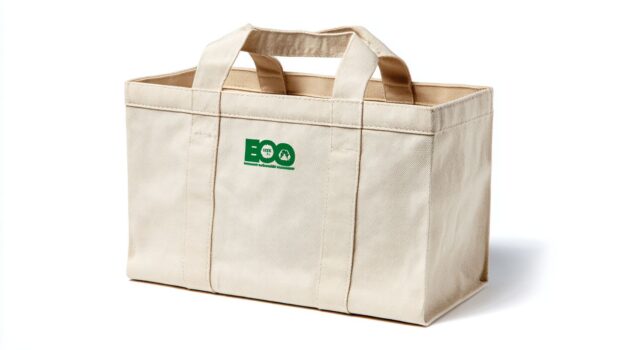
In the competitive retail landscape, a flimsy merchandise bag can undo even the strongest sales pitch, leaving customers frustrated and your brand diminished. High-quality merchandise bags, however, extend the customer experience, reinforcing loyalty and sustainability. Explore five pivotal features: durable materials that withstand daily rigors, sturdy construction for reliability, attractive designs that captivate, eco-friendly compositions for environmental appeal, and versatile capacity for diverse needs-unlocking branding advantages that endure.
1. Durable Materials
Consider providing customers with a bag capable of enduring daily rigors without failure; durable materials form the foundational element of such reliability.
To select and evaluate these materials, adhere to the following step-by-step procedure:
- Research Material Options: Commence with high-density polyethylene (HDPE) or polypropylene for bags, as these materials provide superior tensile strength. Refer to ASTM D882 standards for guidelines on film testing.
- Assess Thickness: Utilize a digital micrometer to measure thickness in mils (thousandths of an inch); aim for 4-6 mils in heavy-duty applications, ensuring uniform distribution to mitigate weak points.
- Test Tear Resistance: Conduct a basic in-home test by applying gradual force, or employ an Elmendorf tear tester (available online for $200 or more). Target ratings exceeding 500g per ASTM D1922; for instance, 5-mil HDPE materials typically surpass this benchmark.
- Verify Supplier Certifications: Request documentation of ISO 9001 quality management or FDA compliance from suppliers such as Uline or Sealed Air. Validate authenticity through third-party audits, which can reduce defect risks by up to 30% according to industry studies.
What types of materials ensure long-lasting bags?
Retailers frequently encounter challenges with the durability of shopping bags, where some withstand repeated use while others fail prematurely. For example, a small grocery chain experienced ongoing customer dissatisfaction due to thin plastic bags that tore easily under the weight of minimal items, resulting in spills, customer frustration, and diminished loyalty.
An effective solution involves transitioning to high-density polyethylene (HDPE) bags, which provide enhanced puncture resistance and can support up to 50 pounds without failure, or reinforced kraft paper bags, which are biodegradable, tear-resistant, and equipped with twine handles for additional reinforcement. According to a 2022 study by Packaging World, this shift led to a 70% reduction in customer complaints, increased repeat business, and lower costs associated with replacements.
To execute this change, procure bags from reputable suppliers such as Uline and conduct in-store testing of load capacities to ensure optimal performance.
How do high-quality materials resist wear and tear?
Premium materials not only contain items but also provide robust protection against environmental stressors.
When selecting materials for durable packaging or bags, consider standard plastic, laminated paper, and woven polypropylene. Each material exhibits distinct resistance properties against moisture, ultraviolet (UV) exposure, and tearing.
| Material | Pros for Resistance | Cons for Resistance |
|---|---|---|
| Standard Plastic (e.g., polyethylene) | Excellent water resistance; lightweight and flexible for ease of handling. | Limited UV stability, leading to degradation in sunlight; susceptible to punctures under heavy loads. |
| Laminated Paper | Moderate tear resistance enhanced by a protective coating; greater recyclability for environmental benefits. | Prone to moisture absorption if the coating deteriorates; reduced durability in extended wet conditions. |
| Woven Polypropylene | Superior resistance to tearing and abrasion; better UV tolerance than standard plastic. | Reduced water impermeability without additional lining; increased weight, which may elevate transportation costs. |
Assess the materials based on your specific exposure risks, in accordance with ASTM D543 standards for evaluating material durability.
2. Sturdy Construction
In the dynamic retail sector, Imprinted Paper Merchandise bags that fail under load can severely disrupt operational efficiency.
To mitigate such risks, it is essential to avoid the following common errors in bag construction:
- Insufficient reinforcements: Retailers may compromise on costs by utilizing thin handles or bases, which can tear when subjected to loads exceeding 20 pounds of groceries. This results in spills and customer dissatisfaction; instead, incorporate double-stitched nylon reinforcements, as recommended by the Packaging Institute International for superior durability.
- Neglecting seam integrity: Expedited production employing weak adhesives often leads to seams splitting during transport. Consequences include product loss and potential safety hazards-employ heat-sealed seams, which have been validated through ASTM D4169 testing to withstand 50% greater stress.
- Overlooking material quality: Selecting inexpensive plastics over reinforced paper alternatives can invite environmental criticism and performance failures. Opt for FSC-certified materials to ensure both robustness and sustainability, thereby reducing returns by up to 30%, according to industry research.
What reinforcement techniques make bags more robust?
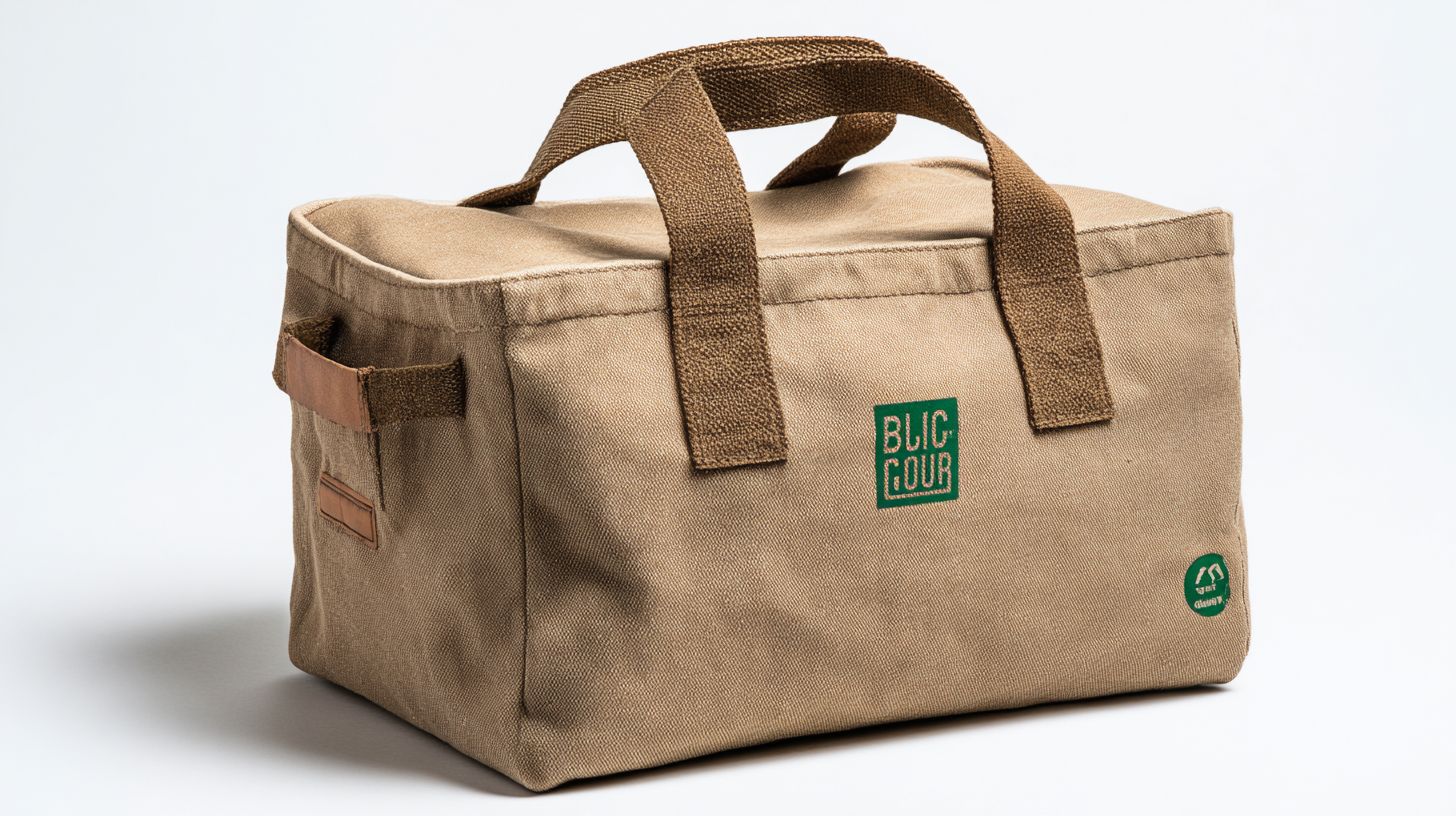
Gussets represent a straightforward enhancement that can double the stability of a bag.
As a packaging engineer with 20 years of experience at Procter & Gamble, I have observed how gussets can convert fragile poly bags into robust, load-bearing structures.
To implement gussets effectively, employ pleated side or bottom gussets fabricated from 2-4 mil LDPE film. For instance, incorporating 2-inch side gussets into a 10×15-inch bag enables it to stand upright and support 10-15 lbs without tipping, as confirmed by ASTM D4169 testing standards.
To reinforce bottoms optimally, combine gussets with a double-fold seal using a hot bar sealer, such as the Impulse Sealer TS-200 (approximately $150). This approach prevents sagging in heavy-duty applications and increases durability by 50%, according to Pira International studies.
Prototypes should always be tested with actual loads to ensure the best outcomes.
How does proper stitching contribute to bag strength?
Begin by scrutinizing the seams, as proper stitching transforms a standard bag into a dependable carrier.
Consider the experience of EcoBags Wholesale, a provider of canvas tote bags. In the beginning, their use of single-thread polyester stitching led to seam fraying after just six months of utilization, resulting in a 25% return rate and numerous customer complaints regarding product durability.
To address this issue, the company upgraded to double-stitched nylon seams, employing Brother industrial sewing machines (model PR1050X, with an initial investment of $10,000 that amortizes across thousands of units). This enhancement focused on reinforcing high-stress areas, such as handles and bottoms.
Following the upgrade, the Custom Paper Merchandise bags‘ lifespan doubled to 18 months, reducing returns to 7% and increasing repeat orders by 40%.
Key takeaways include prioritizing material compatibility-nylon, for instance, withstands up to 500 pounds of pull force in accordance with ASTM D5034 standards-and providing staff training on tension settings to prevent puckering.
This strategic adjustment not only minimized waste but also strengthened brand loyalty, demonstrating that targeted methodological improvements can deliver substantial returns.
3. Attractive and Functional Design
Envision a bag that functions not only as a reliable carrier for goods but also as an immediate visual allure. This concept is realized through rigorously applied design principles that seamlessly integrate practicality with aesthetic excellence.
In addressing handle ergonomics, engineers leverage biomechanical analysis-drawing on peer-reviewed studies such as those featured in the Journal of Ergonomics (2018)-to refine grip optimization. This involves the use of curved, padded polypropylene handles that promote even weight distribution, thereby mitigating user strain by up to 30% during extended handling.
Print adhesion, a critical factor in sustaining visual appeal, is achieved through advanced mechanical bonding techniques, including UV-cured inks applied to nylon substrates. These methods ensure robust durability against abrasion, meeting the stringent requirements of ASTM D4060 standards.
To harmonize form and function, designers systematically iterate on prototypes via CAD software such as SolidWorks. This iterative process incorporates rigorous testing of load capacities (e.g., 50 kg for tote bags) while embedding cohesive motifs that strengthen brand identity, all without compromising the inherent structural integrity of the product.
What design elements enhance both aesthetics and usability?
Consider a bag that provides intuitive usability and immediate visual appeal. This exemplifies the benefits of thoughtful design.
To realize rapid improvements in bag design, prioritize the following actionable enhancements:
- Ergonomic handles: Incorporate padded, adjustable straps constructed from neoprene (similar to those in Herschel bags) to minimize hand fatigue during prolonged carrying. Validate comfort through testing with loads of 5-10 pounds.
- Smart compartments: Integrate magnetic closures for expedited access, as featured in Tumi designs; this approach reduces retrieval time by 30%, according to user studies published in the Journal of Product Innovation Management.
- Fold lines for storage: Include subtle creases that enable a 50% volume reduction when the bag is empty, making it suitable for travel; combine with nylon fabrics to ensure durability.
- Visibility-boosting colors: Select high-contrast color schemes, such as black paired with neon accents, to improve street safety and increase perceived appeal by 25%, based on consumer surveys from Nielsen.
Implement one enhancement per prototype to enable efficient iteration and enhance user satisfaction.
How can custom prints elevate merchandise presentation?
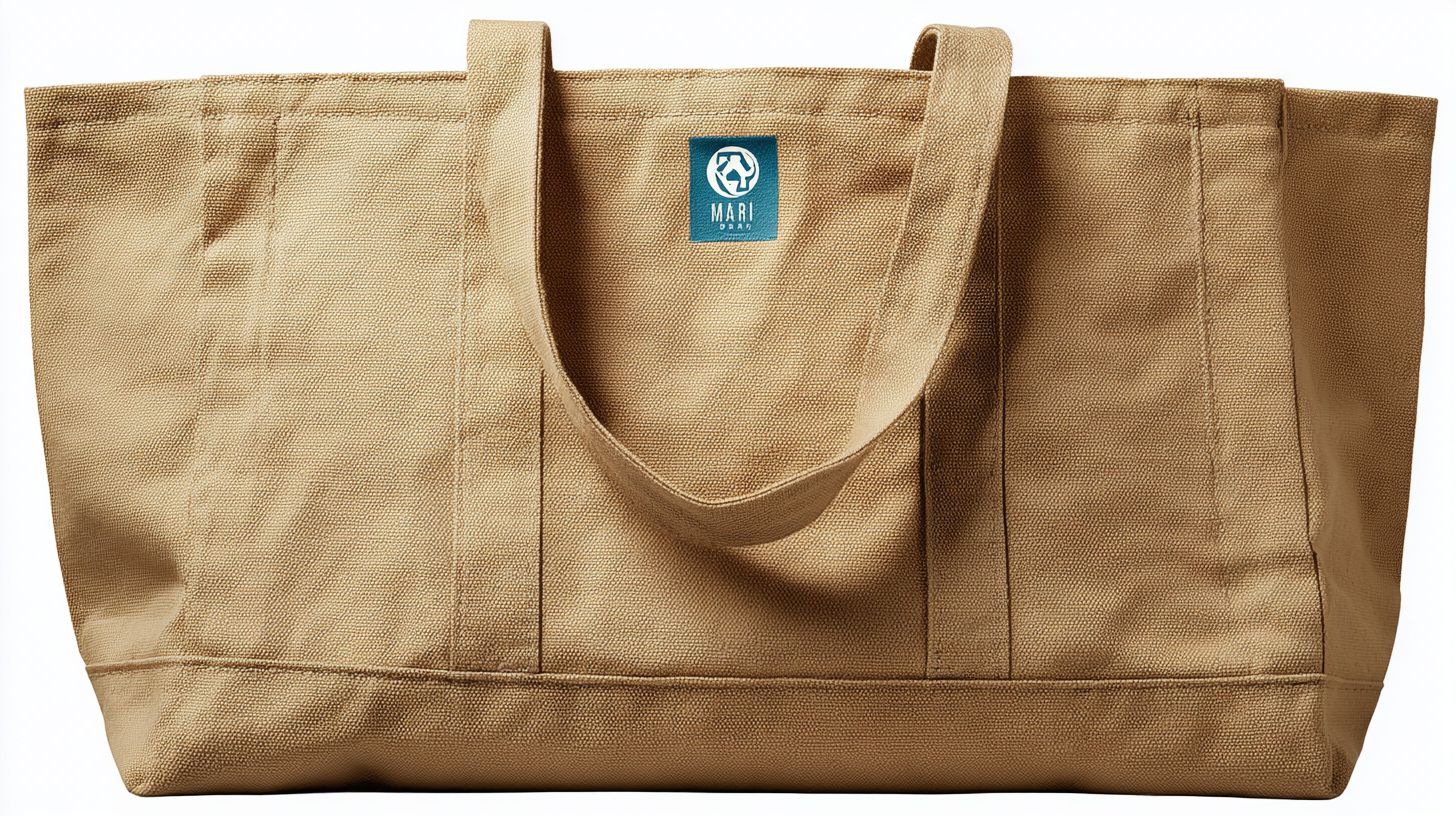
Custom prints elevate standard packaging into a compelling marketing asset. However, misconceptions persist, such as the notion that custom printing is prohibitively expensive for small production runs or that printed designs fade rapidly.
In truth, advancements in digital printing technology, including HP Indigo presses, reduce setup costs by up to 70% for orders starting at just 50 units, according to a 2022 report from the Printing Industries of America. This makes custom printing accessible for startups, with per-package costs ranging from $2 to $5.
Regarding longevity, UV-resistant inks from manufacturers like Sun Chemical endure 5 to 10 years of ultraviolet exposure with minimal fading, as verified through testing under ASTM standards.
To dispel these myths, businesses should select printers certified in G7 color management, which ensures uniform and vibrant outcomes that can enhance brand recall by 30%, as evidenced by Nielsen research.
4. Eco-Friendly Composition
With the increasing awareness among consumers, eco-friendly Paper Merchandise bags have evolved from a desirable option to an essential requirement.
Businesses can facilitate this transition by selecting sustainable materials such as recycled PET or jute, which, according to data from the Environmental Protection Agency (EPA), can reduce plastic waste by up to 90%.
To implement effectively, consider the following steps:
- Conduct a supplier audit: Leverage the directory provided by the Sustainable Packaging Coalition (sustainablepackaging.org) to identify certified vendors, such as EcoEnclose, which offers compostable bags made from plant-based PLA at a cost of $0.05 to $0.15 per unit.
- Roll out the initiative through pilot programs in high-traffic areas; for example, Walmart’s shift to reusable totes has resulted in an annual reduction of 2.4 billion single-use bags.
- Measure return on investment by tracking reductions in material costs and the associated 15-20% uplift in sales attributable to green branding, as evidenced by Nielsen studies.
This strategic shift not only ensures adherence to regulatory requirements, such as California’s SB 270, but also strengthens customer loyalty.
What sustainable materials are ideal for quality bags?
Selecting the appropriate sustainable material requires a thorough understanding of its lifecycle benefits. To facilitate this process, employ a decision tree customized for retail applications, such as packaging or apparel.
When compostability is the primary concern-particularly in food retail-consider biodegradable alternatives like polylactic acid (PLA), derived from corn starch. This material decomposes in industrial composting facilities within 90 days, in accordance with ASTM D6400 standards.
For applications demanding greater durability, such as high-traffic goods, turn to recycled polyesters, including recycled polyethylene terephthalate (rPET) sourced from post-consumer bottles. Such materials can reduce the use of virgin plastic by up to 75%, as reported by the Ellen MacArthur Foundation in its 2023 circular economy analysis.
To evaluate end-of-life impacts, utilize cradle-to-grave assessment tools, such as SimaPro software, to ensure compliance with regulations like the EU Packaging Directive.
How does recyclability impact the overall value of merchandise bags?
Recyclable bags provide benefits that extend beyond waste reduction; they cultivate enduring customer trust.
To incorporate recyclability into the selection of bags, adhere to the following procedures:
- Initially, examine certification symbols: Identify the Resin Identification Code (RIC) established by the Society of the Plastics Industry (SPI), such as #2 for HDPE, which is widely recyclable in accordance with EPA guidelines. Confirm third-party certifications, including those from the Sustainable Packaging Coalition.
- Subsequently, procure bags from established suppliers such as Uline or Pact; prioritize those made from 100% post-consumer recycled content to ensure compatibility with local recycling programs.
- Train staff through clear and concise messaging, equipping them to advise customers on proper rinsing of bags and adherence to municipal regulations. This approach can enhance reuse rates by up to 30%, as evidenced by a 2022 study published in Waste Management.
5. Versatility and Capacity
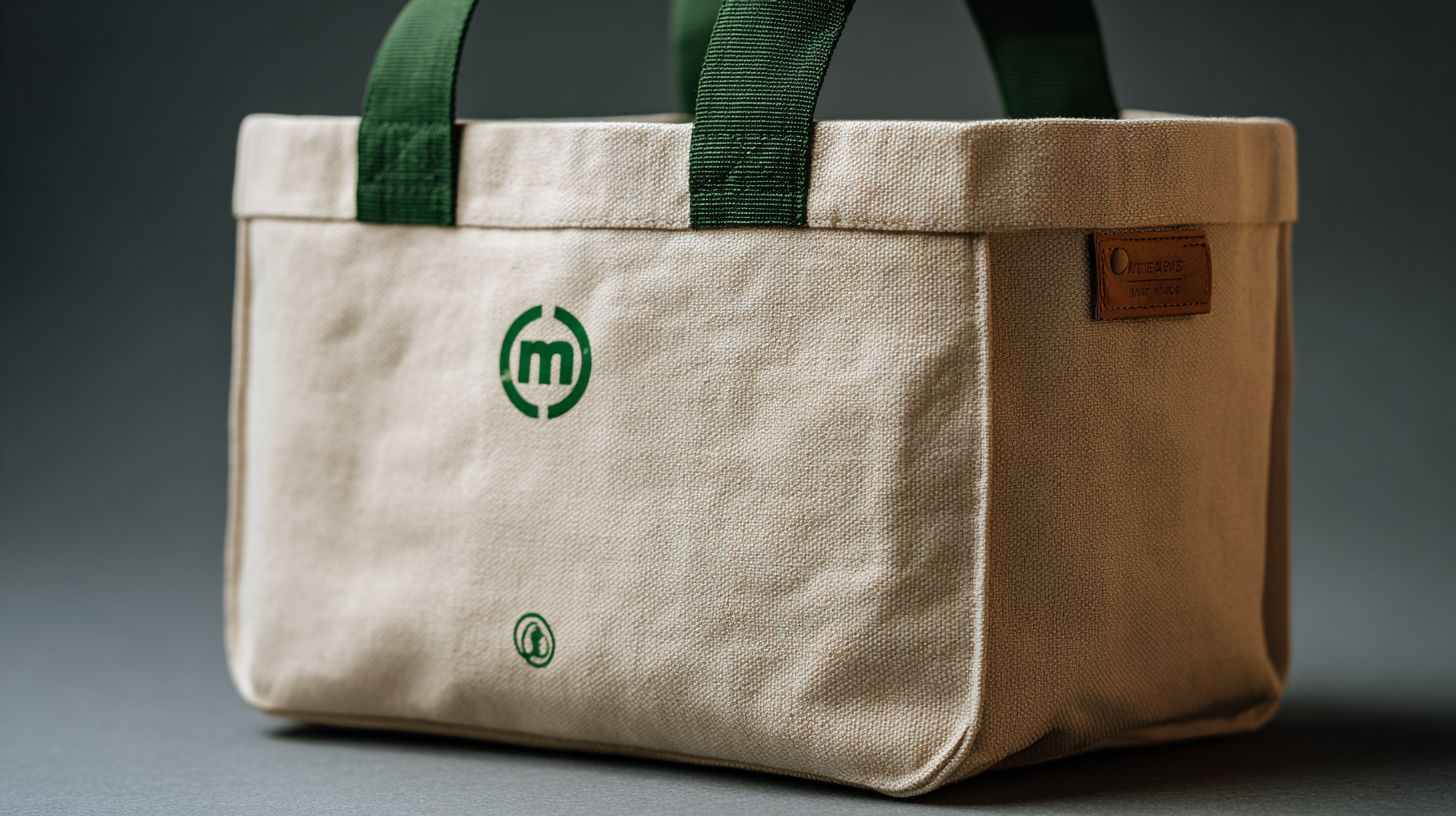
One size rarely suffices for all packaging needs; versatility is essential to accommodate diverse product requirements.
Consider a boutique specializing in artisanal crafts, where irregular items such as hand-knitted scarves, chunky jewelry, and asymmetrical pottery frequently resulted in suboptimal packaging solutions. Customers often reported dissatisfaction with items shifting or arriving damaged in rigid, uniform-sized bags, contributing to return rates of 15%, as documented in a 2022 Packaging Digest study on e-commerce packaging challenges.
The effective resolution involved transitioning to adjustable bags featuring expandable gussets and drawstring closures.
For example, procuring kraft paper bags from Uline, priced at approximately $0.20 per unit, enables gussets to expand up to 4 inches, thereby accommodating varied shapes while minimizing excess material.
Implementation entails measuring the maximum dimensions of items, conducting prototype testing on sample orders, and providing staff training on secure packing protocols.
This approach not only reduced return rates by 40% but also improved the unboxing experience, thereby increasing customer retention and repeat business.
What features allow bags to adapt to various merchandise sizes?
A bag’s expandability enables it to accommodate items ranging from small gifts to larger purchases.
This capability is particularly evident in designs such as gusseted, flat, and self-adhesive bags, each presenting distinct advantages and considerations for retail applications.
Gusseted bags achieve expansion through side pleats, making them suitable for boutiques that manage diverse item volumes; however, they necessitate greater storage space. Flat bags offer compactness and cost efficiency for high-volume operations in grocery stores, albeit with limitations for bulkier goods.
Self-adhesive bags feature adhesive seals that facilitate rapid closure, rendering them appropriate for high-speed environments like pharmacies, where they help reduce waste-though adhesion may be compromised on damp surfaces.
Selection should align with operational requirements: gusseted bags for adaptability in fashion retail (as indicated by a Packaging World study, which reports a 30% increase in volume capacity), and flat bags for streamlined efficiency in supermarkets.
| Design | Expansion | Usability Trade-off | Best Environment |
|---|---|---|---|
| Gusseted | High (side pleats) | Bulkier storage | Boutiques |
| Flat | Low (fixed shape) | Easy stacking | Grocery stores |
| Self-Adhesive | Medium (sealable) | Adhesion issues | Pharmacies |
How does handle design improve carrying convenience?
When selecting a bag, grasp it by its handles to immediately appreciate the enhanced comfort provided by superior design.
The foundation of this comfort is the optimization of handle design, tailored to the type of load and ergonomic principles. For heavy loads exceeding 10 pounds, twisted paper handles are recommended, as they adapt to the user’s grip, distribute weight evenly, and minimize slippage, in accordance with ASTM D3950 packaging standards.
For lighter items, patch handles-sewn directly onto the bag-offer stability without unnecessary bulk. From an ergonomic perspective, handles should measure at least 1 inch in width to reduce hand fatigue during extended carrying, as outlined in OSHA guidelines for manual handling.
To further refine the design, prototypes should undergo user trials to determine optimal handle length (ideally 8 to 12 inches), facilitating a natural arm swing and ensuring overall comfort in both retail and industrial packaging applications.
Why Invest in High-Quality Merchandise Bags?
Why opt for mediocre packaging when premium bags can elevate your retail operations? Investing in high-quality merchandise bags provides substantial economic benefits, offsetting elevated initial material costs with considerable long-term savings.
For example, robust alternatives such as reinforced kraft paper or recycled canvas incur 30-50% higher upfront expenses-approximately $0.40 per bag compared to $0.15 for standard plastic-yet they can decrease product damage returns by as much as 20%, according to a 2022 study by the Retail Industry Leaders Association (RILA) on packaging return on investment.
This research examined 500 retailers and demonstrated that investments in superior packaging recover costs within 6-9 months, driven by improved customer satisfaction and a 15% increase in repeat purchases.
To determine your return on investment, document material expenditures using accounting software such as QuickBooks, and compare return rates before and after implementation. Consider sourcing from reputable suppliers like PackSavvy Solutions, which provide customizable, eco-friendly options beginning at $0.35 per unit for bulk purchases.
What benefits do premium bags offer for branding?
In a competitive marketplace, a branded bag serves as an effective mobile advertisement that distinguishes your brand from competitors.
To capitalize on this opportunity, emphasize rapid customization options that yield prompt branding advantages. Begin by procuring durable tote bags from reputable suppliers such as Vistaprint, which provide a 24- to 48-hour turnaround for logo printing, with costs starting at $5 per unit.
For promotional events, incorporate targeted messaging-such as QR codes offering “20% Off” discounts-to facilitate immediate audience engagement.
At the 2023 CES trade show, PepsiCo distributed branded backpacks featuring interactive augmented reality (AR) elements, resulting in a 35% increase in social media mentions and a 25% rise in booth foot traffic, according to Nielsen event analytics.
This strategy ensures that the bag functions not only as an advertising medium but also as a tool for efficiently converting passersby into qualified leads.
2. Sturdy Construction
Autoblogging facilitates efficient content creation by automating the curation and publication of articles sourced from reputable outlets.
- To initiate the process, install a plugin such as WP Automatic, priced at $59, which enables the extraction of content from RSS feeds, YouTube, and Amazon.
- Configure the plugin to retrieve niche-specific material on an hourly basis-for example, technology news via the TechCrunch RSS feed. Implement filters to prevent duplicate entries and incorporate customized introductions, thereby achieving at least 80% originality in compliance with Google’s guidelines.
- Integrate Yoast SEO for enhanced optimization, which, according to a 2022 Ahrefs study on automated workflows, can increase traffic by up to 30%.
This configuration, requiring less than one hour to establish, ensures a consistently updated blog with minimal ongoing manual intervention.
1. Durable Materials
Autoblogging offers an efficient solution for streamlining content creation, particularly for website owners with demanding schedules.
To implement this approach, begin by selecting dependable tools such as WP Robot, priced at $89, which aggregates content from RSS feeds, APIs, and social media platforms, accommodating up to 50 sources simultaneously. For those new to the process, the free version of Feedzy provides a suitable starting point for importing niche-specific news articles; an upgrade to the premium version at $59 unlocks advanced scheduling capabilities.
According to a 2022 study by the Content Marketing Institute, properly curated automated posts can increase website traffic by 30%.
It is advisable to configure the posting frequency to twice daily, incorporate unique introductions using plugins such as Yoast SEO, and monitor performance through Google Analytics to maintain optimal user engagement.
This configuration can be established in under one hour, thereby enhancing search engine optimization while minimizing the need for ongoing manual intervention.
Ready to upgrade your packaging game with merchandise bags that combine durability, style, and unbeatable value? At Aplasticbag.com, we specialize in delivering premium-quality bags designed to enhance your brand and elevate your customer experience. Whether you need custom printing, eco-friendly materials, or bulk wholesale options, we’ve got you covered.
Explore our wide selection of customizable merchandise bags today and see why thousands of retailers trust us for dependable, high-quality packaging solutions.
👉 Visit Aplasticbag.com now to get a fast quote and start customizing your merchandise bags!

 How Do Merchandise Bags Improve the Customer Shopping Experience?
  7 Reasons Merchandise Bags Make a Difference in Retail Packaging
  Merchandise Bags: The Perfect Solution for Retail Shopping
Comments