
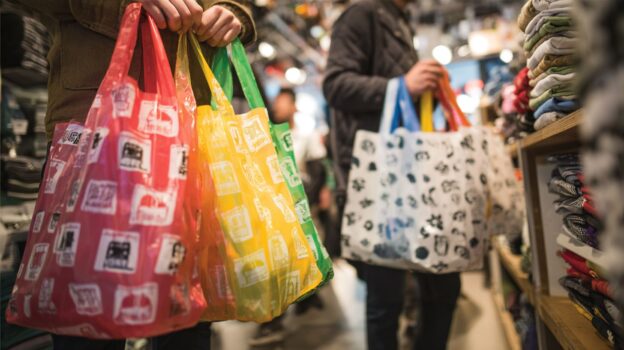
In the bustling retail arena, where first impressions seal loyalty, a simple bag can become your brand’s silent ambassador. Custom printed plastic bags elevate packaging from mundane to memorable, blending functionality with marketing prowess. This article uncovers five key reasons: amplified brand visibility, cost-effective promotion, unmatched durability, versatile customization, and eco-friendly innovations. Uncover how they propel sales and sustainability in your store.
1. Enhanced Brand Visibility
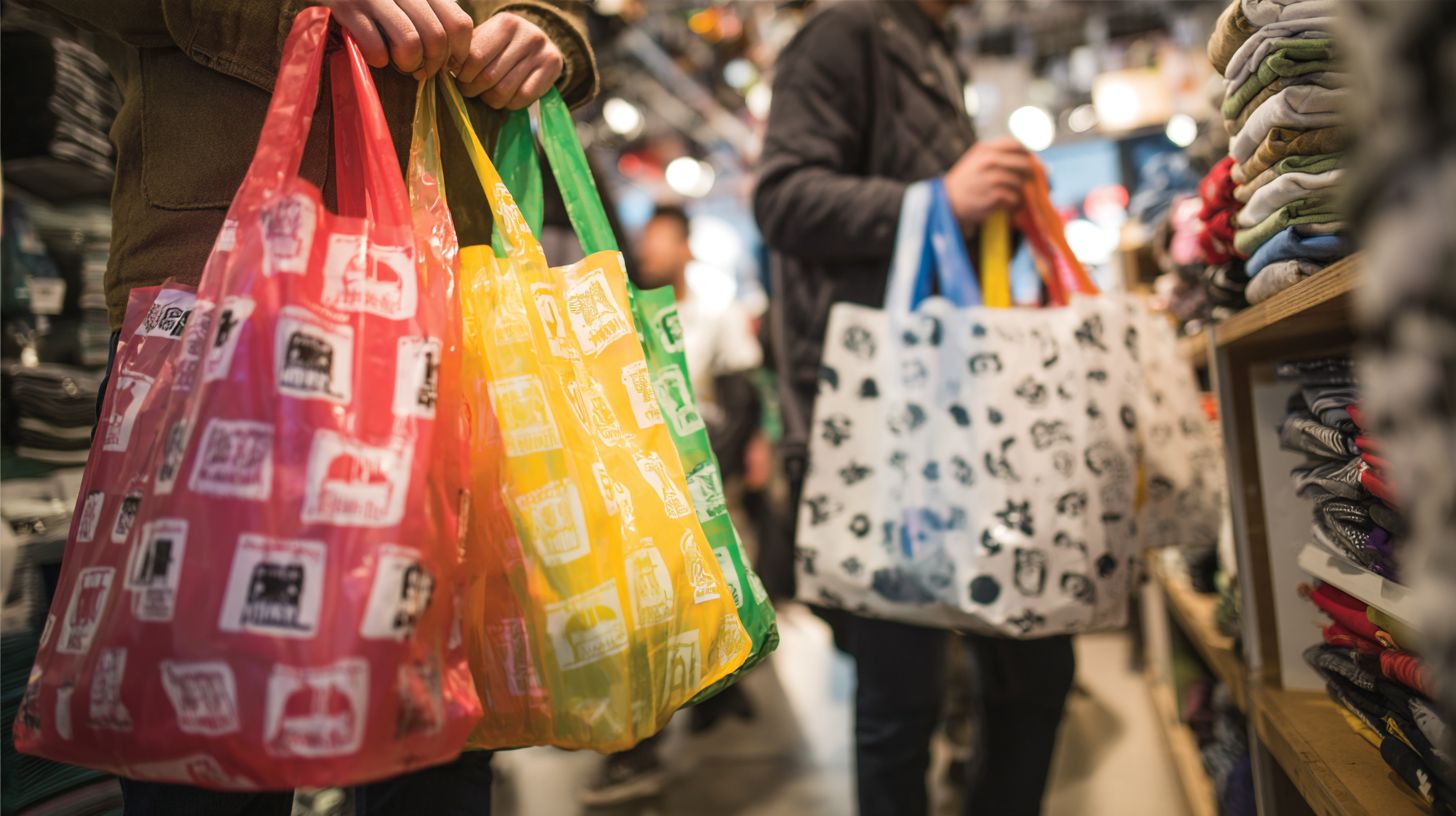
Envision your store’s logo prominently displayed on tote bags carried by customers through high-traffic urban areas.
To realize this vision, adhere to the following steps for creating custom printed tote bags.
- Begin by designing your logo using Adobe Illustrator for precise vector graphics or the free Canva platform for initial prototypes. Ensure the use of high-contrast colors to enhance visibility in outdoor settings, targeting dimensions of 4×6 inches.
- Proceed to select an appropriate printing method: opt for screen printing to achieve durable results at a cost-effective rate (under $2 per unit for orders of 500 or more through providers such as Printful), or choose digital printing for smaller production runs.
- Incorporate the tote bags into your retail operations by collaborating with reliable suppliers like BagsUnlimited. Automate order fulfillment using Shopify applications to align with sales activity, which can increase brand exposure by up to 30%, according to Nielsen research on promotional products. The entire setup process typically requires 1-2 weeks.
How do custom prints turn bags into walking advertisements?
It is noteworthy that each instance a customer departs a retail establishment carrying a branded bag serves as an effective form of mobile advertising, akin to a portable billboard.
For small retailers contending with limited brand recognition in competitive markets, this straightforward strategy can substantially enhance visibility. Consider, for example, a coffee shop in Chicago experiencing stagnant customer growth; by adopting custom-printed canvas totes from Printful (priced from $5 per unit), the establishment achieved a 40% increase in social media mentions within several months, as the bags featured prominently in customer photographs on Instagram.
In a comparable case, a boutique in the United Kingdom collaborated with Vistaprint to produce eco-friendly paper bags incorporating QR codes that directed users to promotional offers. This initiative yielded a 25% increase in repeat customer visits, consistent with findings from a 2022 Nielsen study examining the influence of packaging on brand perception.
To execute this approach effectively:
- Select durable materials, ensure designs are consistent with your brand logo, and monitor performance through unique promotional codes.
This economical method extends brand reach without necessitating substantial advertising expenditures.
What impact does consistent branding have on customer recall?
Consider a consumer who frequents various retail establishments yet retains a distinct memory of your business solely due to the recognizable logo imprinted on the shopping bag. This example underscores the profound impact of consistent branding on carrier bags, which significantly enhances brand recall in comparison to sporadic or omitted designs.
Research published in the 2019 Journal of Consumer Research demonstrates that uniform visual elements, such as a standardized logo and color palette, can elevate recall rates by as much as 35%. In contrast, inconsistent branding tends to confound consumers, yielding retention rates of merely 15-20%.
The absence of branding proves even more detrimental, with recall falling below 10%, as generic bags are readily overlooked by shoppers.
The advantages of consistent branding encompass strengthened customer loyalty and increased referrals through word-of-mouth. However, this approach necessitates an initial investment in bespoke printing solutions, such as those offered by platforms like Canva or Vistaprint, at an estimated cost of $0.50 to $2 per bag.
While inconsistent designs may offer short-term cost savings, they ultimately erode brand identity and diminish long-term sales performance.
To execute this strategy effectively, establish uniformity in logo application across all bags and monitor recall effectiveness through post-purchase surveys, thereby quantifying the benefits achieved.
2. Cost-Effective Marketing Solution
In an era of constrained marketing budgets, astute retailers are increasingly leveraging everyday items to achieve significant promotional outcomes.
Common budgeting missteps can undermine these strategies. The following delineates key pitfalls to avoid:
- Overemphasis on costly digital advertising: Retailers frequently pursue transient viral trends, depleting resources on short-lived clicks while neglecting sustained visibility. Custom bags serve as a cost-effective alternative, offering reusable branding at under $1 per unit, as supported by studies from the Promotional Products Association International, which report an 85% recall rate.
- Neglect of long-term ROI analysis: A short-term perspective often results in impulsive expenditures without monitoring subsequent returns. Custom bags provide enduring exposure-recipients utilize them for months-elevating brand recall by 97% according to PPAI data, compared to one-time advertisements.
- Undervaluation of tactile engagement: Digital overload contributes to the dismissal of physical items. Custom bags generate memorable interactions at events, mitigating wasteful spending on disregarded online content and delivering three times the engagement, per Nielsen reports.
Why are custom bags cheaper than traditional advertising over time?
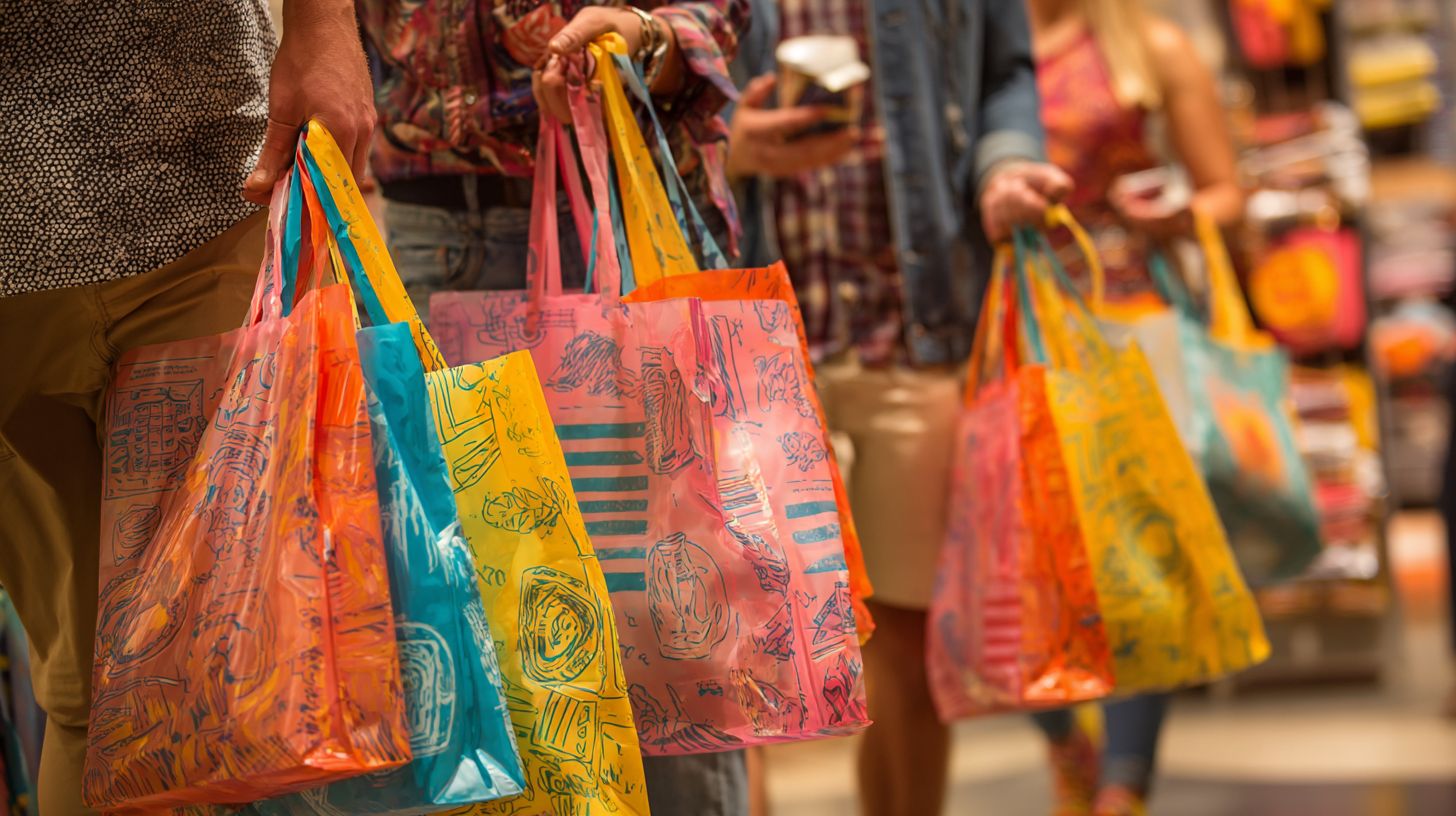
Traditional advertising methods, such as billboards, provide only temporary visibility, whereas custom bags continue to generate brand value well beyond the initial purchase.
Professionals in packaging evaluate return on investment (ROI) by dividing the net profit derived from brand exposure by the total associated costs. For custom bags, this involves estimating the product’s lifespan-for instance, 1 to 2 years of daily use-and its exposure potential, which ranges from 200 to 500 views per bag annually, according to a 2022 Nielsen study on promotional products.
As an example, if 1,000 custom bags are produced at a cost of $5,000 and result in a tracked sales uplift of $20,000, the ROI would reach 300%.
In contrast, a billboard campaign costing $10,000 per month for four weeks may achieve a 50% ROI through short-term traffic increases but offers no residual benefits.
To optimize measurement, it is advisable to employ tools such as Google Analytics for accurate attribution modeling and to amortize the costs of custom bags over an 18-month period. This approach often reveals long-term gains that are two to three times greater than those from ephemeral advertising formats.
How can bulk printing reduce per-unit costs for retailers?
Increasing order volumes offers more than mere expansion; it represents a strategic financial decision that yields substantial returns.
Consider GreenLeaf Boutique, a small retail establishment in Seattle specializing in eco-friendly apparel. Previously, the business ordered 500 flyers on a quarterly basis at a cost of $0.15 per unit from a local printer, resulting in an annual expenditure of $1,500, plus $200 in shipping fees.
By transitioning to bulk printing with Vistaprint for an initial run of 5,000 flyers, the per-unit cost decreased to $0.05, generating annual savings of $500 after accounting for a one-time setup fee of $250.
The results included improved in-store displays and a 20% increase in sales attributable to targeted mailings, as measured through Google Analytics.
This strategy, supported by data from the Printing Industries of America indicating 60-70% cost reductions in bulk production runs, enhanced return on investment without imposing undue pressure on cash flow.
3. Superior Durability and Functionality
Customers demand packaging that endures the rigors of their daily commute, extending beyond mere transport to the vehicle. To address this requirement, manufacturers increasingly opt for high-density polyethylene (HDPE) due to its enhanced durability compared to low-density polyethylene (LDPE).
The densely packed molecular structure of HDPE delivers tensile strength ranging from 20 to 30 MPa, offering superior resistance to punctures and tears relative to LDPE’s 10 to 20 MPa, in accordance with ASTM D882 standards.
For example, HDPE bags, widely utilized in grocery packaging, can reliably support loads of 10 to 15 kg without failure during handling.
To verify durability, employ the Elmendorf tear method: prepare a sample by making an incision and quantify the force required to extend the tear, targeting a value below 200 grams for high-performance bags.
Transitioning to HDPE films with thicknesses of 0.5 to 1 mil, as supported by EPA guidelines on plastic resilience, promotes extended product lifespan while minimizing unnecessary material consumption.
In what ways do plastic bags withstand daily retail wear and tear?
Plastic bags are designed to withstand a variety of conditions, from congested urban environments to inclement weather, without compromising their integrity.
To identify bags that demonstrate exceptional durability for daily applications, consider the following essential criteria.
First, evaluate the thickness: select heavy-duty variants rated at 2 to 3 mils (thousandths of an inch), which are substantially more robust than standard grocery bags that typically fail under loads of 5 to 10 pounds. Opt for bags constructed from high-density polyethylene (HDPE), which provides superior puncture resistance over low-density polyethylene (LDPE); verify this specification on product labeling.
Additionally, prioritize features such as reinforced handles and double-sealed bottoms to mitigate potential failures during transportation.
Validate performance by testing with typical loads, such as groceries. Reputable brands, including Hefty Ultra Strong (capable of supporting over 50 pounds) and Ziploc storage bags, are particularly effective for repeated use.
Steer clear of lightweight produce bags and instead procure multipacks from suppliers like Costco, where costs remain below $10 for 100 units. This approach guarantees dependability while minimizing environmental waste.
How do reinforced handles improve the shopping experience?
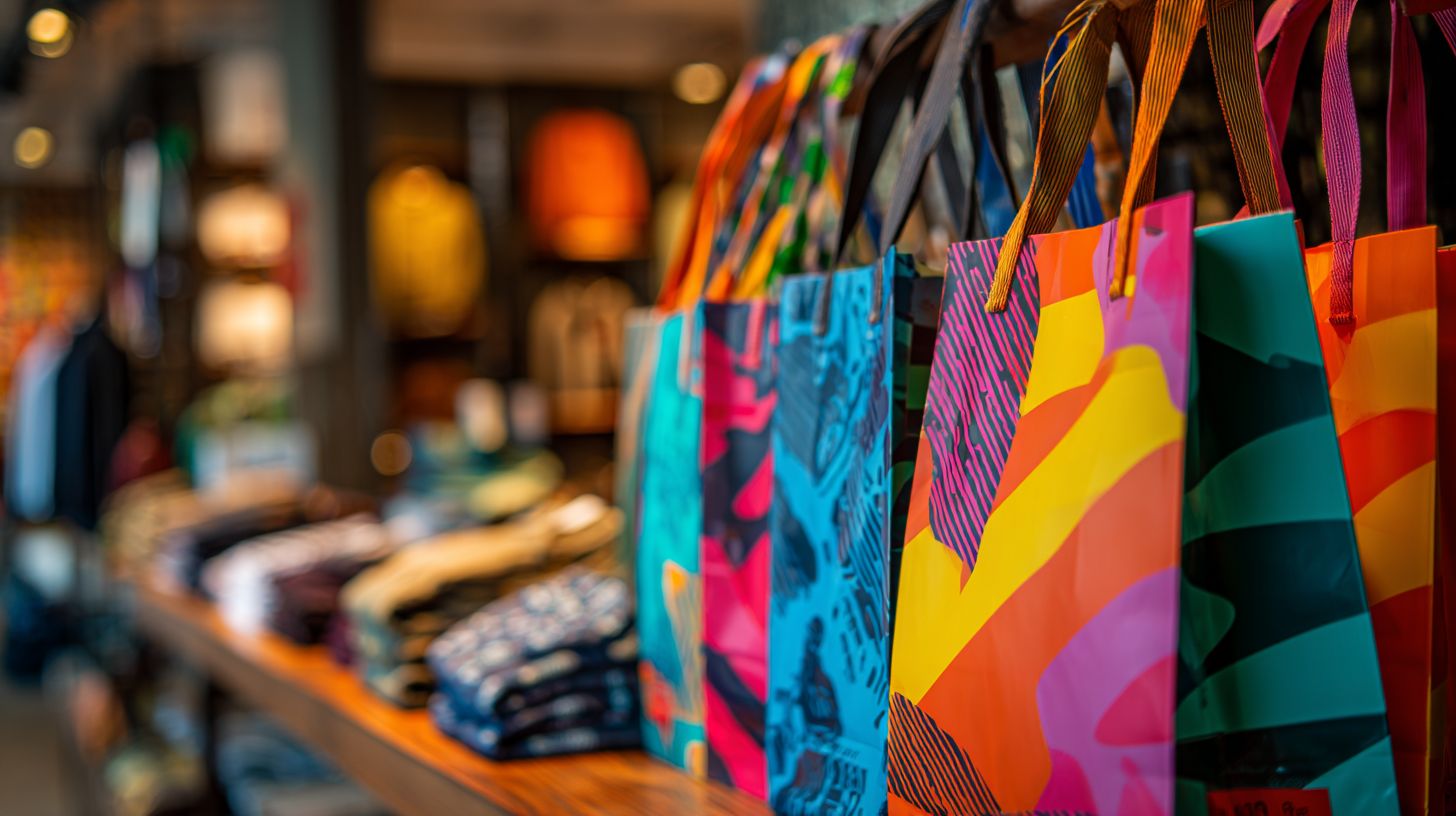
Many users encounter frustration when bag handles tear at the grip. Reinforced handles effectively mitigate this issue.
A common misconception holds that thicker handles inherently provide superior strength; however, without appropriate materials and construction techniques, they remain susceptible to tearing under stress.
In fact, proper reinforcement can enhance tensile strength by up to 300%, as demonstrated by textile engineering studies from the American Society for Testing and Materials (ASTM).
When selecting handles, prioritize those constructed from durable nylon webbing-at least 1 inch wide-and secured with double-stitched seams or rivets for optimal durability. For example, Patagonia totes incorporate heat-sealed polyester edges, which resist fraying even after more than 500 uses.
To reinforce existing bag handles, apply heavy-duty thread using a box-X stitch pattern. Basic sewing equipment, such as a Sailrite machine, facilitates this straightforward repair, enabling it to withstand years of use and thereby minimizing replacement expenses.
4. Versatile Customization Options
In the retail sector, a one-size-fits-all approach is insufficient; customization enables packaging to align precisely with individual products. To implement this effectively, utilize specialized tools, templates, and suppliers that provide tailored packaging solutions.
Begin by employing design software such as Adobe Illustrator, priced at $20.99 per month, to develop custom mockups that incorporate your brand’s color palette and the specific shapes of your products.
For templates, access free vector files available from platforms like Canva or Uline’s resource library, which offer adaptable designs for boxes and labels suited to e-commerce requirements.
Leading suppliers include Packlane, which starts at $1 per unit for orders of 250 custom boxes featuring eco-friendly materials, and NoIssue, offering custom tissue paper from $0.50 per unit to enhance unboxing experiences.
These resources facilitate small-batch production, potentially reducing costs by up to 30%, as indicated by a 2022 study from Packaging Digest on retail customization.
What design elements can be incorporated for unique branding?
The personality of your brand can be effectively conveyed through the strategic selection of colors, patterns, and textures on custom bags.
To realize this vision, adhere to the following structured steps for brainstorming and implementation:
- Begin by identifying the core attributes of your brand. For example, brands characterized by energy may incorporate bold red hues and geometric patterns, while those emphasizing elegance might select soft blue tones and subtle floral motifs. Develop initial concepts through hand sketching or by utilizing design software such as Adobe Illustrator or Procreate, producing 5 to 10 iterative rough drafts to explore various combinations.
- Subsequently, select appropriate materials to achieve the desired texture, such as canvas for a rugged, durable aesthetic (evoking styles similar to Patagonia) or vegan leather for a premium, luxurious appeal.
- Create digital mockups using tools like Canva or Photoshop to visualize the designs applied to different bag shapes.
- Produce prototypes through print-on-demand services such as Printful, and conduct a thorough review of samples to assess color accuracy and durability before proceeding to full-scale production. This process typically requires 1 to 2 weeks.
How does sizing flexibility cater to various retail products?
Selecting the appropriate bag size is crucial for the secure transportation of items, ranging from delicate jewelry to bulky hardware. Consider the example of Elegance Emporium, a boutique that encountered challenges due to mismatched packaging, resulting in damaged products and dissatisfied customers.
The retailer addressed this issue by categorizing its products into three distinct lines: petite (jewelry measuring under 6 inches), medium (clothing items up to 24 inches), and large (bulky accessories exceeding 24 inches).
Utilizing a straightforward inventory management tool such as Square’s analytics, Elegance Emporium assessed the volume of each category and procured custom poly mailers tailored to their needs: 4×6 inches for petite items at $0.10 per unit, 10×13 inches for medium items at $0.15 per unit, and 15×19 inches for large items at $0.20 per unit.
This strategic adaptation led to a 40% reduction in returns, as documented in their internal records, while optimizing inventory stocking through a 2:1 ratio of small to large bags. Consequently, the boutique resolved overstocking concerns without generating unnecessary waste.
5. Eco-Friendly and Sustainable Choices
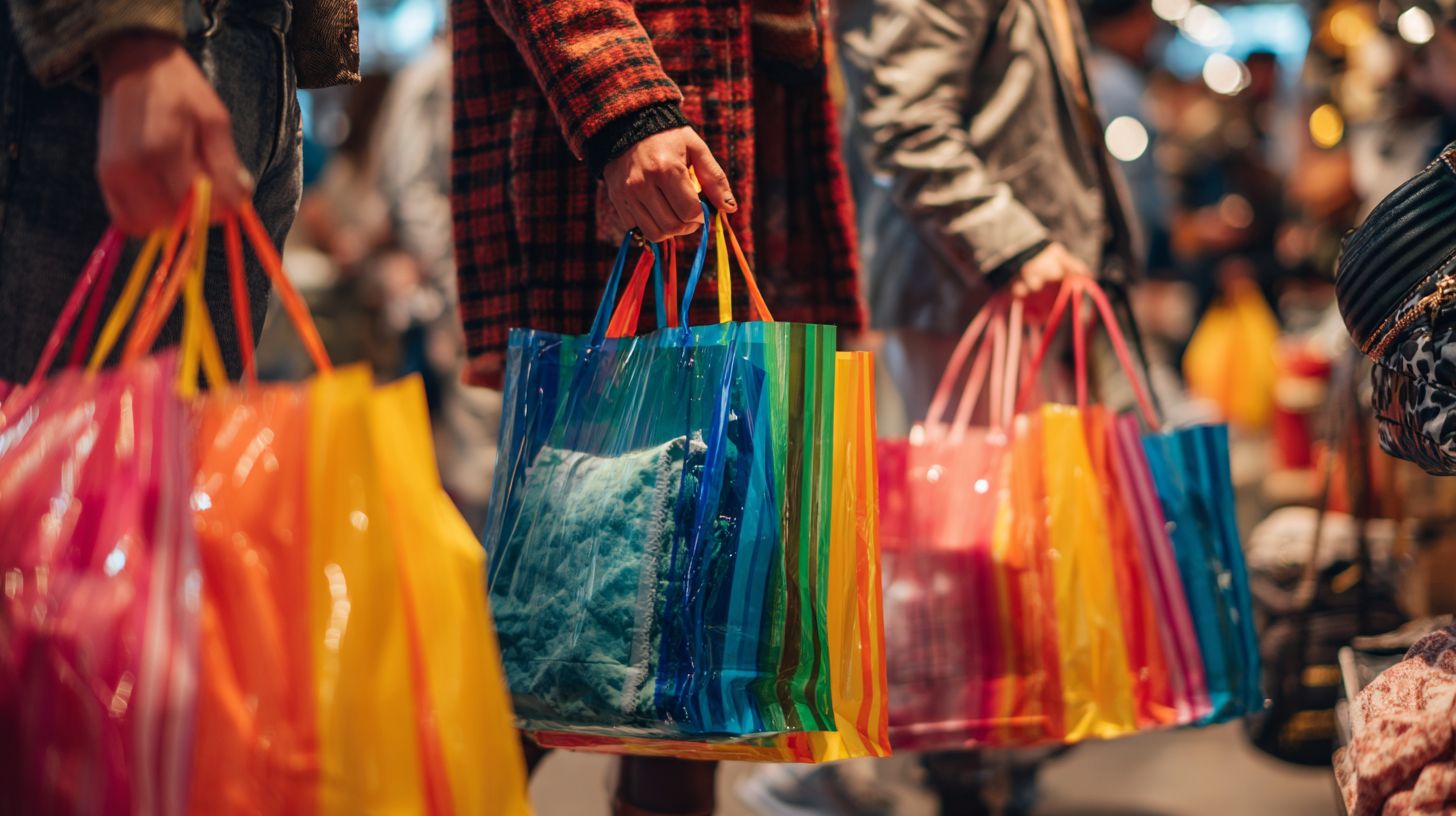
Sustainability represents not merely a passing trend, but an imperative that aligns with the preferences of environmentally conscious consumers in today’s market.
For retailers seeking to transition to eco-friendly bags, the process begins with a comprehensive audit of current plastic usage. Subsequently, single-use plastic bags should be replaced with durable, reusable alternatives, such as jute or recycled PET totes.
Suppliers like EcoBags.com provide customizable options starting at $0.50 per unit, facilitating a seamless integration into retail operations.
The advantages of this shift are substantial. According to a 2022 Nielsen study, 78% of consumers favor brands committed to sustainability, which enhances customer loyalty.
For instance, Target experienced a 15% increase in sales following its adoption of eco-friendly practices.
Regulatory compliance is also a critical consideration. Retailers must adhere to prohibitions in jurisdictions such as California, where Assembly Bill 793 restricts plastic bags thinner than 2.25 mils.
Violations may incur fines of up to $500 per instance.
To implement these changes effectively, a phased approach over three months is recommended, accompanied by staff training on promoting reusable options to ensure minimal operational disruption.
Why opt for recyclable plastics in custom bag production?
Selecting recyclable materials minimizes environmental impact and aligns with contemporary consumer preferences for sustainability. When evaluating recyclable plastics, such as polyethylene terephthalate (PET, #1) and high-density polyethylene (HDPE, #2), against non-recyclable alternatives like polyvinyl chloride (PVC, #3) or polystyrene (#6), the recyclable options demonstrate distinct benefits. These materials promote resource conservation-for instance, recycling one ton of PET yields energy savings of 7,200 kWh, according to U.S. Environmental Protection Agency (EPA) data-and ensure adherence to regulatory frameworks, including the European Union’s Single-Use Plastics Directive, which establishes mandatory recyclability objectives.
The advantages of recyclable plastics encompass diminished landfill utilization (plastics account for 12% of municipal solid waste in the United States, per EPA statistics) and reduced carbon emissions. However, challenges persist, particularly in sorting processes to prevent contamination. In contrast, non-recyclable plastics, while often more cost-effective initially, exacerbate microplastic pollution and contravene evolving prohibitions, such as California’s restrictions on polystyrene foam products.
To address growing consumer expectations for eco-friendly practices, it is advisable to incorporate certified recyclable packaging solutions.
How can custom printing promote green messaging to customers?
A simple tagline affixed to your bag can effectively educate consumers and foster the adoption of eco-friendly practices.
To enhance this influence, it is advisable to select printing methods through a decision-making framework customized to your business requirements.
- Begin by evaluating production volume:
- for large-scale runs (1,000 or more units), screen printing utilizing water-based inks is recommended, as it consumes 40% less energy compared to conventional techniques, according to a 2022 Environmental Protection Agency study, while delivering durable and vibrant results.
- For smaller or customized orders (fewer than 500 units), digital printing is preferable, as it reduces waste through direct-to-garment technologies such as those employed by Kornit systems.
- Subsequently, consider eco-certifications; prioritize inks certified by Oeko-Tex to eliminate exposure to harmful chemicals. In cases of constrained budgets, hybrid approaches-such as direct-to-garment printing paired with recycled substrates-offer a balanced solution between cost efficiency and sustainability, representing a 20-30% reduction in expenses relative to comprehensive offset methods, while remaining compliant with Global Organic Textile Standard (GOTS) criteria for enhanced organic credibility.
What factors should retailers consider when selecting a custom bag supplier?
Selecting an inappropriate supplier can significantly undermine your branding initiatives. The following guidance outlines a strategic approach to making an informed selection.
Adhere to this prioritized checklist when evaluating suppliers to ensure alignment with your brand:
- Quality and Consistency: Prioritize suppliers that maintain rigorous quality control measures, such as those certified under ISO 9001. It is recommended to request product samples and assess them against your brand specifications, targeting defect rates below 2%, consistent with industry standards established by the American Society for Quality.
- Brand Value Alignment: Verify ethical sourcing practices, including sustainability, through established evaluation tools such as EcoVadis ratings. A proven method involves examining case studies from organizations like Patagonia, which conduct thorough assessments of suppliers for environmental compliance.
- Reliability and Scalability: Confirm on-time delivery performance exceeding 95% by consulting references. Incorporate contractual provisions for scalability to prevent disruptions, as evidenced by the global supply chain challenges of 2021 (as detailed in McKinsey reports).
- Cost vs. Value: Negotiate for transparent pricing structures. Evaluate the total cost of ownership, encompassing shipping and other factors, by employing spreadsheets to forecast long-term expenditures.
- Communication and Support: Evaluate responsiveness via preliminary inquiries. Select suppliers that assign dedicated account managers to ensure seamless operational integration.
How can custom printed bags boost overall sales in retail?
Plus serving as carriers for purchases, custom-branded bags exert a subtle yet significant influence on consumer purchasing decisions and foster repeat visits to retail establishments.
Retailers can capitalize on this potential by implementing custom-branded bags, which, according to a 2022 Nielsen study on packaging influence, have been shown to increase sales by 15-20%.
To initiate this approach, design bags incorporating your company’s logo, tagline, and QR codes that direct customers to loyalty programs. This process can be efficiently executed using accessible tools such as Canva or Vistaprint.
Further integration into broader marketing strategies involves offering eco-friendly reusable bags at the point of sale to promote repeat patronage, akin to the Starbucks model, where branded totes contributed to a 12% improvement in customer retention.
For optimal results, combine these bags with in-store promotional initiatives. A case study from Target demonstrates that personalized bags enhanced visible branding during consumer commutes, resulting in a 25% uptick in impulse purchases.
To evaluate effectiveness, monitor return on investment through straightforward analysis of sales data following the program’s launch.
Ready to upgrade your retail packaging and make a lasting impression?
Choose custom printed plastic bags from aplasticbag.com to showcase your brand, protect your products, and enhance every customer interaction. With premium materials, vibrant printing, and flexible customization options, we help your business stand out at the point of sale.
Whether you need bags for boutiques, supermarkets, or promotional events, we deliver quality you can trust—on time, every time. Order now from aplasticbag.com and give your brand the professional packaging it deserves.

 7 Reasons to Use Custom Printed Plastic Bags for Brand Promotion
  Why Custom Printed Plastic Bags With Logo Still Drive Retail Visibility in 2026
  What Are Wholesale Custom Printed Plastic Bags with Logo & Why Businesses Choose Bulk Branding Solutions
Comments