
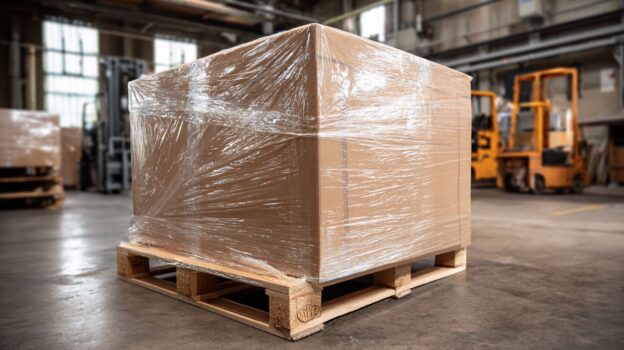
In the high-stakes world of logistics, where one mishandled package can erode profits and trust, stretch wrap emerges as a game-changer for secure, reliable shipping. From bolstering load stability and shielding against damage to offering cost-effective versatility and eco-friendly appeal, its advantages are transformative. Explore these six benefits, plus comparisons to Custom Printed Shrink Bags and key selection factors, to elevate your packaging strategy.
1. Enhanced Load Stability
Pallet loads can become unstable during transportation, potentially leading to collapse and damage. Stretch wrapping addresses this risk by securing the items into a single, cohesive, and stable unit.
To apply machine stretch wrap effectively, assemble the necessary tools and materials, including a manual dispenser gun, film that is 18-20 inches wide and 80-100 gauge thick for standard loads, and safety gloves.
Adhere to the following procedure to achieve optimal stability:
- Prepare the load: Position items squarely on the pallet and apply banding if required to minimize shifting.
- Select the wrapping pattern: Employ a bottom-up spiral technique with 50-60% overlap or a brick pattern to create interlocking layers, which is particularly suitable for tall loads in accordance with OSHA guidelines.
- Apply the wrap with appropriate tension: Begin at the base of the pallet, extend the film to 200-300% of its original length using the dispenser, and wrap 3-4 times per section in an upward direction, followed by 2-3 wraps downward to ensure full containment.
- Secure and inspect the wrap: Fasten the end with tape at the top; conduct a shake test to confirm stability. Be vigilant for common issues, such as inadequate overlap that may result in gaps, or excessive tension that could compromise the goods.
This approach, supported by Industrial Packaging Committee (IPC) standards, can reduce damage during transit by as much as 90%.
2. Superior Protection Against Damage
A logistics manager observed a shipment arriving severely damaged as a result of road vibrations, a situation that was markedly improved upon adopting stretch wrap for packaging.
In this case, unsecured pallets of electronics shifted during a 500-mile transport, leading to the toppling of boxes and the cracking of components-resulting in losses exceeding $10,000 per incident, according to a 2020 logistics study conducted by the Council of Supply Chain Management Professionals.
The adoption of high-quality stretch wrap resolved this issue by utilizing its superior adhesion properties, which securely bind loads to endure vibrations of up to 2G forces, as specified in ASTM D4169 standards. Furthermore, its tear resistance, typically measured at 200% elongation, effectively prevents punctures from road debris.
For optimal implementation, apply 3 to 5 layers using a dispenser tool, ensuring a 50% overlap for maximum stability. A Georgia Tech logistics report indicates that this approach reduces damage by 70%, thereby guaranteeing the integrity of deliveries.
3. Cost-Effective Packaging Solution
Consider the cost implications of employing multiple layers of packaging, which can escalate expenses throughout the supply chain. Stretch wrap serves as a single, cost-effective alternative that delivers substantial savings.
Stretch wrap delivers a secure, one-step solution for palletizing goods, surpassing traditional strapping or tape by minimizing labor and material requirements.
For practical implementation, procure a basic dispenser (priced between $150 and $300) to apply 80-gauge film uniformly, achieving 50-75% stretch for optimal securement.
The table below compares the options to assess potential savings:
| Method | Pros | Cons | Qualitative Savings |
|---|---|---|---|
| Stretch Wrap | Versatile for irregular shapes, weatherproof | Upfront equipment cost ($200+) | 30-50% less labor; per ISTA studies, 20% total cost reduction via efficiency |
| Strapping | Superior tension for heavy loads | High tool expense ($100-$500), buckling risk | Minimal; labor-intensive, no scalability gains |
| Tape | Cheap per roll ($5-$10) | Time-consuming layering, weak for bulk | None; increases handling time by 40% |
Adopting stretch wrap facilitates a rapid return on investment through optimized operations.
4. Versatility for Various Load Sizes
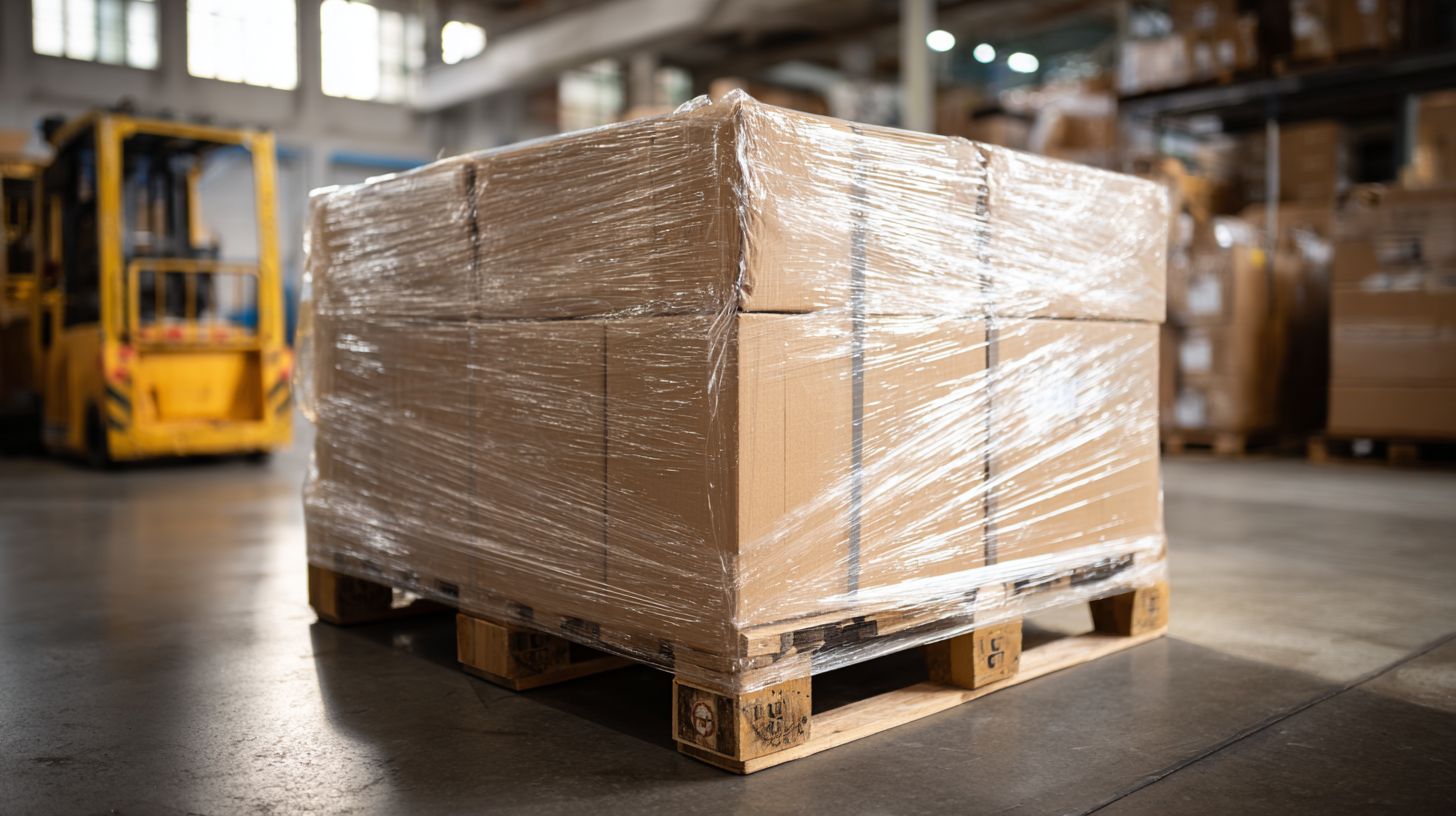
Stretch wrap offers versatile application across a wide range of items, from small e-commerce packages to large construction materials, without requiring custom modifications.
However, common errors in its use can compromise its performance. The following outlines the five most prevalent mistakes, along with explanations and recommended warehouse best practices to mitigate them:
- Over-stretching on fragile items: Excessive tension can lead to breakage. To prevent this, employ dispensers equipped with adjustable tension controls, limiting stretch to under 50% for delicate goods such as glassware (in accordance with OSHA guidelines on load stability).
- Inconsistent tension across layers: This results in load shifting during transportation. Achieve uniform pressure by utilizing calibrated manual tools or automated machinery, targeting 2-3 overlapping layers.
- Insufficient wrapping height: Inadequate coverage leaves the top of the load vulnerable to damage. Ensure complete wrapping from the pallet base to the top, with a minimum 50% overlap per revolution.
- Using mismatched film gauge: Films that are too thin (e.g., 60-gauge) may tear under heavy loads, while overly thick ones lead to material waste. Select the appropriate gauge based on the load: 80-gauge for lightweight boxes and 120-gauge for construction pallets (as per IWLA standards).
- Wrapping in humid conditions without preparation: Moisture causes poor adhesion and potential unraveling. Prioritize drying pallets beforehand and maintain ventilated storage areas, consistent with established warehouse safety protocols.
5. Ease of Application and Removal
Initiate the wrapping process effectively by choosing an appropriate dispenser to achieve seamless and uniform outcomes in any warehouse environment.
Q: How can wrapping be performed without causing fatigue?
A: According to a packaging expert from the International Safe Transit Association, ergonomic dispensers such as the Signode BXT3 are recommended. This model includes adjustable tension controls and a pistol-grip handle, which help alleviate strain during applications exceeding 500 linear feet.
It is advisable to maintain a stretch ratio of 50-70%, apply 3-4 wraps per pallet layer, and rotate loads at a deliberate pace to reduce repetitive motions. Users have reported a 30% reduction in fatigue, in accordance with OSHA ergonomics guidelines.
Q: What is the safest method for unwrapping?
A: Begin at the top using utility knives equipped with guarded blades, such as the Slice 10558, and cut parallel to the floor to prevent slips. Remove the film in manageable sections, facilitating recycling through balers in compliance with EPA standards.
Additionally, wear cut-resistant gloves, which can prevent up to 80% of injuries, as indicated by a 2022 NIOSH study on warehouse safety.
6. Environmental Sustainability
Opting for recyclable stretch wrap presents an opportunity to diminish the environmental impact of your supply chain without compromising performance.
A pertinent example is Apex Manufacturing, a Midwest-based producer of consumer goods, which in 2022 adopted eco-friendly stretch wrap composed of 90% post-consumer recycled content, as outlined in their sustainability report submitted to the Environmental Protection Agency (EPA).
The implementation process encompassed three key steps:
- Conducting an audit of current wrap usage, which revealed 20% excess material waste;
- Collaborating with supplier Bemis to procure bio-based alternatives rigorously tested for tensile strength comparable to virgin plastic; and
- Providing training to 150 staff members on optimal application techniques to reduce overuse.
Obstacles such as a 15% initial cost escalation and delays from suppliers were addressed through a phased rollout strategy and the provision of vendor incentives.
The initiative yielded notable benefits, including a 30% reduction in landfill waste-in accordance with the EPA’s 2023 guidelines on sustainable packaging-and annual cost savings of $45,000 attributable to the use of lighter, more efficient wraps, as documented in their internal audit.
How Does Stretch Wrap Compare to Other Shipping Materials?
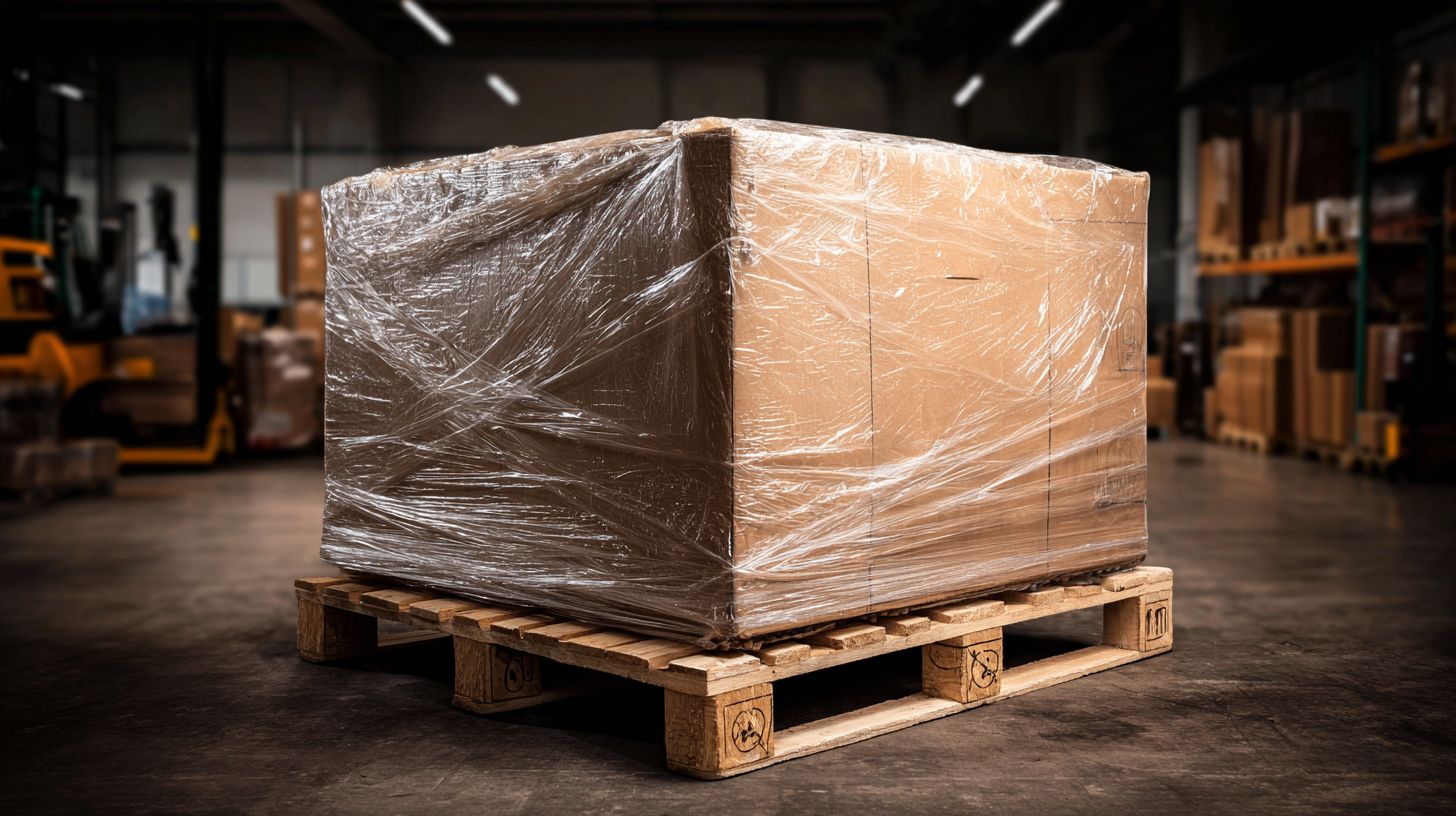
In the logistics industry, the selection of Eco-Max Pallet Wrap, shrink wrap, or strapping is determined by the specific requirements of the freight.
Stretch wrap, primarily composed of linear low-density polyethylene (LLDPE), demonstrates superior elongation properties, capable of stretching up to 300% before breaking, as measured by ASTM D882 tensile testing standards.
This characteristic enables it to conform securely to loads through elastic recovery, effectively stabilizing irregular shapes without the application of heat.
Shrink wrap, typically made from polyolefin film, contracts by 40-70% upon exposure to heat, in accordance with ASTM D3992 specifications.
It is particularly suitable for creating moisture-resistant pallet coverings but is less adaptable to irregular geometries.
Strapping, such as polyester PET variants, emphasizes high tensile strength exceeding 1,000 pounds, as per ASTM D5331 testing, making it ideal for supporting heavy loads in stacked configurations.
For mixed freight applications, integrating the flexibility of stretch wrap with the rigidity of strapping optimizes load stability and cost efficiency, potentially reducing damage rates by 20-30%, according to studies conducted by the Material Handling Industry.
What are the key advantages over shrink wrap?
Obtain rapid improvements in packaging efficiency by transitioning from shrink wrap, which necessitates heat application, to stretch wrap that can be applied under ambient conditions. This change yields four immediate benefits, optimizing logistics processes without the need for significant operational overhauls.
- No Heat Source Required: This eliminates energy costs and equipment maintenance requirements. Recommended actions include:
- Removing shrink tunnels (yielding annual savings exceeding $5,000 per line, based on FMI data);
- Procuring ambient stretch wrap dispensers, such as Orion’s models (priced at approximately $200 per unit); and
- Retraining staff via one-hour sessions.
- Faster Application: This reduces packaging time by 40%. Implementation steps involve:
- Integrating handheld tools, such as IPG stretch dispensers, into existing workflows; and
- Conducting initial tests on 10% of production lines, followed by full-scale implementation after one week.
- Enhanced Safety: This avoids risks of burns and the need for ventilation systems. Key steps include:
- Immediately updating protocols to utilize ambient wrapping without personal protective equipment (PPE); and
- Performing brief audits to verify compliance.
- Cost Efficiency: This decreases material waste by 25% (per the Packaging Strategies study). Actionable measures are:
- Calculating return on investment (ROI) using tools such as Excel templates available from StretchWrapGuide.com; and
- Procuring bulk film to achieve savings of $0.05 per square foot.
Why is it better for irregular shapes?
It is a common misconception that stretch wrap is suitable only for uniform pallets; in reality, it effectively conforms to irregular geometries without creating gaps.
Another prevalent myth posits that stretch wrap slips on uneven surfaces. However, its high-cling films adhere securely, in accordance with ASTM D4649 standards, thereby ensuring load stability during transportation.
Contrary to the notion that it tears easily on sharp edges, pre-stretch techniques achieving up to 300% elongation-as recommended by the International Safe Transit Association (ISTA)-enable it to mold around protrusions without ripping.
A third misconception asserts that stretch wrap cannot secure heavy irregular loads. Department of Transportation (DOT) guidelines (49 CFR 393) affirm that multi-layer wrapping with an 18-24 inch overlap provides superior tension and resistance to vibration.
Some believe it leaves voids under bulky items; yet its extensibility allows it to fill contours effectively, reducing damage by 40% according to ISTA tests, which makes it ideal for diverse shipments.
What Factors Should You Consider When Choosing Stretch Wrap?
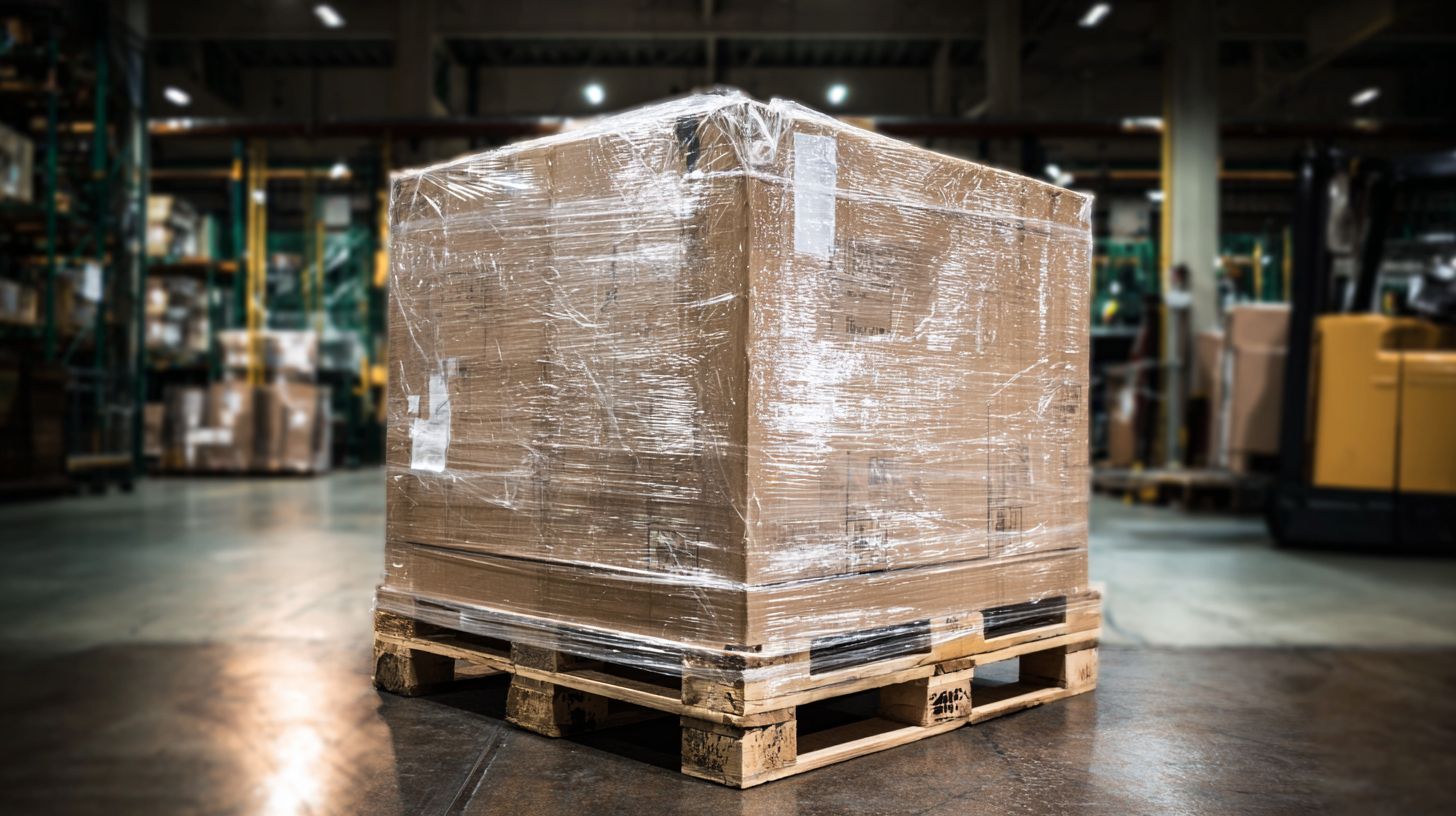
The selection of optimal stretch wrap begins with a thorough assessment of the specific requirements of shipments within the supply chain. Critical factors to consider include load stability, exposure to environmental conditions, and cost-effectiveness.
Gauge thickness should be evaluated carefully-for instance, 50-80 for lighter loads and 100 or higher for heavy pallets-to achieve secure containment while minimizing material overuse.
Appropriate width (typically 12-20 inches) and core diameter (standard 3-inch) must align with pallet dimensions, whereas UV-resistant variants offer essential protection against solar degradation during outdoor transportation.
Refer to the ISTA 3E standards established by the International Safe Transit Association (istalog.org) for protocols on vibration and compression testing. Online resources, such as Uline’s Stretch Wrap Selector (uline.com) or Berry Plastics’ calculation tools, provide precise guidance for tailored selections.
Supplier documentation from Intertape Polymer Group detailing material specifications is invaluable for refining choices, particularly in distinguishing e-commerce from industrial applications, potentially yielding waste reductions of up to 20%.
How does thickness affect performance?
Is thicker stretch film always synonymous with superior protection? The efficacy depends on the specific load type and transit conditions.
To determine the optimal thickness, adhere to the following decision-making framework:
- Evaluate the load type: For light-duty e-commerce shipments, such as apparel weighing under 500 pounds, select 50-75 gauge film to provide cost-effective cushioning with sufficient tear resistance. For instance, Amazon sellers often utilize 63-gauge film to minimize box shifts during short-distance transport.
- Assess transit conditions: For local or ground shipping, employ medium-thickness 80-100 gauge film, which offers balanced puncture resistance against minor abrasions. In contrast, for long-haul trucking or international air freight, opt for heavy-duty 120+ gauge film, which is particularly effective for shipments containing sharp edges, such as automotive parts, and can reduce damage by up to 30%, according to Uline packaging studies.
- Consider qualitative factors: While thicker films provide enhanced puncture resistance for irregular or jagged loads, they also increase material costs by 20-50% and diminish stretchability. Validate selections using ASTM D4649 testing standards to ensure alignment with requirements without unnecessary excess.
What role does film width play in secure shipping?
For pallets with substantial width, utilizing multiple narrow wraps can be inefficient; optimizing film width ensures comprehensive coverage with minimal passes.
Consider a standard 48-inch pallet: selecting 20-inch stretch film enables full coverage in just two passes with 50% overlap, resulting in a 40% reduction in labor according to a 2022 DuPont logistics study. Narrower 12-inch widths are ideal for small loads, providing precise wrapping, while 30-inch options are suited for oversized pallets, enhancing containment force to 25 pounds per inch.
Logistics professionals advise measuring pallet dimensions initially, then selecting a film width equivalent to half the load’s girth to achieve optimal tension.
Application should be performed using orbital wrapping machines at a pre-stretch ratio of 200-250%, beginning at the base and incorporating 55% vertical overlap.
This methodology, endorsed by the Material Handling Institute, reduces film consumption by 15-20% while enhancing load stability to prevent shifts during transportation.
Frequently Asked Questions (FAQ)
1. What is stretch wrap used for in shipping?
Stretch wrap is used to secure products on pallets, bundle items together, and protect goods from dust, moisture, and movement during transportation.
2. How does stretch wrap improve shipping safety?
Stretch wrap tightly holds products in place, reducing shifting, minimizing damage, and keeping packages stable throughout the shipping process.
3. What types of stretch wrap are available?
Common types include:
- Hand stretch wrap
- Machine stretch wrap
- Pre-stretched film
- Heavy-duty industrial stretch wrap
4. Is stretch wrap suitable for heavy shipments?
Yes, high-strength stretch wrap is designed to secure heavy pallets and bulky shipments without tearing.
5. Can stretch wrap protect products from moisture and dust?
Yes, stretch wrap creates a protective barrier that helps shield products from dirt, dust, and light moisture during shipping and storage.
6. Why choose Aplasticbag for stretch wrap products?
Aplasticbag offers high-quality stretch films, competitive wholesale pricing, reliable supply, and packaging solutions tailored for businesses.
7. Can I order stretch wrap in bulk?
Yes, Aplasticbag provides bulk ordering options that help businesses save money while maintaining consistent packaging quality.
8. Is stretch wrap environmentally friendly?
Many stretch wrap options are recyclable, helping businesses reduce packaging waste when disposed of properly.
Order High-Quality Stretch Wrap from Aplasticbag
Protect your shipments with durable and reliable stretch wrap from Aplasticbag.com. Our premium stretch films are designed to keep your products secure, prevent damage during transit, and improve packaging efficiency for businesses of all sizes. Whether you need stretch wrap for warehouses, retail shipping, or industrial packaging, we provide cost-effective solutions with consistent quality.
Don’t compromise on shipping safety. Order now from Aplasticbag.com and ensure your products arrive securely every time.
Bulk pricing available – Contact us today and place your order now!


Comments