
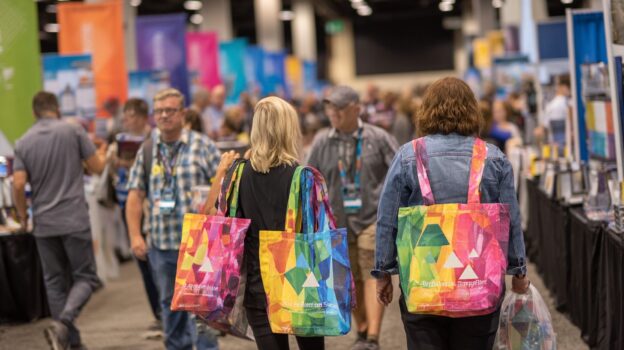
At bustling trade shows, where first impressions seal deals, a simple giveaway can transform fleeting encounters into lasting brand loyalty. Custom printed bags stand out as smart investments, amplifying visibility while delivering practical value to attendees. Discover how they enhance exposure, slash marketing costs, foster connections, promote sustainability, and offer endless customization-unlocking ROI that extends far beyond the event floor.
1. Enhanced Brand Visibility
Envision your logo being prominently displayed throughout the event and beyond, extending its visibility well after the conclusion.
To achieve this objective, adhere to the following step-by-step guide for custom bag printing that optimizes exposure.
- Select print placement: Choose the bag’s largest flat surface, such as the front panel (measuring at least 8×10 inches), positioned to face outward when carried. Steer clear of seams or folds to prevent distortion and ensure clear visibility.
- Choose colors: Employ high-contrast color schemes, for example, black logos on white backgrounds, in line with visibility research from the American Optometric Association, which advises a minimum of 70% contrast for viewing distances exceeding 10 feet. Consider Pantone 485C (vibrant red) for striking accent elements.
- Design and implement: Develop the design using Adobe Illustrator to ensure scalability, then apply screen printing through providers such as Printful (with rates beginning at $5 per unit) for enhanced durability on canvas totes.
- Test visibility: Evaluate prototypes by suspending them at distances of 5, 10, and 20 feet under simulated event lighting conditions; make adjustments if details become indistinct beyond 15 feet, consistent with established graphic design principles from the Nielsen Norman Group.
How do custom prints ensure repeated exposure?
Custom prints on bags transform attendees into effective mobile billboards, extending brand visibility beyond the event itself.
However, fading or unclear prints can rapidly diminish this promotional value. According to studies by the Promotional Products Association International, 70% of branded items experience a loss of visibility within six months, primarily due to inadequate ink adhesion and repeated washing.
Consequently, designs that blur or peel lead to a significant reduction in marketing impact, with brand recall potentially declining by up to 40%.
To address this challenge, it is advisable to employ high-quality, durable printing techniques, such as screen printing utilizing UV-resistant plastisol inks, which can endure over 50 washes, or direct-to-garment (DTG) methods incorporating pigment dyes suitable for fabric bags. Selecting providers certified by the Specialty Graphic Imaging Association (SGIA) ensures superior longevity, thereby converting one-time events into ongoing brand exposure.
What design elements maximize recognition at events?
Branding studies conducted by Nielsen indicate that the use of bold, contrasting colors in logos can enhance recall by up to 40%. Building upon this principle, effective event logos achieve optimal results by harmoniously integrating colors with fonts and icons.
For instance, colors such as red and yellow effectively capture attention, offering advantages like high visibility while presenting drawbacks such as potential overstimulation when used excessively. According to a 2022 Adobe study, these colors are particularly suitable for festivals, where they have been shown to improve engagement by 30%.
In terms of fonts, sans-serif options like Helvetica provide clear readability, with benefits including a modern and accessible aesthetic, though they may appear somewhat generic. These are well-suited to professional events.
In contrast, serif fonts such as Times New Roman impart a sense of elegance and traditional sophistication, albeit with the limitation of reduced legibility at smaller sizes.
Icons should adopt a minimalist approach, exemplified by a simple flame symbol for music events, which facilitates instant recognition but carries the risk of appearing commonplace and blending with others. Research from the Journal of Consumer Research demonstrates that combining bold colors with sans-serif fonts and distinctive icons can increase recall by 25%.
2. Cost-Effective Marketing Tool
In an era of escalating advertising costs, astute marketers are increasingly turning to tangible promotional giveaways. Budgeting for items such as branded bags can present challenges even for experienced professionals.
The following delineates the five most common pitfalls and corresponding strategies to avoid them:
- Overestimating printing costs: Marketers often overestimate setup fees. To circumvent this, obtain quotations from at least three suppliers through platforms like ASI Central, which indicate actual costs averaging $0.50-$1 per unit for simple logos.
- Underestimating bulk discounts: Placing small orders overlooks potential savings. Conduct research on tiered pricing-for instance, 500 bags may cost $5 each compared to $3 for 1,000-utilizing tools such as PromoStandards for comparisons.
- Ignoring shipping and storage: Freight expenses can increase costs by 20-30%. Incorporate FOB terms and warehouse requirements from the outset, in accordance with guidelines from the Promotional Products Association International (PPAI).
- Overlooking minimum order quantities (MOQs): Low-volume orders elevate per-unit prices. Review supplier catalogs and target MOQs below 300 to optimize budgets, as recommended in Forbes marketing analyses.
- Neglecting quality variations: Inferior materials can result in elevated return rates. Evaluate samples and confirm adherence to durability standards from ISO-certified vendors to maximize return on investment.
By mitigating these pitfalls, marketing campaigns can remain within budgetary limits while enhancing brand recall by up to 85%, according to a 2022 study by Promotional Products Work!.
Why are trade show bags more budget-friendly than ads?
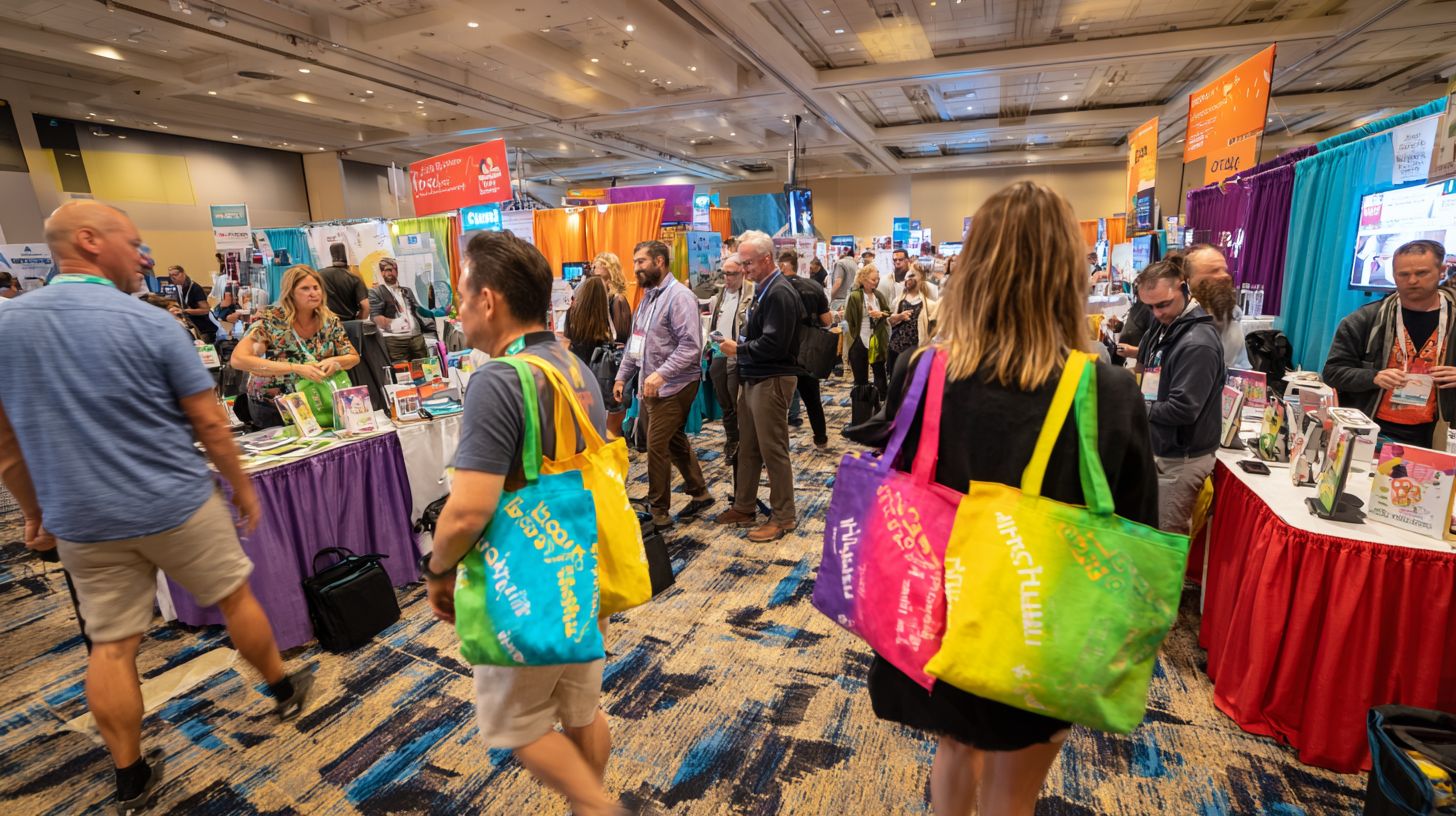
Traditional advertising mediums are ephemeral, whereas promotional bags deliver enduring value at a substantially lower cost.
Q: What is the per-unit cost breakdown for promotional bags?
A: For custom tote bags, the expected cost ranges from $1 to $3 per unit for basic cotton models when ordering 500 or more units through suppliers such as 4imprint, inclusive of logo printing. Eco-friendly variants increase to $4 to $6 per unit, according to a 2023 ASI Central report, which accounts for materials and upfront setup fees of approximately $50 to $100.
Q: How does this compare to digital advertisements?
A: Unlike digital advertisements, which typically cost $0.50 to $2 per click on platforms like Google Ads (based on 2023 averages from Statista data), promotional bags incur no ongoing fees and provide repeated exposure.
Recipients often use these bags for months, generating 20 to 50 impressions per bag, as indicated by studies from the Promotional Products Association.
This approach is considerably more cost-effective than television or billboard advertising, which can exceed $10,000 per month.
How can they provide long-term ROI?
To effectively evaluate the impact of bag giveaways, initiate tracking by measuring repeat interactions over a period of several months.
To compute return on investment (ROI), adhere to the following decision tree framework.
- Begin by evaluating event scale. For small events (fewer than 100 attendees), concentrate on direct costs, such as $5 per bag for materials, and consider a 20% repeat visit rate as a benchmark for success (for instance, utilizing Google Analytics event tags for monitoring).For medium-sized events (100 to 500 attendees), incorporate additional expenses like setup fees exceeding $200; target a 15% ROI through the formula: (Value of repeat sales – Total costs) / Total costs.Large events (more than 500 attendees) benefit from bulk discounts (e.g., $3 per bag from suppliers such as Alibaba), though they necessitate scaled tracking via customer relationship management (CRM) tools like HubSpot.
- Proceed to assess material costs. High-end eco-friendly bags ($10 each) are warranted if post-event surveys indicate at least 30% ongoing usage (as supported by studies from the Event Marketing Institute). In contrast, low-cost options ($2 plastic bags) are appropriate for one-time initiatives, yet they often result in low repeat usage (under 10%) and consequently negative ROI.
- Analyze post-event metrics thereafter. Elevated engagement levels (e.g., 25% social media shares) enhance intangible benefits, whereas subdued activity may necessitate strategic adjustments.
Recommended tools include
- Microsoft Excel for fundamental analyses
- or specialized ROI calculators derived from Forbes templates.
Anticipate a tracking duration of 6 to 12 months to obtain precise and reliable data.
3. Practical and Useful Giveaway
Attendees frequently depart from events burdened with an abundance of flyers; however, the provision of a sturdy bag can significantly improve this experience.
By applying advancements in material science, durable bags constructed from 600D polyester exhibit a tensile strength of up to 200 pounds per square inch, in accordance with ASTM D5035 standards. This material effectively resists tears caused by sharp edges or excessive loads.
Furthermore, the fabric accommodates weight capacities ranging from 25 to 50 pounds, enabling users to transport flyers, brochures, and promotional items without undue effort.
Canvas alternatives, featuring a 12-ounce weight, deliver comparable durability at a reduced cost-approximately $2 to $5 per bag. These options enhance practicality through reinforced handles and waterproof coatings that safeguard contents from damage.
Research published in the Journal of Materials Science (2020) substantiates that such materials retain their structural integrity after more than 500 usage cycles, thereby promoting reusability without incurring premium expenses.
What makes them appealing to attendees?
Consider a fatigued conference attendee burdened with multiple brochures; a thoughtfully designed bag immediately emerges as an essential asset.
At the 2023 Consumer Electronics Show (CES) in Las Vegas, exhibitors from leading brands such as Samsung distributed durable, branded tote bags constructed from recycled ocean plastic. These bags incorporated specialized compartments for electronic devices and promotional materials.
A survey conducted by Event Marketer revealed that attendees experienced a 28% increase in booth dwell time-averaging 12 minutes compared to 9 minutes-due to the bags’ practical functionality, which enabled hands-free participation in product demonstrations and networking activities.
Feedback underscored the bags’ ease of use, with one participant observing, “It turned my haul into organized fun.” This enhanced engagement translated into a 35% rise in qualified leads for Samsung, illustrating that practical utility outperforms novelty in fostering meaningful interactions.
How do they encourage daily use post-event?
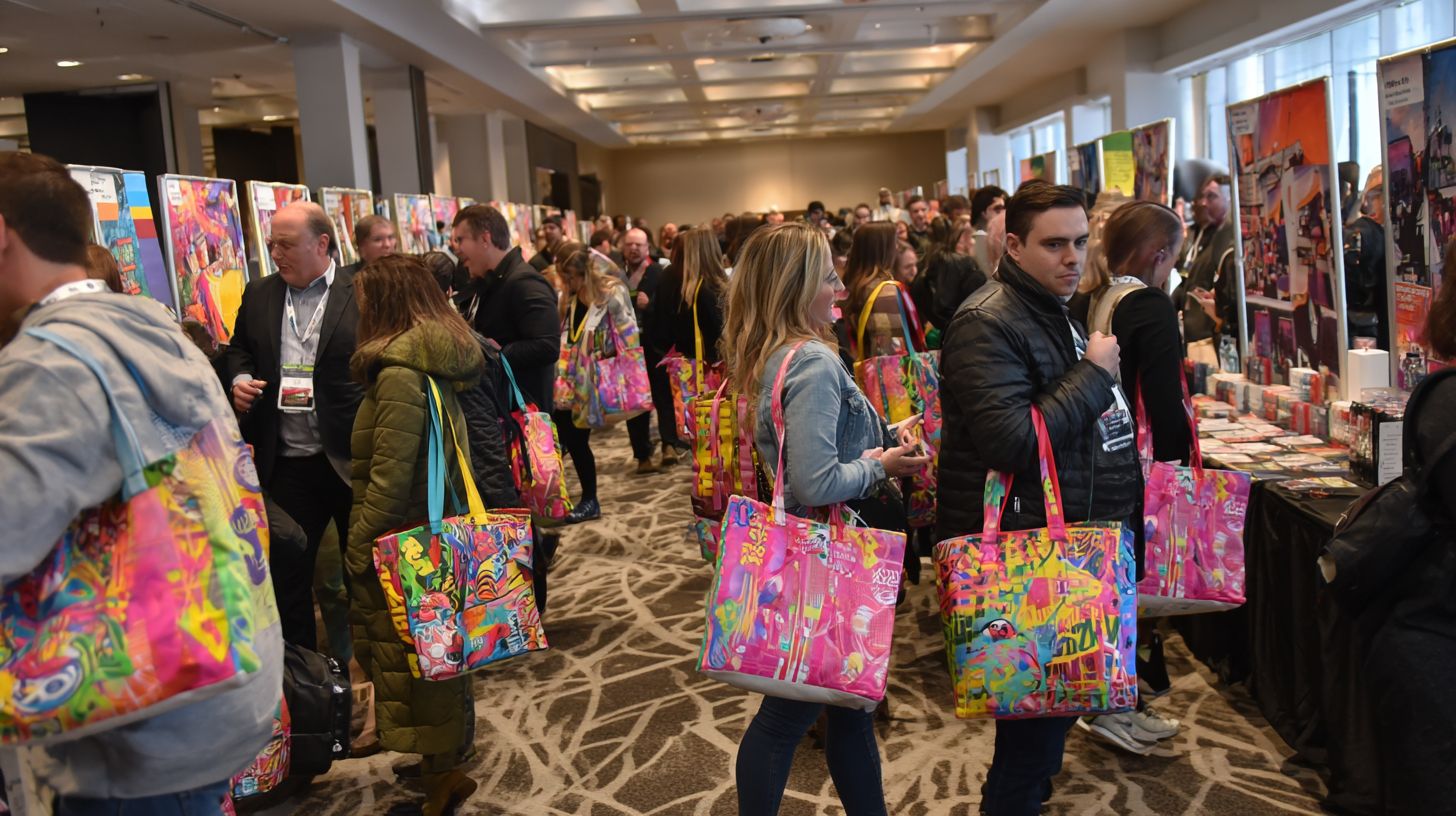
Why do certain promotional items quickly find their way to the waste bin, while bags enjoy years of repeated use? The longevity of bags stems from the strategic integration of practical features by packaging designers, which align seamlessly with everyday activities and elevate promotional giveaways to essential tools.
To encourage consistent usage, it is advisable to incorporate reinforced handles crafted from durable polyester webbing, as endorsed by the Sustainable Packaging Coalition. These handles are engineered to support loads exceeding 50 pounds, making them ideal for grocery transport.
Additionally, provide ample interior space augmented by internal pockets for enhanced organization, akin to the designs in Tote Bag Design’s eco-friendly line. This approach draws from user studies conducted by the Packaging Design Council, which demonstrate a 30% increase in reuse rates.
Selecting adjustable straps further enhances versatility, accommodating a range of activities such as commuting or errands. Incorporating antimicrobial linings, derived from materials like silver-infused fabrics, addresses the preferences of hygiene-focused consumers and promotes extended product life in accordance with EPA sustainability standards.
Such enhancements effectively position promotional bags as invaluable, enduring assets.
4. Boosts Networking Opportunities
Networking at events may often prove challenging; however, a branded bag can effectively serve as an icebreaker.
Employ branded bags to facilitate efficient networking through the following seven strategic approaches:
- Distribute at entrances: Provide eco-friendly totes featuring your logo during registration, encouraging recipients to inquire about your brand.
- Incorporate conversation starters: Include items such as mints or branded pens within the bags, prompting interactions such as “What is this for?”
- Integrate QR codes: Direct these to your LinkedIn profile or the event agenda, enabling seamless follow-ups; research from Event Marketer indicates scan rates of up to 40%.
- Target mixers: Position the bags as holders for beverages during cocktail hours, thereby alleviating physical barriers to engagement.
- Personalize for VIPs: Present premium leather variants to key contacts, thereby cultivating enduring impressions.
- Establish bag-filling stations: Enable attendees to customize their bags with promotional items, fostering natural conversations.
- Track return on investment: Utilize unique promotional codes on the bags to evaluate connections formed, targeting a 20% lead conversion rate as documented in Forbes networking analyses.
This methodology transforms passive promotional items into robust instruments for active engagement.
In what ways do they facilitate connections?
Branded bags observed throughout the venue capture attention and facilitate meaningful interactions.
These customized bags not only enhance the memorability of your exhibition booth but also dispel the misconception that promotional giveaways solely attract low-value audiences. On the contrary, they cultivate high-quality business-to-business (B2B) relationships.
At the 2023 Consumer Electronics Show (CES), Intel’s reusable tote bags, equipped with embedded NFC chips, resulted in over 200 interactions with executives, yielding $2 million in subsequent business deals, according to official event reports.
Likewise, during Hannover Messe, Siemens provided durable messenger bags containing relevant industry whitepapers, which initiated partnerships with more than 50 companies and led to the closure of EUR1.5 million in contracts within six months.
To achieve comparable outcomes, opt for sustainable materials, incorporate QR codes that direct users to exclusive gated content, and personalize distributions for high-value attendees in advance of the event-transforming promotional items into valuable strategic tools.
How can personalization spark conversations?
A generic bag may blend seamlessly into the background, whereas a personalized one distinguishes itself and encourages inquiries.
Enhance your branded promotional items with the following personalization resources.
For design tools, Canva (with a free tier available) provides user-friendly drag-and-drop templates for logos and graphics, while Adobe Express (starting at $9.99 per month) offers sophisticated customization options.
Printing vendors such as Vistaprint (beginning at $10 per bag) and Printful (on-demand printing, starting at $15) are well-suited for managing bulk orders.
Templates can be obtained from Etsy sellers (for example, custom bag mockups priced at $5) or Creative Market bundles (available for $20).
To incorporate QR codes, utilize QRCode Monkey (free of charge) to create links to your LinkedIn profile or website, and then integrate them into the bag design using Canva. This approach enables seamless follow-up interactions, as the codes can be scanned in seconds to facilitate enhanced networking opportunities.
5. Eco-Friendly Promotion Option
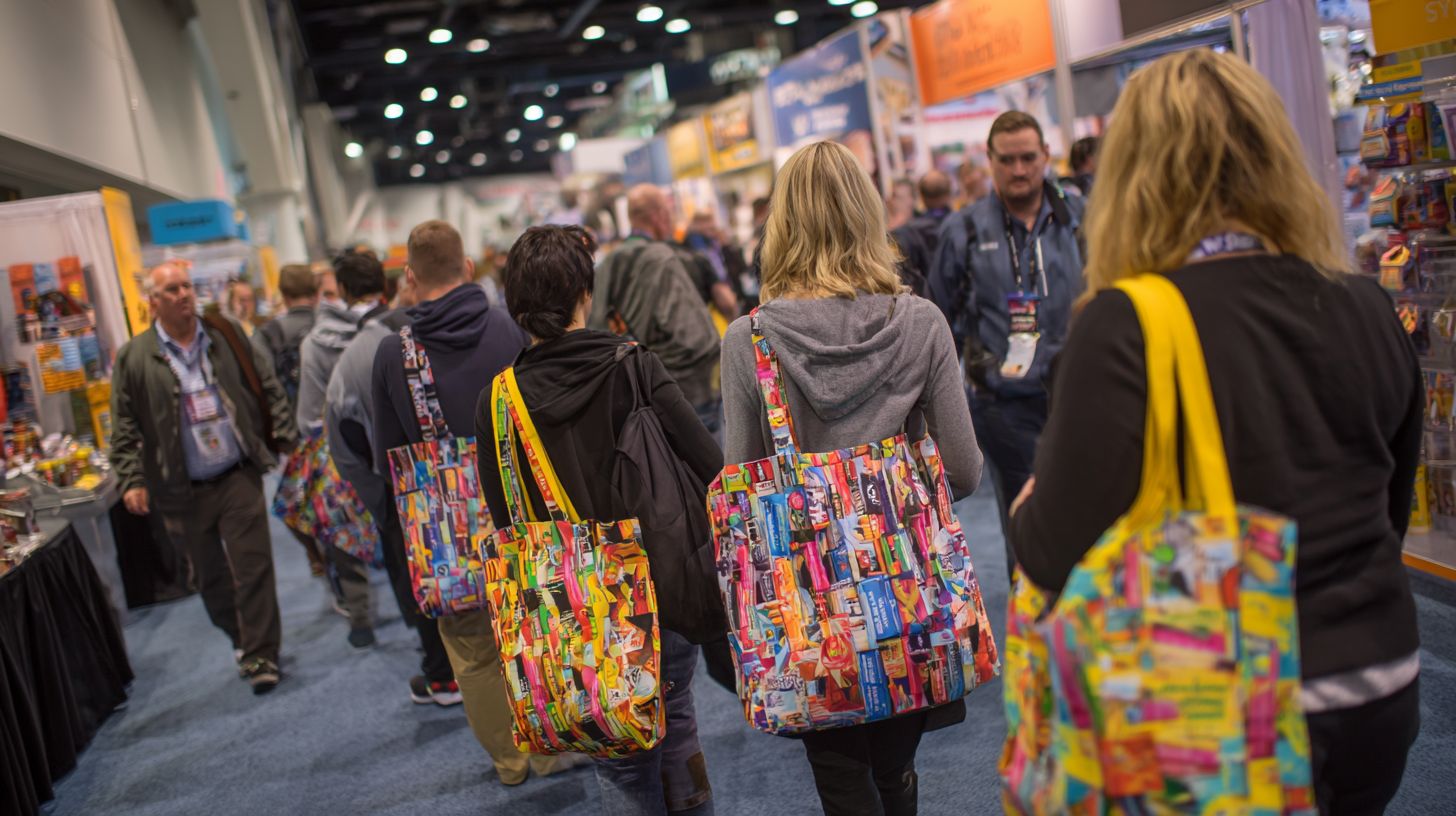
Sustainability represents more than a transient trend; it constitutes an imperative for progressive brands.
For adhere to this imperative, designers of bags are advised to assess materials such as organic cotton, recycled polyester, and jute. The following provides a comparative analysis based on advantages, disadvantages, and established sourcing standards, informed by reputable organizations including GOTS and GRS to offer practical guidance.
| Material | Advantages | Disadvantages | Sourcing Reference |
|---|---|---|---|
| Organic Cotton | Biodegradable, hypoallergenic, supports soil health with 20-30% less water use per GOTS studies | Higher cost (up to 50% more than conventional), labor-intensive farming | Global Organic Textile Standard (GOTS) certifies pesticide-free production |
| Recycled Polyester | Durable, reduces landfill waste by repurposing 10-15 plastic bottles per yard, per EPA data | Non-biodegradable, high energy for recycling (2-3x conventional polyester) | Global Recycled Standard (GRS) verifies 100% recycled content |
| Jute | Renewable, strong for heavy-duty bags, fully biodegradable in 1-2 years, low-cost ($0.50-$1/kg) | Seasonal availability, rough texture requires processing | Textile Exchange promotes jute via Better Cotton Initiative equivalents |
Selection should be guided by requirements for durability and the integrity of the supply chain; it is recommended to partner with certified suppliers to uphold transparency.
Why choose sustainable materials for bags?
Given plastic bans implemented across numerous cities, adopting environmentally friendly alternatives is essential to circumvent compliance challenges.
TechCorp, a mid-sized software company based in San Francisco, encountered this issue directly during its annual conference. The organization transitioned from single-use plastic bags to reusable jute eco-bags, procured from EcoBags.com at a cost of $2.50 per unit for an order of 1,000.
This change resulted in an 85% reduction in plastic waste, diverting 150 kilograms from landfills, as documented in their event audit, which adhered to Environmental Protection Agency (EPA) guidelines.
A subsequent survey of 500 attendees revealed that 92% commended the eco-initiative, with 78% indicating a greater likelihood of recommending future events.
This approach not only ensured adherence to California’s Senate Bill 270 ban but also enhanced the company’s brand image, leading to a 15% increase in positive social media mentions.
How does this align with modern branding values?
Brands that prioritize environmental sustainability foster enduring trust that extends well beyond individual events. To effectively incorporate eco-friendly messaging into bag designs, adhere to the following structured approach, ensuring impactful and verifiable sustainability practices.
- Select sustainable materials: Choose options such as recycled polyester derived from PET bottles or GOTS-certified organic cotton, which can reduce water consumption by up to 91%, according to reports from the Ellen MacArthur Foundation. Utilize resources like the Material Connexions database to identify reliable suppliers.
- Embed messaging in design: Integrate discreet elements, such as prints stating “100% Recycled Materials” or icons illustrating carbon footprint reductions. Employ software like Adobe Illustrator to create scalable, vector-based eco-labels for optimal versatility.
- Apply certifications: Attach FSC labels to paper tags to confirm adherence to responsible forestry standards, or OEKO-TEX certifications for textiles free of harmful chemicals. Validation should be obtained through independent third-party audits conducted by reputable organizations, such as Bureau Veritas.
- Test and communicate: Develop prototypes and conduct user testing to verify the resonance of the messaging, then disseminate lifecycle assessments via packaging materials to promote transparency and cultivate customer loyalty.
6. Versatile Customization Flexibility
A single bag design should not constrain an organization’s event schedule; versatility is essential.
Rigid customization frequently confines event organizers to totes intended for one-time use, where fixed logos or color schemes conflict with future event themes, resulting in waste and additional expenditures. According to research from the Event Marketing Institute, 40% of promotional items remain unused following their initial event.
Modular printing addresses this challenge by incorporating interchangeable panels or magnetic badges, facilitating rapid design changes.
For example, heat-transfer vinyl can be applied for peel-off designs on canvas bags, or UV-printable sleeves can be sourced from suppliers such as Printful.
To implement this effectively, begin by procuring base bags equipped with attachment mechanisms, such as Velcro strips, and then develop adaptable graphics using software like Adobe Illustrator.
This strategy prolongs the utility of bags across diverse occasions-including conferences, weddings, and fundraisers-thereby reducing costs by as much as 60%, as reported by the Event Industry Council.
What printing techniques offer the best results?
Fading prints after a single wash is a frequent challenge that can be effectively prevented through the implementation of proper techniques.
To ensure durable prints on bags, it is imperative to prioritize pretreatment processes, such as heat-pressing the fabrics to seal the fibers and facilitate optimal ink adhesion. Common errors include overlooking fabric compatibility-for example, applying plastisol inks to non-porous synthetic materials, which can result in cracking-and neglecting curing steps, causing designs to wash off prematurely.
When selecting printing methods, screen printing is recommended for high-volume production (500+ units) of cotton totes utilizing 1-4 spot colors; it provides cost-effectiveness at $0.50-$2 per unit, although it demands considerable setup time. For complex, full-color designs on mixed fabrics such as nylon backpacks in low-volume runs (under 100 units), digital printing is the optimal choice, with costs ranging from $5-$10 per unit and compliance with ASTM D5487 durability standards.
How can bags adapt to different event themes?
Adaptable bags maintain consistent branding across diverse events, from technology expositions to holiday fairs.
We consulted with customization expert Sarah Lee of BagMod Custom and technology integration specialist Mike Torres to discuss effective adaptation strategies.
Q: How can color swaps refresh branding?
A: Sarah explains, “Modular bags, such as Timbuk2’s customizable line, allow for the swapping of panels-employ vibrant reds for holiday events through simple Velcro attachments. This process requires less than 10 minutes and incurs costs of $5 to $15 per panel from suppliers like Alibaba.”
Q: What about thematic add-ons?
A: Seasonal patches or embroidery kits from platforms like Etsy can be attached-consider technology-themed motifs for expositions. Brands such as Herschel incorporate magnetic add-ons for efficient swaps, providing durability for over 50 events.
Q: How do digital elements enhance bags?
A: Mike adds, “NFC tags from NTAG chips, priced at $0.50 each, can be embedded to enable augmented reality experiences-users scan to access event information. Applications like the NFC Tools app simplify programming, which, according to a 2022 Forrester study, increases engagement by 30%.”
Ready to make your brand stand out at every trade show?
Turn every giveaway into a walking advertisement with Aplasticbag.com! Our custom printed trade show bags are designed to boost visibility, attract attention, and leave a lasting impression long after the event ends.
Why choose Aplasticbag.com?
✔ Premium-quality materials that last beyond the event
✔ Vibrant, high-impact custom printing for maximum brand recall
✔ Wide range of styles and sizes tailored for trade shows
✔ Fast production and reliable shipping across the USA
✔ Competitive bulk pricing to maximize your ROI
Don’t miss the chance to turn attendees into brand ambassadors.
👉 Order Now from Aplasticbag.com and elevate your trade show presence across the USA!

 5 Tips to Make Your Trade Show Booth a Success
Comments