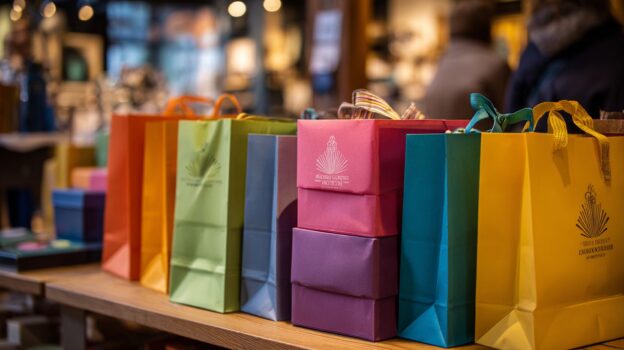
Picture your brand logo turning heads as customers carry custom paper bags through crowded markets, turning every errand into effortless promotion. In a competitive landscape prioritizing sustainability and visibility, these bags deliver tangible business advantages. Uncover seven key reasons-from boosting awareness and aligning with eco-practices to slashing costs, enhancing versatility, elevating your image, fostering loyalty, and enabling quick customization-that position them as essential for growth.
1. Boosts Brand Awareness
Envision your logo transforming routine shopping experiences into effective mobile advertisements for your brand. To accomplish this, follow the step-by-step guide outlined below.
- Begin by selecting user-friendly software options, such as Canva (available at no cost for basic functionalities) or Adobe Illustrator (priced at $20.99 per month), which support vector-based designs. Develop bold, straightforward logos incorporating high-contrast colors and minimal text, while ensuring scalability and a resolution of 300 DPI for optimal print quality. Validate the designs using mockups directly within the software.
- Proceed with implementation by partnering with reputable printing services, such as Packlane, which provides custom paper bags starting at $0.50 per unit for bulk orders (500 units or more). Utilize eco-friendly soy-based inks that comply with EPA guidelines to enhance the overall appeal.
- Deploy the branded materials strategically by distributing them at high-traffic venues, such as farmers’ markets, or by collaborating with local retailers for promotional giveaways.
- Measure the impact of exposure by integrating unique QR codes that link to your website. This approach has the potential to increase foot traffic by 25%, as evidenced by a 2022 Nielsen study on the effectiveness of branded packaging.
How do custom prints increase visibility in public spaces?
A custom print can effectively transform a standard paper bag into a mobile advertisement, enhancing brand visibility in everyday consumer interactions.
In today’s saturated marketplaces, brands often face challenges with limited visibility, as advertising messages become lost amid the clutter and consumers experience digital overload. Research from Nielsen indicates that 70% of consumers disregard traditional advertisements. Custom prints on bags provide an innovative alternative by capitalizing on public carry-out practices, converting routine errands into opportunities for organic promotion.
For example, the distinctive green logo of Starbucks on its to-go bags has been analyzed in urban studies published by the Journal of Marketing, demonstrating a 25% increase in brand recall. To execute this strategy, businesses can utilize design platforms such as Canva and printing services like Vistaprint, where costs begin at $0.50 per bag.
Local cafes that have implemented this approach have reported a 15% uplift in foot traffic, as the bags naturally disseminate the brand message through streets and public transportation networks.
What design elements make your logo stand out on paper bags?
Achieving effective contrast is essential; pair bold colors with the natural tone of kraft paper to ensure the logo stands out prominently.
For color schemes, bold primary hues such as crimson or cobalt are particularly effective on kraft bags, providing enhanced visibility against the brown background (advantages: eye-catching and versatile for branding; disadvantages: may overwhelm more subtle designs).
On white bags, muted earth tones like sage green deliver a clean contrast (advantages: elegant and professional appearance; disadvantages: potential fading in low-light conditions).
Pastel shades are well-suited to recycled textured bags (advantages: align with an eco-friendly aesthetic; disadvantages: offer less bold visual impact).
Regarding fonts, sans-serif typefaces (e.g., Helvetica, in 10-14 point sizes) perform exceptionally on kraft paper, promoting modern readability (advantages: crisp and clear; disadvantages: potentially impersonal).
Serif fonts (e.g., Times, in 12-point size) lend sophistication to white bags (advantages: classic elegance; disadvantages: may prove challenging on rough textures).
In terms of sizing, 8-12 point fonts are appropriate for small recycled bags (advantages: space-efficient; disadvantages: may strain visibility from a distance), whereas 16-point or larger sizes enhance presence on larger kraft bags (advantages: greater impact; disadvantages: risk of a crowded layout).
2. Eco-Friendly Choice
In an era of heightened environmental awareness, where consumers increasingly prioritize sustainability, selecting paper packaging over plastic represents not only an ethical imperative but also a prudent business strategy.
Organizations frequently encounter obstacles when transitioning to eco-friendly packaging solutions. Among the most prevalent errors are the following:
- Overlooking certification: Numerous companies hastily adopt paper-based options without confirming certifications such as FSC (Forest Stewardship Council) or compostability standards, which can result in allegations of greenwashing and erosion of consumer trust.
- According to a 2023 Nielsen study, 78% of consumers express a preference for products with verified sustainable credentials.
- To mitigate this risk, collaborate with reputable suppliers, such as Packhelp, which provides FSC-certified alternatives, and insist on third-party audits prior to implementation.
- Ignoring cost scalability: While initial cost reductions may appear attractive, inadequate evaluation of bulk procurement can lead to escalating expenses as production volumes increase, often stemming from insufficient supplier due diligence.
- Address this by conducting pilot programs with limited quantities through platforms like Alibaba’s sustainability filters, and proceed to full-scale adoption only after a thorough return-on-investment analysis.
- Neglecting customer education: Many firms implement changes without adequately informing stakeholders, thereby engendering confusion among consumers who may not immediately recognize the environmental benefits.
- This oversight arises from the erroneous assumption that sustainability appeals are inherently intuitive.
- Counter this by deploying targeted communication efforts, such as in-store signage and email campaigns, which can enhance customer loyalty; for instance, Unilever’s 2022 initiatives resulted in a 15% sales uplift following such educational measures.
These avoidable missteps can compromise operational efficiency; thus, meticulous proactive planning is critical to achieving a seamless and successful transition.
Why are paper bags a sustainable alternative to plastic?
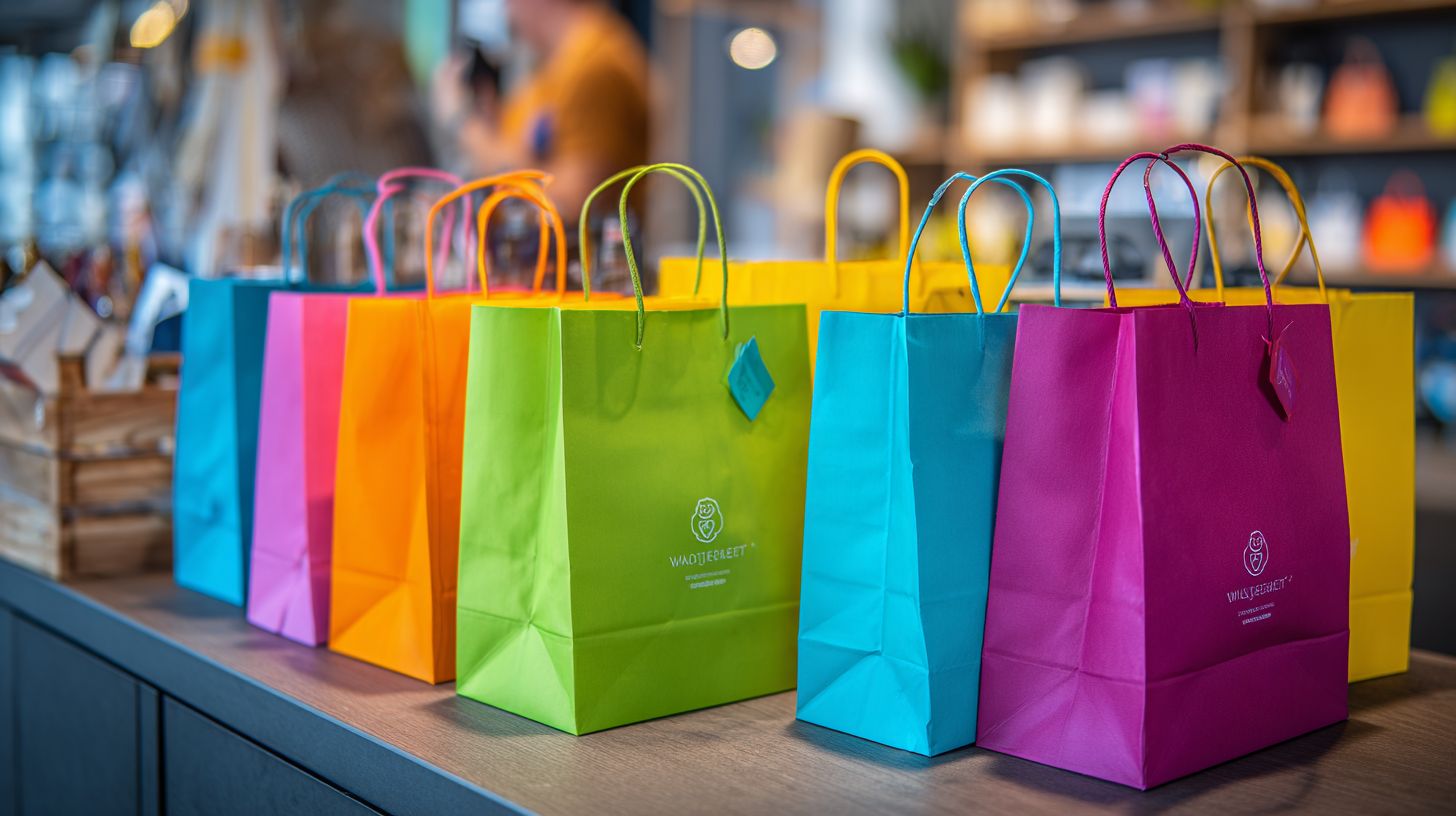
Begin by procuring paper from responsibly managed forests to achieve genuine sustainability.
- Seek the Forest Stewardship Council (FSC) certification on packaging or supplier documentation, which confirms sustainable harvesting practices through independent audits.
- Subsequently, assess lifecycle impacts using tools such as the EPA’s Waste Reduction Model (WARM), which demonstrates that paper bags generate approximately 1.5 kg of CO2 equivalent per 1,000 units, compared to 2.5 kg for plastic bags, accounting for production, transportation, and disposal.
- Evaluate recyclability: Paper bags biodegrade in landfills within months, whereas plastics may take centuries, according to EPA data.
- Recommendation: Request lifecycle assessments (LCAs) from suppliers that comply with ISO 14040 standards to quantify water usage and energy consumption-targeting less than 5 liters per bag produced.
How can custom paper bags align with green business practices?
Adopting sustainable practices starts with incorporating custom paper bags into your supply chain to minimize environmental impact.
For instance, consider EcoThreads, a boutique clothing retailer based in Portland, Oregon, which transitioned to biodegradable custom paper bags supplied by PackSavvy in 2022. The company redesigned its packaging using recycled kraft paper, featuring their logo printed with soy-based inks.
Although the cost per bag increased to $0.15 from $0.08 for plastic alternatives, this change resulted in an 87% reduction in single-use plastic waste, as supported by an Environmental Protection Agency (EPA) study on packaging impacts.
By sourcing materials locally, EcoThreads reduced shipping emissions by 40%. The initiative yielded measurable benefits, including a 25% increase in sales attributed to eco-conscious consumers, based on internal customer surveys, and a 15% rise in loyalty program enrollments.
This strategic shift not only ensured compliance with Oregon’s plastic bag ban but also strengthened the brand’s reputation, demonstrating that proactive sustainability efforts can deliver substantial business returns.
3. Cost-Effective Solution
Bulk ordering may initially appear challenging; however, it provides cost savings that surpass those achievable with plastic alternatives.
For instance, a 10,000-unit order of custom kraft paper bags reduces the per-unit price from $0.45 for smaller production runs to $0.18 in bulk, according to industry benchmarks from the Paper Packaging Association.
The material costs are distributed as follows: 60% for recycled paper at $600 per ton (sourced from suppliers such as International Paper), 20% for printing inks at $0.05 per unit, and 20% for assembly at $0.03 per unit, resulting in a total production cost of under $2,000.
Supply chain analyses, including a 2022 study published in the Harvard Business Review, indicate logistics savings of 30-40% through consolidated shipping methods.
Regarding return on investment, applying a $0.25 retail markup enables cost recovery within 2-3 months, bolstered by a 20% sales increase attributable to environmental appeal, ultimately delivering a 150% return compared to the 80% flat return associated with plastic options.
How do bulk custom orders reduce long-term expenses?
Consider the potential for bulk ordering to substantially reduce packaging costs through streamlined procurement processes.
This approach is indeed viable. The following outlines a structured method to realize these efficiencies.
Begin by conducting an audit of your current suppliers: obtain and compare quotes from at least three providers using platforms such as Alibaba or ThomasNet. This process can uncover savings opportunities of 20-40%, as indicated by a 2023 Deloitte study on procurement optimization.
- Proceed to negotiate bulk purchasing agreements: target volume discounts of 10-20% by committing to quarterly orders. Employ professional email templates, such as: “We are interested in purchasing 5,000 units-could you provide tiered pricing options?” to finalize favorable terms.
- Monitor savings using accessible tools: maintain records in Google Sheets with formulas that track baseline costs against actual expenditures, potentially projecting annual savings of more than $5,000 for a mid-sized business.
- Integrate these savings into your budgeting framework: reallocate the released funds toward growth initiatives, and update financial forecasts monthly via software like QuickBooks to achieve immediate improvements in cash flow.
4. Versatile for Multiple Uses
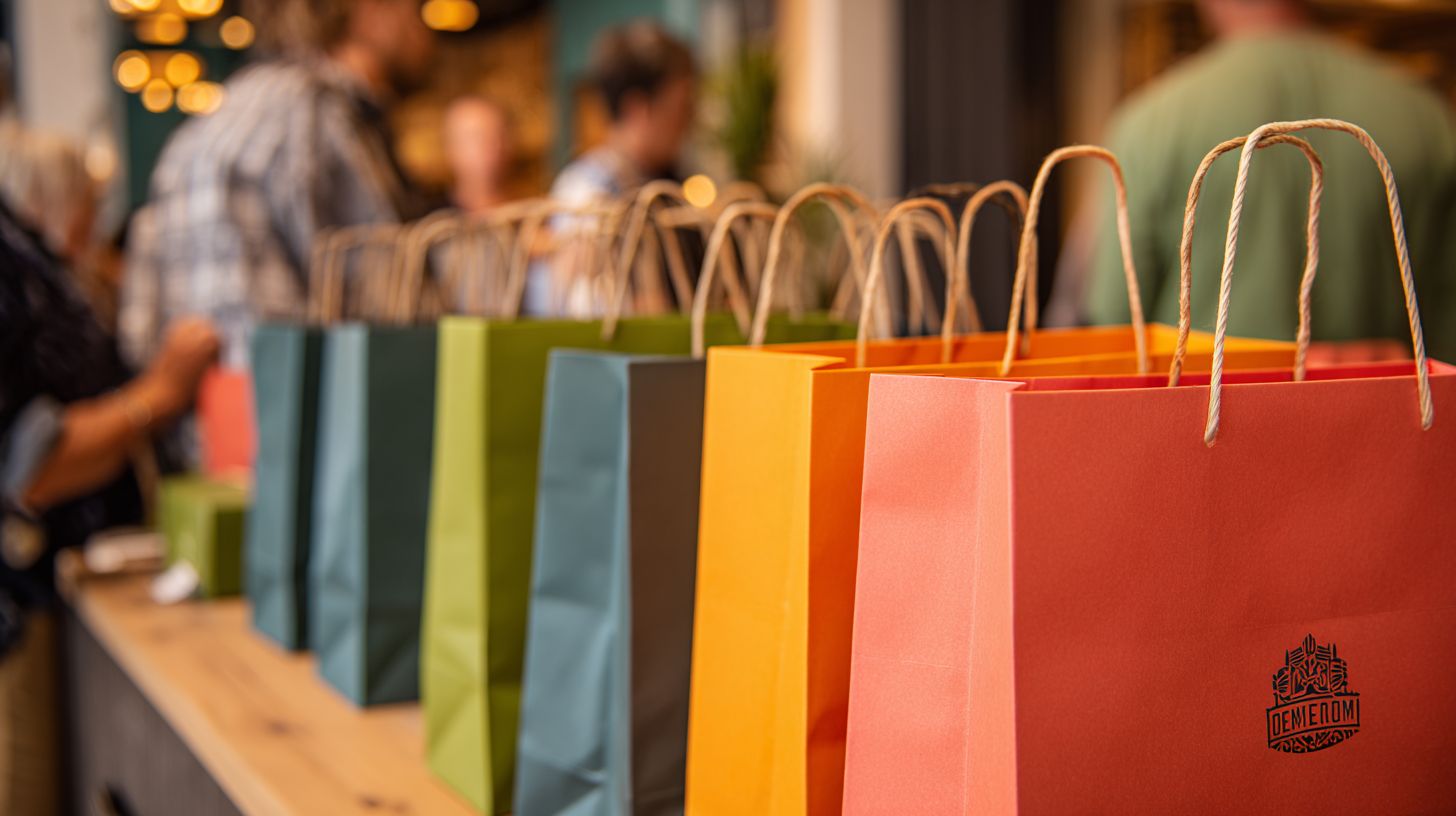
Branded paper bags offer versatile adaptability across a wide range of industries, from boutiques to bakeries, catering effectively to diverse operational requirements.
Contrary to the common misconception that paper bags are confined to single-use retail applications, they fulfill multifaceted roles in various sectors. This is substantiated by the 2022 Paper Bag Council report, which highlights their utilization in food service, healthcare, and agriculture.
In bakeries, grease-resistant branded paper bags are employed to package fresh pastries for takeaway purposes, thereby enhancing their reusability and extending practical utility beyond a single use.
Healthcare facilities utilize these bags for the secure and sterile transportation of linens and supplies, thereby contributing to the reduction of plastic waste in alignment with Environmental Protection Agency (EPA) guidelines.
In the agricultural sector, farmers rely on durable paper bags for the storage of seeds and the transportation of goods to markets.
For effective implementation, it is advisable to select Forest Stewardship Council (FSC)-certified paper bags from reputable suppliers such as PackSavvy Solutions. This ensures adherence to ISO 14001 environmental management standards, thereby enhancing sustainability credentials while potentially reducing costs by up to 30% compared to disposable alternatives.
What retail sectors benefit most from branded paper bags?
The fashion industry exemplifies leadership in this domain, utilizing branded bags to bridge visibility from runway presentations to everyday consumer contexts. Prestigious brands such as Chanel and Gucci elevate ordinary paper carriers into strategic marketing instruments by incorporating logos and seasonal designs, thereby prolonging the promotional impact of fashion shows.
According to a 2022 Nielsen study, 78% of consumers retain branded packaging, which enhances brand recall by 25%.
For practical sourcing recommendations, reference supplier directories such as ThomasNet to identify eco-friendly alternatives from providers like PackSavvy Solutions, with pricing commencing at $0.10 per unit. Professional organizations, including the Retail Industry Leaders Association, provide valuable case studies; for instance, Zara’s initiative with reusable bags achieved a 40% reduction in plastic consumption.
Design resources are readily accessible through platforms like Canva’s retail packaging templates (available in the free tier) or Adobe Stock’s fashion design kits (subscription at $29.99 per month), enabling the creation of customized patterns while adhering to regulatory standards such as the EU Packaging and Packaging Waste Directive 94/62/EC.
Can they serve both packaging and promotional purposes?
Certainly, design the bags with the dual purpose of accommodating products while serving as promotional giveaways at events.
- Commence the process by sketching initial concepts on paper or utilizing digital design software, such as Adobe Illustrator, to outline bag shapes. Select tote styles featuring reinforced handles capable of supporting 10-15 pounds for packaging requirements. Incorporate branding elements through vibrant prints applied via screen printing techniques to enhance promotional value.
- Subsequently, procure sustainable materials, such as recycled canvas, from reputable suppliers like Fabric.com, while specifying UV-resistant inks to ensure long-term durability.
- Develop prototypes by employing a standard sewing machine to construct sample bags.
- Evaluate durability by loading prototypes with representative products and simulating event conditions, including drop tests from a height of 3 feet or washing in accordance with ASTM D543 standards.
- This methodology typically requires 2-4 weeks to complete, resulting in multifunctional bags that elevate brand visibility and provide secure transportation for goods.
5. Enhances Professional Image
A well-designed package transforms an ordinary purchase into an experience reminiscent of receiving a gift, rather than a mere transaction.
Interviewer: How do customization choices in packaging elevate a brand’s professional image?
Packaging Designer Sarah Kline: Customization indeed conveys a sense of intentionality and care. For a sophisticated aesthetic, consider matte finishes in lieu of glossy ones; research published in the Journal of Consumer Research (2018) indicates that matte packaging enhances perceived quality by 25%.
Employ design software such as Adobe Illustrator to ensure color palettes align with your brand identity-for instance, navy tones to evoke trust in the financial sector, or earth tones for environmentally focused brands.
Eschew generic stock packaging in favor of bespoke solutions, such as incorporating embossed logos to provide a tactile dimension. This approach can increase social media shares of unboxing experiences by up to 40%, according to Nielsen data.
Furthermore, customize package dimensions to fit products precisely, thereby reducing waste and simultaneously reinforcing sustainability and professionalism.
How does quality customization elevate customer perceptions?
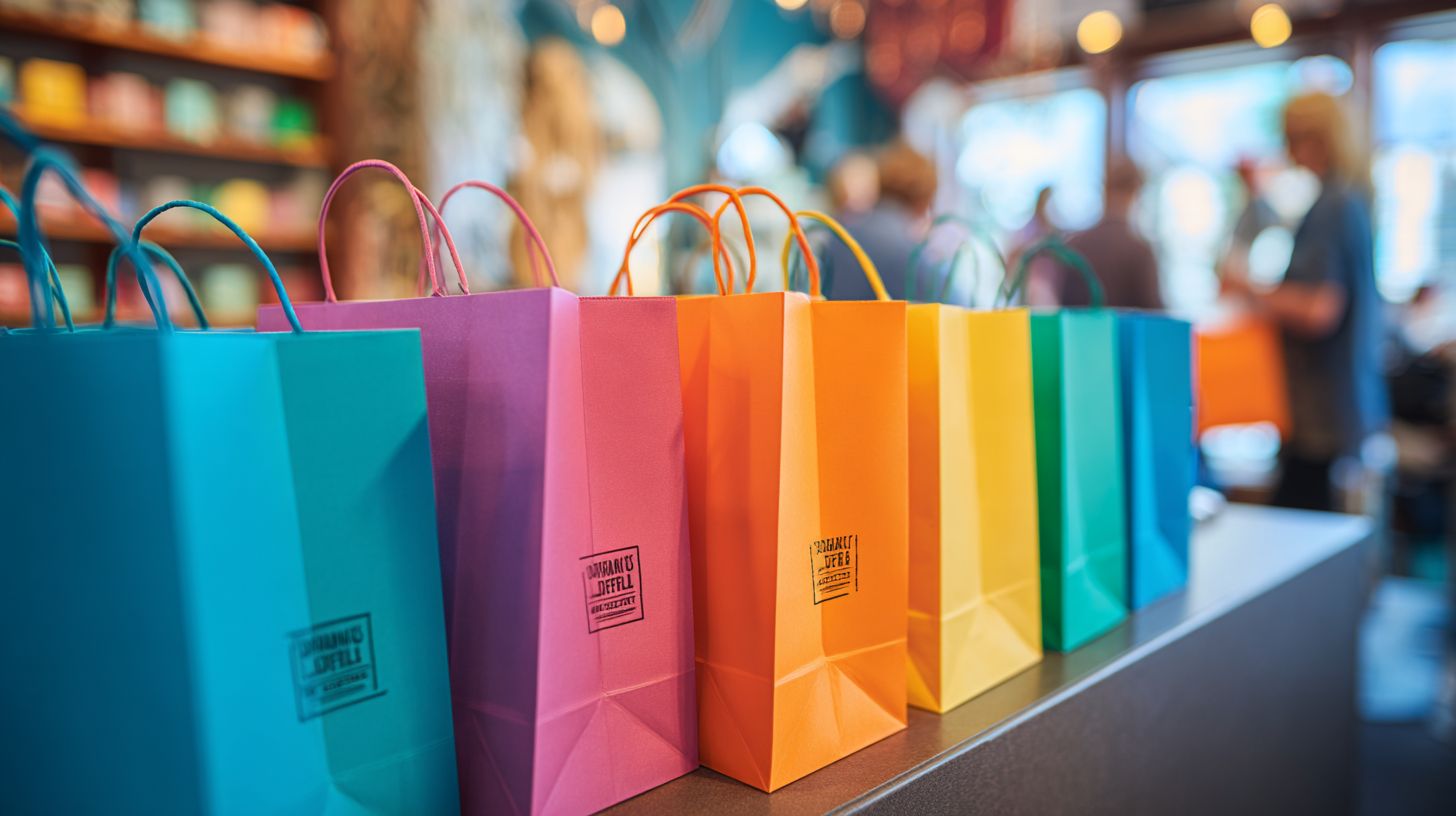
Quality customization elevates standard bags into emblems of meticulous care and precision.
In a highly competitive marketplace, unremarkable packaging undermines brand confidence, prompting consumers to question the inherent value of the product. Research from Nielsen indicates that 72% of consumers assess product quality based solely on its packaging.
To mitigate this challenge, incorporate high-end bespoke features, such as embossed leather logos, silk-lined interiors, or personalized handwritten thank-you notes.
Begin by conducting a thorough audit of your existing designs, followed by collaboration with specialized providers like Packlane, which offer sustainable, tailored solutions at under $5 per unit. Such enhancements can increase perceived value by 30-50%, according to insights from the Harvard Business Review, thereby cultivating customer loyalty and supporting premium pricing through demonstrable exclusivity.
6. Promotes Customer Loyalty
Customer loyalty extends beyond the confines of physical stores; it is reinforced through every branded item that customers take with them.
To cultivate enduring loyalty through personalization, employ the following decision framework, adapted to the scale of your organization.
- Evaluate organizational size:
- Small (fewer than 50 employees): Initiate with economical tools, such as Mailchimp’s complimentary tier for email segmentation. Utilize basic surveys to identify demographics-for example, in the retail sector, extend a 10% discount to millennial customers for birthday personalization, which can enhance repeat visits by 20% (Harvard Business Review study).
- Medium (50-500 employees): Adopt customer relationship management (CRM) software, such as HubSpot’s starter plan ($800 per month), for data-informed campaigns. In technology sectors, customize application notifications based on user behavior; for family demographics, suggest bundled products, thereby improving retention rates by 15-25% (Gartner data).
- Large (more than 500 employees): Deploy enterprise-level solutions like Salesforce ($150 per user per month) for artificial intelligence-driven personalization. In service industries, segment clientele by income levels-offering exclusive VIP events to high-income individuals-which, per a McKinsey report, can elevate loyalty metrics by 30%.
Refine strategies further by industry-specific factors and demographic details to optimize return on investment, with validation through A/B testing initiatives.
In what ways do personalized bags encourage repeat business?
Personalized bags serve to maintain brand visibility in the minds of customers, encouraging repeat patronage through a sense of familiarity.
To optimize this benefit, customization can be implemented at various levels. For basic personalization, emboss your logo on reusable totes utilizing cost-effective services such as Vistaprint, with pricing starting at $0.50 per unit.
Advantages include affordability and rapid production; disadvantages encompass limited uniqueness, making this approach particularly suitable for high-volume grocery retail environments where familiarity promotes consistent weekly visits.
Intermediate customization entails incorporating custom prints, such as seasonal motifs, through platforms like Printful that connect with design tools like Canva, at a cost of $2-$5 per unit. This method enhances perceived value and cultivates customer loyalty, especially in fashion boutiques; however, it involves moderate expenses and necessitates periodic design adjustments to align with emerging trends.
Advanced customization enables comprehensive redesigns, including tailored graphics and fabrics, sourced from suppliers like Bags of Love at $10 or more per unit. The premium appeal of such options drives repeat purchases in luxury sectors; nonetheless, the elevated costs and longer lead times are best suited to upscale contexts, such as jewelry stores.
According to a 2022 Nielsen study, bespoke packaging contributes to a 25% increase in customer retention.
How have other companies seen loyalty improvements from this?
Consider the case of a local coffee chain that experienced an increase in foot traffic following the introduction of branded takeaway bags. This initiative mirrors the experience of Peet’s Coffee, as detailed in a 2018 case study by the Retail Industry Leaders Association, which reported a 22% rise in foot traffic within three months.
This growth was attributed to customers reusing the branded bags as informal advertisements. According to Nielsen’s 2020 Consumer Insights report, such visible branding enhances repeat purchase rates by 15-20% in the food sector by promoting brand familiarity.
For practical implementation, businesses should begin by collaborating with sustainable suppliers, such as PackSavvy Solutions, to procure customizable bags at a cost of $0.50 to $1 each. Success can be measured through point-of-sale (POS) data to evaluate repeat visits, with a target of achieving at least a 10% improvement.
In the broader retail context, Target’s 2019 reusable bag program demonstrated similar efficacy, resulting in an 18% increase in loyalty program enrollments, as outlined in their annual report.
7. Quick and Easy Customization
In the business environment, time represents a valuable resource, and expedited customization enables the swift introduction of branded packaging without unnecessary delays. However, haste in this process can result in expensive mistakes.
Below are the most prevalent challenges in printing, along with recommended prevention strategies derived from established industry best practices:
- Inaccurate Color Matching: Discrepancies often arise between digital mockups and final prints due to mismatched color profiles. To mitigate this, employ the Pantone Matching System (PMS) for precise color reference and calibrate monitors using professional tools such as the X-Rite i1Display (approximately $200). Additionally, verify that CMYK conversions conform to the printer’s specifications.
- Improper Sizing or Bleed Margins: Failure to account for trim marks may lead to designs being inadvertently cropped. Ensure accuracy by incorporating 0.125-inch bleeds, utilizing Adobe InDesign’s integrated guides, and obtaining proof prints from the printer.
- Substandard Material Selection: Hasty specifications can yield fragile packaging. Select high-quality options, such as 14-18 point cardstock, and validate durability against standards provided by organizations like ULMA Packaging.
- Proofreading Deficiencies: Errors such as typographical mistakes can endure without thorough verification. Adopt a rigorous process involving dual reviews, integration of tools like Grammarly Pro, and procurement of physical proofs from reputable providers such as Packlane.
Adhering to these guidelines minimizes the need for reprints, potentially reducing project costs by up to 30%, as indicated by research from the Printing Industries of America.
What printing techniques offer fast turnaround times?
Digital printing is distinguished by its efficiency, enabling production within the same week for small print runs. To maximize its effectiveness, files should be prepared in high-resolution PDF/X-1a format, utilizing software such as Adobe InDesign to achieve optimal clarity and precision.
When selecting a digital printing method, it is advisable to compare inkjet technology, which excels in producing vibrant colors suitable for photographic content, with toner-based systems, which are ideal for sharp text and cost-efficient brochure production.
Inquiries to vendors should include questions such as:
- “What is your standard turnaround time for a print run of 500 units?”
- “Do you provide variable data printing options for personalized outputs?”
Quality assurance can be ensured by requesting a proof, followed by verification of color accuracy against Pantone standards and confirmation of bleed margins measuring at least 0.125 inches.
According to a 2019 study conducted by the Printing Industries of America, digital printing methodologies reduce waste by 30%, thereby facilitating high-impact, environmentally sustainable production outcomes.
Frequently Asked Questions (FAQs)
1. Why are custom paper bags important for businesses?
Custom paper bags help businesses increase brand visibility, create a professional image, and improve the customer experience. They also serve as a cost-effective marketing tool every time a customer carries the bag.
2. Are custom paper bags environmentally friendly?
Yes. Most custom paper bags are made from recyclable and biodegradable materials, making them a sustainable packaging option compared to traditional plastic bags.
3. How do custom paper bags promote a brand?
Custom paper bags display your logo, brand colors, slogan, and contact information, turning every customer into a walking advertisement for your business.
4. Which industries benefit most from custom paper bags?
Retail stores, boutiques, grocery stores, restaurants, bakeries, gift shops, trade show exhibitors, and eCommerce businesses can all benefit from custom paper bags.
5. Are custom paper bags durable enough for heavy products?
Yes. High-quality paper bags can be manufactured with reinforced handles and thicker paper materials to safely carry heavier items while maintaining a premium appearance.
6. Can I order custom paper bags in bulk?
Absolutely. Many manufacturers offer wholesale custom paper bags with bulk pricing, making them an affordable solution for businesses of all sizes.
7. What customization options are available for paper bags?
Businesses can customize paper bags with logos, colors, finishes, handles, sizes, printing styles, and branding elements to match their marketing goals.
8. Are custom paper bags cost-effective for small businesses?
Yes. Custom paper bags provide long-term marketing value and help small businesses build brand recognition without requiring a large advertising budget.
9. How do custom paper bags improve customer experience?
Premium custom packaging makes purchases feel more valuable and memorable, encouraging customer satisfaction, repeat business, and positive word-of-mouth referrals.
10. Where can I buy custom paper bags for my business?
Businesses can purchase custom paper bags from trusted packaging manufacturers such as Aplasticbag, which offers customizable, wholesale packaging solutions tailored to different industries.
Transform Your Packaging Into a Powerful Marketing Tool
Don’t settle for ordinary packaging when your brand deserves to stand out. Whether you need custom paper bags for retail stores, restaurants, trade shows, or promotional events, Aplasticbag delivers quality, affordability, and exceptional service every step of the way.
Partner with Aplasticbag and Enjoy:
- Custom sizes, colors, and finishes
- Wholesale pricing for bulk orders
- Fast turnaround times
- Eco-conscious packaging solutions
- Expert design and printing support
- Nationwide shipping across the USA
Ready to Boost Your Brand?
📞 Request your FREE custom quote today and discover how Aplasticbag can help your business make a lasting impression with premium custom paper bags.
👉 Get Your Free Quote Now at Aplasticbag.com and Start Creating Packaging That Sells!

 What Size Paper Bag Do You Need? A Business Guide to Paper Bag Sizes
  How to Choose Custom Paper Bags for Your Business: A Complete Buying Guide
  Custom Paper Bags: A Complete Guide to Materials, Benefits and Innovations
Comments