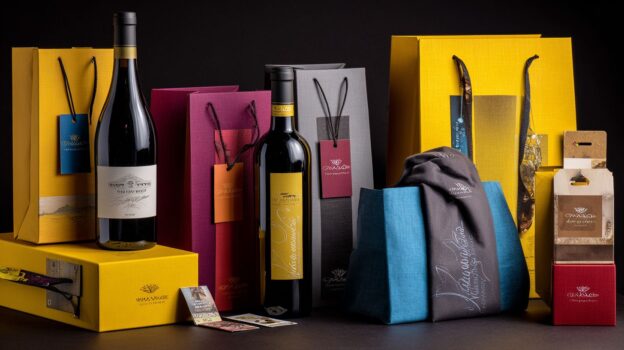
In a competitive marketplace, a single label can transform an ordinary product into a memorable brand icon, driving customer loyalty and sales. Custom printed labels and tags offer versatile solutions to amplify your identity across packaging, retail, and promotions. Explore seven practical ways-from eye-catching enhancements to streamlined inventory and event giveaways-that unlock branding potential, backed by design insights from industry leaders like Avery Dennison.
1. Enhancing Product Packaging with Eye-Catching Labels
Consider the process of enhancing a basic box to create an eye-catching display that effectively captures customer attention.
- Begin by selecting appropriate software options:
- Canva (with a free tier available) is suitable for beginners, featuring intuitive drag-and-drop templates.
- Adobe Illustrator ($20.99 per month) provides advanced capabilities for professional vector-based designs.
- Adhere to fundamental design principles, including:
- High contrast (e.g., white text on a black background),
- Bold sans-serif fonts (e.g., Arial Black),
- And simple icons to ensure legibility from a distance of five feet.
- For printing, utilize waterproof vinyl stickers sourced from:
- Avery, which enables do-it-yourself production using standard home printers,
- Or Vistaprint, offering bulk labels at $0.10 each.
- Employ software-based mockup tools to customize the design and preview its application on the box’s specific shape.
- Apply the labels through the following steps:
- Clean the surface thoroughly with isopropyl alcohol,
- Align the label precisely using a ruler,
- And eliminate any bubbles by smoothing with a credit card serving as a squeegee, resulting in a seamless, bubble-free finish.
2. Creating Informative Hang Tags for Retail Displays
A small boutique encountered difficulties in effectively conveying the narratives behind its products until it harnessed the potential of comprehensive hang tags.
At the outset, the boutique grappled with challenges such as limited customer dwell times-averaging only two minutes per visit-and a modest 15% conversion rate. Shoppers frequently overlooked the handmade craftsmanship inherent in the boutique’s artisan jewelry and apparel.
To address these issues, the owners undertook a systematic redesign of the hang tags. They began by conducting an audit of top-selling items to identify compelling, unique stories.
Leveraging Canva’s templates, they developed tags featuring 150-word narratives, photographs of the artisans, details on ethical sourcing (for instance, “Handwoven by Mayan cooperatives using organic cotton”), and QR codes that directed users to video tours of the production process. The tags were printed cost-effectively through Vistaprint on eco-friendly cardstock and affixed using satin ribbons.
Over the subsequent three months, foot traffic analytics revealed a 35% increase in customer engagement, accompanied by a 28% uplift in sales. These outcomes align with findings from a 2022 Retail Dive study, which indicated that storytelling-oriented hang tags can enhance conversion rates by up to 30% in boutique settings.
3. Streamlining Inventory with Custom Identification Tags
In the dynamic environment of warehousing, efficient item tracking is essential to the success or failure of operations.
The selection of appropriate inventory tags-such as barcode, RFID, or NFC-should be guided by specific requirements concerning cost, durability, and system integration. Barcode tags are highly cost-effective, typically priced under $0.01 per tag, yet they necessitate line-of-sight scanning, which can constrain efficiency in high-volume operations.
RFID tags, with costs ranging from $0.10 to $1 per unit, provide extended read ranges of up to 30 feet, enabling rapid and hands-free tracking; however, a 2022 GS1 study highlights their comparatively lower durability in challenging environmental conditions. NFC tags, priced between $0.05 and $0.50 each, facilitate secure, short-range interactions (up to 4 inches) and straightforward integration with mobile devices, though they require close proximity for operation.
According to a 2023 McKinsey report, hybrid systems often deliver optimized performance for warehouses managing diverse inventory profiles.
| Tag Type | Cost | Durability | Ease of Integration |
|---|---|---|---|
| Barcode | Low ($0.01/tag) | Moderate (prone to wear) | High (standard scanners) |
| RFID | Medium ($0.10-$1/tag) | High (weather-resistant) | Medium (needs readers) |
| NFC | Low-Medium ($0.05-$0.50/tag) | High (compact, robust) | High (app-compatible) |
4. Boosting Promotions Using Branded Stickers and Decals
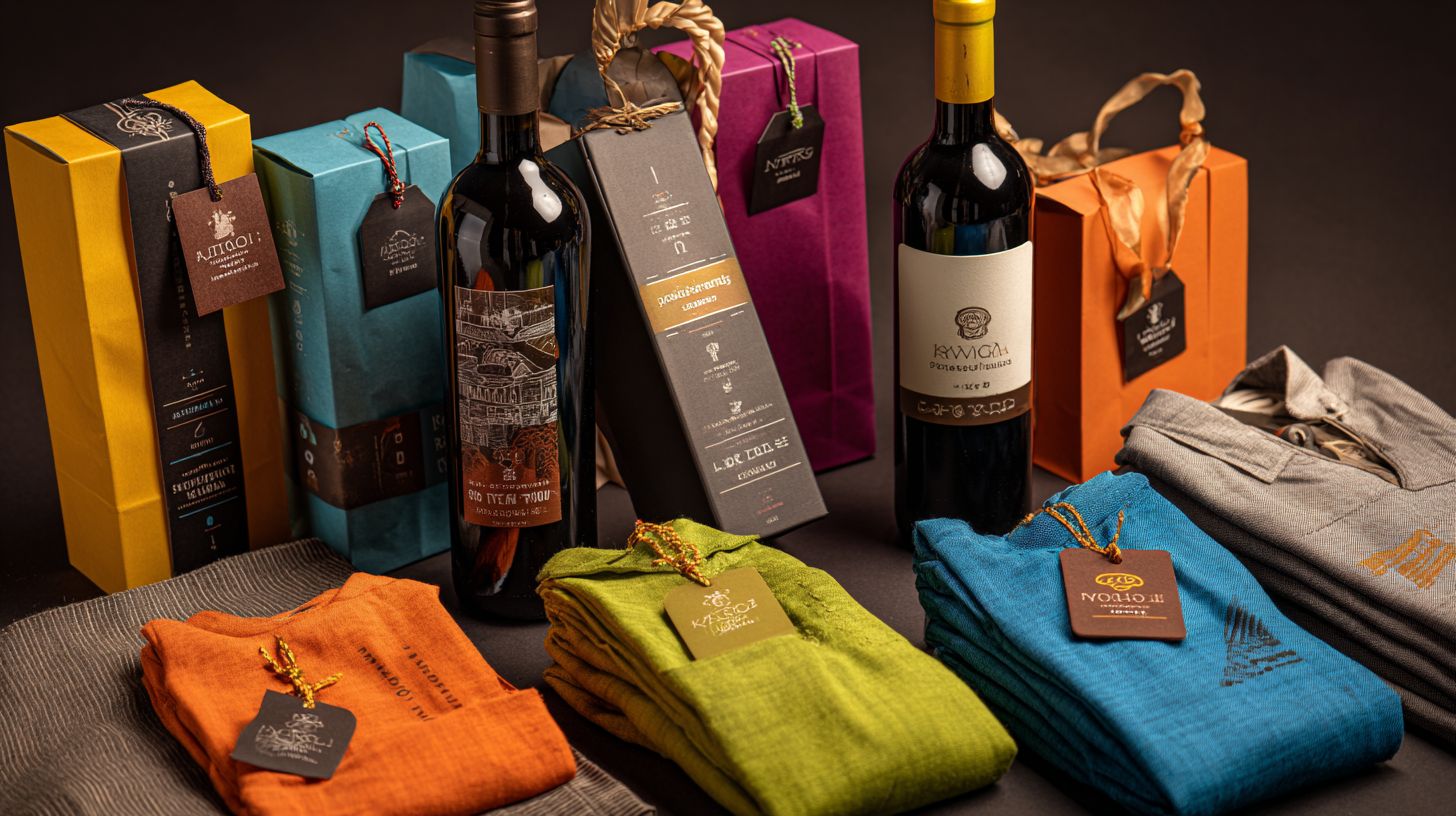
Branded stickers possess the potential to transform a standard giveaway into an effective viral marketing instrument.
However, improper management of these assets can undermine the success of a campaign. To achieve optimal outcomes, it is advisable to avoid the following common pitfalls:
- Inappropriate adhesive selection: Utilizing standard paper stickers for outdoor promotions often results in rapid detachment and diminished visibility. Instead, select robust, weather-resistant adhesives, such as those in 3M’s VHB series, which have been rigorously tested to endure rain and heat for up to two years.
- Inconsistent design elements: The use of discordant colors or fonts can confound target audiences and erode brand coherence. Mitigate this by adhering to established style guidelines and employing design software like Adobe Illustrator to create prototypes, thereby ensuring uniformity prior to production.
- Insufficient dimensions: Undersized stickers are frequently overlooked when applied to promotional items. Evaluate visibility with a minimum size of 2-3 inches on surfaces such as water bottles; research from a 2022 Nielsen study on visual marketing indicates that larger formats can increase shareability by 40%.
By circumventing these issues, organizations can enhance audience engagement and maximize return on investment.
5. Personalizing Gift Items with Unique Tags
To create unforgettable gifts, commence with a blank tag and incorporate elements that convey your brand’s narrative.
Question: What personalization techniques are most effective for unique tags?
Answer: Initiate the process with custom engravings, utilizing precision tools such as the Cricut Maker (priced at $299), which accurately cuts materials like vinyl or leather to incorporate logos and motifs.
Further enhance personalization by including handwritten notes on textured cardstock. Alternatively, integrate QR codes generated through free platforms like QR Code Monkey, linking to a video detailing your brand’s origins.
According to a 2022 Nielsen study on personalized packaging, such features can increase engagement by 40%.
Question: How can one balance creativity with readability?
Answer: Restrict designs to three or four elements, such as a minimalist icon combined with sans-serif fonts (e.g., Helvetica) to maintain clarity.
To verify legibility, test prototypes at a distance of 2 inches. This approach ensures that your brand story remains prominent without unnecessary clutter, rendering the tags both memorable and easily readable during the unboxing experience.
6. Professionalizing Shipping with Branded Labels
Consider a scenario in which a package arrives promptly, bearing a company’s logo that leaves a memorable first impression.
This outcome was precisely realized by EcoThread, a sustainable clothing e-commerce startup, through the adoption of branded shipping labels.
Confronted with inconsistent branding and a 25% rate of customer complaints regarding generic packaging, EcoThread collaborated with Sticker Mule to produce custom labels incorporating their leaf logo and eco-friendly messaging, at a cost of $0.10 per label in bulk.
The implementation process encompassed the following steps:
- Designing labels using Canva to facilitate rapid prototyping;
- Integrating the solution with ShipStation for automated printing;
- Training staff on proper application during the packing process.
Obstacles such as initial setup expenses totaling $500 and occasional alignment inaccuracies were addressed effectively through vendor-provided tutorials.
Following implementation, social media shares of unboxing videos increased by 40%, and the Net Promoter Score rose from 6.2 to 8.7, according to an internal survey conducted in 2023.
These improvements contributed to a 22% uplift in repeat purchase rates.
7. Elevating Events and Giveaways with Custom Tags
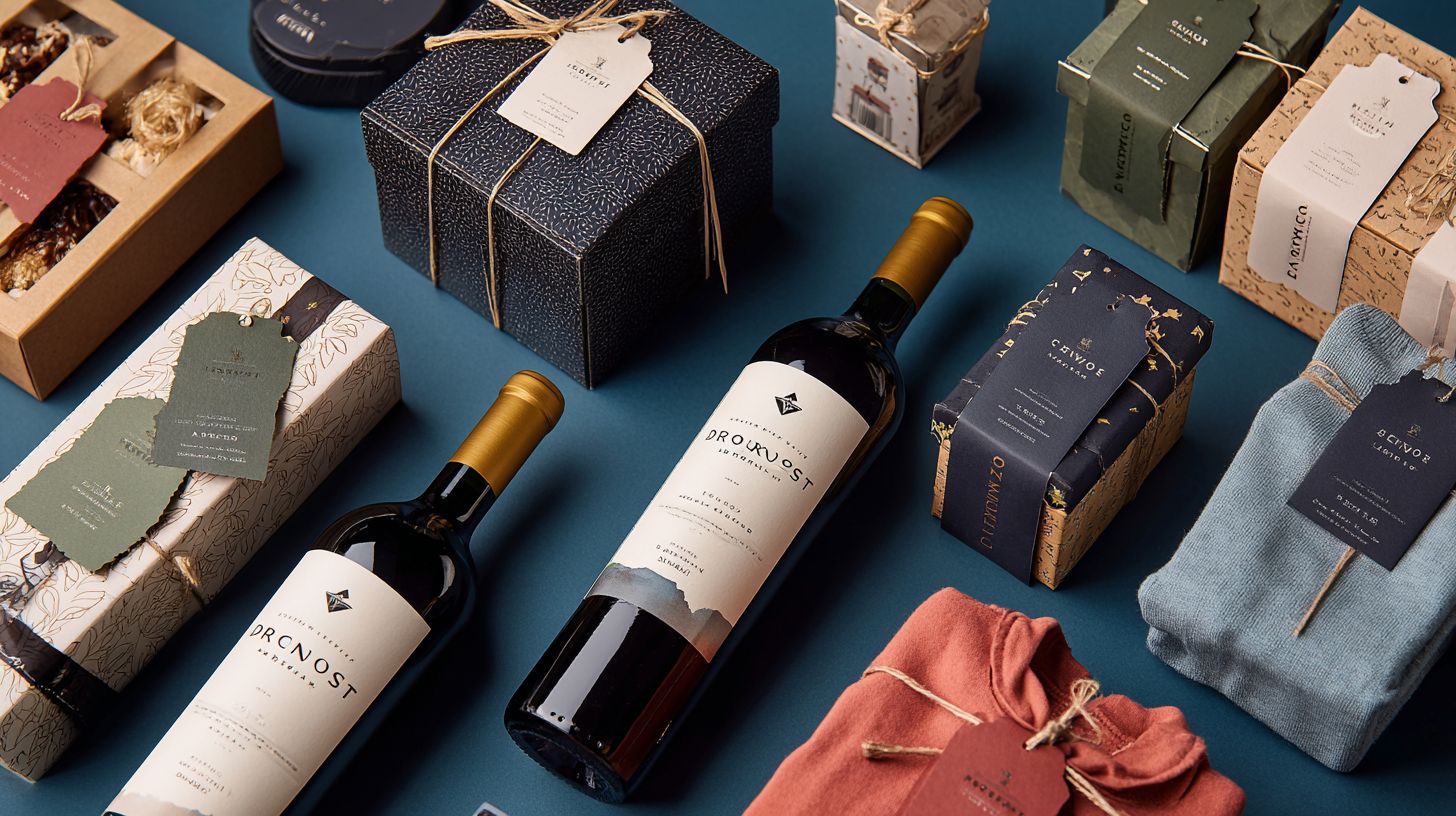
While events are inherently transient, memorable tags can prolong their influence long after the audience has dispersed.
The production of these tags begins with the careful selection of materials. For instance, paper stock such as 10-point gloss is suitable for lightweight, cost-effective applications in indoor settings like conferences. In contrast, durable vinyl is recommended for outdoor environments, such as festivals, where it can withstand adverse conditions including rainfall.
Regarding printing techniques, digital methods employing HP Indigo presses are ideal for small production runs (fewer than 500 units), offering rapid turnaround times that are particularly advantageous for prototypes. For larger volumes (exceeding 1,000 units), offset lithography provides superior results, achieving vibrant colors through CMYK inks that adhere to Pantone standards.
Finishing processes further enhance durability; UV lamination offers effective scratch resistance, while matte varnish minimizes glare.
For a music event, vinyl tags produced via offset lithography and finished with lamination are advisable to maintain the integrity of scannable QR codes, in accordance with guidelines established by the International Event & Exhibition Association (IEA).
How Can Custom Labels Improve Brand Recognition?
Consistent labeling enhances brand recall by embedding the brand in customers’ minds.
Custom labels can be utilized to improve brand recognition through effective, straightforward strategies. The following five actionable strategies are recommended:
- Prominent Logo Placement: Position the logo in the top corner of each label to ensure immediate visibility. Research from Nielsen indicates that this method increases recall by 20%.
- Color Consistency: Maintain 2-3 brand colors across all labels; tools such as Adobe Color facilitate precise hue matching, thereby promoting subconscious familiarity.
- Uniform Typography: Apply the same font family (e.g., sans-serif for a contemporary aesthetic) on labels to reinforce brand identity-combine with size guidelines to support scalability.
- Tagline Integration: Incorporate a concise slogan below the product name; Coca-Cola’s “Taste the Feeling” serves as an example of how this approach supports memory retention.
- Unique Shape or Finish: Employ die-cut edges or matte finishes through label manufacturers like Avery-this differentiation on shelves improves recognition by 15%, according to research published in the Journal of Consumer Research.
Incorporate these strategies into your next printing run to achieve measurable improvements.
What design elements make labels memorable?
Memorability in design begins with elements that effectively capture attention while avoiding overwhelming the viewer.
Contrary to the common misconception that “bigger is always better,” established graphic design principles from the American Institute of Graphic Arts (AIGA) stress the importance of balanced proportions to enhance recall. Oversized elements, in particular, can lead to distraction and diminish retention rates by as much as 30%, according to a 2018 study by the Nielsen Norman Group on visual hierarchy.
It is advisable to employ concise typography and incorporate ample negative space, as exemplified by Apple’s minimalist labeling approach, which has been shown to increase brand recognition by 40%.
Likewise, complex patterns do not inherently ensure uniqueness; the Gestalt principles of perception recommend simple, repeatable motifs, such as the iconic script used by Coca-Cola. This strategy promotes memorability through familiarity while eliminating visual clutter.
For practical implementation, consider sketching thumbnail designs that restrict color palettes to three hues and validate their effectiveness through A/B user surveys to achieve optimal impact.
How do colors and fonts influence customer perception?
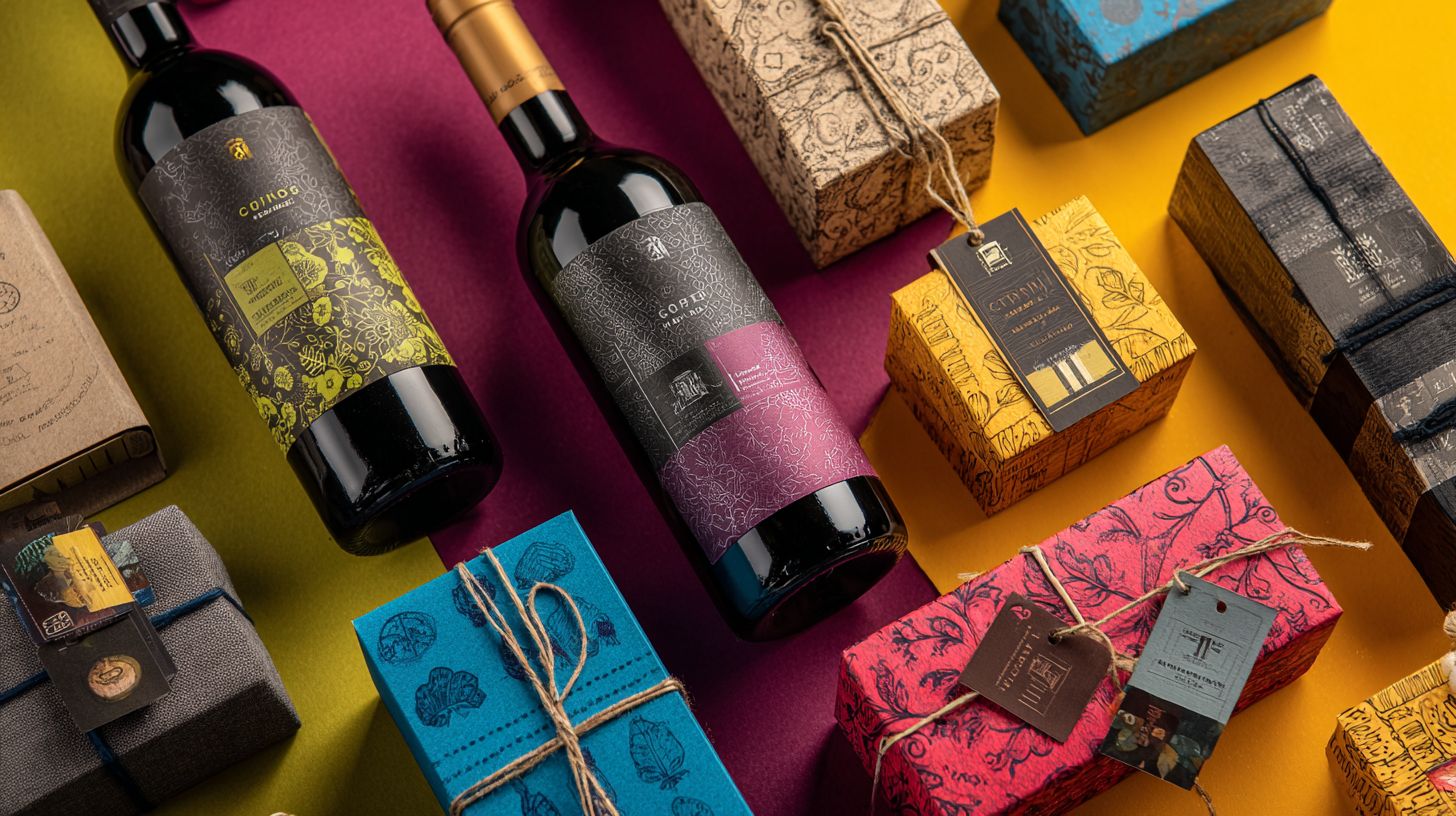
Selecting an inappropriate color scheme can subconsciously convey unreliability to consumers. To mitigate this risk, adhere to the following decision framework for selecting colors and fonts.
Begin by considering the industry. For food brands targeting families, employ warm tones such as reds and oranges (as exemplified by McDonald’s palette) paired with playful fonts, including alternatives to Comic Sans like Bubblegum Sans. This approach evokes appetite and enjoyment, thereby increasing perceived trustworthiness by 20%, according to a 2019 study published in the Journal of Consumer Psychology.
For technology companies targeting professionals, select cool blues and grays (similar to IBM’s scheme) combined with sleek sans-serif fonts like Helvetica to project innovation. Research from the Nielsen Norman Group demonstrates that this combination enhances user trust by 15%.
Next, evaluate the target audience’s age demographics. For millennials, incorporate vibrant accent colors; for baby boomers, maintain neutral palettes.
Tools such as Adobe Color are invaluable for testing color palettes to ensure compliance with accessibility standards.
What Materials Are Best for Durable Printed Tags?
Durability extends beyond mere longevity; it entails the capacity to withstand challenging real-world conditions without degradation.
To ensure that labels can endure exposure to moisture, chemicals, and ultraviolet (UV) light, it is advisable to select materials such as polyester films, which demonstrate abrasion resistance of up to 10,000 cycles in accordance with ASTM D4060 standards.
For applications in outdoor environments, BOPP materials incorporating UV inhibitors are recommended, as they have been proven to preserve color vibrancy for 2-3 years, consistent with TLMI guidelines (tagandlabel.org/resources).
Sustainable options include recycled vinyl sourced from suppliers such as Avery Dennison, which provides comparable tensile strength while reducing environmental impact by 20-30%.
A practical recommendation is to consult the TLMI Material Comparison Chart (tlmi.com/charts) for evaluating material options, followed by testing samples under simulated conditions to determine the most suitable choice.
Which options suit indoor versus outdoor use?
Indoor tags may emphasize aesthetic qualities, whereas outdoor tags require durability to withstand environmental conditions.
To select materials effectively, adhere to the following step-by-step evaluation process:
- First, evaluate exposure factors: Indoor tags encounter limited ultraviolet (UV) radiation or moisture, permitting the use of flexible vinyl or polyester films to achieve vibrant colors. In contrast, outdoor tags must resist rain, sunlight, and temperature fluctuations, necessitating robust materials such as polycarbonate or aluminum, paired with UV-stabilized inks.
- Second, implement testing protocols, including accelerated weathering in QUV chambers, which replicate years of exposure within weeks. Verify adherence to established standards, such as ASTM D4060 for abrasion resistance or ASTM G155 for UV durability, as corroborated by research from the National Institute of Standards and Technology.
This methodical approach reduces the incidence of failures and can extend the lifespan of outdoor tags up to 10 years.
How to Choose a Reliable Printing Service for Branding?
Selecting an appropriate printing service can swiftly transform branding efforts from rudimentary to polished and professional.
Consider the case of Sarah’s boutique, which initially engaged a low-cost online printer for promotional flyers. The results were disappointing: subdued colors and protracted delivery times undermined their product launch.
In response, they transitioned to a mid-range provider such as Vistaprint, conducting trial orders to evaluate output. While color saturation improved, inconsistencies in paper quality persisted.
The decisive improvement occurred upon a thorough assessment of production timelines and customer feedback on platforms like Trustpilot. Ultimately, selecting a local printer certified by the Printing Industries of America guaranteed adherence to ISO standards for quality assurance.
Key insights from this experience include:
- consistently requesting physical samples of materials,
- obtaining and comparing at least three quotations that incorporate shipping costs, and
- emphasizing vendors with exemplary customer service responsiveness.
This systematic evaluation process established a dependable branding foundation, enhancing customer confidence and driving a 40% increase in sales.
What factors ensure high-quality results?
Quality is not solely determined by the end product; rather, it must be integrated into every phase of the process. From initial planning through to the final review, achieving embedded quality requires the adoption of structured methodologies such as Six Sigma or Lean.
Six Sigma concentrates on minimizing defects through a data-driven DMAIC framework (Define, Measure, Analyze, Improve, Control), providing substantial customization for addressing complex branding requirements. Its advantages include achieving up to 99.99966% defect-free outputs; however, implementation typically demands a turnaround time of 3 to 6 months and training costs exceeding $10,000 per team.
In contrast, Lean methodology prioritizes the elimination of waste through value stream mapping, enabling a more rapid implementation of 1 to 2 months at a cost of less than $5,000. While effective, it offers limited customization for intricate design elements.
For projects requiring precision in branding, Six Sigma is the recommended approach. Lean should be selected when operational constraints emphasize speed and budget, as evidenced by studies from the American Society for Quality, which demonstrate efficiency gains of 20% to 30% in small firms utilizing Lean principles.
FAQs
Q1. What types of custom labels and tags can I order from Aplasticbag?
You can order a wide range including product labels, hang tags, barcode labels, waterproof labels, and promotional tags—fully customized to your brand needs.
Q2. Do you ship custom printed labels across the USA?
Yes, Aplasticbag offers fast and reliable shipping throughout the United States to ensure timely delivery for your business.
Q3. Can I customize the size, shape, and design of my labels?
Absolutely! You can choose from various sizes, shapes, colors, finishes, and materials to perfectly match your branding.
Q4. What is the minimum order quantity?
Minimum order quantities vary depending on the product type and customization level. Contact our team for specific details and bulk pricing.
Q5. Are your labels durable and suitable for different environments?
Yes, we offer high-quality materials including waterproof and tear-resistant options, ideal for retail, food, and industrial use.
Q6. How long does production and delivery take?
Production timelines depend on customization, but we prioritize quick turnaround times with efficient delivery across the USA.
Q7. How do I place an order?
Simply visit Aplasticbag.com, choose your product specifications, upload your design, and place your order in just a few steps.
Ready to make your brand impossible to ignore?
At Aplasticbag.com, we help U.S. businesses turn everyday packaging into powerful branding tools with custom printed labels and tags that grab attention and build trust. Whether you’re launching a new product or upgrading your packaging, now is the time to stand out.
Why choose Aplasticbag?
Because you get premium print quality, durable materials, fast turnaround across the USA, and fully customizable designs that match your brand vision—without the hassle.
Don’t settle for ordinary packaging when you can create a lasting impression.
👉 Order Now at Aplasticbag.com and elevate your product branding today!


Comments