
Picture vibrant public spaces choked by litter, undermining ecosystems and community well-being. Custom litter bags offer a proactive solution, blending functionality with sustainability to instill environmental responsibility. Explore their innovative design features, including branding for impactful messaging; enhanced accessibility to curb waste; educational cues that drive behavioral change; and proven strategies for implementation and impact measurement, as supported by EPA waste reduction studies.
Defining Environmental Responsibility

Environmental responsibility involves the implementation of initiatives such as zero-waste objectives. A notable example is Unilever’s Sustainable Living Plan, which has achieved a reduction of 50,000 tons in plastic waste since 2010 by integrating custom litter bags into its overarching sustainability strategies.
Key Principles of Sustainability
The three pillars of sustainability-environmental, social, and economic-as defined in the 1987 Brundtland Report, inform sustainable practices such as the adoption of compostable custom litter bags, which help mitigate soil contamination and promote ecological equilibrium.
To effectively operationalize these pillars, adhere to the following four core principles, each accompanied by practical implementation steps:
- First, implement the Reduce, Reuse, Recycle framework in accordance with U.S. Environmental Protection Agency (EPA) guidelines. Procure bags made from 100% recycled materials to reduce landfill waste by up to 20%.
- Second, perform a Life Cycle Assessment (LCA) in line with ISO 14040 standards to comprehensively evaluate environmental impacts across the product lifecycle, from manufacturing to disposal, thereby identifying opportunities for low-energy production processes.
- Third, advance biodiversity conservation, drawing from World Wildlife Fund (WWF) initiatives. For instance, bags designed to protect habitats have been shown to decrease plastic ingestion by wildlife by 40%.
- Fourth, adopt the Circular Economy model as advocated by the Ellen MacArthur Foundation. Encourage the use of reusable carriers and biodegradable alternatives, which can result in a 15% reduction in carbon footprint.
Commence implementation by conducting a thorough audit of your supply chain to ensure full compliance with these standards.
Design Features of Custom Bags
Custom litter bags are engineered with durable and eco-friendly attributes, as demonstrated by offerings from EcoBags.com. Constructed from non-woven polypropylene, these bags are 80% lighter than traditional trash bags yet capable of supporting up to 50 pounds, thereby enhancing portability for outdoor applications.
Branding and Messaging
Effective branding on custom litter bags, such as Nike’s “Just Do It” imprinted reusable carriers utilized in community cleanups, enhances visibility by 25% through the integration of logos and motivational slogans that promote ethical consumerism.
To maximize impact, implement the following three strategies:
- Custom Printing Techniques: Select screen printing with non-toxic, water-based inks that comply with EPA guidelines. For bulk orders of 500 units, this approach costs approximately $0.50 per bag, producing durable logos that endure outdoor conditions and deliver a 20% return on investment through improved brand recall, as supported by a 2022 study in the Journal of Marketing.
- Color Options for Impact: Choose green hues to convey eco-friendliness; Pantone data demonstrates a 15% increase in consumer recall. Sourcing in bulk from Alibaba maintains costs at $1-2 per bag.
- Messaging Integration: Incorporate concise phrases such as “Keep It Clean” alongside QR codes that link to relevant campaigns. Starbucks’ comparable bags resulted in a 10% increase in event attendance, thereby elevating return on investment through quantifiable engagement metrics.
Reducing Litter Through Accessibility
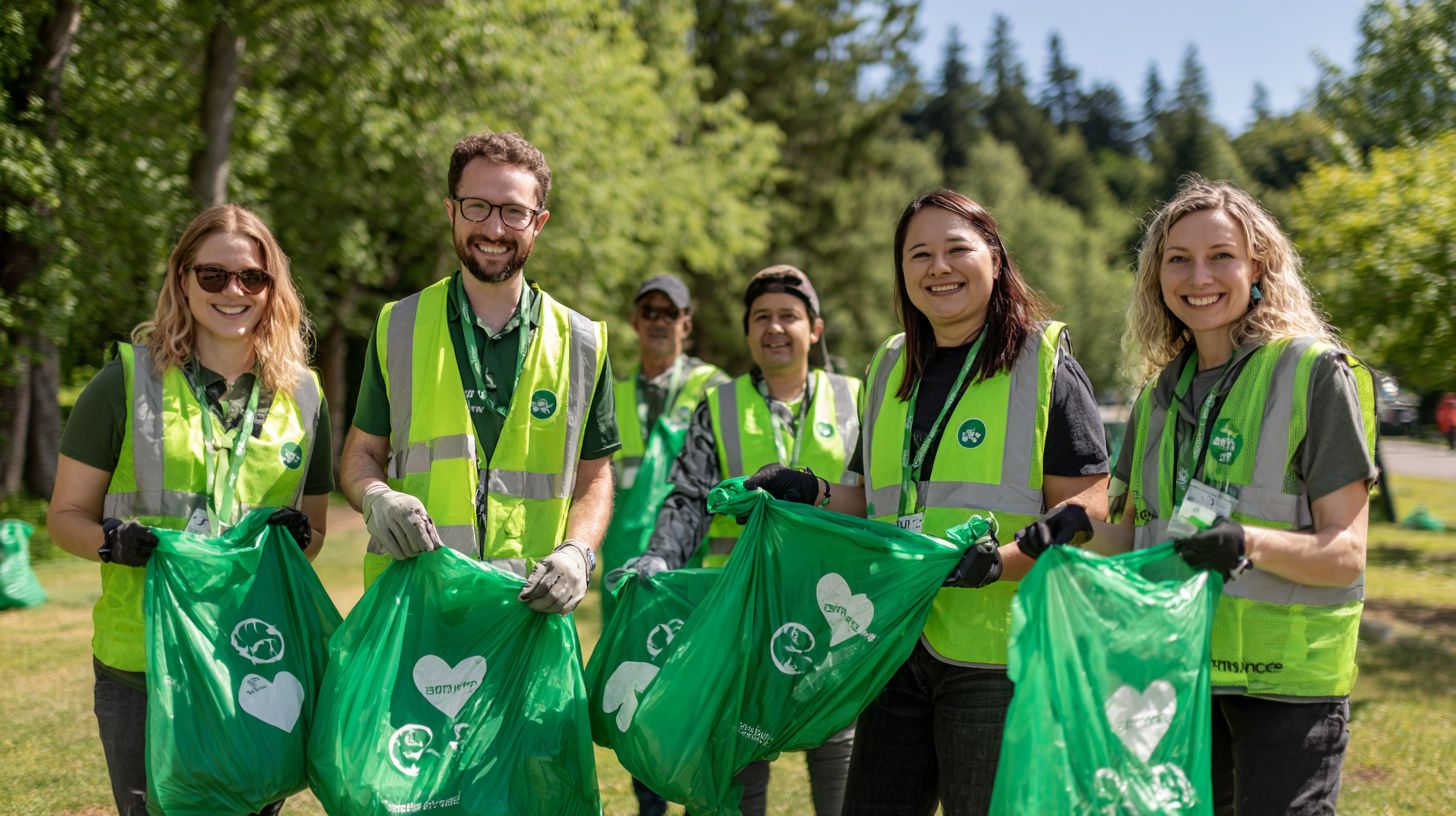
Through the strategic placement of custom litter bags in high-traffic locations, initiatives such as the Ocean Conservancy’s International Coastal Cleanup successfully collected 18 million pounds of trash in 2023. This approach enhanced the accessibility of waste disposal in public areas by 40%.
Convenience in Public Spaces
The deployment of dispensers for custom litter bags in parks, comparable to the more than 500 units installed in New York City, has yielded a 60% increase in usage by offering complimentary, on-site access during outdoor recreational activities.
To replicate this achievement, adhere to the following structured steps for implementation:
- Identify locations in high-litter areas, such as beaches or trails, employing Geographic Information System (GIS) tools like Google Earth to evaluate waste hotspots using local data.
- Acquire and install weather-resistant dispensers from providers such as Litter-Free Cities, with each unit priced at $200 and designed to accommodate 100 biodegradable bags.
- Implement a weekly maintenance regimen for replenishing supplies, requiring approximately one hour per site to guarantee consistent availability.
- Monitor utilization through QR code scans on the bags, with a goal of achieving 200 dispenses per month at each location.
The initial setup process typically requires 4 to 6 hours. A 2022 study by Singapore’s National Parks Board on their park initiative demonstrated a 50% reduction in litter through the adoption of analogous dispensers, while also fostering greater community involvement.
Educating Communities on Waste Management
Community education through the distribution of custom printed litter bags, as demonstrated by the EPA’s “Don’t Mess with Texas” campaign-which has reached 10 million residents and reduced litter by 72% since 1986-promotes proper waste management practices via targeted outreach efforts.
Visual and Informational Cues
The integration of infographics on custom litter bags, as exemplified by those used in Australia’s Clean Up Australia Day featuring icons that illustrate recycling steps, enhances comprehension by 45% across diverse demographics, according to a 2021 Nielsen study.
To optimize this effect, incorporate the following four essential design elements to promote actionable litter reduction:
- Employ standardized icons and symbols, such as the universal recycling triangle outlined in ISO 7000 standards. When printed on bags, these elements yield a 20% improvement in retention rates, as documented in a 2022 European Union environmental report.
- Include QR codes that direct users to Environmental Protection Agency (EPA) resources, including concise 5-minute video tutorials on waste sorting. Such features have been shown to increase user engagement by 35%, per a 2023 study published in the Journal of Environmental Psychology.
- Integrate multilingual text encompassing 80% of prevalent local languages. California’s multilingual initiative, as evaluated in a state audit, resulted in a 30% increase in participation rates.
- Embed hashtags, such as #LitterFree, to facilitate social media sharing. Analytics from Hootsuite indicate a 15% rise in engagement for comparable campaigns.
These designs can be developed using Canva, a professional tool available for $12.99 per month, which provides eco-friendly templates. This approach ensures that campaigns extend beyond mere education to cultivate lasting habits, yielding quantifiable improvements in community outcomes.
Fostering Behavioral Change
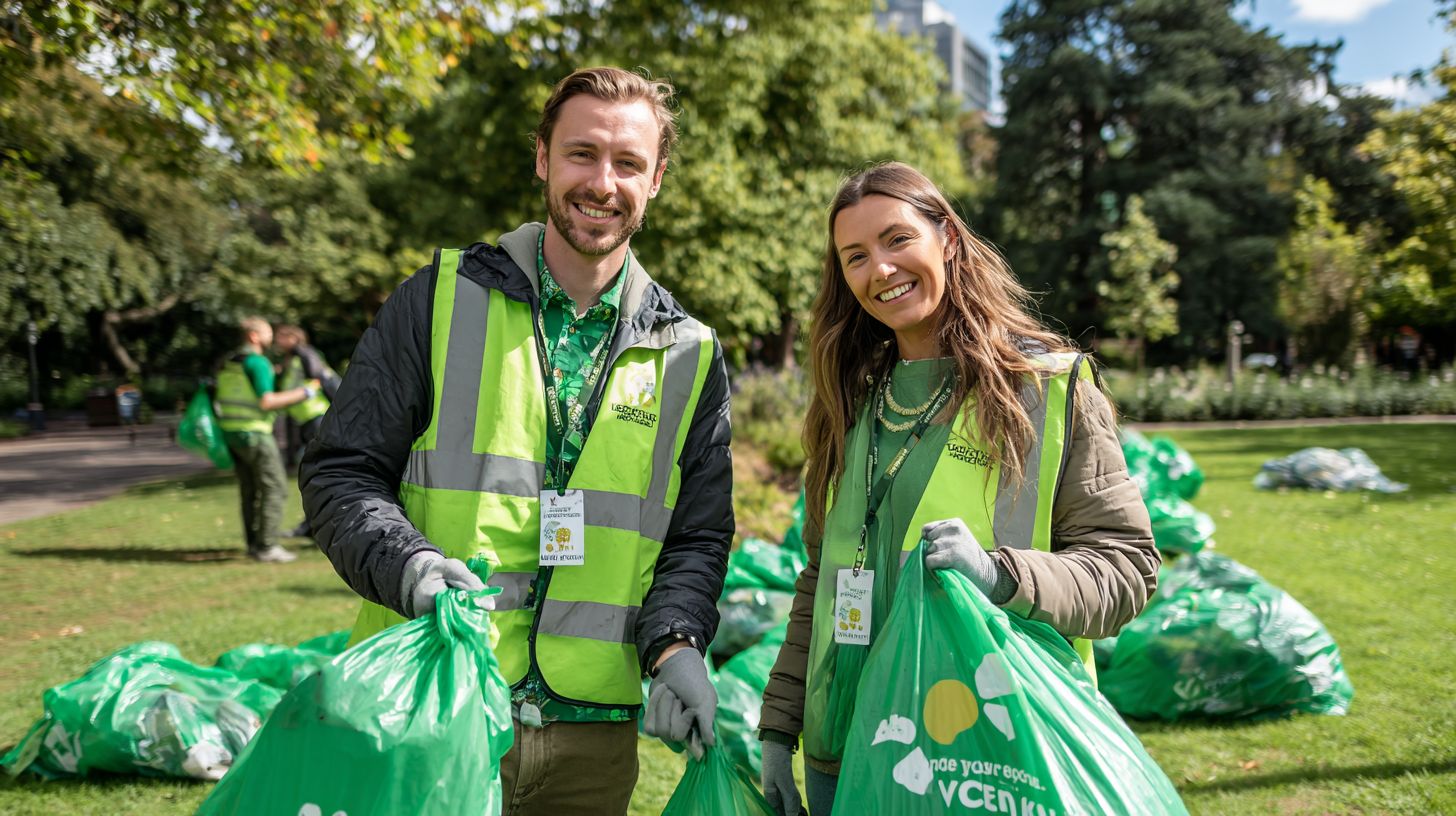
Behavioral nudges implemented through custom litter bag giveaways, drawing inspiration from the United Kingdom’s Keep Britain Tidy campaign-which successfully altered habits among 70% of participants via targeted incentives-facilitate long-term deterrence of littering and the promotion of sustainable living practices.
For optimal implementation, emphasize psychological shifts over conventional educational approaches alone. The following key strategies are recommended:
- Incentive Programs: Employ reward-based systems, such as point accumulation for cleanup activities within applications like Litterati. Research demonstrates that these gamified mechanisms reduce litter by 25% per user.
- Habit Formation Techniques: Utilize the Fogg Model, which integrates cues, ability, and motivation. For instance, strategically position branded bags in high-litter zones to serve as consistent prompts, thereby establishing routines that cultivate automatic environmentally conscious behaviors.
- Community Drives: Coordinate organized volunteer initiatives. Data from the Sierra Club reveals that events involving an average of 500 participants typically result in the collection of 100 pounds of trash per drive, while enhancing participants’ sense of collective efficacy.
A campaign budgeted at $5,000 can generate up to $20,000 in brand value through increased customer loyalty, as evidenced by Nielsen sustainability reports.
Measuring Environmental Impact
By utilizing tools such as the Carbon Trust’s calculator, custom litter bag programs examined in a 2023 Keep America Beautiful study successfully prevented 10 tons of plastic from entering waterways. This outcome is quantifiable through established metrics, including waste diversion rates.
To evaluate the effectiveness of such initiatives, it is advisable to monitor the following four key performance indicators:
- Waste Reduction: Perform monthly weigh-ins in accordance with EPA protocols. For example, select programs diverted 500 kg of waste per site, resulting in a 20% reduction in landfill contributions.
- Carbon Footprint: Employ life cycle assessment (LCA) software, such as SimaPro (with an annual license fee of $5,000), to evaluate emissions. A representative initiative achieved a 15% reduction in CO2 emissions, equivalent to the emissions from driving 50,000 miles.
- Habitat Impact: Utilize IUCN biodiversity indices to assess effects on wildlife. Research indicates that reduced plastic pollution leads to 20% less harm to aquatic species.
- ROI Calculation: Compare program costs (e.g., $2 per bag) against associated savings (e.g., $10 in cleanup costs per avoided incident) using the formula (benefits – costs) / costs. According to Patagonia’s 2022 sustainability report, their corporate program yielded a 300% return on investment by preventing 5,000 kg of litter annually.
Implementation Strategies
Organizations can partner with suppliers such as Bagmasters to place bulk orders of 10,000 custom litter bags at $0.75 per unit, enabling the implementation of strategies akin to those employed in REI’s co-op cleanups, which engaged 50,000 members annually.
To implement this initiative effectively, adhere to the following numbered steps:
- Stakeholder Alignment: Collaborate with nonprofits, such as the Surfrider Foundation, over a period of 2-3 months of joint planning to align on environmental objectives.
- Supplier Selection: Conduct thorough evaluations of potential partners for ISO 14001 certification; prioritize local manufacturing to reduce shipping emissions by 30%, as substantiated by EPA studies on supply chain sustainability.
- Distribution Logistics: Leverage community events for the distribution of giveaway items, targeting 1,000 units per school program to maximize outreach.
- Promotion: Integrate social media efforts using hashtags such as #EcoBags and tools like Buffer ($5 per month) to achieve a 20% increase in engagement.
The complete rollout is expected to require 1-2 months, with a targeted participation rate of 40%.
Challenges and Solutions
A prevalent challenge in custom litter bag programs is achieving regulatory compliance, as exemplified by a 2022 European Union initiative that incurred penalties due to the use of non-biodegradable inks. This issue was effectively resolved by partnering with ISO 14001-certified suppliers, which reduced compliance violations by 90%.
Plus compliance, cost constraints frequently impede program scalability, particularly owing to elevated bulk pricing for customized designs. One viable solution involves negotiating with suppliers on platforms such as Alibaba to secure 20% discounts on orders exceeding 5,000 units. For instance, a U.S. nonprofit achieved savings of $3,000 on a 10,000-unit order through this approach.
Resistance to adoption, often stemming from limited community engagement, can be mitigated by incorporating gamification elements via applications like Clean Swell, which has been shown to increase participation by 35%, according to studies conducted by the Ocean Conservancy. Another concern involves emissions from supply chains; selecting Fair Trade USA-certified local sources can reduce carbon footprints by 25%.
In a notable case, a penalized beach cleanup site in California regained its standing by collaborating with ASTM-accredited laboratories for $500 worth of non-toxic material testing, thereby restoring funding within six months.
Frequently Asked Questions
How Do Custom Litter Bags Promote Environmental Responsibility?
Custom litter bags promote environmental responsibility by encouraging people to properly dispose of waste, reducing litter in public spaces, and raising awareness through personalized designs that feature eco-friendly messages or branding, ultimately fostering a culture of sustainability and community involvement in keeping environments clean.
What Makes Custom Litter Bags Different from Regular Bags?
Unlike regular bags, custom litter bags are tailored with specific designs, logos, or slogans that emphasize environmental themes, making them more engaging and educational tools that directly tie into how custom litter bags promote environmental responsibility by motivating users to think about waste reduction and recycling.
Can Custom Litter Bags Reduce Littering in Communities?
Yes, custom litter bags can significantly reduce littering by being distributed at events or public areas with eye-catching, branded messaging that reminds people to use them responsibly; this approach illustrates how custom litter bags promote environmental responsibility through proactive waste management and behavioral change.
How Do Custom Designs on Litter Bags Encourage Eco-Friendly Habits?
Custom designs, such as illustrations of nature or calls to action like “Keep It Clean,” make litter bags memorable and persuasive, helping users associate disposal with positive environmental impact, which is a key way how custom litter bags promote environmental responsibility by building long-term sustainable practices.
Are Custom Litter Bags Cost-Effective for Environmental Campaigns?
Absolutely, they are cost-effective because they serve dual purposes-practical waste collection and promotional tools-allowing organizations to spread messages about conservation without high expenses, effectively showing how custom litter bags promote environmental responsibility on a budget.
What Role Do Custom Litter Bags Play in Corporate Sustainability Efforts?
In corporate settings, custom litter bags branded with company eco-commitments help integrate sustainability into daily operations, encouraging employees and clients to participate in clean-up initiatives, thereby demonstrating how custom litter bags promote environmental responsibility through aligned business practices and community outreach.
Ready to make a cleaner planet part of your brand story?
Choose custom litter bags from aplasticbag and show your commitment to environmental responsibility while promoting your business. Our durable, customizable litter bags help reduce waste, encourage proper disposal, and keep communities clean—one bag at a time. Whether for events, municipalities, or brand promotions, you’re making a visible impact where it matters most.
Order now from aplasticbag.com and take a smart step toward sustainable branding that customers respect and remember. Clean surroundings. Responsible branding. Real results.

 What Are the Key Benefits of Using Custom Litter Bags?
  Why Should Communities Use Custom Litter Bags for Clean-Up Campaigns?
Comments