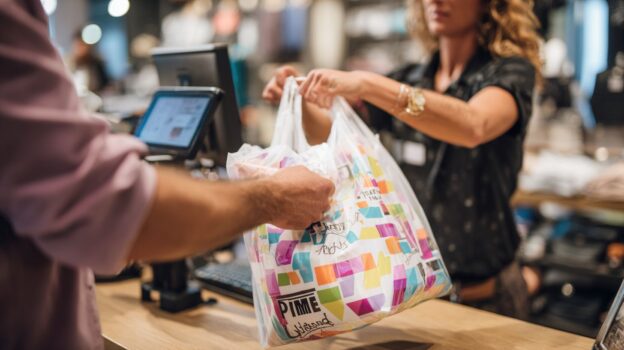
In the competitive retail landscape, your packaging can turn a simple transaction into a memorable brand encounter. Custom plastic bags offer a versatile solution, but are they ideal for your store? This article explores their benefits-enhanced branding, customer loyalty, and long-term cost savings-alongside drawbacks like environmental concerns and regulations. Discover key decision factors, viable alternatives, and best practices to determine if they’re the right fit for your business.
Key Benefits for Retail Stores
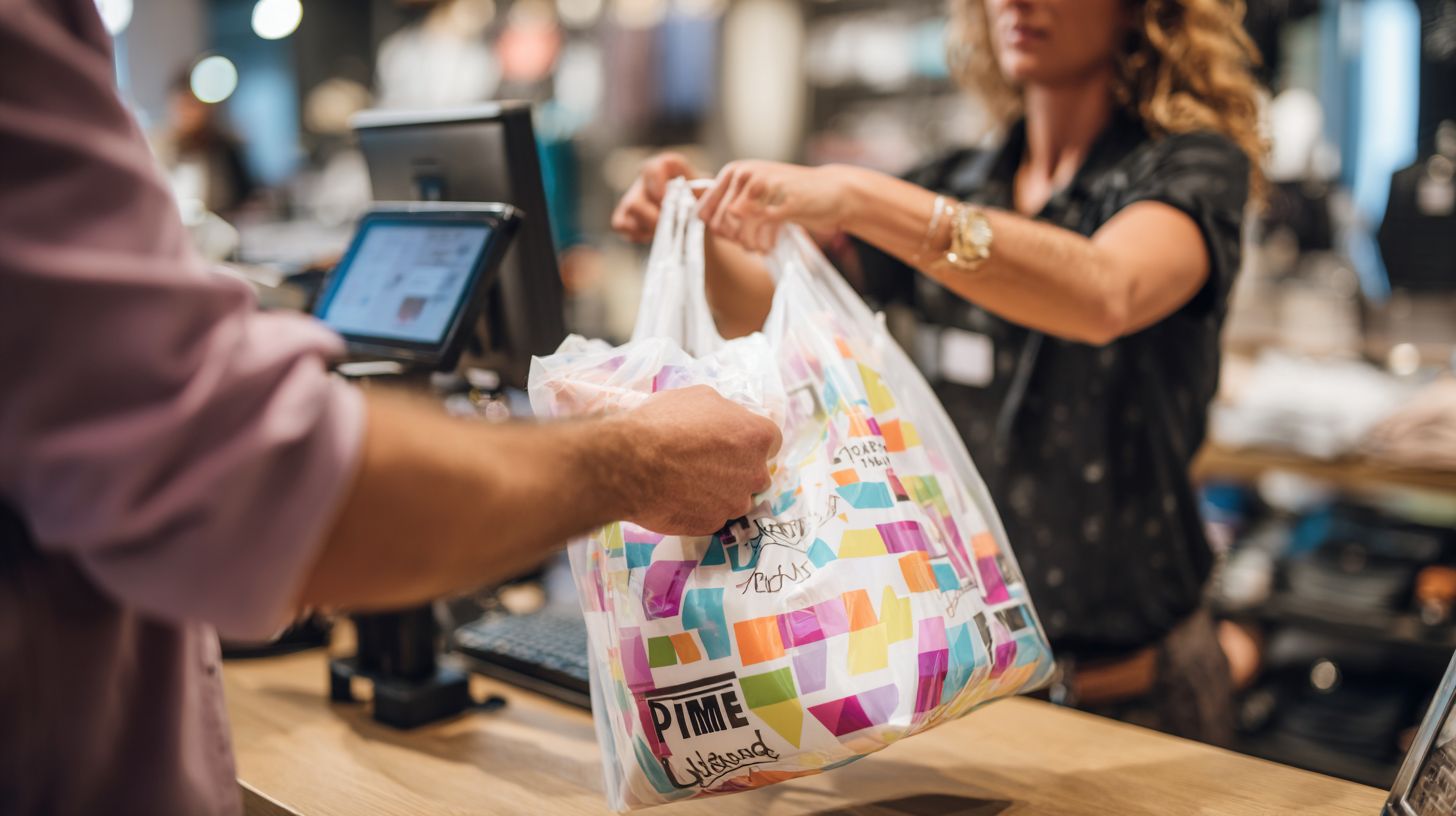
Custom plastic bags provide retail establishments with a range of significant benefits, including improved brand visibility and enhanced customer loyalty. Research indicates that branded packaging can elevate brand recall by as much as 30%, as evidenced by a 2021 Nielsen report.
Branding and Visibility
Utilizing branded custom printed plastic bags with full-color logo printing on both sides can transform every customer departure into an effective form of complimentary advertising. This strategy is exemplified by Starbucks’ reusable bag program, which achieved a 40% increase in brand exposure within urban markets.
To optimize this impact, implement the following strategies:
- Select a glossy finish to accentuate vibrant colors, utilizing CMYK printing on 2-mil HDPE bags to ensure logos remain prominent even in sunlight.
- Choose gusseted bags featuring expansive print areas up to 12×18 inches, enabling the creation of bold and visually striking designs.
- Incorporate custom QR codes that direct users to social media channels, facilitating the tracking of visibility through scan rates that yield actionable engagement metrics.
A 2023 study published by Retail Dive indicates that branded bags enhance off-site visibility by 35%.
For design development, Canva provides an accessible tool for creating rapid mockups, offering advantages such as user-friendly interfaces and complimentary templates; however, it is constrained by limited options for advanced modifications. In contrast, Adobe Illustrator delivers superior precision via vector-based scalability, though it demands a more substantial learning curve.
Matte finishes impart a sophisticated, non-reflective aesthetic but may compromise color vibrancy in comparison to glossy alternatives.
Customer Convenience and Loyalty
Durable custom bags featuring soft loop handles and a load capacity of 50-75 pounds improve the shopping experience by enhancing ease of use, which in turn cultivates customer loyalty. This is supported by a 2022 Forrester survey, which found that 62% of consumers favor retailers offering reliable, branded packaging.
To optimize this benefit, consider the following key factors of convenience:
- Choose appropriate handle types, such as soft loops for daily comfort or rigid grips for heavier loads up to 75 pounds, thereby minimizing user strain during transportation.
- Guarantee puncture resistance through the use of plastic material at least 2.5 mils thick, safeguarding fragile contents such as glassware or apparel.
- Integrate mechanisms for customer feedback, including post-purchase surveys conducted via platforms like SurveyMonkey, to iteratively improve bag designs.
In a practical case study, a fashion boutique that implemented drawstring bags experienced a 28% increase in loyalty metrics, as measured by Net Promoter Score tracking.
In the end, this approach delivers substantial return on investment; a Harvard Business Review analysis indicates that a $0.10 investment per bag can generate $5 in repeat sales revenue.
Cost-Effectiveness Over Time
The initial setup costs for custom plastic bags typically average $500 for design, with minimum order quantities (MOQs) of 1,000 units priced at $0.08 each from suppliers such as Uline. However, long-term cost efficiencies are realized through bulk wholesale pricing, which can reduce the per-unit cost to as low as $0.04 per bag.
To evaluate the viability of this investment, consider MOQs ranging from 500 to 5,000 units, as higher volumes generally yield lower per-unit costs. Return on investment (ROI) can be calculated using the formula: (Sales uplift from branding – bag costs) / bag costs.
For example, a 10% increase in sales on a monthly revenue base of $100,000 would generate an additional $120,000 annually, which readily offsets a $2,000 expenditure on bags and yields positive returns. A 2020 Deloitte study substantiates this, indicating that custom packaging achieves a 4:1 ROI.
To optimize sourcing, compare vendors as follows:
| Vendor | Price Range (per unit) | Key Attributes |
|---|---|---|
| Uline | $0.05–$0.15 | Fast domestic shipping |
| Alibaba | $0.03–$0.10 | International sourcing; longer lead times |
Selections should be prioritized according to project urgency and order volume to maximize financial efficiency.
Potential Drawbacks to Consider
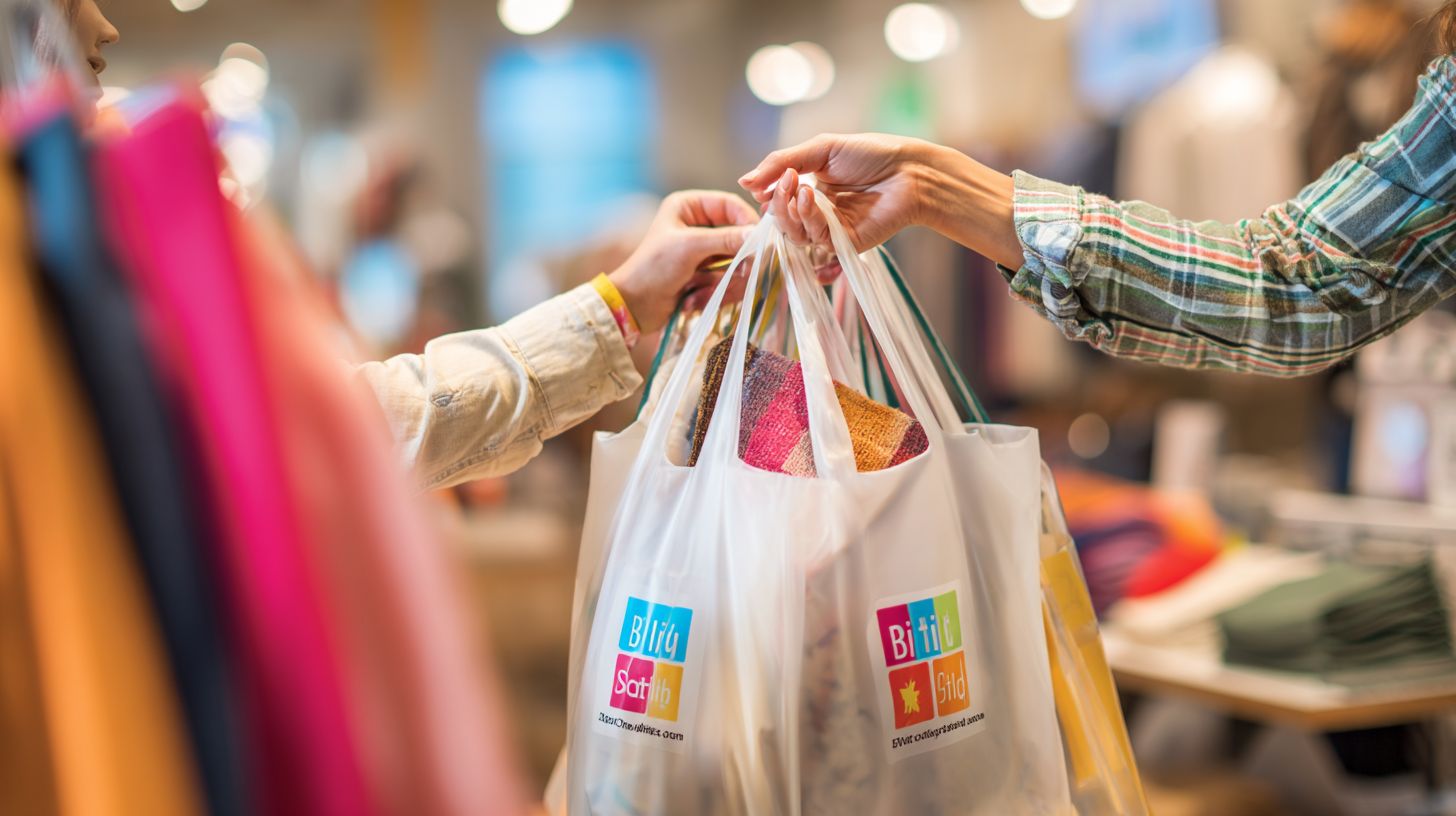
Although custom plastic bags hold considerable appeal, they are subject to significant scrutiny due to environmental and regulatory concerns. According to the National Conference of State Legislatures, more than 100 cities in the United States have enacted bans on such bags since 2014.
Environmental Impact
Custom plastic bags, predominantly manufactured from non-biodegradable polyethylene, significantly contribute to plastic pollution. According to a 2019 report by the United Nations Environment Programme, a single such bag may take between 20 and 1,000 years to decompose.
Among the primary challenges associated with these bags is their substantial carbon footprint, with production generating 2 to 5 kilograms of CO2 emissions per 1,000 bags. To mitigate this, organizations are encouraged to transition to recycled high-density polyethylene (HDPE), which can reduce emissions by up to 50%, as demonstrated in the Ellen MacArthur Foundation’s lifecycle analysis.
The accumulation of plastic waste further burdens landfills, leading to overcrowding and environmental degradation. This issue can be addressed through the implementation of robust recycling programs, such as incorporating QR codes on bags that direct consumers to nearby recycling facilities.
Additionally, the disposal of these bags poses severe risks to marine ecosystems, where they often entangle wildlife. For instance, California’s ban on single-use plastic bags resulted in a 70% reduction in beach litter, underscoring the effectiveness of such regulatory measures.
In a notable case, a major retail chain faced a $10,000 fine for non-compliance with environmental regulations. In response, the company adopted biodegradable alternatives, which reduced waste by 40% and enhanced customer loyalty through the strategic use of eco-labeling on its products.
Regulatory and Compliance Issues
Navigating the complexities of plastic bag regulations is essential for compliance, particularly in states such as California, where Senate Bill 270 imposes 10-cent fees or outright bans on single-use plastic bags, affecting more than 40 million residents since its implementation in 2016.
Businesses encounter three primary challenges in adhering to these regulations.
- Bans and Fees: Jurisdictions like New York impose a 5-cent charge on plastic bags. To mitigate penalties, businesses should provide compliant alternatives, such as reusable totes, at checkout points.
- FDA Food-Safety Requirements: For grocery bags, the Food and Drug Administration mandates the use of virgin low-density polyethylene (LDPE) materials, which must be tested in accordance with ASTM D6400 standards. Businesses are advised to consult FDA guidelines on polyethylene safety to verify compliance.
- Labeling Mandates: Federal regulations require the inclusion of recycling icons and material disclosures on bags. Ensuring these elements are present on all packaging is critical to meeting these requirements.
Case Study: A small retailer incurred a $5,000 fine for using non-FDA-approved bags. The issue was resolved through a thorough audit of suppliers, including partnerships with reputable providers like PolyPak, which ultimately minimized long-term risks and operational costs.
Factors Influencing Your Decision
The selection of plastic bags is influenced by several key factors, including the size of the retail establishment and the demographics of its target customer base. Smaller boutiques often prioritize aesthetically appealing designs to align with their brand image, while larger chain retailers focus on scalability to support high-volume production and distribution.
Store Type and Target Audience
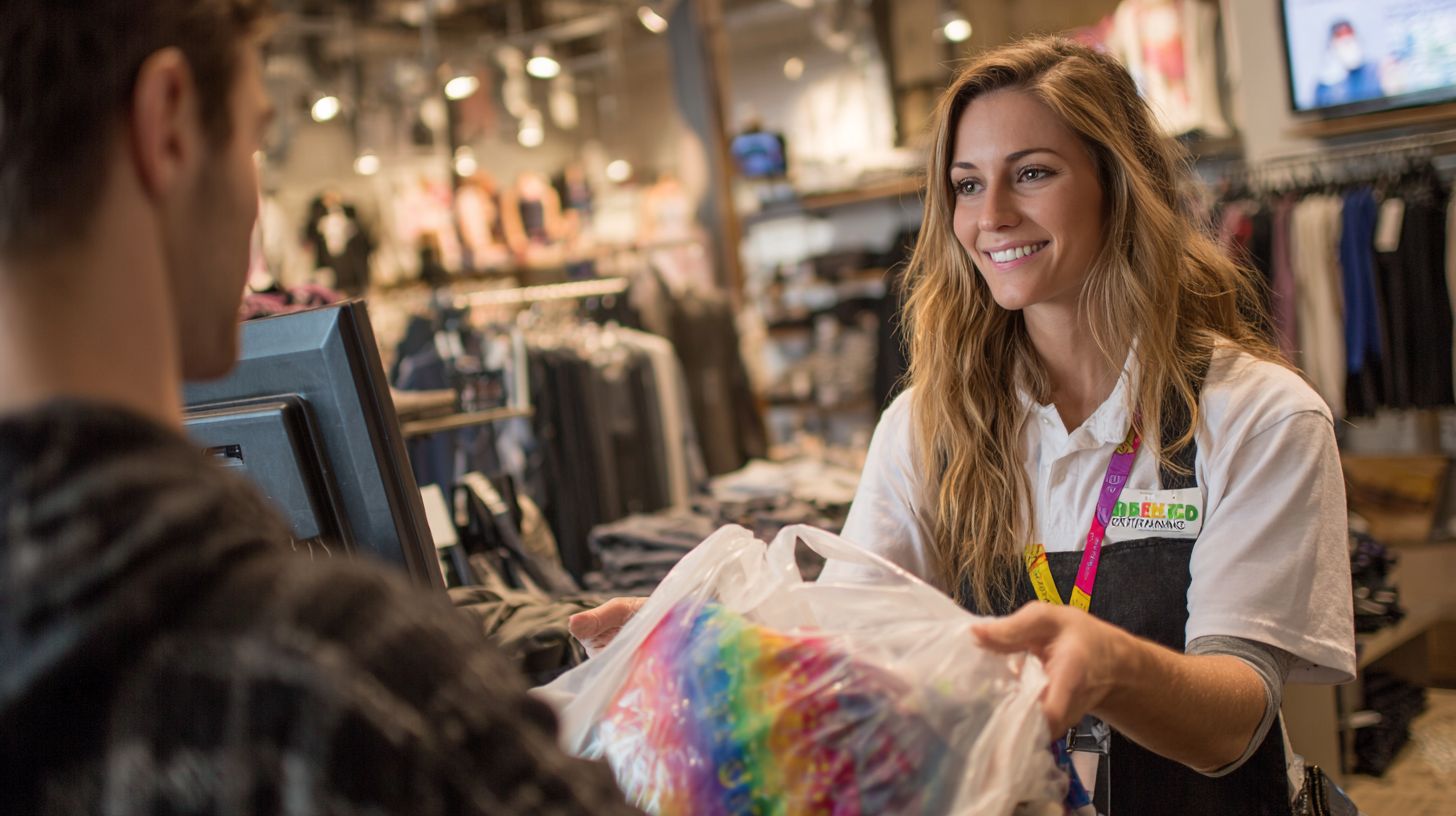
For fashion boutiques targeting millennials, it is advisable to select stylish die-cut handle bags in pastel colors. This choice aligns with consumer preferences, as a 2022 Mintel report indicates that 68% of young consumers favor eco-aware branding.
To identify the most suitable bags, employ the following decision-making framework:
- Evaluate the store type: Small retail operations benefit from low minimum order quantity (MOQ) options with flexible designs, such as non-woven totes, whereas large chains prioritize high-volume t-shirt bags for operational efficiency.
- Analyze the target audience: For fashion-forward millennials, opt for glossy boutique bags featuring die-cut handles; for grocery shoppers, emphasize durable custom flat poly bags.
- Align with consumer preferences, considering that 55% favor reusable options according to Nielsen data.
Illustrative examples include startups utilizing cost-effective non-woven bags at $0.10 per unit, in contrast to high-end retailers employing UV-protected custom prints at $0.50 per unit.
Key personas include the urban professional, who prioritizes aesthetics in pastel eco-bags, and the family shopper, who values structural integrity through reinforced handles.
Budget and Volume Needs
Budget constraints play a pivotal role in decision-making, with small businesses often initiating purchases at approximately $300 for 500 custom bags from reputable vendors such as Bagmasters. As order volumes increase, costs can scale significantly through wholesale arrangements, dropping to less than $0.05 per unit for quantities exceeding 10,000.
To optimize budgeting, adhere to the following structured process:
- Compute per-unit costs, incorporating setup fees ranging from $100 to $500, along with printing charges of $0.02 per square inch. For instance, a design measuring 12 by 8 inches would incur an additional $1.92 per bag.
- Account for volume-based efficiencies, where minimum order quantities of 1,000 units typically qualify for 30% bulk discounts.
- Evaluate return on investment (ROI) utilizing an Excel formula such as =Total Cost / (Sales Boost * Average Order Value) to project payback periods, which frequently amount to three months amid a 15% uplift in sales.
According to a Packaging Strategies survey, the average ROI for retail applications ranges from three to six months. For example, emerging startups may allocate a total of $500, in contrast to established chains investing $10,000, while obtaining precise quotations from suppliers like Custom-Pak to inform budgeting decisions.
Alternatives to Custom Plastic Bags
Viable alternatives to plastic bags include reusable non-woven totes, priced at $0.50 to $1.50 per unit, and paper bags, priced at $0.10 to $0.30 per unit. These options promote sustainability while mitigating the environmental impact associated with plastic products.
To select the most appropriate option, a side-by-side comparison of these alternatives is recommended:
| Material | Cost per Unit | Key Attributes | Use Cases |
|---|---|---|---|
| Plastic | $0.05–$0.20 | Durable and waterproof; non-biodegradable with extended decomposition time | Small purchases; quick transactions |
| Paper | $0.10–$0.30 | Biodegradable; FDA-compliant for food contact; weakens when wet | Food-safe applications such as groceries |
| Reusable Non-Woven | $0.50–$2.00 | Long lifespan (20+ uses); environmentally friendly; higher upfront cost | Loyalty programs (e.g., IKEA’s blue bags increased retention by 25%) |
A hybrid strategy-employing plastic for minor transactions and reusables for larger purchases-effectively balances cost efficiency with environmental sustainability. According to data from the Environmental Protection Agency (EPA), the adoption of such alternatives can reduce plastic waste by up to 80%, thereby minimizing impacts on landfills.
Implementation Best Practices
Successful implementation commences with the selection of reputable vendors, such as Bernstein Display & Packaging, which guarantees a 2-4 week turnaround for producing 5,000 custom HDPE bags featuring logo printing.
To achieve optimal outcomes, adhere to the following five essential practices:
- Evaluate vendors through ThomasNet reviews, prioritizing those certified to ISO standards to ensure rigorous quality assurance.
- Utilize Packly’s complimentary tier for generating mockup previews, enabling efficient iterations of logo designs.
- Place orders in quantities ranging from 2,000 to 10,000 units to obtain discounts of 20-40%.
- Perform comprehensive quality assessments, including load capacity tests up to 40 pounds per bag.
- Manage inventory using Fishbowl software, which calculates a required storage footprint of 10×10 feet for 50,000 bags.
Incorporate seasonal motifs, such as holiday-themed designs to enhance Q4 performance, and integrate customer insights obtained through surveys to optimize future procurement. A retailer that adopted these practices reported a 15% reduction in defects, as documented by Supply Chain Dive.
Frequently Asked Questions
Q: Are Custom Plastic Bags Right for Your Retail Store?
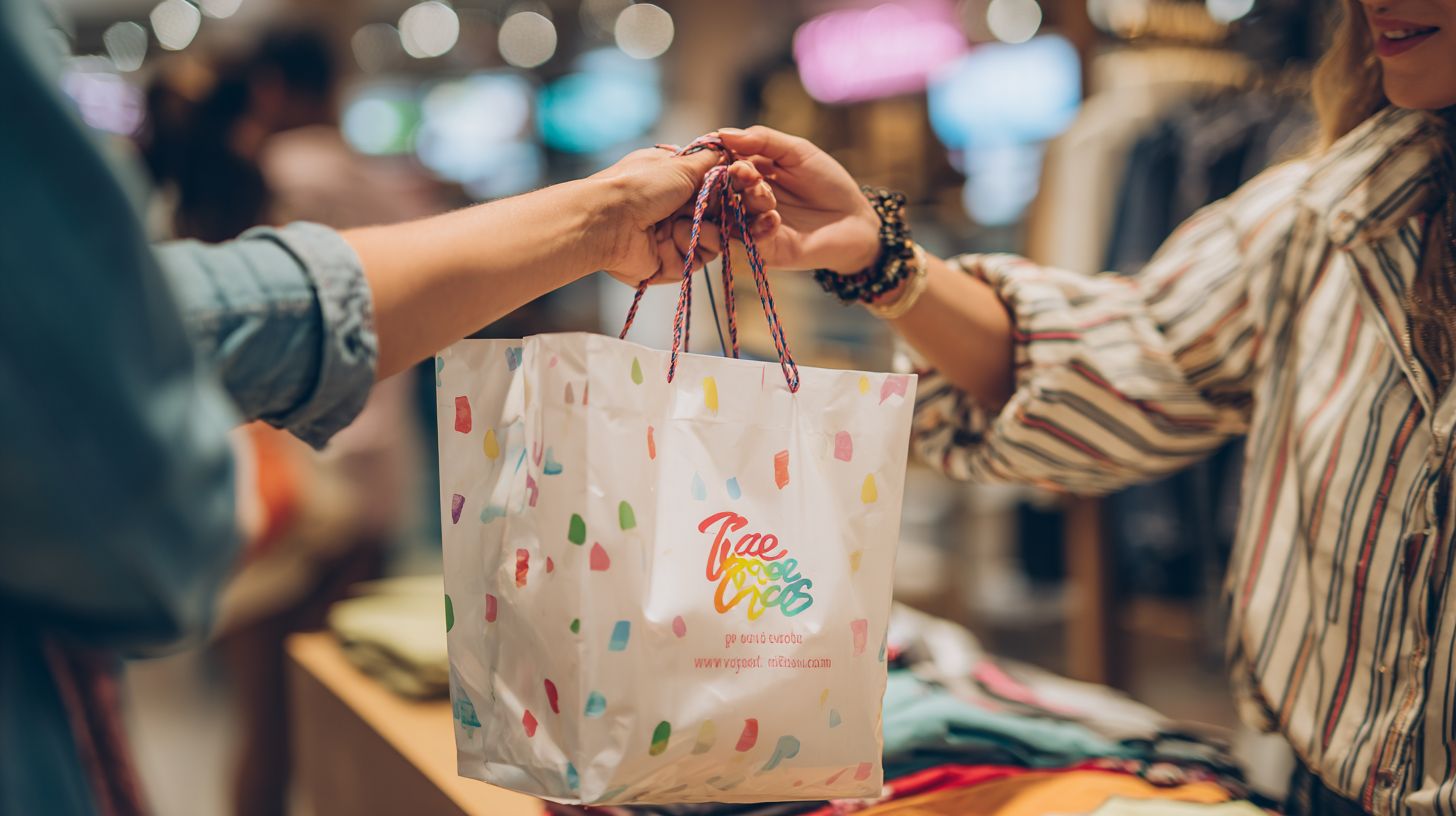
Custom plastic bags can be an excellent choice for your retail store if you’re looking to enhance branding and customer experience. They allow you to print your logo, store name, or unique designs, turning every purchase into a walking advertisement. However, they’re ideal only if your store aligns with eco-friendly practices or has high-volume sales where the cost per bag is minimal; otherwise, consider alternatives like paper bags for sustainability.
Q: What Benefits Do Custom Plastic Bags Offer for Retail Stores?
Custom plastic bags provide several advantages for retail stores, including cost-effectiveness for bulk purchases, durability to protect items during transport, and strong branding potential. They help differentiate your store from competitors and encourage repeat visits by associating your brand with quality packaging, making them a smart investment if your goal is to boost visibility in busy shopping areas.
Q: Are Custom Plastic Bags Right for Your Retail Store’s Budget?
Yes, custom plastic bags are often right for your retail store’s budget, especially for small to medium businesses, as initial setup costs for designs are offset by low per-unit prices in large orders. They can increase perceived value of purchases without significantly raising expenses, but evaluate your sales volume first-low-traffic stores might find them less economical compared to generic options.
Q: How Do Custom Plastic Bags Impact Customer Loyalty in Retail Stores?
Custom plastic bags can positively impact customer loyalty in retail stores by creating a memorable unboxing experience and reinforcing brand identity. When customers carry bags featuring your store’s artwork, it promotes word-of-mouth marketing and fosters a sense of exclusivity, making them right for stores aiming to build long-term relationships rather than one-off sales.
Q: Are There Environmental Considerations for Using Custom Plastic Bags in Retail?
While custom plastic bags are practical for retail stores, environmental considerations are crucial-they’re not always the right choice if sustainability is a priority, as plastics contribute to waste. Opt for recyclable or biodegradable custom versions to align with eco-conscious customers, or explore hybrid options to balance convenience with reducing your store’s carbon footprint.
Q: When Are Custom Plastic Bags Not Right for Your Retail Store?
Custom plastic bags may not be right for your retail store if you operate in an area with strict plastic bans, prioritize zero-waste initiatives, or have very low sales volumes where customization costs outweigh benefits. In such cases, reusable totes or paper alternatives might better suit your needs while still allowing for branding opportunities.

 HDPE vs. LDPE vs. Polypropylene Bags: How to Choose the Right Plastic Material
  Choosing the Right Custom Plastic Bags Partner in USA: 9 Key Factors That Impact Quality, Cost & Delivery
Comments