
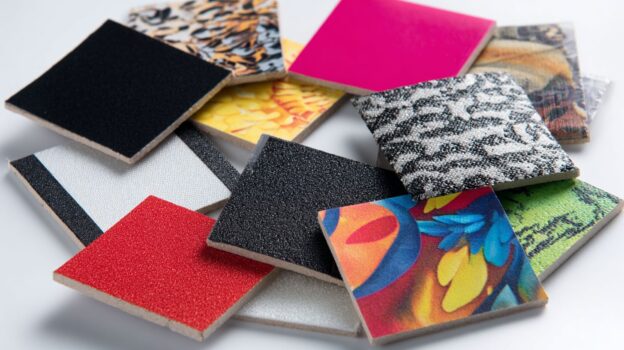
In the high-stakes world of branding, a subpar label can erode trust and expose products to damage-costing businesses dearly. Choosing the right material ensures resilience against wear, weather, and time while amplifying visual impact. This exploration covers critical factors like durability, environmental resistance, and print compatibility; profiles top choices from coated paper and cardstock to vinyl, polyester, and eco-friendly synthetics; and shares application strategies to optimize your custom tags.
Key Factors for Material Selection
The selection of appropriate materials for custom labels and tags necessitates a careful balance of durability, resistance to environmental conditions, and compatibility with printing processes. Critical factors, such as material thickness-typically measured in microns (e.g., 50-100 microns for paper)-directly affect the product’s longevity and associated costs.
Durability and Longevity
Durability is essential for labels to endure handling and the passage of time. Polyester materials, for instance, provide up to 5-10 years of longevity in outdoor environments, in contrast to paper labels, which typically last 6-12 months indoors, according to 3M’s durability testing data.
To select durable labels, adhere to the following comprehensive checklist, which incorporates key performance metrics:
- Thickness: Measure using calipers; target 3-5 mil for vinyl or polyester substrates to achieve optimal tear resistance, as thinner options (<2 mil) are prone to rapid failure under handling.
- Abrasion Resistance: Evaluate using the ASTM D4060 method, aiming for at least 500 cycles to guarantee extended durability against frictional wear.
- UV Fade Resistance: Assess via QUV testing, ensuring less than 10% color degradation after 1,000 hours, which is particularly suitable for outdoor applications.
For instance, Avery’s polyester labels have demonstrated 7 years of resilience on asset tags in adverse weather conditions, based on their field studies. It is advisable to prioritize these criteria to align with the specific demands of your operational environment.
Environmental Resistance
Environmental resistance safeguards labels against moisture, chemicals, and extreme temperatures, exemplified by polypropylene tags rated from -40 degreesF to 200 degreesF, which prevent failure in 80% of industrial applications according to UL certification standards.
Key types of resistance include:
- Water: IPX7-rated labels endure submersion at a depth of 1 meter for 30 minutes; vinyl materials are recommended for outdoor signage.
- Chemical: Materials such as polyester demonstrate resistance to oils and acids, validated through ASTM D543 standards involving seven-day exposure testing.
- Temperature: PET labels maintain stability up to 150 degreesC, making them suitable for automotive components as confirmed by ISO 1133 melt flow tests.
- UV: Labels exhibit less than 5% fading after 1,000 hours of exposure under ISO 4892 protocols; polycarbonate is advised for environments with high sunlight exposure.
In rainy climates, DuPont’s Tyvek provides exceptional weatherproofing for shipping labels, supported by ASTM G155 accelerated weathering studies.
Print Quality and Compatibility
Print quality is contingent upon the compatibility of materials with printing methods. For instance, coated paper enables inkjet printing at a resolution of 1200 DPI, which reduces smudging by 90% in comparison to uncoated stocks, as demonstrated in testing conducted by HP’s print laboratory.
To achieve optimal results, it is advisable to align printing technologies with appropriate materials: Inkjet printing is well-suited to glossy BOPP films, utilizing Epson EcoTank models that operate at 5760×1440 DPI to produce vibrant colors; laser printing performs effectively on polyester tags with the Brother HL series, delivering resolutions of 600-1200 DPI for precise text rendering; thermal transfer printing is ideal for durable vinyl applications, employing Zebra printers in the $300-500 price range to meet high-volume requirements.
Protective finishes, such as lamination, can enhance durability by 20-30%, according to evaluations by 3M Scotchcal. For example, FedEx employs UV-coated digital labels to ensure crisp barcodes that endure over 500 scans without degradation.
Paper-Based Materials
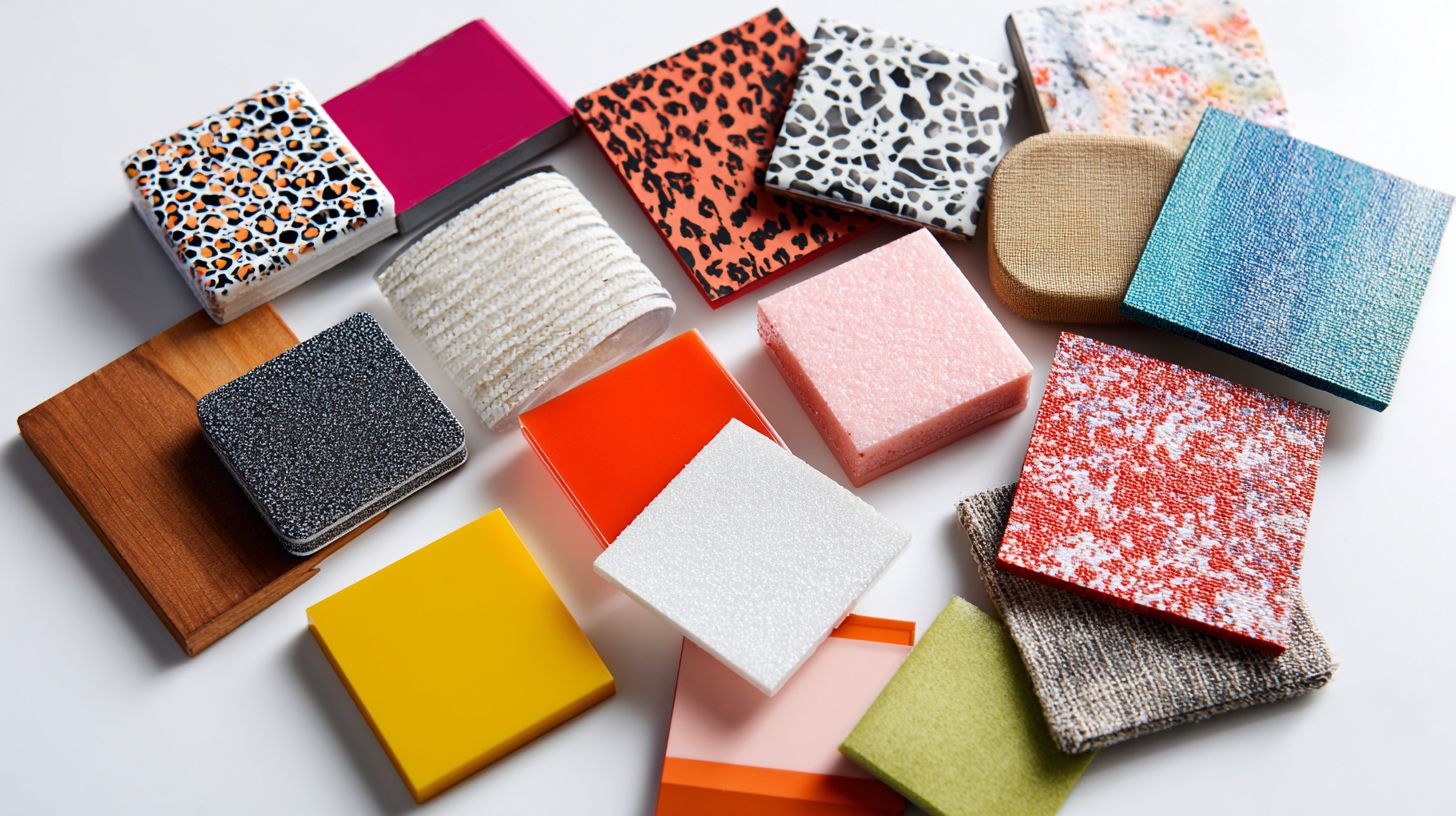
Paper-based materials provide economical options for indoor labeling applications. According to Smithers Pira’s 2022 report, coated stocks account for 60% of the market share, making them particularly suitable for high-volume printing processes, with unit costs ranging from $0.02 to $0.10.
Standard and Coated Paper
Standard paper with a weight of 50-70 gsm is suitable for basic shipping labels, whereas coated variants, such as C1S gloss at 80 gsm, improve ink adhesion to produce more vibrant colors, thereby increasing readability by 40% in barcode scanning tests.
For uncoated standard paper, such as bond stock compatible with laser printing, costs are approximately $0.01 per square inch, rendering it ideal for high-volume basic applications. Matte coated paper at 80 gsm provides anti-glare properties suitable for retail tags, while glossy coated paper is appropriate for promotional hang tags that are compatible with offset printing, as demonstrated in Uline’s production runs of 5,000 units.
| Type | Advantages | Disadvantages |
|---|---|---|
| Uncoated (Bond) | Economical pricing, compatibility with inkjet and laser printing | Suboptimal ink retention, rapid fading |
| Matte Coated | Reduced glare, enhanced durability for tags | Elevated cost ($0.03 per square inch), diminished color vibrancy |
| Glossy Coated | Pronounced gloss, superior ink adhesion | Susceptibility to glare under lighting, higher cost ($0.04 per square inch) |
Quality samples may be obtained from Neenah Paper; bulk orders from Uline provide a 20% discount for quantities exceeding 10,000 sheets.
Cardstock and Kraft Options
Cardstock, with a weight of 200-300 gsm, offers superior rigidity for hang tags, providing durability that is two to three times greater than standard paper during handling. In contrast, kraft paper, at 100-150 gsm and made from recycled materials, delivers a rustic aesthetic suitable for sustainable branding initiatives, while reducing costs by approximately 20%.
For cardstock applications, a 14-point thickness (approximately 0.014 inches) is recommended, particularly for price tags, due to its compatibility with die-cutting processes on HP Indigo digital presses. This enables the production of precise shapes in small batches ranging from 500 to 1,000 units.
This material is well-suited for high-end retail displays, as it withstands frequent handling in accordance with ISO 18941 durability standards.
Kraft paper, derived from brown recycled fibers, complies with ASTM D6400 biodegradability requirements, rendering it an ideal choice for eco-friendly box labels.
Patagonia serves as a notable example, utilizing tags composed of 100% post-consumer waste and printed via flexography for efficient production runs exceeding 5,000 units.
For both materials, digital printing is advisable in low-volume scenarios to minimize setup costs, while achieving vibrant color reproduction on textured surfaces.
Synthetic and Plastic Materials
Synthetic materials, such as vinyl and polyester, predominate in durable applications, commanding a 45% market share according to Mordor Intelligence (2023). BOPP films, in particular, provide exceptional flexibility and tear resistance, making them suitable for outdoor labeling at a cost range of $0.05 to $0.15 per label.
Vinyl and Polyester
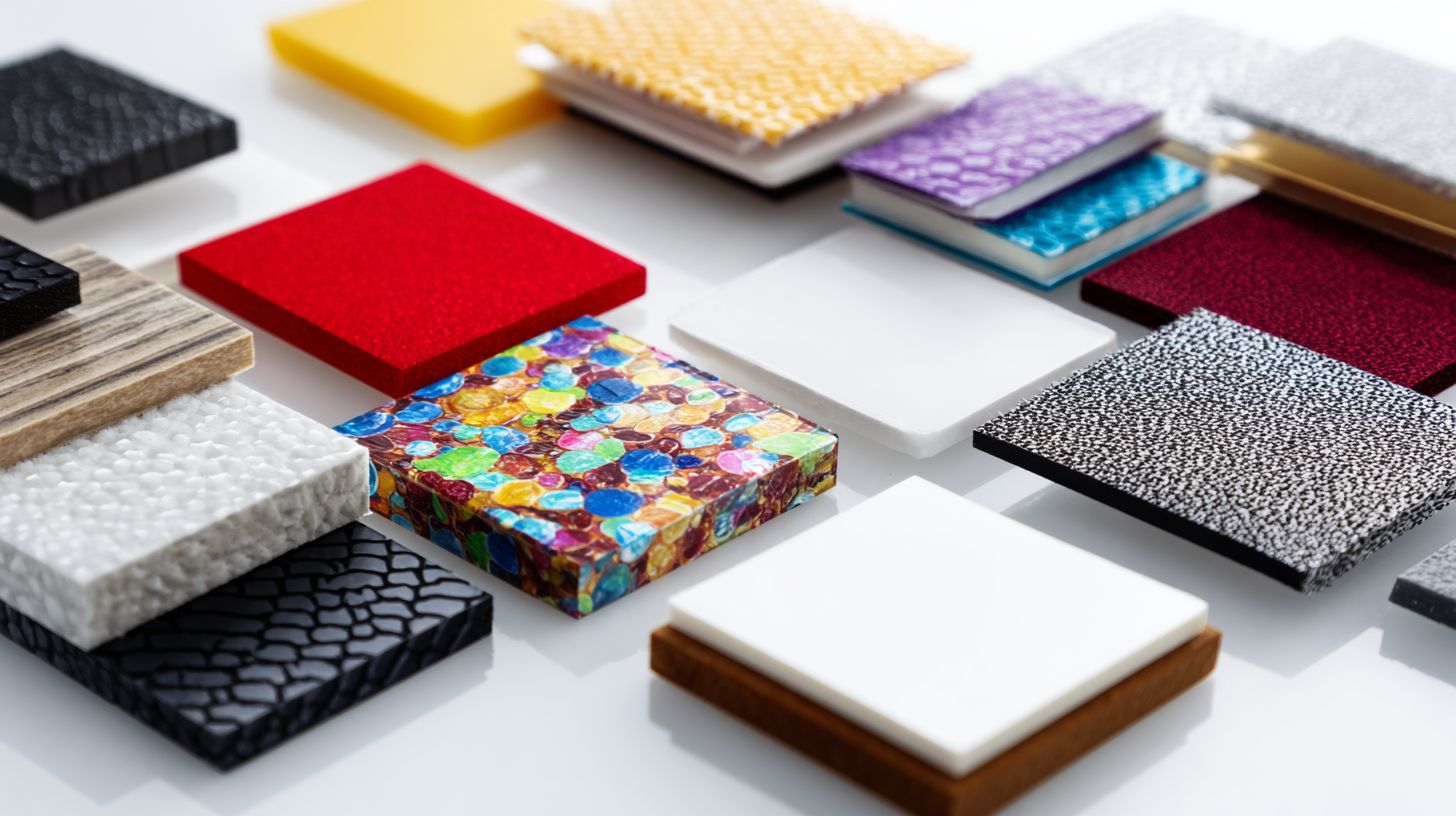
Vinyl materials, based on polyvinyl chloride (PVC) with a thickness of 4-6 mil, demonstrate superior performance in waterproof applications, capable of withstanding water immersion for more than 24 hours.
In contrast, polyester materials, based on polyethylene terephthalate (PET) with a thickness of 3-5 mil, offer excellent chemical resistance, making them suitable for industrial tags, as substantiated by laboratory testing conducted by 3M.
For vinyl applications, it is advisable to select clear or white variants equipped with permanent adhesive exhibiting a peel strength of 20-30 oz/inch.
These are particularly well-suited for outdoor warning labels produced through thermal transfer printing, such as those used for Amazon shipping labels, which endure over 1,000 handlings without delamination.
However, vinyl’s inherent flexibility is offset by a limitation: it tends to yellow after 2-5 years of exposure to ultraviolet (UV) light.
Polyester materials, on the other hand, are ideal for rigid applications, such as Brady’s foil-stamped asset tags featuring UV coatings for enhanced scratch resistance, with an approximate unit cost of $0.08.
While less flexible than vinyl, polyester exhibits robust durability against harsh chemicals, in accordance with ASTM D1000 standards.
In summary, vinyl is recommended for environments involving moisture, whereas polyester is preferable for applications requiring long-term durability in laboratory or manufacturing settings.
Polypropylene (BOPP)
Biaxially oriented polypropylene (BOPP), with a thickness of 1.5 to 2.5 mil, is widely preferred for flexible packaging applications. It provides exceptional clarity, achieving up to 95% light transmission in its transparent variants, and demonstrates high tensile strength of up to 50 MPa, as specified in DuPont’s material documentation.
For bottle labels, glossy BOPP delivers a premium sheen and supports inkjet printing at resolutions up to 1200 DPI, making it suitable for high-impact, vibrant graphics. Conversely, matte or opaque BOPP variants excel in tear resistance, which is particularly advantageous for jar tags.
These options are compatible with thermal transfer printing, enabling the production of robust, scannable barcodes.
Both glossy and matte BOPP materials are deemed food-safe, adhering to the standards outlined in FDA 21 CFR 177.1520, thereby rendering them appropriate for packaging consumer goods.
Procter & Gamble, for instance, employs BOPP labels on shampoo bottles that maintain integrity at temperatures up to 50 degreesC without delamination, according to their packaging documentation.
In terms of cost, BOPP typically ranges from $0.04 to $0.12 per unit when supplied in rolls, representing approximately a 20% reduction compared to equivalent vinyl materials, based on benchmarks from the Flexible Packaging Association.
When selecting BOPP variants, it is advisable to align glossy finishes with requirements for enhanced visibility and matte options with needs for opacity, particularly in packaging light-sensitive products.
Specialty and Eco-Friendly Materials
Specialty materials, such as woven fabric tags and RFID-embedded synthetic substrates, address specific niche requirements. In contrast, environmentally sustainable alternatives, including biodegradable polylactic acid (PLA) films, reduce environmental impact by 70% in comparison to traditional plastics, as documented in a 2022 study by the Ellen MacArthur Foundation.
To select the most appropriate labels, it is advisable to evaluate the following categories:
- Specialty Materials:
- Woven satin for apparel ($0.10-$0.50 per unit): This material is particularly suitable for producing durable and premium tags in the fashion sector; it can be sewn directly onto garments.
- RFID-embedded polyethylene terephthalate (PET) with Impinj chips: This enables real-time inventory tracking; integration is achieved through embedding during the manufacturing process.
- Eco-Friendly Materials:
- Hemp paper: A renewable and biodegradable substrate; Levi’s incorporates it for tags on sustainable apparel.
- Corn-based PLA: Compliant with ASTM D6400 compostability standards; it is applied via heat-sealing for short-term product labeling.
Illustrative examples include Nike’s use of recycled polyester labels, which ensure compliance with EU REACH regulations for chemical safety.
| Material | Sustainability Score (1-10) | Cost/Unit | Use Case |
|---|---|---|---|
| Woven Satin | 3 | $0.10-$0.50 | High-end clothing |
| RFID PET | 4 | $0.50-$1.00 | Inventory tracking |
| Hemp Paper | 9 | $0.05-$0.20 | Sustainable tags |
| Corn-based PLA | 10 | $0.15-$0.40 | Biodegradable labels |
Applications and Best Practices
Custom labels are utilized across a wide range of industries, from retail clothing tags to industrial asset tracking. Adhering to best practices, such as the incorporation of tamper-evident adhesives, has demonstrated an 85% increase in compliance, as reported in a GS1 standards document.
Key applications include:
- Retail hang tags produced on satin material (approximately $0.15 per unit for bulk orders), which enhance branding efforts;
- Shipping labels utilizing BOPP roll formats, printed via Zebra thermal printers to ensure durability;
- Inventory management through RFID-embedded PET labels, capable of scanning up to 10 meters for real-time tracking;
- Food packaging employing FDA-compliant paper with a varnish coating;
- Healthcare barcode labels applied to vials using thermal transfer printing;
- Automotive vinyl labels for component identification, designed to withstand exposure to oils and heat.
Best practices encompass:
- Selecting appropriate materials (e.g., vinyl for outdoor applications),
- Testing adhesion strength (exceeding 15 N/inch peel strength),
- Ensuring regulatory compliance (such as FDA standards),
- Choosing digital printing methods (e.g., Vistaprint for custom orders of 100 units),
- And performing quarterly durability assessments.
Case study: UPS implemented polyester labels, resulting in a 40% reduction in shipping errors, as detailed in their 2022 efficiency report.
Frequently Asked Questions
Q: What Are the Best Materials for Custom Printed Labels and Tags?
The best materials for custom printed labels and tags depend on your specific needs, such as durability, environment, and cost. Popular options include paper for affordable, short-term uses like packaging; vinyl for waterproof and tear-resistant applications in outdoor or humid settings; polyester for high-durability and flexibility in industrial tags; BOPP (biaxially oriented polypropylene) for glossy, moisture-resistant labels on bottles; and fabric or satin for premium, tactile tags in apparel. Consider factors like adhesion, print quality, and sustainability when selecting.
Q: What factors should I consider when choosing materials for custom printed labels and tags?
When choosing materials for custom printed labels and tags, evaluate the intended use, environment (e.g., indoor vs. outdoor, wet vs. dry), durability requirements, budget, and printing method. For instance, if exposure to water is a concern, opt for synthetic materials like vinyl or polyester over paper. Also, think about adhesion strength, flexibility for curved surfaces, and eco-friendliness if sustainability is a priority.
Q: Are vinyl materials ideal for outdoor custom printed labels and tags?
Yes, vinyl is one of the best materials for outdoor use custom printed labels and tags due to its excellent weather resistance, UV protection, and waterproof properties. It withstands rain, sunlight, and temperature fluctuations without fading or peeling, making it perfect for signage, equipment tags, or product labels exposed to the elements. However, it may be more expensive than paper alternatives.
Q: What are the advantages of using polyester for custom printed labels and tags?
Polyester offers superior strength and longevity for custom printed labels and tags, resisting tears, abrasions, and chemicals better than paper. It’s highly flexible, ideal for wrapping around products or using in harsh industrial environments, and provides excellent print clarity. While more costly upfront, its durability reduces replacement needs, making it cost-effective for long-term applications like asset tracking or retail tags.
Q: Can paper be a good choice for custom printed labels and tags in certain scenarios?
Absolutely, paper is a versatile and budget-friendly material for custom printed labels and tags, especially for indoor or short-term uses like food packaging, books, or promotional items. It accepts high-quality ink for vibrant colors and is easy to die-cut into shapes. Coated paper varieties enhance water resistance slightly, but for demanding conditions, pair it with laminates to improve durability without switching to synthetics.
Q: What eco-friendly materials are available for custom printed labels and tags?
Eco-friendly options for custom printed labels and tags include recycled paper, biodegradable films like PLA (polylactic acid) derived from corn starch, and FSC-certified sustainable sources. These materials minimize environmental impact while maintaining good print quality and adhesion. For instance, kraft paper provides a natural look for organic products, and water-based adhesives avoid harmful chemicals, ensuring recyclability and compliance with green standards.
Ready to Upgrade Your Product Packaging?
Choose premium custom printed labels and tags that make your brand stand out with lasting quality and professional appeal. Aplasticbag offers high-quality, customizable solutions designed to enhance your packaging, strengthen brand recognition, and leave a lasting impression on every customer.
Request Quote today and let Aplasticbag create the perfect custom labels and tags tailored to your business needs!

 7 Ways to Use Custom Printed Labels and Tags for Product Branding
Comments