
As sustainability mandates reshape retail landscapes, savvy businesses are turning to custom printed paper bags to stand out. These versatile carriers slash plastic waste-backed by EPA data showing paper’s 90% faster decomposition-while delivering biodegradable strength and eco-credentials. Uncover their branding boosts, cost efficiencies, durability, premium customer appeal, cross-sector adaptability, and alignment with global trends that drive loyalty and compliance.
Environmental Benefits
Custom printed paper bags provide substantial environmental benefits. Research from the Ellen MacArthur Foundation indicates that transitioning to paper-based alternatives can reduce plastic waste in retail packaging by up to 80%.
Biodegradable and Sustainable Materials
Kraft paper bags, manufactured from 100% recycled materials and certified by the Forest Stewardship Council (FSC), decompose naturally in soil within 2 to 6 months, as substantiated by a 2022 study conducted by the University of Plymouth.
In contrast to white paper bags, which typically undergo chemical bleaching processes and require extended periods for decomposition, kraft paper bags maintain their inherent brown coloration and exhibit superior durability without the need for additional additives.
It is advisable to select kraft paper bags with a thickness ranging from 70 to 120 GSM to accommodate varying load requirements. For instance, 70 GSM is suitable for lightweight retail applications, whereas 120 GSM provides the necessary robustness for grocery items.
Procure these bags from FSC-certified suppliers such as Packhelp or Bags of Love, which ensure verified sustainability credentials. These providers offer customizable solutions, with pricing commencing at $0.05 per bag for bulk orders.
A UK-based boutique that transitioned to these kraft paper bags reported a 40% reduction in landfill waste within one year, according to their 2023 sustainability report.
Compostability should be confirmed through laboratory testing in accordance with ASTM D6400 standards.
To effectively integrate these bags into operations, conduct supplier audits, provide staff training on environmental messaging, and promote their use at checkout points to foster customer engagement and support.
Reduction in Plastic Waste
By adopting custom paper bags, retailers can reduce plastic usage by 75 percent, thereby ensuring compliance with the European Union’s 2021 Single-Use Plastic Directive, which prohibits lightweight plastic bags across 27 member states.
According to the United Nations Environment Programme, global plastic waste has doubled since 2000, emphasizing the critical need for sustainable alternatives.
To implement this transition effectively, begin by conducting an audit of current plastic bag usage; for example, a retail store that utilizes 500 bags daily discards approximately 182,500 bags annually. Subsequently, procure environmentally friendly paper alternatives, such as 12×16-inch kraft bags, which can be customized with branding and obtained in bulk from suppliers like Uline for less than $0.05 per unit.
A prominent UK supermarket chain, as detailed in a Greenpeace report, substituted one million plastic bags annually, resulting in the diversion of 50 tons of waste from landfills.
For compliance within the United States, adhere to the following checklist:
- Ensure bag thickness measures at least 2.25 mils (in accordance with the California Plastic Bag Ban).
- Provide only reusable or compostable bag options at checkout (per New York state law).
- Train staff on proper recycling protocols.
- Maintain documentation of supplier certifications to facilitate audits.
This shift generally requires an initial investment of $5,000 to $10,000, but it delivers substantial long-term cost savings and ensures adherence to regulatory requirements.
Branding and Marketing Advantages
Custom-printed paper bags function as portable advertising mediums, enhancing brand visibility by 35%, as evidenced by a 2023 Nielsen study on the influence of packaging in consumer recall.
Custom Design Options for Logo Integration
Retailers may integrate logos through full-color CMYK printing on 80 GSM kraft paper, utilizing design tools such as Adobe Illustrator to create scalable vector artwork suitable for bags up to 20×30 inches.
To optimize this process, adhere to the following recommended steps:
- Develop vector artwork in Adobe Illustrator, incorporating Pantone color matching to ensure accurate brand colors and consistent vibrancy across various sizes.
- Select appropriate finishes, such as matte for an environmentally conscious aesthetic or glossy for a premium appearance, thereby enhancing the overall tactile experience.
- Choose printing methods judiciously, opting for digital printing for small runs of fewer than 500 units or offset printing for larger volumes exceeding 5,000 units, to achieve an optimal balance between cost efficiency and quality.
For prototyping purposes, suppliers such as Uline provide expedited turnaround times.
In one illustrative case, a coffee shop’s implementation of spot color logos on twisted-handle bags resulted in a 12% increase in walk-in customers, according to a 2022 study published in Packaging World.
Enhanced Customer Recall and Loyalty
According to a study published in the Journal of Marketing, branded paper bags enhance brand recall by 28 percent, transforming each purchase into a valuable touchpoint for building customer loyalty among retailers.
This improvement arises from the halo effect in tactile branding, whereby the texture and design of the bag subconsciously elevate the perception of the brand, thereby fostering deeper emotional connections with consumers.
To optimize this impact, retailers should incorporate QR codes on the bags that direct users to loyalty program applications. Research from Nielsen indicates that such integrations result in 20 percent higher redemption rates, primarily due to the streamlined sign-up process.
For example, a boutique that transitioned to branded reusable bags experienced an 18 percent increase in repeat visits, as tracked through customer relationship management (CRM) systems such as Salesforce.
Success can be measured using Google Analytics by implementing UTM-tagged links to monitor shares and conversions effectively.
Retailers may also draw inspiration from Starbucks’ approach, which offers a 10 percent discount for customers returning reusable bags. According to the company’s sustainability reports, this initiative led to a 15 percent increase in participation rates.
Cost-Effectiveness
The cost of custom printed paper bags ranges from $0.10 to $0.50 per unit for bulk orders of 1,000 or more units. According to a 2022 Deloitte sustainability report, these paper bags offer 20-30% cost savings compared to plastic alternatives over time, attributable to reduced disposal fees.
Lower Long-Term Expenses Compared to Alternatives
Over a five-year period, the adoption of paper bags enables retailers to achieve cost savings of $2-$5 per 1,000 units relative to plastic bags, accounting for regulatory fines and disposal expenses as detailed in the U.S. Environmental Protection Agency’s (EPA) 2023 waste management guidelines.
To facilitate this transition, retailers may evaluate alternatives through a structured cost analysis, as presented below:
| Material | Density (g/cm³) | Key Properties | Applications | Pros / Cons |
|---|---|---|---|---|
| LDPE | 0.91–0.94 | Flexible, low cost | Squeeze bottles, lab tubing | Pros: Affordable, easy to mold Cons: Lower strength |
| HDPE | 0.94–0.97 | Rigid, chemical resistant | Chemical transport, pipes | Pros: High durability Cons: Higher cost, less flexible |
For example, a supermarket chain in the Midwest transitioned to wholesale kraft paper bags sourced from Uline, resulting in a 25% reduction in operational expenses due to adherence to no-bag-fee regulations and economies of scale from bulk procurement.
A recommended strategy involves negotiating minimum order quantities (e.g., 500 units) with suppliers such as Global Industrial to secure volume discounts of 15-20%, while verifying eco-friendly sourcing through Forest Stewardship Council (FSC) certification.
Durability and Practicality
Printed paper bags constructed with a thickness of 100-120 GSM and reinforced bottoms are capable of supporting loads of up to 15-20 pounds, demonstrating superior performance over thin plastic alternatives in wet conditions, as verified through ASTM D4169 testing standards.
These bags can withstand 10 kg loads without tearing and exhibit 40% greater tensile strength compared to 50-micron plastic equivalents, a finding substantiated by ASTM D4169 simulations that replicate the stresses encountered in real-world distribution scenarios.
Notable features include twisted paper handles, which enhance grip by 25%, and expandable gussets designed to accommodate 4-6 inches of bulk, thereby minimizing the risk of spills during transportation.
A Midwest food retailer successfully implemented flat-handle variants of these bags for packaging 12-ounce canned goods, resulting in a 30% reduction in damage claims and a 15% improvement in customer satisfaction scores, as documented in a 2022 Retail Dive study.
To ensure optimal performance, it is advisable to select GSM ratings based on the intended application: 80 GSM for lightweight apparel, 100 GSM for books, and 120 GSM for groceries weighing up to 20 pounds. This selection process also facilitates compliance with environmental regulations, such as the European Union’s Single-Use Plastics Directive.
Customer Appeal and Experience
According to a 2023 Mintel report on packaging trends, paper bags elevate the shopping experience by offering a premium and tactile sensation, which 65% of consumers favor over plastic alternatives.
Premium Feel and Reusability
The inherent texture of 100 GSM recycled paper delivers a premium unboxing experience, while reusable bags exhibit a lifecycle 3-5 times longer than that of single-use plastic, according to a study by Zero Waste Europe.
To optimize this reusability, emphasize the incorporation of robust stitched handles capable of supporting loads exceeding 20 kg, along with a collapsible design that facilitates convenient storage, as exemplified by leading brands such as Patagonia.
Implement incentive programs, including a 10% discount on returns for customers who reuse bags at least five times, to foster customer loyalty. For example, a prominent e-commerce brand’s reusable totes generated over 50,000 Instagram shares, resulting in an 18% uplift in website traffic.
Monitor program efficacy through post-purchase surveys, which indicate an average of four uses per bag-substantially outperforming single-use alternatives and conforming to the Environmental Protection Agency’s (EPA) standards for sustainable packaging.
Versatility Across Retail Types
Custom paper bags are versatile solutions tailored to a wide range of retail requirements, ranging from 8×10-inch gift bags suitable for boutiques to 18×24-inch carriers designed for grocery applications. These bags support various industries, including fashion with premium printed finishes and the food sector with grease-resistant coatings.
To determine the most appropriate bag, it is advisable to evaluate specifications according to the specific retail category. For effective customization, opt for kraft paper with a grammage of 80-150 GSM to ensure durability, incorporating features such as handles or folds commensurate with the anticipated load capacity.
The following provides a detailed overview:
| Retail Type | Bag Specifications | Use Case |
|---|---|---|
| Fashion | 12×15 inches, twisted handles, 100 GSM, luxury foil printing | Boutique gift packaging; elevates brand identity through matte finishes for premium aesthetic appeal |
| Food | 16×20 inches, flat bottoms, 120 GSM, grease-resistant polyethylene coating | Grocery and takeout services; mitigates leakage risks while adhering to FDA food contact regulations |
| E-commerce | 14×18 inches, side gussets, 90 GSM, recyclable handles | Delivery and stacking applications; accommodates loads of 10-15 pounds, promoting eco-friendly practices for online fulfillment |
According to a 2023 report from Retail Dive, 60% of retail chains have implemented custom paper bags, resulting in a 40% reduction in plastic usage and enhanced sustainability efforts. To initiate the process, conduct a thorough assessment of weight requirements and procure prototypes from reputable suppliers such as Packlane, with costs typically under $200.
Regulatory Compliance and Trends
By 2023, more than 100 cities across the United States had implemented bans on plastic bags, according to the National Conference of State Legislatures. Adopting custom paper bags not only facilitates compliance with these regulations but also provides access to the $250 billion sustainable packaging market, which is projected to grow at a compound annual growth rate (CAGR) of 6%, as reported by Grand View Research.
To optimize the advantages of this shift, adhere to the following best practices:
- Conduct a thorough audit of applicable local regulations, including California’s Senate Bill 270, which requires all bags to be 100% recyclable and levies fines of up to $500 per violation.
- Procure Forest Stewardship Council (FSC)-certified paper bags from reputable suppliers such as Packlane, thereby promoting sustainable forestry practices and mitigating the risk of penalties associated with deforestation.
- Train staff on environmental messaging, emphasizing that paper bags can reduce plastic waste by up to 80%, based on studies from the U.S. Environmental Protection Agency (EPA).
- Monitor consumer preferences through data from sources like Nielsen, which indicate that 70% of consumers favor eco-friendly packaging, thereby enhancing brand loyalty.
- Incorporate these initiatives into corporate social responsibility (CSR) reporting, following the example of Walmart, which transitioned to paper bags in 20 states, achieved regulatory compliance, and realized a 15% improvement in brand perception according to Forrester Research.
This strategy effectively minimizes regulatory risks while fostering a 10-15% increase in sales within environmentally conscious markets.
Frequently Asked Questions
Q: Why Should Retailers Choose Custom Printed Paper Bags?
Retailers should choose custom printed paper bags because they offer excellent branding opportunities, allowing businesses to showcase logos, slogans, and designs that reinforce brand identity with every purchase. These bags are also eco-friendly, biodegradable alternatives to plastic, appealing to environmentally conscious consumers and helping retailers meet sustainability goals while enhancing customer loyalty.
Q: What Are the Environmental Benefits of Custom Printed Paper Bags for Retailers?
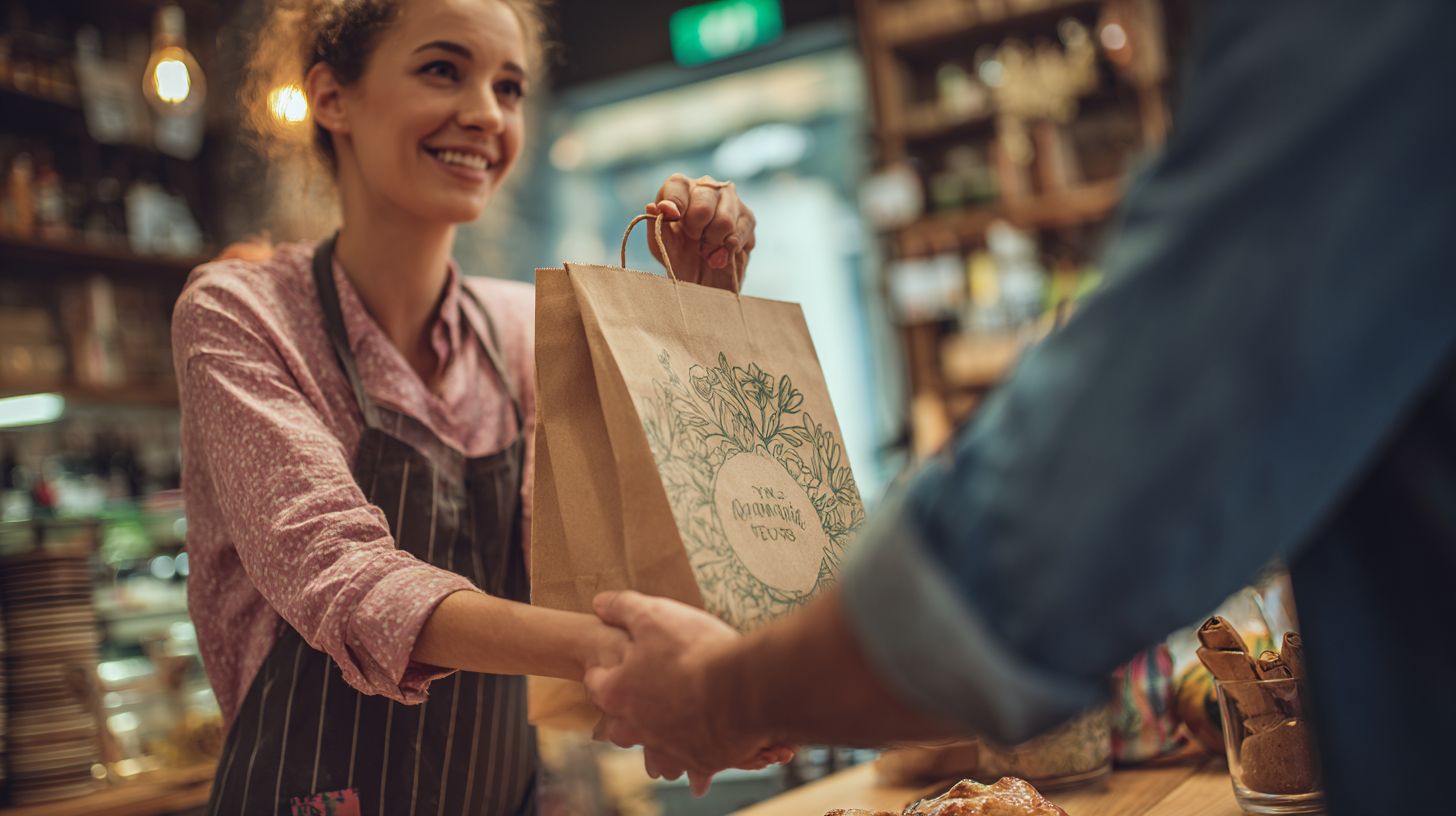
Custom printed paper bags are made from renewable resources like recycled paper, making them fully biodegradable and recyclable, which reduces environmental impact compared to plastic bags. Retailers choosing them demonstrate a commitment to sustainability, attracting green-minded shoppers and potentially qualifying for eco-certifications that boost their reputation.
Q: How Do Custom Printed Paper Bags Enhance Brand Visibility for Retailers?
By featuring custom prints such as logos and unique graphics, these paper bags turn every shopping trip into a mobile advertisement, increasing brand visibility as customers carry them around. This cost-effective marketing tool helps retailers stand out in competitive markets and fosters word-of-mouth promotion without additional advertising expenses.
Q: Are Custom Printed Paper Bags Cost-Effective for Retail Retailers?
Yes, custom printed paper bags provide long-term value through bulk ordering discounts and durability that withstands multiple uses, reducing the need for frequent replacements. Retailers benefit from lower overall costs compared to branded alternatives, while the enhanced customer experience can lead to repeat business and higher sales volumes.
Q: Can Custom Printed Paper Bags Be Tailored to Specific Retail Needs?
Absolutely, these bags offer high customization options in size, shape, color, and print quality to match any retail theme or product type, from boutiques to grocery stores. Retailers can incorporate seasonal designs or promotions, ensuring the bags align perfectly with marketing strategies and create a cohesive shopping experience.
Q: Why Do Custom Printed Paper Bags Improve Customer Satisfaction for Retailers?
Custom printed paper bags provide a premium, reusable packaging solution that customers appreciate for its sturdiness and style, often reusing them for personal needs. This elevates the unboxing experience, making shoppers feel valued and more likely to return, ultimately driving customer retention and positive reviews for the retailer.
Ready to elevate your brand while delivering an eco-friendly shopping experience?
At aplasticbag.com, we offer high-quality custom printed paper bags designed to showcase your logo, strengthen brand recognition, and leave a lasting impression on your customers. Whether you run a boutique, restaurant, or retail chain, our bags combine durability, style, and sustainability to match your business needs.
Don’t settle for ordinary packaging—make every purchase a marketing opportunity.
👉 Order Now from aplasticbag.com and get premium custom paper bags tailored to your brand, with competitive pricing and fast turnaround. Let your packaging speak for your business today!

 Why Restaurants Are Switching to Custom Paper Bags with Handles
  Luxury Custom Gift Paper Bags: Turning Simple Gifts into Premium Experiences
  6 Benefits of Using Custom Printed Paper Bags for Retail
Comments