


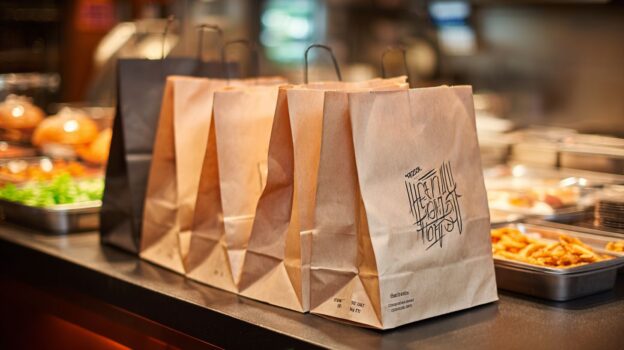
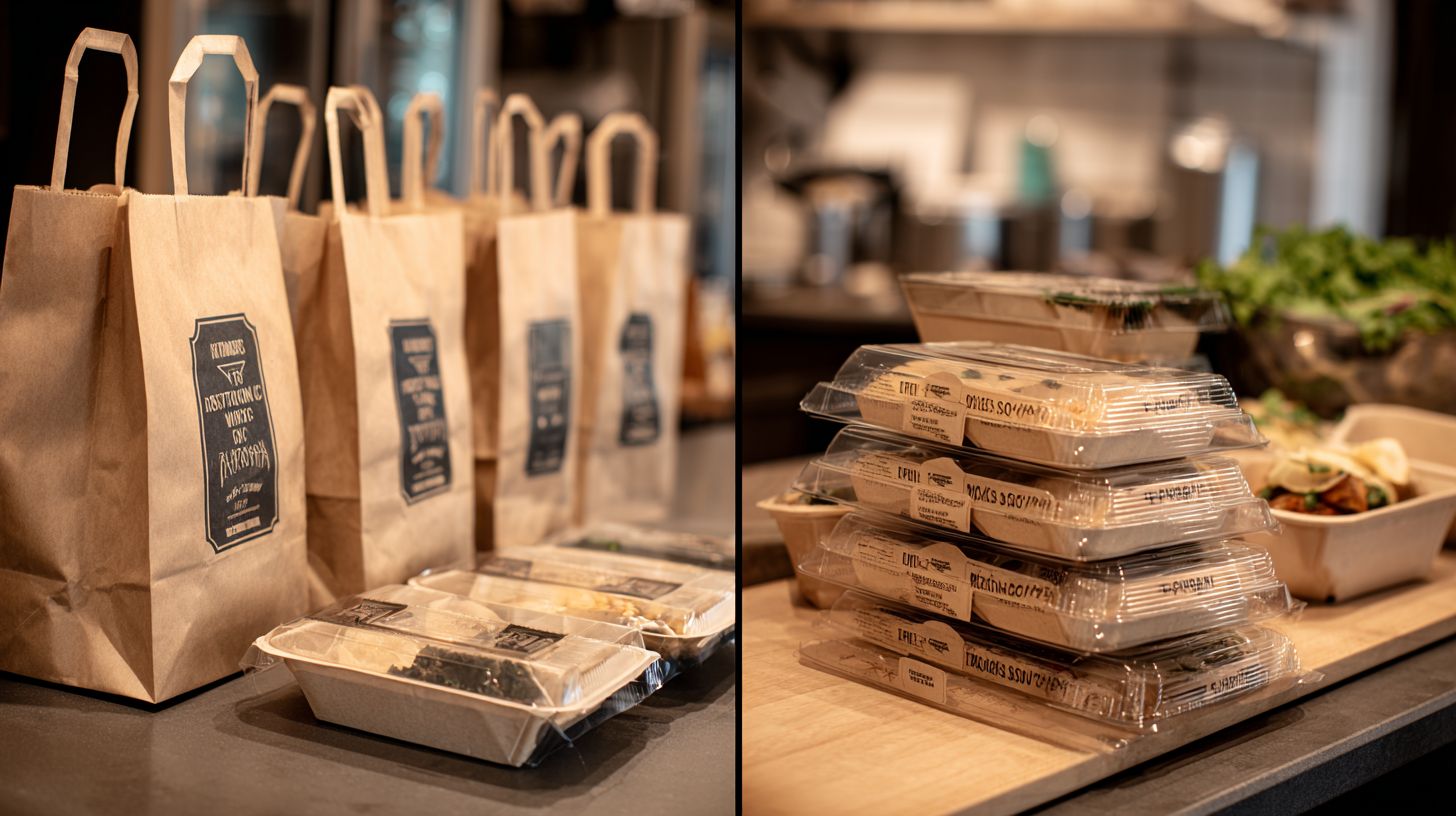
In the competitive restaurant industry, where first impressions linger long after the meal, custom bags serve as silent brand ambassadors, carrying your culinary story to customers’ tables and beyond. Choosing high-quality custom restaurant bags options elevates customer satisfaction and loyalty, aligning with rising demands for sustainability and durability. This guide explores essential features-from superior materials and innovative customization to eco-friendly designs, optimal sizing, and cost-effective branding strategies-to help you select bags that truly deliver.
Material Quality
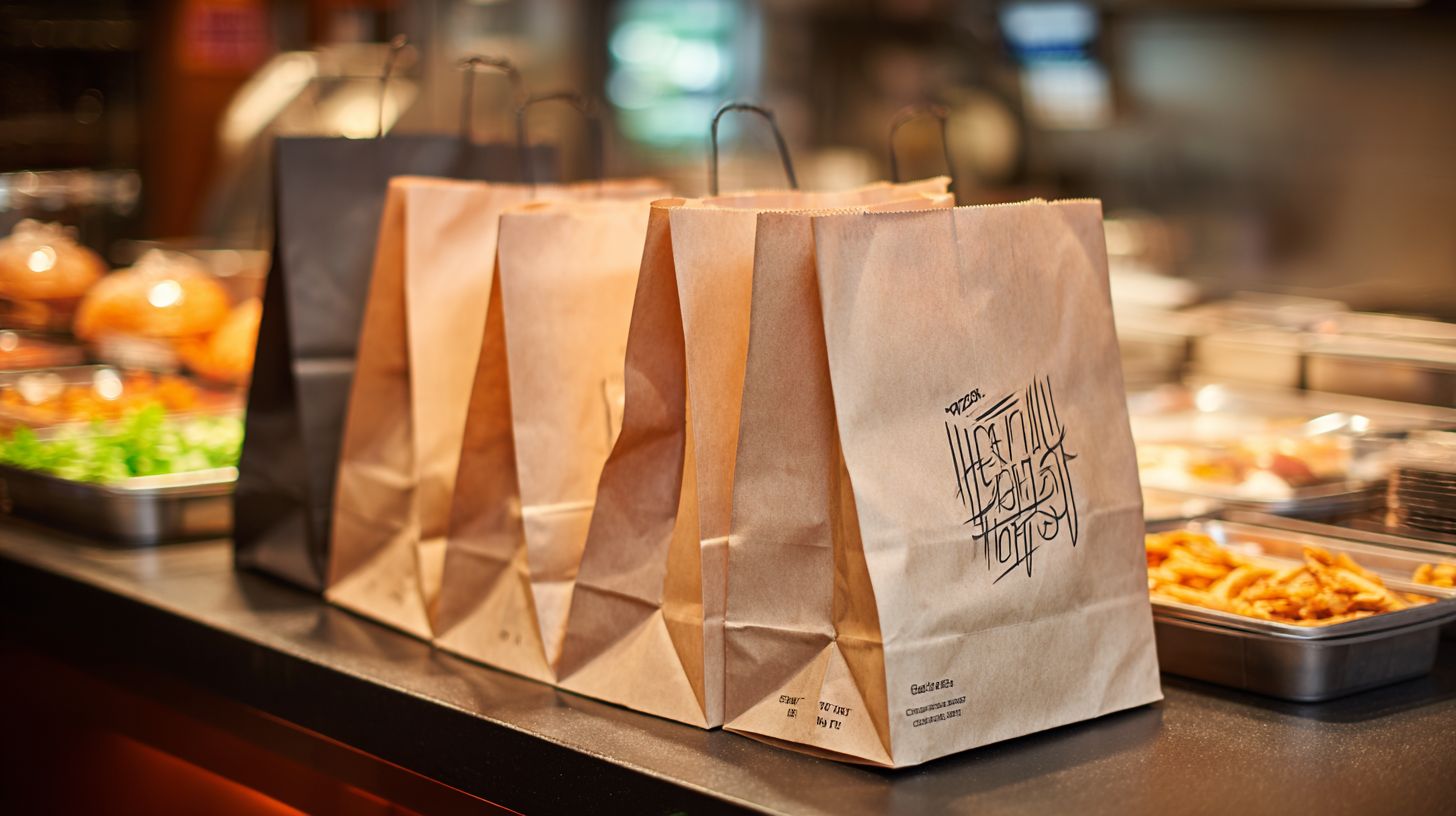
Choosing the appropriate material for custom restaurant bags is crucial to ensuring durability and enhancing customer satisfaction. Kraft paper, featuring a 200 GSM thickness, is well-suited for everyday applications, as evidenced by its use in Starbucks’ takeout packaging.
Types of Materials
Common materials employed for custom restaurant bags include kraft paper with a grammage of 250 GSM, which provides eco-friendly options, and polyethylene (PE) plastic, valued for its waterproofing capabilities, as demonstrated by Chipotle’s use in leak-proof takeout packaging.
| Material | Thickness/GSM | Key Features | Best For | Pros/Cons |
|---|---|---|---|---|
| Kraft Paper | 250 GSM | Eco-friendly, recyclable | Casual dining takeout | Pros: Biodegradable, $0.05-0.10/unit; Cons: Not waterproof |
| PE Bags | 50-100 micron | Waterproof, lightweight | Food delivery | Pros: Leak-proof, $0.08/unit; Cons: Non-recyclable |
| Non-Woven Fabric | 80-120 GSM | Reusable, durable | High-end catering | Pros: Washable, $0.20/unit; Cons: Higher cost |
| Polypropylene (PP) | 70 GSM | Tear-resistant, flexible | Fast-casual meals | Pros: Versatile, $0.12/unit; Cons: Moderate eco-impact |
For food delivery applications, kraft paper is appropriate for dry items but susceptible to sogginess in wet conditions, whereas PE plastic offers exceptional leak protection, aligning with Chipotle’s established model.
Custom orders with suppliers such as Uline generally require 1 to 2 weeks for setup.
According to studies by the Environmental Protection Agency (EPA), kraft paper utilization can reduce plastic waste by 70%, thereby diminishing landfill contributions, in comparison to the approximately 8 million tons of PE waste generated annually in the United States.
Strength and Tear Resistance
Tear-resistant custom printed restaurant bags featuring reinforced bottoms are engineered to support loads of up to 15 pounds, as validated through rigorous testing in accordance with ASTM D4169 standards, which have been adopted by prominent brands such as Domino’s.
These bags incorporate four principal strength attributes that deliver consistent and reliable performance.
- Tear resistance exceeds 500 grams in the Dart Drop test, effectively preventing rips during transportation.
- Die-cut handles are designed to accommodate loads of up to 10 kilograms.
- Gusseted sides expand by 4 to 6 inches, providing ample capacity for bulky orders.
- Reinforced bottoms offer a burst strength of 50 pounds, ensuring containment and preventing leaks.
These products can be evaluated using Instron universal testing machines, which simulate real-world stresses in compliance with ASTM protocols.
In a representative case study, a local restaurant chain implemented polypropylene (PP) variants of these bags, achieving a 40% reduction in failure rates and generating annual savings of $2,500 in replacement costs.
Customization Options
Customization transforms custom restaurant bags into powerful marketing instruments. Advanced options, such as full-color digital printing, facilitate the precise incorporation of Pantone-matched logos, a technique effectively utilized by Taco Bell to bolster brand visibility.
Printing Techniques
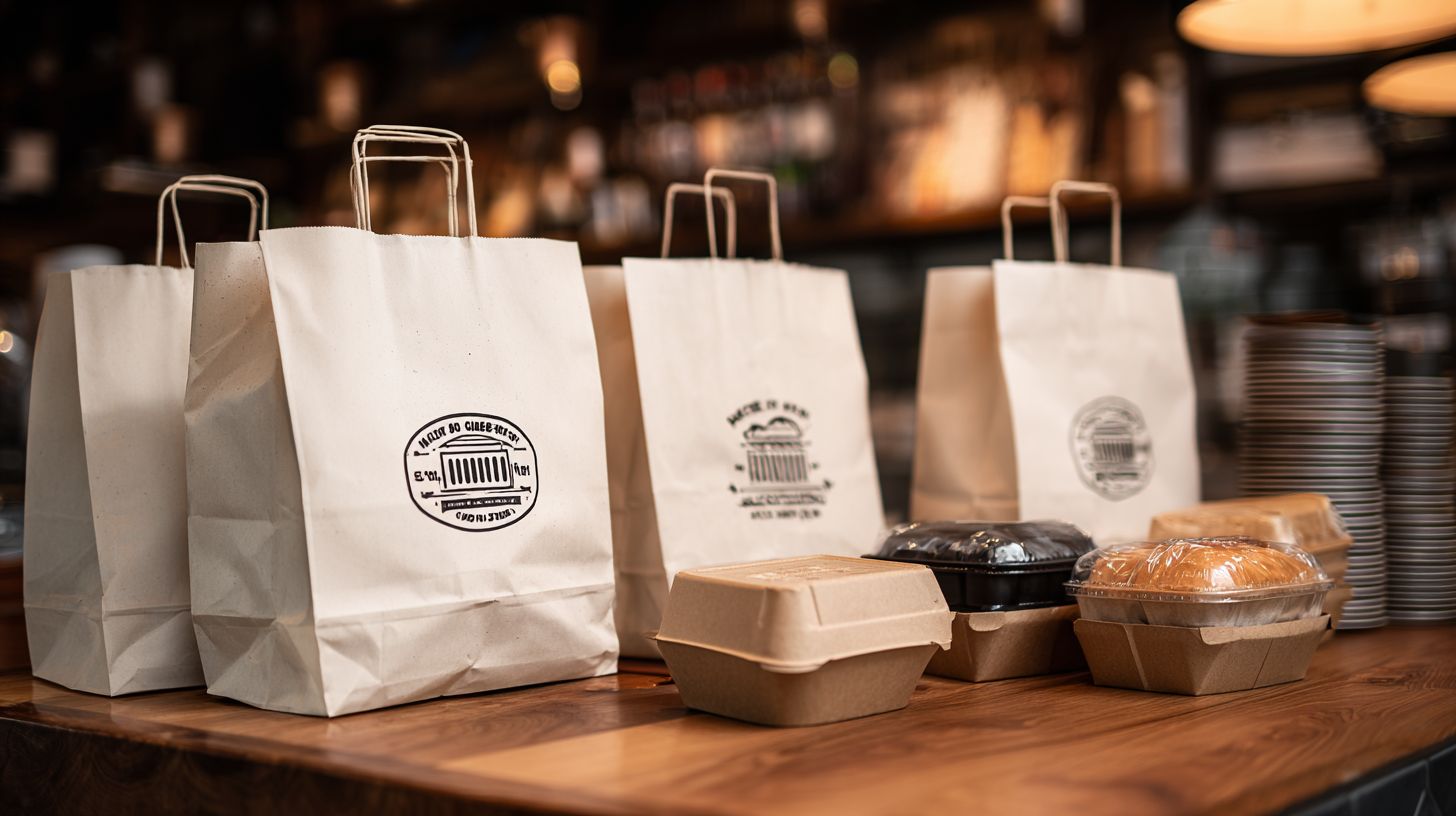
Digital printing on custom restaurant bags facilitates the production of vibrant, full-color logos using non-toxic UV inks that fully comply with FDA regulations, with a per-unit cost of $0.03 for orders exceeding 1,000 units.
For smaller production runs of fewer than 500 units, digital printing offers efficiency through a streamlined setup fee of $150.
Additional prominent printing techniques encompass offset lithography for high-volume applications yielding sharp, precise results; UV printing for enhanced durability in outdoor environments; and foil stamping for sophisticated metallic finishes. The table below presents a comparative overview:
| Technique | Pros | Cons | Setup Fee | Ideal For |
|---|---|---|---|---|
| Digital | Fast turnaround, full-color capability, low minimum order quantity (MOQ) | Higher per-unit cost for large runs | $150 | <500 units |
| Offset | Cost-effective at scale, exceptional crisp quality | Lengthy setup process, high MOQ | $500 | >1,000 units |
| UV Printing | Durable, weather-resistant inks | Limited color palette, elevated costs | $200 | Outdoor bags |
| Foil Stamping | Luxurious metallic finish | Lacks full-color options, premium pricing | $300 | Premium branding |
Suppliers such as Vistaprint provide digital printing services starting at $0.05 per bag. A 2022 study conducted by the Printing Industries of America indicates that UV inks exhibit 40% greater longevity in humid conditions, thereby improving the overall durability and lifespan of the bags.
Design Flexibility
The design flexibility inherent in custom restaurant bags encompasses options for foldable layouts and a selection of 10 Pantone color shades, enabling brands such as Subway to develop visually compelling delivery packaging.
To optimize this flexibility, implement the following five design steps:
- Utilize customizable templates available through Canva’s free version to expedite the initial design phase, tailoring them to align with the brand’s requirements for foldable configurations.
- Restrict the color palette to 2-3 shades from the Pantone options to achieve maximum readability while mitigating visual congestion.
- Incorporate QR codes that link to loyalty programs, which can enhance customer engagement by 20%, as indicated in a 2022 Forrester report.
- Evaluate designs using Placeit mockup tools (available for $9 per month) to simulate their presentation on authentic bags.
- Confirm scalability across diverse dimensions, including small takeout portions and large family packs.
Illustrative cases of success encompass Chipotle’s prominent red-and-green bags, which demonstrated a 25% improvement in brand recall per a Nielsen study, thereby elevating the unboxing experience.
Durability Features
Custom restaurant bags incorporate advanced durability features, including waterproof coatings and reinforced handles, which effectively prevent leaks and tears. Industry tests conducted by the Paper Bag Institute confirm that twisted handles can support up to 20 pounds.
Bags equipped with gusseted sides enhance capacity by 30 percent without compromising structural integrity, making them particularly suitable for high-volume orders.
Key features include:
- Waterproof polyethylene (PE) lining capable of accommodating hot food up to 200 degreesF, thereby preventing sogginess in items such as sauces or soups.
- Tear-resistant seams, rigorously tested under ASTM standards to endure 50 pounds of pressure without failure.
- Stackable configuration, which optimizes storage efficiency by reducing space requirements by 20 percent in demanding kitchen environments.
- Optional insulated variants for thermal bags, available at an additional cost of $0.15 per unit, designed to preserve food temperatures during delivery.
For practical implementation, it is recommended to procure these bags in bulk from reputable suppliers such as Packlane, with the option to incorporate custom branding like a logo. A local caf, for instance, reported monthly savings of $500 on bag replacements following the adoption of such products, alongside a 40 percent reduction in waste, as documented in a 2022 study by the Restaurant Supply Association.
Eco-Friendliness
Eco-friendly custom restaurant bags can reduce plastic waste by 50 percent, thereby ensuring compliance with California’s SB 54 legislation, which prohibits single-use plastics. This sustainable solution has been successfully implemented by prominent chains, including Sweetgreen.
Biodegradable Materials
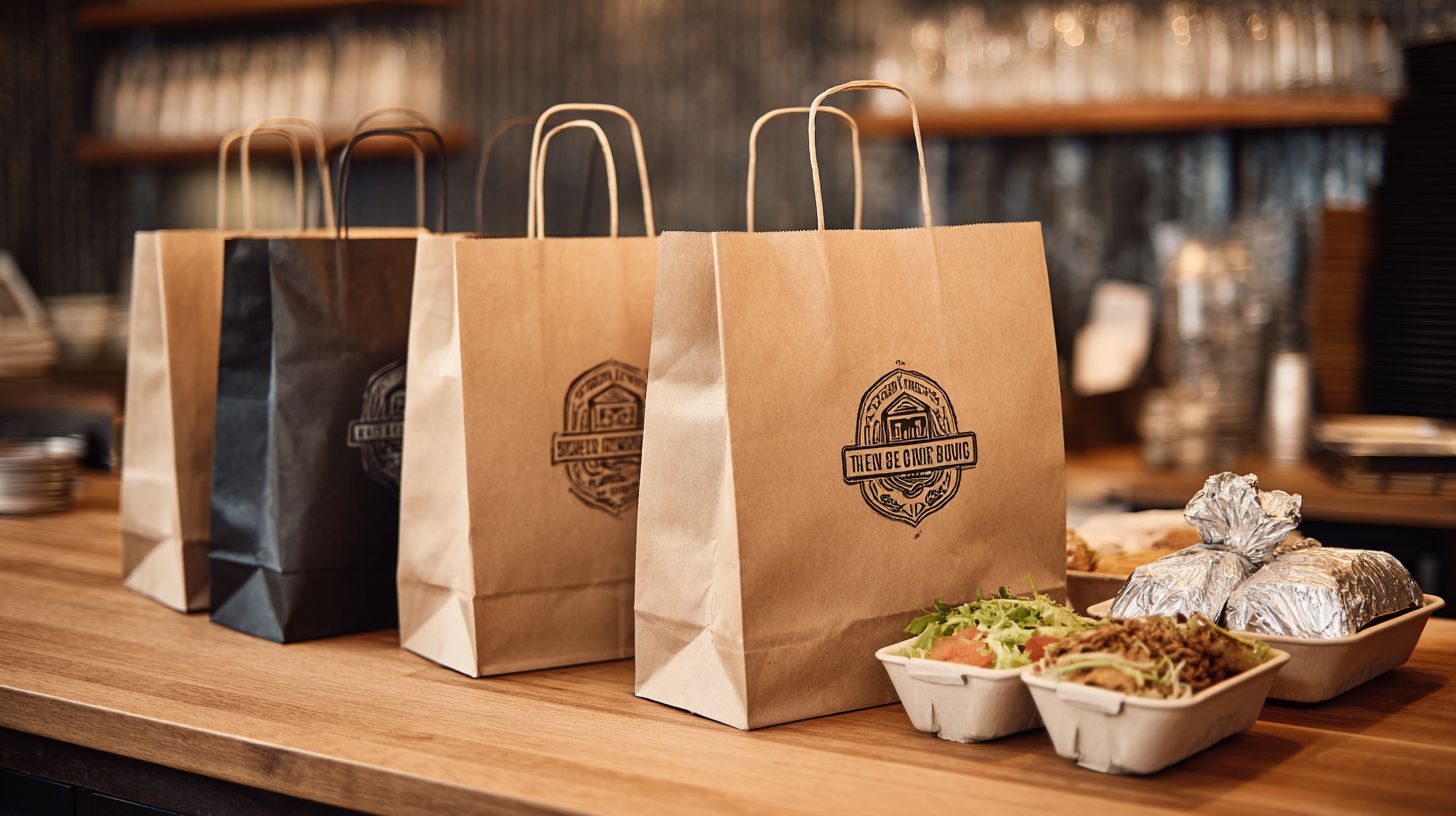
Biodegradable custom restaurant bags, constructed from 100% kraft paper, decompose within 90 days and are certified by TV Austria. These bags provide an environmentally superior alternative to plastic options, featuring a 40% reduction in carbon footprint.
In contrast to conventional plastic bags, which are non-biodegradable and exacerbate pollution through persistent microplastics that endure for centuries, these biodegradable alternatives-such as PLA-lined kraft paper-are available at a cost of $0.12 per unit and fully degrade in soil in accordance with ASTM D6400 standards.
Transitioning to these bags delivers three principal advantages:
- A 70% reduction in landfill waste, as substantiated by EPA data;
- Complete compostability within six months under industrial composting conditions;
- Substantial long-term cost efficiencies via bulk procurement from PackSavvy, with a minimum order quantity (MOQ) of $1,000.
Good Housekeeping has commended their durability in reviews, affirming that they are “eco-friendly without sacrificing strength” based on rigorous real-world evaluations.
Size and Capacity
Custom restaurant bags are available in a range of sizes, from small (8x4x10 inches, 5 lbs capacity) to large (16x6x14 inches, 20 lbs capacity), incorporating gusseted designs that expand to meet catering demands, as employed by leading establishments such as Panera Bread.
To select the optimal size, measure the relevant menu items and incorporate a 20% buffer for expansion, in compliance with ISO 8317 standards for child-resistant packaging, which also promotes secure transport.
This approach mitigates the risk of spills and enhances space utilization. For instance, a fast-casual chain achieved a 15% reduction in shipping costs by implementing precise sizing, according to a 2022 study featured in Packaging World.
| Size | Dimensions (inches) | Capacity | Best For | Price Add-On |
|---|---|---|---|---|
| Small | 8x4x10 | 5 lbs | Single meals | $0.05 |
| Medium | 12x5x12 | 10 lbs | Family takeout | $0.08 |
| Large | 16x6x14 | 20 lbs | Group orders | $0.12 |
| Extra Large | 20x8x16 | 30 lbs | Catering events | $0.15 |
Branding Potential
Branding on custom restaurant bags enhances visibility by 35%, effectively transforming packaging into a mobile advertising platform, as supported by a Harvard Business Review study on experiential marketing.
To capitalize on this opportunity, consider the following three actionable strategies:
- Position the logo on the front panel at a size of 4×4 inches to ensure prominent and effective exposure during carryout.
- Incorporate loyalty taglines, such as “Scan QR for 10% off next time,” to encourage repeat visits and greater engagement with mobile applications.
- Employ colors that align with the brand identity; according to Pantone data, this approach improves brand recall by 80% compared to mismatched color schemes.
For instance, Wendy’s implementation of branded bags resulted in a 20% increase in loyalty sign-ups, based on internal performance metrics. At a branding cost of merely $0.10 per bag, the return on investment equates to $2 in equivalent traditional advertising value.
Cost-Effectiveness
Cost-effective custom restaurant bags are available at an average cost of $0.07 per unit for bulk orders of 5,000 units from suppliers such as Alibaba. Minimum order quantities (MOQs) as low as 1,000 units can yield savings of up to 25% compared to retail prices.
This pricing structure breaks down as follows: base material costs of $0.05 for kraft paper, customization expenses of $0.02 for logo printing, and shipping fees of $0.01 per unit.
To optimize procurement, it is advisable to compare domestic suppliers, such as Uline, which offer lead times of 7-10 days and a $500 MOQ at $0.09 per unit, with overseas alternatives like Alibaba manufacturers. The latter provide delivery times of 20-30 days but achieve lower rates of $0.04 per unit for larger production runs.
Total savings can be calculated using the formula: (Retail price – Bulk unit cost) x Quantity. For example, a diner that ordered 10,000 units from Alibaba achieved a 40% cost reduction, resulting in an increase of $1,200 in monthly profit margins compared to retail pricing at $0.10 per unit.
Frequently Asked Questions
Q: What Are the Key Features of High-Quality Custom Restaurant Bags?
High-quality custom restaurant bags are designed with several essential features to meet the demands of the food service industry. Key aspects include durable materials like reinforced paper or biodegradable plastics that withstand heavy loads without tearing, customizable printing for vibrant logos and branding, various sizes to accommodate different orders, eco-friendly options to appeal to environmentally conscious customers, strong handles for easy carrying, and compliance with food safety standards to ensure hygiene.
Q: What Materials Are Commonly Used in High-Quality Custom Restaurant Bags?
High-quality custom restaurant bags typically use premium materials such as kraft paper, which is sturdy and recyclable, or laminated polypropylene for water resistance. These materials ensure the bags can handle greasy foods, hot items, and moisture while maintaining an attractive appearance for branding purposes.
Q: How Does Customization Enhance High-Quality Custom Restaurant Bags?
Customization is a standout feature of high-quality custom restaurant bags, allowing restaurants to print their logos, menus, or promotional messages directly on the bags. This not only reinforces brand identity but also turns every takeout order into a marketing opportunity, making the bags more memorable and professional compared to generic options.
Q: Why Are Eco-Friendly Features Important in High-Quality Custom Restaurant Bags?
Eco-friendly features in high-quality custom restaurant bags, such as biodegradable or compostable materials, help reduce environmental impact and align with growing customer preferences for sustainable practices. These bags often include certifications like FSC for responsibly sourced paper, ensuring they decompose quickly without harming ecosystems.
Q: What Sizes and Capacities Do High-Quality Custom Restaurant Bags Offer?
High-quality custom restaurant bags come in a range of sizes, from small options for single meals (around 8×10 inches) to large family-sized bags (up to 20×15 inches). Capacities vary to hold multiple containers securely, with reinforced bottoms to prevent spills, making them versatile for dine-in, takeout, or delivery services.
Q: How Do High-Quality Custom Restaurant Bags Support Food Safety and Durability?
High-quality custom restaurant bags prioritize food safety through grease-resistant coatings and non-toxic inks in printing, preventing contamination. Durability is enhanced by double-folded seams, thick gussets for expansion, and load-bearing capacities up to 20 pounds, ensuring reliable performance during transport without compromising on aesthetics or customization.
Upgrade Your Restaurant Packaging Today!
Stand out with premium-quality custom restaurant bags designed to impress your customers and boost your brand visibility.
Why Choose Aplasticbag
Why Choose aplasticbag.com for Custom Restaurant Bags?
✔ High-quality, durable materials for safe food packaging
✔ Fully customizable designs to match your brand identity
✔ Eco-friendly options available for sustainable businesses
✔ Competitive bulk pricing across the USA
✔ Quick turnaround & reliable nationwide shipping
Don’t Settle for Ordinary Packaging!
Give your customers a premium takeaway experience with custom restaurant bags that speak your brand’s quality.
👉 Order Now at aplasticbag.com – Trusted by restaurants across the USA!

 Why Choose Custom Restaurant Bags for Takeaway Branding?
  Custom Restaurant Bags Comparison Guide: Choosing the Right Packaging for Your Food Business
  8 Design Ideas to Make Your Custom Restaurant Bags Stand Out
Comments