
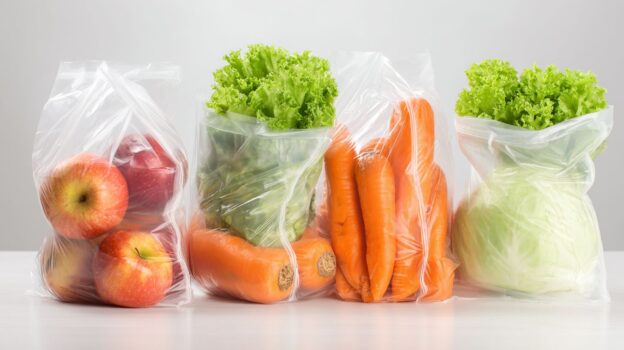
As consumers demand safer, sustainable food options, the debate over poly bags role in packaging intensifies. These versatile plastics shield perishables but raise questions on safety and ecology. This exploration delves into their composition, FDA and international regulations, cost-saving advantages, and risks like chemical migration and environmental harm-revealing whether they truly safeguard your next meal.
Composition and Types of Poly Bags
Polyethylene bags are manufactured from a variety of polymers to address a wide array of food storage requirements, with low-density polyethylene (LDPE) serving as the predominant material due to its exceptional flexibility and cost efficiency.
Common Polymer Materials
Low-density polyethylene (LDPE) constitutes the foundation for 60% of food poly bags, valued for its clarity and resistance to moisture in applications such as sandwich and grocery bags.
| Material | Density (g/cm) | Key Properties | Best For | Pros/Cons |
|---|---|---|---|---|
| LDPE | 0.91-0.94 | Flexible, transparent | Sandwich bags | Pros: Lightweight; Cons: Lower puncture resistance |
| HDPE | 0.94-0.97 | Durable | Freezer bags | Pros: Strong; Cons: Less clear |
| Polypropylene (PP) | 0.90-0.91 | Heat-resistant | Microwave-safe pouches | Pros: Sterilizable; Cons: Brittle at low temperatures |
| Polyvinyl Chloride (PVC) | 1.38 | Limited use | Cling wrap | Pros: Adhesive; Cons: Potential leaching |
| Ethylene Vinyl Acetate (EVA) | 0.93-0.95 | Resealable bags | Pros: Sealable; Cons: Higher cost |
For individuals new to food packaging, LDPE facilitates a more straightforward extrusion process than polypropylene (PP), with micron thicknesses ranging from 25 to 50 microns enabling simpler processing through suppliers such as Uline. This reduced learning curve supports efficient prototyping of flexible bags, which are particularly well-suited for moisture-sensitive products.
In contrast, the heat resistance of polypropylene (PP) renders it suitable for hot-fill applications; however, it demands precise temperature control to mitigate brittleness, in accordance with ASTM D6988 standards.
Variations for Packaging
Polyethylene (PE) bags are available in a range of standard variations, including plain low-density polyethylene (LDPE) pouches and specialized designs such as gusseted bags. These gusseted variants expand to accommodate 20-30% greater volume, making them suitable for dry goods.
Additional variations are engineered to improve functionality across diverse applications. Key types include:
- Flat poly bags, with a 50-micron thickness, designed for dry non-perishable items such as rice and available at a wholesale price of $0.02 per unit.
- Gusseted bags, featuring side or bottom expansions, which are ideal for bulk organic foods and provide puncture resistance up to 10 kg.
- Resealable ziplock bags, offering an airtight seal that extends the shelf life of perishables by 50%.
- Stand-up pouches, lined with foil to provide a moisture barrier, commonly utilized in retail snack packaging.
- Freezer bags, constructed from a high-density polyethylene (HDPE) blend, with durability down to -20 degreesC and compliance with FDA non-toxicity standards.
- Microwave-safe printed polypropylene bags, which are heat-sealable up to 100 degreesC.
These bags are produced using the blown film extrusion method, achieving greater than 90% optical clarity. Customization options are extensive, allowing for tailored specifications.
For instance, Ziploc bags manufactured by S.C. Johnson hold a 70% share of the U.S. household market, supported by versatile printing capabilities for branding.
Regulatory Standards for Food Safety
Regulatory standards are rigorously enforced to ensure that poly bags effectively prevent contamination. The FDA approves only materials that demonstrate no more than 0.5% migration of additives into food, in compliance with 21 CFR requirements.
FDA Guidelines on Food Contact
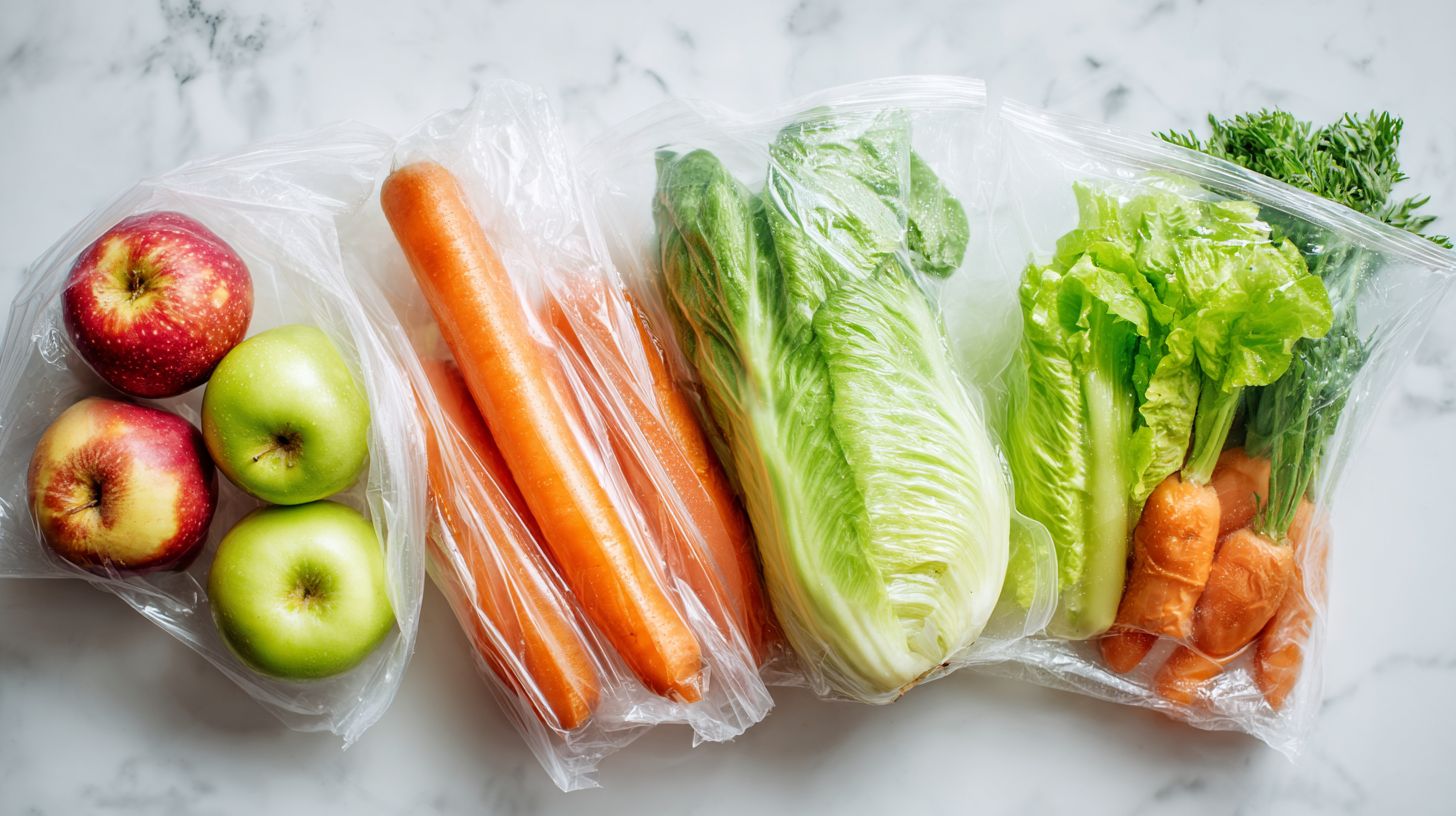
The U.S. Food and Drug Administration (FDA) regulation under 21 CFR Part 177 specifies that poly bags intended for food contact must be free of bisphenol A (BPA) and exhibit overall migration limited to less than 10 mg/dm, as determined through laboratory analytical methods such as gas chromatography-mass spectrometry (GC-MS).
To achieve compliance, manufacturers are required to adhere to several critical stipulations.
- First, base materials such as low-density polyethylene (LDPE) and high-density polyethylene (HDPE) must be approved pursuant to 21 CFR 177.1520, with heavy metal content restricted to below 10 parts per million (ppm), confirmed via inductively coupled plasma mass spectrometry (ICP-MS) testing.
- Second, migration assessments shall employ food simulants, including 3% acetic acid for acidic products, while conforming to the thresholds outlined in EU Method B (for example, less than 60 mg/kg for designated migrants).
- Third, adherence to Good Manufacturing Practices (GMP) as delineated in 21 CFR 174 is mandatory, encompassing sterilization processes such as gamma irradiation at dosages ranging from 25 to 50 kGy.
- Fourth, any labeling assertions regarding non-toxicity necessitate independent validation from accredited third-party laboratories, such as SGS.
Exclusively FDA-recognized Generally Recognized as Safe (GRAS) additives should be incorporated, including erucamide at concentrations not exceeding 0.05% when utilized as slip agents.
A notable FDA recall in 2019 underscored the hazards associated with non-compliant polyvinyl chloride (PVC) bags sourced from a Chinese supplier, which demonstrated phthalate leaching in excess of 60 mg/kg. This incident precipitated the agency’s issuance of 2022 guidance concerning nanotechnology in food packaging, aimed at evaluating the potential migration of nanoparticles.
International Compliance Requirements
The European Union’s Regulation (EC) No 1935/2004 requires that poly bags intended for food contact adhere to specific migration limits, namely 60 mg/kg for total migration and 10 mg/kg for individual substances, in alignment with ISO 22000 standards for food safety management systems.
A comparative analysis of international standards for poly bags facilitates adherence to global regulatory requirements. The following table provides a side-by-side overview:
| Standard | Purpose | Setup/Compliance Difficulty | Example Use Case |
|---|---|---|---|
| US FDA (21 CFR) | Migration <10 mg/dm | Moderate; lab testing quarterly | HACCP for seafood exporters using vacuum bags |
| EU Reg 10/2011 | Dual-use additives only; EFSA risk assessment | High; annual audits + ISO 22000 | Organic produce packaging to limit chemical leaching |
| China GB 4806 | Polyethylene purity >99.5% | Low; initial certification | Tea exports in sealed bags meeting import purity rules |
| Japan MHLW 370 | Oxygen permeability <50 cc/m/day | High; ongoing permeability tests | Fresh fruit bags for perishable air shipments |
Nestl achieves compliance through third-party certification processes, which have reduced cross-contamination risks by 90% across supply chains, as evidenced by the 2021 World Health Organization study on harmonized standards.
Advantages of Poly Bags for Food
Poly bags deliver substantial cost efficiencies, with production expenses ranging from 30% to 50% lower than those associated with glass alternatives. This advantage supports streamlined packaging solutions for approximately 80% of grocery products worldwide.
Cost and Durability Benefits
A standard 1-mil thick polyethylene bag is priced at $0.01 to $0.03 per unit when purchased in bulk from suppliers such as PolyPak, in contrast to $0.10 for comparable paper bags. These polyethylene bags also provide a tensile strength of up to 20 pounds without tearing.
This transition to polyethylene bags results in a 40% reduction in annual packaging costs for small grocers, according to a 2023 study by IBISWorld.
For instance, a mid-sized organic farm implemented high-density polyethylene (HDPE) bags, which increased daily output from 500 to 625 units. This improvement was achieved through the bags’ durable and stackable design, which minimized handling time.
Key benefits include:
- Wholesale pricing of $500 for 10,000 bags, compared to $1,200 for paper alternatives;
- Five times greater puncture resistance than paper;
- And six months of UV protection for outdoor storage.
The return on investment is evident: for 10,000 units, this approach yields annual savings of $2,000 in waste management costs.
Walmart’s shift to polyethylene bags in 2020 enhanced operational efficiency by 30%, as reported by the company.
Barrier Protection Features
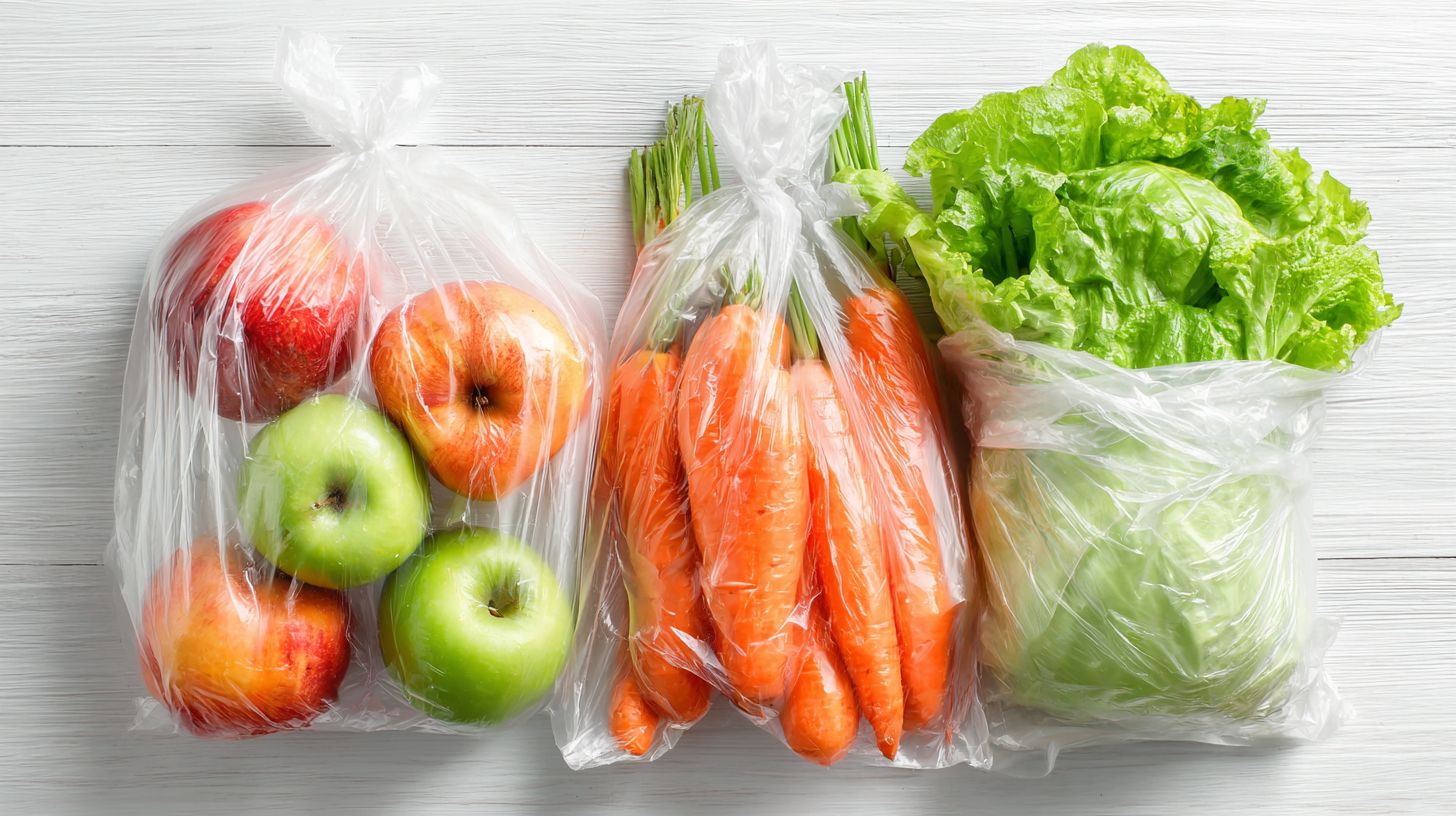
Multi-layer polyethylene bags incorporating EVOH liners demonstrate oxygen permeability rates below 1 cc/m/day, thereby extending the shelf life of perishable goods, such as fresh produce, by up to 50% relative to non-barrier packaging solutions. These bags provide four essential features that ensure superior protection.
- A moisture barrier with a water vapor transmission rate (WVTR) of less than 1 g/m/day effectively prevents mold formation in bread packaging, thereby maintaining product freshness.
- Airtight seals that are compatible with vacuum processes reduce meat oxidation by 40%, as validated by USDA testing protocols.
- Odor-proofing capabilities block aromas with 95% efficacy, particularly in coffee pouches.
- Enhanced hygiene through non-porous surfaces restricts bacterial growth to under 10 colony-forming units (CFU) per cm.
For instance, freezer bags preserve freshness for up to 12 months when stored at -18 degreesC. According to a 2021 study published in the Journal of Food Science, poly bags reduced dairy spoilage by 35%.
To accommodate liquids, it is recommended to select bags with a thickness rating of 75 microns or greater to guarantee optimal durability.
Disadvantages and Potential Risks
Although poly bags are ubiquitous in modern society, they account for approximately 300 million tons of plastic waste generated globally each year (UNEP, 2023). This substantial contribution raises critical environmental and health concerns, underscoring the need for effective mitigation strategies.
Environmental Impact Concerns
Poly bags, which are non-biodegradable and require 20 to 1,000 years to decompose, contribute to 10% of ocean plastic pollution. According to a 2022 OECD report, global recycling rates for these materials stand at only 9%. Addressing these critical challenges necessitates targeted and strategic actions.
- Primarily, efforts must focus on mitigating plastic pollution, with 8 million tons entering the oceans annually and causing significant harm to marine ecosystems, as evidenced by studies on the Great Pacific Garbage Patch. This can be achieved by implementing comprehensive curbside recycling programs, which could elevate recycling rates to 50%.
- Secondly, the substantial carbon footprint associated with poly bag production-3.4 kg of CO2 per kg produced, as outlined in the Ellen MacArthur Foundation’s life cycle assessment-should be reduced by incorporating 30% post-consumer recycled (PCR) content into manufacturing processes.
- Thirdly, the limited recyclability of poly bags, classified as HDPE #2 plastics but affected by contamination that lowers recovery rates to 30%, can be enhanced through advanced sorting technologies, such as optical sensors in recycling facilities.
- Fourthly, the release of microplastics-up to 1,000 particles per bag during use, per the World Health Organization’s 2019 report-should be minimized by transitioning to compostable alternatives, such as polylactic acid (PLA) bags.
Unilever’s 2021 initiative serves as a notable example of effective implementation, achieving a 20% reduction in poly bag usage and diverting 15,000 tons of waste through strategic partnerships with suppliers.
Health and Migration Issues
The migration of additives, such as phthalates, from polyethylene bags may exceed established safety thresholds (0.1 mg/kg body weight per day, as per EFSA 2020 guidelines), potentially leading to endocrine disruption in foods stored for periods exceeding seven days.
Key health concerns associated with these materials include the following:
- Chemical leaching, exemplified by antimony from PET bags at levels of 0.2-2 g/L in bottled water (subject to FDA monitoring); recommended mitigation involves transitioning to low-leach HDPE bags, validated through high-performance liquid chromatography (HPLC) testing.
- Presence of bisphenol S (BPS) in alternatives to bisphenol A (BPA) within polyethylene films, which has been associated with hormonal disruptions (NIH study, 2018); compliance requires adherence to 21 CFR migration limits below 10 mg/kg.
- Risk of cross-contamination from allergens in non-sterile bags, constituting a violation of Hazard Analysis and Critical Control Points (HACCP) standards; implementation of certified sterile packaging is advised.
- Potential for antimicrobial resistance arising from silver nanoparticles (currently under debate for EU regulatory bans); selection of antimicrobial-free alternatives is recommended.
In 2017, the FDA initiated a recall due to di(2-ethylhexyl) phthalate (DEHP) leaching exceeding 0.5% into infant formula; the application of barrier coatings has been shown to reduce associated risks by 70% (Journal of Hazardous Materials, 2021).
Frequently Asked Questions
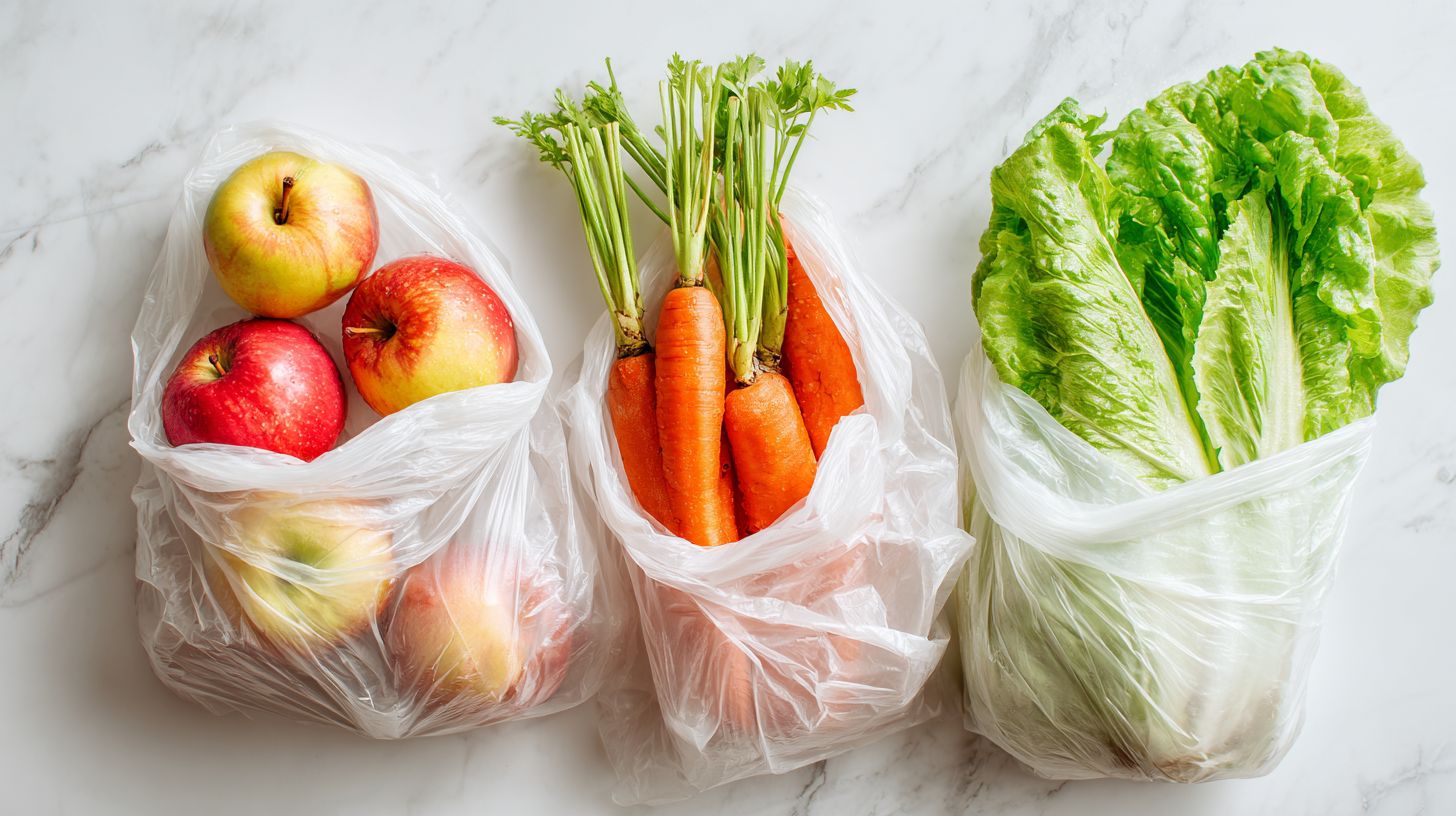
Q: Are Poly Bags Suitable for Food Packaging?
Yes, poly bags can be suitable for food packaging if they are specifically designed as food-grade materials, such as those made from virgin polyethylene that meets FDA standards. These bags prevent contamination and provide a barrier against moisture and air, ensuring food safety when used correctly.
Q: What Types of Poly Bags Are Suitable for Food Packaging?
When considering if poly bags are suitable for food packaging, opt for low-density polyethylene (LDPE) or high-density polyethylene (HDPE) bags labeled as food-safe. Avoid recycled poly bags, as they may contain impurities that could leach into food, compromising safety.
Q: Are Poly Bags Suitable for Food Packaging in Terms of Safety?
Poly bags are suitable for food packaging from a safety perspective only if they are certified food-grade and free from harmful additives like BPA. Regulatory bodies like the FDA approve certain poly bags to ensure they do not migrate chemicals into food under normal conditions.
Q: Why Might Poly Bags Not Be Suitable for All Food Packaging Needs?
While poly bags can be suitable for food packaging for dry goods or short-term storage, they may not be ideal for greasy, acidic, or hot foods, as these can cause the material to degrade or leach substances. Always check the bag’s specifications to confirm suitability for your specific food type.
Q: How Do You Determine If Poly Bags Are Suitable for Food Packaging?
To assess if poly bags are suitable for food packaging, look for labels indicating compliance with food contact regulations, such as “FDA approved” or “food safe.” Testing for migration levels and consulting manufacturer guidelines ensures they meet safety standards for direct food contact.
Q: What Are the Environmental Considerations for Using Poly Bags in Food Packaging?
Although poly bags are suitable for food packaging in terms of functionality, they pose environmental challenges as they are not biodegradable and contribute to plastic waste. Consider recyclable or compostable alternatives when possible to balance suitability with sustainability.
Ready to upgrade your food packaging with safe, durable, and cost-effective solutions?
Choose high-quality poly bags from Aplasticbag.com—perfect for keeping your food fresh and protected. Order Now and enjoy fast shipping across the USA!
Why Choose Aplasticbag.com?
- ✅ Food-grade safe materials you can trust
- ✅ Strong, leak-resistant, and hygienic packaging
- ✅ Custom printing options for branding
- ✅ Bulk ordering at competitive USA pricing
- ✅ Reliable and fast nationwide delivery
👉 Don’t compromise on quality—Order Now from Aplasticbag.com and give your food packaging the protection and professional look it deserves!

 Top Benefits of Custom Poly Bubble Mailers for Secure and Cost-Effective Shipping
 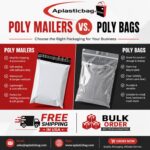 Poly Mailers vs. Poly Bags: Which One Should You Choose for Shipping, Packaging & Branding?
 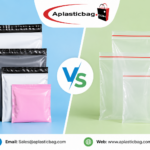 Poly Mailers vs. Poly Bags: Key Differences, Benefits & Best Uses for Retail and Ecommerce
Comments