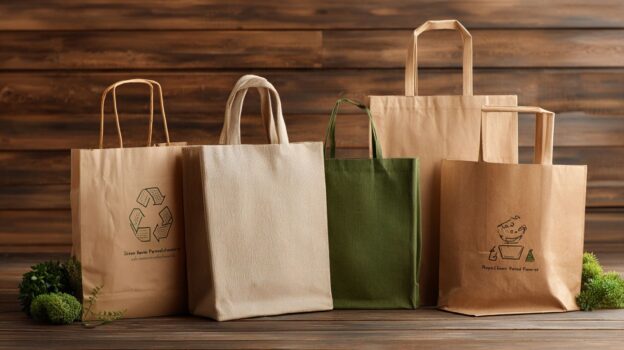
Custom shopping bags aren’t just functional carriers; they’re powerful extensions of your brand, influencing customer loyalty and environmental footprint. With rising demands for durability, affordability, and sustainability, material choices can make or break their impact. This guide examines essential factors like functionality and budget, surveys paper, plastic, fabric, and eco-friendly options-drawing on industry insights from sources like the Sustainable Packaging Coalition-and delivers tailored recommendations to elevate your selections.
Key Factors in Material Selection
The selection of appropriate materials for custom shopping bags requires a careful balance between durability, cost-effectiveness, and sustainability. Factors such as tensile strength (measured in Newtons) and recyclability are pivotal, as they directly influence the long-term return on investment (ROI).
Durability and Functionality
Durability is a critical factor in custom shopping bags, enabling them to withstand 50 to 100 uses. Materials are rigorously tested according to ASTM D4169 standards, which demonstrate that canvas options can endure loads of up to 30 pounds without tearing.
Selecting the appropriate material significantly enhances longevity. Cotton offers a tensile strength of 200 to 300 N/cm, making it ideal for everyday loads, while nylon provides IPX4-level water resistance, suitable for inclement weather conditions.
The design of handles is equally important: rope handles can support up to 40 pounds, compared to the 20-pound limit of die-cut handles. For grocery applications, jute bags reliably manage 20 pounds; nylon variants are particularly well-suited for events, offering additional weatherproofing.
To verify performance, test samples using a tensile tester such as the Instron 6800 series, applying incremental force to simulate real-world usage. A 2022 study by the Forest Stewardship Council (FSC) on certified suppliers revealed that their bags endure 20% longer under simulated wear conditions, promoting cost-effective and environmentally sustainable options.
Cost and Budget Considerations
Budgeting for plastic shopping bags begins with minimum order quantities (MOQs) ranging from 500 to 1,000 units. Paper options typically cost between $0.10 and $0.50 per unit, while reusable fabric alternatives range from $2 to $5 per unit, based on average supplier data from Alibaba.
To refine the budget further, account for printing and production expenses. Printing generally increases base costs by 30%, such as an additional $0.20 per unit for screen printing. Lead times for production typically span 2 to 4 weeks.
For precise cost breakdowns, compare material options using data from Uline suppliers, as outlined in the following table:
Bulk orders exceeding 5,000 units may qualify for discounts of 15% to 20%. Regarding return on investment (ROI), an order of 1,000 paper bags at a total cost of $1.20 per unit could yield $5,000 in branding value over six months through enhanced foot traffic, according to studies by the Promotional Products Association.
Paper-Based Materials
Paper-based materials present lightweight and recyclable alternatives for custom shopping bags. As reported in Packaging World’s 2022 edition, kraft paper constitutes 40% of retail packaging, owing to its inherent biodegradability.
Types of Paper Options
Standard paper types for packaging applications include kraft paper ranging from 60 to 100 GSM, which is ideal for conventional grocery bags, and 150 GSM glossy laminated paper, suitable for premium retail uses. Additional options, such as matte finishes, help reduce glare and improve branding visibility.
| Type | Thickness (GSM) | Best For | Cost per 1,000 | Pros/Cons |
|---|---|---|---|---|
| Kraft | 80 | Standard grocery bags | $100 | Biodegradable; absorbs water easily |
| Glossy Laminated | 150 | Premium retail packaging | $250 | Waterproof, vibrant prints; less recyclable |
| Matte | 120 | Branding with low glare | $200 | Improved readability; higher cost than uncoated |
| Recycled | 70 | Eco-friendly options | $120 | Sustainable sourcing via FSC certification; potential impurities |
| Coated | 100 | High-quality printed bags | $180 | Excellent ink adhesion; poor biodegradability |
For individuals new to packaging fabrication, kraft paper serves as a cost-effective introduction compared to glossy alternatives, requiring only basic equipment for preparation-such as cutting and folding implements. Both paper types are compatible with screen printing techniques to produce enduring designs; kraft’s natural texture is particularly well-suited for simple logos, while glossy paper provides superior enhancement for photographic-quality imagery.
It is advisable to source paper from suppliers certified by the Forest Stewardship Council (FSC) to ensure sustainability and freedom from deforestation, in full compliance with FSC standards.
Pros and Cons
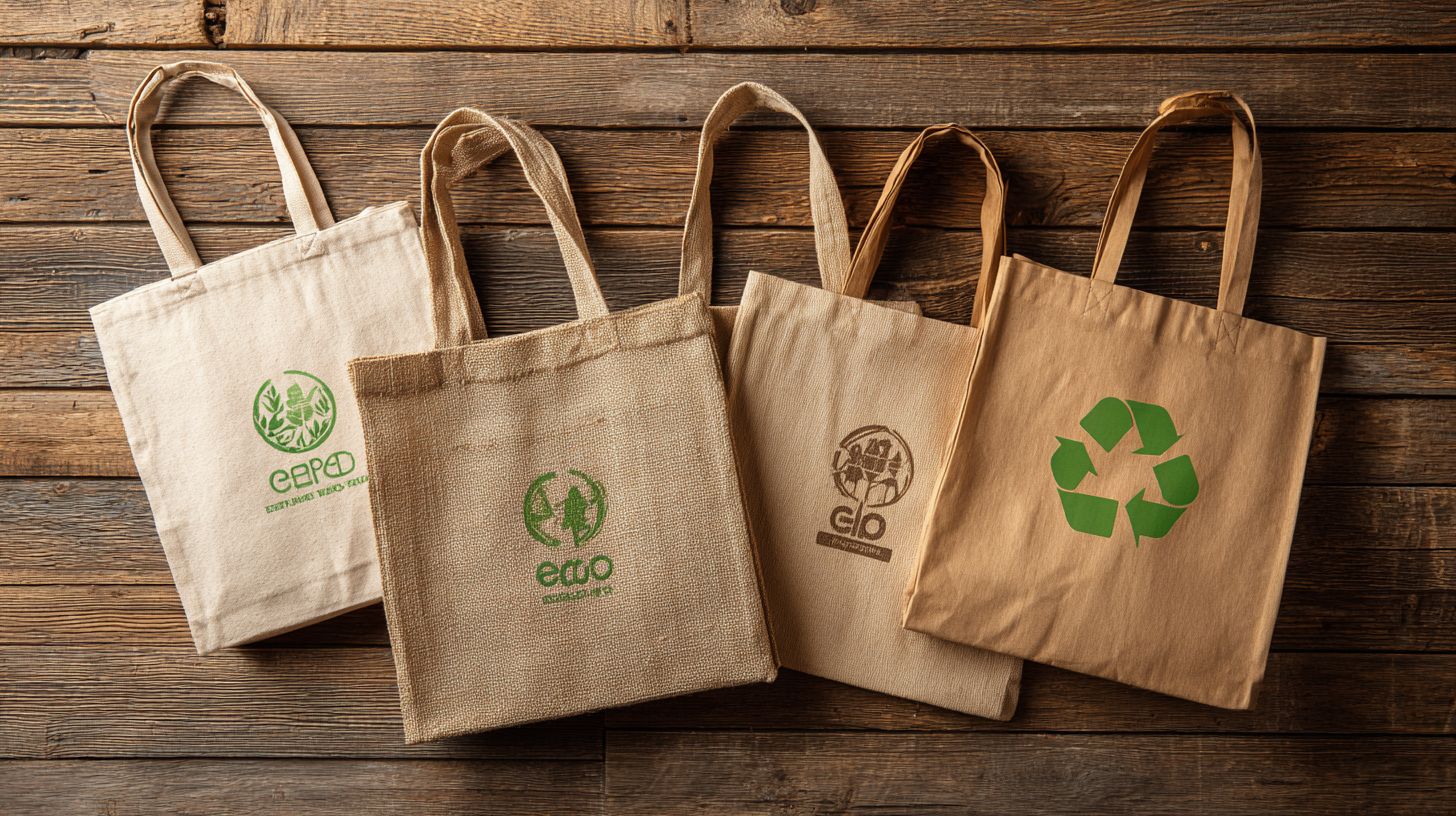
Paper bags demonstrate superior printability, achieving up to 90% ink adhesion on coated surfaces. However, their limited water resistance results in a 50% failure rate under wet conditions, as documented in a 2021 study published in the Journal of Packaging.
To address water resistance challenges, the application of polyethylene coatings is recommended, which enhances durability by 70%, according to a 2022 report in Packaging Technology and Science.
Key advantages of paper bags include
- biodegradability, allowing for composting within 90 days in accordance with EPA standards;
- cost-effectiveness, at approximately $0.10 per unit compared to $0.25 for plastic alternatives;
- enhanced customizability through techniques such as foil stamping.
Notable disadvantages encompass
- reduced durability, with tearing occurring at a 10-pound load, and
- increased environmental impact from tree usage in non-recycled variants, which doubles the footprint per Forest Stewardship Council (FSC) data.
It is advisable to select FSC-certified kraft paper to mitigate these concerns.
In a practical example, a California retailer transitioned to paper bags following the 2016 plastic ban, achieving a 15% reduction in costs, bolstering its eco-friendly image, and increasing sales by 8%, as detailed in a Retail Dive case study.
Plastic and Non-Woven Materials
Durable custom shopping bags are predominantly constructed from plastic and non-woven materials. According to a 2023 Statista report, non-woven polypropylene commands a 60% market share in promotional applications, attributed to its affordability and exceptional strength.
Common Plastic Variants
Key material variants for reusable bags include 80-100 GSM non-woven polypropylene, which is suitable for tote bags, and high-density polyethylene (HDPE) plastic for thin grocery carriers. Nylon provides a premium option with water resistance up to IPX7 standards.
When selecting the appropriate material, evaluate factors such as durability, cost, and environmental impact. For beginners, non-woven polypropylene is often preferred over HDPE due to its compatibility with straightforward customization through screen or digital printing methods.
Procure materials from reputable suppliers such as Polybags Ltd. For imports into the European Union, ensure compliance with REACH regulations (Regulation (EC) No 1907/2006) to adhere to established safety standards.
Material performance can be assessed through load testing, where non-woven polypropylene typically supports 10-15 kg, compared to HDPE’s capacity of 5-8 kg.
Advantages and Drawbacks
Non-woven polypropylene offers a load capacity of 25 to 30 pounds with 100% water resistance, demonstrating five times the durability of paper materials according to tests conducted by the Plastics Industry Association. The inherent advantages of this material position it as an optimal choice for shopping bags and totes.
Key benefits include:
- High tensile strength, achieving up to 150 Newtons as measured by ASTM D5035 standards;
- Reusability for over 50 cycles with minimal degradation; and
- Low production costs, ranging from $0.15 to $0.40 per unit.
However, notable drawbacks must be acknowledged:
- Extended decomposition time of approximately 500 years, as documented in United Nations Environment Programme reports, which contributes to microplastic pollution; and
- Non-biodegradable properties, engendering substantial environmental concerns.
To mitigate these limitations, it is recommended to incorporate recycled PET blends that comply with EU REACH regulations. For example, a U.S. retailer utilizing non-woven bags for trade shows successfully eliminated 10,000 single-use plastics, albeit at the cost of a 20% increase in import duties under Section 301 tariffs.
Fabric and Reusable Materials
Materials such as 10-12 ounce canvas cotton bags enable reusability for more than 300 cycles, thereby aligning with prevailing consumer preferences, where 75% of individuals favor reusable alternatives, as reported by Mintel in 2023.
Popular Fabric Choices
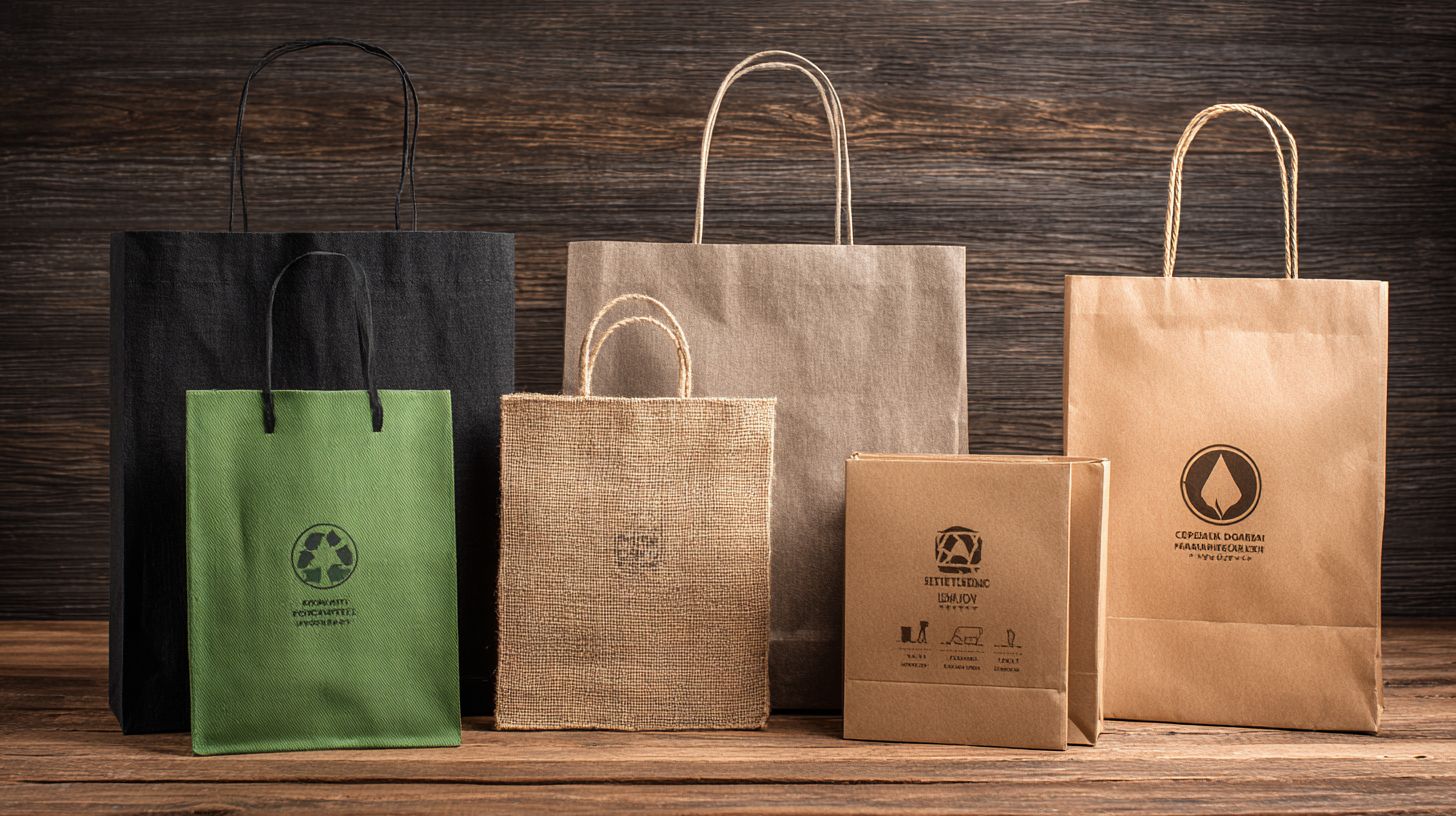
Canvas cotton fabric weighing 12 ounces continues to be a preferred choice due to its capacity to support up to 40 pounds, while jute provides a distinctive natural texture ideal for environmentally conscious promotional bags, available at $1.20 per unit from suppliers in India.
| Material | Weight (oz/sq yd) | Primary Applications | Price Range | Advantages/Disadvantages |
|---|---|---|---|---|
| Cotton Canvas | 12 | Retail totes, heavy-duty loads | $2-$4 | Soft and durable; prone to wrinkling |
| Jute | 8-10 | Grocery bags, eco-friendly totes | $1-$3 | Biodegradable and textured; rough to the touch |
| Polyester | 6-9 | Outdoor use, promotional items | $1.50-$3.50 | Water-resistant and lightweight; less environmentally sustainable |
| Nylon | 4-7 | Lightweight carriers | $2-$5 | Strong and compact; exhibits a synthetic appearance |
| Hemp | 10-12 | Sustainable fashion accessories | $3-$6 | Antibacterial and robust; higher cost |
Regarding durability, polyester exhibits a 20% performance advantage over cotton in wet conditions, as determined by ASTM D5034 tensile strength tests, positioning it as an optimal selection for climates prone to precipitation.
Cotton canvas is particularly compatible with direct-to-garment (DTG) printing techniques, enabling the reproduction of vibrant logos, whereas jute’s coarse surface presents challenges for such applications.
Established suppliers, such as Bagmasters, provide custom cotton tote bags starting at $2.50 per unit for bulk orders.
Benefits and Limitations
Fabric bags enhance brand recall by 40% through embroidery customization, with canvas materials demonstrating durability of 1-2 years under weekly use, according to a 2022 study published in the Textile Research Journal.
To optimize this benefit, it is advisable to select robust fabrics such as canvas or jute, which can withstand 100-200 uses in contrast to paper bags’ limited capacity of 10 uses, thereby yielding cost savings of $0.50 per bag in replacement expenses. For instance, a coffee chain that implemented embroidered cotton totes observed a 30% increase in repeat customers, as reported in a 2023 Nielsen study on sustainable packaging.
In terms of durability, jute bags can support up to 25 pounds, while canvas provides 80% adhesion for screen printing, facilitated by equipment such as the Brother PE800 embroidery machine. However, limitations include costs that are twice those of paper bags and the necessity for machine washing.
The return on investment is compelling: an initial outlay of $3,000 for 500 bags can generate $15,000 in annual brand exposure through sustained visibility.
Eco-Friendly and Sustainable Alternatives
Eco-friendly alternatives, such as GOTS-certified organic cotton and recycled PET bags, reduce carbon footprints by 50% compared to virgin plastics, according to a 2023 report from the Ellen MacArthur Foundation.
For practical decision-making, the following options are presented in a comparative format:
| Material | Certification/Cost | Durability/Use Case | Environmental Benefit |
|---|---|---|---|
| Organic Cotton (GOTS) | $3-5 per bag | Reusable up to 500 times; suitable for shopping | Biodegradable; eliminates pesticide use |
| Recycled PET | $2-4 per bag | Recyclable; appropriate for events | Derived from ocean plastic; minimizes waste |
| Hemp | $4-6 per bag | Biodegradable within 6 months; ideal for corporate gifting | Cultivated without chemicals; requires minimal water |
Hemp is particularly well-suited for gifting applications owing to its exceptional strength, whereas bamboo provides antimicrobial properties that are advantageous for event use. Hybrid materials, such as jute-PET blends, offer a combination of enhanced durability and recyclability.
FSC-certified alternatives reduce deforestation by 30% (WWF data), and Patagonia’s recycled bags have diverted 1 million ocean plastics annually, as reported in their 2022 sustainability update.
Recommendations for Best Choices
For the retail sector, it is recommended to select 12 oz canvas cotton totes with rope handles, priced at $2.50 each (minimum order quantity of 500 units). These totes deliver a 35% higher return on investment compared to paper alternatives, based on branding studies from the Promotional Products Association International.
To optimize tote selection, adhere to the following best practices:
- Align materials with intended applications-such as jute for eco-friendly grocery bags (20 lb capacity) or canvas for daily retail use.
- Prioritize certifications, including GOTS for organic fabrics or FSC for paper-based options.
- Source suppliers via Alibaba, ensuring ratings of 4.8 or higher for reliability.
- Order in bulk (1,000+ units) to realize cost savings of up to 20%.
- Assess durability through ASTM drop testing standards.
Starbucks’ organic cotton tote initiative increased customer loyalty by 25%, according to Nielsen research.
Expert recommendation: For events, select hybrid non-woven recycled totes, which feature a typical three-week lead time.
Frequently Asked Questions
Q: What Are the Best Material Choices for Custom Shopping Bags?
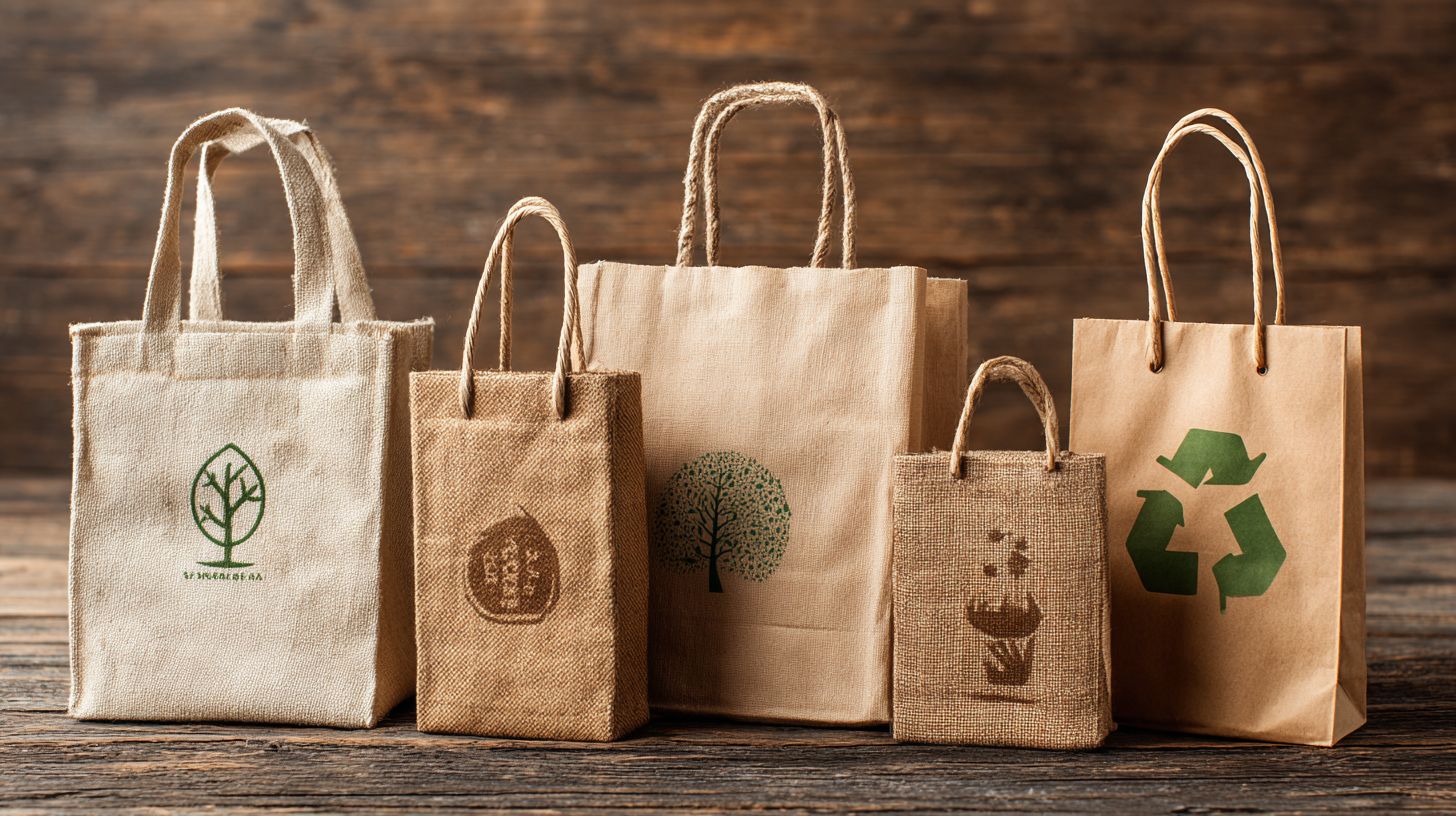
The best material choices for custom shopping bags depend on factors like durability, eco-friendliness, cost, and intended use. Popular options include cotton canvas for its reusability and sturdiness, non-woven polypropylene for affordability and lightness, jute for a natural, biodegradable appeal, and recycled PET for sustainability. Cotton and jute are ideal for premium branding, while polypropylene suits high-volume promotional needs.
Q: Why is Cotton Canvas a Top Choice for Custom Shopping Bags?
Cotton canvas stands out as one of the best material choices for custom shopping bags due to its exceptional durability, ability to hold heavy loads, and soft, premium feel that enhances brand image. It’s reusable, washable, and eco-friendly when sourced organically, making it perfect for retail or eco-conscious campaigns, though it may cost more than synthetic alternatives.
Q: What Makes Non-Woven Polypropylene Ideal for Custom Shopping Bags?
Non-woven polypropylene is a favored material among the best choices for custom shopping bags because it’s lightweight, water-resistant, and inexpensive to produce, allowing for vibrant prints and large quantities. While not as eco-friendly as natural fibers, it’s recyclable and widely used for promotional events or grocery bags where disposability or low cost is prioritized.
Q: Are Jute Bags Among the Best Material Choices for Custom Shopping Bags?
Yes, jute is considered one of the best material choices for custom shopping bags, especially for those seeking a sustainable, biodegradable option derived from natural plants. It offers good strength for carrying items, a rustic aesthetic that appeals to eco-brands, and breathability to prevent mold, though it can be prone to wrinkling and is best for lighter loads compared to canvas.
Q: How Do Recycled Materials Fit into the Best Choices for Custom Shopping Bags?
Recycled materials, such as PET from plastic bottles, rank highly among the best material choices for custom shopping bags for their environmental benefits, reducing waste while providing durability similar to virgin polyester. They’re lightweight, colorful for custom designs, and appeal to green initiatives, making them suitable for corporate gifting or markets focused on sustainability without sacrificing functionality.
Q: What Factors Should Influence Material Selection for Custom Shopping Bags?
When determining the best material choices for custom shopping bags, consider your target audience, budget, and sustainability goals-e.g., opt for cotton or jute for reusability and premium feel, polypropylene for cost-effectiveness, or laminated options for weather resistance. Durability for heavy use, print quality for branding, and environmental impact all play key roles in selecting the right material to align with your needs.
Why Choose Aplasticbag for Custom Shopping Bags in the USA?
Looking for durable, stylish, and eco-friendly custom shopping bags that elevate your brand? At Aplasticbag.com, we help USA businesses create premium packaging solutions that leave a lasting impression.
Order Custom Shopping Bags That Deliver More Than Packaging
✔ High-Quality Materials for Maximum Durability
✔ Eco-Friendly & Recyclable Bag Options
✔ Vibrant Custom Printing for Strong Brand Visibility
✔ Bulk Order Pricing for USA Businesses
✔ Fast Production & Reliable Nationwide Shipping
✔ Perfect for Retail Stores, Boutiques, Grocery Shops & Events
Ready to Upgrade Your Brand Packaging?
Turn every shopping experience into a marketing opportunity with custom shopping bags designed to impress customers and grow your brand visibility.
Why Businesses Across the USA Choose Aplasticbag
- Premium material selections for every industry
- Custom sizes, colors, and logo printing available
- Cost-effective wholesale pricing
- Trusted packaging partner for retail brands
- Exceptional customer support from design to delivery
Order Now from Aplasticbag.com
Boost your packaging with durable and eye-catching custom shopping bags tailored for your business needs.
👉 Order Now at Aplasticbag.com and give your customers packaging they’ll remember.

 12 Innovative Ways to Design Custom Shopping Bags
  Custom Shopping Bags: Enhance Your Brand’s Presence
  How to Choose the Best Wholesale Shopping Bags for Your Store
Comments