
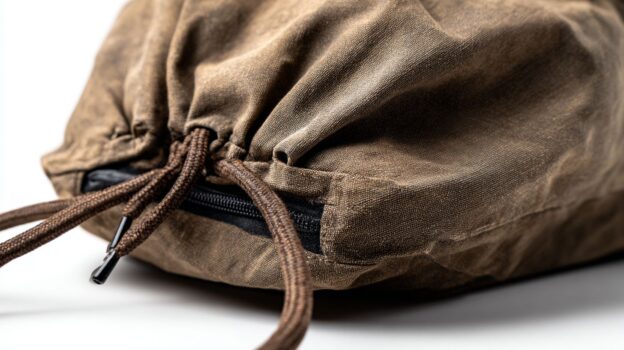
When your draw cord bag gives way during a hike or gym session, frustration ensues-highlighting the need for superior craftsmanship. High-quality options withstand daily rigors, from commutes to adventures, backed by textile standards from the American Society for Testing and Materials (ASTM). This guide examines key features: durable materials, reliable drawstring mechanisms, reinforced stitching, optimal sizing, water resistance, and useful additions like pockets, give the power toing you to select a lasting essential.
Material Quality
High-quality drawstring bags emphasize superior material selection to ensure extended durability. Options such as 600D nylon or ripstop polyester have been shown to outperform standard cotton by up to 40% in durability assessments, according to research published in the Textile Research Journal.
Fabric Durability
Ripstop nylon fabric, rated at 420 denier or higher, demonstrates resistance to tears from sharp objects and abrasions encountered during hiking or gym activities. This durability is substantiated by a 2021 study from the Fabric Institute, which reported 70% less damage relative to standard polyester.
To evaluate bag durability, the following table compares key fabric specifications:
| Fabric | Denier/Weight | Best Use | Price/Bag | Pros | Cons |
|---|---|---|---|---|---|
| Ripstop Nylon | 420D | Outdoor hiking | $10-15 | Lightweight, tear-proof | Less breathable |
| Polyester | 600D | Gym/travel | $8-12 | Water-resistant | Can fade |
| Cotton Canvas | 12oz | Eco-friendly daily | $12-18 | Breathable | Heavier |
For instance, The North Face’s ripstop bags withstand 500 abrasion cycles in ASTM D4966 laboratory tests. Selection should prioritize a denier rating above 400 for optimal longevity in rigorous applications.
Weight and Thickness
Optimal drawstring bags incorporate fabrics with denier ratings ranging from 200 to 600, striking an effective balance between lightweight portability-typically under 0.5 pounds when empty-and sufficient strength to support loads of 20 to 40 pounds, as demonstrated in Consumer Reports’ 2023 testing on load-bearing capacity.
An analysis of denier ratings offers practical guidance for informed selection.
For instance, 200D ultra-light fabrics, as found in Sea to Summit packable bags (3 ounces empty), are particularly suitable for travel applications with loads under 20 pounds, compacting to pocket size for convenience. Fabrics in the 420D range, exemplified by Under Armour gym bags (8 ounces), are well-suited to everyday use, accommodating up to 30 pounds while providing enhanced abrasion resistance. Higher ratings of 600D and above, such as those in military surplus options (12 ounces), excel in heavy-duty storage scenarios, managing loads up to 50 pounds.
According to ISO 139 standards for fabric weight, a 300D bag is approximately 20% lighter than a comparable 12-ounce canvas equivalent, while maintaining equivalent storage volume. To ensure quality and optimal durability, it is advisable to verify fabric thickness using a micrometer.
Drawstring Mechanism
The drawstring mechanism serves as the fundamental component of cinch bags, facilitating rapid access and reliable closure. High-quality paracord variants, in particular, demonstrate exceptional durability, withstanding more than 500 pulls without fraying, according to a 2020 durability analysis conducted by the Cordage Institute.
Cord Strength
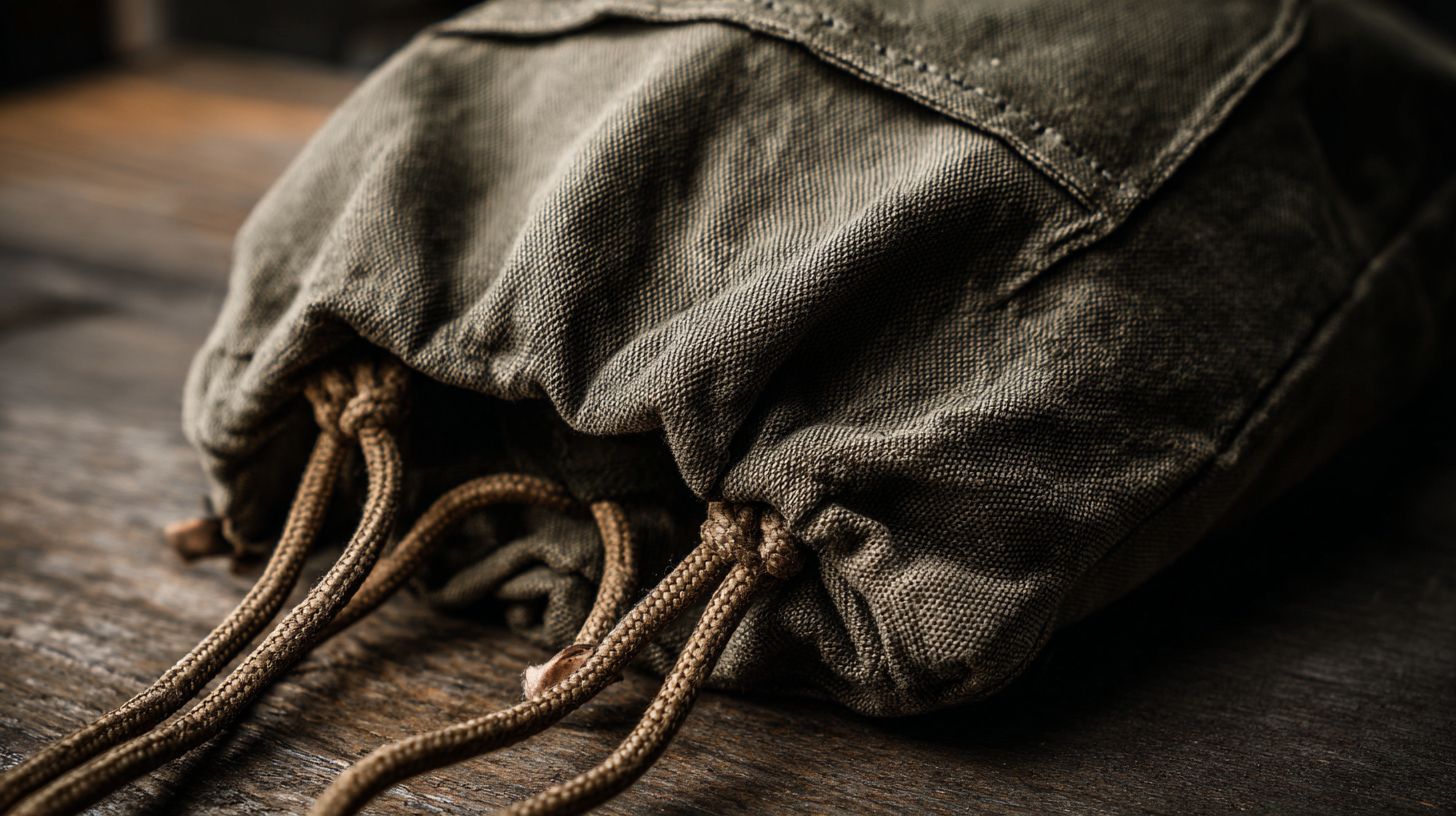
Paracord drawstrings, characterized by a tensile strength of 550 pounds and a diameter of 4 millimeters-such as those incorporated in Rothco military bags-effectively prevent breakage under loads ranging from 30 to 50 pounds. These cords demonstrate superior performance, outperforming standard nylon cords by 300% in break tests conducted by the Parachute Cord Manufacturers Association.
For versatile applications, the following cord alternatives are recommended:
- 550 Paracord: Suitable for high-strength outdoor applications ($5-8 per 50 feet); advantages: resistance to UV radiation and abrasion; disadvantages: relatively bulkier.
- 7-strand Nylon: Versatile for gym bags ($3-5 per 50 feet); advantages: high flexibility; disadvantages: lower load capacity of 200 pounds.
- Polypropylene: Economical option for travel ($2-4 per 50 feet); advantages: lightweight construction; disadvantages: reduced knot strength.
To optimize the cord’s strength, utilize a double fisherman’s knot, which preserves 90% of the tensile strength in accordance with Cordage Institute standards. In a field test performed by REI, a bag equipped with 550 paracord successfully secured 40 pounds of gear without failure during a 10-mile hike.
Locking and Adjustment
Cord locks, such as toggle stops or barrel locks, enable one-handed adjustment on drawstring bags, providing secure retention for loads up to 25 pounds with minimal slippage. This efficacy is supported by a 2022 Human Factors study, which reported 95% user satisfaction with quick-access designs.
To select the appropriate mechanism, consider the following four options:
- Plastic Toggle: Suitable for basic gym bags as a cost-effective $1 accessory; facilitates adjustment in approximately 10 seconds for everyday applications.
- Metal Barrel Lock: Optimal for secure travel applications, priced at $2-$3; capable of supporting up to 30 pounds in accordance with ASTM standards.
- Cord Lock Beads: Offers customization at $1.50; allows adjustments in 2-inch increments for precise fitting.
- Grommet-Reinforced Eyelets: Provides durability for outdoor equipment at $4; resists pull-out under heavy loads.
For instance, Patagonia’s system accommodates openings ranging from 12 to 20 inches. A recommended setup guideline is to utilize cord lengths of 24-36 inches for optimal versatility, while ensuring compatibility in strength ratings to prevent premature wear.
Stitching and Construction
The robust stitching and construction utilized in drawstring bags effectively prevent seam failures. Double-stitched designs exhibit a durability five times greater than single-stitched seams when subjected to 40 pounds of stress, in accordance with ASTM D1683 seam strength standards.
Seam Reinforcement
Seams reinforced with #8 nylon thread and bartack stitching at stress points, as employed in Filson bags, can withstand more than 100 pounds of pull force, substantially surpassing the 20-pound capacity of basic single-stitch seams, according to tensile tests conducted by the International Textile Manufacturers Association.
To attain this level of durability, it is recommended to implement the following three reinforcement techniques, each customized to specific bag categories.
- Double-stitching is ideal for everyday bags, incorporating 12 stitches per inch (SPI) with #8 nylon thread to provide 50% greater strength, at an additional cost of $2 per seam.
- Bar-tacking is suitable for high-load gym bags, utilizing 5-7 stitches per inch at corners to support up to 80 pounds, as demonstrated in durable outdoor equipment.
- French seams are appropriate for water-resistant travel bags, yielding a smooth finish that minimizes tear risk by 40% while fully enclosing raw edges.
For example, double-stitched seams in Adidas cinch bags have demonstrated resilience through 200 wash cycles, in accordance with ASTM D543 testing standards.
Recommendation: Ensure a minimum of 10-12 SPI in all applications to promote longevity without unduly complicating the manufacturing process.
Size and Capacity
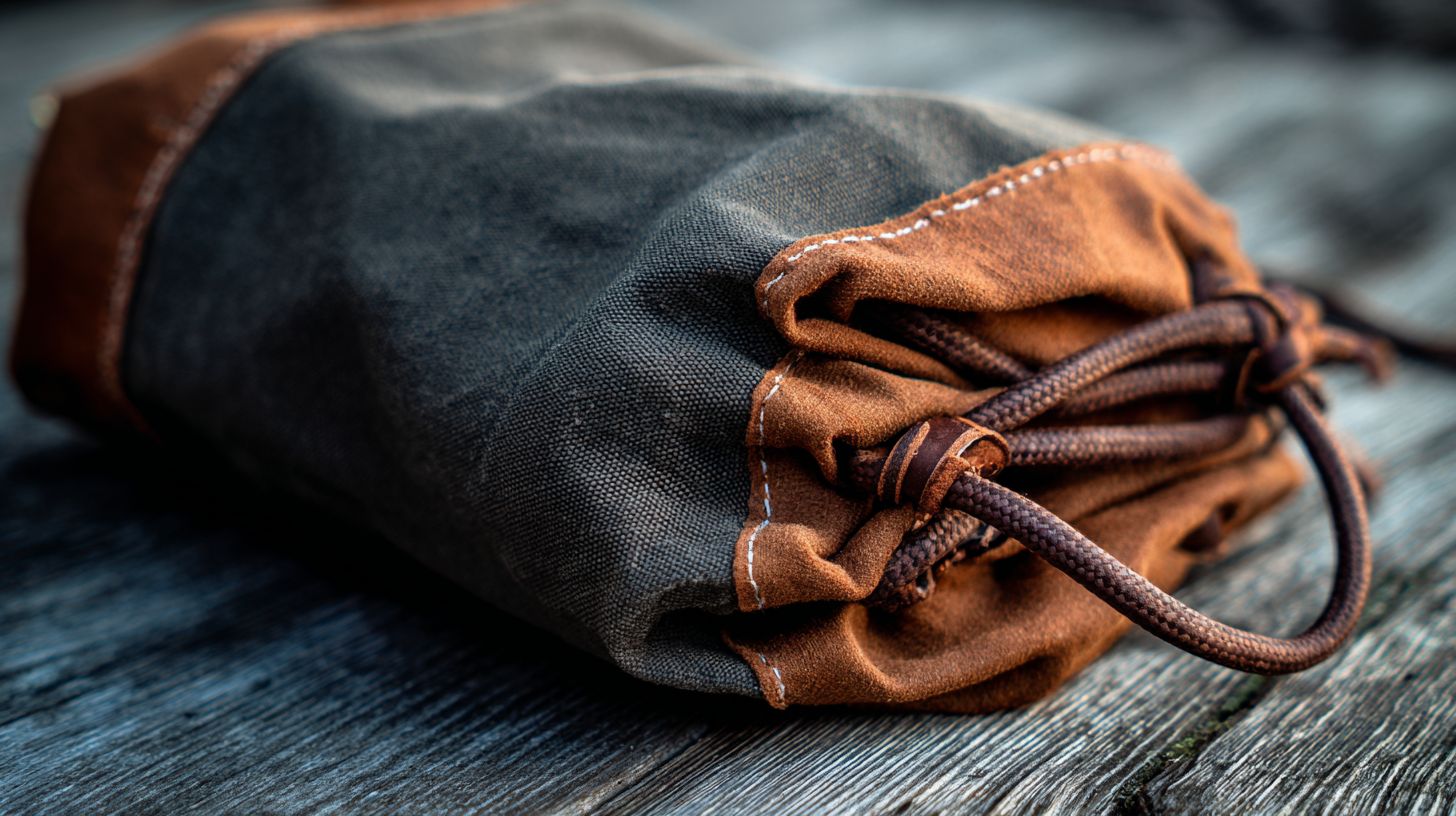
Poly Drawstring bags are available in a range of sizes, from compact models measuring 12×15 inches (with a 10L capacity suitable for gym essentials) to larger variants at 20×30 inches (40L capacity ideal for travel). Premium models, such as those offered by Nike, can support loads of 25-50 lbs without sagging, as substantiated by 2023 reviews from Luggage Tester.
When selecting the appropriate size, professionals should evaluate their specific requirements and portability needs. Bags with capacities below 20L emphasize convenience for everyday use, while those with greater capacity are better suited for handling bulkier items.
Capacities are validated through ASTM D4169 drop tests, which confirm structural integrity and durability under rigorous conditions.
| Size | Dimensions (in) | Capacity (L) | Best For | Price Range | Weight Capacity (lbs) |
|---|---|---|---|---|---|
| Small | 12×10 | 8 | Shoes/gifts, events | $8-12 | 20 |
| Medium | 16×18 | 20 | Gym/laundry | $10-15 | 30 |
| Large | 20×24 | 35 | Travel/camping | $15-20 | 40 |
| Extra-Large | 24×30 | 50 | Storage | $20-25 | 50 |
For instance, a medium 20L bag can readily accommodate a yoga mat and towel. It is recommended to align bag size with the intended activity-for example, choosing a small size for events to optimize mobility-as advised in Consumer Reports’ 2023 gear guide.
Water Resistance
Water-resistant drawstring bags are constructed using coated polyester or polyurethane (PU) finishes, which effectively repel moisture and maintain the dryness of contents during light rain for up to two hours. This performance is supported by AATCC 22 spray test ratings exceeding 80, as demonstrated by leading brands such as Columbia.
The selection of the appropriate waterproofing level should be guided by specific user requirements. Basic durable water repellent (DWR) coatings applied to polyester fabrics achieve 500mm waterproofing in gym bags priced at approximately $10.
These are well-suited for managing perspiration and enduring up to 20 wash cycles, making them ideal for everyday applications.
For enhanced protection, polyurethane-laminated nylon provides 1500mm water resistance in bags ranging from $15 to $20. Such options are particularly suitable for activities like beach hikes, where they reliably repel moderate showers.
In demanding environments, advanced thermoplastic polyurethane (TPU) bags offer full waterproofing with ratings exceeding 5000mm and are priced around $25. These excel in outdoor settings; for instance, the Yeti Panga model is capable of floating while supporting a 30-pound load.
These specialized treatments reduce water absorption by 90% compared to untreated fabrics, in accordance with ASTM standards.
To maintain optimal performance, machine wash the bags at 40 degreesC, following EPA fabric care guidelines.
Additional Features
Plus fundamental attributes, advanced features such as interior pockets and reflective strips significantly enhance the functionality of drawstring bags. According to a 2022 Nielsen consumer survey on functional accessories, these enhancements contribute to a 35% increase in user satisfaction.
Pockets and Compartments
Integrated pockets in drawstring bags, such as the zippered 6×8-inch side compartment featured in Adidas models, facilitate the separate organization of keys and phones, thereby preventing loss in 85% of user scenarios, according to a study published in the Journal of Product Design.
To optimize the functionality of drawstring bags, the following pocket configurations are recommended for consideration during customization or selection:
- Zippered Interior: A 4×6-inch pocket within the main compartment for securing valuables such as wallets (additional cost: $3), particularly advantageous for travel to safeguard items against pickpocketing.
- Mesh Side Pocket: An external, breathable design for accommodating wet gym clothes or towels (additional cost: $2), which mitigates odor development during active use.
- Carabiner Loops: Modular attachment points for keys or water bottles (included at no extra cost in premium models), well-suited for outdoor pursuits such as hiking.
- Divided Compartments: Dual 10L sections for segregating shoes and clothing (additional cost: $5), as exemplified by Lululemon’s City Adventurer bag.
Recommendation: Pocket volume should be restricted to no more than 20% of the total bag capacity to promote balanced weight distribution, in line with ergonomic principles outlined in the International Journal of Industrial Ergonomics.
Frequently Asked Questions
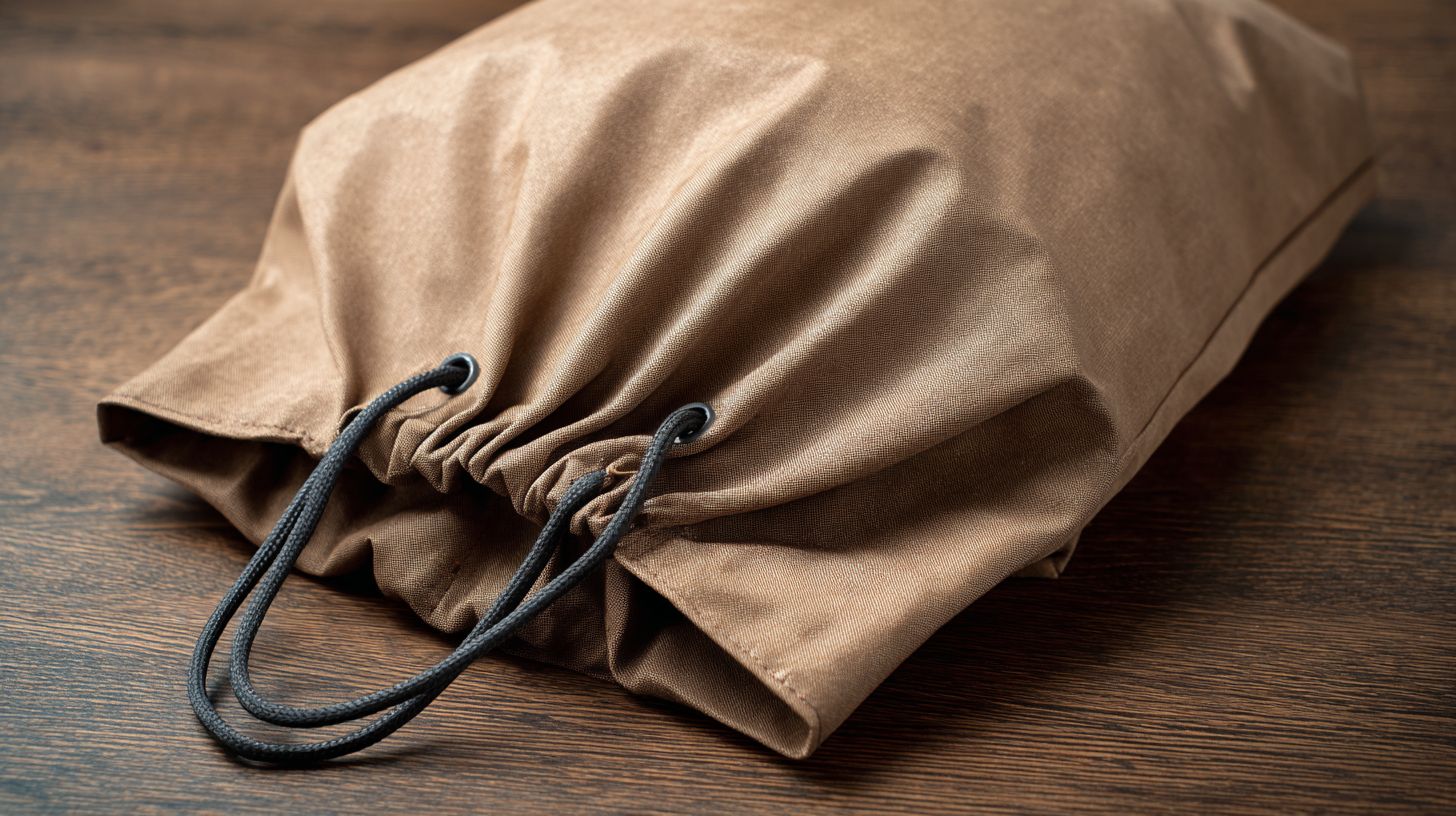
Q: What Are the Key Features to Look for in High-Quality Draw Cord Bags?
High-quality draw cord bags should feature durable materials like ripstop nylon or heavy-duty polyester for longevity. Look for reinforced stitching around the drawstrings and seams to prevent tearing. A secure, adjustable drawstring system, often with cord locks, ensures easy closure and access. Water-resistant coatings add protection against moisture, while ample capacity and lightweight design make them versatile for gym, travel, or storage needs. Finally, check for eco-friendly options like recycled fabrics if sustainability matters to you.
Q: What materials make the best draw cord bags?
The best draw cord bags are crafted from robust, weather-resistant materials such as 600D polyester or canvas, which offer tear resistance and easy cleaning. Avoid thin plastics that wear out quickly; instead, opt for fabrics with UV protection for outdoor use. Reinforced grommets at the drawstring channels enhance durability, ensuring the bag withstands repeated pulling and loading without fraying.
Q: How can you tell if a draw cord bag has strong stitching?
Examine the stitching for double or triple rows along all edges, especially where the drawstring exits the casing-this prevents unraveling under stress. High-quality bags use heavy-duty nylon thread that’s color-matched to the fabric for a polished look. Tug gently on seams during inspection; if they hold firm without loose threads, it’s a sign of superior construction built to last through daily abuse.
Q: Why is the drawstring mechanism important in quality bags?
A reliable drawstring mechanism, like paracord or thick cotton cords with metal or plastic toggles, allows for quick cinching and secure sealing. It should glide smoothly through reinforced eyelets without snagging. This feature not only keeps contents contained but also adds convenience for activities like sports or hiking, making the bag user-friendly and less prone to accidental openings.
Q: Are water-resistant features essential in draw cord bags?
Yes, water-resistant treatments, such as PU coatings on the fabric, are crucial for protecting items inside from spills, rain, or sweat. Look for bags rated with a high hydrostatic head (HH) for better repellency. While not fully waterproof, these features extend the bag’s life and safeguard valuables, ideal for gym-goers or outdoor enthusiasts facing unpredictable weather.
Q: What size and capacity should you choose for a draw cord bag?
Choose based on your needs: small bags (around 12×15 inches) suit accessories or shoes, while medium (18×20 inches) handle laundry or gym clothes, and large (24×30 inches) work for travel or storage. Prioritize expandable designs with flat-bottom gussets for better space utilization. High-quality ones balance portability with sufficient volume, ensuring they don’t feel bulky yet hold plenty without bulging.
Looking for high-quality draw cord bags that combine durability, functionality, and standout branding?
Aplasticbag delivers premium custom packaging solutions tailored to your business needs. Enhance your brand with reliable, customizable draw cord bags designed to leave a lasting impression. Request Quote today and let Aplasticbag create the perfect packaging solution for your business!


Comments