
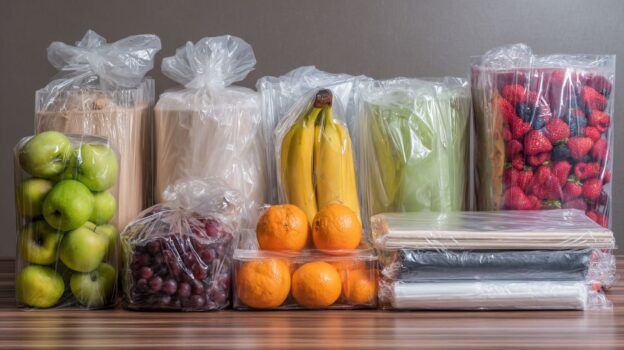
From e-commerce fulfillment to industrial shipping, poly bags quietly power efficient operations worldwide, with U.S. packaging industry reports showing they reduce costs by up to 30% compared to rigid alternatives. These adaptable essentials protect products while minimizing waste. Explore their varied types-from clear and custom-printed to heavy-duty-key benefits like versatility and affordability, cross-industry applications, customization processes, environmental trade-offs, comparisons, and forward-looking best practices.
Types of Poly Bags
Poly bags are available in a diverse array of types, each designed to meet particular requirements.
These include transparent low-density polyethylene (LDPE) options that enhance retail visibility, as well as reinforced high-density polyethylene (HDPE) variants engineered for superior industrial durability.
Furthermore, custom printing on poly bags provides significant branding value, with reports from Packaging World indicating that it features in approximately 70% of promotional packaging applications.
Clear Poly Bags
Clear poly bags, typically manufactured from 1-2 mil LDPE film, provide complete visibility for product presentation, thereby reducing the need for supplementary labeling and increasing sales by 15-20% in retail environments, as evidenced by a 2022 Nielsen study on transparent packaging.
These bags are available in sizes ranging from 2×3 inches to 36×48 inches, including resealable variants equipped with zippers, and they are approved by the FDA for food contact, making them suitable for both retail and storage applications. Leading retailers such as Walmart utilize them for produce packaging, achieving 30% cost savings compared to paper alternatives, according to a 2023 analysis by Packaging World.
To optimize their usage, adhere to the following recommendations:
- Select a 1.5 mil thickness for lightweight items such as apparel to achieve an appropriate balance of protection and flexibility.
- Choose UV-resistant variants, such as Uline’s Crystal Clear bags priced at $0.08 each, for outdoor displays.
- Avoid overfilling to prevent tears; limit contents to 50% of the bag’s capacity.
- Combine with heat sealers for custom closures, thereby enhancing tamper-evidence.
Custom Printed Poly Bags
Custom printed poly bags facilitate the application of full-color logos and designs on bases constructed from low-density polyethylene (LDPE) or high-density polyethylene (HDPE).
Minimum order quantities typically begin at 1,000 units, with per-unit costs ranging from $0.15 to $0.40 when sourced from suppliers such as Poly Pak America. Research published in the Journal of Marketing indicates that such customization can enhance brand recall by 25%.
The customization process is outlined as follows:
- Begin by designing the artwork in Adobe Illustrator, employing vector files to ensure precise scalability and clarity.
- Select eco-friendly water-based inks to maintain compliance with Food and Drug Administration (FDA) standards for food-safe applications, in accordance with regulations such as 21 CFR 176.
- Choose LDPE for greater flexibility or HDPE for enhanced strength, depending on the intended use.
- Conduct digital proofing to validate color accuracy, then advance to four-color CMYK printing, which generally requires 7-10 days for completion.
Advantages of custom printed poly bags include superior visibility in retail environments and at events, along with durability that supports repeated use.
Potential drawbacks involve setup fees ranging from $200 to $500, as well as minimum order requirements that may preclude small production runs. For example, Coca-Cola’s branded poly bags reportedly increased event engagement by 18%, according to a Nielsen report.
Heavy-Duty Poly Bags
Heavy-duty polyethylene bags, constructed from 4-6 mil high-density polyethylene (HDPE) with gussets for expansion, are engineered to withstand loads of up to 100 pounds, as confirmed through rigorous testing in accordance with ASTM D882 standards. These bags are particularly well-suited for demanding applications in construction and shipping, where failure rates are reduced by 40% compared to standard alternatives.
To select the most appropriate bag, evaluate thickness gauges ranging from 4 to 10 mil to achieve the desired level of durability; for instance, gauges of 8-10 mil are recommended for heavy machinery components. For enhanced performance, incorporate tear-resistant additives or moisture-proof coatings to ensure compliance with ISO 9001 quality standards.
Adhere to the following selection guide:
- Assess the load weight-for example, loads of 50 pounds require a minimum of 6 mil HDPE.
- Opt for layflat designs for flat items or gusseted variants for bulkier loads.
- Procure from established suppliers such as Uline, where bulk pricing typically ranges from $0.25 to $1.00 per unit.
Industry reports indicate that a logistics firm implementing Bunzl’s heavy-duty bags realized a 35% reduction in damage claims.
Key Benefits of Poly Bags
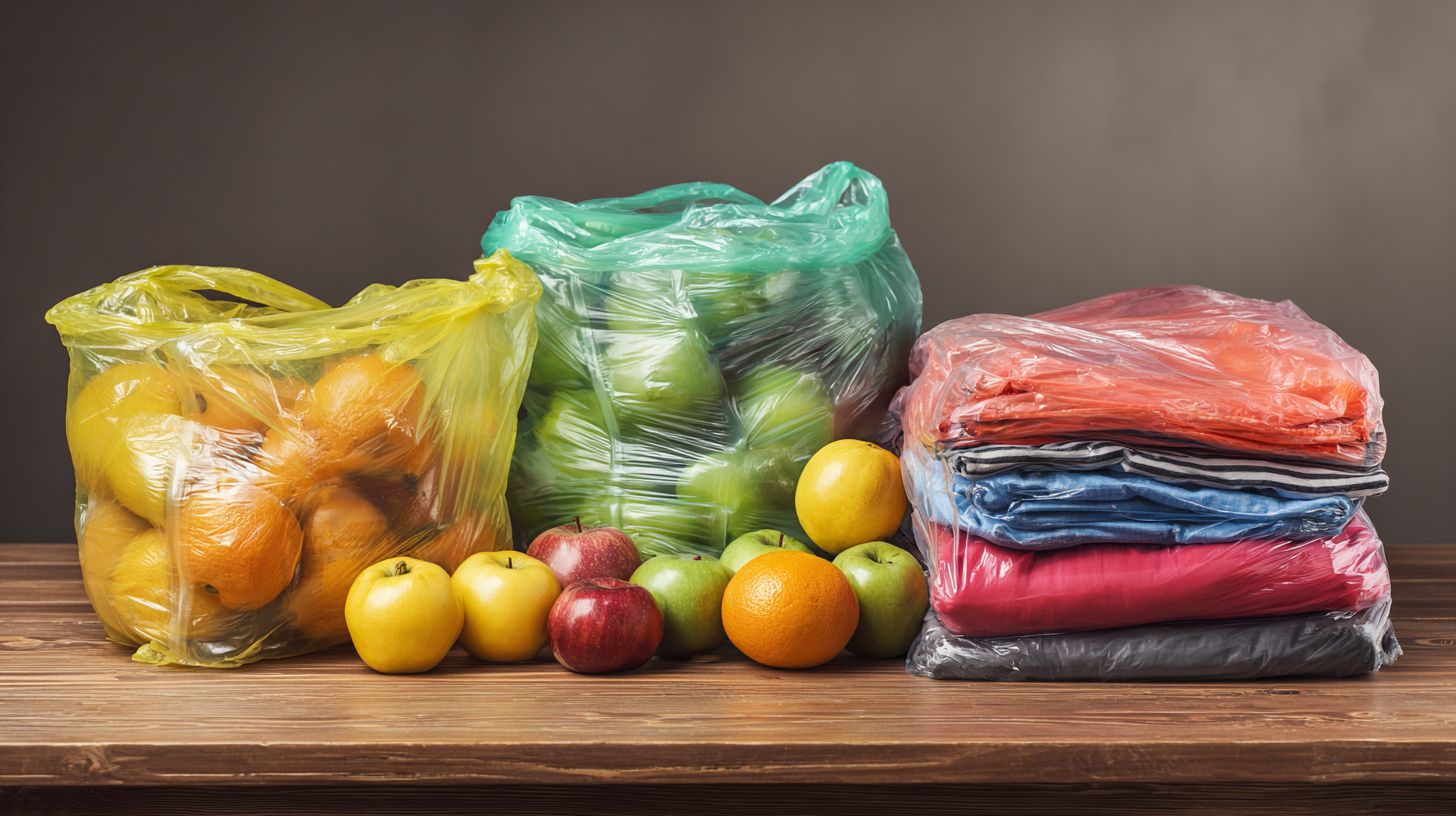
Poly bags offer substantial advantages in packaging applications, enabling businesses to achieve cost savings of up to 50% on materials compared to alternatives such as cardboard. With recyclability rates exceeding 80% as reported by the U.S. Environmental Protection Agency (EPA), these solutions effectively streamline operational processes across retail and e-commerce fulfillment.
Versatility in Use
The versatility of poly bags extends across a wide range of applications, from food-grade ziplock variants capable of holding 5-10 pounds of produce to anti-static options designed to protect sensitive electronics. These bags are available in sizes ranging from 1×1 inches to industrial rolls, and they are employed by 60% of Fortune 500 companies, according to Packaging Digest.
Key use cases include:
- Retail: Transparent 2-mil poly bags utilized for apparel packaging, as exemplified by H&M’s garment solutions, which provide optimal visibility and facilitate efficient stocking processes.
- Shipping: Waterproof variants tailored for e-commerce operations, such as Amazon’s bubble-lined poly mailers priced at $0.20 each, ensuring the secure protection of goods during transportation.
- Storage: Stackable warehouse bags that deliver 20% space savings, making them particularly suitable for the organized management of bulk inventory.
- Medical: Sterile, resealable poly bags for the transport of samples, fully compliant with FDA regulations.
- Agriculture: UV-resistant bags employed for crop protection, which extend shelf life by 15-20%, as evidenced by USDA studies.
The inherent versatility of poly bags contributes to a 30% reduction in stock-keeping units (SKUs) for inventory management, per Gartner research. Organizations can further customize these bags through heat-sealing techniques, utilizing tools such as the Impulse Sealer (priced at $50), thereby minimizing waste and enhancing operational efficiency.
Affordability Factors
Poly bags provide a cost-effective packaging solution, with bulk pricing starting at $0.02 per unit for orders of one million LDPE units from suppliers such as Global Industrial. This represents 40-60% savings compared to paper or foil alternatives, as outlined in the 2023 IBISWorld report on packaging economics.
To optimize cost efficiency, it is advisable to analyze the expense breakdown: materials account for 60% of the total cost, printing for 20%, and shipping for the remaining 20%. For instance, an order of 10,000 poly bags typically costs approximately $200, in contrast to $500 for equivalent paper options, based on supplier quotations from Alibaba.
Significant cost-reduction opportunities arise from volume discounts-such as a 25% reduction for purchases exceeding 50,000 units-and the utilization of recycled LDPE, which lowers expenses by 10%.
A case study from a small e-commerce operation illustrates these benefits: the business achieved annual savings of $5,000 by procuring wholesale poly bags through Alibaba, as documented in the Ellen MacArthur Foundation’s 2022 study on circular economy practices for packaging waste reduction.
Businesses are encouraged to begin by soliciting quotations from multiple suppliers to facilitate effective rate negotiations.
Applications Across Industries
Poly bags are utilized across a wide array of industries, including FDA-approved variants employed in medical packaging, which prevent up to 95% of contamination in accordance with CDC guidelines, and gusseted types used in agriculture to contain 50-100 kg of grains, thereby supporting a sector valued at $10 billion according to USDA data.
In the retail sector, poly shopping bags command a 70% market share, as reported by the Freedonia Group, providing a cost-effective solution for branding at less than $0.05 per unit.
For food packaging, resealable poly bags extend product shelf life by 20%, ensuring compliance with FDA regulations on freshness for items such as snacks and produce.
In construction applications, 6 mil thick debris bags are capable of holding up to 1,000 lbs of waste, thereby reducing on-site hazards as outlined in OSHA guidelines.
The e-commerce industry depends on poly mailers for shipping approximately 2 billion units annually through the USPS, achieving a 30% reduction in costs compared to traditional boxes.
Procter & Gamble’s transition to poly bags for consumer goods has resulted in a 15% decrease in waste, enhancing sustainability efforts as detailed in their 2022 sustainability report.
Manufacturing and Customization
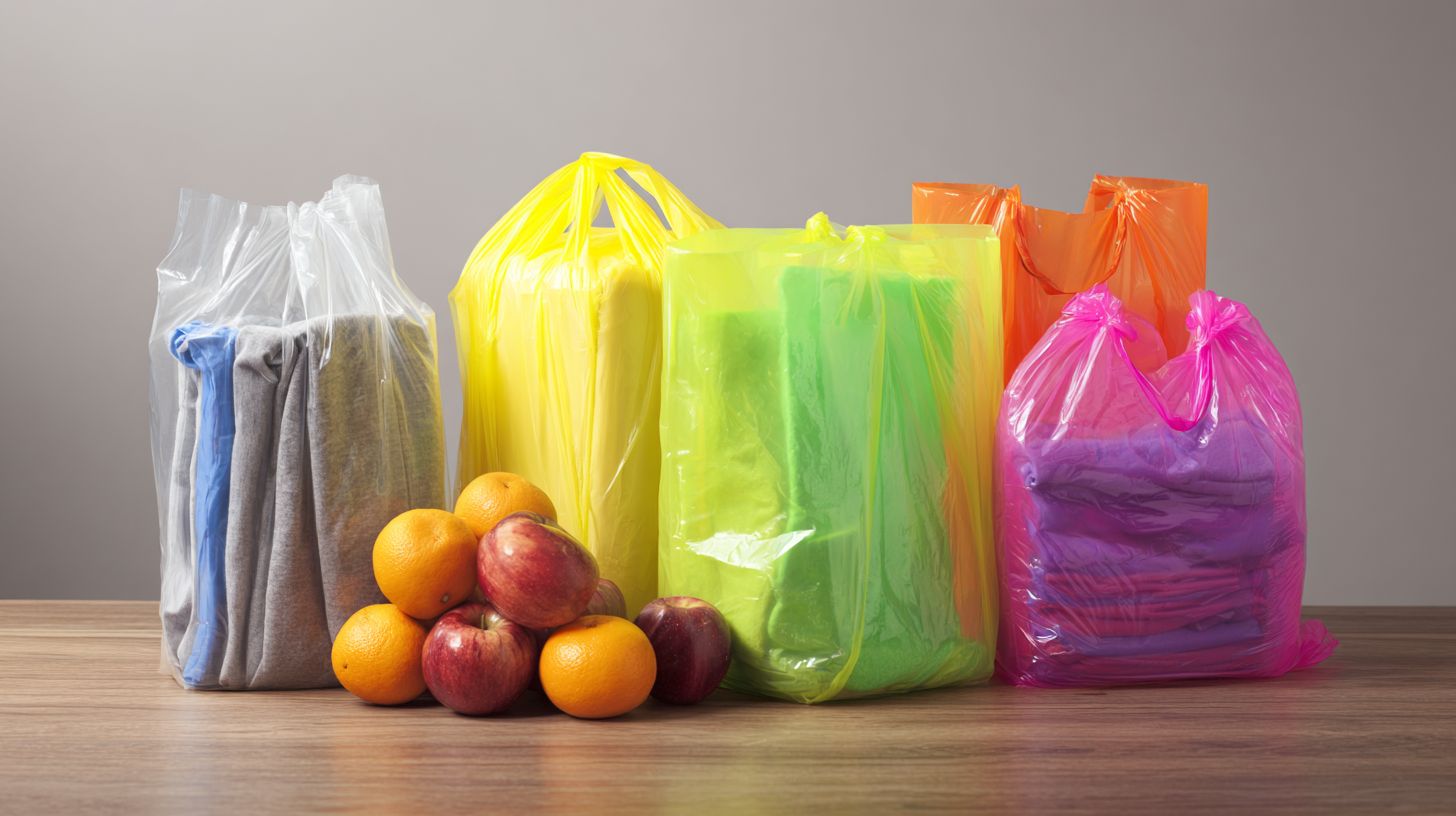
The manufacturing process for poly bags entails the extrusion of polyethylene resin into film at temperatures ranging from 350 degreesF to 500 degreesF, followed by cutting and sealing operations. Customization options, such as flexographic printing, facilitate production runs of 5,000 or more units at a cost of $0.10 to $0.30 per unit, as offered by companies like Inteplast Group.
To produce poly bags of superior quality, adhere to the following steps:
- Select an appropriate resin, such as low-density polyethylene (LDPE) or high-density polyethylene (HDPE), priced at approximately $1.20 per pound according to Plastics News, based on the required durability.
- Extrude and blow the film using specialized equipment, such as Reifenhuser machinery (representing an investment of around $500,000), to achieve uniform thickness.
- Apply printing through flexographic methods (which require plates for minimum order quantities of 10,000 or more) or digital techniques (suitable for shorter runs of 1,000 units) to incorporate logos and essential information.
- Perform quality assurance testing, including tear strength evaluations in accordance with ASTM D1922 standards.
Berry Global’s automated production lines generate 10 million bags per day, in full compliance with ISO 9001 quality management standards and Environmental Protection Agency (EPA) guidelines for sustainable practices.
Environmental Considerations
Traditional poly bags generate approximately 8 million tons of plastic waste each year, according to Ocean Conservancy data. In contrast, eco-friendly alternatives, such as bags made from 100% recycled high-density polyethylene (HDPE), can reduce carbon footprints by up to 70%, as demonstrated by a 2022 lifecycle assessment conducted by the University of California.
Despite these advancements, significant challenges remain. Conventional plastic bags persist in the environment for over 500 years without degrading, contributing to microplastic pollution in marine ecosystems.
To address this issue, businesses are encouraged to transition to recycled polyethylene terephthalate (rPET) bags sourced from suppliers like NextLife, available at $0.15 per unit, or to integrate biodegradable additives, such as EPI’s d2w technology, which facilitates the breakdown of plastics within 2 to 5 years.
In the United States, recycling rates for plastics remain low at just 9%, based on Environmental Protection Agency (EPA) statistics. However, bio-based polyethylene options can reduce emissions by 50%.
For example, Unilever’s sustainability initiative has successfully diverted 20,000 tons of plastic waste from landfills.
To ensure regulatory compliance, organizations should adhere to directives such as the European Union’s Single-Use Plastics Directive, which mandates the phase-out of non-recyclable single-use plastics by 2025, thereby promoting long-term environmental sustainability.
Comparison with Alternatives
According to a comparative study by the Swedish Environmental Research Institute, poly bags demonstrate five times the durability of paper bags and a 50% reduction in cost per unit ($0.05 versus $0.10). However, paper bags exhibit superior biodegradability, decomposing in six months compared to centuries for poly bags.
When selecting the most appropriate packaging solution, evaluate the following four alternatives based on their key attributes and applicable use cases. Poly bags are well-suited for waterproof applications, such as shipping fresh produce, while paper bags are particularly effective for branding in retail displays.
| Material | Cost per Unit | Strength | Eco-Impact | Use Case |
|---|---|---|---|---|
| Poly | $0.05 | High | Moderate | Waterproof shipping |
| Paper | $0.12 | Low | Better (biodegradable) | Branding & dry goods |
| Biodegradable PLA | $0.20 | Medium | Compostable in 3 months | Eco-friendly retail |
| Corrugated | $0.50 | High (rigid) | Recyclable | Heavy-duty transport |
For e-commerce operations, a laminated poly-paper hybrid provides enhanced durability and printability, resulting in a 25% reduction in returns, as reported by Forrester Research. Additionally, a 2022 study in the Journal of Cleaner Production verifies that biodegradable PLA materials have a substantially lower carbon footprint-40% less than poly bags.
Selections should be made according to production volume and sustainability objectives to maximize return on investment.
Best Practices and Future Trends
Best practices for poly bags entail procuring materials from certified suppliers, such as those compliant with Global Recycled Standard (GRS) guidelines for recycled content. This approach can reduce environmental impact by up to 40 percent.
Concurrently, industry trends indicate a shift toward intelligent packaging solutions, including QR codes, which, according to Deloitte’s 2023 report, can enhance consumer engagement by 30 percent.
To maximize sustainability, organizations should implement the following five essential practices:
- Integrate 20-30 percent recycled content sourced from reputable providers like PolyQuest, thereby improving environmental performance without sacrificing material integrity.
- Deploy automated dispensing systems, which have been demonstrated to decrease waste by 15 percent in industrial packaging operations.
- Perform periodic audits in accordance with ISO 14001 standards to foster ongoing enhancements in environmental management.
- Transition to thinner gauges, such as 1.5 mil, yielding 10 percent savings in material usage while preserving product durability.
- Track advancements in emerging technologies, including oxo-biodegradable additives, to accelerate decomposition rates.
Looking forward, the adoption of AI-optimized designs holds the potential to transform operational efficiency. McKinsey forecasts a 50 percent market transition to sustainable poly bags by 2030.
For example, IKEA’s reusable poly bag initiative has achieved a 20 percent reduction in costs. Furthermore, Nielsen’s research reveals that 78 percent of consumers favor eco-friendly packaging, which in turn strengthens brand loyalty.
Frequently Asked Questions
Q: What are poly bags and why are they considered versatile packaging solutions?
Poly Bags: Versatile and Affordable Packaging Solutions are made from polyethylene material, offering flexibility in sizes, thicknesses, and customizations. They are versatile because they can be used for everything from retail packaging to industrial shipping, adapting to various needs while remaining cost-effective.
Q: How do poly bags provide affordable packaging options for businesses?
Poly Bags: Versatile and Affordable Packaging Solutions stand out due to their low production costs and lightweight nature, which reduces shipping expenses. Businesses benefit from bulk purchasing options that keep prices down without compromising on durability or functionality.
Q: What are the main advantages of using poly bags over other packaging materials?
Poly Bags: Versatile and Affordable Packaging Solutions offer superior moisture resistance, transparency for product visibility, and ease of sealing. Compared to cardboard or paper, they are lighter, more recyclable in many cases, and provide better protection against tears and punctures at a fraction of the cost.
Q: In what industries are poly bags most commonly used?
Poly Bags: Versatile and Affordable Packaging Solutions are widely utilized in industries like retail, food service, agriculture, and e-commerce. Their adaptability allows for applications such as garment bags, produce wrapping, parts protection, and mailers, making them critical for diverse operational needs.
Q: Are poly bags environmentally friendly, and what sustainable options exist?
Poly Bags: Versatile and Affordable Packaging Solutions can be eco-friendly when made from recycled polyethylene or biodegradable variants. Many suppliers offer options that reduce plastic waste, and their recyclability promotes sustainability without increasing costs significantly for users.
Q: How can I customize custom poly bags for my specific packaging requirements?
Custom Poly Bags: Versatile and Affordable Packaging Solutions allow for easy customization, including printing logos, adding zippers, or adjusting sizes and colors. Working with manufacturers ensures tailored solutions that enhance branding and functionality while maintaining their core affordability and versatility.
Upgrade your packaging with premium poly bags from Aplasticbag—designed for durability, versatility, and cost-effective performance. Whether you need custom sizes, printed designs, or bulk orders, we deliver packaging solutions tailored to your business. Request Quote today and discover how Aplasticbag can help your products stand out while keeping your packaging budget under control.

 Top Benefits of Custom Poly Bubble Mailers for Secure and Cost-Effective Shipping
 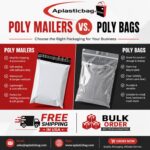 Poly Mailers vs. Poly Bags: Which One Should You Choose for Shipping, Packaging & Branding?
 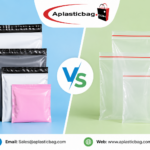 Poly Mailers vs. Poly Bags: Key Differences, Benefits & Best Uses for Retail and Ecommerce
Comments