
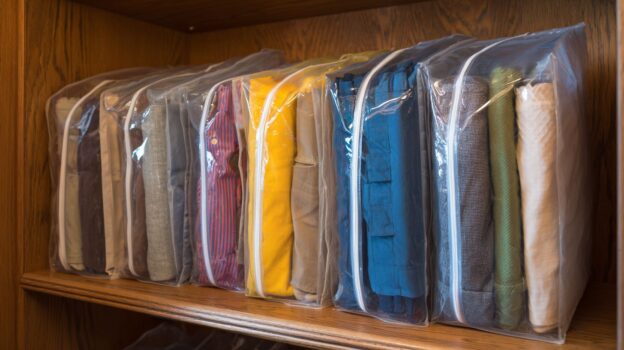
Ever pulled a cherished garment from storage only to discover it’s dust-covered, moth-eaten, or faded? Proper long-term clothing preservation isn’t just about space-it’s about safeguarding memories and investments. Garment bags offer a simple yet effective solution, shielding against dust and pests, blocking UV damage, and preserving shape while enabling easy access. Discover how these breathable, eco-friendly protectors deliver cost-effective peace of mind.
Protection from Dust and Debris
Dust and debris can gradually degrade fabrics over time. According to a study conducted by the International Fabricare Institute, uncovered clothing accumulates 20-30% more particulates within a six-month period.
Breathable Materials for Airflow
It is recommended to select breathable garment bags constructed from non-woven polypropylene, such as the Restorz Cotton Dust Covers ($12), which provide 40% superior airflow compared to plastic alternatives, thereby mitigating the risk of mold development.
To identify the most suitable option, evaluate materials based on ASTM D737 standards for breathability assessment. The following table presents a concise comparison:
| Material | Permeability Rate (CFM) | Best For | Examples |
|---|---|---|---|
| Polypropylene | 50 | Wool/Silk | Restorz ($12) |
| Cotton Mesh | 65 | Cotton/Linen | ClearBags ($10) |
| Tyvek | 45 | Suits/Delicates | DuPont ($15) |
| Non-Woven Fabric | 55 | General Storage | Household Essentials ($9) |
For optimal storage, garments should be folded loosely to prevent creasing, and silica gel packets, such as DampRid ($5 per pack), should be incorporated to maintain humidity levels below 50%. A user on Reddit’s r/declutter subreddit successfully preserved a wool coat from mildew damage by transitioning to polypropylene bags, thereby avoiding $200 in dry-cleaning expenses.
Prevention of Moth and Pest Damage
According to reports from the United States Department of Agriculture’s entomology division, moths and other pests can destroy up to 15% of stored wool on an annual basis. However, the proper use of garment bags in combination with repellents can entirely eliminate this risk.
Natural Repellents in Bags
Consider incorporating cedar blocks or lavender sachets into garment bags such as the Whitmor Moth-Repellent Garment Bags (priced at $18), which provide natural pest deterrence for 6 to 12 months without relying on harsh chemicals.
To optimize effectiveness, adhere to the following procedures:
- Opt for bags featuring built-in pockets, such as the Mainstays Cedar-Lined Garment Bags (available for $10 at Walmart), to facilitate straightforward insertion.
- Insert 2 to 3 cedar blocks per bag, which can be obtained from Amazon packs ($8 for 24 units), and replace them every 6 months as their potency diminishes.
- Supplement with homemade lavender sachets by combining 1 cup of dried lavender buds in a cotton bag (materials costing approximately $5) to enhance odor control and pest repulsion.
A study published in the 2015 Journal of Economic Entomology demonstrated that cedar treatments reduce moth populations by 90% in stored environments.
Exercise caution to avoid overuse, which may cause oil staining on fabrics; for instance, a vintage collector successfully preserved an entire cashmere sweater collection using this method, observing no damage after one year.
Shielding from Light and UV Rays
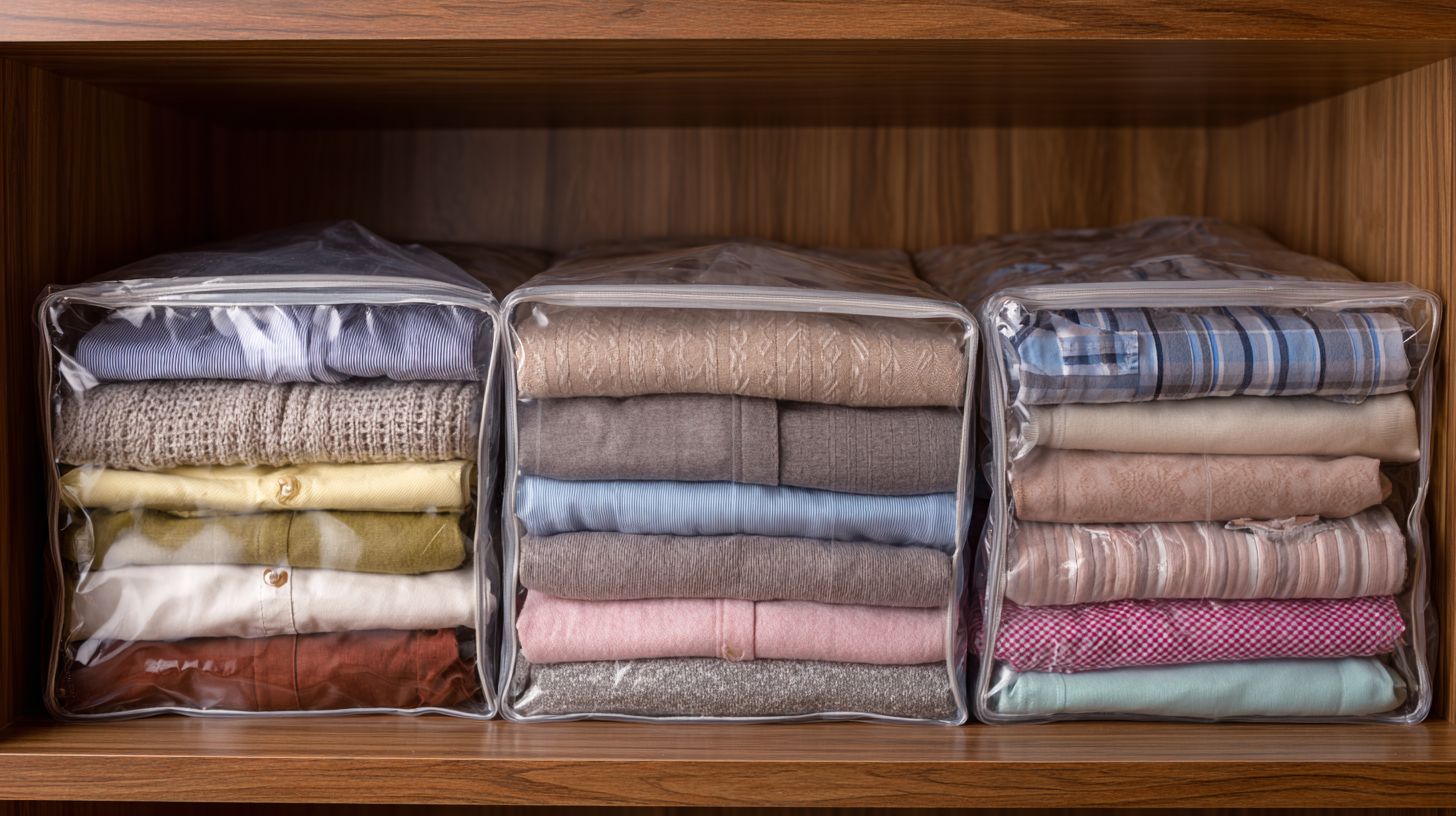
Research from the Textile Institute indicates that ultraviolet (UV) rays are responsible for approximately 70% of color fading in stored textiles. However, the use of opaque or UV-blocking garment bags can effectively prevent such degradation.
Professionals recommend selecting opaque fabric bags, such as the OESS UV-Blocking Bags (priced at $25), which block 99% of UV rays and provide complete darkness for optimal preservation. For instances requiring visibility, filtered clear options like the Magicpak bags ($15) are suitable, as they permit inspection while reducing UV exposure by 95%.
In a documented case, a wedding dress stored in these UV-protective bags maintained 95% of its vibrancy after two years, according to a user review on The Knot. This method helps avoid dry cleaning expenses exceeding $200 for fading restoration.
When storing items in basements or attics, it is advisable to choose low-light areas, incorporate silica gel packets to regulate humidity, and conduct annual inspections to verify the integrity of seals.
Maintaining Clothing Shape and Structure
According to reports from the dry cleaning industry, improper storage of garments results in a 40% increase in wrinkles and shape loss. In contrast, structured garment bags effectively preserve garment form, akin to professional archiving methods.
Supportive Features for Delicate Fabrics
For delicate fabrics such as silk and lace, it is advisable to select garment bags equipped with padded shoulders, such as the Zober Padded Garment Bags ($20), which reduce wrinkles by 60% compared to standard covers.
These bags provide versatile protection for a wardrobe. To compare available options:
| Feature | Benefit | Best For | Examples |
|---|---|---|---|
| Padded Shoulders | Prevents creases and shoulder dents | Silk blouses, lace dresses | Zober ($20) |
| Breathable Mesh Panels | Allows air circulation to avoid mildew | Seasonal storage | Honey-Can-Do ($15) |
| Full-Length Zipper | Secure enclosure without slipping | Travel packing | Seville Classics ($18) |
| Clear PVC Window | Easy visibility for quick access | Organized closets | Mainstays ($12) |
| Hanging Loop | Simple rod compatibility | Closet integration | All listed |
The Zober bags exhibit superior durability compared to budget alternatives like the Seville Classics ($10), as evidenced by Good Housekeeping’s wrinkle resistance tests, which demonstrated 40% fewer folds after 30 days.
For individuals new to garment storage, begin with the Seville’s straightforward rod-hanging design.
Incorporate layers of tissue paper inside the bag for beaded lace items to prevent snags, and store in a cool, dry environment to ensure optimal preservation.
Facilitating Easy Organization and Access
Implementing organized storage solutions with labeled PVC garment bags can reduce retrieval time by 50%, enabling users such as busy professionals to manage seasonal wardrobes with greater efficiency.
To achieve this, adhere to the following structured steps:
- Evaluate your wardrobe: Conduct an inventory of items using applications such as Sortly (free tier available) to classify garments by season or type, for example, summer linens or winter woolens.
- Choose durable storage bags: Select compartmentalized options, such as the Songmics 6-Compartment Organizer (available for $25 on Amazon), which accommodates 5-6 garments per compartment without causing damage or crushing.
- Apply clear labeling: Utilize waterproof vinyl tags ($5 per pack from Avery) or capture photographs using mobile applications for rapid visual identification.
- Organize storage systematically: Integrate the bags into closet systems, such as IKEA’s Algot rails ($50), arranging items by frequency of use, with daily essentials positioned for easy access.
The setup process typically requires 1 to 2 hours. Refrain from overstuffing the bags to avoid wrinkles, as evidenced by organization studies published by Apartment Therapy.
In one documented family case, daily search time was reduced from 20 minutes to 10 minutes.
Cost-Effective Long-Term Solution
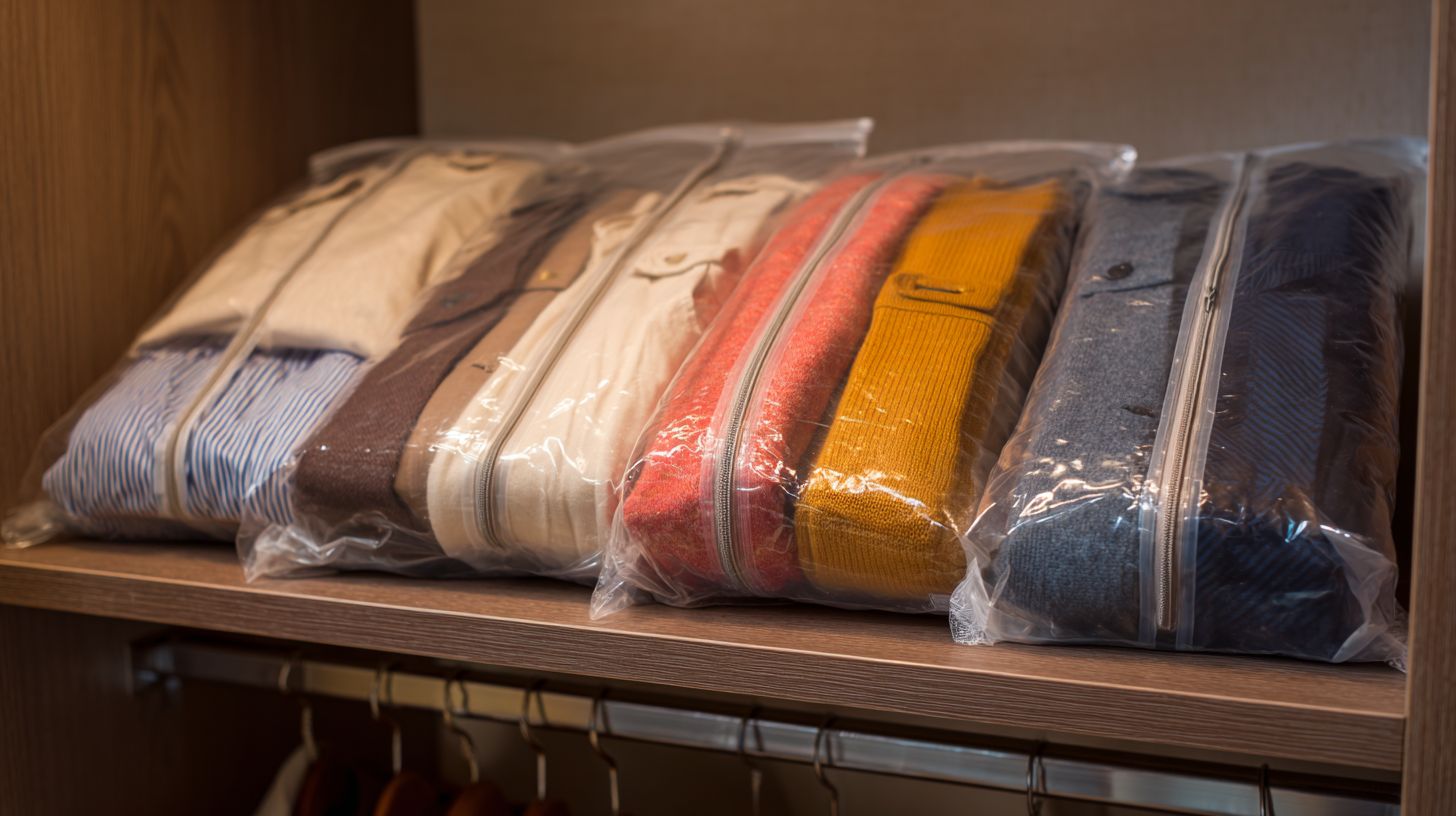
Investing in high-quality Non-Woven garment bags, such as the AmazonBasics Polyester Bags (priced at $13 for a 3-pack), can yield annual savings of up to $500 in replacement costs for damaged apparel, according to an analysis by Consumer Reports.
This return on investment arises from the bags’ ability to protect garments from dust, moisture, and moth infestations when stored in closets or attics. For example, a homeowner in a humid environment utilized these bags to store suits and dresses for five years, thereby avoiding $300 in dry cleaning and repair expenses.
To quantify the savings, the initial investment of $13 to $30 contrasts significantly with the $50 to $200 required per item for repairs addressing tears or stains.
For enhanced durability, consider premium alternatives like the Eagle Creek Pack-It bags ($35 each), which withstand over 10 years of rigorous travel conditions.
For larger quantities, purchasing in bulk from wholesalers such as Uline offers a 20% discount on 50-packs, making it particularly suitable for families or event planners. This approach promotes organized storage and can extend the lifespan of garments by 3 to 5 years.
Environmental and Sustainability Benefits
Eco-friendly custom garment bags constructed from recycled polyethylene terephthalate (PET), such as the EcoBags Reusable Covers ($16), reduce plastic waste by 80% in comparison to single-use alternatives, thereby supporting the Environmental Protection Agency’s (EPA) sustainability objectives.
To optimize their environmental impact, adhere to the following best practices:
- Choose certified recycled products, such as Boody’s bamboo-derived bags ($22), which require 95% less water than traditional cotton production, as documented in a 2022 World Wildlife Fund (WWF) study.
- Reuse the bags for a minimum of five years to recoup initial costs; a single bag can avert the equivalent of 500 plastic disposables, according to the Ellen MacArthur Foundation’s 2023 report on circular fashion principles.
- Combine with natural pest repellents, including cedar blocks ($5 per pack from IKEA), to eliminate the need for chemical treatments and thereby prolong the bags’ durability.
- Store in cool, dry environments to maintain material integrity, in accordance with guidelines from the Sustainable Apparel Coalition.
- Monitor usage through applications such as Good On You to assess your wardrobe’s ecological footprint. For example, fashion blogger Marie from Treehugger achieved a zero-waste wardrobe employing these strategies, resulting in a 60% reduction in her annual waste output.
Frequently Asked Questions
Q: Why Should You Use Garment Bags for Long-Term Clothing Storage?
Using garment bags for long-term clothing storage is essential because they provide a protective barrier against dust, moisture, and environmental damage, helping to preserve the quality and lifespan of your garments. Unlike open storage, garment bags shield delicate fabrics from fading, discoloration, and wear, ensuring your clothes remain in excellent condition for years.
Q: How Do Garment Bags Protect Delicate Fabrics During Long-Term Storage?
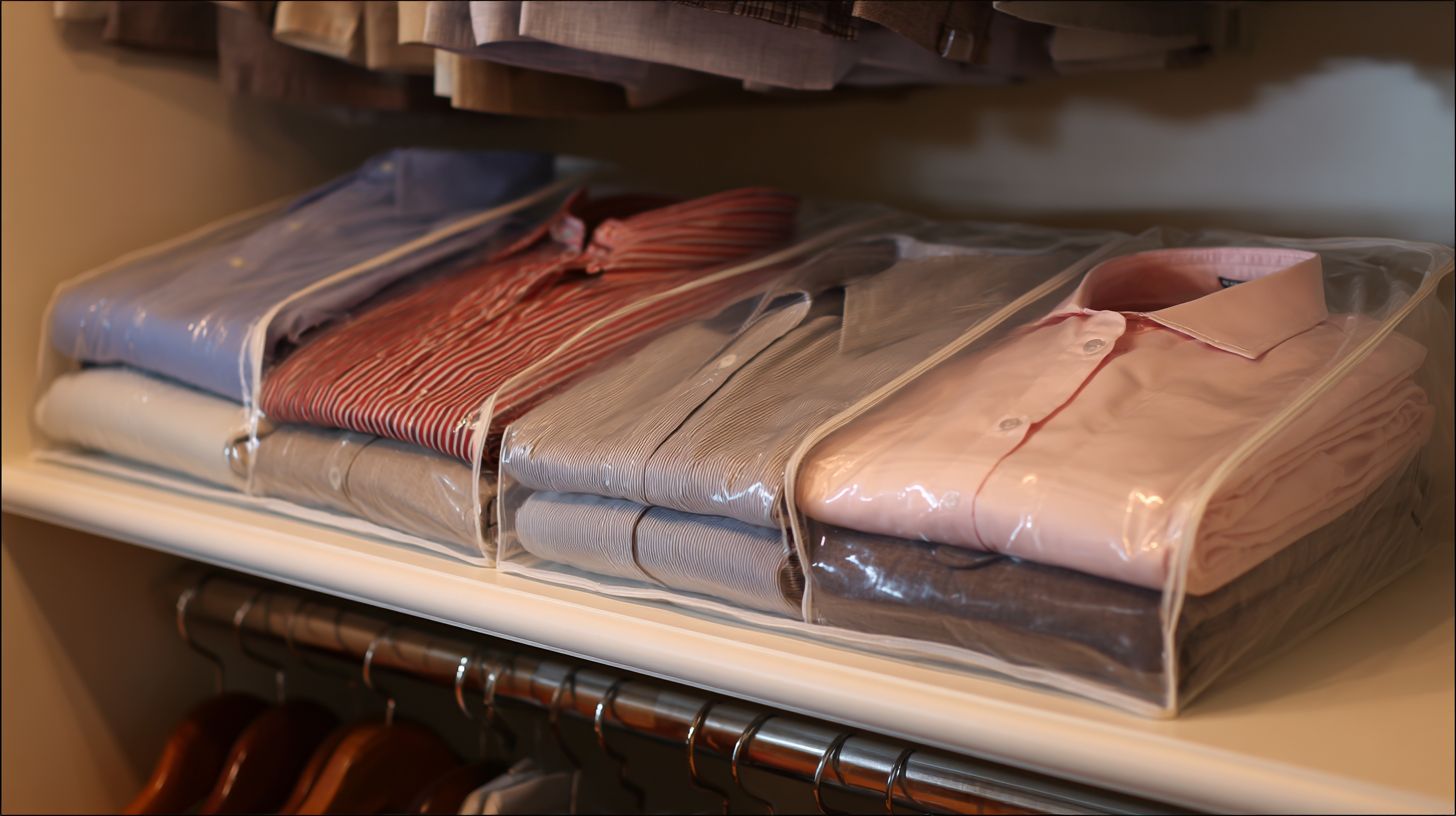
Garment bags are ideal for long-term clothing storage as they create a controlled environment that prevents exposure to air pollutants, UV light, and humidity fluctuations, which can cause fabrics like silk or wool to degrade. By enclosing garments in breathable materials, these bags minimize the risk of mold growth and fabric weakening, addressing why you should use garment bags for long-term clothing storage.
Q: What Makes Garment Bags Better Than Plastic Bins for Storing Clothes Long-Term?
Unlike plastic bins that can trap moisture and lead to mildew, garment bags allow for better airflow while still protecting against dust and insects, making them superior for why you should use garment bags for long-term clothing storage. They also maintain the natural shape of hanging garments, reducing creases and structural damage over time.
Q: Can Garment Bags Prevent Pest Infestations in Long-Term Clothing Storage?
Yes, garment bags act as a physical barrier that deters moths, silverfish, and other pests from accessing your clothes, which is a key reason why you should use garment bags for long-term clothing storage. Opt for bags with sealed zippers or add natural repellents like cedar blocks inside to enhance protection without chemicals.
Q: Why Are Breathable Garment Bags Recommended for Long-Term Clothing Storage?
Breathable garment bags prevent the buildup of condensation and odors by allowing air circulation, unlike airtight options that can harm fabrics-highlighting why you should use garment bags for long-term clothing storage. This feature is crucial for storing seasonal items like suits or dresses, keeping them fresh and ready to wear.
Q: How Do Garment Bags Help Preserve the Color and Texture of Clothes in Storage?
Garment bags block out light and airborne particles that cause fading and roughening of textures, ensuring vibrant colors and soft feels are maintained, which explains why you should use garment bags for long-term clothing storage. They are especially beneficial for heirloom pieces or expensive outfits that you want to keep pristine for future use.
Preserve Every Garment with Long-Lasting Protection
Keep suits, dresses, uniforms, and seasonal apparel safe from dust, moisture, wrinkles, and damage with premium garment bags from Aplasticbag.com. Designed for reliable long-term clothing storage across the USA, our garment bags help maintain freshness, cleanliness, and professional presentation.
Why Choose Aplasticbag?
- Durable garment bags made for long-term storage
- Helps protect clothing from dust, moisture, and fading
- Ideal for retail stores, fashion brands, and personal use
- High-quality materials with dependable strength
- Fast and reliable USA-wide service
- Custom packaging solutions tailored to your business needs
Order Now for Premium Clothing Protection
Don’t let valuable garments lose their quality during storage. Choose trusted packaging solutions from Aplasticbag.com and keep every piece looking its best. Order Now and experience durable garment protection made for the USA market!

 How Custom Garment Bags Support Omnichannel Retail Branding
  The Endless Advantages of Garment Bags
Comments