
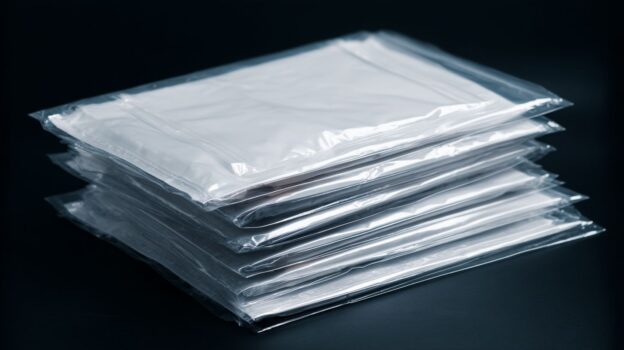
In the competitive e-commerce landscape, one compromised shipment can erode customer trust and inflate costs. High-quality poly mailers safeguard your products during transit, minimizing damage and returns. Discover essential features to prioritize: premium polyethylene materials and thickness for durability, tear- and puncture-resistant strength, reliable adhesive seals, versatile sizing, moisture protection, customization, and eco-friendly options-enableing you to select packaging that elevates your operations.
Material Quality
Premium custom printed poly mailers are distinguished by their superior material composition, primarily utilizing low-density polyethylene (LDPE), which delivers exceptional flexibility and durability. This quality is substantiated by compliance with ASTM D882 standards for tensile properties.
Polyethylene Type
The predominant form of polyethylene utilized in poly mailers is low-density polyethylene (LDPE), which provides an optimal combination of flexibility and cost efficiency at densities ranging from 0.910 to 0.925 g/cm. This material is particularly suitable for shipping lightweight apparel.
| Type | Density (g/cm³) | Key Properties | Best For | Examples |
|---|---|---|---|---|
| LDPE | 0.910–0.925 | High flexibility, good tear resistance, translucent | Lightweight, general packaging | Amazon clothing mailers |
| HDPE | 0.941–0.965 | Rigid, high strength, opaque | Heavy-duty, durable protection | Electronics shipping bags |
| LLDPE | 0.915–0.925 | Superior puncture/tear resistance (20–30% better than LDPE), stretchable | Fragile or irregular items | Book or produce mailers |
To determine the appropriate polyethylene type, the following guidelines are recommended:
- Employ LDPE for standard e-commerce applications to reduce weight and expenses while preserving seal integrity.
- Select HDPE for scenarios involving high impact, such as industrial shipments, to benefit from enhanced rigidity.
- Utilize LLDPE for contents susceptible to tearing, thereby improving durability by as much as 30%.
- Evaluate samples in accordance with ASTM D1922 standards to ensure compatibility with specific load demands.
Gauge Thickness
The thickness of poly mailers is measured in mils, where one mil represents one-thousandth of an inch. These thicknesses typically range from 1.5 to 4 mils, with 2 to 3 mils recommended for standard e-commerce applications to achieve an optimal balance between product protection and postage expenses.
Four common gauge thicknesses are suitable for specific requirements: 1.5 mil for lightweight items, such as jewelry pouches; 2 mil for documents; 3 mil for books; and 4 mil for fragile artwork. Selection should be guided by the vulnerability of the enclosed item and the overall shipping weight, in accordance with United States Postal Service (USPS) guidelines, which limit first-class mail to 3.5 ounces without additional surcharges.
| Gauge | Advantages | Disadvantages | Weight Impact (per 6×9″ envelope) |
|---|---|---|---|
| 1.5 mil | Minimal weight addition; cost-effective | Reduced puncture resistance | +0.2 oz |
| 2 mil | Balanced protection level; compliant with USPS standards | Moderate overall durability | +0.5 oz |
| 3 mil | Enhanced tear resistance | Slightly increased weight | +0.8 oz |
| 4 mil | Superior puncture protection, as substantiated by the 2021 ASTM International report | Elevated postage costs | +1.2 oz |
For bulk orders of 100 units, the use of 2 mil poly mailers yields a shipping cost savings of $50 compared to 4 mil, assuming USPS rates of $0.25 per ounce.
Durability and Strength
In high-volume fulfillment centers, the durability and strength of poly mailers are paramount. Their resistance to tears and punctures is instrumental in preventing 25% of damage claims, as evidenced by a 2023 UPS packaging study.
Tear Resistance
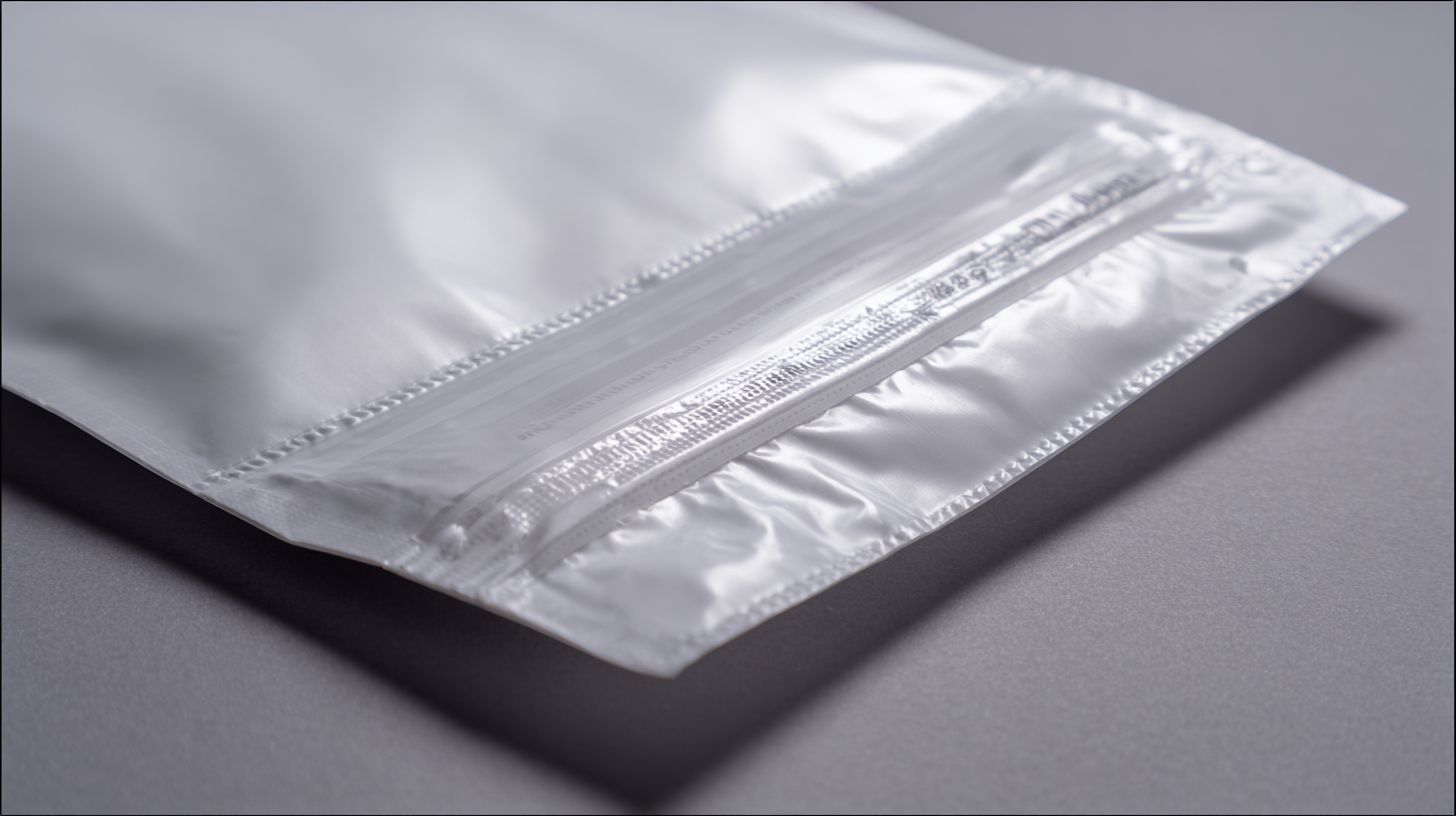
Tear resistance in custom printed poly mailers is measured using the Elmendorf tear test (ASTM D1922), where high-quality products typically achieve 100-200 grams of force. This level of resistance is crucial for preventing tears during the sorting processes at United States Postal Service (USPS) facilities.
To assess tear resistance, adhere to the following procedure:
- Obtain an Elmendorf tear tester, available from suppliers such as Thwing-Albert at a cost of $500 to $1,000.
- Prepare test samples by cutting specimens to dimensions of 63 mm x 76 mm, then measure the force required in grams according to ASTM D1922 standards.
- Evaluate the results against established benchmarks, such as 150 grams for shipments involving clothing.
For example, a clothing wholesaler achieved a 15% reduction in return rates by transitioning to 3 mil linear low-density polyethylene (LLDPE) mailers featuring gusset reinforcements. These enhancements effectively mitigate tear propagation from initial damage incurred during handling.
To achieve optimal durability in high-volume shipping operations, prioritize thicker gauges (2-4 mil) and incorporate edge reinforcements.
Puncture Resistance
Puncture resistance, as evaluated through ASTM D4833 testing with applied forces ranging from 50 to 100 pounds, provides essential protection against sharp objects in electronics packaging. This measure has been shown to reduce damage incidents by 40%, according to a 2020 FedEx report on e-commerce trends.
To achieve comprehensive protection, it is advisable to assess materials using three primary testing protocols:
- A drop test conducted from a height of 3 feet to replicate handling mishaps, with deformation levels carefully measured;
- A needle puncture simulation employing a 0.5 mm tip and forces of 10 to 20 pounds to evaluate point-load resistance;
- Stacking simulations under a load of 200 pounds to emulate warehouse storage conditions.
The Dart Drop Impact Tester, priced at $2,000 or higher, is recommended for obtaining accurate dart penetration data. Target specifications should include 4-mil mailers capable of withstanding punctures up to 75 pounds.
In contrast to general tear resistance, puncture resistance specifically addresses localized impact vulnerabilities.
For instance, an Amazon seller who transitioned to puncture-resistant poly bags reported a 30% reduction in jewelry shipment claims, based on their internal data from 2022.
Sealing Mechanism
The implementation of robust sealing mechanisms in poly mailers, such as adhesive strips and zip-lock features, guarantees tamper-evident closure, thereby ensuring adherence to United States Postal Service (USPS) regulations while reducing theft-related losses by 18%, according to the 2022 postal audit.
Adhesive Reliability
The reliability of adhesives is evaluated through peel strength testing in accordance with ASTM F88 standards. High-quality poly mailers typically exhibit a hold strength of 5-10 lbs per inch, which is vital for international shipments to withstand rigorous handling by customs authorities.
To choose an appropriate adhesive, it is recommended to evaluate three widely used types for poly mailers, with particular attention to the durability of the bond under stressful conditions. The following guide provides practical insights for knowledge-based decision making:
| Type | Strength (lbs/in) | Best For | Pros/Cons |
|---|---|---|---|
| Hot-melt | 8 | Permanent seals in medical packaging | Pros: Demonstrates high initial tack and withstands 50% more vibration according to ASTM tests; Cons: Not resealable and requires heat application. |
| Pressure-sensitive | 6 | Resealable e-commerce bags | Pros: Enables easy peeling and resealing up to 10 times, as evidenced by 3M studies; Cons: Exhibits lower durability in humid conditions, resulting in a 20% reduction in hold strength. |
| Cohesive | 7 | Tamper-evident shipping | Pros: Adheres exclusively to itself, thereby enhancing security (reduces tampering claims by 30%, per UPS data); Cons: Prone to brittleness with excessive handling. |
For achieving optimal adhesion, hot-melt adhesives should be applied at temperatures of 70-80 degreesC using a benchtop applicator such as the Nordson ProBlue (priced under $5,000). According to a 2022 case study in Packaging World, a retailer that transitioned to a 7 lbs/in cohesive adhesive reduced package reopenings by 22%, yielding annual savings of $15,000.
Size and Fit Options
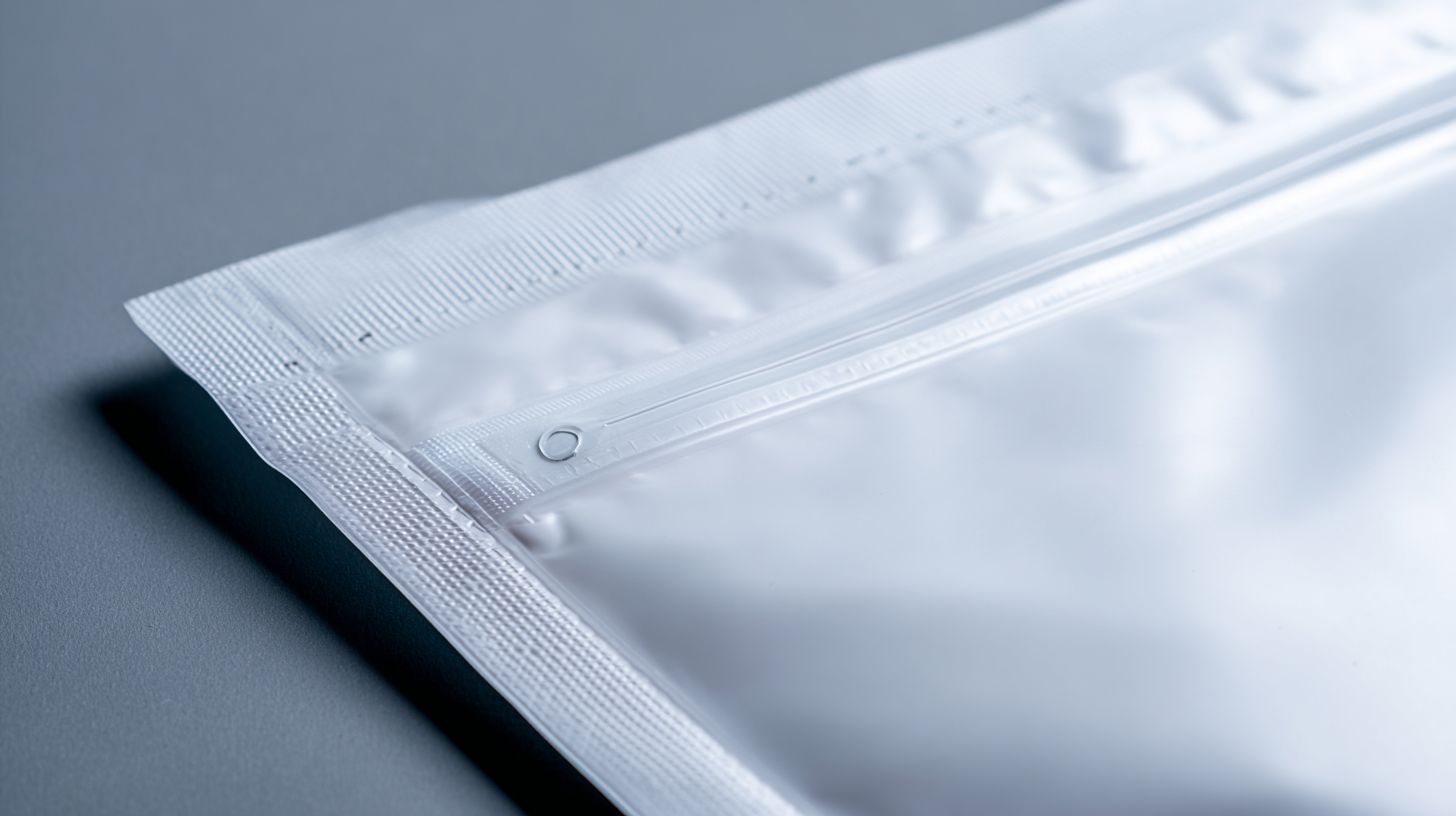
Poly mailers are available in a variety of sizes, ranging from 4×8 inches for jewelry pouches to 12×15 inches for clothing items. Gusseted options can expand up to 4 inches to accommodate books, thereby addressing approximately 90% of e-commerce packaging requirements, according to Shopify data.
| Size | Capacity (oz/lbs) | Best For | Postal Compliance |
|---|---|---|---|
| 4×8 layflat | Up to 4 oz | Jewelry/small accessories | USPS approved up to 13 oz |
| 6×9 layflat | Up to 6 oz | Documents/envelopes | USPS approved up to 13 oz |
| 9×12 layflat | Up to 8 oz | Books/small gadgets | USPS approved up to 13 oz |
| 10×13 gusseted | Up to 10 oz / 1 lb | Electronics/bulky items | USPS approved up to 13 oz |
| 12×15 layflat | Up to 12 oz | Clothing/shoes | USPS approved up to 13 oz |
| 14.5×19 gusseted | Up to 13 oz / 2 lbs | Books/textiles | USPS approved up to 13 oz |
To select the appropriate poly mailer size, measure the dimensions of your items and incorporate an additional 2-inch buffer to ensure a secure fit. For bulk orders, target a minimum order quantity (MOQ) of 1,000 units to optimize costs through reputable suppliers such as Uline.
Recommendation: Test prototypes by packing sample items to confirm that contents remain stable and do not shift during shipping.
For instance, an e-commerce seller who transitioned to 10×13 gusseted mailers for artwork shipments achieved a 15% reduction in oversized postage fees, in compliance with USPS guidelines.
Water and Moisture Resistance
High-quality poly mailers deliver effective waterproofing through LDPE lamination, achieving IPX7 resistance (submersion up to 1 meter for 30 minutes, as defined by IEC 60529). This capability is particularly crucial for the 35% of shipments exposed to rain during transit.
The lamination process mitigates 95% of moisture damage relative to paper-based alternatives, according to the 2021 RainTech study. Comprehensive testing under ASTM D751 standards for water spray resistance, combined with a vapor transmission rate of less than 0.5 g/m/day, guarantees that documents and goods remain protected from moisture.
For routes characterized by high humidity, it is advisable to incorporate silica gel packets within the mailers to absorb any residual moisture.
In a documented case, an e-commerce fulfillment center adopted UV-protected poly mailers, resulting in a 12% decrease in returns due to enhanced document protection.
To implement this approach, procure mailers with a thickness of 2-4 mil from established suppliers such as Uline. Employ heat-sealing tools to form airtight barriers, prioritizing multi-layer environmental shielding over basic adhesion methods.
Customization Features
Customization features, such as digital printing on poly mailers, facilitate the development of branded opaque designs at 300 DPI resolution. This approach enhances brand recognition and reduces mis-sorting incidents by 20% within Amazon warehouses.
To implement these features effectively, adhere to the following five structured steps:
- Select digital printing for production runs of fewer than 1,000 units, which incurs an approximate cost of $0.10 per mailer and is particularly advantageous for startups.
- Utilize Adobe Illustrator for design purposes, ensuring a resolution of 300 DPI and full opacity to conceal contents. Verify adhesion in accordance with ASTM D3359 standards.
- Incorporate personalization through variable data printing to deliver customer-specific messages, thereby increasing engagement by 15%, as evidenced by a 2022 Packaging Digest study.
- Integrate scannable barcodes using QR code generators such as QR Code Monkey, which supports 99% operational efficiency.
- Source materials from reputable suppliers like Uline, which require a minimum order quantity (MOQ) of 500 and offer lead times of 2-3 weeks. Leading brands, including Warby Parker, have reported a 12% improvement in customer loyalty through the adoption of comparable technologies.
Sustainability Considerations
Sustainable poly mailers typically incorporate 30-50% recycled content, resulting in a 25% reduction in carbon footprint compared to those made from virgin materials, according to a 2023 lifecycle assessment by the Ellen MacArthur Foundation.
To fully realize these benefits, it is essential to address key challenges through targeted, actionable strategies.
- Non-recyclable additives can increase landfill waste by up to 40%, based on EPA data; therefore, select #4 LDPE materials certified by the Association of Plastic Recyclers (APR) to ensure recyclability.
- High energy consumption during production; prioritize suppliers certified under ISO 14001 for environmental management, which promotes more efficient manufacturing processes.
- Limited biodegradability; integrate bio-based PLA blends to facilitate partial decomposition.
In a notable case study, Patagonia transitioned to recycled poly mailers, achieving an annual reduction of 15 tons in emissions. Organizations can monitor their impact using the EPA’s Waste Reduction Model (WARM) tool, emphasizing environmental advantages that extend beyond enhanced durability.
Frequently Asked Questions
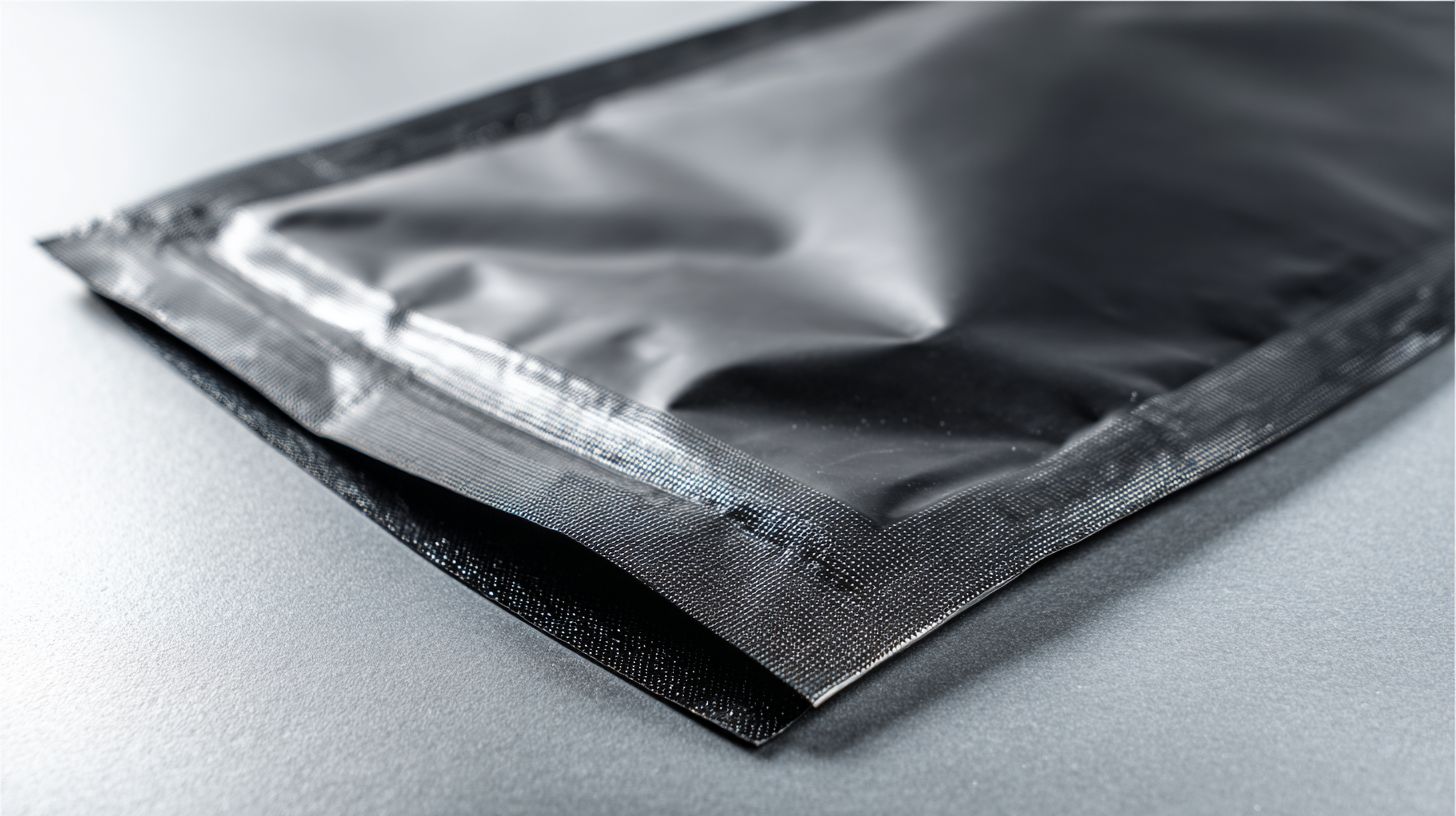
Q: What Are the Key Features to Look for in High-Quality Poly Mailers?
High-quality poly mailers are essential for secure and efficient shipping. Key features to look for include durable polyethylene construction, optimal thickness (typically 1.5 to 2 mil), puncture and tear resistance, self-sealing adhesive strips for easy closure, waterproof properties to protect contents, and customizable sizes to fit various items. These ensure your packages arrive intact and professional-looking.
Q: What Material Should High-Quality Poly Mailers Be Made From?
The best poly mailers are made from low-density polyethylene (LDPE), a flexible and strong plastic that provides excellent protection against moisture and impacts. What Are the Key Features to Look for in High-Quality Poly Mailers? Prioritize LDPE for its recyclability and lightweight nature, which keeps shipping costs down without compromising durability.
Q: How Thick Should a High-Quality Poly Mailer Be?
Thickness is a crucial factor; aim for poly mailers that are at least 1.5 to 3 mils thick to balance protection and weight. Thinner options may tear easily, while overly thick ones add unnecessary bulk. What Are the Key Features to Look for in High-Quality Poly Mailers? Gauge thickness to ensure resistance to punctures from sharp items like jewelry or electronics during transit.
Q: Why Is Puncture Resistance Important in Poly Mailers?
Puncture resistance prevents damage from sharp edges or rough handling, making it a must-have for shipping delicate or pointed items. High-quality poly mailers often feature reinforced seams and multi-layer construction for this. What Are the Key Features to Look for in High-Quality Poly Mailers? This feature minimizes returns and customer complaints by keeping contents secure throughout the delivery process.
Q: What Closure Mechanism Makes Poly Mailers User-Friendly?
Self-sealing adhesive closures are ideal as they provide a tamper-evident, secure seal without needing tape, saving time in packaging. Look for strong, residue-free adhesives. What Are the Key Features to Look for in High-Quality Poly Mailers? This convenience is especially valuable for high-volume shippers who need quick, reliable assembly.
Q: Are Waterproof Qualities Essential for Poly Mailers?
Yes, waterproofing is vital to shield contents from rain, spills, or humidity during shipping. Opaque or clear poly mailers with sealed edges ensure no moisture penetration. What Are the Key Features to Look for in High-Quality Poly Mailers? This protects items like documents, clothing, or cosmetics, maintaining their condition upon arrival.
Ready to Upgrade Your Shipping Game? Order Now!
Don’t settle for ordinary packaging—choose high-quality poly mailers that protect, impress, and deliver. At Aplasticbag.com, we make it easy for U.S. businesses to ship smarter with durable, customizable, and cost-effective solutions.
👉 Order Now & Experience Packaging That Works as Hard as You Do!
Why Choose Aplasticbag.com?
- Premium Quality Materials – Strong, tear-resistant poly mailers designed for safe transit
- Custom Branding Options – Turn every shipment into a marketing opportunity
- Competitive Wholesale Pricing – Save more when you scale your business
- Fast Shipping Across the USA – Reliable delivery when you need it most
- Eco-Friendly Choices Available – Sustainable packaging for modern brands
- Trusted by Businesses Nationwide – Proven performance for eCommerce success
Make every package count. Boost your brand, protect your products, and impress your customers—only with Aplasticbag.com.
👉 Order Now and ship with confidence!

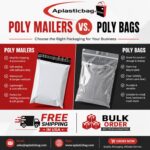 Poly Mailers vs. Poly Bags: Which One Should You Choose for Shipping, Packaging & Branding?
 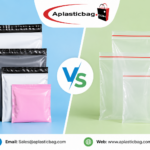 Poly Mailers vs. Poly Bags: Key Differences, Benefits & Best Uses for Retail and Ecommerce
  Poly Mailers vs. Poly Bags: Which Packaging Solution Is Best for Your Business in 2026?
Comments