
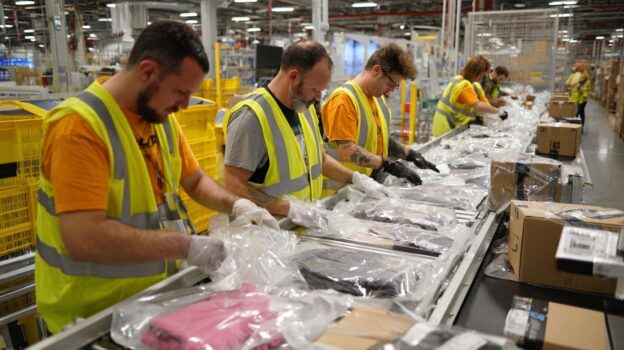
Choosing the right packaging is no longer just about protecting products. In 2026, businesses across the USA are looking for packaging that improves shipping efficiency, enhances customer satisfaction, supports branding, and reduces operational costs. Whether you operate an eCommerce store, food business, retail shop, or industrial supply company, understanding the difference between mailers and bags can help you make a smarter investment.
When comparing Poly Mailers vs. Poly Bags, it is important to understand that both products serve different purposes. While they may appear similar because they are made from polyethylene materials, their design, strength, and applications are significantly different. Selecting the right option depends on the products you sell, your shipping requirements, and your overall packaging strategy.
This guide explains how each packaging type works, their advantages, industries that commonly use them, and how to determine the best solution for your business.
Understanding Poly Mailers
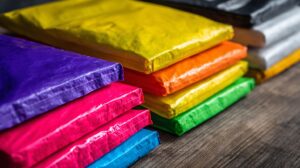
Poly mailers are lightweight shipping envelopes designed to protect non-fragile products during transportation. They typically include a permanent adhesive strip that securely seals the package until delivery.
Many online businesses prefer Poly Mailers for Packaging Solutions because they reduce shipping weight while providing excellent moisture resistance. Compared to traditional cardboard boxes, they require less storage space and often lower shipping costs.
Common products shipped in poly mailers include:
- Clothing
- Fashion accessories
- Books
- Soft goods
- Documents
- Promotional products
- Small electronics with protective wrapping
Modern poly mailers are available in multiple sizes, colors, thicknesses, and printable finishes that allow businesses to create a professional unboxing experience.
Understanding Poly Bags
Poly bags are flexible plastic bags manufactured for storing, organizing, protecting, and packaging products before shipping or retail display. Unlike mailers, standard poly bags are not always intended for direct shipping unless combined with secondary protective packaging.
Businesses frequently choose Poly Bags for Food supply because they help protect products from moisture, contamination, and external handling. Food-grade versions meet industry safety requirements for packaging various food products.
Other common applications include:
- Industrial components
- Medical supplies
- Retail merchandise
- Frozen products
- Bakery packaging
- Produce packaging
- Hardware items
- Manufacturing parts
Poly bags are available in flat, gusseted, zip-lock, wicketed, and perforated varieties depending on operational requirements.
Major Differences Between Poly Mailers and Poly Bags
Although both products are made from polyethylene, they perform different functions throughout the packaging process.
Purpose
Poly mailers are primarily designed for shipping directly to customers.
Poly bags are mainly designed for storing, protecting, organizing, or displaying products before transportation.
Protection
Poly mailers provide better protection during parcel shipping because they feature durable construction and secure adhesive closures.
Poly bags focus on keeping products clean, organized, and protected from dust, moisture, and contamination.
Closure
Poly mailers usually include a tamper-resistant adhesive seal.
Poly bags may use zip closures, heat sealing, twist ties, or open ends depending on the application.
Best Industries
Poly mailers are widely used in:
- eCommerce
- Fashion
- Apparel
- Subscription boxes
- Online retail
Poly bags are commonly used in:
- Food processing
- Manufacturing
- Medical
- Agriculture
- Retail packaging
Which Businesses Benefit Most from Poly Mailers?

Companies shipping directly to customers usually benefit from poly mailers because they simplify fulfillment while reducing shipping expenses.
Businesses that commonly use them include:
- Clothing brands
- Online boutiques
- Print-on-demand businesses
- Sportswear companies
- Cosmetics brands
- Subscription services
Since they are lightweight, businesses often experience lower carrier charges compared to bulkier shipping boxes.
Which Businesses Benefit Most from Poly Bags?
Poly bags are preferred when products require organization, cleanliness, or inventory management before shipping.
Industries include:
- Restaurants
- Grocery suppliers
- Food manufacturers
- Pharmaceutical companies
- Hardware distributors
- Agricultural suppliers
- Electronics manufacturers
Different bag styles accommodate various packaging needs, making them highly versatile across commercial industries.
Cost Considerations
Packaging costs affect overall profitability, especially for businesses shipping thousands of orders every month.
Poly mailers generally reduce:
- Shipping weight
- Warehouse storage
- Packing time
- Shipping material costs
Poly bags often reduce:
- Product contamination
- Inventory organization issues
- Packaging waste
- Storage complexity
Rather than asking which option is cheaper, businesses should determine which packaging matches their operational requirements.
Sustainability in 2026
Environmental responsibility continues to influence purchasing decisions across the United States.
Many manufacturers now offer packaging produced with:
- Recycled polyethylene
- Recyclable materials
- Reduced plastic thickness
- Responsible manufacturing practices
Businesses should also educate customers about proper recycling methods according to local municipal guidelines.
Selecting packaging with longer usability and improved durability can also help minimize unnecessary waste.
Branding Opportunities
Packaging serves as an extension of your brand identity.
Custom printing allows businesses to display:
- Company logos
- Brand colors
- Website information
- QR codes
- Return instructions
- Marketing messages
Well-designed packaging creates a more memorable customer experience while helping businesses establish brand recognition.
Many companies invest in Custom Packaging Solutions because consistent branding improves professionalism and customer confidence throughout the purchasing journey.
How to Choose the Right Packaging

Before selecting your packaging, ask the following questions:
What products are you packaging?
Soft goods usually perform well in mailers, while food, industrial products, or inventory items often require poly bags.
Will products be shipped directly?
If packages travel through courier networks, mailers generally provide greater shipping convenience.
Do products require food-safe materials?
Food packaging requires certified materials designed specifically for food contact applications.
Is branding important?
Both packaging options support custom printing, allowing businesses to create a professional appearance.
How much warehouse space do you have?
Both options occupy less storage space than rigid packaging, making inventory management easier.
Packaging Trends Businesses Should Watch in 2026
Several packaging trends continue shaping purchasing decisions across American industries.
Businesses increasingly prefer:
- Lightweight shipping materials
- Right-sized packaging
- Tamper-evident closures
- High-quality custom printing
- Sustainable material choices
- Faster fulfillment systems
- Improved customer experience
- Smarter inventory management
Choosing packaging that aligns with these trends helps businesses remain competitive while improving operational efficiency.
Why Packaging Selection Matters
Packaging influences much more than product protection.
The right packaging can improve:
- Shipping efficiency
- Customer satisfaction
- Brand perception
- Warehouse productivity
- Product cleanliness
- Damage reduction
- Operational costs
Businesses should evaluate their products, supply chain, shipping methods, and customer expectations before selecting the most appropriate packaging solution.
Companies like Aplasticbag understand that every industry has unique packaging requirements. Rather than choosing one product for every application, successful businesses often combine different packaging formats to achieve better protection, efficiency, and customer satisfaction.
Frequently Asked Questions
Q: Are poly mailers waterproof?
Most poly mailers provide strong resistance against moisture and rain, helping protect products during transportation. However, they should not be completely submerged in water.
Q: Can poly bags be used for shipping?
Standard poly bags are generally intended for storage or internal packaging. Shipping often requires additional protective packaging depending on the product.
Q: Which packaging is better for clothing?
Poly mailers are commonly preferred because they are lightweight, durable, and designed specifically for shipping soft goods.
Q: Are food-grade poly bags different from regular poly bags?
Yes. Food-grade poly bags are manufactured using materials that meet food safety standards and are intended for direct food contact.
Q: Can both packaging types be customized?
Yes. Both poly mailers and poly bags can be custom printed with logos, colors, product information, and branding elements.
Q: Which option helps reduce shipping costs?
For many eCommerce businesses, poly mailers help reduce shipping costs because they weigh less than rigid packaging while providing suitable protection for non-fragile items.
Final Thoughts
There is no universal answer when comparing poly mailers and poly bags because each serves a distinct purpose. Businesses that ship apparel and other lightweight products directly to customers often benefit from poly mailers, while companies handling food products, manufacturing components, or inventory organization typically rely on poly bags.
The best packaging choice depends on product type, shipping process, storage requirements, and customer expectations. Evaluating these factors carefully will help businesses build an efficient packaging strategy that supports long-term growth.
Bulk Order for Wholesale Packaging with Aplasticbag to streamline your packaging operations with solutions designed for businesses across the USA.

 Top Benefits of Custom Poly Bubble Mailers for Secure and Cost-Effective Shipping
  Poly Mailers vs. Poly Bags: Which One Should You Choose for Shipping, Packaging & Branding?
  Poly Mailers vs. Poly Bags: Key Differences, Benefits & Best Uses for Retail and Ecommerce
Comments