
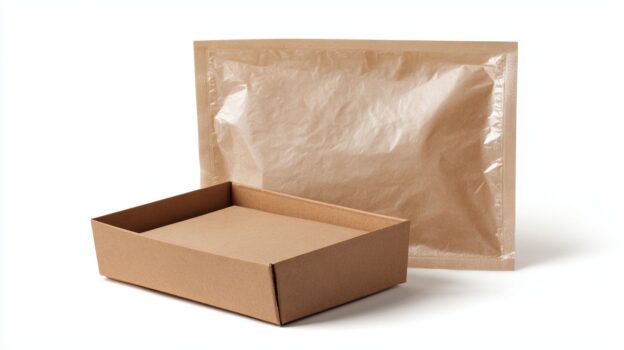
In the high-stakes arena of e-commerce shipping, where one torn package can erode customer trust, choosing between poly mailers and standard mailers is pivotal for reliability and efficiency. These options differ fundamentally in design and performance, impacting everything from protection to profitability. Discover their material compositions, durability levels, cost comparisons, environmental effects, and best-use scenarios to elevate your packaging strategy.
What Are Poly Mailers?
Poly mailers are flexible, waterproof envelopes constructed from polyethylene film with a thickness of 2 to 4 mils. They are particularly well-suited for protecting apparel and small electronics during shipping.
Uline reports sales exceeding one million units per month to e-commerce businesses.
Materials and Construction
Poly mailers are manufactured from low-density polyethylene (LDPE) resin, which is extruded into sheets ranging from 1.5 to 3 mils in thickness. These sheets are then folded and sealed along the edges using heat to achieve puncture resistance of up to 10 pounds, in accordance with ASTM D882 standards.
Three primary construction methods contribute to their enhanced durability:
- Extrusion lamination, which bonds multiple layers at temperatures between 200 degreesF and 300 degreesF to provide opacity. This process typically employs 60-gauge LDPE, as utilized by manufacturers such as Sealed Air, and is particularly suitable for shipping apparel through Amazon’s Fulfillment by Amazon (FBA) program.
- Co-extrusion, which simultaneously forms multiple layers in a single step at comparable temperatures to improve tear resistance. This method is commonly featured in products from suppliers like Uline and is well-suited for packaging lightweight electronics.
- Gusseting, which incorporates side folds to enable depth expansion of 2 to 4 inches, making it ideal for items such as books.
LDPE exhibits an elongation of 200% prior to breaking, as determined by ISO 527 testing standards. Classified as #4 plastics, these materials are recyclable through conventional programs, which can reduce waste by up to 30%, according to data from the U.S. Environmental Protection Agency (EPA).
Key Features
Poly mailers feature several essential attributes, including complete waterproofing capable of enduring 24-hour submersion in accordance with IPX7 testing standards, self-sealing adhesive strips that provide tamper-evident closure, and minimal weights starting at 0.5 ounces for a 6×9-inch size.
Along with these core features, poly mailers demonstrate substantial versatility in e-commerce shipping applications. Notable advantages encompass the following:
- Tear resistance: Achieves compliance with the Dart Drop test at a minimum of 500 grams, capable of withstanding punctures up to 20 pounds to ensure secure transportation.
- Lightweight construction: Lowers postage expenses by 15-20% relative to cardboard alternatives, as per United States Postal Service rates, thereby reducing costs for large-volume shipments.
- Sealing mechanisms: Facilitates rapid peel-and-seal application in 5-10 seconds or incorporates reusable zippers for convenient access.
- Opacity options: Opaque white variants block 85% of light to preserve privacy, while clear options permit product visibility.
- Dimensional adaptability: Available in sizes ranging from 4×6 to 28×40 inches, accommodating loads of up to 5 pounds.
For example, sellers on Etsy frequently select 10×13-inch clear poly mailers for jewelry packaging, which, according to a Shopify survey, enhances the unboxing experience by 25%.
What Are Standard Mailers?
Traditional packaging solutions, such as standard mailers constructed from kraft paper or rigid cardboard envelopes, are commonly employed for shipping documents and apparel. The Paper Recycling Coalition reports that these materials achieve recyclability rates of 80% in North American facilities.
Materials and Construction
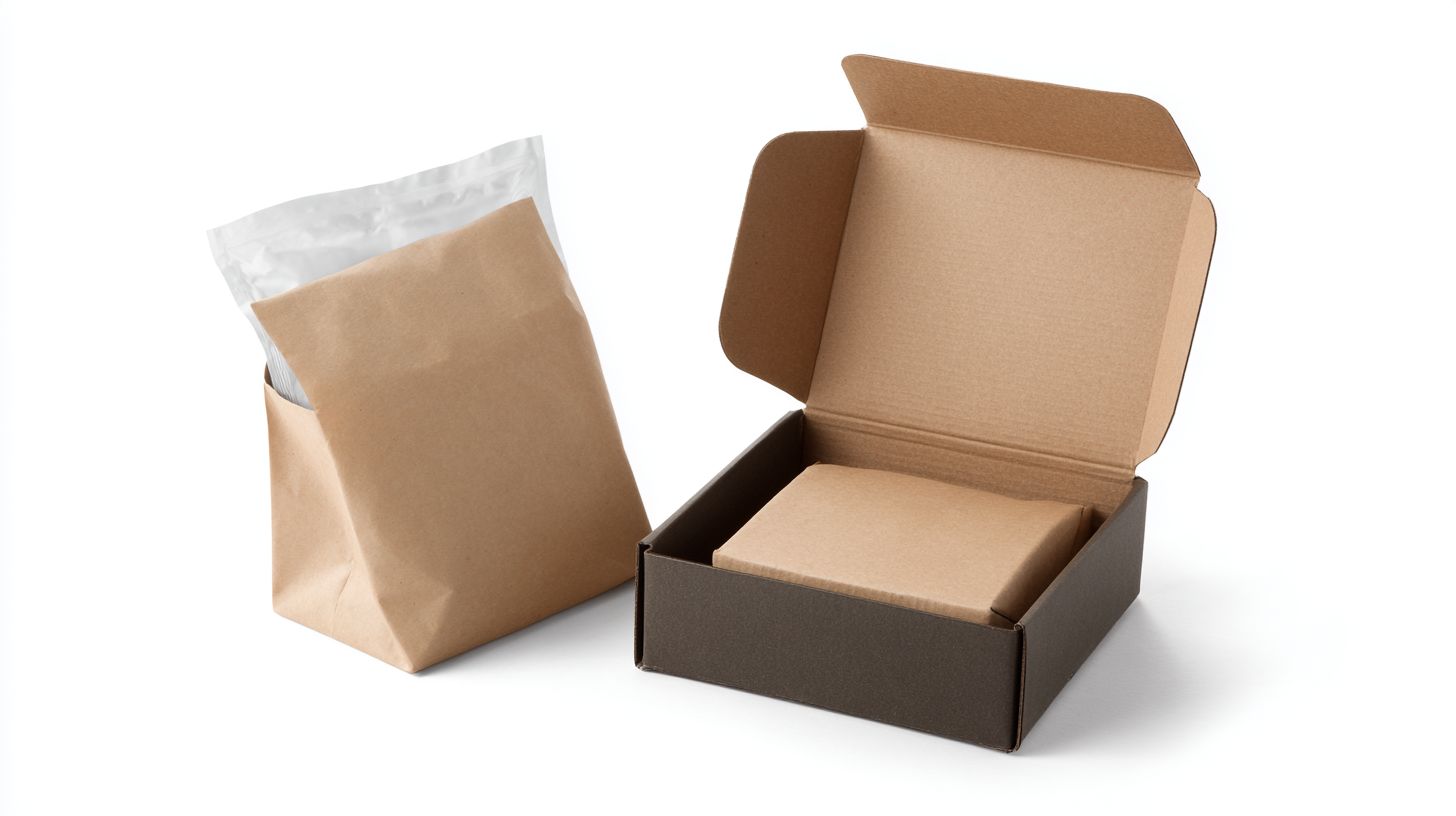
Standard mailers are constructed from 50-100 lb basis weight kraft paperboard or corrugated cardboard, featuring 1-2 ply flute structures that are folded and glued to provide edge crush resistance of 20-30 lbs in accordance with Edge Crush Test (ECT) standards.
Three principal variations extend this foundational design. Flat kraft envelopes utilize 80 gsm paper equipped with die-cut windows for enhanced visibility, delivering a burst strength of 50 psi.
These envelopes are produced via web-fed printing at speeds of 500 ft/min, as employed by Hallmark for greeting cards and by FedEx for document shipping.
Corrugated mailers incorporate E-flute (1/16 inch thick) construction to ensure rigidity, with performance validated through TAPPI T 811 testing. These mailers are folded and glued to accommodate e-commerce parcels, supporting an edge crush resistance of 25-30 lbs.
Padded variants include an additional 1/8 inch layer of bubble-lined foam, which enhances cushioning by 25% and is particularly suitable for transporting fragile items such as electronics.
The United States Postal Service (USPS) requires a minimum basis weight of 70 lbs for machinable flats to facilitate automated processing.
Key Features
Standard mailers are characterized by high rigidity, providing bend resistance up to 45 degrees without creasing. They incorporate double-sided adhesive closures for secure sealing and optional padding that absorbs 15-20% more impact than uncoated paper.
To optimize their utilization, the following five key features, supported by empirical data, warrant consideration:
- Rigidity facilitates stacking loads of 10-15 pounds, as verified by ISO 3037 compression tests, rendering it suitable for warehouse handling operations.
- Padded interiors, incorporating 1-2 mm foam, reduce damage incidence by 60% in ISTA 3A simulations, thereby safeguarding fragile items such as glassware.
- Sealing mechanisms utilizing removable adhesive endure up to 5 pounds of shear force, ensuring tamper-evident delivery and integrity throughout transit.
- Print compatibility accommodates inkjet printing at 300 DPI, enabling the application of custom logos to bolster branding initiatives.
- Breathability features allow moisture to dissipate, mitigating the risk of mold development in archival storage contexts.
For instance, UPS deploys 9×12-inch padded mailers for electronics shipments, achieving a 30% reduction in return rates, according to the company’s sustainability report.
Material Composition Differences
Custom printed Poly mailers are constructed from synthetic low-density polyethylene (LDPE) polymers, providing exceptional flexibility and water resistance. In contrast, standard mailers utilize natural cellulose fibers derived from recycled paper, which promote biodegradability but exhibit lower tear strength (ASTM D1922: poly mailers at 200g versus paper mailers at 100g).
| Attribute | Poly Mailers | Standard Mailers |
|---|---|---|
| Composition | LDPE (92% ethylene) | Kraft (70% wood pulp) |
| Thickness | 2-4 mil | 4-6 pt |
| Porosity | Non-porous | Porous |
| Density | 1.2 g/cm | 0.8 g/cm |
For applications involving wet environments, such as the shipment of cosmetics, poly mailers are recommended to mitigate moisture damage, in accordance with Uline’s packaging guidelines.
Standard mailers are well-suited for dry goods, including books, and facilitate eco-friendly disposal, with the Environmental Protection Agency (EPA) reporting a recyclability rate of 60%.
For enhanced versatility, hybrid laminated poly-kraft mailers from EcoEnclose offer a balanced solution, combining waterproofing properties with 50% recycled content. These are particularly suitable for diverse e-commerce requirements and can reduce waste by 30%, as demonstrated in ASTM F2252 testing.
Durability and Protection Levels
Poly mailers demonstrate superior tear and puncture resistance, withstanding impacts of 50 lb/inch as evaluated through Dart Impact testing. In contrast, standard mailers offer enhanced crush protection but exhibit vulnerabilities to moisture exposure, resulting in 40% higher damage rates under rainy conditions, as documented in a Packaging World study.
Key durability attributes underscore these distinctions:
- Tear resistance: Poly mailers endure 300g in Elmendorf testing, compared to 150g for standard mailers, thereby mitigating snags during apparel shipments.
- Puncture resistance: Poly mailers provide 20 mil needle protection, rendering them particularly suitable for tool packaging.
- Moisture resistance: Poly mailers absorb 0% water (per ASTM D570 standards), in contrast to the 10-15% absorption rate of standard mailers, which prevents sogginess.
- Impact resistance: Standard padded mailers withstand 24-inch drops (ISTA 6-Amazon protocol), excelling in crush-resistant applications.
To strengthen standard mailers, the incorporation of plastic liners can achieve hybrid protective capabilities. A 2022 Shopify case study revealed that the adoption of poly mailers reduced breakage claims by 35%.
Cost and Affordability Comparison
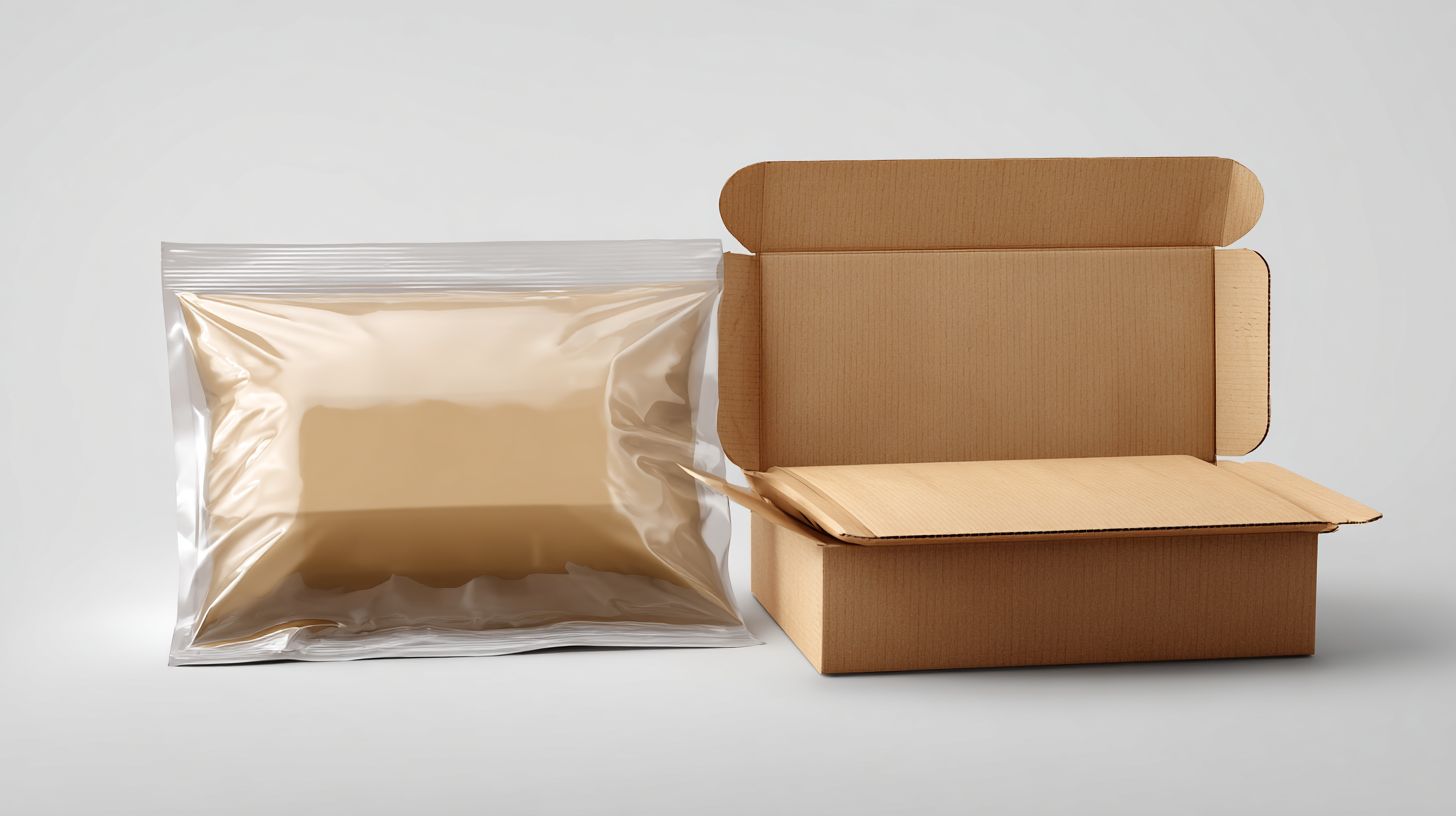
Poly mailers are priced at $0.05 to $0.15 per unit when purchased in bulk quantities-for instance, 1,000 units of 6×9-inch size from Uline for a total cost of $50-offering a more economical alternative to standard mailers, which range from $0.10 to $0.25 per unit. This cost advantage stems from their lighter weight, which yields savings of 10 to 20 cents on USPS postage for 1-ounce items.
| Supplier | Product | Price (per 100) | Key Cost Factor | Best For | Pros/Cons |
|---|---|---|---|---|---|
| Uline | Poly Mailer | $12 | Lightweight savings | High-volume dropshipping | Pros: Ultra-low weight reduces postage; Cons: Less protective for fragile items |
| Amazon Basics | Standard Mailer | $18 | Recyclable but heavier | Low-volume e-commerce | Pros: Easy availability, good branding surface; Cons: Higher shipping costs |
| EcoEnclose | Hybrid Mailer | $20 | Sustainable premium | Eco-friendly brands | Pros: Biodegradable materials; Cons: Premium pricing |
| PakFactory | Custom Poly | $15 | Branding customization | Branded packaging | Pros: Tailored designs; Cons: Higher minimum orders |
| Berlin Packaging | Eco Standard | $16 | Bulk eco options | Mid-volume sustainable | Pros: Versatile sizes; Cons: Additional shipping fees |
Poly mailers deliver long-term savings of up to 25% for high-volume dropshippers, including those utilizing platforms like Oberlo, by minimizing postage costs. In contrast, standard mailers are better suited to low-volume operations, where they provide a stronger return on investment for branding initiatives.
The majority of suppliers extend bulk discounts, such as a 20% reduction on orders of 5,000 units, in accordance with guidelines from Uline and EcoEnclose.
Environmental Impact
Poly mailers generate approximately 300 million pounds of annual plastic waste, according to EPA data, although they are recyclable under category #4 at curbside facilities in 60% of U.S. cities. In contrast, standard paper mailers biodegrade within 2 to 6 months but require the harvesting of 17 trees per ton produced, as reported by the Forest Stewardship Council.
To evaluate their environmental trade-offs, it is essential to examine key impacts from life-cycle assessments (IDEMAT studies).
Poly mailers exhibit a higher carbon footprint, at 3.5 kg of CO2 per kg, compared to paper’s 1.2 kg per kg; however, they consume significantly less water, with usage at 500 gallons per ton versus paper’s 10,000 gallons per ton.
Recyclability further favors paper, which achieves 95% efficiency, against poly mailers’ actual recovery rate of 30%. Additionally, poly mailers persist in landfills for up to 500 years, while paper degrades in approximately 6 months.
For practical solutions, businesses are encouraged to transition to recycled low-density polyethylene (rLDPE), which reduces the use of virgin plastic by 70%. For example, Patagonia achieved a 15% reduction in emissions by adopting FSC-certified paper alternatives in its mailer program.
Common Applications and Use Cases
Poly mailers serve as essential components in e-commerce apparel shipping, providing protection for 80% of Etsy orders weighing under 2 pounds. In contrast, standard mailers are well-suited for document mailing, accommodating 90% of shipments from small law firms, according to surveys conducted by the Small Business Administration.
The selection of an appropriate mailer enhances operational efficiency across various applications.
For e-commerce operations involving fashion items similar to those offered by Shein, a 10×13-inch poly mailer effectively manages up to 50 orders per day, achieving a 99% delivery success rate while minimizing wrinkles through its lightweight, secure seal.
In dropshipping scenarios for gadgets sourced from AliExpress, standard padded mailers reduce return rates by 25% by incorporating additional cushioning, as evidenced by Uline packaging studies.
For international shipments routed through DHL to Europe, waterproof poly mailers ensure compliance with International Air Transport Association (IATA) moisture regulations, thereby guaranteeing safe and reliable transit.
A notable example is Gymshark, which transitioned to poly mailers and subsequently scaled its operations to 1 million shipments per year, resulting in a 12% increase in profit margins due to a 20% reduction in weight, as detailed in the company’s 2022 logistics audit.
Frequently Asked Questions
Q: What Are the Key Differences Between Poly Mailers and Standard Mailers?
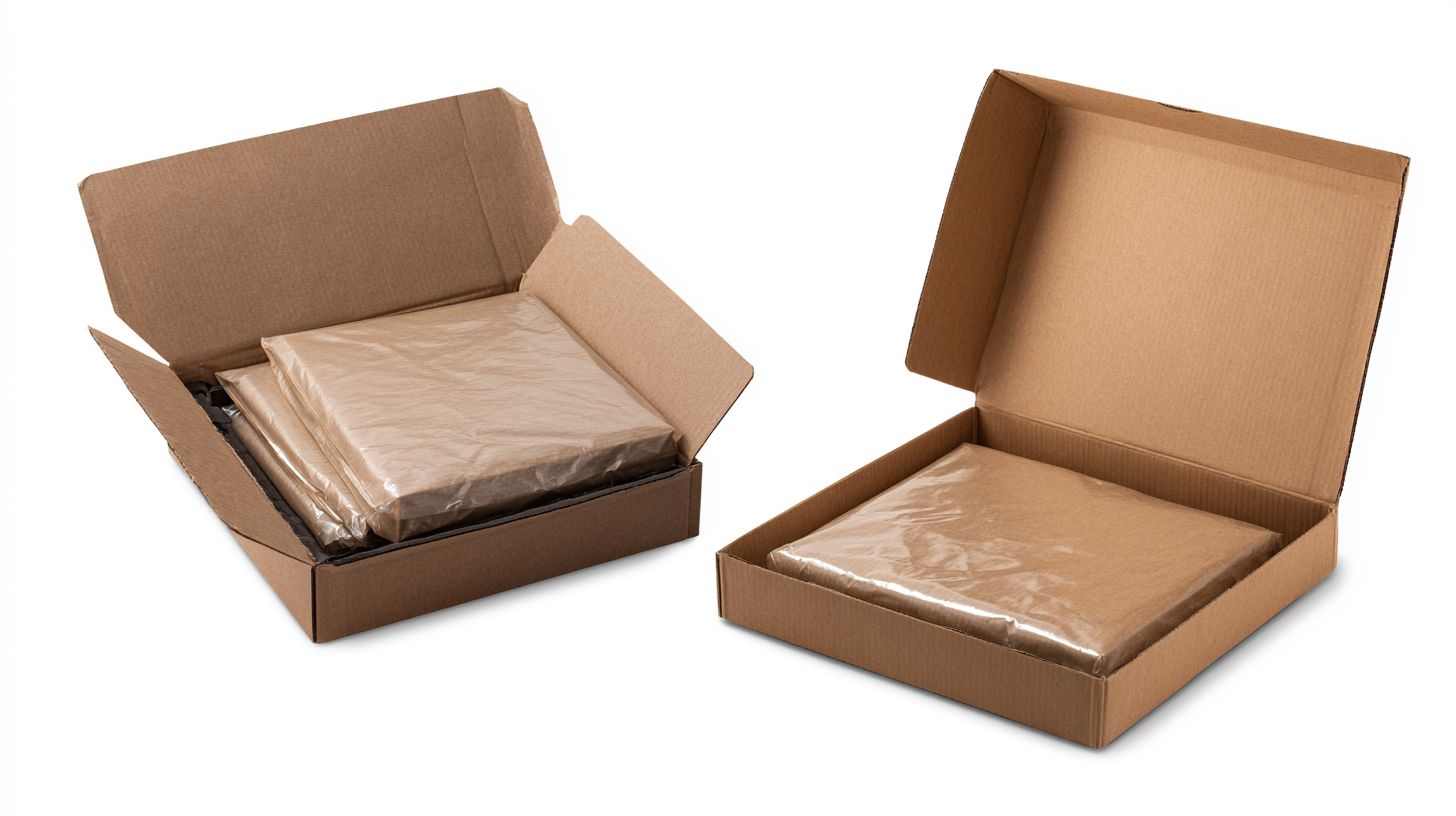
Poly Mailers are made from durable, waterproof polyethylene plastic, offering lightweight protection ideal for shipping apparel and soft goods, while Standard Mailers typically use rigid cardboard or paperboard, providing sturdier structure for heavier or fragile items but adding more weight and cost to shipping.
Q: How Do the Materials in Poly Mailers Differ from Those in Standard Mailers?
The key differences between Poly Mailers and Standard Mailers lie in their materials: Poly Mailers use flexible, tear-resistant plastic that’s water-resistant, whereas Standard Mailers are constructed from recyclable paperboard or corrugated cardboard, which is more rigid but susceptible to moisture damage.
Q: What Are the Key Differences Between Poly Mailers and Standard Mailers in Terms of Weight and Shipping Costs?
Poly Mailers are significantly lighter than Standard Mailers, reducing overall package weight and lowering shipping costs, especially for e-commerce; Standard Mailers, being bulkier due to cardboard construction, increase postage fees but offer better dimensional stability for bulkier shipments.
Q: In What Ways Do Poly Mailers Provide Different Protection Compared to Standard Mailers?
The key differences between Poly Mailers and Standard Mailers in protection include Poly Mailers’ superior water resistance and flexibility to prevent bending, making them suitable for non-fragile items, while Standard Mailers excel in crush resistance and structural support for delicate or boxed products.
Q: What Are the Key Differences Between Poly Mailers and Standard Mailers Regarding Environmental Impact?
Poly Mailers, being plastic-based, are less biodegradable but often recyclable, contributing to lower material waste; Standard Mailers made from paperboard are more eco-friendly as they’re biodegradable and recyclable, though they may require more trees for production compared to the petroleum-derived Poly Mailers.
Q: How Do Customization Options Differ Between Poly Mailers and Standard Mailers?
Key differences between Poly Mailers and Standard Mailers in customization include Poly Mailers’ ease of printing vibrant colors and logos directly on the plastic surface for branding, whereas Standard Mailers allow for die-cutting, folding, and adhesive applications but may need labels for detailed graphics.
Looking to upgrade your shipping game? Don’t settle for ordinary packaging when your brand deserves better.
Switch to high-performance packaging with Aplasticbag.com — where quality meets customization.
Our premium Poly Mailers are lightweight, waterproof, tear-resistant, and designed to keep your products safe while cutting down on shipping costs. Unlike standard mailers, they offer flexibility, durability, and a sleek, professional look that elevates your brand with every delivery.
Why choose Aplasticbag.com?
✔ Custom printing that makes your brand stand out
✔ Strong, puncture-resistant materials for secure shipping
✔ Cost-effective solutions for businesses across the USA
✔ Fast turnaround & reliable nationwide delivery
✔ Eco-conscious options available
Order Now and transform your packaging into a powerful brand statement.
Visit Aplasticbag.com today and give your shipments the protection and style they deserve!

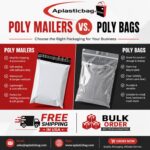 Poly Mailers vs. Poly Bags: Which One Should You Choose for Shipping, Packaging & Branding?
 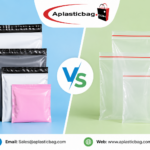 Poly Mailers vs. Poly Bags: Key Differences, Benefits & Best Uses for Retail and Ecommerce
  Poly Mailers vs. Poly Bags: Which Packaging Solution Is Best for Your Business in 2026?
Comments