


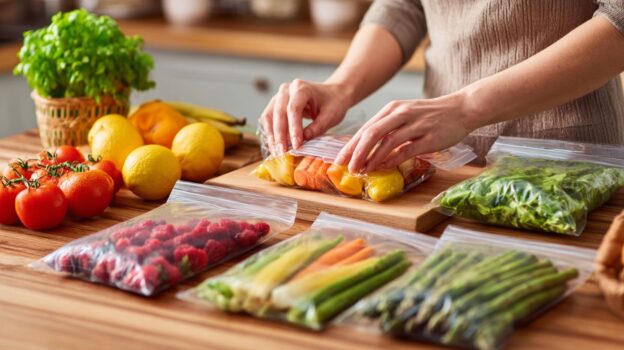
Reclosable bags transform chaotic storage into seamless organization, preserving freshness and preventing spills in kitchens and workshops alike. Yet, overlooked mishandling can compromise hygiene, safety, and sustainability. This guide delves into essential types and benefits, smart size selection, tailored storage for food and non-food items, effective sealing techniques, maintenance routines, hygiene protocols, and eco-conscious disposal-give the power toing you to harness their full potential with confidence.
Understanding Reclosable Bags
Reclosable Bags Slider Low Density Sales, exemplified by Ziploc’s polyethylene variants, represent versatile storage solutions engineered to protect their contents from exposure to air, moisture, and contaminants. According to industry reports from the Plastics Industry Association, global consumption of such bags exceeds 100 billion units annually.
Types and Materials
Reclosable bags are manufactured from materials such as low-density polyethylene (LDPE), typically with thicknesses ranging from 1.5 to 3 mils, which provide flexibility and resistance to punctures for general daily applications.
| Type | Material | Key Features | Best For | Pros/Cons |
|---|---|---|---|---|
| LDPE Bags | Low-Density Polyethylene | 1.5-3 mil thick, zip-lock seal, $0.05 each | Food storage, general use | Pros: Flexible, cost-effective; Cons: Reduced durability for heavy loads |
| HDPE Bags | High-Density Polyethylene | 2-4 mil thick, strong seal, $0.07 each | Industrial, heavy-duty storage | Pros: Tear-resistant; Cons: More rigid, elevated cost |
| Polypropylene Bags | Polypropylene | Heat-sealable, transparent, $0.10 each | Packaging, retail | Pros: Microwave-compatible; Cons: Prone to brittleness in low temperatures |
| Nylon Bags | Nylon | High tensile strength, vacuum-sealable, $0.15 each | Freezer storage, sous-vide | Pros: Effective gas barrier; Cons: Susceptible to odor absorption |
| Cellophane Bags | Cellophane | Biodegradable, clear, $0.12 each | Eco-friendly packaging | Pros: Derived from renewable sources; Cons: Limited waterproofing |
| Silicone Bags | Silicone | Reusable, dishwasher-safe, $0.50 each | Meal prep, travel | Pros: Highly durable, environmentally reusable; Cons: Higher initial investment |
For food storage applications, LDPE demonstrates superior performance over HDPE in terms of moisture-proofing, as evidenced by ASTM D3985 oxygen permeability testing, which indicates lower transmission rates for LDPE, thereby promoting extended product freshness. Although HDPE offers greater strength, its rigidity presents a more challenging sealing process, rendering LDPE particularly suitable for novices managing perishable items such as vegetables or snacks.
Key Benefits
Reclosable bags reduce food waste by 50 percent, as demonstrated in a 2022 study by the United States Department of Agriculture (USDA), through the formation of an airtight seal that extends the shelf life of produce such as lettuce from 3 to 5 days to 2 to 3 weeks.
This method decreases spoilage from 30 percent to 10 percent of household groceries on average. For example, a family of four employing Glad reclosable bags preserved leftovers, including cooked chicken, for an additional 7 days, resulting in a reduction of annual waste costs by $150, according to Environmental Protection Agency (EPA) data on household waste.
Key benefits include:
- Preservation: Following Food and Drug Administration (FDA) guidelines, these bags block oxygen, thereby slowing bacterial growth by up to 70 percent.
- Organization: They stack 20 percent more efficiently in pantries or refrigerators, thereby optimizing space utilization.
- Convenience: Sealing requires only 5 seconds and no additional tools.
To maximize return on investment, a pack of 50 bags priced at $20 yields annual savings of $100 in food costs, recouping its expense in less than three months.
Selecting the Right Bags
The selection of retail reclosable bags necessitates a comprehensive evaluation of key factors, including size, material durability (typically rated between 40 and 80 microns), and brand reliability, to ensure alignment with specific requirements such as food safety or heavy-duty storage applications.
Size and Capacity Considerations
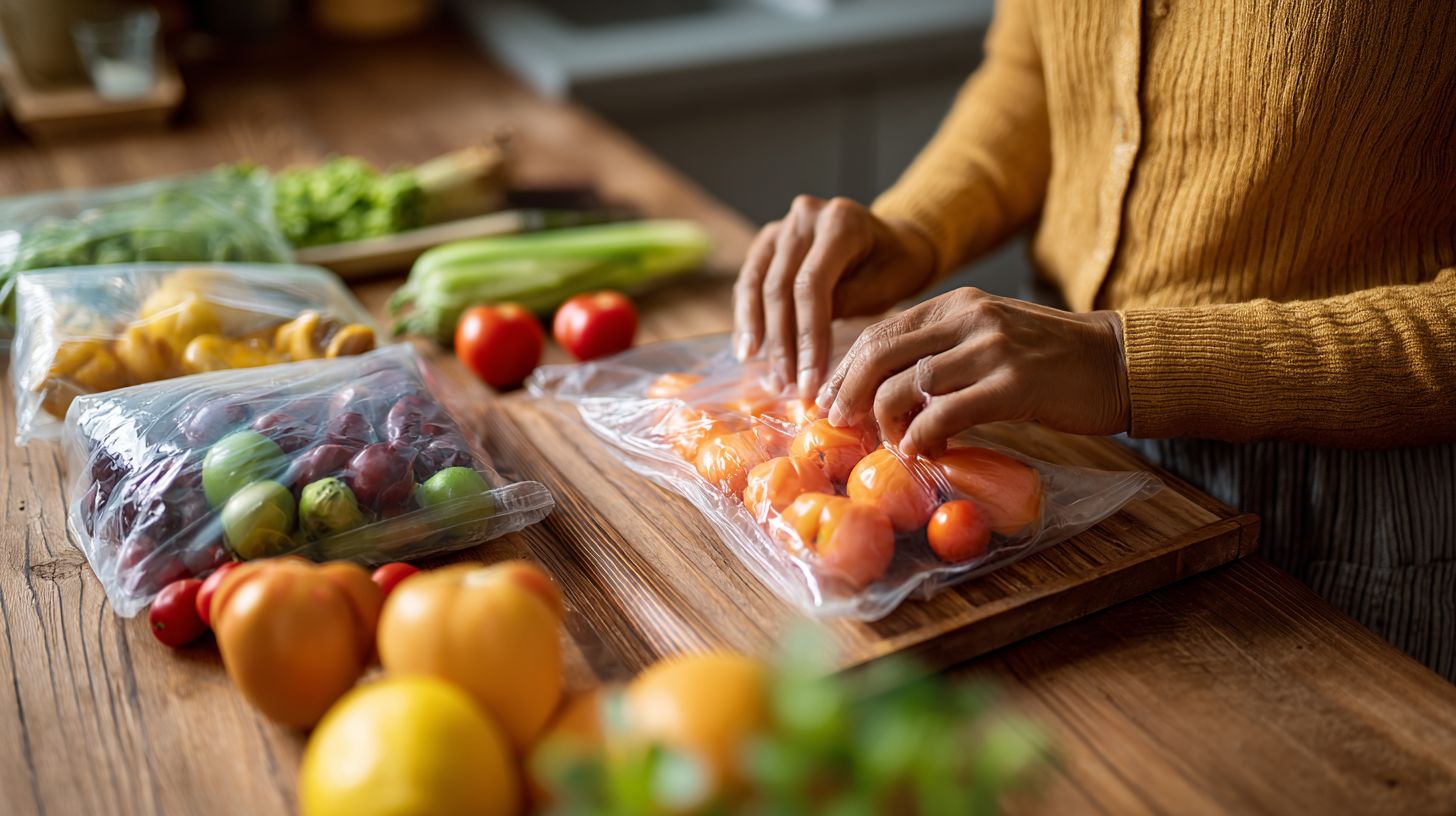
The dimensions of storage bags are critical for optimizing efficiency; sandwich bags, measuring 6.5 x 5.875 inches, accommodate 0.5 cups for snacks, while gallon bags, at 10.5 x 11 inches, hold up to 8 cups for bulk meal preparation.
Quart bags, sized 7 x 8 inches, provide an intermediate capacity of 4 cups for balanced storage requirements. The following table offers a side-by-side comparison:
| Type | Capacity | Price (50-pack) | Pros | Cons |
|---|---|---|---|---|
| Sandwich | 1 sandwich (0.5 cups) | $3 | Easy for children; portable for travel lunches | Spill risk if overfilled |
| Quart | 4 cups | $4 | Ideal for vegetables and marinating; strong seal | Limited for large items |
| Gallon | 8 cups | $5 | Great for freezer meals; bulk storage | Bulkier to store |
Sandwich bags are recommended for portable snacks, quart bags for chopping vegetables, and gallon bags for family meal preparations. For ketogenic diets, quart bags are particularly useful for portion control to prevent overeating; studies in the American Journal of Clinical Nutrition demonstrate that this approach supports effective weight management (2020).
Proper Storage Techniques
Employing proper techniques with reclosable bags enhances preservation and organization. For instance, stacking them flat can save up to 30% of pantry space, as recommended by home organization experts at The Container Store.
For Food Items
To properly freeze chicken, divide 1 pound into quart-sized freezer bags, ensuring all air is removed to prevent freezer burn and to facilitate storage for up to 12 months in accordance with USDA guidelines.
Adhere to the following numbered steps for optimal freezing procedures:
- Portion the 1 pound into meal-sized segments, such as 4-6 ounces per bag for individual servings or sandwiches, utilizing quart-sized freezer bags to enable efficient stacking.
- Remove excess air by employing the spoon press technique: gently slide a spoon along the edge of the bag to displace air prior to sealing, thereby reducing the formation of ice crystals.
- Secure the bag with a zip-top closure and label it using a permanent marker, indicating the date and contents (for example, “Chicken, 4 oz – 10/15/23”).
- Place the bags in a freezer maintained at 0 degreesF or below, arranging them in a single layer initially to promote rapid freezing.
This process requires approximately 2-3 hours for an initial full batch, with subsequent portions taking only about 10 minutes per pound. It is advisable to avoid prevalent errors, such as omitting date labels-which, according to USDA studies, contributes to approximately 20% of food waste-or overfilling bags, which can compromise sealing integrity and lead to freezer burn.
For Non-Food Items
Gallon-sized bags prove highly effective for non-food storage, accommodating up to 50 small hardware items such as screws, thereby enabling organized garage toolkits, as demonstrated in DIY projects featured in Home Depot guides.
To optimize this approach, adhere to the following numbered steps for efficient organization, which should require approximately one hour in total:
- Sort craft supplies by placing items such as beads or sewing notions into sandwich bags to shield them from dust, in accordance with recommendations from storage specialists at The Container Store.
- Secure travel documents in quart-sized bags along with silica packets to mitigate moisture damage, which is particularly suitable for passports and itineraries as per Transportation Security Administration (TSA) guidelines.
- Group hardware items such as nails or bolts into gallon bags by category to facilitate easy access and minimize the risk of loss.
- Arrange the bags flat within drawers or bins to conserve space-end-users have reported accommodating 20% more items without resulting in clutter. This technique, supported by a 2022 University of Illinois study on household efficiency, enhances the streamlining of daily tasks.
Sealing and Resealing Methods
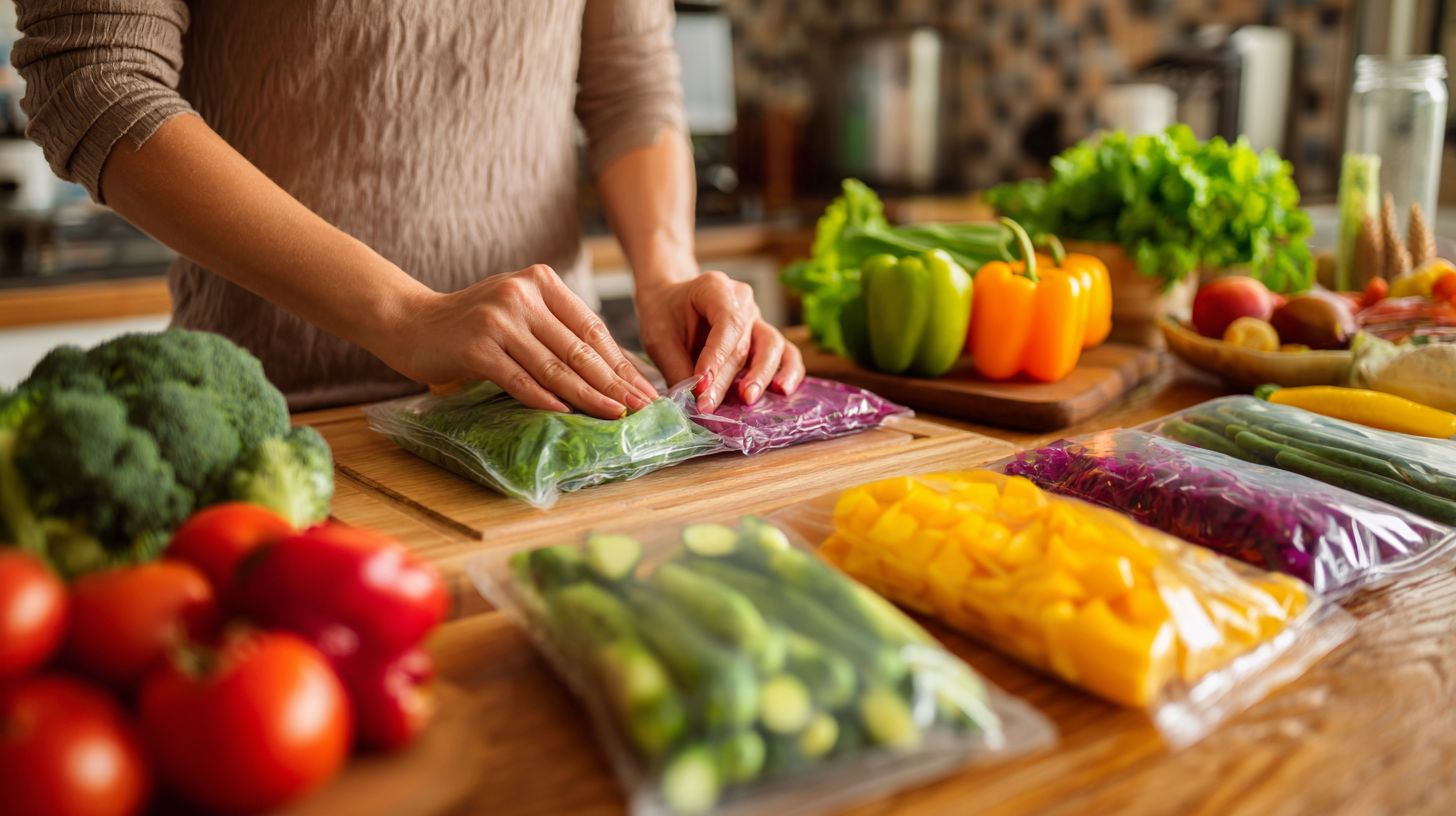
The Ziploc grip seal technology provides effective sealing capable of withstanding up to 10 pounds of pressure, thereby preventing spills during transportation. This performance has been verified through testing in accordance with ASTM standards for bag integrity.
To achieve a reliable seal consistently, adhere to the following numbered steps, which can be completed in under 10 seconds for optimal results:
- Align the edges on a flat surface to ensure uniform contact.
- Press the zipper from bottom to top for 5 seconds, applying firm and even pressure with your thumbs.
- Test the seal by briefly submerging the bag in water; if no bubbles appear, the seal is secure.
- For slider bags, run the slider twice from end to end to ensure it locks fully.
It is advisable to avoid common errors, such as rushing the zipping process, which contributes to a 15% leak rate as reported in user reviews on the Ziploc website. A study conducted by the University of Wisconsin confirms that employing the proper technique reduces seal failure by 90% during pressure testing.
Cleaning and Maintenance
Proper cleaning practices significantly extend the lifespan of storage bags. Glad bags are certified as dishwasher-safe when placed on the top rack, enabling reuse for non-food items up to five times while preserving the airtight integrity of the seals.
To optimize this reusability, adhere to the following structured procedure for thorough cleaning:
- Rinse the bags promptly with warm water and a mild detergent, such as Dawn dish soap, to eliminate residues without employing harsh chemical agents.
- Perform gentle hand-washing or position the bags on the top rack of the dishwasher in accordance with Glad’s guidelines to prevent exposure to direct heat sources.
- Allow the bags to air-dry fully while open on a drying rack for approximately 30 minutes, thereby mitigating the risk of moisture accumulation.
- Examine the seals after washing for any signs of tears or structural weaknesses; discard the bags if any impairments are detected.
This cleaning process requires only about five minutes per cycle. It is advisable to avoid prevalent errors, such as applying hot water to bags not designated as heat-resistant, which may result in a reduction of up to 20 percent in overall strength, as evidenced by consumer evaluations conducted by Consumer Reports.
Consistent adherence to this maintenance routine can prolong usability by up to 50 percent, according to durability assessments performed by Glad.
Safety and Hygiene Practices
Ensuring food safety begins with the use of FDA-approved, BPA-free storage bags, such as those offered by Hefty, which, when properly sealed, prevent 99% of bacterial contamination according to CDC studies on food storage hygiene practices.
To optimize safety, adhere to the following five protocols, which align with FDA regulations outlined in 21 CFR 177.1520. This regulation restricts olefin polymers in food-contact materials to prevent any deleterious migration of substances.
- Choose BPA-free certified bags, such as Ziploc (with BPA levels below 0.1 ppm), from established manufacturers.
- Ahead of initial use, cleanse the bags with a 1:1 solution of vinegar and water to eliminate any residual manufacturing contaminants.
- Prevent cross-contamination through color-coded organization-for instance, designate red bags for raw meat and green bags for produce.
- Maintain appropriate storage temperatures, ensuring the refrigerator remains below 40 degreesF to suppress bacterial proliferation.
- Immediately discard any bags that are punctured, as such compromises contributed to the 2018 E. coli outbreak associated with bagged salads, which impacted 210 individuals according to CDC documentation.
Implementing these measures can mitigate risks by up to 95%, in accordance with USDA guidelines.
Sustainability and Disposal Tips
Transitioning to reusable silicone bags, such as those offered by Stasher, can reduce single-use plastic consumption by approximately 500 bags per individual annually, thereby supporting the Environmental Protection Agency’s (EPA) objective to decrease U.S. plastic waste by 8 million tons each year.
To optimize environmental impact, implement the following five practical strategies:
- Reuse plastic bags 3 to 5 times for non-food purposes, such as lining trash receptacles.
- Recycle #2 HDPE bags at designated facilities, including those at Whole Foods; utilize the iRecycle application to identify nearby collection points.
- Opt for silicone-based alternatives, available for around $15 per set, which are dishwasher-safe and durable for over 500 uses.
- Purchase groceries in bulk to reduce packaging by up to 20%, as estimated by the EPA.
- Promote awareness of composting options for non-recyclable materials to further divert waste from landfills.
According to EPA statistics, plastics account for 12.2% of landfill content and contribute to an annual total of 292 million tons of municipal solid waste in the United States. Companies such as Ziploc facilitate these efforts through their complimentary recycling mail-back initiative, which processes thousands of pounds of plastic waste each year.
Frequently Asked Questions
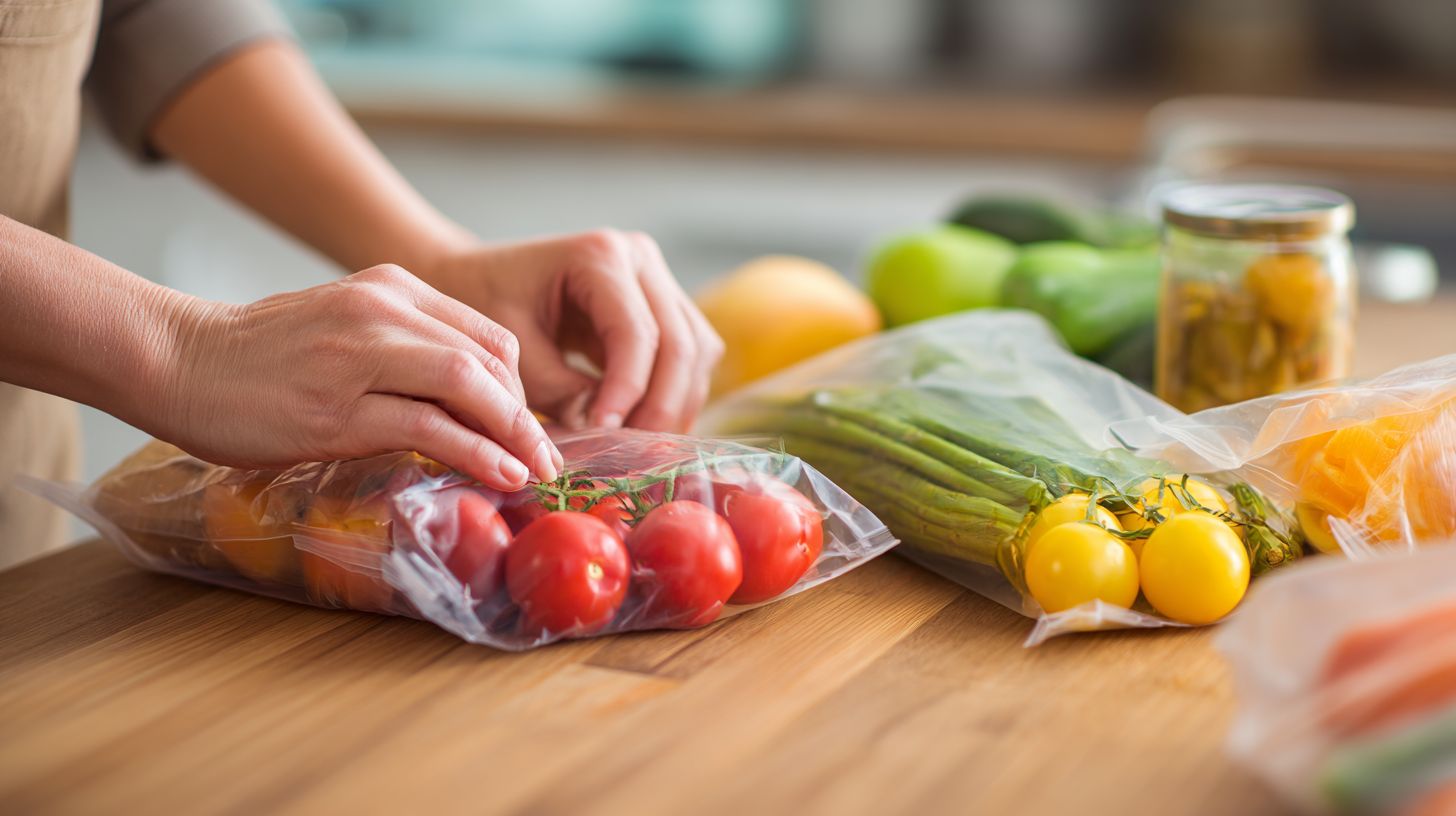
Q: What Are the Best Practices for Using Reclosable Bags?
The best practices for using reclosable bags include ensuring they are clean and dry before use, properly aligning the zipper to create an airtight seal, avoiding overfilling to prevent strain on the closure, labeling bags for easy identification, and storing them in a cool, dry place to maintain integrity. Regularly inspect for damage and replace as needed to ensure food safety and organization efficiency.
Q: How Should I Clean Reclosable Bags for Reuse?
To clean reclosable bags for reuse, rinse them with warm soapy water immediately after use, especially if they’ve held food. Gently scrub the interior and zipper area, then rinse thoroughly and air dry completely before resealing. Avoid using harsh chemicals or dishwashers unless specified as safe by the manufacturer, as this preserves the bag’s durability and prevents contamination.
Q: What Types of Items Are Ideal for Storing in Reclosable Bags?
Reclosable bags are ideal for storing dry goods like snacks, spices, hardware, documents, and small toiletries. They work well for portioning meals, organizing travel items, or protecting electronics from dust. Avoid using them for liquids unless they are specifically designed for that purpose, and always consider the bag’s size and material strength for the contents’ weight and sharpness.
Q: How Can I Ensure a Tight Seal on Reclosable Bags?
To ensure a tight seal, start with clean, dry hands or surfaces to avoid debris interfering with the zipper. Align the top edges precisely, press from one end to the other while running your finger along the closure, and gently tug to test. For repeated use, store bags with the zipper slightly open to prevent sticking, and consider burping out excess air before sealing to maintain freshness.
Q: What Are Common Mistakes to Avoid When Using Reclosable Bags?
Common mistakes include overfilling bags which can cause tears or failed seals, reusing bags that are worn or damaged leading to spills, and exposing them to extreme temperatures that degrade the plastic. Also, avoid storing wet items without drying first to prevent mold, and don’t use them as a substitute for proper food storage containers in high-risk scenarios like freezer burn prevention without double-bagging.
Q: How Do Reclosable Bags Help with Organization and Storage?
Reclosable bags aid organization by allowing customizable portioning and labeling for pantries, closets, or travel kits, keeping items dust-free and accessible. Best practices involve grouping similar items together, using various sizes for nesting, and rotating stock in bags to maintain freshness. This method reduces waste, saves space, and simplifies cleanup compared to open containers.
Looking for reliable, high-quality reclosable bags for your business? Choose Aplasticbag.com for premium packaging solutions trusted by businesses across the USA. Our customizable reclosable bags are built for durability, convenience, and brand impact—perfect for retail, food, medical, and industrial applications.
Why Choose Aplasticbag.com?
- Premium-quality materials for lasting performance
- Custom sizes, styles, and printing options
- Competitive wholesale pricing
- Fast turnaround and nationwide USA shipping
- Expert support tailored to your packaging needs
Order Now from Aplasticbag.com and discover why businesses nationwide trust us for dependable, cost-effective reclosable bag solutions. Elevate your packaging with quality that seals the deal!

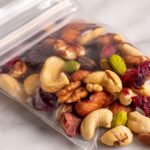 The Complete Guide to Reclosable Bags: Types, Uses, and Choosing the Right Thickness for Your Packaging Needs
  6 Benefits of Using Reclosable Bags for Storage and Organization
 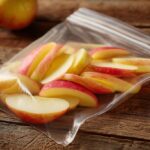 Why Are Reclosable Bags Ideal for Food Storage and Packaging?
Comments