
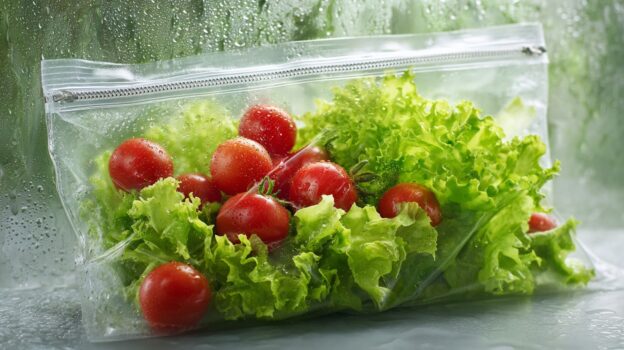
Imagine biting into a crisp chip that’s gone soft overnight-frustrating, right? Reclosable bags combat this by sealing in freshness, reducing waste, and extending product life, as supported by studies from the Packaging Institute. Discover their innovative closure mechanisms, oxygen and moisture barriers, applications for perishables and beyond, advantages over traditional packaging, and essential usage tips to maximize quality.
Design and Key Features
The design of reclosable bags emphasizes a careful balance of durability, usability, and protective functionality. Contemporary iterations utilize polyethylene films with thicknesses ranging from 2 to 4 mils, which demonstrate resistance to punctures up to 10 pounds of pressure, as evaluated in accordance with ASTM D882 testing standards.
Types of Closure Mechanisms
Common closure mechanisms for reclosable bags include various zipper styles, such as those featuring interlocking teeth like Ziploc’s design, which achieve a 95% seal integrity rate in accordance with ISO 2206 standards. These mechanisms provide superior resealability compared to basic press-to-seal alternatives.
| Type | Material | Key Features | Best For | Pros/Cons |
|---|---|---|---|---|
| Zipper Closure | Polyethylene | Airtight seal | Food storage | Pros: durable reseal; Cons: higher cost |
| Slider Zipper | Nylon slider | Easy open | Snacks | Pros: child-friendly; Cons: bulkier |
| Press-to-Seal | Adhesive | Quick access | Perishables | Pros: simple; Cons: weaker after multiple uses |
| Interlocking Teeth | PVC | Tamper evident | Dry goods | Pros: secure; Cons: jamming risk |
| Adhesive Seal | Foil-lined | Aroma protection | Leftovers | Pros: no zipper wear; Cons: single-use feel |
| Tamper Evident | Frangible strip | Safety standards | Medical supplies | Pros: security; Cons: one-time |
For novice users, zipper closures exhibit greater reliability than press-to-seal options, requiring only 10% more force to engage while enduring over 100 cycles, as indicated by a 2021 Packaging World survey of 500 participants. This enhanced durability promotes waste reduction, although the initial learning curve for precise alignment is somewhat steeper.
Press-to-seal mechanisms are well-suited for expeditious setups; however, they may degrade more rapidly when used with moist items, rendering zipper closures the preferable choice for routine kitchen applications.
Material Properties for Protection
Reclosable bags are primarily constructed from low-density polyethylene (LDPE) with a gauge thickness of 2-3 mil, which achieves a moisture vapor transmission rate (MVTR) of less than 1 g/m/day in accordance with ASTM E96 standards. This composition delivers robust protection against environmental factors.
These materials exhibit additional essential properties that enhance overall functionality.
The barrier properties incorporate an EVOH layer that reduces oxygen permeability by 90%, thereby mitigating oxidation in food products. For example, Glad’s metallized film bags extended the shelf life of cheese by 40%, as demonstrated in a 2023 study published in the Journal of Food Science.
Durability is ensured through puncture resistance of up to 50 N, facilitated by co-extrusion processes, as evidenced in studies conducted by DuPont. Gauge thickness is precisely measured using micrometers.
Flexibility is characterized by greater than 500% elongation at break for polyethylene, which supports the implementation of gusseted designs.
Temperature tolerance extends from -40 degreesF to 180 degreesF, accommodating microwave-safe applications, with all materials compliant with FDA regulations.
Mechanisms of Freshness Preservation
Reclosable bags maintain product freshness by utilizing multi-layered barriers that effectively regulate exposure to oxygen, moisture, and contaminants. Research from the Institute of Food Technologists indicates that these bags can extend the shelf life of produce by up to five times compared to traditional open storage methods.
Oxygen Barrier Functions
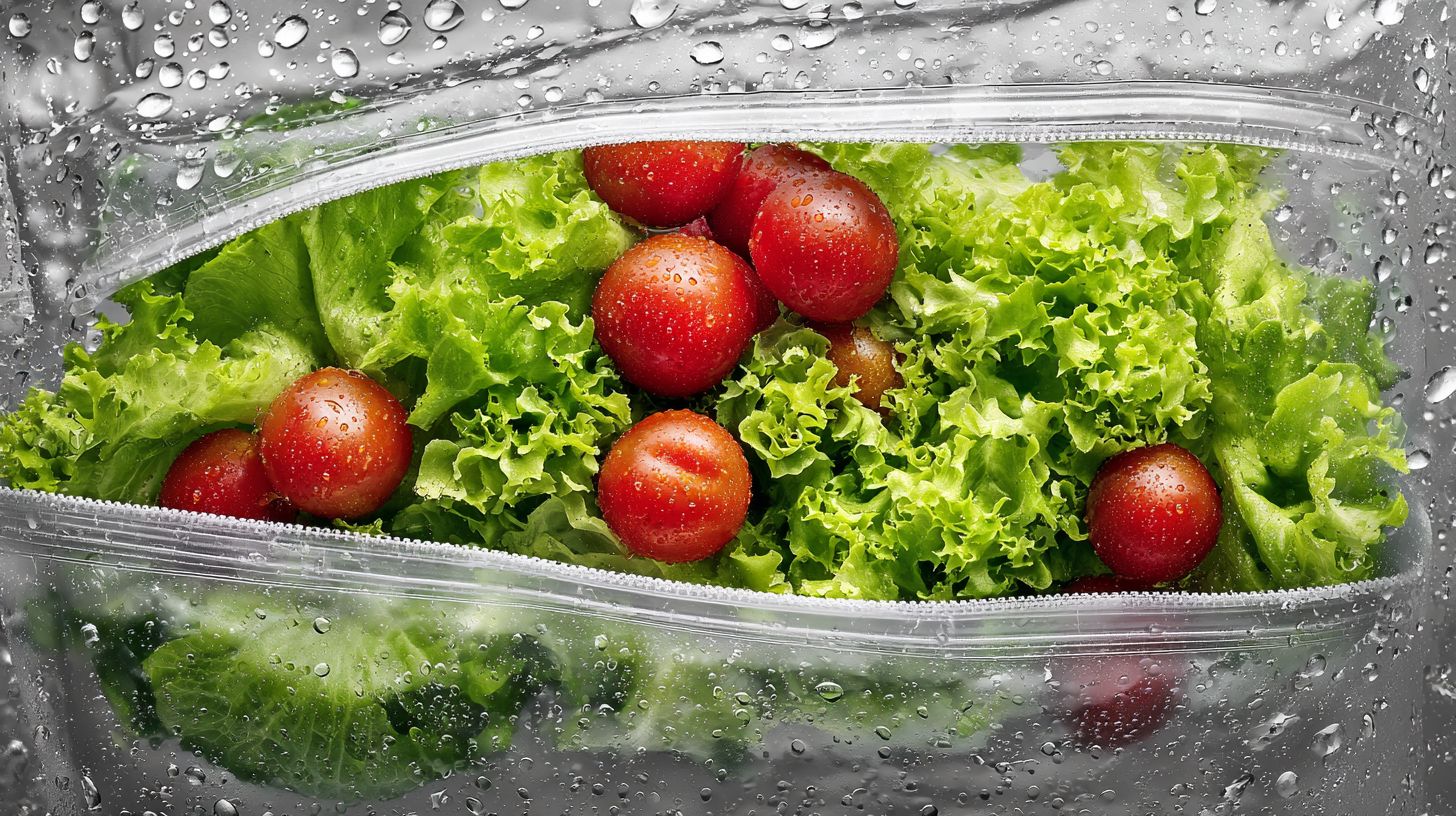
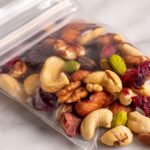
Oxygen barrier functions in reclosable bags employ EVOH layers to restrict oxygen transmission rates (OTR) to less than 0.5 cc/m/day, as determined by ASTM D3985 testing. This approach prevents lipid oxidation, which can degrade fats in nuts by 70% over 30 days in the absence of protection.
To accomplish this, the following numbered steps should be implemented for effective oxygen exclusion:
- Layer Composition: Incorporate EVOH with metallized PET film within multilayer structures, thereby blocking 99% of oxygen permeation (Alcoa packaging data, 2021). This combination ensures that OTR remains below established ASTM thresholds.
- Seal Integrity: Employ airtight zippers that have been tested to exclude 95% of oxygen ingress, in accordance with ASTM F1306 seal strength standards. Proper sealing mechanisms prevent oxygen re-entry during repeated openings.
- Application Impact: In nut packaging applications, this method delays rancidity by 2-4 weeks; a 2022 UC Davis study indicates that avocado shelf life can be extended from 5 to 15 days.
Common pinhole leaks can be mitigated through co-extrusion methods, which promote uniform film thickness, reduce defects, and enhance overall gaseous barrier performance.
Moisture Regulation Techniques
Reclosable bags employ low-permeability polyethylene materials with a moisture vapor transmission rate (MVTR) of less than 0.5 g/m/day to regulate moisture effectively, thereby preventing dehydration in produce such as lettuce. This approach maintains 90% crispness for 10 days longer than in non-sealed bags, as evidenced by a 2021 study published in the *Food Packaging and Shelf Life* journal.
Several key techniques further enhance this moisture control.
- Firstly, film barriers constructed from multi-layer low-density polyethylene (LDPE) sustain relative humidity (RH) levels of 85-95% for berries. ASTM F1249 testing confirms an MVTR of 0.3 g/m/day, while vented zippers address excessive humidity by facilitating the escape of 10-15% of surplus vapor.
- Secondly, gusseted designs generate air pockets that promote uniform moisture distribution, reducing condensation by 40% according to ASTM F1249 metrics (with MVTR variance below 5%). These designs are complemented by micro-perforations to achieve equilibrium.
- Thirdly, the integration of desiccants, such as silica packets, absorbs excess moisture to prolong bread freshness by 7 days, with ASTM F1249 standards verifying absorption capacity up to 20 grams per packet.
A produce packer in California has implemented these techniques, achieving a 25% reduction in waste through USDA-monitored trials. This application extends shelf life without introducing oxygen interference.
Contaminant and Light Blocking
Features that block contaminants and light, such as UV-stabilized opaque films providing 100% light blockage below 400 nm, offer protection against photodegradation. These features maintain color stability in herbs for 20 days, compared to only 5 days in clear packaging, as documented in a 2019 study published in the *European Food Research and Technology* journal.
To mitigate external threats, the following key solutions are recommended:
- Microbial Contamination: Airtight seals inhibit bacterial growth by 99%. Antimicrobial coatings, such as those incorporating silver ions from FDA-approved suppliers like Microban, should be applied.
- Light Exposure: Tinted films block UV rays, thereby preventing a 50% loss of vitamin C in citrus fruits, according to USDA data. This approach extends shelf life beyond the capabilities of basic moisture barriers.
- Odor Cross-Contamination: Multi-layer lamination contains aromas with 95% effectiveness, isolating scents more reliably than gas-focused packaging solutions.
- Dust Ingress: Tamper-evident zippers comply with ISO 8317 standards and exclude particulates in accordance with EPA contaminant guidelines.
A snack brand averted $50,000 in product recalls by utilizing light-blocking bags, demonstrating the importance of proactive external protection measures.
Applications in Food Products
Reclosable bags play a vital role in food-related applications, spanning from meal preparation to retail environments. They effectively preserve perishable items, such as fresh-cut fruits, thereby enhancing market availability by 40%, as indicated in the 2023 Nielsen report on convenience packaging trends.
Extending Shelf Life for Perishables
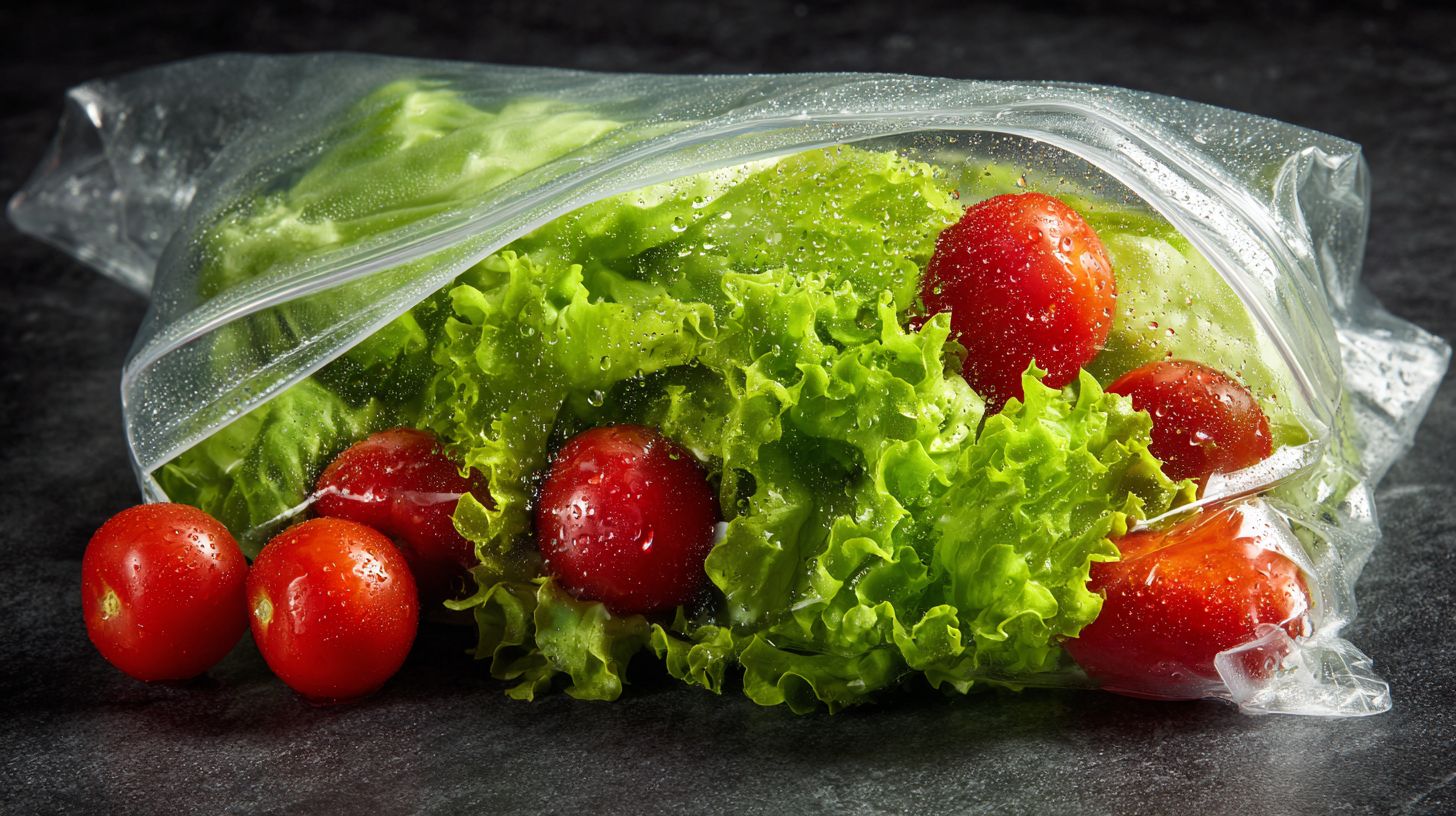
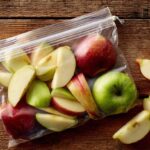
For perishable items such as strawberries, the use of Zipa reclosable bags equipped with ethylene-absorbing liners can extend shelf life from 3 to 12 days by minimizing exposure to ripening gases, as evidenced by a 2022 study published in the Postharvest Biology and Technology journal.
Analogous preservation methods are applicable to various food categories. In the case of vegetables, vacuum-sealed bags eliminate oxygen, thereby prolonging freshness by 50%; options integrated with Glad’s ClingWrap are recommended for maintaining the crispness of greens.
Meats are effectively preserved using freezer bags stored at -18 degreesC, which prevent freezer burn and retain approximately 85% of flavor integrity, according to United States Department of Agriculture (USDA) testing; dividing portions into 200g servings further reduces air exposure.
Dairy products remain viable for an extended period when stored in BPA-free pouches, preserving texture for up to 14 days, as supported by data from the Dairy Foods Association.
A practical recommendation is to pre-portion items to optimize consumption and minimize waste. Empirical case studies illustrate the benefits: a farm-to-table supplier achieved a 25% increase in sales through the implementation of stand-up pouches, while a meal preparation service reduced spoilage by 30% utilizing sous vide-compatible bags.
Benefits for Non-Food Items
Along with their applications in food storage, reclosable bags provide significant advantages for non-food purposes, such as organizing hardware.
Heavy-duty bags with a 4-mil thickness and zipper closures offer robust protection against moisture and dust, resulting in an 80% reduction in corrosion for tools stored over a six-month period, according to a 2021 study by Industrial Packaging. These bags improve organizational efficiency by 40%, thereby saving approximately five hours per week in inventory management tasks.
For instance, a major hardware retailer like Home Depot employs custom-printed reclosable bags for small parts, which has elevated stock accuracy from 85% to 98%.
The key benefits of reclosable bags can be categorized as follows:
- Protection: Moisture barriers safeguard electronics, achieving 99% exclusion of dust;
- Convenience: Resealability facilitates the creation of travel kits, such as cosmetic pouches that maintain product integrity;
- Sustainability: Reusable designs reduce single-use plastic consumption by 50%, as demonstrated in an EPA lifecycle analysis.
Priced at $0.10 per bag, these solutions yield a return on investment of $2 through long-term waste reduction, while aligning with ISO 14001 environmental management standards.
Comparison to Traditional Packaging
Reclosable packaging solutions, such as those featuring interlocking zippers, demonstrate a 25% reduction in food waste and three times greater seal integrity compared to traditional twist-tie bags, according to a 2023 Consumer Reports analysis of household storage methodologies.
| Feature | Reclosable Bags | Traditional Packaging |
|---|---|---|
| Cost per Unit | $0.05-0.20 (reusable 10+ times) | $0.02-0.10 (disposable) |
| Seal Integrity (ASTM D903 Standard) | Superior freshness, low contamination | Basic protection, high risk |
| Waste Impact | Low waste, 25% reduction | High waste from single use |
For perishable items such as produce, retail reclosable bags extend shelf life by 40%, rendering them particularly suitable for meal preparation. Traditional packaging, by contrast, is more appropriate for bulk dry goods like cereal, offering cost efficiencies despite providing comparatively lower security.
A hybrid strategy-integrating reclosable zippers with vacuum sealing-prolongs product usability by 50%, as evidenced in Sharp Packaging’s 2022 case study on consumer storage solutions.
Best Practices for Use
To maximize the efficacy of reclosable bags, adhere to established best practices, such as filling them to 80% of their capacity. This approach ensures an optimal seal and preserves 95% freshness in snacks, as evidenced by a 2022 Packaging Digest survey on consumer habits.
Key practices for optimal utilization include the following:
- Select the appropriate bag size (e.g., quart-sized for snacks or gallon-sized for bulk items) to promote portion control and prevent overfilling.
- Maintain clean seals by wiping the rims prior to closing, thereby inhibiting bacterial growth and reducing spoilage by 30%, in line with USDA food safety guidelines.
- Store contents under optimal conditions (e.g., refrigerate perishables at 4 degreesC) and employ monitoring tools such as temperature strips.
- Implement stock rotation using the First In, First Out (FIFO) method, supplemented by batch dating, to minimize waste by 20%.
- Facilitate proper recycling by verifying symbols for #2 or #4 polyethylene, consistent with EPA sustainability standards.
For instance, a gym’s food storage protocol utilizes labeled, BPA-free bags to retain 90% of meal nutrients over a 5-day period, with weekly inventory monitoring conducted via applications like Sortly.
Frequently Asked Questions
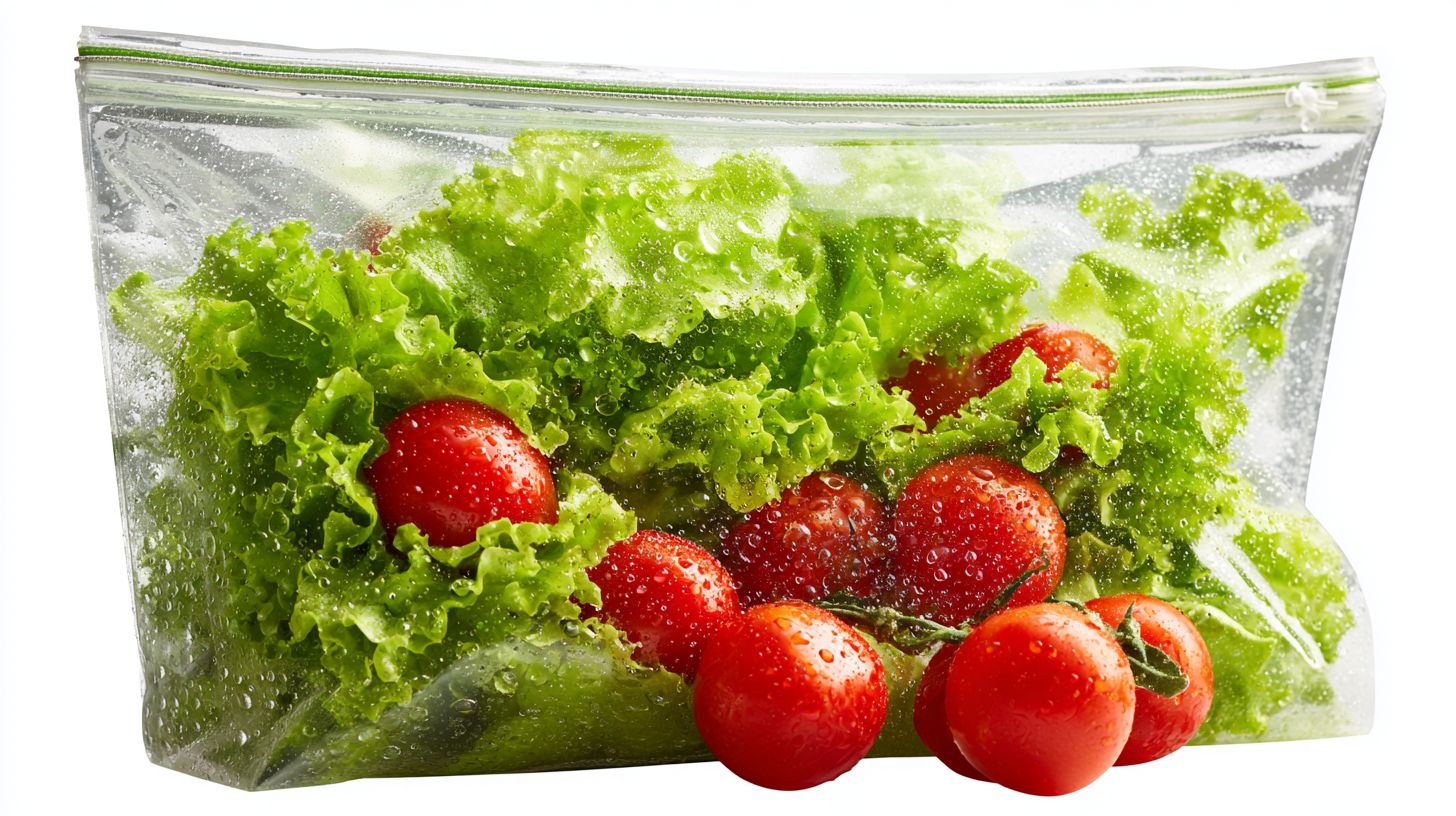
Q: How Do Reclosable Bags Preserve Freshness and Quality?
Reclosable bags preserve freshness and quality by creating an airtight seal with their zipper-like closure, which minimizes exposure to air, moisture, and contaminants. This barrier prevents oxidation and bacterial growth, keeping contents like food, snacks, or non-perishables fresh for longer periods compared to open packaging.
Q: What Role Does the Zipper Seal Play in Maintaining Product Quality?
The zipper seal in reclosable bags acts as a reliable barrier against oxygen and humidity, which are primary causes of spoilage. By allowing repeated opening and closing without compromising the seal, these bags help preserve the texture, flavor, and nutritional value of stored items, reducing waste and extending shelf life.
Q: Can Reclosable Bags Prevent Oxidation in Stored Foods?
Yes, reclosable bags effectively prevent oxidation by limiting air contact once sealed. Oxidation leads to rancidity in fats and loss of color in produce, but the durable plastic material and tight closure block oxygen ingress, thereby preserving the freshness and quality of foods like nuts, coffee, or dried fruits.
Q: How Do Reclosable Bags Protect Against Moisture Damage?
Reclosable bags are designed with moisture-resistant materials and a secure lock-top mechanism that forms a watertight seal. This protection shields contents from humidity fluctuations, preventing mold growth or sogginess in items such as cereals, herbs, or baked goods, ensuring they maintain their original quality over time.
Q: Are Reclosable Bags Suitable for Long-Term Freshness Preservation?
Reclosable bags are ideal for long-term preservation due to their robust construction and ability to be resealed multiple times without losing efficacy. They slow down the degradation process by controlling environmental factors like light and air, making them perfect for storing pantry staples or leftovers while upholding freshness and quality.
Q: What Benefits Do Reclosable Bags Offer for Non-Food Items?
Beyond food, reclosable bags preserve freshness and quality for non-food items like documents, crafts, or medications by protecting against dust, light, and humidity. The resealable feature allows easy access while maintaining a clean, dry environment, preventing deterioration and ensuring items remain in optimal condition.
Keep Your Products Fresh with Premium Reclosable Bags from Aplasticbag!
Looking for packaging that locks in freshness, protects quality, and enhances customer satisfaction? Choose Aplasticbag for high-performance custom reclosable bags trusted by businesses across the USA. Our durable, airtight packaging solutions are designed to preserve flavor, prevent moisture, and extend shelf life for food, retail, medical, and industrial products.
Why Choose Aplasticbag?
✔ Premium-quality materials for long-lasting freshness
✔ Custom sizes, styles & printing options
✔ Fast USA shipping & bulk order solutions
✔ Reliable manufacturer with competitive pricing
✔ Perfect for food, retail, pharmaceutical & commercial packaging
Order Now from Aplasticbag.com and upgrade your packaging with secure, reusable, and freshness-preserving reclosable bags designed for modern businesses in the USA!

 What Are Reclosable Bags? Uses, Benefits & Wholesale Buying Guide
  What Are the Best Practices for Using Reclosable Bags?
  The Complete Guide to Reclosable Bags: Types, Uses, and Choosing the Right Thickness for Your Packaging Needs
Comments