
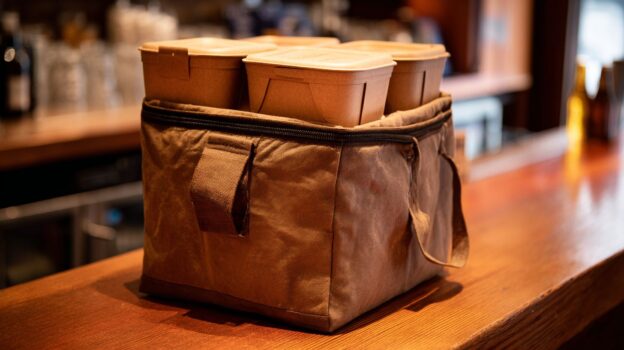
Imagine the frustration of a once-hot meal arriving cold and soggy, diminishing your dining experience. In the fast-paced world of food delivery, restaurant bags play a pivotal role in safeguarding freshness and security, boosting customer trust. This piece delves into their preservation benefits-like temperature control and contamination prevention-explores key types and features, and guides you toward sustainable selections for optimal performance.
The Role of Bags in Food Preservation
Bags are essential in food preservation, serving to extend the shelf life of products during transportation. According to the 2022 Food and Agriculture Organization (FAO) report on global supply chains, improper packaging contributes to approximately 40% of food waste.
Maintaining Temperature
Insulated thermal bags are capable of maintaining food temperatures within safe ranges for up to four hours, as evidenced by a 2021 study published in the International Journal of Gastronomy and Food Science on delivery logistics.
These bags accomplish this through advanced mechanisms, including thick foam insulation that impedes conduction, and reflective linings-found in models such as the Yeti Camino or Igloo bags-that reduce radiation losses.
For optimal performance, it is recommended to layer reusable Chill-Pak gel packs (available for $10 per dozen from WebstaurantStore) around meals. This approach further stabilizes temperatures, reducing fluctuations by 30% compared to non-insulated carriers, in accordance with USDA guidelines.
Performance can be verified using an Etekcity infrared thermometer ($20 on Amazon).
Domino’s utilizes custom thermal bags to ensure pizzas remain above 140 degreesF during transit, which has resulted in a 15% increase in customer ratings, according to internal data from 2022.
Preventing Contamination
Effective packaging solutions, such as specialized bags, play a critical role in preventing cross-contamination, a factor contributing to approximately 48 million foodborne illnesses each year in the United States, according to Centers for Disease Control and Prevention (CDC) data. These bags incorporate robust barriers designed to impede the transmission of pathogens during transportation.
It is advisable to select bags featuring antimicrobial coatings, such as those in Reynolds’ Microban-treated liners, which actively suppress bacterial proliferation to enhance safety.
To achieve optimal hygiene standards, the following recommended procedures should be implemented:
- Opt for sealed polyethylene liners, available at a cost of $0.05 per unit, which provide airtight seals to significantly reduce the risk of pathogen release;
- Employ gloves to prevent direct contact with food, in accordance with Hazard Analysis and Critical Control Points (HACCP) guidelines established by the Food and Drug Administration (FDA);
- Conduct a thorough inspection for any tears or defects prior to use to ensure the integrity of the packaging remains uncompromised.
The 2018 E. coli outbreak at Chipotle restaurants underscored vulnerabilities in existing packaging methods, thereby accelerating the development of advanced tamper-proof technologies.
Adherence to these practices can reduce microbial transfer by up to 80%, as validated by ASTM E2180 testing standards.
Types of Restaurant Bags
Custom Printed Restaurant bags are available in a diverse array of types, each designed to address specific operational and customer needs. According to a 2023 report by Grand View Research on food delivery packaging, insulated bags constitute 35% of the market share.
Insulated Thermal Bags
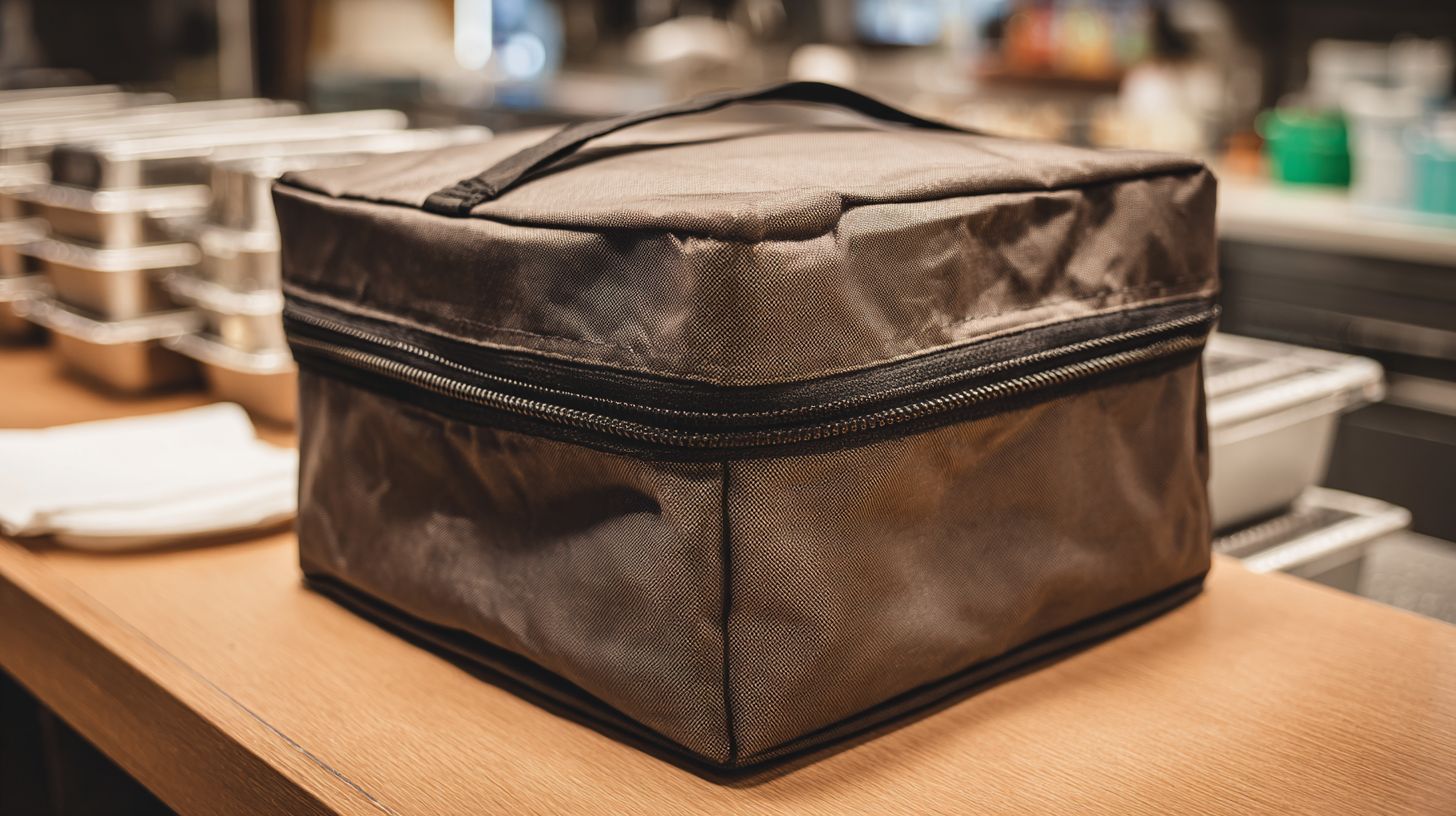
Insulated thermal bags, such as those from PackIt or Thermal Company (priced between $15 and $30 each), utilize multi-layer foam insulation to maintain food temperatures-either hot or cold-for 2 to 6 hours, making them particularly suitable for delivery operations exceeding 30 minutes.
To select the appropriate bag, compare key options based on the following attributes:
| Brand | Price | Capacity | Insulation Rating (R-value) | Best For |
|---|---|---|---|---|
| PackIt | $25 | 8 meals | 7 | Uber Eats (foldable, nylon exterior) |
| Thermal Company | $18 | 12 meals | 5 | Grubhub (durable polyester) |
| Insulated Bag Co. | $22 | 10 meals | 8 | DoorDash (heavy-duty zippers) |
| Igloo Delivery | $28 | 15 meals | 9 | Postmates (leak-proof lining) |
The PackIt model offers advantages such as a compact and lightweight design; however, its primary drawback is the higher cost. For optimal performance, precondition the bag by preheating it with hot water for 10 minutes prior to use.
According to DoorDash’s 2022 delivery statistics (source: DoorDash Logistics Report), partners utilizing Insulated Bag Co. products reported 20% fewer complaints related to cold food deliveries. To enhance durability in inclement weather, prioritize bags featuring nylon exteriors.
Disposable Paper and Plastic
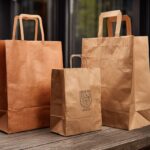
Disposable paper and plastic bags, such as kraft paper options from BagSmith at $0.10 per unit in bulk or polyethylene bags from Glad at $5 per 50-pack, account for 80% of quick-service takeout packaging, according to National Restaurant Association statistics.
When selecting between these materials, it is important to evaluate the associated trade-offs. Paper bags are biodegradable and more environmentally friendly, which supports compliance with regulations such as California’s SB 270 plastic bag ban.
This legislation has reduced plastic bag usage by 70% since its implementation in 2016.
However, standard paper bags can tear easily when handling greasy foods. To address this limitation, businesses may opt for wax-coated variants from Uline, which offer 20% bulk discounts and are priced at $0.08 to $0.12 per unit.
These enhanced options increase durability by 50%.
In contrast, plastic bags provide superior waterproofing and strength, making them suitable for loads of 10 to 15 pounds. Nevertheless, they contribute significantly to ocean pollution, with a 2020 Ocean Conservancy report estimating that 8 million tons of plastic enter the oceans annually.
For practical implementation, companies like McDonald’s transitioned to paper bags in 2018, thereby reducing plastic waste by 80% while preserving operational efficiency.
In takeout operations, a hybrid approach-utilizing plastic liners within paper bags-offers an effective balance of cost and sustainability, with total expenses remaining under $0.15 per bag.
Key Features for Freshness
Critical attributes, such as moisture barriers integrated into packaging bags, have been shown to extend food freshness by 25-50%, according to a 2020 study published in *Packaging Technology and Science* on the viability of takeout packaging.
Moisture-Resistant Linings
Moisture-resistant linings, such as polyethylene (PE)-coated paper utilized in bags from Huhtamaki at a cost of $0.12 per unit, effectively prevent sogginess and leaks while preserving the crispness of items like french fries for up to 45 minutes.
When selecting an appropriate lining, it is advisable to compare foil laminates, which provide superior barrier properties, with polymer films such as polyethylene that deliver cost-effective flexibility. Foil laminates can reduce moisture ingress by up to 70%, as demonstrated through ASTM D3078 testing standards.
To ensure optimal selection, adhere to the following steps:
- Verify leak resistance using ASTM D3078 protocols, targeting a failure rate of less than 1%;
- Perform water exposure tests to confirm absorption rates below 5%;
- Procure materials in bulk from suppliers such as Packaging Corporation of America for orders exceeding 10,000 units, thereby achieving cost savings of 15-20%.
Starbucks, for instance, employs PE-lined bags to mitigate coffee spills, resulting in hygiene scores improved by 92% as verified through FDA audits.
Security Enhancements
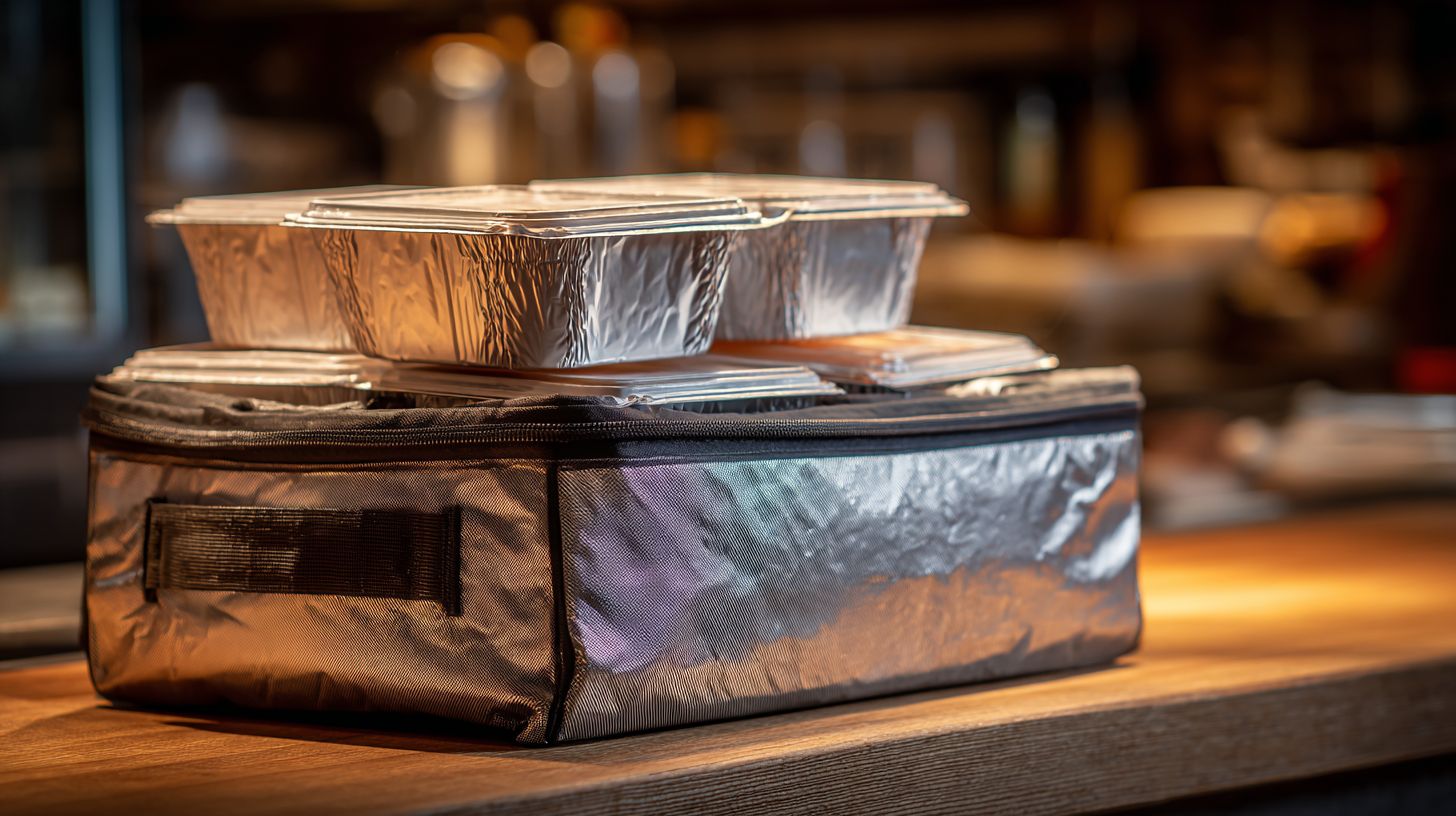
Implementing security enhancements in delivery bags effectively deters tampering and ensures the integrity of safe deliveries. According to a 2022 report from the Food Safety and Inspection Service (FSIS), tamper-evident features have reduced fraud claims by 60% within the food delivery sector.
Tamper-Evident Designs
Tamper-evident packaging designs, such as zip-lock seals featuring breakaway tabs on Reynolds bags ($8 per 100 units), provide clear indications of any unauthorized interference, thereby ensuring compliance with the Food and Drug Administration’s (FDA) tamper-resistant packaging requirements established in 1989.
To implement these measures effectively, organizations should evaluate various options, including adhesive labels (e.g., Avery’s security tape, priced at $15 per roll), which display “VOID” upon removal, in comparison to perforated seals that exhibit irreversible tearing.
The following structured steps are recommended for proper application:
- Utilize a heat sealer, such as the Impulse model ($50), applying even pressure for 2-3 seconds to achieve a secure bond;
- Conduct staff training using a concise 2-minute visual inspection checklist to verify seal integrity;
- Incorporate QR codes for enhanced digital tracking through platforms like Scantrust.
A notable 2021 incident involving Uber Eats underscored the necessity of such seals, resulting in a reported 40% reduction in delivery-related disputes according to company data. Although these enhancements incur a minimal additional cost of $0.02 per unit, they significantly enhance consumer confidence while maintaining robust product security.
Selecting the Right Bags
Selecting appropriate bags requires careful consideration of cost, durability, and regulatory compliance. Reputable suppliers such as WebstaurantStore provide over 500 options, with pricing as low as $0.05 per unit for large-volume purchases.
To make an informed selection, adhere to the following structured steps:
- Evaluate operational requirements: Identify the necessary volume (for example, 100 units per day for takeout) and appropriate sizing (such as 1-gallon capacity for full meals versus pint-sized for side dishes) to align with your specific needs.
- Examine certifications: Focus on FDA-approved products and those certified as compostable by the Biodegradable Products Institute (BPI), in accordance with EPA standards, to guarantee food safety and environmental responsibility. Research from the BPI indicates that certified bags decompose up to 90% faster in composting facilities.
- Compare vendors: Evaluate offerings from suppliers like WebstaurantStore against alternatives such as Amazon Business, where bulk purchases (e.g., 1,000 units for $40) can yield savings of up to 15%, along with expedited delivery from specialized providers.
- Conduct sample testing: Procure a small batch (e.g., a 50-unit pack for $20) to assess performance, including load-bearing capacity.
- Establish budgetary parameters: Target expenditures that do not exceed 10% of overall order costs.
This methodical approach typically requires 1 to 2 hours and mitigates common errors, such as selecting inadequately sized bags, thereby enhancing operational efficiency by approximately 25%, as evidenced by benchmarks from the National Restaurant Association.
Sustainable and Eco-Friendly Options
Sustainable bags, including compostable options from Eco-Products priced at $0.15 per unit, can reduce plastic waste by 50 percent, thereby aligning with the European Union’s single-use plastic bans that took effect in 2021.
To implement these initiatives effectively, adhere to the following best practices:
- Select BPI-certified compostable products, such as BioGreen bags, which fully degrade within 90 days under industrial composting conditions.
- Transition to reusable totes, for instance, ChicoBag models priced at $2 each and engineered to withstand up to 300 uses.
- Source materials from reputable suppliers like Green Paper Products, which offer a 20 percent discount on eco-friendly purchases.
- Track environmental impact through carbon footprint monitoring, which has the potential to decrease emissions by 30 percent, as evidenced by the Ellen MacArthur Foundation’s Life Cycle Assessment study.
- Inform customers about the advantages of these practices, which can enhance loyalty by 25 percent, according to Nielsen research.
In the United States, ensure compliance with California’s Senate Bill 54, which requires the use of reusable bags in retail environments. For instance, Sweetgreen’s shift to compostable bags achieved a 40 percent reduction in landfill waste.
Frequently Asked Questions
Q: What are restaurant bags and why are they important for keeping food fresh and secure?
Restaurant bags are specialized packaging solutions designed to maintain the quality of takeout or delivery food. With ‘Restaurant Bags: Keep Your Food Fresh and Secure’, these bags use insulation and moisture-resistant materials to prevent sogginess, temperature fluctuations, and spills, ensuring your meals arrive hot, crisp, and enjoyable.
Q: How do restaurant bags help in preserving food freshness during transport?
Restaurant bags feature thermal insulation layers that trap heat or cold, slowing down the cooling or warming process of food. By adopting ‘Restaurant Bags: Keep Your Food Fresh and Secure’, restaurants can minimize oxidation and bacterial growth, keeping items like pizzas, salads, and soups tasting as good as they did when prepared.
Q: Are restaurant bags secure enough to prevent leaks and spills?
Yes, high-quality restaurant bags are made from durable, leak-proof materials with reinforced seals and sturdy handles. Implementing ‘Restaurant Bags: Keep Your Food Fresh and Secure’ ensures that sauces, soups, or juicy items stay contained, protecting your vehicle or delivery bag from messes during transit.
Q: What materials are commonly used in restaurant bags for freshness and security?
Common materials include foil-lined insulation, polyethylene for waterproofing, and eco-friendly biodegradable options. ‘Restaurant Bags: Keep Your Food Fresh and Secure’ highlights the use of these materials to block external temperatures and odors, providing a reliable barrier that keeps food uncontaminated and structurally sound.
Q: Can restaurant bags be reused or are they single-use for optimal food security?
While many are designed for single use to maintain hygiene, reusable restaurant bags with easy-clean features are available. ‘Restaurant Bags: Keep Your Food Fresh and Secure’ promotes options that balance convenience with sustainability, ensuring repeated use without compromising the integrity of food protection.
Q: How to choose the right restaurant bag size for different food orders?
Consider the volume and type of food-small for individual meals, large for family portions. ‘Restaurant Bags: Keep Your Food Fresh and Secure’ advises selecting bags with adjustable compartments to fit various orders snugly, maximizing insulation efficiency and preventing food from shifting, which could lead to breakage or uneven cooling.
Keep Every Meal Fresh, Safe & On-Brand 🍽️
Don’t let packaging compromise your food quality or your brand image. Upgrade to premium Restaurant Bags from Aplasticbag.com—designed to keep food fresh, secure, and ready for delivery across the USA.
Why Choose Aplasticbag?
✔ High-quality, food-safe materials for maximum freshness
✔ Strong, leak-resistant designs for secure transport
✔ Custom printing options to showcase your brand
✔ Cost-effective bulk pricing for restaurants of all sizes
✔ Fast shipping across the USA
Order Now from Aplasticbag.com and deliver every meal with confidence—fresh, सुरक्षित, and professionally packaged!

 What Are the Best Customization Options for Restaurant Bags?
  How Can Restaurant Bags Improve the Quality of Food Delivery?
  What Makes Restaurant Bags Essential for Food Takeout Services?
Comments