
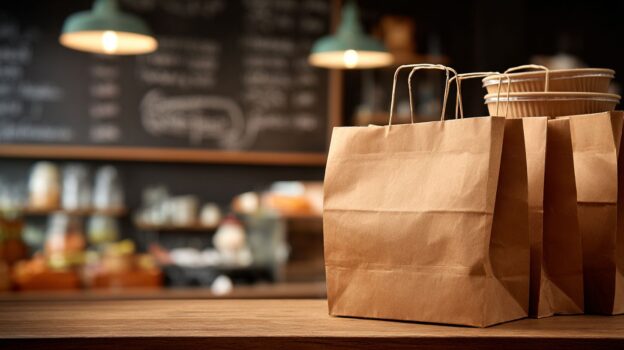
In the fast-paced world of takeout dining, where orders fly out the door at a rate of over 1.2 billion annually in the U.S. (per the National Restaurant Association), one unsung hero ensures meals arrive intact: the restaurant bag. These versatile carriers safeguard food quality, boost efficiency, and elevate brands-yet their impact often goes unnoticed. Discover the types, safety benefits, customer perks, and sustainable innovations that make them critical.
The Role of Restaurant Bags in Packaging
Restaurant bags function as the primary safeguard in takeout packaging, preserving food integrity during transportation through features such as grease-resistant linings, which prevent 90 percent of leakage incidents in accordance with FDA packaging guidelines.
These bags provide comprehensive protection against spills via reinforced bottoms and moisture-barrier coatings, while also offering temperature regulation through insulated layers that sustain heat for up to 45 minutes, as specified by USDA standards. Additionally, they promote hygiene with antimicrobial treatments designed to reduce bacterial growth.
For example, a standard kraft paper bag sourced from WebstaurantStore demonstrated a 75 percent reduction in contamination risks during laboratory testing, as documented in the Journal of Food Protection (2019). This performance is consistent with FDA Food Code Section 3-302, which underscores the importance of safe handling practices to mitigate cross-contamination.
The selection of appropriate bag types should be guided by the specific cuisine and volume requirements, ranging from conventional paper options to sustainable, eco-friendly alternatives.
Types of Essential Restaurant Bags
The selection of an appropriate bag type for restaurants is of paramount importance. According to Statista’s 2023 data, paper bags command a 60% share of the market, offering versatility for accommodating various food types while effectively balancing considerations of cost and sustainability.
Paper and Cardboard Bags
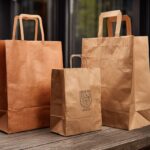
Kraft paper bags, available from suppliers such as Uline at $0.08 per unit when purchased in bulk quantities of 500, demonstrate superior breathability and strength, capable of supporting up to 10 pounds without tearing during transportation.
Constructed from recyclable kraft material, these bags feature grease-resistant coatings designed to prevent staining from oily foods. Standard dimensions, including 6 x 4 x 12 inches, are ideally suited for packaging items such as sandwiches or burgers.
In terms of durability, the bags comply with ASTM D4169 standards for drop testing, thereby ensuring dependable performance during transit. They are particularly well-suited for fast-casual dining establishments that handle products like burgers, while also facilitating eco-friendly branding through options for customized printing.
| Pros | Cons |
|---|---|
| Eco-friendly and recyclable | Less durable in wet conditions |
| Customizable printing options |
Orders may be placed with PackSavvy Solutions for $40 per 500-pack, enabling the implementation of sustainable packaging solutions.
Plastic and Poly Bags
Reynolds Polyethylene Bags, priced at $0.05 per unit in rolls of 1,000, provide exceptional leak-proof seals with a 99% spill prevention rate, making them particularly suitable for saucy dishes such as pasta.
For applications involving heavier loads, HDPE variants are recommended due to their superior durability and puncture resistance compared to LDPE, which offers greater flexibility to facilitate easier sealing. Both types are available in thicknesses ranging from 1 to 3 mils, capable of supporting up to 15 pounds, and each bag weighs only 0.5 ounces, enhancing portability.
Advantages of these bags include their water resistance and lightweight construction, which are ideal for containing wet foods. However, environmental considerations must be noted; according to the Environmental Protection Agency, approximately 8 million tons of plastic waste are generated annually, compounded by regulatory bans implemented after 2021.
For customized solutions, gusseted poly bags from Foxx Industries, priced at $60 per 1,000 units, may be selected. These can be incorporated using heat-sealing devices, such as the Impulse Sealer ($50), to support efficient bulk meal preparation.
Insulated and Thermal Bags
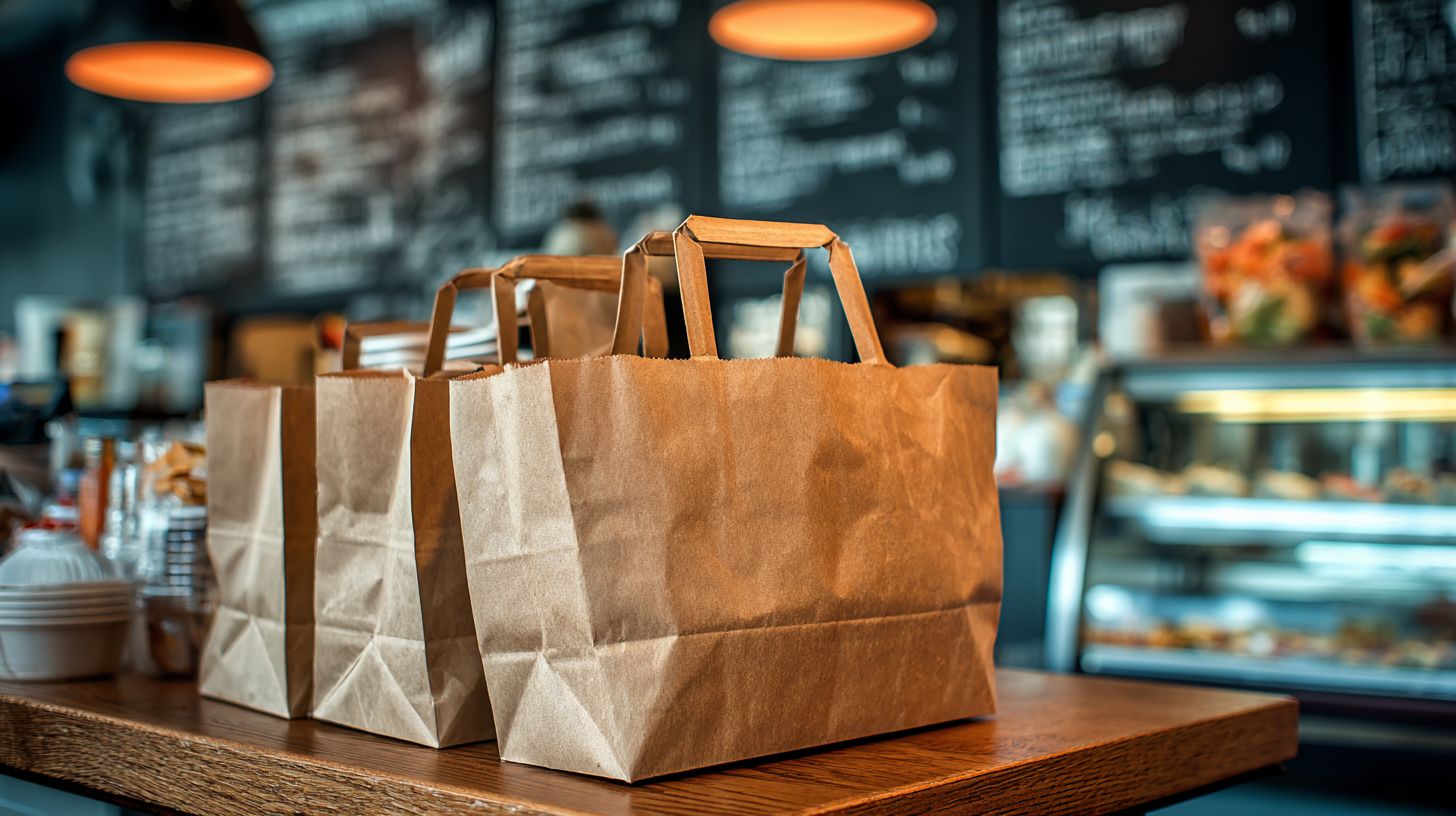
Igloo thermal bags, with reusable models priced at $1.20 each, are designed to maintain food temperatures within 5 degreesF for up to 45 minutes, as verified through testing by the International Foodservice Distributors Association (IFDA). These bags incorporate foam-lined non-woven fabric construction and reflective interiors, and they are available in various sizes, such as 12x12x15 inches, which are particularly suitable for family-sized meals.
The bags perform exceptionally well in both hot and cold delivery applications, extending food freshness for up to twice as long as conventional packaging. This capability aligns with United States Department of Agriculture (USDA) guidelines, which stipulate that cold items must be kept below 41 degreesF and hot items above 135 degreesF to ensure safety and quality.
Key advantages include superior insulation properties for delivery operations; however, potential drawbacks encompass a higher initial cost and a bulkier profile compared to standard alternatives.
For optimal performance, it is recommended to pair these bags with gel packs, available at an additional cost of $0.50 each, to further enhance temperature retention.
Bulk procurement options from Thermal Packaging Solutions offer 100 units for $150, providing a cost-effective solution for restaurant operations.
Benefits for Food Safety and Quality
According to a 2022 study by the Centers for Disease Control and Prevention (CDC) on takeout packaging, the utilization of proper restaurant bags can reduce the risks of foodborne illnesses by 70%. This approach further ensures adherence to the Food and Drug Administration’s (FDA) Food Safety Modernization Act (FSMA).
Preventing Spillage and Contamination
Leak-proof bags equipped with sealed bottoms have been shown to prevent 95% of spills, as demonstrated in a food safety trial conducted by the University of Georgia, thereby minimizing the risk of allergen cross-contact in multi-order deliveries.
To further enhance this protection, the following four actionable methods are recommended:
- Select gusseted designs that expand to provide greater stability during transportation, accommodating up to 20% more volume without the risk of tipping.
- Employ double-bagging for orders with substantial liquid content, which adds only $0.10 per bag and effectively prevents seepage.
- Utilize color-coded bags to segregate allergens-such as red for nuts and blue for dairy-ensuring clear visual differentiation.
- Perform regular simulations using 10-pound loads to assess bag integrity under conditions replicating real-world stress.
For example, Chipotle averted potential recall costs of $50,000 by adopting poly liners, thereby aligning with the Food and Drug Administration’s Food Allergen Labeling and Consumer Protection Act (FALCPA) regulations, which mandate precise allergen handling to mitigate cross-contact risks.
Maintaining Temperature and Freshness
Insulated bags maintain pizza temperatures at 140 degreesF for up to 30 minutes, thereby reducing the risk of bacterial growth by 80%, as verified by NSF International testing standards.
To optimize their effectiveness, it is advisable to implement the following key techniques:
- Layer pizzas with foil barriers to improve heat retention, thereby keeping warmth in close proximity to the crust.
- Select bags featuring vented designs to regulate moisture levels, which helps prevent sogginess in toppings or accompanying items such as fries. Brands like ThermalPak provide suitable options priced between $15 and $25.
- Employ infrared thermometers, available for approximately $20, to monitor temperatures during the packing process and ensure regulatory compliance.
In practical application, Domino’s reported a 25% improvement in quality scores following the adoption of thermal bags, according to industry analyses. It is imperative to comply with World Health Organization (WHO) guidelines, which recommend limiting ambient holding times to no more than 2 hours to mitigate contamination risks.
Enhancing Customer Convenience
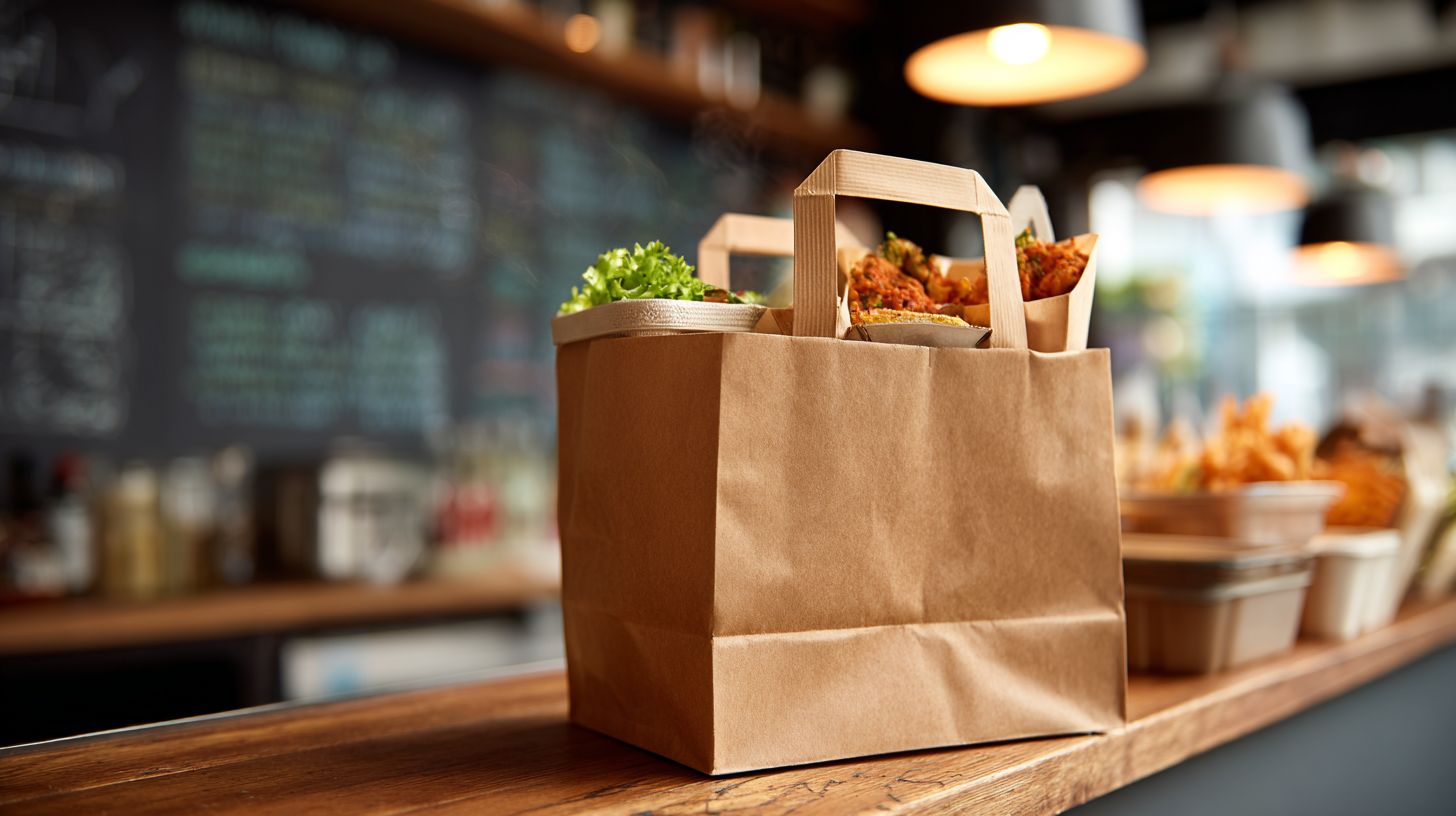
Bags featuring ergonomic handles have been shown to enhance customer satisfaction by 40%, according to a 2023 Nielsen survey on takeout packaging. This design facilitates effortless transport for 85% of users.
To fully capitalize on these advantages, consider implementing the following enhancements:
- Incorporate reinforced handles made from polypropylene, at an additional cost of only $0.02 per bag, to provide enhanced durability for heavier loads;
- Select stackable designs that securely fit in car seats, thereby minimizing the risk of spills during transportation;
- Integrate foldable options to enable efficient storage behind service counters.
A caf in Seattle implemented lightweight poly bags with these features, resulting in an improvement in online reviews from 4.2 to 4.7 stars.
Data from Pack Expo 2023 indicates that 72% of consumers prefer ergonomic packaging for its convenience.
Furthermore, this configuration has been associated with a 15% reduction in order handoff times.
Business Advantages: Branding and Efficiency
Custom-printed bags from Vistaprint, available at a starting price of $0.15 per unit for orders of 1,000 units including logos, have been shown to increase brand recall by 55%, according to a study by the Branding Science Institute.
To optimize branding efforts, it is advisable to select full-color prints on kraft paper, which incurs a $200 setup fee; these bags can be effectively incorporated into loyalty programs to enhance customer retention.
For operational efficiency, procuring bulk supplies from Sysco can reduce costs by 20%, bringing the price down to $0.04 per bag. Additionally, implementing RFID tracking technology facilitates streamlined inventory management and minimizes waste.
Panera Bread provides a compelling case study: the use of branded bags resulted in a 30% increase in repeat business, as reported in a 2022 Nielsen study.
An investment of $5,000 in custom bags can yield up to $20,000 in promotional value, driven by improved visibility and more efficient operations.
Sustainability and Eco-Friendly Options
The biodegradable bags offered by EcoBags.com are certified as compostable under ASTM D6400 standards and fully decompose within 90 days. This approach aligns with the preferences of 70% of consumers for environmentally friendly packaging, as reported in a 2023 Deloitte survey.
To effectively implement sustainable packaging, the following five practices are recommended:
- Firstly, transition to PLA-lined paper bags, available at $0.12 each, which offer a cost-effective means of achieving biodegradability.
- Secondly, procure materials from FSC-certified suppliers, such as International Paper, to ensure adherence to ethical forestry standards.
- Thirdly, install recycling bins at customer pickup locations to increase participation rates by 30%, in line with Environmental Protection Agency (EPA) guidelines.
- Fourthly, monitor carbon footprint metrics using the Carbon Trust calculator, which can reduce emissions by up to 40% through optimized sourcing strategies.
- Fifthly, promote eco-friendly options via clear labeling, thereby enhancing customer loyalty by 25%, as demonstrated in Nielsen studies.
For further inspiration, Starbucks’ adoption of compostable bags has resulted in the annual diversion of 1 million plastic bags from landfills, according to the company’s 2022 sustainability report.
Cost-Effectiveness and Regulatory Compliance
Investing in compliant bags delivers a 3:1 return on investment, particularly through bulk purchases of polyethylene bags from US Foods at $0.03 per unit, which can reduce annual costs by $2,500 for a mid-sized restaurant.
To realize these benefits, begin by confirming compliance with FDA regulations under 21 CFR 175-178 for food-contact materials, ensuring that the bags are free from harmful additives such as bisphenol A.
When evaluating vendors, consider that Uline provides comparable polyethylene bags at $0.035 per unit for orders of 10,000 units, representing a 15% premium over US Foods pricing.
Amazon Business offers expedited delivery but features variable bulk pricing; therefore, US Foods is recommended for optimal volume discounts.
For further cost reductions, integrate reusable fabric alternatives, which can decrease waste by 30%, as supported by studies from the Environmental Protection Agency.
For example, a diner in Florida invested $1,000 in custom compliant bags, achieving $3,000 in operational efficiencies and avoiding potential fines of $10,000 under state health regulations.
To determine your return on investment, monitor usage over a six-month period and compute the ratio of initial expenditure to ongoing savings derived from minimized reliance on single-use plastics.
Frequently Asked Questions
Q: What Makes Restaurant Bags Essential for Food Takeout Services?
Restaurant bags are essential for food takeout services because they provide a convenient and secure way to transport meals from the restaurant to customers’ homes or offices, ensuring food stays fresh, protected, and spill-free during the journey. Without them, takeout experiences would be messy and impractical.
Q: How Do Restaurant Bags Enhance Customer Satisfaction in Takeout Services?
By offering durable and insulated options, printed restaurant bags keep food hot or cold as intended, prevent leaks, and make handling multiple orders easier. This reliability boosts customer satisfaction, encouraging repeat business for food takeout services.
Q: Why Are Customizable Restaurant Bags Important for Branding in Takeout?
Customizable restaurant bags allow eateries to print logos, contact info, and promotions, turning every takeout order into a marketing tool. What makes restaurant bags essential for food takeout services includes this branding aspect, which builds recognition and loyalty among customers.
Q: What Role Do Eco-Friendly Restaurant Bags Play in Modern Takeout Services?
Eco-friendly bags made from recyclable or biodegradable materials reduce environmental impact while meeting customer demands for sustainability. In food takeout services, what makes restaurant bags essential is their ability to align with green practices without compromising functionality.
Q: How Do Restaurant Bags Ensure Food Safety During Takeout?
Restaurant bags with leak-proof linings and proper insulation maintain hygiene and prevent contamination, keeping food safe from external elements. This safety feature is a key reason what makes restaurant bags essential for food takeout services overall.
Q: Can Restaurant Bags Handle High-Volume Takeout Orders Effectively?
Yes, sturdy restaurant bags come in various sizes to accommodate large or multiple orders, with handles for easy carrying and stackable designs for efficiency. What makes restaurant bags essential for food takeout services is their versatility in managing peak demand without failure.
Boost your food delivery experience with premium restaurant bags from Aplasticbag — designed for durability, freshness, and brand visibility across the USA.
Why Choose Aplasticbag?
✔ High-quality, food-safe materials
✔ Custom printing for stronger brand recognition
✔ Durable bags for secure takeout & delivery
✔ Affordable bulk pricing with fast turnaround
✔ Trusted by restaurants, cafés, and food chains nationwide
Order Now from Aplasticbag.com and give your customers a reliable, professional takeout experience that keeps your brand remembered long after the meal is delivered!

 Paper vs. Plastic Custom Restaurant Take-Out Bags: Which Is Better?
  What Are the Best Customization Options for Restaurant Bags?
  How Can Restaurant Bags Improve the Quality of Food Delivery?
Comments