
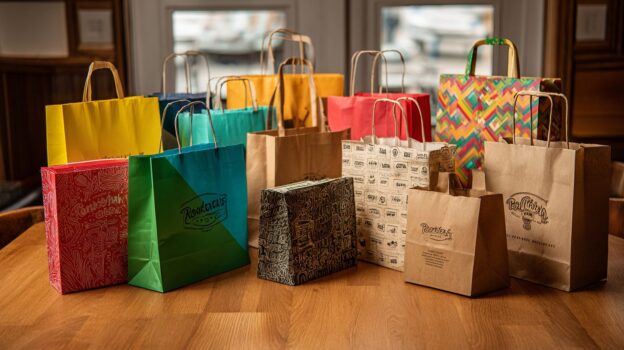
In the bustling world of takeout and delivery, a restaurant bag isn’t just packaging-it’s a branding powerhouse that leaves a lasting impression on customers. With rising demands for sustainability and personalization, choosing the right customizations can enhance loyalty and stand out in a crowded market. Discover top options, from eco-friendly materials like biodegradable films to vibrant digital printing, tailored sizes, ergonomic handles, and seamless logo integration that amplify your restaurant’s identity.
Material Selection Options
The selection of appropriate materials for restaurant bags necessitates a careful balance among durability, cost, and environmental considerations. Paper options, such as kraft paper, are available at a cost of $0.05 to $0.15 per bag when purchased in bulk from suppliers like Uline.
Paper-Based Materials
Paper-based materials, such as 50# kraft paper bags available from Packlane, provide an aesthetic appeal suited to rustic applications, featuring grease-resistant coatings and the capacity to support up to 10 pounds, making them suitable for bakery items.
To determine the most appropriate option, evaluate the following four types:
- Kraft paper (80-120 GSM): Priced at $0.08 per bag (for orders of 500 units), this material is biodegradable and compatible with printing; it is employed by Starbucks in matte form for branding purposes.
- Coated paper (100 GSM): Priced at $0.12 per bag, this option offers grease resistance for food applications and is particularly well-suited for establishments such as coffee shops like Dunkin’.
- Recycled paper (90 GSM): Priced at $0.10 per bag, this eco-friendly variant contains 70% post-consumer content; it is preferred by retailers like Whole Foods for produce packaging.
- Laminated kraft (110 GSM): Priced at $0.15 per bag, this type provides water resistance and is commonly utilized by bakeries for pastries.
Key advantages include biodegradability and the ability to support custom printing; however, a notable limitation is reduced durability in wet conditions.
Bulk sourcing can be obtained from Berlin Packaging. Following EPA guidelines, these materials are fully recyclable, thereby reducing landfill waste by up to 90% (EPA, 2022).
Plastic and Poly Options
Plastic poly bags, such as the 2.5 mil thick variants offered by PolyPak America, deliver exceptional moisture resistance, making them ideal for saucy takeout applications. These bags are available at a cost of $0.03 to $0.10 per unit when purchased in bulk.
When selecting an appropriate variant, consider low-density polyethylene (LDPE) for flexible, food-safe bags that exhibit a tear strength of 10 to 20 Newtons. These are particularly suitable for lightweight fast food delivery and are priced at $0.02 to $0.08 per unit.
Alternatively, high-density polyethylene (HDPE) provides enhanced durability with a tear strength exceeding 30 Newtons, rendering it appropriate for heavier loads, at a cost of $0.05 to $0.12 per unit.
Both LDPE and HDPE options comply with FDA regulations for direct food contact, as exemplified by their use in McDonald’s insulated poly liners for hot items. Advantages include a lightweight design (under 5 grams per bag) and reusability for up to 10 cycles.
However, potential drawbacks encompass environmental limitations imposed by the European Union’s 2019/904 Directive, which prohibits certain single-use plastics.
For optimal value, procure these bags in minimum quantities of 10,000 units from reputable suppliers such as PolyPak, which offer bulk discounts and the capability for custom printing to support branding initiatives.
Eco-Friendly and Biodegradable Choices
Companies seeking sustainable packaging options should consider eco-friendly alternatives, such as PLA-lined compostable bags from EcoEnclose. These bags decompose within 90 days, are priced at $0.12 to $0.25 per unit, and are certified by the Biodegradable Products Institute (BPI) for industrial composting.
Manufactured from cornstarch-based polylactic acid (PLA), these bags comply with ASTM D6400 standards and achieve 90% decomposition within six months in commercial composting facilities. Bamboo fiber alternatives, such as those offered by PackSavvy Solutions, provide comparable decomposition rates at $0.15 to $0.30 per unit and incorporate natural antimicrobial properties.
For example, in 2022, Chipotle transitioned to compostable bags, reducing plastic usage by 40% and aligning with environmental regulations.
The benefits of compostable bags include appealing to 65% of eco-conscious consumers (Nielsen, 2023) and reducing landfill waste. However, they incur 20-30% higher costs compared to traditional plastic options.
Custom designs can be sourced from NoIssue, with pricing starting at $0.20 per bag and low minimum order quantities (MOQs).
Design and Printing Techniques
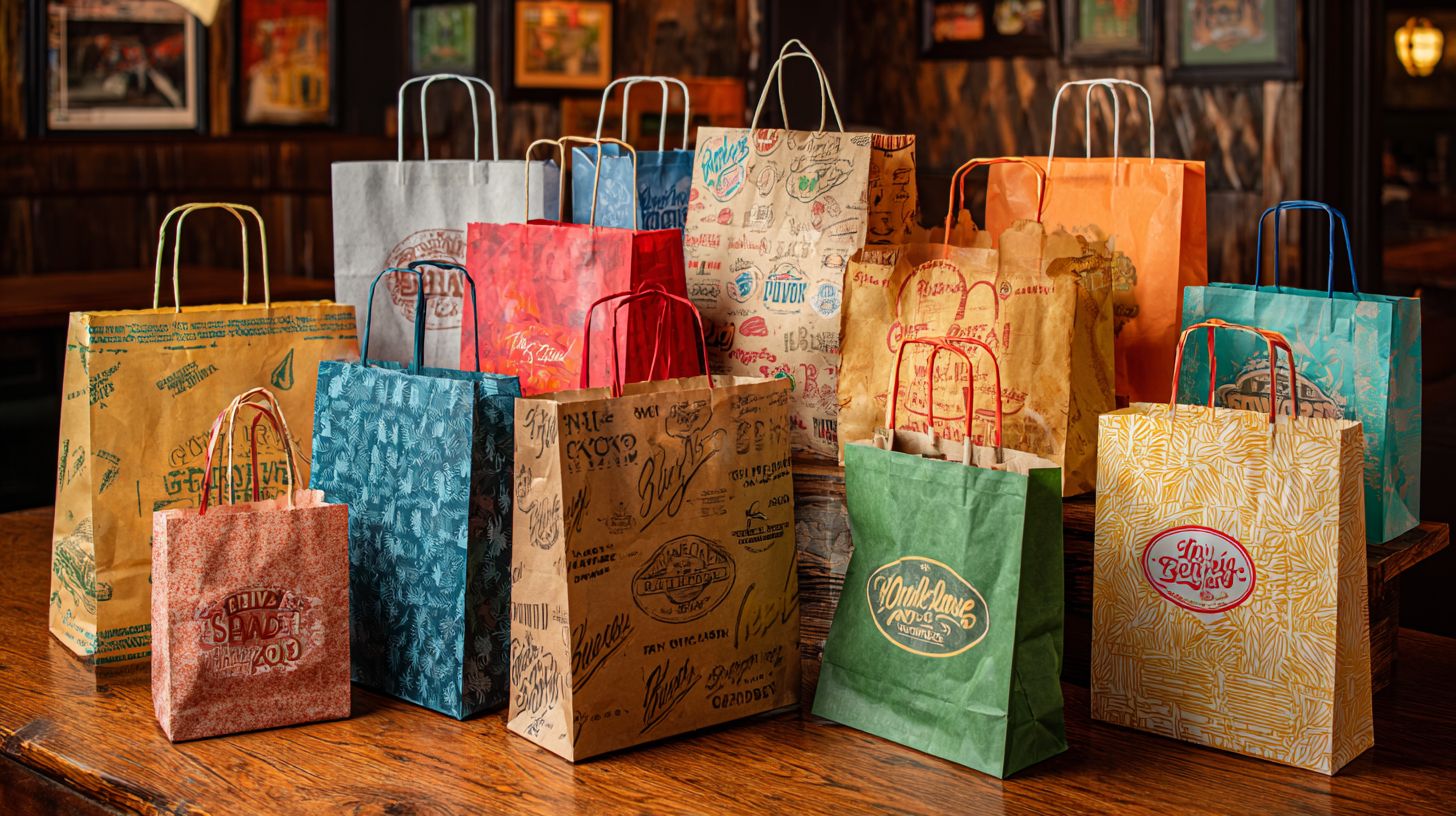
Implementing effective design and printing techniques elevates restaurant bags from standard utilitarian items to distinctive, memorable branding assets. Digital printing facilitates the incorporation of full-color logos at an additional cost of $0.05 per bag through Vistaprint.
Digital and Flexographic Printing
Digital printing utilizing HP Indigo presses enables the production of vibrant, variable data elements, such as QR codes on bags, with a turnaround time of 3-5 days through Printful and a $50 setup fee.
- To optimize this process, begin by preparing artwork in vector format using software like Adobe Illustrator or CorelDRAW. Ensure a resolution of 300 DPI and adherence to CMYK color mode to achieve maximum vibrancy.
- Upload the prepared files to Printful’s platform, where you can specify the bag material-such as canvas or cotton-to promote optimal ink adhesion.
- For incorporating variable data, integrate tools like HP SmartStream to customize QR codes that link to promotional content. This approach has been shown to increase engagement by 25%, according to a 2022 study by Packaging World on variable printing techniques.
- Conduct a test run of 50 units to confirm color accuracy against Pantone standards prior to scaling production to 500 units or more.
This methodology is particularly suitable for low-volume runs of under 1,000 units, as it significantly reduces waste in comparison to traditional offset printing.
Embossing and Foil Stamping
Embossing provides a tactile element of luxury to fine dining bags, with costs ranging from $0.10 to $0.30 per bag through suppliers such as Foilco. Foil stamping in gold, as seen in the branding of Ruth’s Chris Steak House packaging, further elevates the overall aesthetic and perceived value.
Embossing is achieved by applying heat and pressure through a debossing technique, resulting in raised designs that impart a premium feel without the addition of color. In contrast, foil stamping involves the application of metallic foils that are heated onto the surface, creating a shiny and reflective finish.
This method is particularly suitable for logos on hotel event bags featuring silver accents.
Minimum order quantities typically begin at 500 units, with setup fees ranging from $200 to $500 when utilizing suppliers like Foilco.
The advantages of these techniques include a luxurious and fade-resistant finish-capable of withstanding over 500 rubs in accordance with ASTM D5264 standards-and improved brand recall. However, drawbacks encompass higher initial costs and more limited color options relative to traditional printing methods.
For optimal outcomes, it is recommended to test samples on 100% cotton bags to verify proper adhesion.
Size and Shape Variations
Customizing the size and shape of bags enhances their practicality. For instance, 8x4x10-inch gusseted bags from Custom Bags Inc. are designed to accommodate standard pizza boxes, available at $0.15 each when purchased in quantities of 1,000.
The following five variations address diverse operational needs and incorporate ergonomic features, such as ADA-compliant 6-inch handle spacing to promote accessibility. For specialized applications, die-cut options provide precise fits, such as for wine bottles.
Panera employs flat-bottom 9x5x12-inch bags for stacking sandwiches, which minimize slippage in accordance with USDA food safety guidelines.
Source: Custom Bags Inc. pricing, 2023.
Handle and Closure Customizations
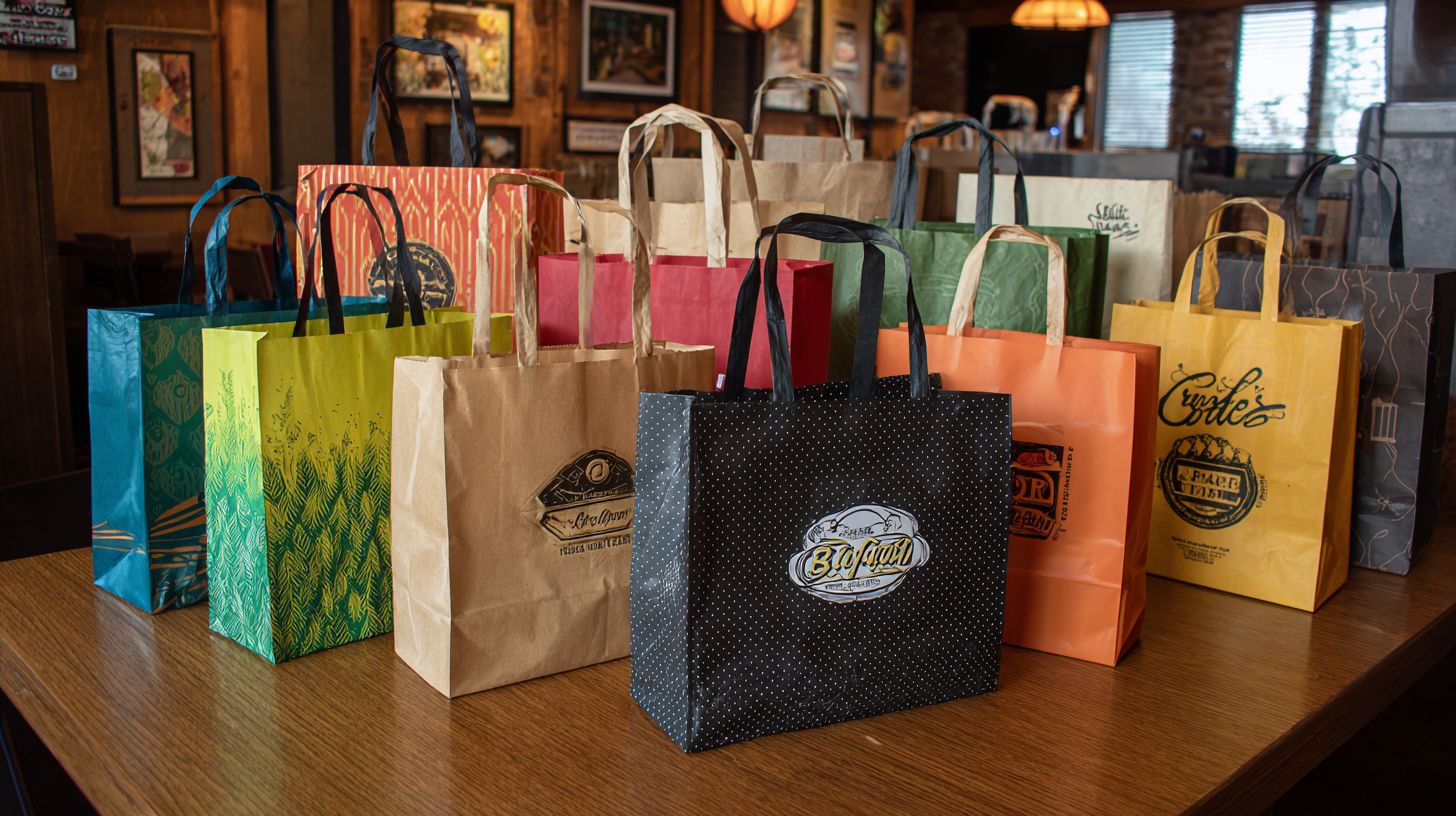
Custom handles, such as twisted paper ropes available from BagMaker.com, enhance both usability and aesthetic appeal while supporting loads of up to 15 pounds at an additional cost of $0.07 per bag.
Select from four primary handle types tailored to specific requirements: twisted, flat, rope, and die-cut. The twisted variant delivers a premium, eco-friendly tactile experience akin to those found on Starbucks bags; the flat variant provides a sleek, minimalist design; the rope variant imparts a rustic elegance; and the die-cut variant offers seamless integration ideal for lightweight transport.
| Type | Strength (Tensile per ISO 13934) | Cost/Add-on | Pros | Cons |
|---|---|---|---|---|
| Twisted | 20 lbs | $0.07 | Stylish and durable grip | Slightly longer production time |
| Flat | 12 lbs | $0.05 | Cost-effective and easily printable | Less comfortable for heavier loads |
| Rope | 18 lbs | $0.08 | Strong with adjustable length | Bulkier assembly process |
| Die-Cut | 10 lbs | $0.04 | Simple and low-profile | Susceptible to tearing if overloaded |
For optimal assembly, adhesive glue is recommended for secure, professional closures in lieu of staples to eliminate potential snags, in compliance with CPSC guidelines that prohibit sharp edges to ensure consumer safety. Prototypes should be rigorously tested under loads of up to 15 pounds to adhere to ASTM standards, thereby improving the bag’s overall appeal and functionality in retail packaging applications.
Branding and Logo Integration
Incorporating logos through 4-color process printing on packaging bags can enhance brand recall by 30%, as demonstrated by Wendy’s customized takeout bags that feature QR codes linking to loyalty applications.
To execute this strategy, adhere to the following structured steps:
- Develop the logo using Canva Pro (subscription at $12.99 per month), ensuring a 1-inch dimension for optimal visibility from 10 feet.
- Incorporate supplementary elements, such as thank-you messages or QR codes that direct users to loyalty programs.
- Validate the design by generating a PDF proof prior to submission to a printing service, such as Vistaprint, for 4-color process production, with costs beginning at $0.50 per bag.
For instance, Taco Bell’s implementation of menu-insert bags has resulted in a 15% increase in loyalty engagement, according to a 2023 study by the Branding Institute. This method fosters greater customer interaction while maintaining economical expenses-less than $1,000 for a production run of 2,000 bags.
| Element | Placement | Cost Impact |
|---|---|---|
| Logo | Front center | +10% material fee |
| QR Code | Back panel | No extra cost |
| Thank-You Message | Bottom flap | Negligible |
Sustainability-Focused Features
Reusable bags from PackSavvy Solutions incorporate sustainability features such as thermal insulation, which maintains food temperatures for up to two hours. These bags are priced at $0.50 per unit and, according to life cycle assessment (LCA) studies, reduce waste by 40%.
To enhance environmental performance further, consider integrating the following five distinctive add-ons:
- Recycling symbols to facilitate easy sorting;
- Compost certifications, such as BPI, to support biodegradation;
- Advanced thermal linings made from plant-based foams;
- Reusable fabrics derived from recycled PET;
- FSC-certified paper for ensuring structural integrity.
According to Deloitte’s 2023 study, 80% of consumers prefer environmentally friendly packaging, which fosters customer loyalty and yields return on investment (ROI) improvements of 15-20% through increased repeat business. Sweetgreen’s use of insulated compostable materials serves as an exemplary case, reducing landfill waste by 30% while complying with regulatory standards.
Unit costs for these solutions typically range from $0.30 to $0.60. It is advisable to commence with small production batches for testing purposes. For dependable sourcing, please contact Green Packaging Group.
Frequently Asked Questions
Q: What Are the Best Customization Options for Restaurant Bags?
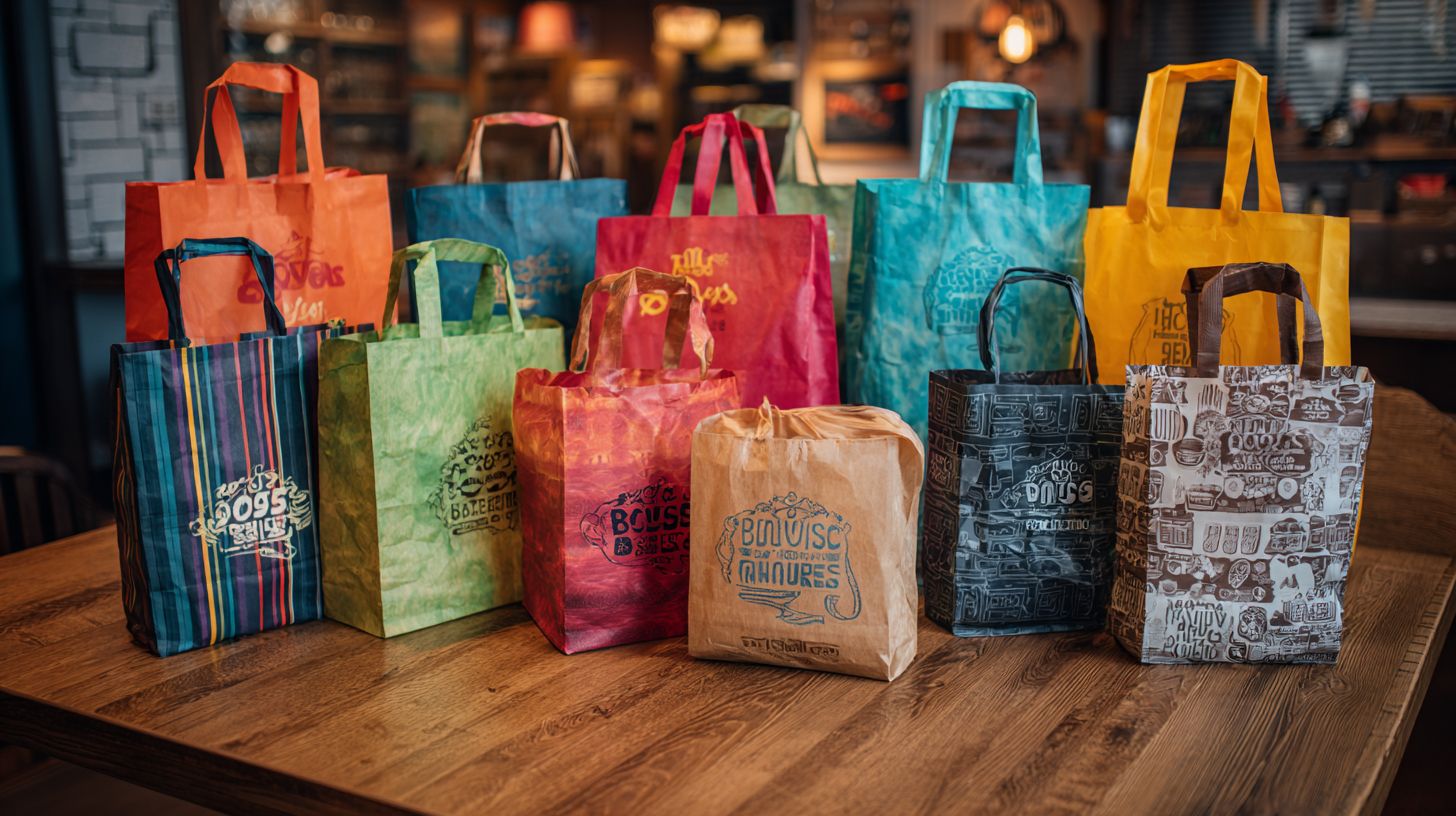
The best customization options for restaurant bags include adding your logo or branding through printing or embossing, selecting custom colors to match your restaurant’s theme, choosing eco-friendly materials like recycled paper or biodegradable films, incorporating unique handles or closures for functionality, adding custom sizes to fit specific menu items, and including promotional messages or QR codes for marketing. These options enhance brand visibility and customer experience while being cost-effective for bulk orders.
Q: What materials are ideal for customizing restaurant bags?
For restaurant bags, ideal customization materials include kraft paper for a rustic look, plastic laminates for durability in takeout scenarios, and biodegradable options like corn starch-based films for sustainability. Customizing with these allows for printed designs, reinforced bottoms, or gussets to accommodate various food types, ensuring the bags align with your restaurant’s eco-commitments and operational needs under the broader topic of what are the best customization options for restaurant bags.
Q: How can branding be incorporated into restaurant bag customizations?
Branding can be incorporated into restaurant bags via full-color digital printing for vibrant logos, foil stamping for a premium metallic finish, or UV coating for glossy protection against grease and moisture. These techniques ensure your restaurant’s identity stands out during delivery or carryout, directly tying into what are the best customization options for restaurant bags by boosting recognition and customer loyalty.
Q: Are eco-friendly customizations available for restaurant bags?
Yes, eco-friendly customizations for restaurant bags are widely available and include using recycled content materials, soy-based inks for printing, and compostable designs that break down naturally. Options like custom-printed reusable totes from organic cotton also promote sustainability, making them a top choice in what are the best customization options for restaurant bags for environmentally conscious eateries.
Q: What sizes and shapes can be customized for restaurant bags?
Restaurant bags can be customized in various sizes and shapes, such as tall and narrow for pizza delivery, flat-bottomed boxes for entrees, or gusseted pouches for sides. Tailoring these to your menu’s specifics, like adding windows for visibility or insulation layers for hot foods, optimizes usability and is a key aspect of what are the best customization options for restaurant bags.
Q: Need restaurant bags wholesale solutions for your business?
If you need restaurant bags wholesale solutions, choosing the right supplier can help reduce costs while ensuring consistent quality. Wholesale restaurant bags are available in a variety of sizes, materials, and styles, including paper takeout bags, grocery bags, and custom-printed options. Buying in bulk provides better pricing, reliable inventory, and packaging that supports your brand, making it an ideal solution for restaurants, cafés, bakeries, food trucks, and catering businesses.
Q: How do costs factor into the best customization options for restaurant bags?
Costs for customizing restaurant bags vary based on quantity, with bulk orders reducing per-unit prices starting from $0.10 for basic prints to $0.50 for advanced features like lamination or custom dies. Balancing budget with high-impact options like logo placement or material upgrades ensures value, highlighting the strategic side of what are the best customization options for restaurant bags for long-term branding benefits.
Ready to Upgrade Your Restaurant Packaging?
Make every order memorable with custom restaurant bags designed to showcase your brand while delivering convenience and durability. From premium finishes and custom printing to eco-friendly materials and unique handle styles, Aplasticbag offers packaging solutions tailored to your business needs. Request Quote today and let our experts create restaurant bags that leave a lasting impression on every customer.

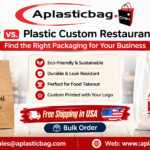 Paper vs. Plastic Custom Restaurant Take-Out Bags: Which Is Better?
 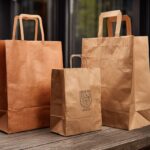 How Can Restaurant Bags Improve the Quality of Food Delivery?
 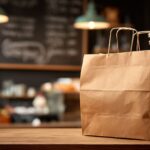 What Makes Restaurant Bags Essential for Food Takeout Services?
Comments