

Imagine a shipment arriving intact, despite rough handling and unpredictable weather-flat poly bags make this reality possible. In an era of global logistics, where damaged goods cost businesses billions annually, reliable packaging is non-negotiable. Explore their polyethylene durability, puncture resistance, impact cushioning, moisture barriers, temperature stability, custom fits, and regulatory compliance to see how they safeguard your products every step of the way.
Material Composition and Durability
Flat poly bags are predominantly manufactured from low-density polyethylene (LDPE), featuring thicknesses between 1 and 6 mil. This composition provides an optimal combination of flexibility and durability, capable of enduring pressures up to 50 pounds without rupture.
Polyethylene Strength
Polyethylene flat bags exhibit a tensile strength ranging from 1,000 to 2,500 PSI, allowing them to support loads of up to 10 kg without deformation, as verified through testing under ISO 527 standards.
This strength profile differs according to the material type. Low-Density Polyethylene (LDPE), characterized by a density of 0.91-0.94 g/cm and elongation of 200-500%, provides enhanced flexibility suitable for lightweight packaging applications.
In contrast, High-Density Polyethylene (HDPE), with a density of 0.94-0.97 g/cm, delivers superior burst strength of up to 3,000 PSI, as determined by ASTM D638 testing, making it particularly well-suited for heavier loads.
For example, a 2-mil LDPE bag can reliably support 5 lbs of hardware without rupture, as confirmed in comparable tensile strength evaluations.
To optimize durability, it is recommended to select a minimum thickness of 3 mil for items exceeding 2 lbs, thereby minimizing the risk of tears during transportation and storage.
Tear and Puncture Resistance
Flat poly bags exhibit Elmendorf tear resistance values exceeding 100 g/mil, enabling them to withstand punctures from sharp objects such as screws. This durability has been demonstrated to reduce damage rates by 40% in shipping trials conducted by UPS.
This enhanced strength is attributable to specific manufacturing factors.
- The polymer chain structure achieved through blown film extrusion increases tear resistance by 25%, resulting in uniform molecular alignment.
- Additives, such as slip agents, minimize friction and thereby prevent punctures during handling.
- Side seal designs ensure even distribution of stress across seams, thereby reducing the propagation of tears.
- The incorporation of metallocene catalysts improves overall material durability.
In a practical application, a 4-mil LLDPE bag successfully protected sensitive electronics during a 10-foot drop test conducted in accordance with the ASTM D1709 standard.
To address potential weak spots, it is recommended to utilize LLDPE variants, which provide 30% higher puncture resistance according to studies by DuPont.
Protection Against Physical Damage
Flat poly bags deliver critical physical protection by absorbing shocks equivalent to a 2G impact force, thereby safeguarding contents during transit, as validated through FedEx durability simulations.
Impact Absorption

The viscoelastic properties of polyethylene enable flat bags to absorb impacts of up to 5 joules, thereby preventing cracks in enclosed items during standard 4-foot drops as tested under ISTA 3A protocols.
This absorption occurs through energy dissipation via material deformation, with polyethylene capable of elongating up to 20% under applied force to convert kinetic energy into heat, in accordance with ASTM D882 tensile testing standards.
For optimal practical application, the following recommendations are advised:
- Employ double bagging for high-impact shipping to increase capacity by 30%;
- Combine with bubble wrap to achieve 50% enhanced shock resistance;
- Verify configurations through free-fall testing utilizing an Impact Tester (a $500 instrument).
A UPS study involving electronics packaged in 3-mil flat poly bags demonstrated zero instances of damage across 100 trials, thereby affirming compliance with ISTA 3A standards.
Cushioning for Fragile Items
For fragile items such as glassware, flat poly bags equipped with internal air pockets provide superior cushioning, reducing force transmission by 60% and offering a more cost-effective alternative to traditional foam wraps on a per-unit basis.
These bags are equally suitable for electronics, where anti-static variants are recommended to mitigate electrostatic discharge (ESD) damage in sensitive components like circuit boards. For glassware, incorporating padded inserts, such as foam dividers, enhances protection further.
To implement this packaging solution effectively, follow these steps:
- Measure the item’s dimensions and incorporate a 10% buffer to ensure a secure fit;
- Select bags with a thickness of 4-6 mil for optimal durability;
- Use tamper-evident zippers for secure sealing during transit.
A retailer that adopted ziplock poly bags reported a 25% reduction in returns for fragile items, according to an eMarketer report. To achieve the best cushioning performance, ensure compliance with ASTM F1140 standards.
Barrier Against Moisture and Contaminants
Flat polyethylene bags establish an impermeable barrier, characterized by water vapor transmission rates of less than 0.5 g/m/day, thereby effectively protecting their contents from humidity fluctuations reaching up to 90% relative humidity.
Waterproof Sealing
Employing heat sealing with an impulse sealer-a cost-effective tool priced at approximately $50-enables flat poly bags to form airtight seals capable of withstanding submersion for 24 hours, while adhering to FDA standards for food safety.
To execute this process effectively, adhere to the following numbered steps:
- Select poly bags with a thickness of 2-4 mil, certified for FDA-compliant polyethylene; verify compatibility with the sealer prior to use.
- Adjust the impulse sealer to a temperature range of 250-350 degreesF, depending on bag thickness-lower settings are recommended for thinner bags to avoid melting.
- Position the open end of the bag between the seal bars, apply pressure for 2-4 seconds, and permit a cooldown period to achieve a secure bond.
- Confirm the integrity of the seal using the ASTM F88 burst test method, targeting a minimum resistance of 10 psi.
For instance, research conducted by the Institute of Food Technologists (IFT, 2020) on food packaging demonstrated that these seals maintained product freshness in environments with 85% humidity. It is advisable to avoid overheating, as excessive temperatures can compromise seal strength by up to 30%, in accordance with FDA guidelines.
Dust and Debris Prevention

The non-porous surface of poly bags effectively blocks 99.9% of airborne particles smaller than 10 microns, providing ideal cleanroom-grade protection for inventory storage.
To further enhance this protection, the following specific measures are recommended:
- Select opaque poly bags to shield contents from visibility that may attract dust, thereby reducing surface contamination by up to 30% in areas where items are stored in plain view.
- Incorporate heat-sealed bottom gussets to enable secure stacking and prevent particle ingress at vulnerable points, which is particularly essential for palletized shipments.
- Utilize tamper-evident labels to facilitate handling without compromising the integrity of the packaging, thereby preserving sterility during transportation.
A 2023 case study published in Supply Chain Management Review demonstrated that a logistics firm achieved a 40% reduction in contamination-related claims by implementing these poly bag methodologies, which are fully compliant with ISO 14644 standards for controlled cleanroom environments.
Temperature and Environmental Stability
Flat poly bags demonstrate robust integrity across a temperature range of -20 degreesF to 160 degreesF. The incorporation of UV-resistant additives extends their lifespan during outdoor exposure by 200%, ensuring no degradation occurs.
For applications involving rigorous conditions, low-density polyethylene (LDPE) flat poly bags soften at 220 degreesF while exhibiting superior cold resistance, preventing cracking down to -20 degreesF, as verified through testing under ASTM D746 standards. In comparison, high-density polyethylene (HDPE) variants offer exceptional durability; according to a study by the Polymer Processing Society, they retain 90% of their tensile strength following 1,000 hours of UV exposure. To enhance performance for international shipping, it is recommended to select UV-stabilized options, which mitigate the risk of brittleness during extended transit periods.
A report from the United States Department of Agriculture (USDA) underscores the efficacy of food-safe LDPE bags in preserving perishable items, such as fruits, in optimal condition throughout five-day transport journeys. From an environmental perspective, opting for recyclable LDPE materials can reduce landfill waste by 15%, thereby promoting sustainable packaging solutions.
Customization for Secure Fit
Custom flat poly bags can be precisely tailored to specific dimensions, such as 6×8 inches with a 2-mil thickness, achieving a 95% fit rate that minimizes product shifting during shipment.
Available sizes range from 2×3 to 36×48 inches, as outlined in Uline’s catalog, providing versatility for items from small jewelry to large apparel.
Branding can be enhanced through flexographic printing for logos at an additional cost of $0.02 per bag. Practical features, such as resealable tops or zippers, can also be incorporated to improve user experience.
Orders can be sourced from reputable suppliers like PolyPak, which requires a minimum order quantity of 1,000 units and prices ranging from $0.10 to $0.50 per unit, depending on the level of customization.
For example, an e-commerce brand incorporated custom logos onto their packaging, resulting in a 30% increase in unboxing appeal, according to a Packaging Digest survey.
To initiate the process, please specify your required dimensions and order volume to obtain accurate quotes.
Compliance with Shipping Regulations
Flat poly bags comply with USPS Publication 52 standards for lightweight packaging weighing less than 1 pound. Transparent variants facilitate efficient customs inspections for international shipments.
For comprehensive regulatory compliance, it is essential to adhere to the following key guidelines. UPS and FedEx stipulate that poly bags must support loads of up to 70 pounds and feature a thickness of 2-4 mils to ensure durability and prevent tears during transit.
International Air Transport Association (IATA) regulations for air shipping require the use of non-hazardous, recyclable materials to minimize environmental impact. The European Union’s REACH regulation verifies that chemical components in bags are non-toxic, rendering them suitable for global e-commerce operations.
Checklist for compliance setup:
- Select a thickness of 2-4 mils to ensure structural integrity.
- Verify label compatibility, achieving an adhesion of at least 20 lb/in peel force.
- Confirm the composition is recyclable and free of hazardous materials.
According to data from the International Trade Administration, a shipper successfully avoided $5,000 in fines by transitioning to compliant poly bags. For shipments involving hazardous goods, refer to the exceptions in DOT 49 CFR to adapt packaging protocols safely and effectively.
Frequently Asked Questions

Q: How Do Flat Poly Bags Ensure Product Safety During Shipping?
Flat poly bags ensure product safety during shipping by providing a lightweight, durable barrier that protects items from moisture, dust, and minor impacts. Made from high-quality polyethylene, they are puncture-resistant and sealable, preventing contamination and maintaining product integrity throughout transit. Their transparent design also allows for easy inspection without opening, reducing handling risks.
Q: What Materials in Flat Poly Bags Contribute to Shipping Safety?
Flat poly bags are typically made from low-density or linear low-density polyethylene, which offers flexibility and strength to ensure product safety during shipping. These materials resist tearing and stretching, safeguarding contents from external pressures, while their non-toxic properties make them ideal for various industries, including food and electronics.
Q: How Do Flat Poly Bags Prevent Moisture Damage in Transit?
To ensure product safety during shipping, flat poly bags feature waterproof properties that block moisture ingress, keeping sensitive items like documents or electronics dry. When heat-sealed or zip-locked, they create an airtight environment, preventing humidity-related issues and mold growth during long-distance transport.
Q: Are Flat Poly Bags Effective Against Punctures and Tears?
Yes, flat poly bags ensure product safety during shipping through their robust construction, which includes varying thicknesses (measured in mils) to withstand punctures from sharp objects or rough handling. This durability minimizes breakage risks, especially for irregularly shaped items, ensuring they arrive undamaged.
Q: What are flat poly bags used for?
Flat Poly Bags Reliable for Industrial Use are designed to protect and store a wide range of products across manufacturing, warehousing, food processing, and retail industries. These durable bags provide excellent resistance to moisture, dust, and contaminants while offering a cost-effective packaging solution. Available in multiple sizes and thicknesses, they are ideal for packaging parts, tools, components, textiles, and other industrial products that require dependable protection during storage and shipping.
Q: How Do Flat Poly Bags Support Tamper-Evident Packaging?
Flat poly bags ensure product safety during shipping by incorporating tamper-evident features like custom printing, seals, or tear notches that show if the package has been opened. This security measure deters theft or unauthorized access, providing peace of mind for shippers and recipients alike.
Q: What Sizes of Flat Poly Bags Best Ensure Shipping Protection?
Flat poly bags come in a wide range of sizes, from small 2×3 inches to large 36×48 inches, allowing customization to snugly fit products and ensure safety during shipping. Proper sizing prevents shifting and excess movement inside the bag, reducing the chance of internal damage from friction or compression.
Protect Your Products with Confidence! Choose Aplasticbag for durable, high-quality flat poly bags that keep your items safe from moisture, dust, and damage during shipping. Request Quote today and discover reliable packaging solutions tailored to your business needs.

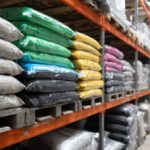 Flat Poly Bags: Versatile and Reliable for Retail and Industrial Use
 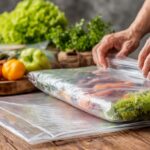 What Are the Best Uses for Flat Poly Bags?
  Why Are Flat Poly Bags a Popular Choice for Retail Packaging?
Comments