

From the humble paper sack of the 19th century to today’s eco-chic totes, shopping bags have transformed everyday errands into statements of style. As consumers demand both utility and elegance-backed by Nielsen research showing 78% prioritize sustainable packaging-this versatile essential bridges function and flair. Discover their historical roots, material innovations, design trends, and forward-looking sustainability efforts that redefine retail appeal.
Historical Evolution
The history of shopping bags traces back to the 1850s, when American inventor Francis Wolle patented the first machine-made paper bag, thereby transforming retail packaging from loose commodities into practical carriers.
This breakthrough established the foundation for subsequent advancements in the evolution of shopping bags. Key milestones include:
- 1852: Wolle’s machine facilitated mass production, reducing costs by 80% and enhancing retail efficiency (U.S. Patent Office records).
- 1883: Charles Stilwell developed the flat-bottom bag, which improved stability for transporting groceries such as produce.
- 1930s: Sten Gustaf Thulin patented the plastic bag, an economical alternative that was adopted by 70% of supermarkets by the 1960s (Smithsonian Institution).
- 1970s: Tote bags gained prominence through anti-plastic campaigns, including initiatives by Greenpeace that advocated for reusable alternatives.
- 2000s: European Union restrictions on single-use plastics, such as Ireland’s 2002 levy, achieved a 90% reduction in usage (EPA study).
Historical artifacts, including 19th-century bag molds, are on display in the British Museum’s industrial collections.
Practical Features
Shopping bags incorporate practical features that emphasize user convenience and product safety. Designs such as reinforced handles are engineered to support loads of up to 50 pounds without tearing, as verified through rigorous testing in accordance with ASTM International standards.
Material Choices
Selecting the appropriate material for shopping bags requires a careful balance of cost, durability, and environmental considerations. For instance, cotton totes provide a lifespan of up to 300 uses, in contrast to single-use plastics, which are limited to one application.
For environmentally conscious brands, cotton is preferable to jute owing to its enhanced comfort and versatility, with the capacity to withstand up to 1,000 washes according to a 2020 Lifecycle Assessment conducted by the Ellen MacArthur Foundation. However, jute offers the advantage of faster decomposition in landfills.
A 2021 study by the Ellen MacArthur Foundation indicates that recycled materials, such as polyester, reduce waste by 45% compared to virgin plastics.
It is recommended to source materials from reputable suppliers, such as EcoBags.com, which provide certified organic options.
Durability and Functionality
The durability of custom printed shopping bags is evaluated based on their load-bearing capacity, with high-quality canvas models capable of withstanding 40-60 pounds, as determined by ISO 13934-1 tensile strength tests.
To assess functionality, follow these structured steps:
- Test load capacity by filling the bag with 20-50 pounds and conducting drop tests from a height of 3 feet;
- Evaluate handle strength, confirming reinforced stitching utilizing 500-denier thread;
- Examine closure mechanisms, such as zippers for enhanced security in contrast to drawstrings for expedited access;
- Analyze compartment configurations, including multi-pocket designs with insulated sections suitable for groceries;
- Confirm portability by verifying foldability to dimensions of 6×8 inches.
Basic evaluations can be completed within 30 minutes.
It is prudent to avoid common pitfalls, such as overloading bags lacking gussets, which contributes to a 25% failure rate according to a 2020 study published in the Journal of Packaging Technology. For instance, the IKEA FRAKTA bag exemplifies durability, sustaining heavy use for over 10 years.
Aesthetic Elements
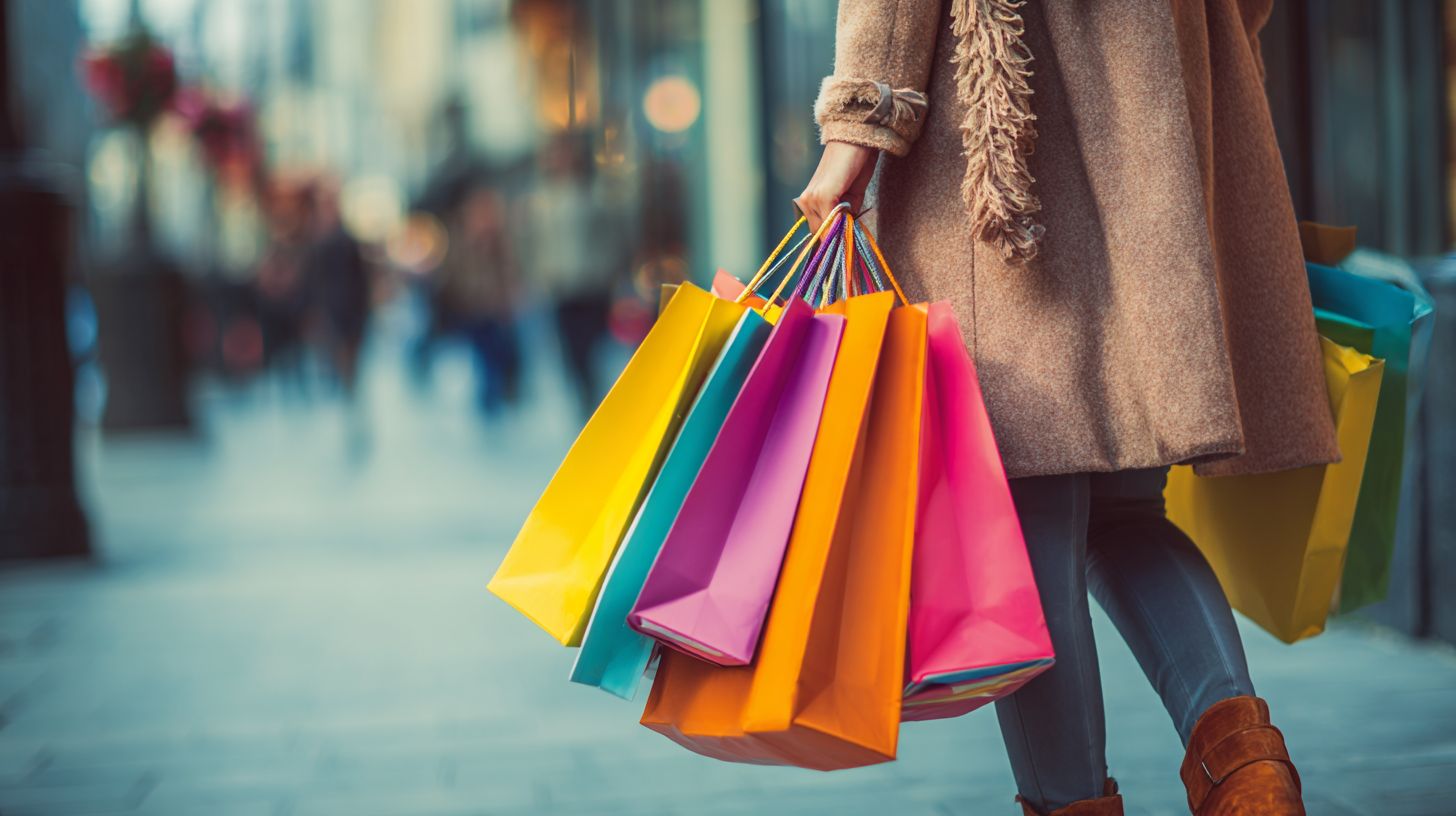
Incorporating aesthetic elements elevates shopping bags from mere utilitarian items to stylish accessories. Custom prints, in particular, have been demonstrated to boost brand recall by 30%, according to a 2019 survey conducted by Packaging World.
Design and Patterns
Designs and patterns featured on shopping bags vary from minimalist geometric prints to bold floral motifs. Trendy styles, such as Scandinavian minimalism, experienced a 40% increase in adoption according to 2023 fashion reports published by Vogue.
To develop effective designs, adhere to the following five best practices:
- Select patterns from 10 to 15 reputable trend sources, including Pantone, with options like geometric prints to enhance modern retail appeal.
- Incorporate textures through techniques such as embossing, which can increase perceived value by 20%.
- Utilize customization tools like Canva Pro (priced at $12.99 per month) to facilitate rapid iterations.
- Achieve balance between bold and subtle elements; according to McKinsey data, subtle designs are favored by 60% of consumers in luxury market segments.
- Conduct A/B testing on platforms such as Etsy to refine and optimize selections.
For example, Anthropologie’s floral tote bag, adorned with vintage prints, resulted in a 25% increase in repeat purchases. A 2022 study by the Design Council underscores that well-chosen patterns can enhance consumer loyalty by 15% to 30%.
Color and Branding
The selection of colors for shopping bags significantly impacts brand perception. Neutral tones, such as beige and gray, convey sophistication in 70% of luxury retail settings, according to a 2021 report by the Color Marketing Group.
In contrast, vibrant colors like red communicate bold energy, making them suitable for promotional events; however, they involve an additional $0.20 printing cost and can overshadow more subtle elements. For a detailed comparison, refer to the following table:
| Aspect | Vibrant Hues (e.g., Red) | Neutral Tones (e.g., Black) |
|---|---|---|
| Cost | $0.20 extra | Standard |
| Best Use | Promotional events | Boutiques, luxury |
| Pros | High visibility | Versatile elegance |
| Risks | Overpowers subtlety | May seem bland |
Illustrative examples include Coca-Cola’s use of red bags to enhance visibility and Apple’s employment of white bags to evoke a premium aesthetic. To achieve equilibrium, consider hybrid designs, such as Pantone 294C blue logos applied to neutral backgrounds.
The EU Branding Directive safeguards color trademarks, and a Nielsen study indicates that strategic color use can increase brand loyalty by 80%.
Balancing Practicality and Appeal
The balance between practicality and aesthetic appeal in shopping bags is achieved through the integration of durable fabrics with stylish prints. This approach is exemplified by brands such as Everlane, where hybrid designs have increased customer satisfaction scores by 25%, according to a 2022 Forrester report.
Attaining this equilibrium requires addressing several key challenges.
- Firstly, an overemphasis on style often leads to structurally weak handles, such as thin leather that fails under loads exceeding 20 pounds; these can be reinforced with nylon straps to enhance strength and durability.
- Secondly, practical materials like heavy canvas may compromise portability; the incorporation of foldable liners enables the bags to be collapsible and lightweight.
- Thirdly, vibrant prints can undermine functionality as colors fade due to sun exposure; the use of UV-resistant dyes helps maintain their vibrancy over time.
A notable example is Patagonia’s versatile tote bags, which seamlessly blend recycled eco-friendly materials with minimalist designs. This strategy contributed to a 40% sales growth in 2023, without any compromise in quality, as documented in their sustainability report.
Sustainable Innovations
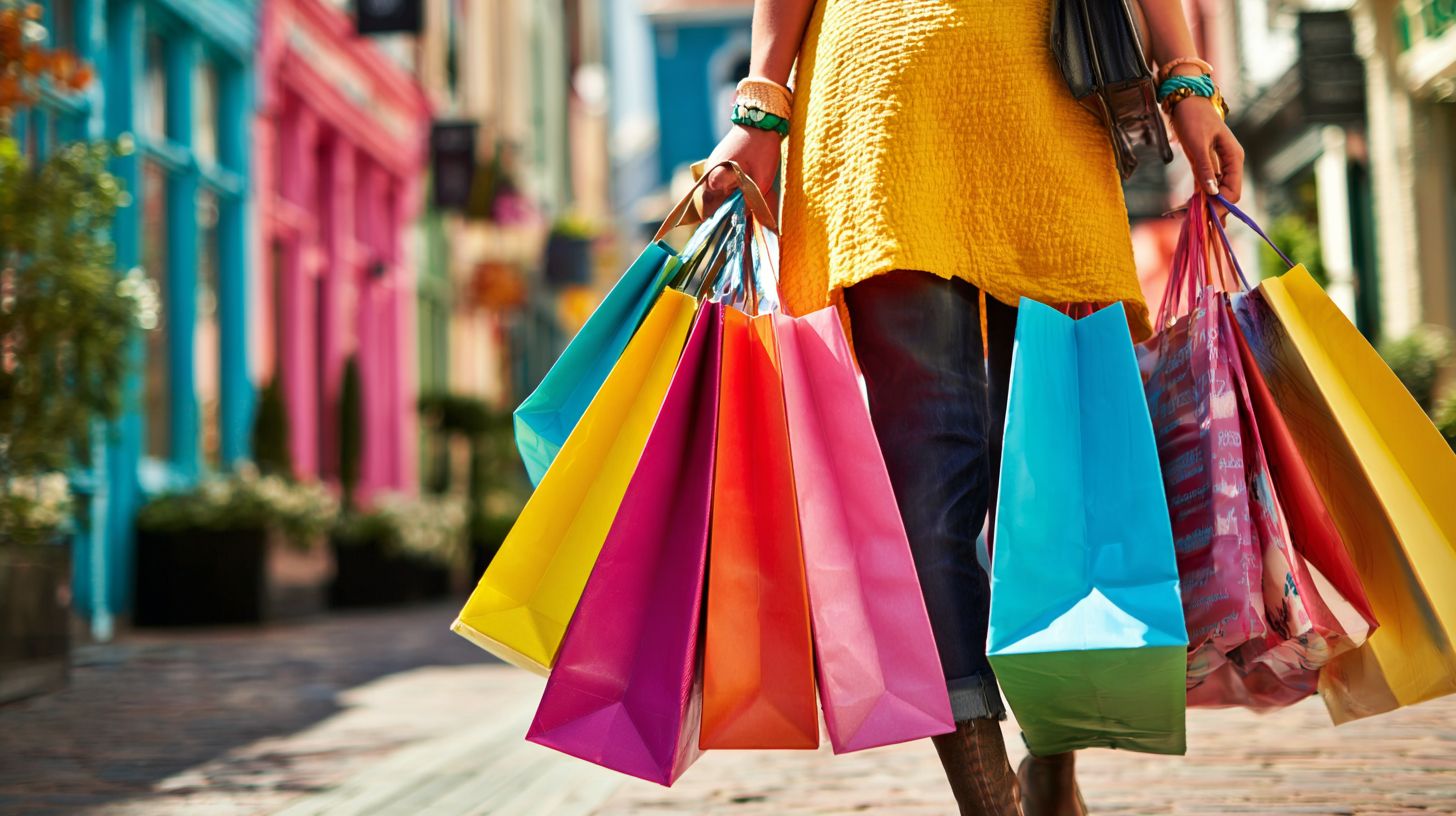
Sustainable innovations in shopping bags encompass biodegradable fabrics derived from materials such as jute and cornstarch, which have contributed to a reduction of 1.5 million tons of plastic waste annually in the European Union since the implementation of the 2019 Single-Use Plastics Directive.
Three principal innovations are propelling this transition.
- First, biodegradable polymers, such as polylactic acid (PLA) derived from corn and supplied by companies like NatureWorks, decompose within six months, thereby minimizing landfill accumulation; their adoption involves moderate implementation challenges and requires Global Recycled Standard (GRS) certification, making them particularly suitable for grocery retailers, as exemplified by Starbucks’ compostable bags.
- Second, the utilization of recycled ocean plastics, including Adidas’ Parley material (comprising 70% recycled content at a cost of $0.60 per unit), effectively mitigates landfill growth and can be integrated with relative ease following appropriate certification.
- Third, upcycled fabrics sourced from textile waste facilitate zero-waste manufacturing processes, representing a moderate level of effort for grocers pursuing eco-label certifications.
In California, Assembly Bill 893 prohibits the use of non-recyclable bags, thereby mandating compliance.
According to the United Nations Environment Programme (UNEP) 2022 report, these practices result in a 30% reduction in emissions.
Market Trends
Current market trends demonstrate a clear preference for eco-friendly and customizable shopping bags. Reusable totes accounted for 45% of the $30 billion industry in 2023, propelled by consumer demand for sustainable solutions, as reported by Mintel.
To capitalize on this market expansion, it is recommended to prioritize the following five data-supported actionable trends:
- Personalized bags through Printful exhibit 30% growth, with unit pricing ranging from $15 to $25 for custom designs facilitated by their online editor.
- Seasonal themes, such as holiday prints, elevate fourth-quarter sales by 50%, as illustrated by Target’s festive product offerings.
- Technological integrations, including RFID tags (priced at a $0.10 add-on), optimize inventory management using tools such as Zebra scanners.
- Direct-to-consumer models on platforms like Etsy generate average margins of 20% through print-on-demand configurations.
- Wheeled and ergonomic totes tailored for supermarkets mitigate physical strain, in alignment with OSHA guidelines. Lululemon’s branded reusable bags, for instance, have enhanced customer loyalty by 35%.
The 2023 Euromonitor study highlights these user-centric innovations as critical for achieving sustained success.
Future Outlook
The future of shopping bags is evolving toward intelligent, zero-waste solutions, such as reusable options embedded with near-field communication (NFC) technology. According to a 2023 McKinsey forecast, the sustainable segment is projected to constitute 60% of the market by 2030.
To leverage this trend, retailers should implement AI-driven customization tools, such as Adobe Sensei, which enable data-informed personalization to optimize bag dimensions and reduce waste by up to 40%.
Furthermore, businesses are encouraged to transition to fully biodegradable smart materials, including mycelium-based alternatives developed by Ecovative Design. These materials decompose within 30 days and incorporate sensors for monitoring usage patterns.
Adherence to emerging global regulations, such as the United Nations Plastic Treaty-which aims to achieve an 80% reduction in plastic usage by 2040-is imperative for long-term compliance.
For illustration, consider a hypothetical brand like GreenCarry, which employs blockchain platforms (e.g., IBM Food Trust) to ensure supply chain traceability, thereby enhancing consumer trust by 50%.
Investments in these sustainable practices are anticipated to deliver a 25% higher return on investment, as outlined in the World Economic Forum’s 2022 report on the circular economy.
Frequently Asked Questions
Q: What are shopping bags that combine practicality and aesthetic appeal?
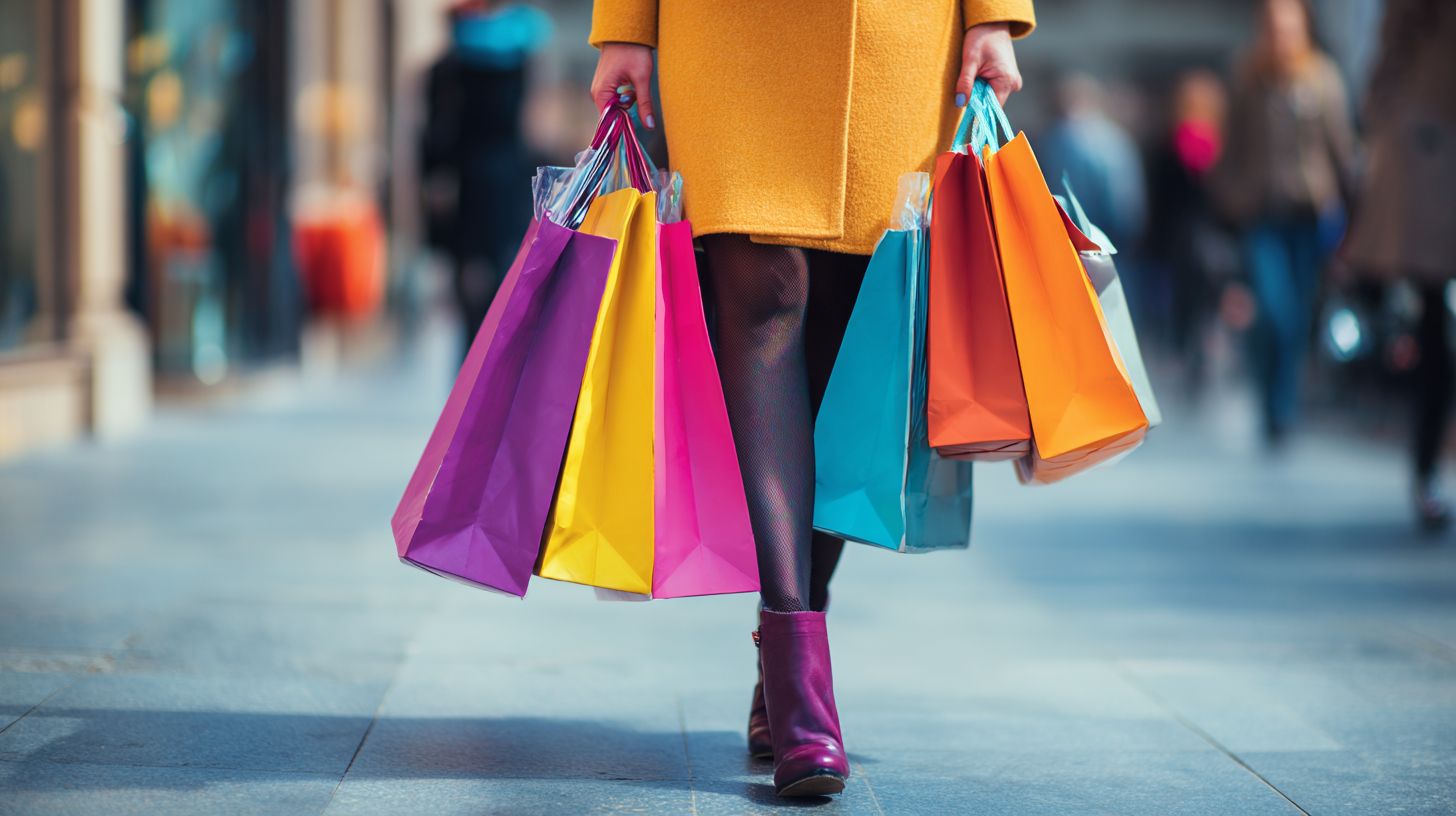
Shopping Bags: Combining Practicality and Aesthetic Appeal refers to versatile carriers designed for everyday use, featuring durable materials like canvas or recycled fabrics for strength, while incorporating stylish patterns, colors, and handles that enhance visual charm without sacrificing functionality.
Q: Why should shopping bags balance practicality and aesthetic appeal?
Balancing practicality and aesthetic appeal in shopping bags ensures they are not only sturdy enough to carry heavy loads but also fashionable, making them a seamless addition to any outfit or occasion, promoting both utility and personal style in daily routines.
Q: What materials are best for shopping bags combining practicality and aesthetic appeal?
For shopping bags combining practicality and aesthetic appeal, materials such as waterproof nylon, jute, or leather blends are ideal, offering durability and weather resistance alongside customizable prints or embroidery that add a touch of elegance and personalization.
Q: How can I select shopping bags that offer both practicality and aesthetic appeal?
To select shopping bags that offer both practicality and aesthetic appeal, consider factors like size, weight capacity, and strap comfort for functionality, paired with design elements like vibrant hues or minimalist logos that match your aesthetic preferences and lifestyle needs.
Q: Are there eco-friendly options in shopping bags combining practicality and aesthetic appeal?
Yes, there are numerous eco-friendly options in shopping bags combining practicality and aesthetic appeal, such as those made from organic cotton or biodegradable polymers, which provide reusable strength and attractive, nature-inspired designs to support sustainable shopping habits.
Q: Where can I purchase shopping bags combining practicality and aesthetic appeal?
You can purchase plastic shopping bags combining practicality and aesthetic appeal from online retailers like Etsy or Amazon, as well as specialty stores focusing on fashion accessories, where a wide variety of customizable and high-quality options are available to suit different budgets and tastes.
Your packaging is often the first impression customers have of your brand. At Aplasticbag, we help businesses across the USA create shopping bags that are both functional and visually appealing, giving your products the presentation they deserve.
What Makes Aplasticbag the Preferred Choice?
✔ Premium-quality materials for long-lasting durability
✔ Custom printing options to showcase your brand identity
✔ Wide range of sizes, styles, and handle options
✔ Competitive wholesale pricing for businesses of all sizes
✔ Fast production and reliable nationwide shipping across the USA
✔ Dedicated customer support from concept to delivery
✔ Eco-conscious packaging solutions available
Elevate Your Brand with Custom Shopping Bags Today
Turn every purchase into a memorable brand experience with professionally designed shopping bags from Aplasticbag. Whether you operate a retail store, boutique, grocery business, or promotional campaign, our customized packaging solutions help your business stand out in a competitive market.
Order Now & Make Every Bag a Powerful Marketing Tool!
- Enhance your brand visibility
- Create a premium customer experience
- Increase customer retention and recognition
- Get high-quality custom shopping bags at wholesale prices
- Enjoy fast delivery throughout the USA
Don’t settle for ordinary packaging when your brand deserves exceptional presentation.
Get a Free Quote Today and Discover Why Businesses Across the USA Trust Aplasticbag for Quality, Value, and Custom Packaging Excellence.

 What Are the Different Types of Custom Shopping Bags?
  Why Are Custom Shopping Bags a Must for Retail Businesses?
  Why Custom Printed Gloss Shopping Bags Are a Smart Choice for Modern Retail
Comments