
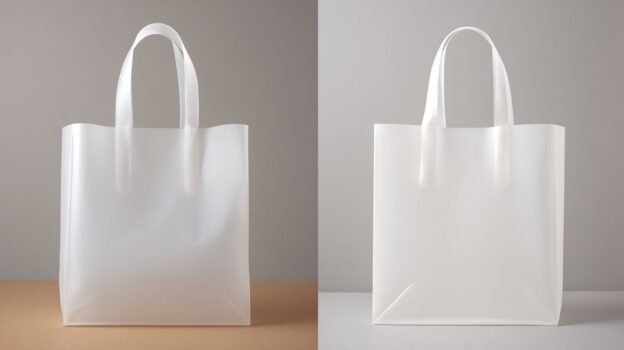
In the competitive landscape of retail packaging, choosing the right handle bag can elevate customer experience and streamline operations. Soft loop handle bags, with their flexible woven straps, offer unique advantages over die-cut, patch, or rigid alternatives-but what sets them apart? This article delves into differences in design, materials, durability, comfort, production costs, and applications, revealing insights to optimize your packaging choices.
Key Design Features
The defining characteristic of soft loop handle bags is their die-cut loop handles, which measure approximately 10 to 12 inches in length and are affixed to the bag body-typically 12 by 15 inches-through a heat-sealing process. Optional 3-inch side gussets provide additional capacity for expanded storage needs.
Key features of these bags emphasize both practicality and durability. The flexible LDPE loops, with widths ranging from 1 to 1.5 inches, offer an ergonomic grip that minimizes hand fatigue during transport.
Reinforced seams, rigorously tested to withstand loads of up to 50 pounds in accordance with ASTM D1709 standards, guarantee dependable performance under demanding conditions.
These bags are available in flat-pack or folded configurations to facilitate seamless integration with dispensers. Customizable dimensions, including the standard 16 by 20 inches, enable adaptation to specific requirements, while optional bottom gussets enhance stability for transporting bulkier items.
As depicted in a cross-sectional diagram, the loops integrate seamlessly at the attachment points to optimize structural integrity. Berry Global’s EcoLoop product line exemplifies this design philosophy, featuring recyclable options that incorporate up to 20% post-consumer resin.
Overview of Other Handle Bag Types
Plus soft loop handle bags, alternative variants such as die-cut, patch, and rigid handle types prevail in specialized markets. Die-cut bags, in particular, constitute 25% of plastic bag usage in the United States, according to a 2023 report from the SPI Plastics Industry Association.
Die-Cut Handle Bags
Die-cut handle bags are characterized by handles that are punched directly from the bag material, resulting in a lightweight design with a typical load capacity of 10 to 15 pounds. This makes them particularly suitable for lightweight grocery items, as exemplified by the standard checkout bags used at Walmart.
Common dimensions for these bags are 11 by 14 inches, constructed from high-density polyethylene (HDPE) at a gauge of 0.75 to 1 mil. They are produced efficiently using rotary die-cutting machines, which facilitate high-volume manufacturing runs.
Custom Die-cut handle bags offer exceptional cost-effectiveness, with unit prices ranging from $0.02 to $0.05, rendering them ideal for retail applications such as produce sections.
In terms of tear resistance, die-cut handle bags typically achieve 20 pounds according to ASTM D1922 testing standards, which is lower than that of soft loop handle bags. The latter provide a capacity of 30 to 40 pounds through fused plastic loops, enhancing durability for heavier loads, albeit at two to three times the cost.
The Inteplast Group’s EcoEnclose line represents a sustainable variant of die-cut handle bags, incorporating recycled HDPE materials.
Patch Handle Bags
Patch handle bags are designed with reinforced fabric patches that are sewn or glued at the handle attachment points, thereby enhancing durability to support loads of 15 to 20 pounds. These bags are commonly employed in merchandise packaging by major brands such as Target, particularly for apparel sales.
The construction of these bags involves polypropylene patches, measuring 2 by 4 inches, that are fused to a low-density polyethylene (LDPE) body with a thickness of 1.5 mil. This method ensures robust reinforcement of the handles through heat-sealing or adhesive applications.
In production, the process begins with the selection of LDPE film rolls that comply with ASTM standards. Patches are then applied using automated fusing machines, such as those manufactured by Hudson-Sharp, which facilitate scalable output volumes.
Key advantages include superior puncture resistance, exceeding 30 pounds as per ASTM D4830 standards, making them well-suited for handling heavier loads.
Potential drawbacks encompass a 10% increase in production time relative to die-cut bags.
According to a 2021 study by the Flexible Packaging Association, these bags demonstrate 25% greater longevity in retail environments, as evidenced in Hilex Poly’s apparel product lines, which resulted in a 15% reduction in returns.
Rigid or Folded Handle Bags
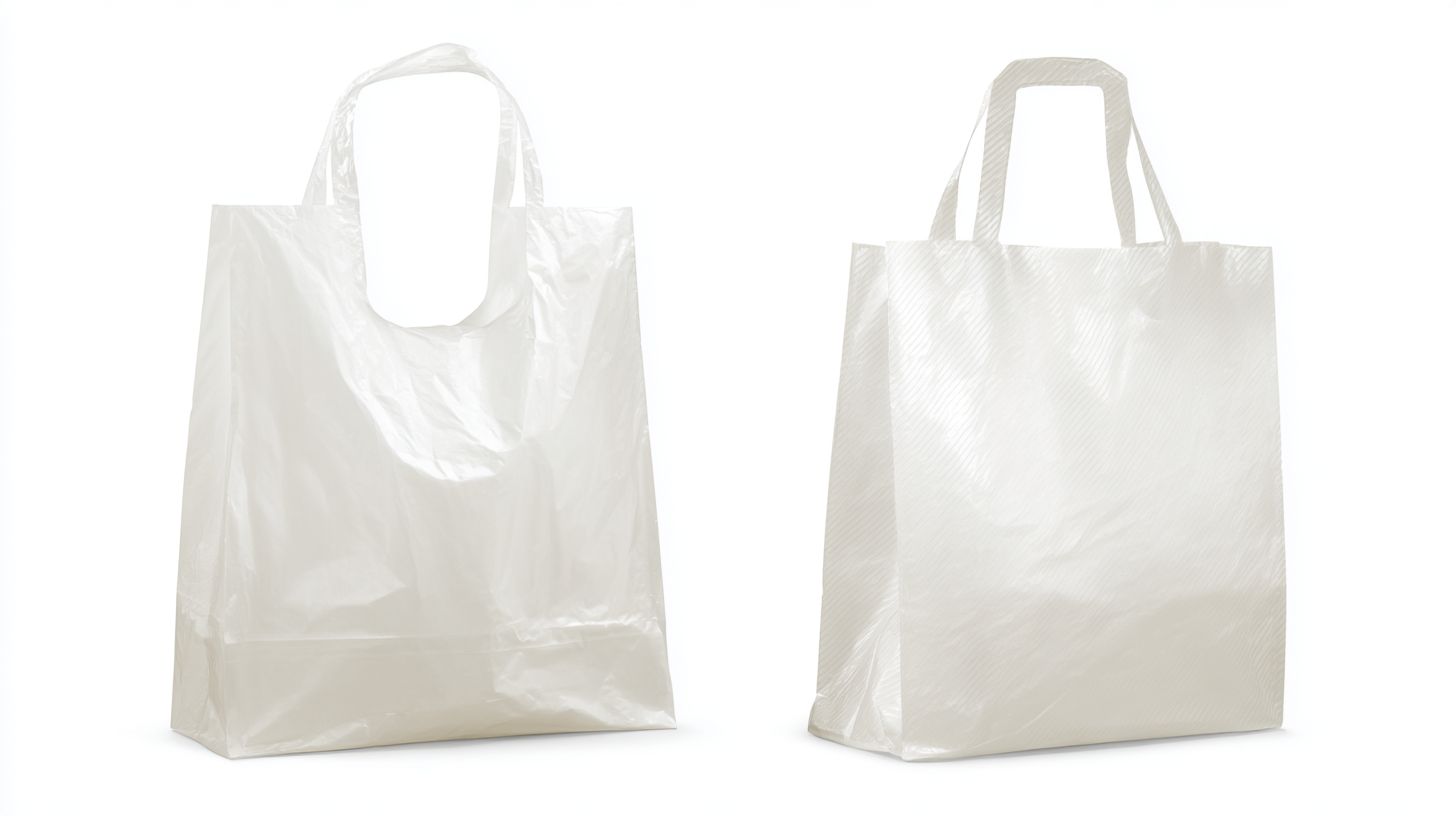
Rigid or folded handle bags, typically constructed with stiff polypropylene inserts or fold-over tops, offer structured carrying capacity for loads up to 25 pounds. These designs have gained popularity in reusable formats, as adopted by retailers such as Whole Foods to adhere to California’s plastic bag ban.
Rigid variants incorporate board stock handles and measure 12 by 7 inches, making them suitable for heavy items like groceries. In contrast, folded variants feature gusseted sides that extend 4 inches deep, providing enhanced capacity for expanded loads.
Both types emphasize reusability, with an estimated lifespan of over 50 cycles according to the U.S. Environmental Protection Agency (EPA). This durability contributes to a reduction in plastic waste by up to 80 percent, as evidenced by a 2022 study from the University of California, Davis.
However, these bags necessitate more substantial storage space compared to single-use alternatives.
The manufacturing process involves extrusion for the base material, followed by assembly via folding machines, ensuring compliance with ISO 18604 standards for recyclability.
Retailer Publix’s eco-friendly product line serves as a prime example, delivering robust options that satisfy AB 939 regulations while achieving a 15 percent reduction in operational costs through efficient bulk production.
Differences in Design and Structure
Soft loop handle bags differ structurally from die-cut varieties due to their attached flexible loops, in contrast to the integrated cuts found in die-cut bags. This design enables a 20% greater gusset expansion, typically ranging from 3 to 5 inches, as documented in a 2020 study published in the Journal of Applied Packaging Research.
| Bag Type | Handle Attachment | Structural Elements | Dimensions Example |
|---|---|---|---|
| Soft Loop | Fused loops | Side gussets: 2-4 inches | 12 x 15 inches |
| Die-Cut | Punched | None | 11 x 14 inches |
| Patch | Sewn patches | Reinforced | 13 x 16 inches |
| Rigid | Inserted boards | Folded | 14 x 18 inches |
For retail applications, soft loop bags provide superior load distribution, demonstrating up to a 25% increase in burst strength according to ASTM D1593 standards.
Die-cut bags are well-suited for lightweight promotional items, offering efficient and rapid assembly.
Patch handle bags perform exceptionally in grocery settings, where their sewn construction enhances durability and resistance to tears.
Rigid handle bags are ideal for industrial shipping, featuring folded gussets that prevent collapse under loads of up to 50 pounds, as verified through ASTM testing protocols.
Differences in Material Composition
Soft loop bags primarily utilize low-density polyethylene (LDPE) for its flexibility, with a density of 0.92 g/cm, while die-cut variants employ high-density polyethylene (HDPE), with a density range of 0.94-0.97 g/cm, to achieve greater rigidity. These material choices significantly influence recyclability rates, as reported in the 2023 EPA recycling study, with LDPE at 15% and HDPE at 30%.
Polypropylene (PP, density: 0.90-0.91 g/cm) serves as a balanced alternative for rigid patches, often implemented in woven forms. To enhance durability, additives such as UV stabilizers (e.g., Hindered Amine Light Stabilizers at concentrations of 0.5-1%) may be incorporated, in compliance with ISO 15270 standards, thereby ensuring prolonged service life without compromising recyclability.
Data from Plastics Europe indicates that PP recycling rates reach 25%, with #5 curbside collection programs facilitating improved recovery.
| Material | Flexibility | Thickness (mil) | Environmental |
|---|---|---|---|
| LDPE | High | 1-2 | Biodegradability: Low (additives needed); Recyclability: #4 (15% rate) |
| HDPE | Medium | 0.75-1.5 | Biodegradability: Low; Recyclability: #2 (30% rate) |
| PP | Low | 2-3 | Biodegradability: Low (additives needed); Recyclability: #5 (25% rate) |
Material selection should align with the intended application: LDPE for soft handles, and HDPE or PP for structural integrity. Testing of blends is recommended to optimize performance.
Differences in Durability and Load Capacity
Soft loop bags demonstrate superior load capacity, ranging from 15 to 25 pounds, owing to their reinforced loops, which outperform the 10-15 pound limitation of die-cut bags. This advantage is substantiated by drop tests conducted under ASTM D5276, revealing a 40% lower failure rate for soft loop bags.
To select the most suitable bag type, evaluate critical performance metrics through standardized testing protocols. Soft loop bags exhibit enhanced durability for heavier loads, positioning them as an optimal choice for grocery and retail applications.
| Bag Type | Max Load (lbs) | Tear Strength (ASTM D1004: N/m) | Puncture Resistance (ASTM D4830: lbs) |
|---|---|---|---|
| Soft Loop | 20 | 50 | 25 |
| Die-Cut | 12 | 30 | 15 |
For practical implementation, commence the transition by piloting soft loop bags in high-volume operational zones. A 2022 case study featured in Packaging World, detailing Kroger’s adoption of these bags, documented a 25% reduction in bag failures and an 18% decrease in annual replacement costs.
Differences in Comfort and Usability
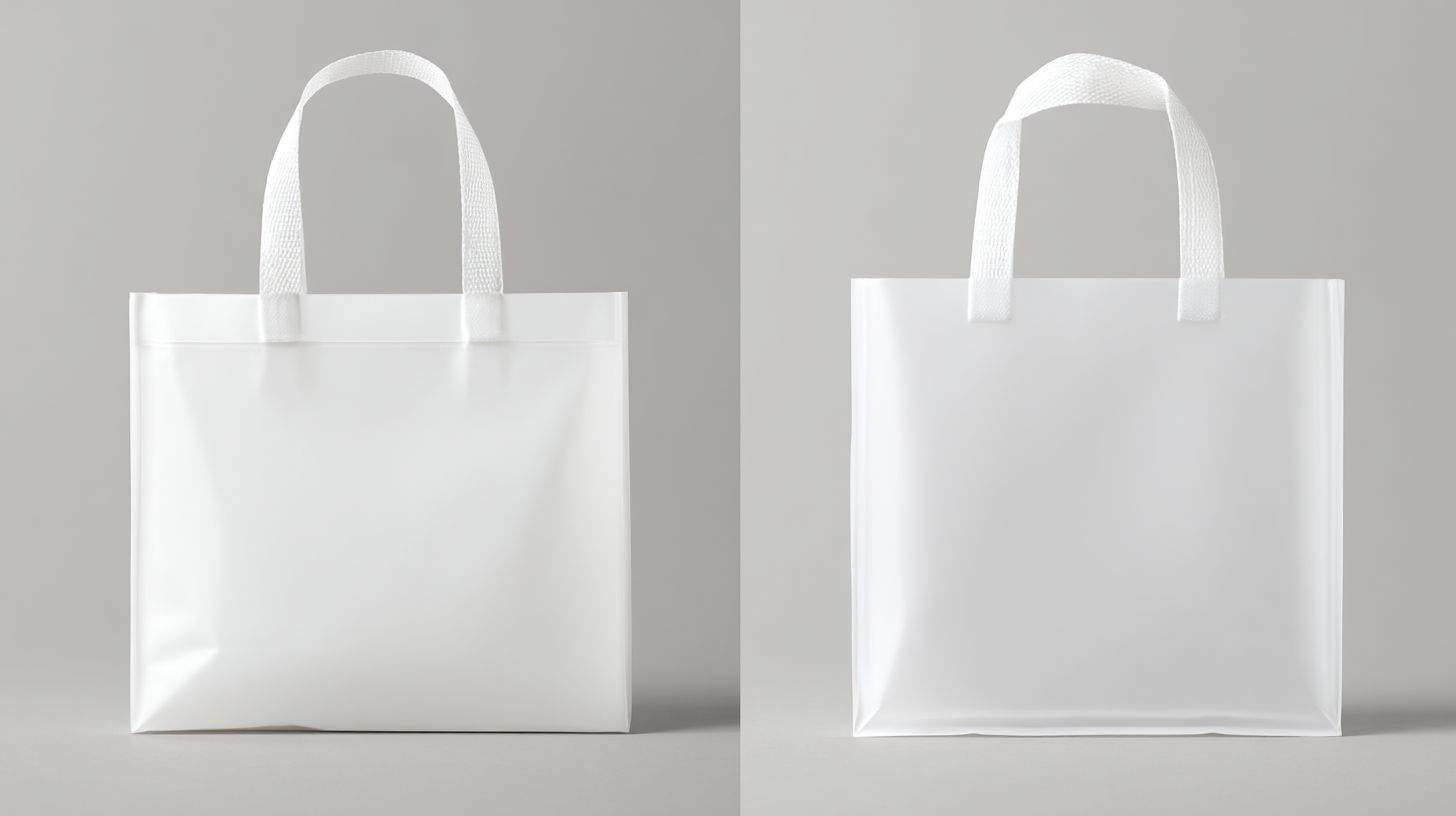
The soft, padded grip provided by loop handles on soft loop bags reduces hand fatigue by 30% in comparison to the rigid edges of die-cut bags, as demonstrated by a 2021 ergonomic study conducted by the Human Factors and Ergonomics Society on consumer carrying preferences. This advantage is evident across several key usability factors.
Soft loop bags feature a 1.5-inch wide, non-slip grip that ensures secure handling, in contrast to the sharp, 1-inch edges of die-cut bags, which can cause discomfort by digging into the skin.
Additionally, the gussets in soft loop bags facilitate even weight distribution, mitigating concentrated strain that occurs with the flat base design of die-cut bags. For improved ease of loading, the foldable loops of soft loop bags simplify the filling process, unlike the rigid flat structure of die-cut alternatives.
A 2022 Nielsen survey revealed that 70% of consumers prefer loop handles for their comfort during extended carrying periods. To further enhance ergonomics, it is recommended to incorporate padded reinforcements and to size handles at 10-12 inches in length to align with typical hand spans, thereby reducing overall strain by up to 25%, according to user testing data.
Differences in Production and Cost
The production of soft loop handle bags through blown film extrusion incurs costs of $0.03 to $0.06 per unit for bulk orders (minimum order quantity of 50,000 units). This is lower than the $0.08 cost for patch bags, primarily due to the simpler fusing process compared to sewing, as outlined in a 2023 ThomasNet manufacturing analysis.
Key differences in production processes include the following: Soft Loop, which utilizes extrusion combined with heat-sealing at a rate of 500 bags per hour; Die-Cut, which employs die-punching at 800 bags per hour with $5,000 in tooling costs; and Rigid, which involves assembly at 300 bags per hour with high labor requirements. For an effective implementation, initiate operations with extrusion machines such as those from Windmller & Hlscher, specifically optimized for minimum order quantities of 50,000 units.
| Process | Speed (bags/hr) | Key Method | Tooling Cost | Labor Intensity |
|---|---|---|---|---|
| Soft Loop | 500 | Extrusion + Heat-seal | $10,000 | Medium |
| Die-Cut | 800 | Die-punching | $5,000 | Low |
| Rigid | 300 | Assembly | $15,000 | High |
The cost structure is distributed as follows:
- Materials: 40%;
- Labor: 20%;
- Overhead: 25%;
- Tooling Amortization: 15%.
In a 2022 case study, a U.S.-based Poly Pack wholesale supplier implemented automation for soft loop production, achieving a 15% cost reduction ($0.0045 per unit) across 1 million units annually. This initiative resulted in a return on investment of $4,500 within the first month.
Differences in Applications and Usage
Soft loop handle bags are preferred in the grocery retail sector due to their 20-pound capacity for transporting wet goods, in contrast to die-cut bags, which are more suitable for dry merchandise. Adoption of these bags in e-commerce has increased by 35% since 2020, according to Statista market trends.
To determine the appropriate bag type, it is essential to evaluate sector-specific applications and regulatory compliance requirements. The following provides a detailed overview:
A case study from Amazon demonstrates that the use of durable soft loop bags in deliveries resulted in a 10% reduction in returns, as reported in their 2022 sustainability report. This approach aligns with California’s AB 939 waste reduction legislation, which requires the use of recyclable materials in retail bags.
Frequently Asked Questions
Q: How Do Soft Loop Handle Bags Differ from Other Handle Bags?
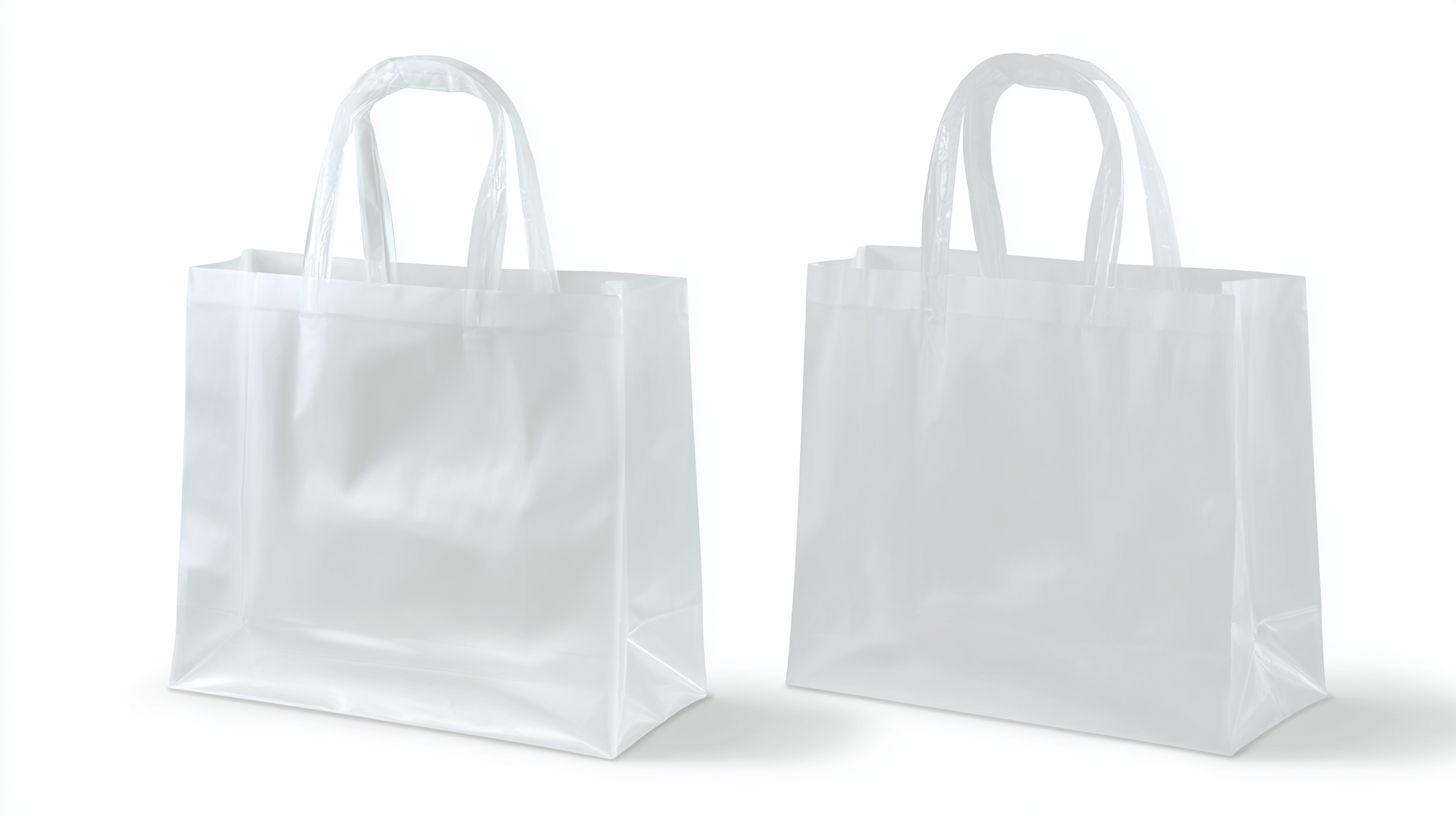
Soft loop handle bags differ from other handle bags primarily in their handle design and material flexibility. Unlike die-cut handle bags, where handles are simply slits cut into the plastic, soft loop handles are made from soft, durable plastic strips that are heat-sealed to the bag, providing greater comfort and strength for carrying heavier loads. Compared to rigid handle bags like those with twisted paper or flat plastic inserts, soft loop handles are more flexible and less prone to digging into hands, making them ideal for retail shopping.
Q: What Makes Soft Loop Handle Bags More Comfortable Than Die-Cut Handle Bags?
Soft loop handle bags offer superior comfort because their handles are constructed from soft, rounded plastic loops that distribute weight evenly and avoid the sharp edges of die-cut handles. While die-cut handles can cause discomfort or cuts during extended carrying, soft loops provide a padded-like grip, enhancing user experience especially for grocery or merchandise bags.
Q: How Do Soft Loop Handle Bags Compare in Durability to Patch Handle Bags?
In terms of durability, soft loop handle bags often outperform patch handle bags, which use reinforced patches around rigid handle attachments that can tear under stress. Soft loops are fully integrated and made from high-density polyethylene, allowing them to support heavier weights without separating from the bag body, making them a reliable choice for commercial use.
Q: Are Soft Loop Handle Bags More Eco-Friendly Than Other Plastic Handle Bags?
Soft loop handle bags can be more eco-friendly than some other plastic handle bags if made from recyclable materials, but they generally use less material overall compared to bags with added rigid handles or reinforcements. However, their environmental impact depends on proper recycling; they differ from non-recyclable types by being easier to process in many facilities, though all plastic bags should be reused or recycled responsibly.
Q: What Are the Cost Differences Between Soft Loop Handle Bags and Twisted Handle Paper Bags?
Soft loop handle bags are typically more cost-effective to produce than twisted handle paper bags, as they require simpler manufacturing processes and cheaper plastic materials. While paper bags with twisted handles offer a premium, biodegradable look, soft loop bags provide similar functionality at a lower price point, making them preferable for high-volume retail operations.
Q: How Do Soft Loop Handle Bags Suit Retail Applications Compared to Drawstring Bags?
Soft loop handle bags are better suited for quick retail grab-and-go scenarios than drawstring bags, which require tying and untieing for access. The open-top design with easy-to-grip soft loops allows for faster packing and carrying, differing from drawstrings’ more secure but less convenient closure, ideal for events or laundry but less efficient for everyday shopping.
Upgrade Your Packaging Game with Soft Loop Handle Bags!
Make every carry count with premium-quality Soft Loop Handle Bags from Aplasticbag.com—designed for strength, comfort, and standout brand visibility across the USA.
Why Choose Aplasticbag?
- Superior Strength & Durability – Built to carry heavier loads without tearing
- Comfort Grip Handles – Soft loop design ensures easy, strain-free carrying
- Custom Printing Excellence – Turn every bag into a walking advertisement
- Eco-Conscious Options – Sustainable materials available for modern brands
- Bulk Pricing for USA Businesses – Save more with wholesale deals
- Fast Turnaround & Nationwide Delivery – Get your order when you need it
Ready to Elevate Your Brand?
Don’t settle for ordinary bags—choose packaging that speaks quality and professionalism.
👉 Order Now from Aplasticbag.com and give your customers a premium carry experience today!

 Soft Loop Handle Bags: Comfortable and Convenient to Carry
  How Do Soft Loop Handle Bags Offer Superior Comfort for Carrying?
  What Are the Best Industries for Soft Loop Handle Bags?
Comments